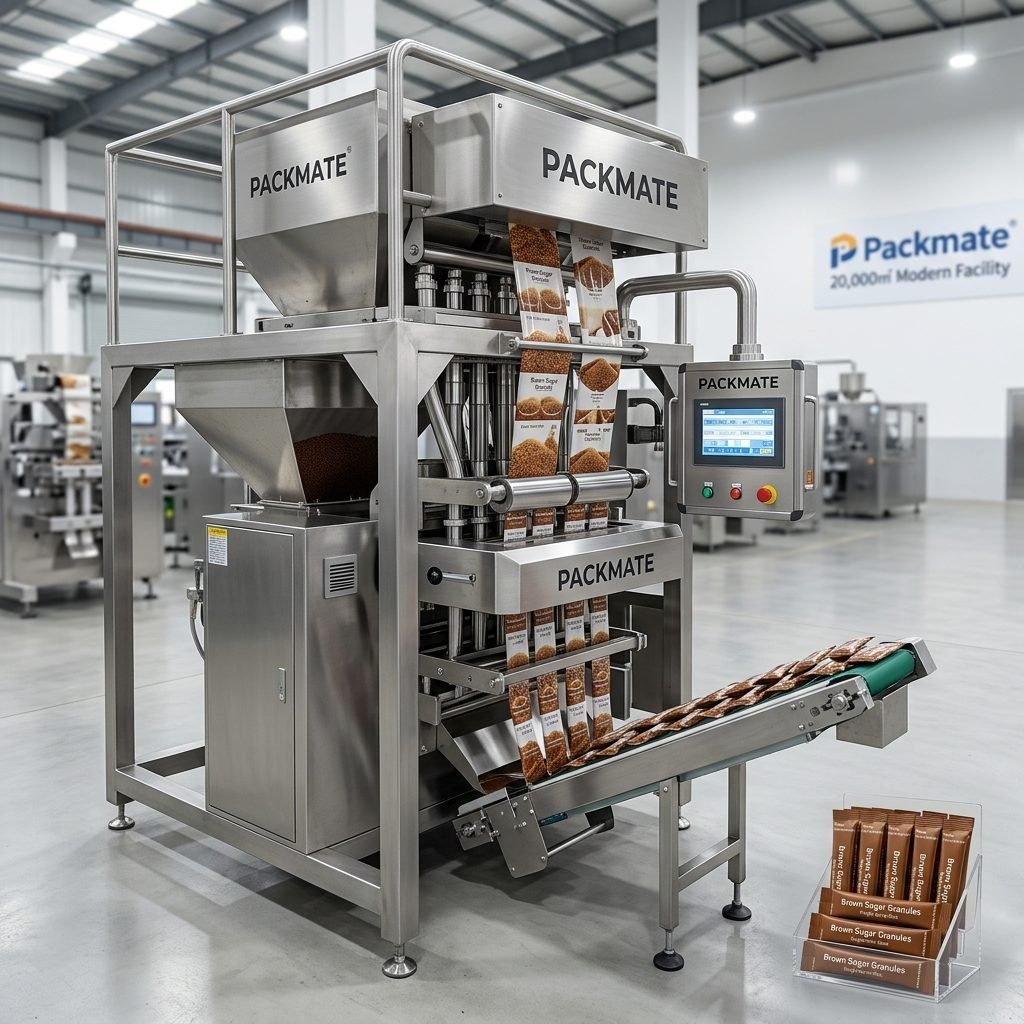
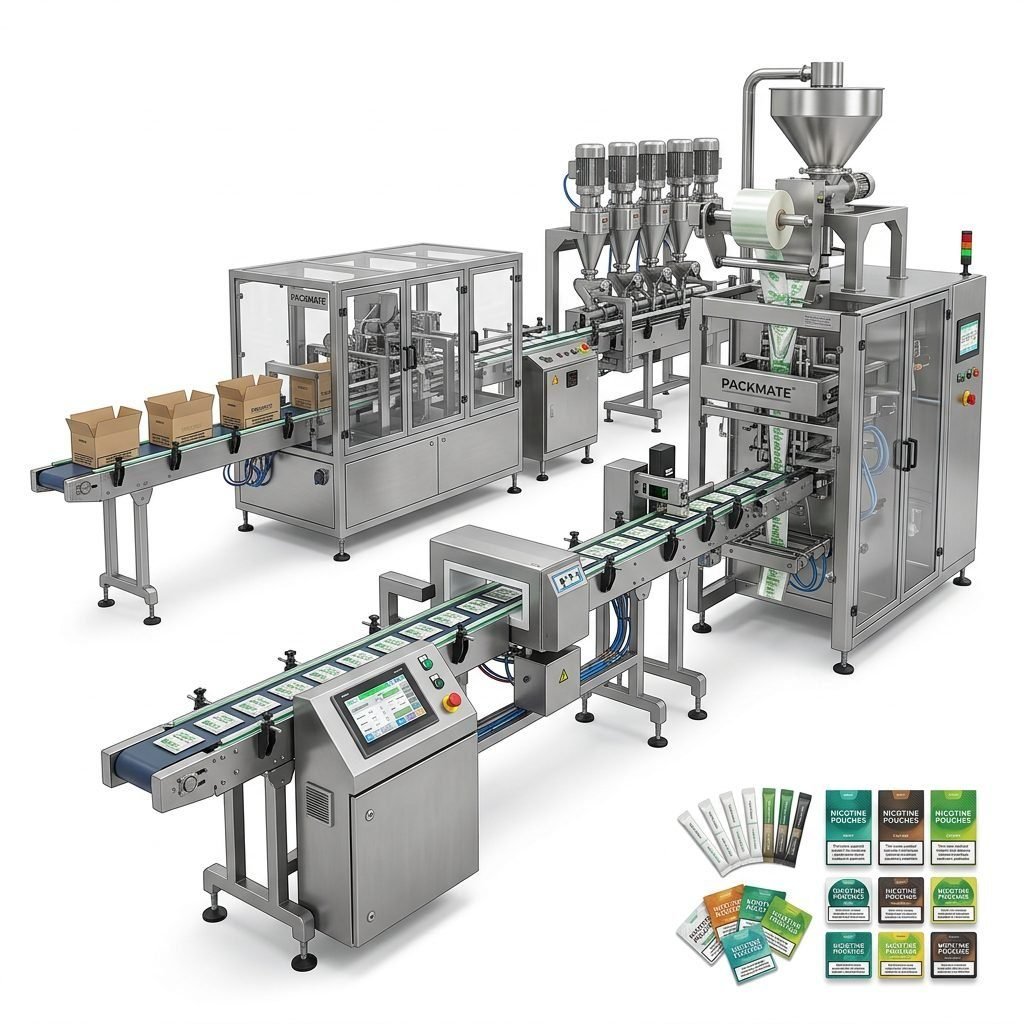
Navigating the world of vertical packaging equipment can be a complex task. Whether you’re looking to enhance your production line’s efficiency, improve product presentation, or enter new markets, selecting the right machinery is a critical business decision. This guide serves as a comprehensive resource, offering key sales insights and practical buying tips to help you make an informed investment.
Understanding Vertical Packaging Machines
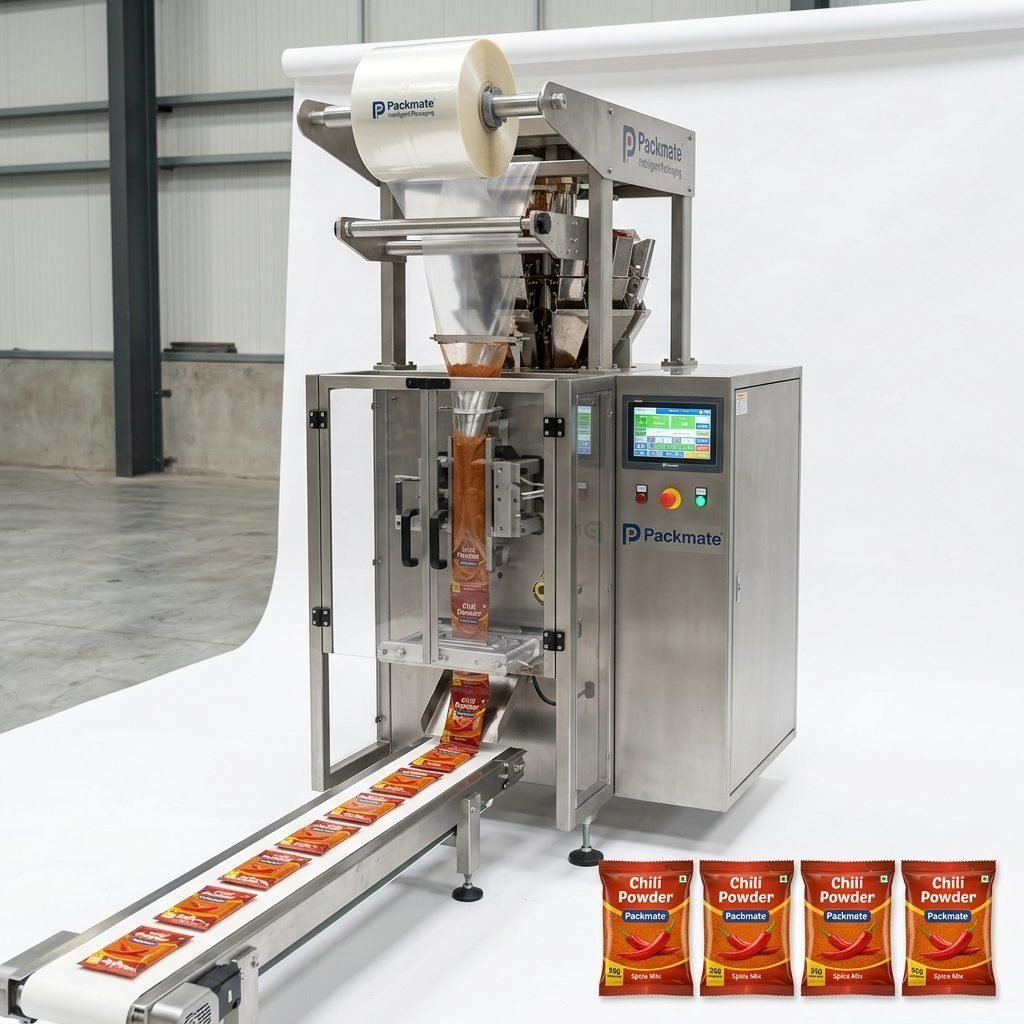
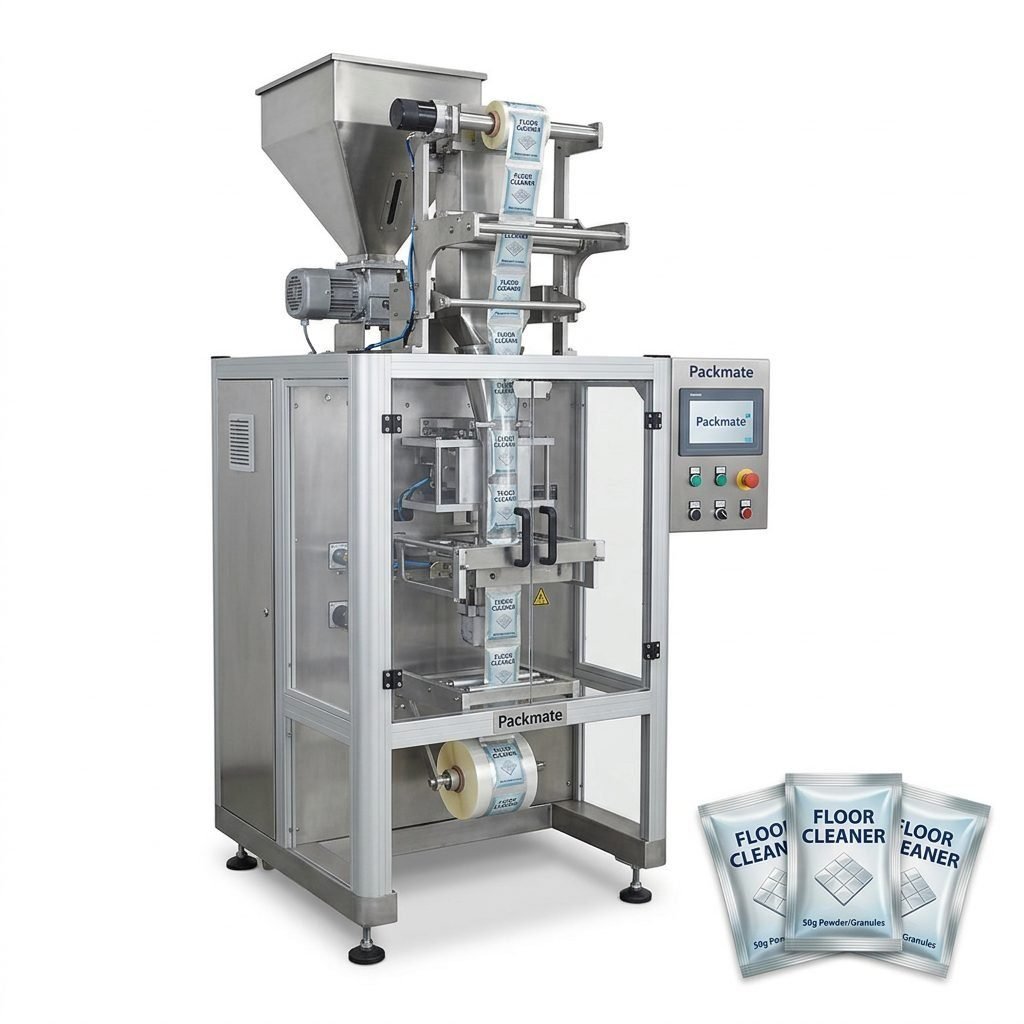
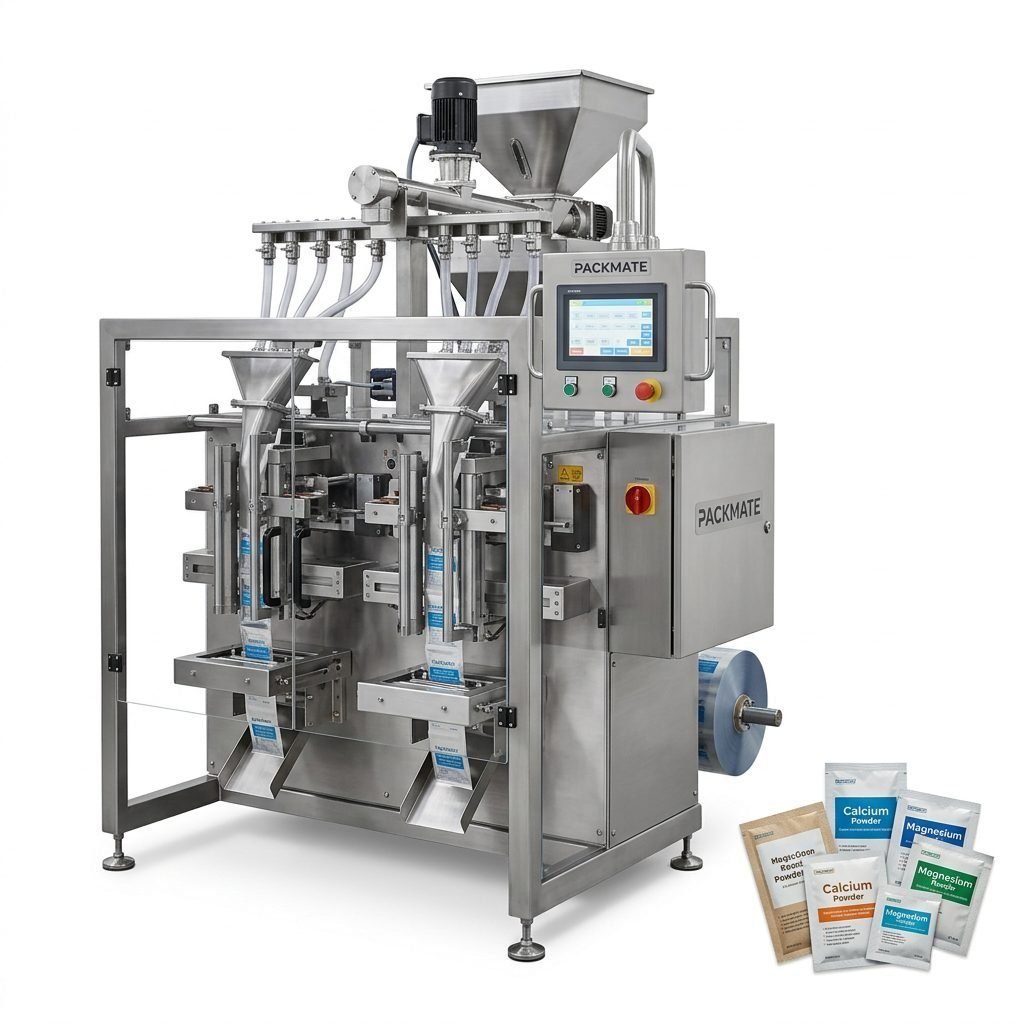
Vertical form-fill-seal (VFFS) machines are the workhorses of modern packaging lines, particularly for granular, powdered, and liquid products. They create packages from a roll of film, forming a tube, filling it with product, and sealing it—all in a continuous vertical motion. This process is renowned for its high speed, efficiency, and material savings compared to pre-made bag systems.
The versatility of these machines is a significant advantage. With the right attachments and configurations, a single VFFS unit can produce a wide variety of pouch styles, including pillow bags, gusseted bags, and stand-up pouches. This flexibility is crucial for brands looking to diversify their product offerings without investing in entirely new packaging lines.
Key Applications and Industries
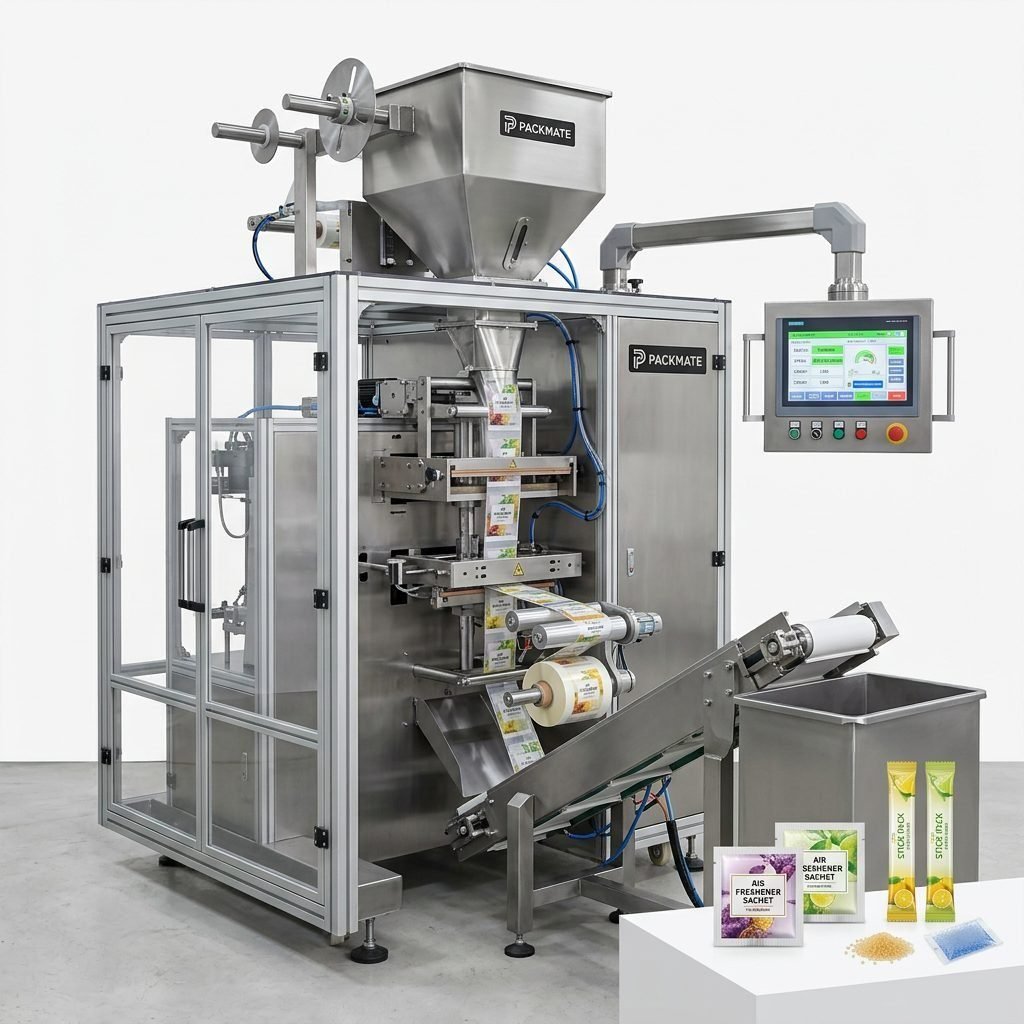
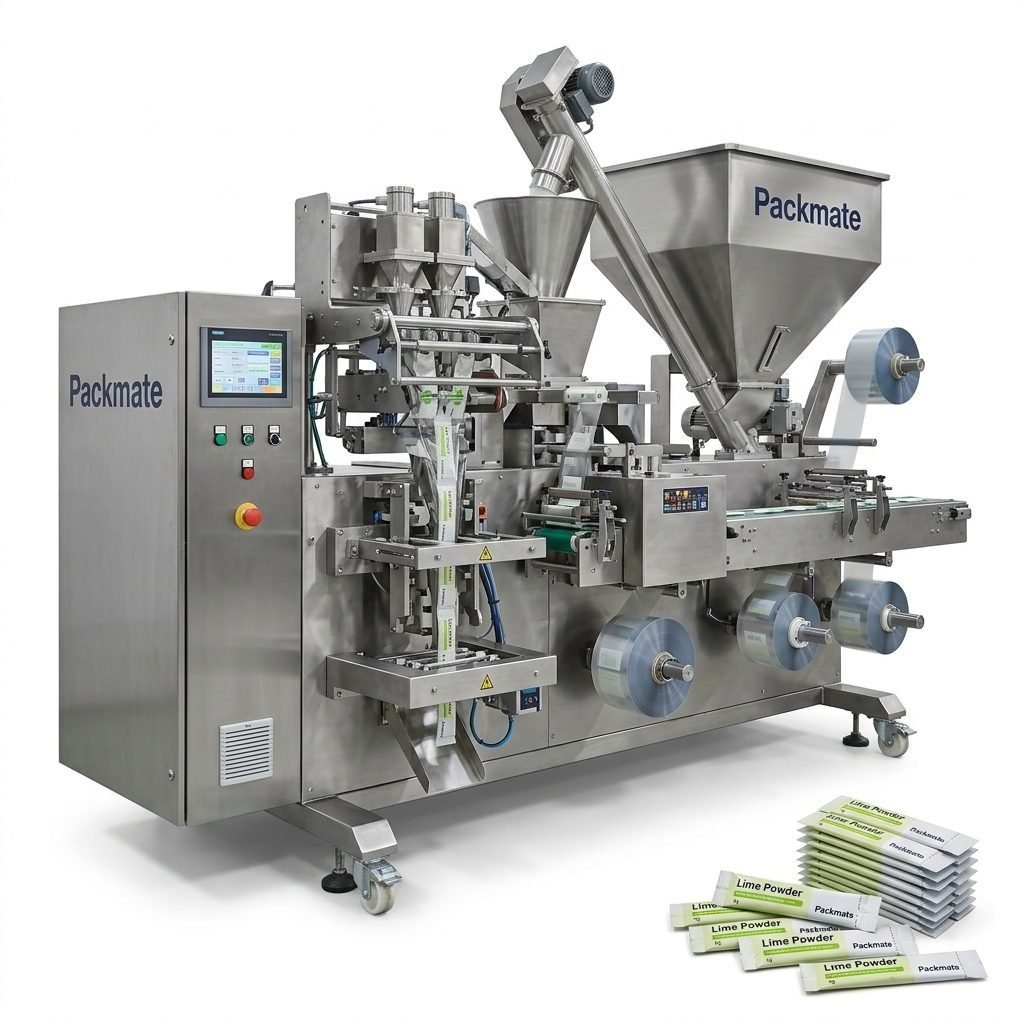
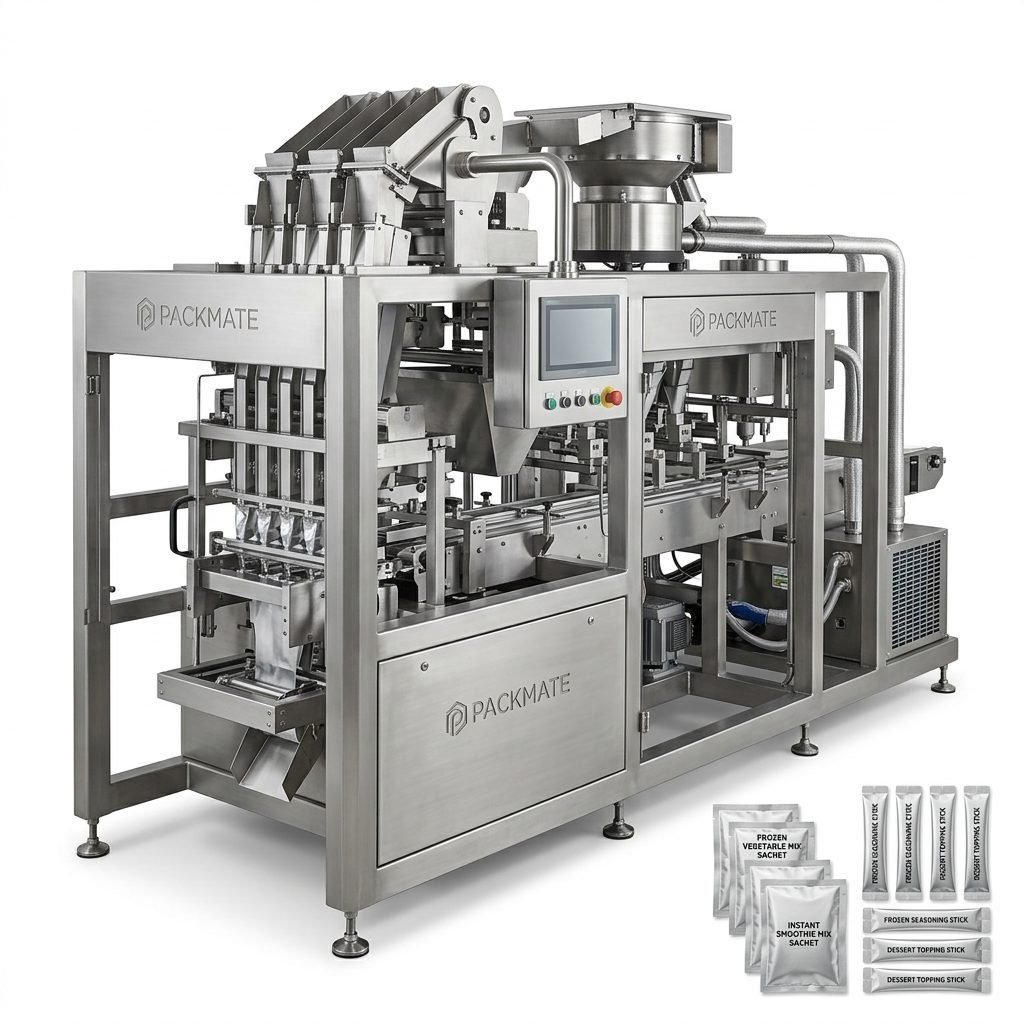
Vertical packaging systems are indispensable across numerous sectors. In the food industry, they package everything from snacks and coffee to pasta and spices. The pharmaceutical and nutraceutical industries rely on them for precise, hygienic packaging of powders, tablets, and herbal products. Furthermore, they are essential in packaging chemicals, hardware items, and pet food. For specialized needs, such as creating small, precise sachets for sauces or single-serve portions, sachet and stick pack machines offer targeted solutions.
Critical Factors to Consider Before Buying
Purchasing a vertical packaging machine is a substantial investment. A thorough evaluation of your specific needs will ensure you choose equipment that delivers long-term value and performance.
1. Product Characteristics
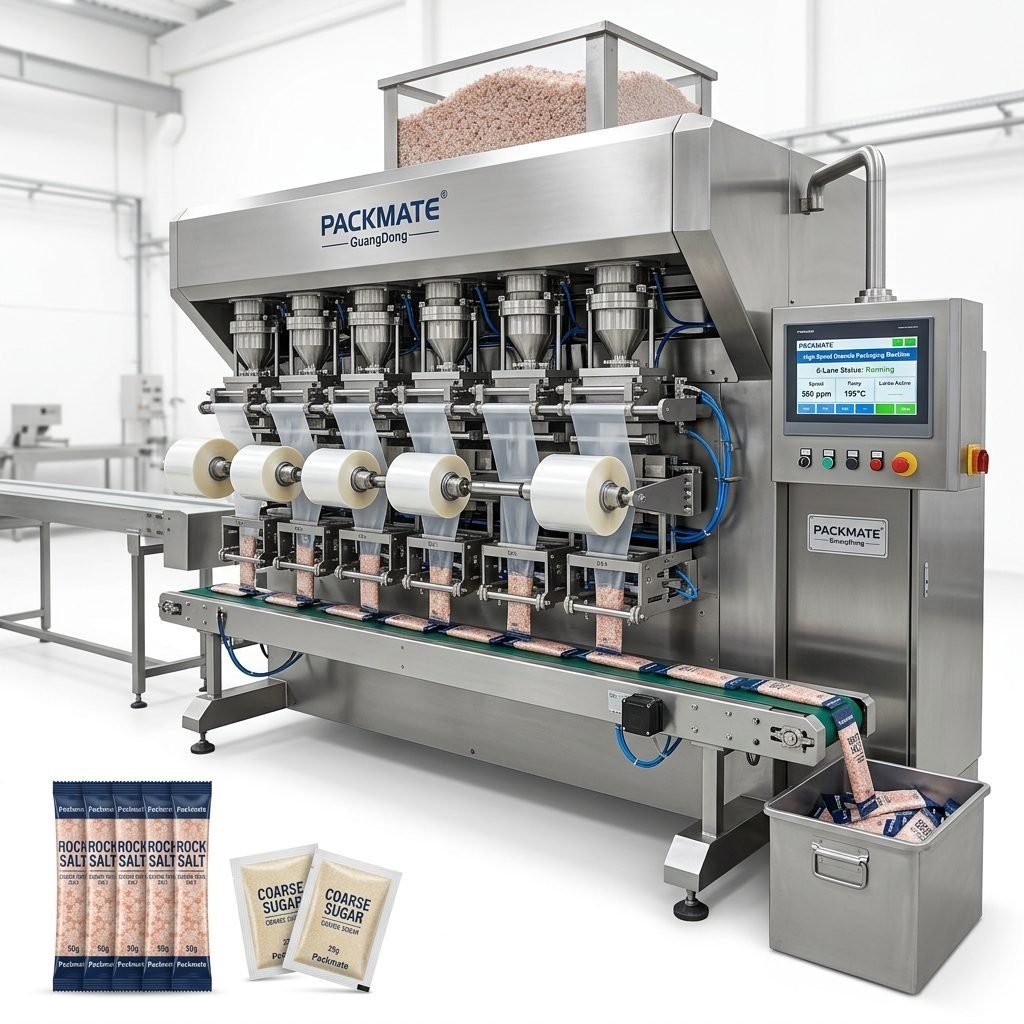
The nature of your product dictates the machine’s specifications. Consider its flowability (free-flowing granules vs. sticky powders), abrasiveness, and particle size. For liquids or viscous products, specific pump and nozzle systems are required. Accurate product handling is paramount, which is why integrating a reliable weighing and packaging system is often a core component of the purchase decision.
2. Production Speed and Output Requirements
Clearly define your required output in bags per minute (BPM). It’s advisable to choose a machine that can exceed your current needs by 15-20% to accommodate future growth and peak demand periods. Remember, maximum speed is often theoretical; sustainable operational speed is the key metric.
3. Packaging Materials and Film Types
The machine must be compatible with your chosen packaging film, whether it’s polyethylene, polypropylene, laminates, or biodegradable materials. Consider the seal type (constant heat, impulse, ultrasonic) needed for your film. A machine with robust film tracking and tension control systems minimizes waste and ensures consistent seal quality.
The Importance of a Trusted Manufacturer
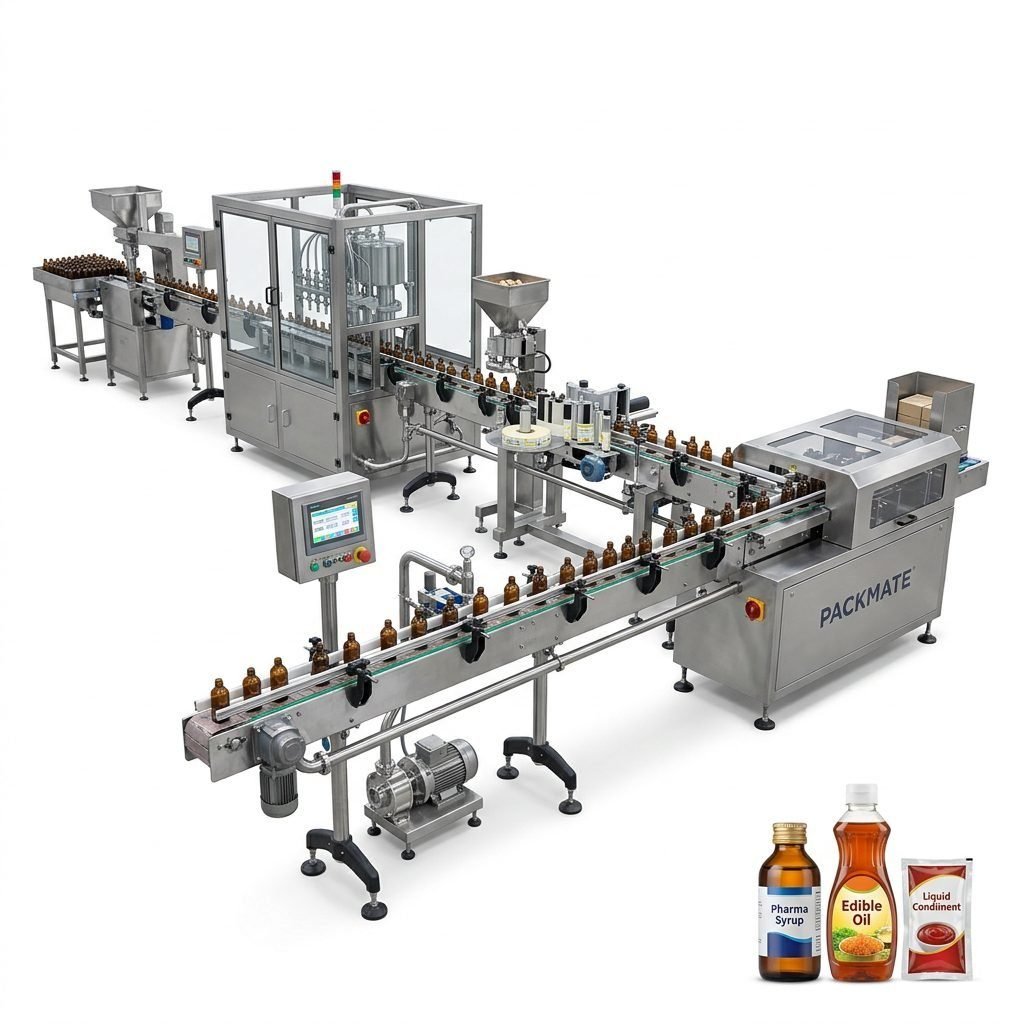
Beyond specifications, the manufacturer’s reputation is critical. A partner with a proven track record offers more than just a machine; they provide reliability, innovation, and support. For instance, Packmate Machinery brings over three decades of expertise in building intelligent packaging solutions. Their commitment to quality is backed by a 20,000㎡ modern facility and a portfolio of over 50 machine models, ensuring they can provide a tailored complete filling and packaging line rather than just an isolated unit.
A manufacturer’s after-sales service—including installation, training, maintenance support, and spare parts availability—is as important as the machine itself. This support structure is vital for minimizing downtime and protecting your investment over its entire lifecycle.
Optimizing Your Investment: Total Cost of Ownership
The purchase price is only part of the equation. Savvy buyers evaluate the Total Cost of Ownership (TCO), which includes:
- Energy Consumption: Modern servo-driven machines are significantly more energy-efficient than older mechanical models.
- Material Waste: Precision film handling and cutting mechanisms reduce film waste, directly impacting material costs.
- Maintenance & Downtime: Robustly built machines with accessible components lower maintenance costs and increase overall equipment effectiveness (OEE).
- Operational Labor: User-friendly HMIs, quick changeover features, and automated auxiliary equipment can reduce the labor required per output unit.
Future-Proofing Your Packaging Line
Consider scalability and flexibility. Can the machine handle different package sizes with quick changeovers? Is it compatible with Industry 4.0 concepts for data collection and line integration? Investing in a modular system from a forward-thinking manufacturer allows you to adapt to new market trends, such as sustainable packaging or e-commerce-ready designs, without replacing your core equipment.
Frequently Asked Questions (FAQs)
What is the typical lead time for a new vertical packaging machine?
Lead times vary based on complexity and customization. For standard models from established manufacturers, expect 8-16 weeks from order to shipment. Highly customized or fully integrated lines may require 20 weeks or more. It’s crucial to discuss timelines upfront during the planning phase.
Can one machine handle multiple different products and bag sizes?
Yes, most modern VFFS machines are designed for changeover. The ease and speed of changeover depend on the machine’s design. Look for features like servo-driven adjustments, recipe memory on the HMI, and quick-release tooling to minimize downtime when switching products or bag dimensions.
How do I ensure the machine meets food-grade or pharmaceutical safety standards?
Specify the required standards (e.g., FDA, EU, GMP) during the inquiry. Reputable manufacturers design machines with appropriate materials (e.g., stainless steel contact parts), hygienic design principles (minimizing crevices), and can often provide necessary documentation and certifications for compliance.
What kind of training and technical support is provided after installation?
A comprehensive package should include on-site installation and commissioning by factory engineers, operational training for your staff, and maintenance training for your technicians. Ensure you understand the terms of the warranty, the availability of remote support, and the process for ordering genuine spare parts.
Is it better to buy a standalone machine or a complete integrated line?
The answer depends on your starting point and goals. A standalone VFFS machine is suitable for upgrading an existing line. For a new operation or a major overhaul, a complete, synchronized line—including feeding, weighing, metal detection, and cartoning—from a single supplier like Packmate ensures optimal compatibility, performance, and single-point accountability for service and support.