In the healthcare industry, sterile product packaging is not merely a final step in production—it is a critical safeguard for patient safety and product efficacy. The right packaging equipment solutions ensure that medical devices, pharmaceuticals, and other sterile products remain uncontaminated from the point of manufacture to the point of use. This article explores the top healthcare packaging equipment solutions designed specifically for sterile products, highlighting key technologies and considerations for selecting the optimal machinery.
The Critical Role of Packaging in Sterile Product Integrity
Sterile products demand an uncompromising barrier against microbial ingress, particulate contamination, and environmental factors. Packaging acts as the primary defense, maintaining sterility throughout logistics and storage. Specialized equipment must achieve hermetic seals, precise dosing, and consistent material handling to meet stringent regulatory standards like ISO 11607 and FDA guidelines. Any failure in packaging integrity can compromise patient health and lead to costly recalls, making equipment reliability paramount.
Key Challenges in Sterile Healthcare Packaging
Manufacturers face unique hurdles when packaging sterile items. These include:
Maintaining Aseptic Conditions: Equipment must often operate within controlled environments (e.g., cleanrooms) to prevent contamination during the packaging process.
Material Compatibility: Packaging films and substrates must be compatible with sterilization methods like gamma irradiation, ethylene oxide (EtO), or steam autoclaving without degrading.
Precision and Accuracy: Dosage forms, especially powders and liquids for injectables or topical applications, require exact filling to ensure correct therapeutic doses.
Traceability and Compliance: Equipment should support serialization, lot coding, and data logging to meet track-and-trace regulations in markets like the EU and North America.
Top Equipment Solutions for Sterile Product Packaging
The market offers a range of advanced machinery tailored to sterile healthcare applications. Leading manufacturers, such as Packmate Machinery, develop intelligent systems that integrate seamlessly into sterile production lines. Below are prominent equipment categories.
1. Aseptic Form-Fill-Seal (FFS) Machines
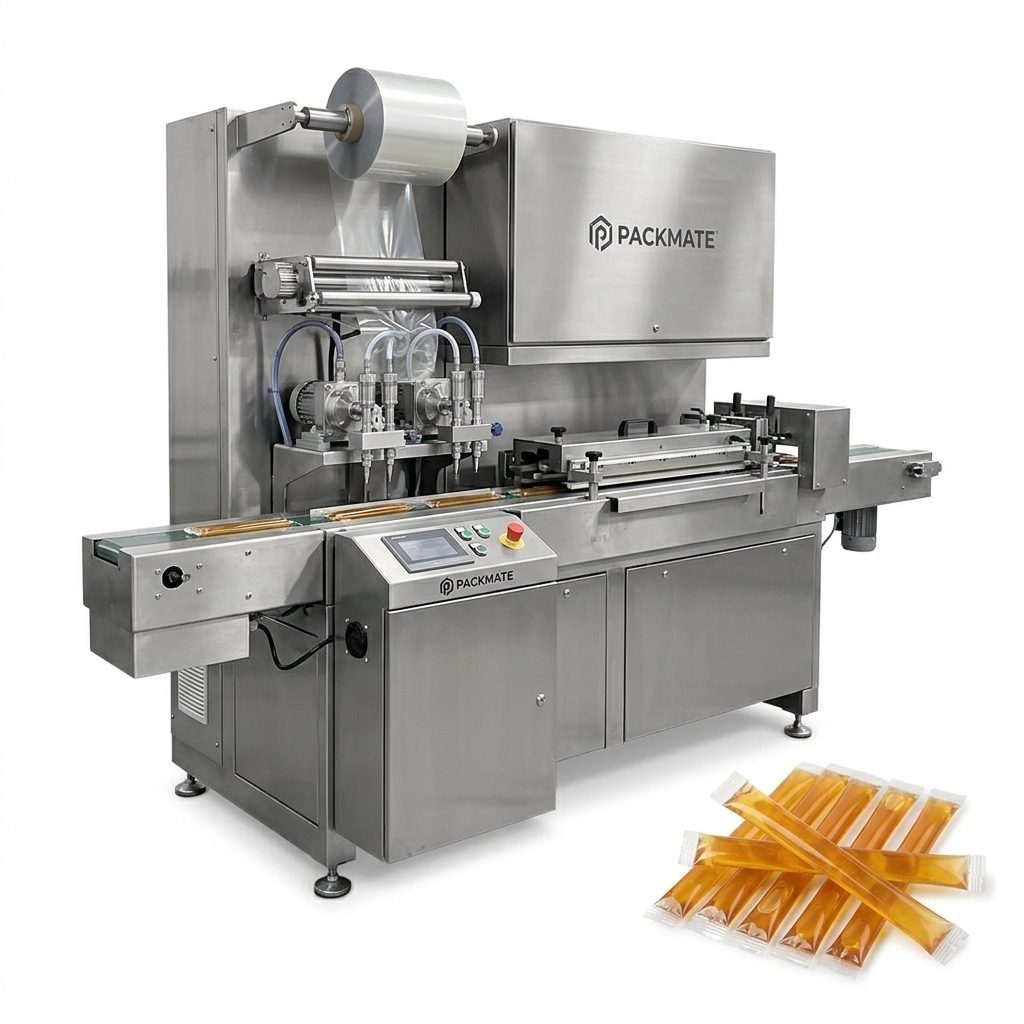
Aseptic FFS machines are the cornerstone of sterile liquid and semi-solid packaging. They form, fill, and seal packages in a single continuous process within a sterile zone. These systems are ideal for saline solutions, IV fluids, ophthalmics, and wound care gels. Advanced models feature isolator technology or restricted access barrier systems (RABS) to minimize human intervention. The machinery ensures packages are hermetically sealed immediately after filling, preserving sterility.
2. Blister Packaging Lines for Solid Dosages
For tablets, capsules, and medical devices, blister packaging provides excellent barrier properties and unit-dose convenience. Modern blister lines incorporate thermoforming or cold forming processes with high-integrity lidding materials. Equipment often includes integrated leak detection systems and vision inspection to identify pinholes or seal defects. This is crucial for products sensitive to moisture or oxygen, such as certain antibiotics or diagnostic strips.
3. Sterile Pouch and Sachet Packaging Machines
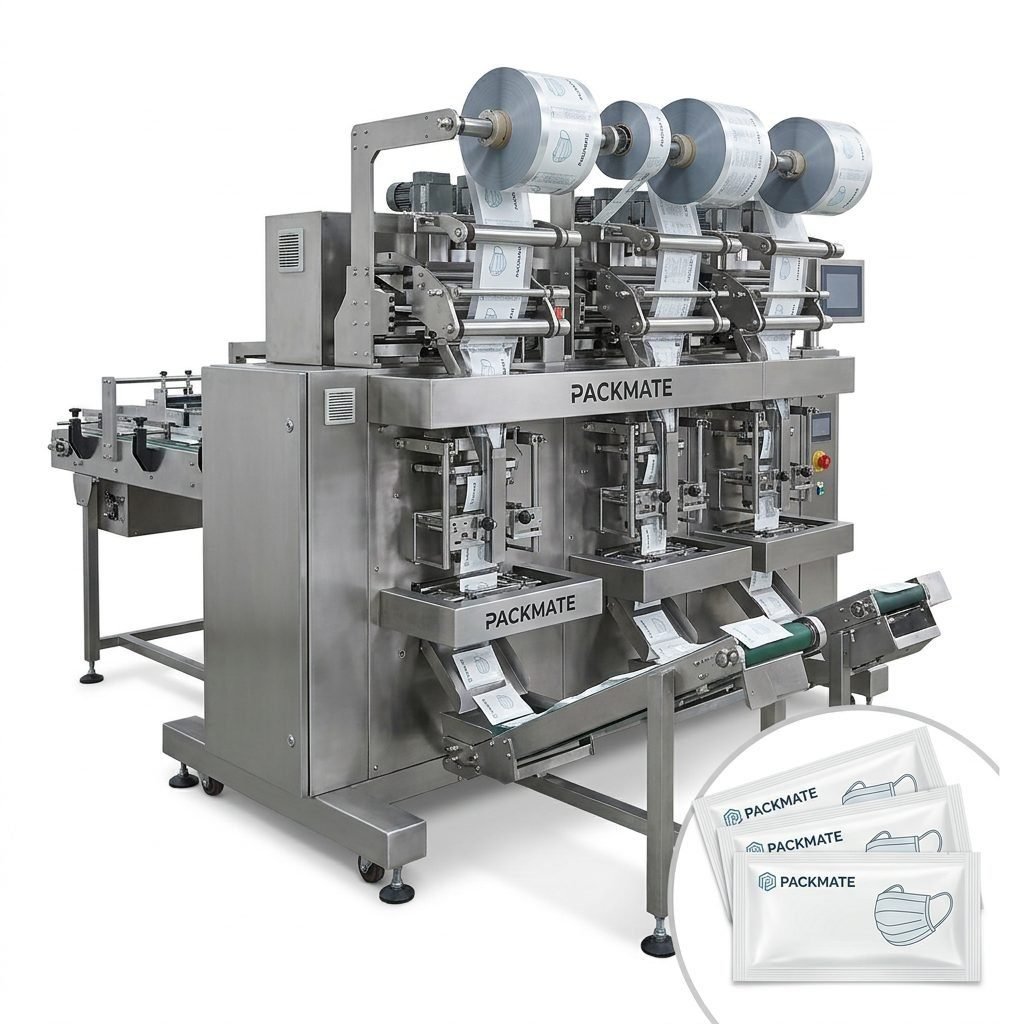
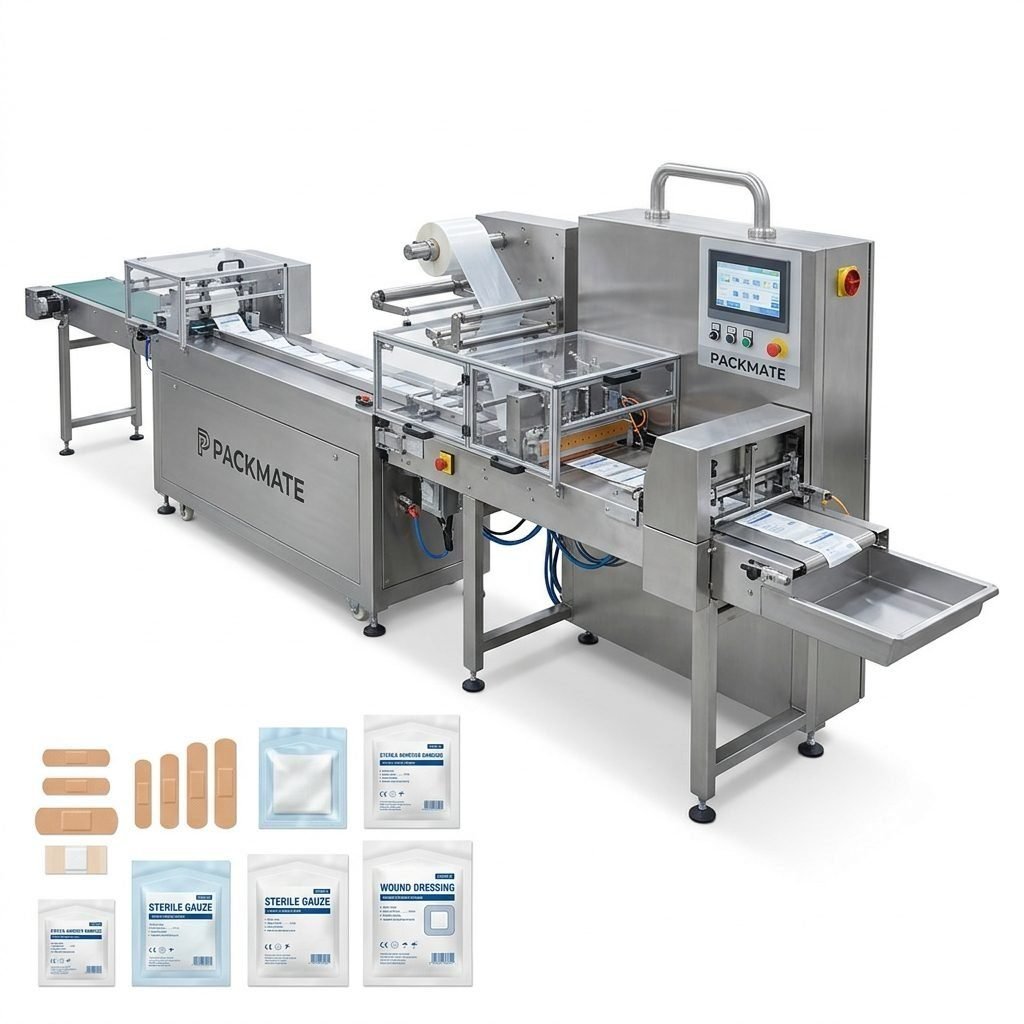
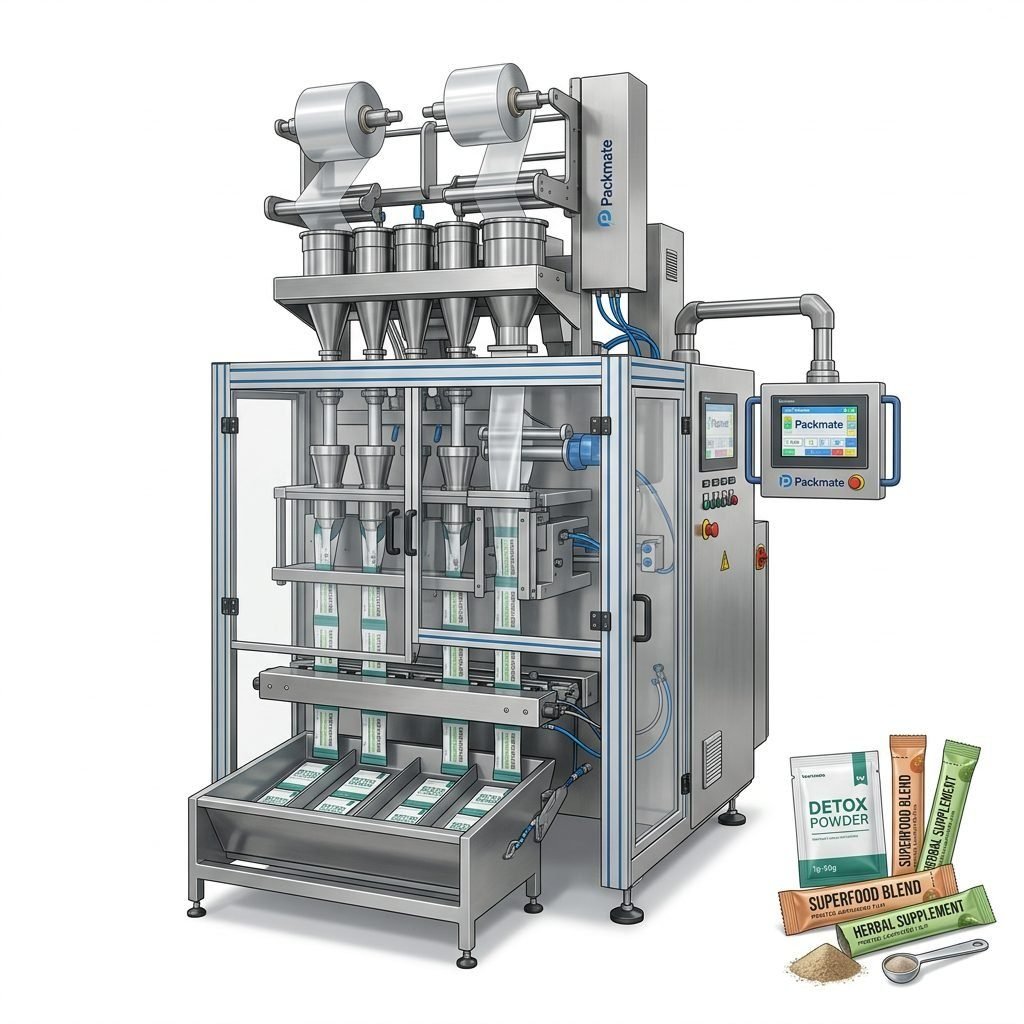
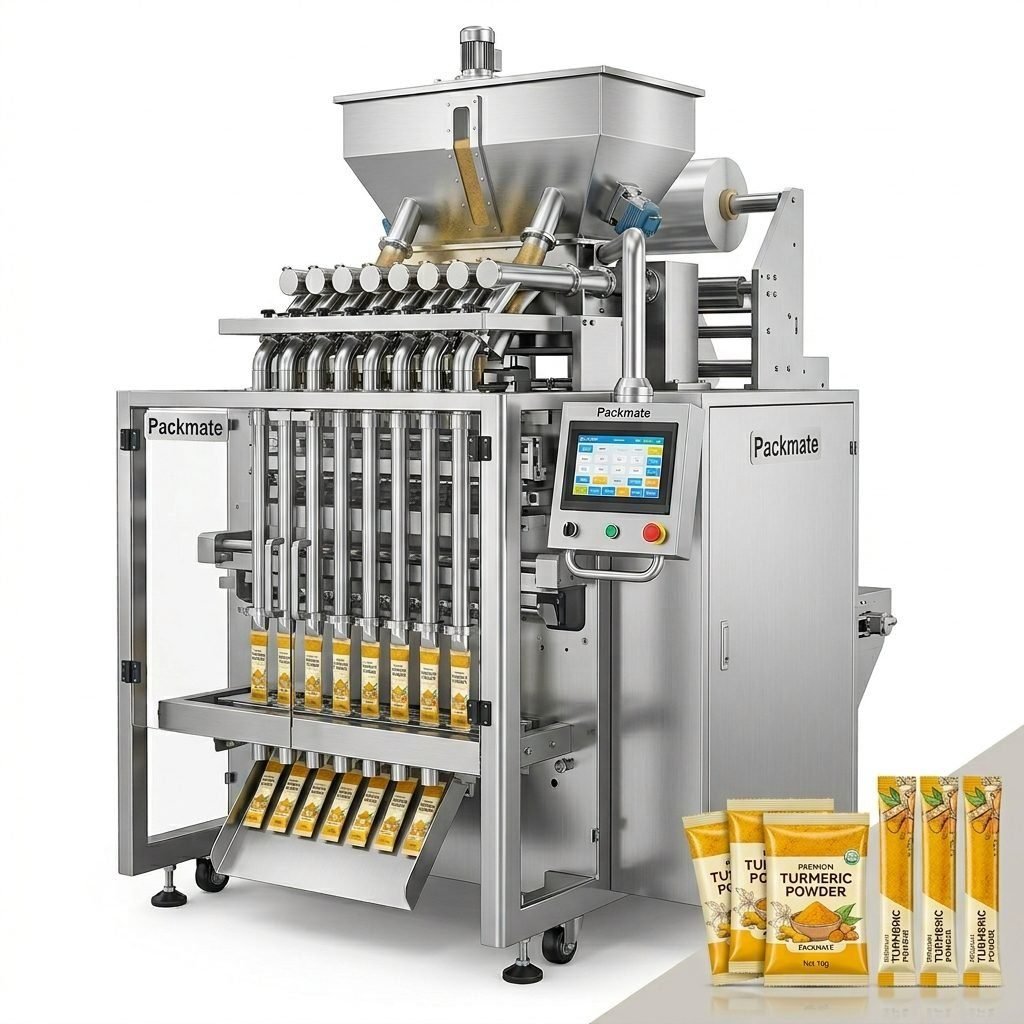
Flexible pouches and sachets are widely used for sterile surgical kits, gauze, and single-use medical components. Machines like those in Packmate’s sachet and stick pack range offer multi-lane, high-speed operation with precision sealing jaws. They handle medical-grade films that maintain sterility after ethylene oxide or radiation sterilization. Features often include gas flushing (for inert atmosphere packaging) and tamper-evident seal options.
4. Automated Cartoning and Secondary Packaging Systems
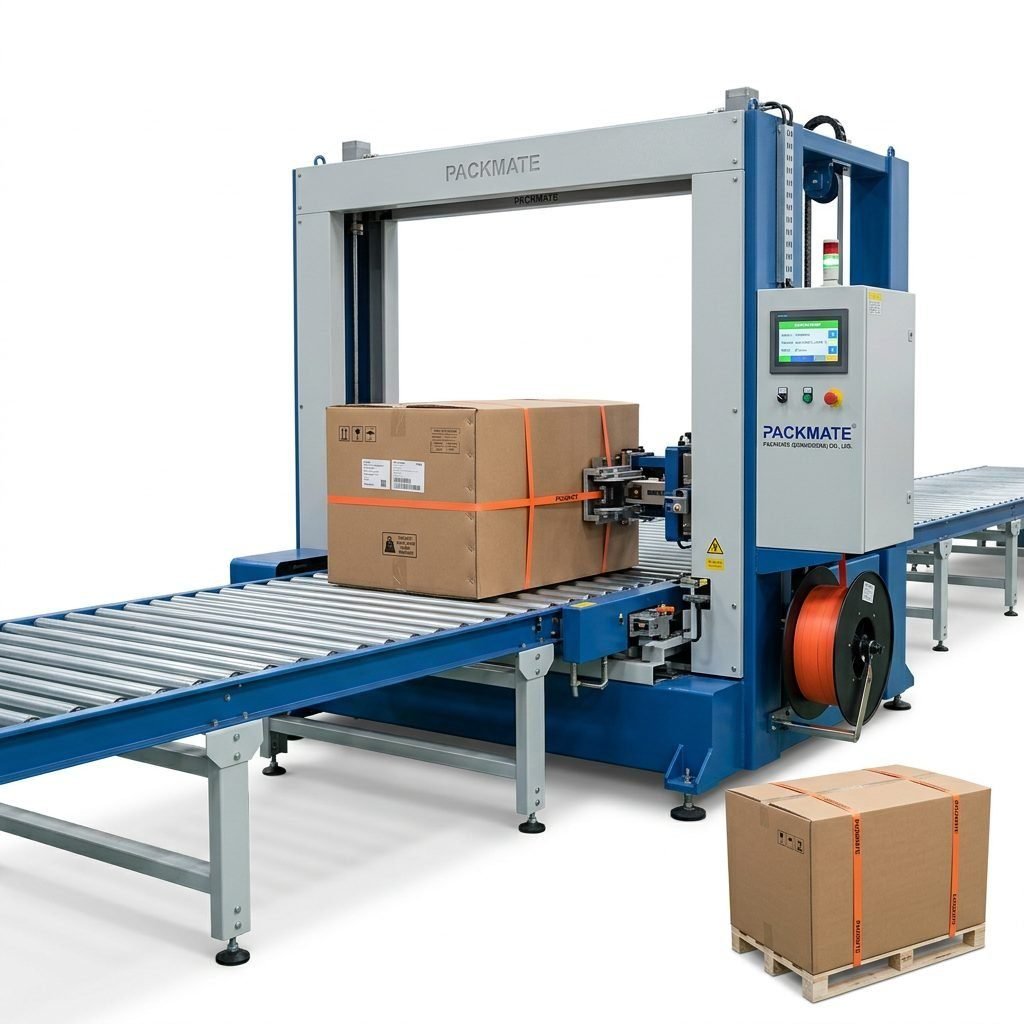
Once primary packaging is complete, sterile products require secure secondary packaging. Automated cartoners erect, load, and seal cartons with minimal manual handling. These systems can integrate with leaflet inserters and serialization units, ensuring each carton is traceable. For sensitive sterile products, cartoners designed for cleanroom compatibility prevent contamination during this final stage before distribution.
Specialized Solutions: Vial and Syringe Packaging
Parental products like vials and pre-filled syringes demand ultra-precise handling. Dedicated packaging lines include tray loaders, nest assemblers, and shrink wrappers that operate at high speeds while maintaining sterility assurance levels (SAL). Robotics are increasingly used for gentle handling to prevent particulate generation—a critical factor in injectable products.
Selecting the Right Equipment: Factors to Consider
Choosing healthcare packaging equipment requires a thorough evaluation of several factors:
Regulatory Compliance: Ensure machinery meets relevant standards (e.g., cGMP, ISO 13485) and allows for validation protocols (IQ/OQ/PQ).
Flexibility and Changeover: Equipment should accommodate various package sizes and materials with quick changeovers to support small-batch production common in pharmaceuticals.
Integration Capability: Machinery must interface with upstream and downstream processes, such as filling lines or labeling systems, often through integrated filling and packaging lines.
Supplier Expertise: Partner with manufacturers experienced in sterile applications. Companies like Packmate, with over 30 years in pharmaceutical and health industry packaging, offer valuable insights from design to after-sales support.
The Role of Innovation and Smart Technology
Emerging technologies are transforming sterile packaging. Industry 4.0 features, such as IoT sensors and real-time monitoring, allow predictive maintenance and data collection for regulatory audits. Machine vision systems enhance quality control by detecting microscopic defects in seals or packaging materials. Additionally, sustainable packaging trends are driving development of recyclable or reduced-material solutions that still meet sterile requirements.
Ensuring Long-Term Performance and Support
Investing in healthcare packaging equipment extends beyond the initial purchase. Comprehensive service agreements, readily available spare parts, and training are essential for maintaining uptime. Manufacturers should provide validation support and adapt machinery to evolving regulations. For instance, Packmate’s service offerings include installation, commissioning, and ongoing technical assistance to ensure equipment performs reliably in critical sterile environments.
Ultimately, selecting top healthcare packaging equipment for sterile products involves balancing technological capability, regulatory knowledge, and supplier reliability. By prioritizing equipment that ensures integrity, precision, and compliance, manufacturers can protect patient health and streamline their operations in an increasingly demanding global market.
Frequently Asked Questions (FAQs)
What are the most critical features to look for in packaging equipment for sterile products?
The most critical features include the ability to maintain aseptic conditions (e.g., cleanroom compatibility), precision filling and sealing mechanisms, validation support for regulatory compliance, and robust construction with materials that withstand frequent sterilization of the equipment itself.
How do I validate that the packaging equipment meets sterile integrity requirements?
Validation typically follows a protocol of Installation Qualification (IQ), Operational Qualification (OQ), and Performance Qualification (PQ). This involves testing under worst-case scenarios, performing seal integrity tests (like dye penetration or bubble emission), and microbial challenge tests to prove the equipment consistently produces sterile packages.
Can the same packaging machine handle different types of sterile products?
Many modern machines are designed for flexibility and can handle different product forms (e.g., liquids, powders) and package types (e.g., sachets, stick packs) with quick changeovers. However, it is crucial to validate the process for each product to ensure no cross-contamination and that sterility is maintained.
What is the importance of material compatibility in sterile packaging?
The packaging material must be compatible with the product and the chosen sterilization method (e.g., gamma radiation, EtO, autoclave). Incompatibility can lead to material degradation, loss of barrier properties, or even chemical interactions that compromise product sterility and safety.
How does automation improve sterile packaging processes?
Automation reduces human intervention, which is a primary source of contamination. Automated systems ensure consistent, repeatable operations with higher accuracy and speed. They also integrate better with monitoring and data logging systems, enhancing traceability and compliance with pharmaceutical regulations.