The carton box packaging machine is a cornerstone of modern industrial operations, automating the process of forming, filling, and sealing boxes with remarkable speed and precision. For businesses looking to scale production, enhance product protection, and maintain brand consistency, investing in the right equipment is a critical decision. This comprehensive guide will navigate you through the various types of carton box packaging machines, their primary applications, and the essential factors to consider when making your selection.
Understanding Carton Box Packaging Machines
At its core, a carton box packaging machine is designed to erect, load, and seal corrugated or cardboard boxes. These systems replace manual, labor-intensive processes, leading to significant gains in efficiency, reduced labor costs, and minimized human error. The automation ensures each package is uniform, which is vital for palletizing, shipping, and maintaining a professional appearance on retail shelves.
The evolution of this machinery has been driven by the need for higher throughput and flexibility. Early models performed simple tasks, but today’s machines are sophisticated systems that can handle a wide range of box sizes, incorporate weighing systems for accurate filling, and integrate seamlessly with upstream and downstream production lines.
Key Components of a Standard Machine
A typical machine consists of several integrated stations:
Box Magazine: Holds the flat, pre-cut carton blanks.
Erection Section: Forms the flat blank into a three-dimensional box.
Product Infeed: The area where products are introduced, which can be manual, semi-automatic, or fully automatic via conveyors or robotic arms.
Filling Zone: Where the product is placed into the erected box. This can involve single items, multiples, or bulk products.
Closing Mechanism: Seals the box flaps using glue, tape, or staples.
Control System: The programmable logic controller (PLC) that manages all machine functions, speed, and diagnostics.
Primary Types of Carton Box Packaging Machines
Choosing the right type depends entirely on your product characteristics, required speed, and budget. The main categories are defined by their level of automation and specific function.
1. Automatic Cartoners
These are fully automated, high-speed workhorses designed for large-scale production. They automatically erect the box, insert the product (often from an inline conveyor or packaging line), and close it. They are ideal for consistent, uniform products like beverage bottles, food containers, or pharmaceutical blisters.
2. Semi-Automatic Cartoners
Semi-automatic machines require an operator to manually place the product into the pre-erected box. The machine then automatically closes and seals it. This type offers a great balance, providing mechanized efficiency for sealing while allowing flexibility for handling irregular or delicate products that might challenge a fully automatic system.
3. Wrap-Around Cartoners
This specialized machine forms the box directly around the product or a group of products. A flat blank is fed, wrapped around the product bundle, and glued at the seams. It is exceptionally efficient for bundling multiple items (like cans or bottles) into a multi-pack, offering excellent stability and reducing material use compared to a traditional pre-formed box.
4. Robotic Carton Loading Systems
For the ultimate in flexibility, robotic systems use articulated arms to pick and place products into boxes. They are perfect for mixed-SKU palletizing, handling fragile items, or production lines where the product size and orientation change frequently. While a higher initial investment, they offer unparalleled adaptability.
Common Uses and Industry Applications
The versatility of carton box packaging machines makes them indispensable across numerous sectors.
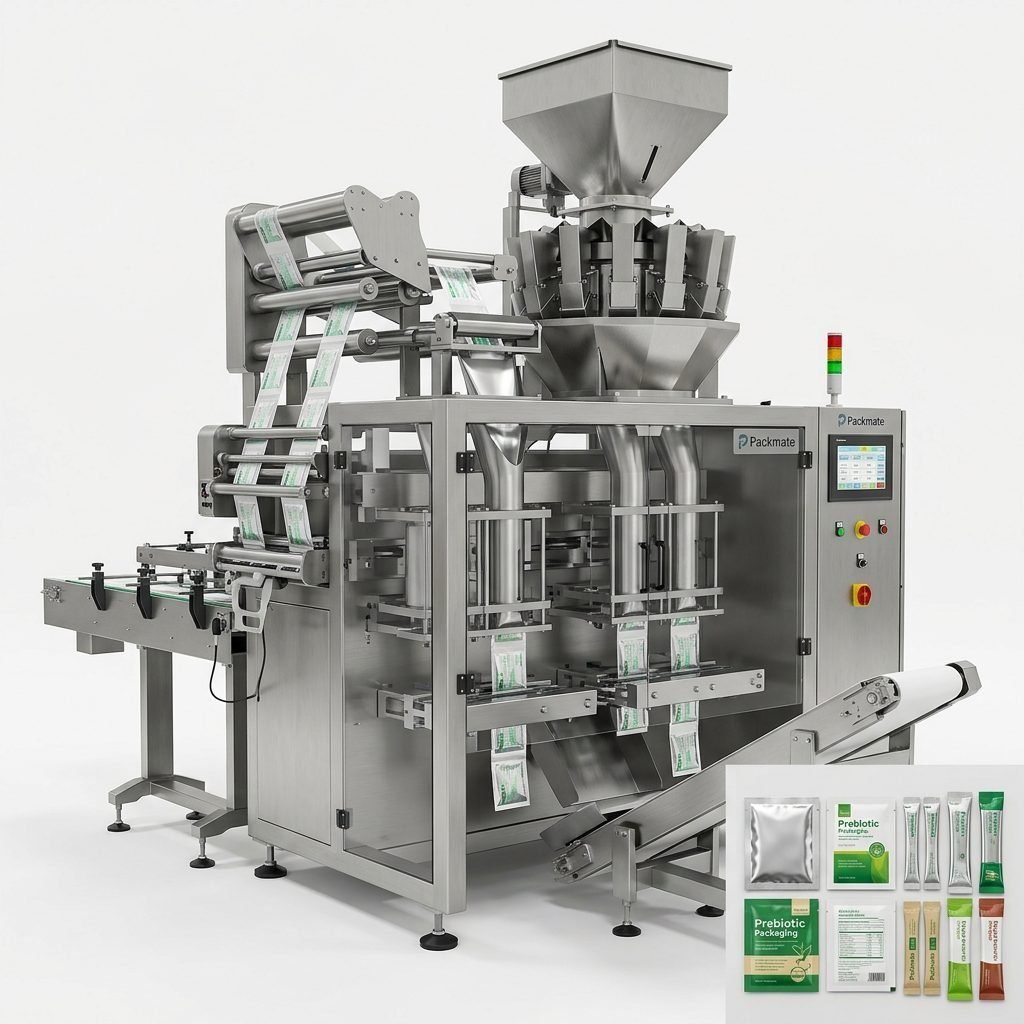
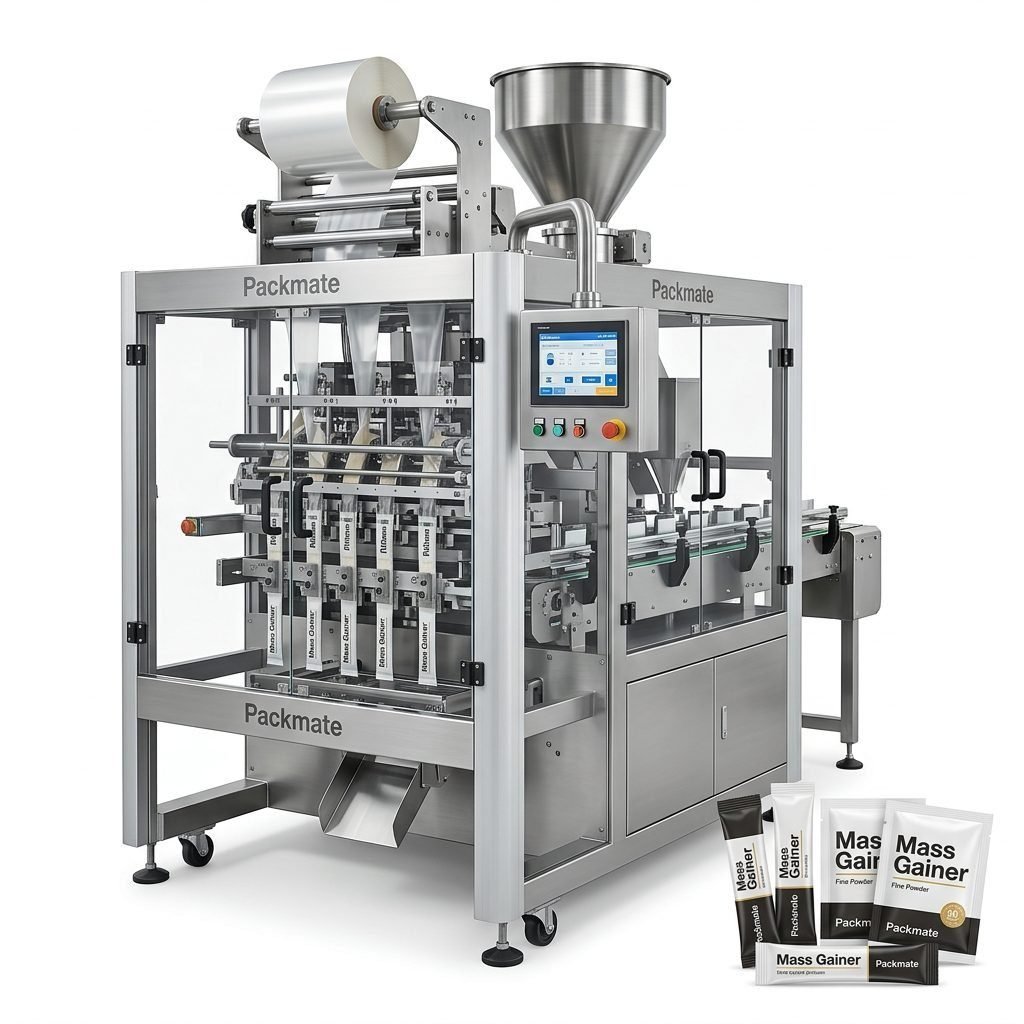
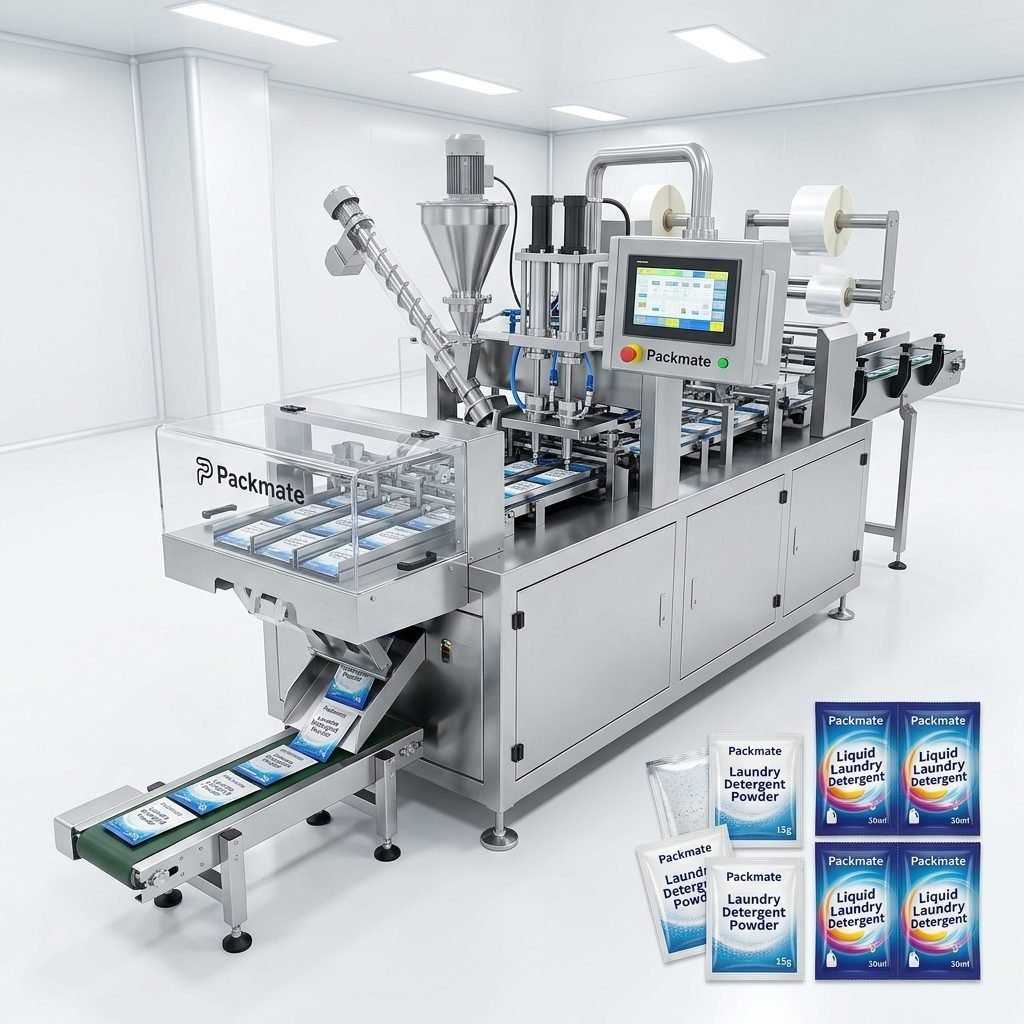
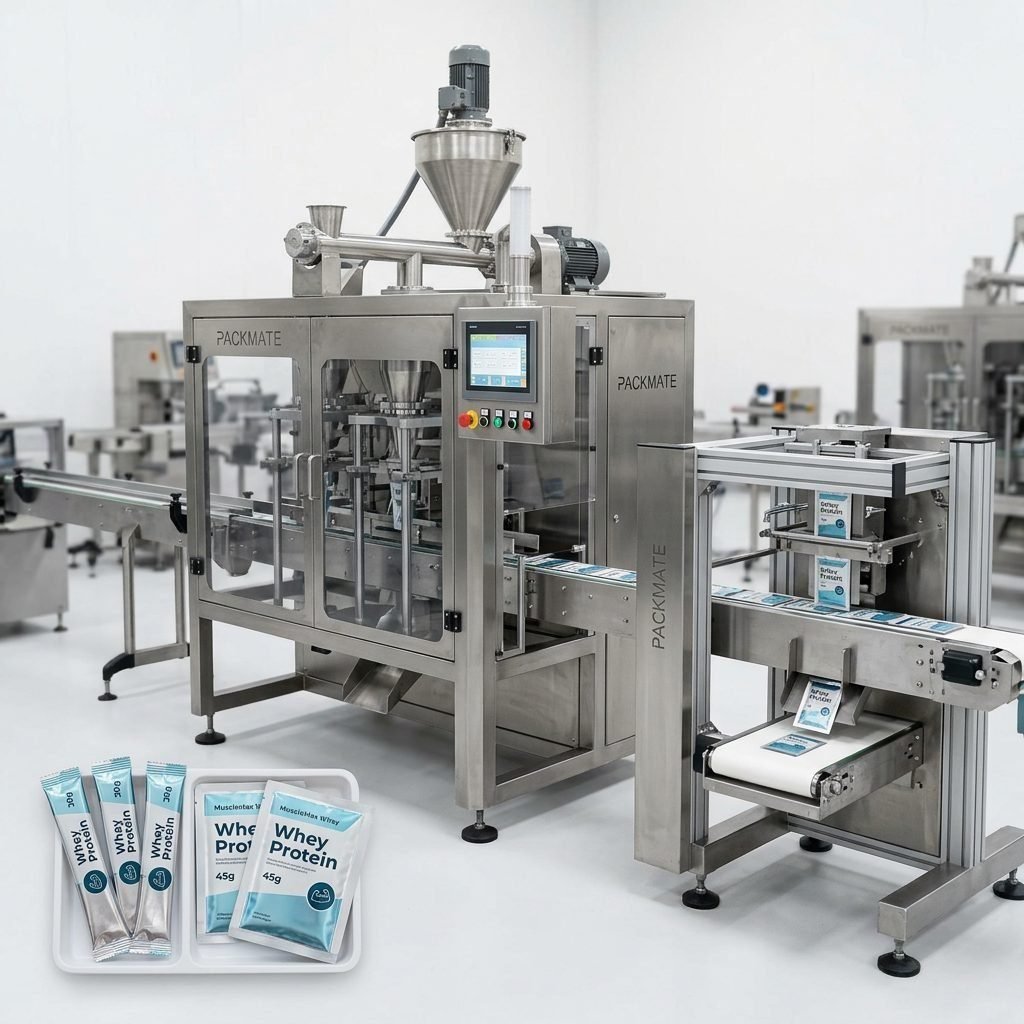
Food and Beverage: This is one of the largest application areas. Machines pack everything from cereal boxes and snack bags to tea sachets and beverage bottles. Hygiene, speed, and the ability to handle various package sizes are paramount. For businesses packaging powders or granules, integrating a sachet packaging line upstream of the cartoner creates a complete solution.
Pharmaceutical and Healthcare: Precision and contamination control are critical. Machines here often operate in cleanroom environments, handling blister packs, medicine bottles, and medical devices. Track-and-trace serialization is frequently integrated into the packaging process.
Consumer Goods: From electronics and cosmetics to hardware and toys, carton boxing provides essential product protection during shipping and an attractive unboxing experience for the customer. The machinery must be gentle yet secure.
E-commerce Fulfillment: With the boom in online shopping, machines that can quickly box a wide variety of single items (each-in-a-box) are in high demand. These systems often integrate on-demand box sizing to minimize void fill and shipping costs.
How to Choose the Right Machine: A Step-by-Step Guide
Selecting a carton box packaging machine is a significant capital expenditure. A methodical approach ensures you invest in a system that delivers a strong return on investment.
Step 1: Analyze Your Product and Production Requirements
Start with the fundamentals. What are the dimensions and weight of your product? Is it fragile, irregularly shaped, or does it require specific orientation? Determine your required output speed (boxes per minute/hour). Also, consider future needs—will you be introducing new product lines or different box sizes? Choosing a machine with some flexibility for changeover is wise for growth.
Step 2: Evaluate the Level of Automation Needed
Assess your current and future labor strategy. A fully automatic machine minimizes labor but requires a higher upfront cost and consistent, uniform product infeed. A semi-automatic machine reduces the sealing labor but keeps a person in the loop for loading, which can be advantageous for quality checks or low-volume, high-mix production.
Step 3: Consider Box Style and Sealing Method
What style of box do you need? Standard RSC (Regular Slotted Container), HSC (Half Slotted Container), or a more complex design? The sealing method is equally important: hot melt glue is strong and clean, pressure-sensitive tape is versatile, and staples offer brute strength for heavy items. The machine must be configured for your chosen method.
Step 4: Assess Integration and Footprint
The machine does not operate in a vacuum. How will it connect to your existing production line? Ensure compatibility with upstream equipment (like fillers and labelers) and downstream systems (like case packers and palletizers). Also, physically measure your available floor space to ensure the machine will fit, with adequate room for operation and maintenance.
Step 5: Prioritize Reliability and Supplier Support
This is perhaps the most crucial step. A machine is only as good as the company behind it. Look for a manufacturer with a proven track record, like Packmate Machinery, which brings over two decades of engineering expertise to the table. Evaluate the quality of construction, the availability of spare parts, and the comprehensiveness of after-sales service and technical support. A reliable partner ensures maximum uptime and a long machine lifespan.
Pro Tip: Always request a product sample test at the manufacturer’s facility or via video demonstration. Seeing how the machine actually handles your product and box is the best way to validate its suitability before purchase.
Frequently Asked Questions (FAQs)
What is the typical production speed of an automatic cartoning machine?
Speeds vary widely based on machine design and product complexity. Entry-level automatic cartoners may run at 30-60 boxes per minute (BPM), while high-speed models for simple, uniform products can exceed 200 BPM. Your specific requirements will determine the appropriate speed tier.
Can one machine handle multiple different box sizes?
Yes, most modern machines are designed with quick changeover capabilities. By switching out the forming mandrels, guides, and adjusting the PLC settings, operators can reconfigure the machine for a new box size. The time required for changeover can range from a few minutes to half an hour, depending on the machine’s sophistication.
How important is machine maintenance, and what does it involve?
Regular maintenance is critical for longevity, safety, and consistent performance. A basic daily routine includes cleaning debris, checking for loose parts, and lubricating moving components as per the manual. Scheduled professional maintenance should involve inspecting wear parts (like seals and belts), verifying mechanical alignment, and updating software.
What is the average lead time for purchasing and installing a new machine?
Lead time depends on whether you choose a standard model from inventory or a custom-configured system. For standard machines, lead times can be 8-16 weeks from order to delivery. Custom or highly complex lines may require 20 weeks or more. Always factor in time for factory acceptance testing, shipping, and on-site installation and commissioning by technicians.
What are the key safety features to look for in a packaging machine?
Essential safety features include physical guarding with interlocked doors (machine stops if opened), emergency stop buttons at multiple access points, presence-sensing light curtains to protect operators’ hands, and comprehensive safety programming within the PLC. Always ensure the machine complies with relevant international safety standards (e.g., CE, UL).