In the competitive landscape of modern manufacturing, production speed is often the decisive factor between profit and loss. For businesses relying on packaging lines, the throughput of packaging equipment directly impacts delivery times, operational costs, and overall market responsiveness. Increasing this throughput isn’t merely about running machines faster; it’s a strategic endeavor involving equipment optimization, process refinement, and intelligent planning. This guide delves into practical, actionable strategies to boost your packaging line’s output for significantly faster production cycles.
Understanding Packaging Equipment Throughput
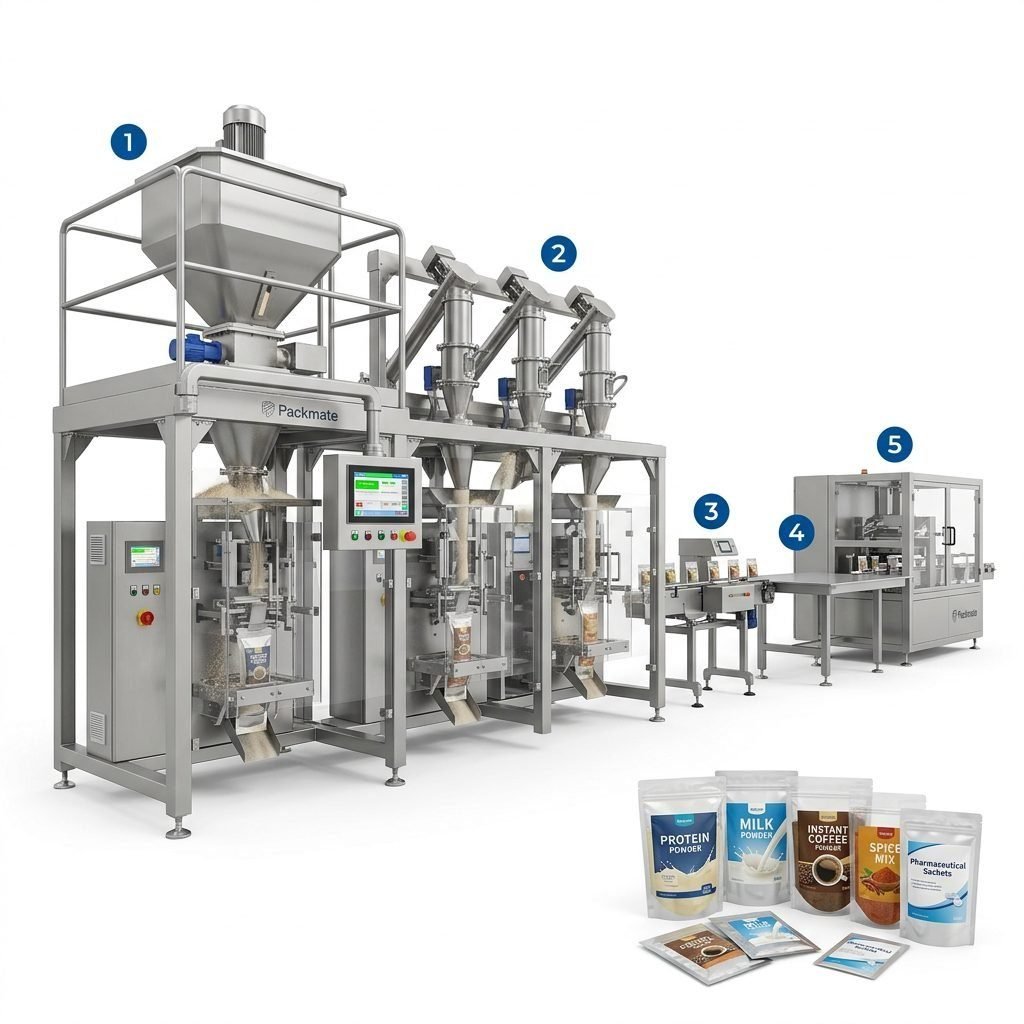
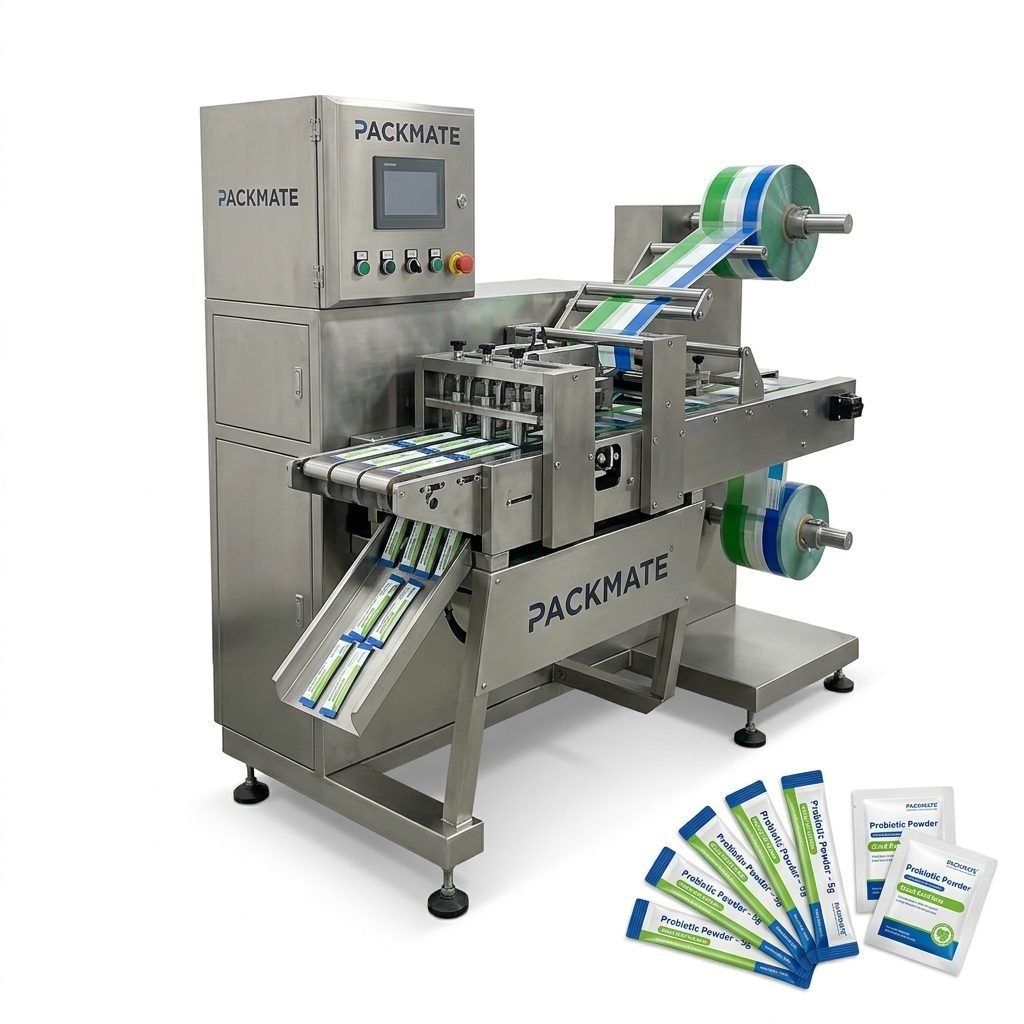
Throughput, in the context of packaging machinery, refers to the number of units (bags, pouches, sachets, etc.) processed per minute, hour, or shift. It’s the ultimate measure of a line’s productivity. Key factors influencing throughput include machine cycle speed, changeover times, material handling efficiency, and the rate of unplanned downtime. A holistic view considers the entire line’s performance, not just the speed of a single machine like a sachet packaging machine.
Core Throughput Metrics:
Theoretical Maximum Speed: The peak cycles-per-minute rating provided by the manufacturer.
Overall Equipment Effectiveness (OEE): A comprehensive metric combining Availability, Performance, and Quality to reveal true productive capacity.
Net Output: The actual number of saleable units produced over a given time, after accounting for all stoppages.
Strategic Equipment Selection and Upgrade
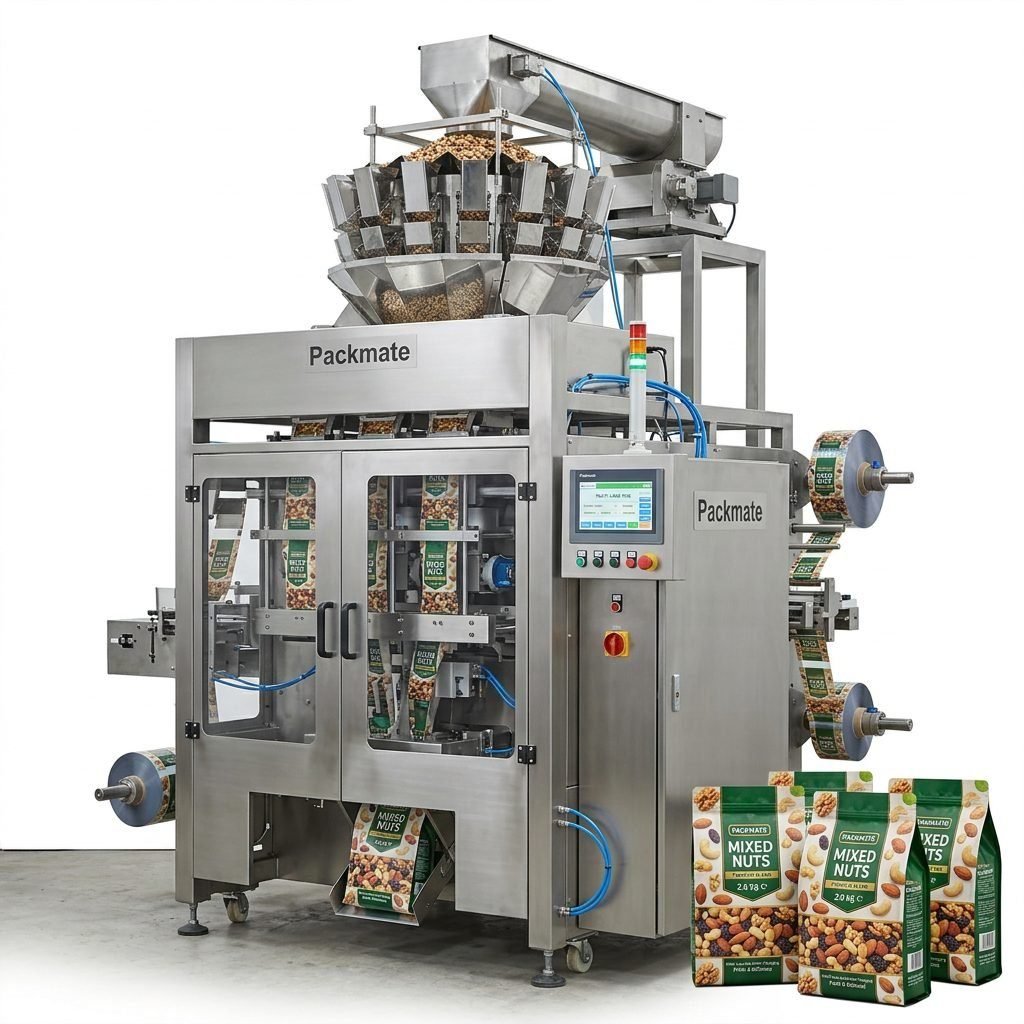
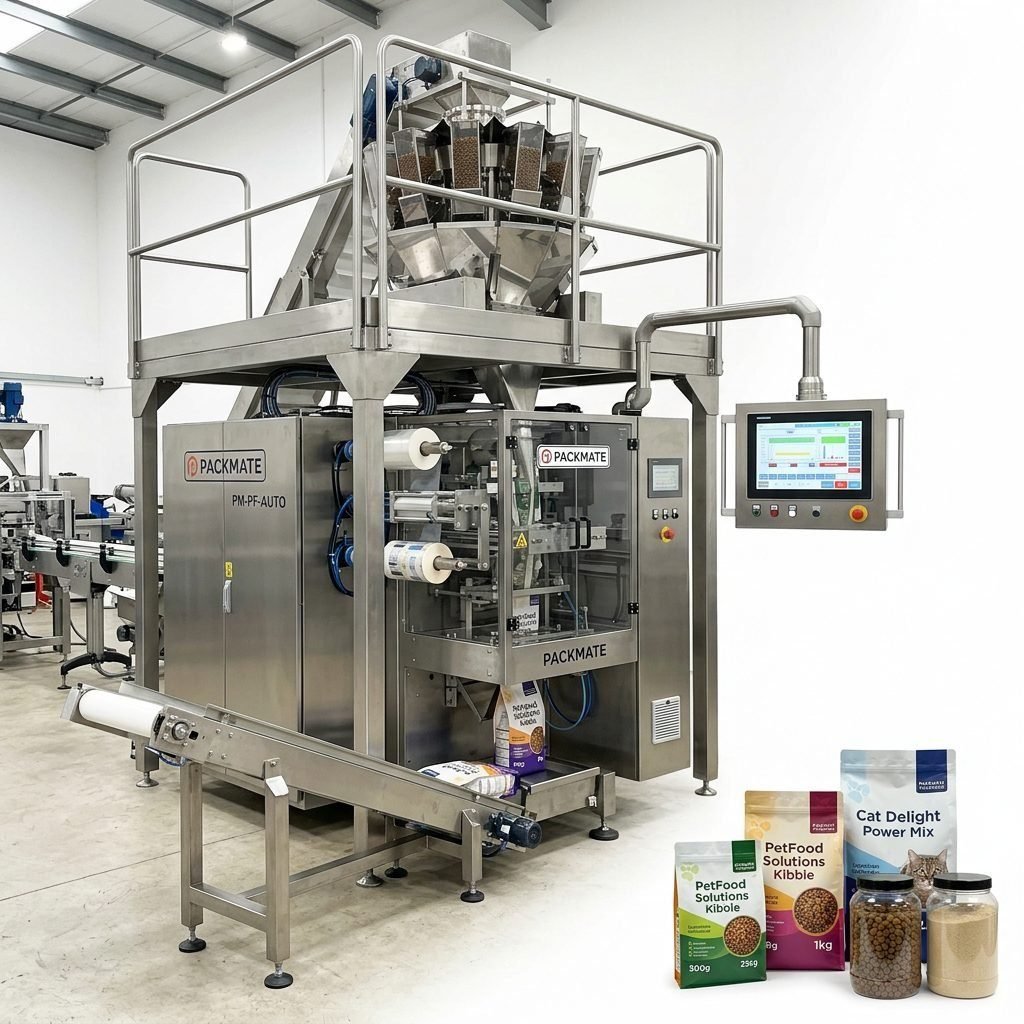
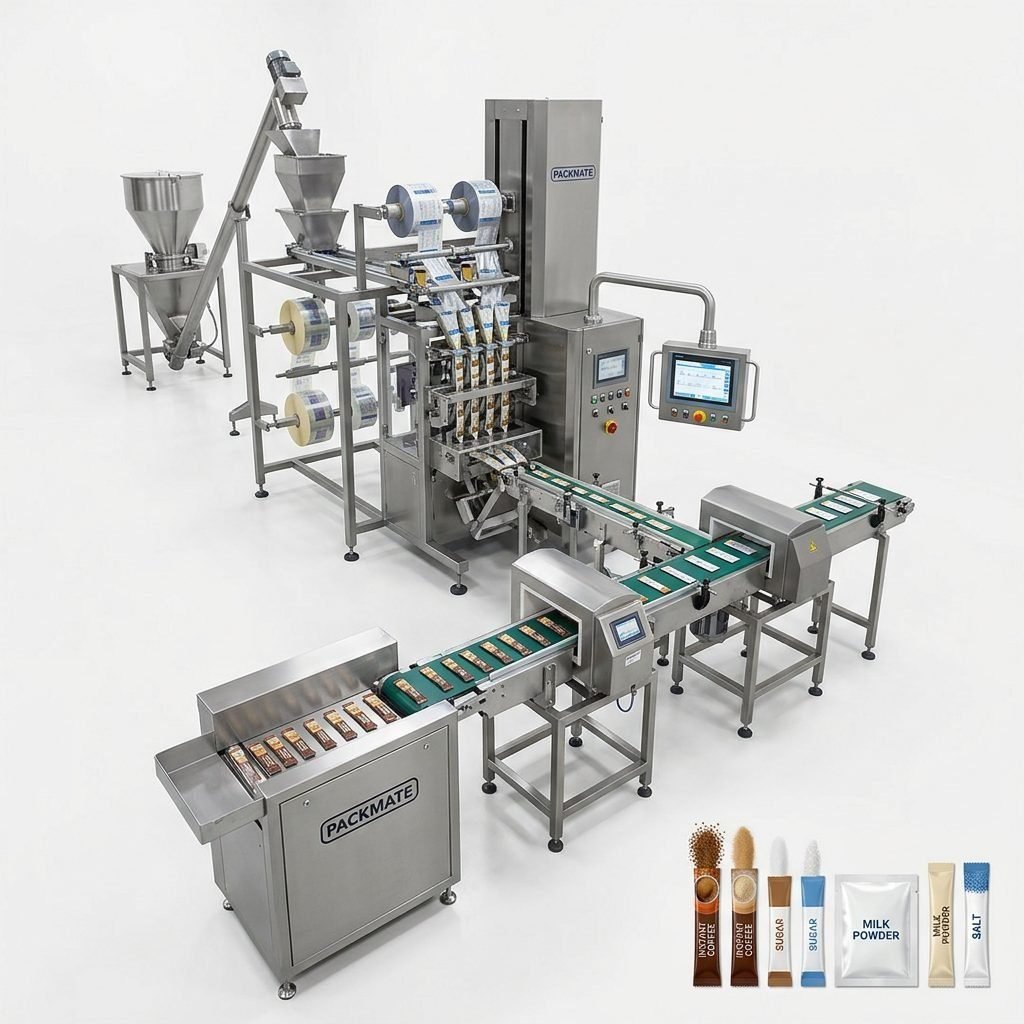
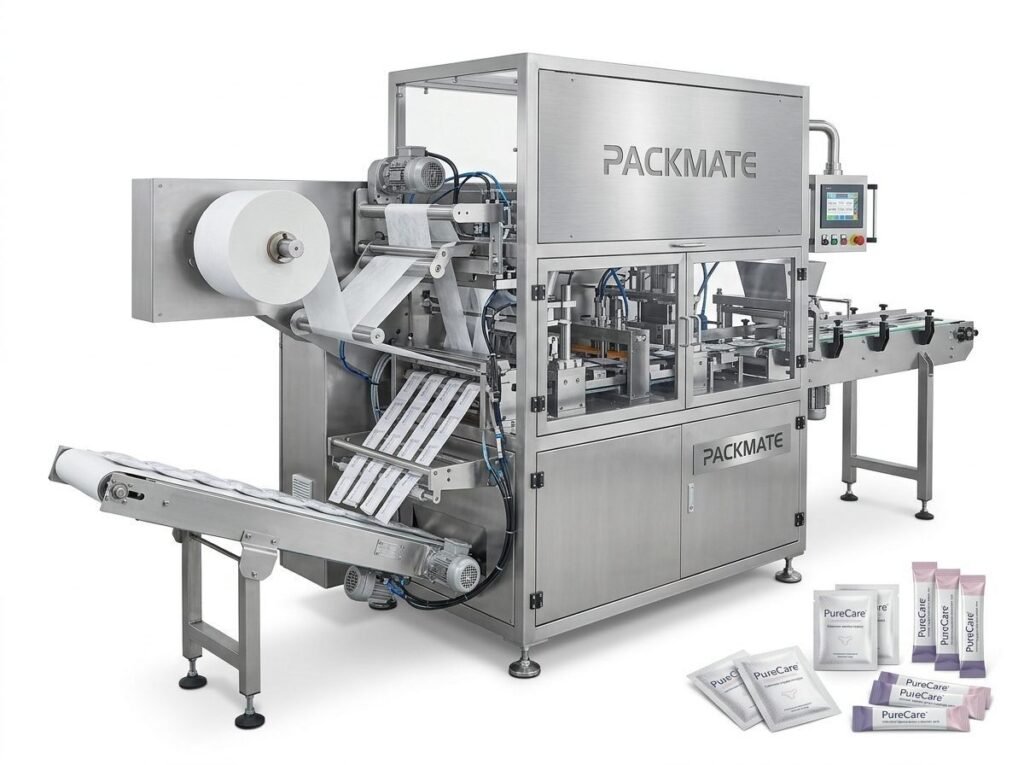
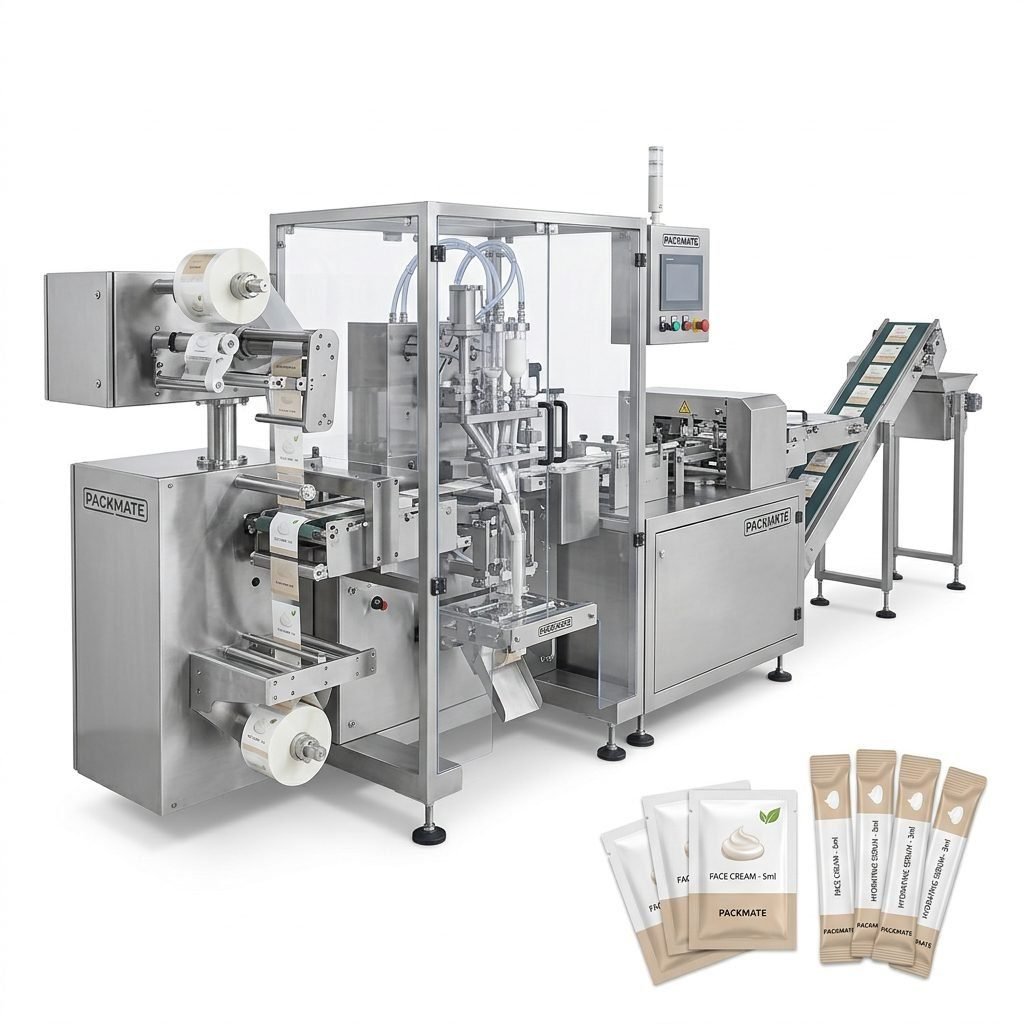
The foundation of high throughput is capable equipment. Investing in modern, high-speed machinery designed for reliability is paramount. For instance, multi-lane machines, such as advanced stick pack machines, can double or triple output compared to single-lane units by packaging multiple units simultaneously. When selecting or upgrading equipment, prioritize features like quick-change tooling systems, user-friendly HMIs for faster setup, and robust construction that minimizes vibration at high speeds, ensuring consistent operation. Partnering with an experienced manufacturer like Packmate Machinery, with over two decades of innovation, ensures access to technology built for throughput.
Key Upgrade Considerations:
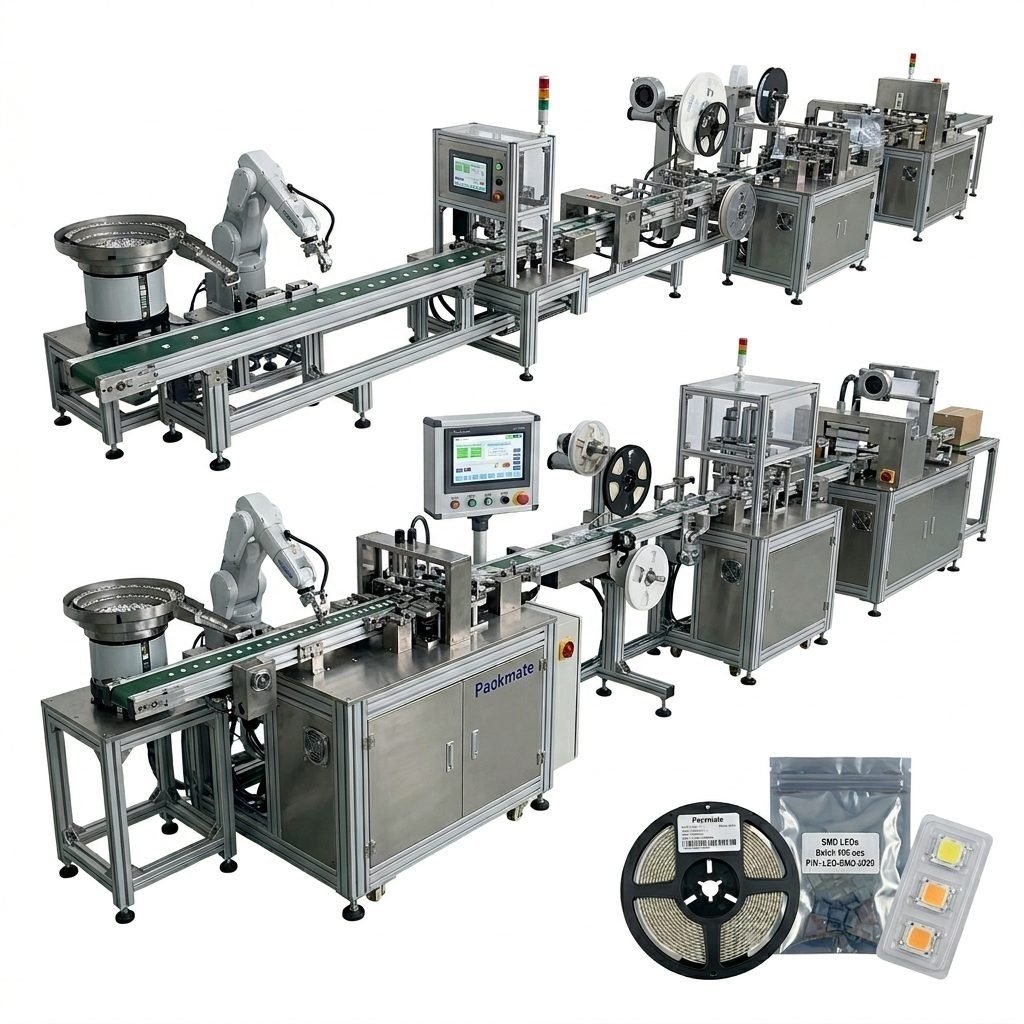
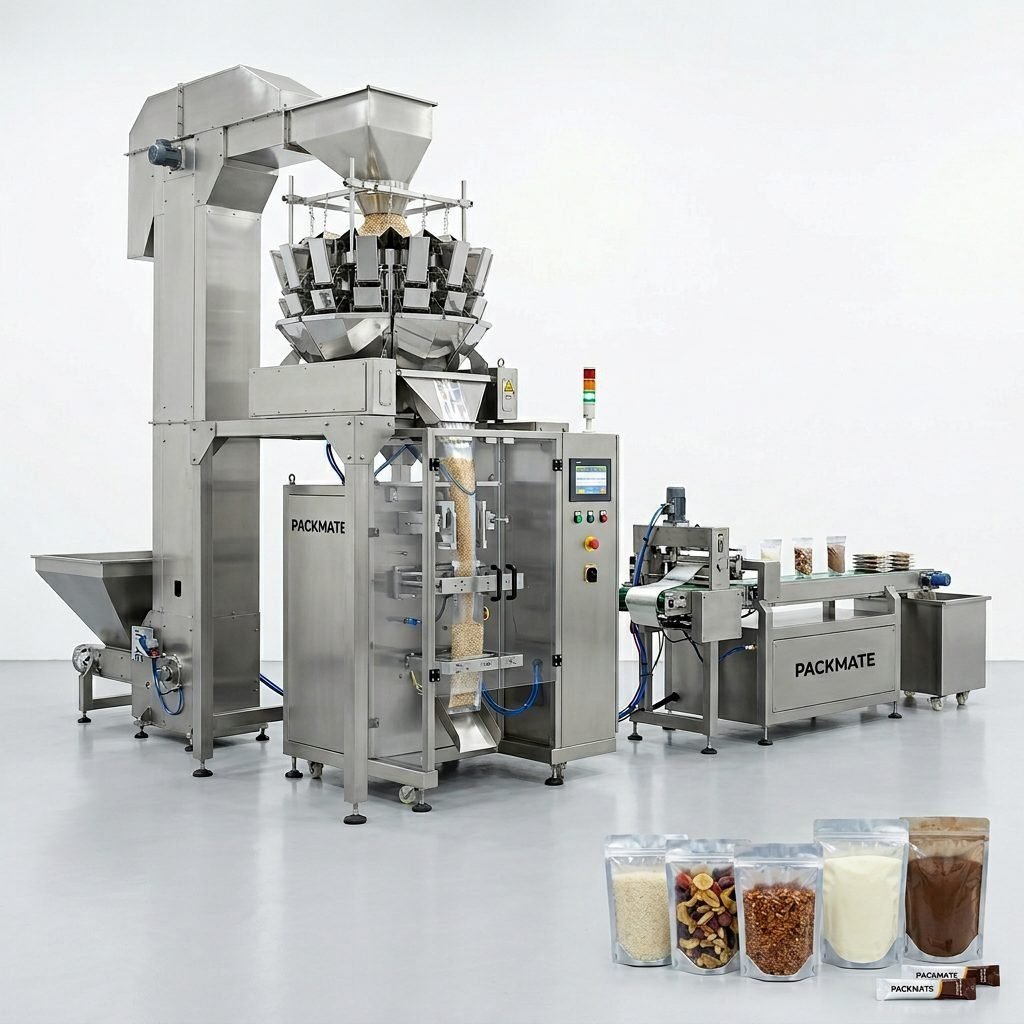
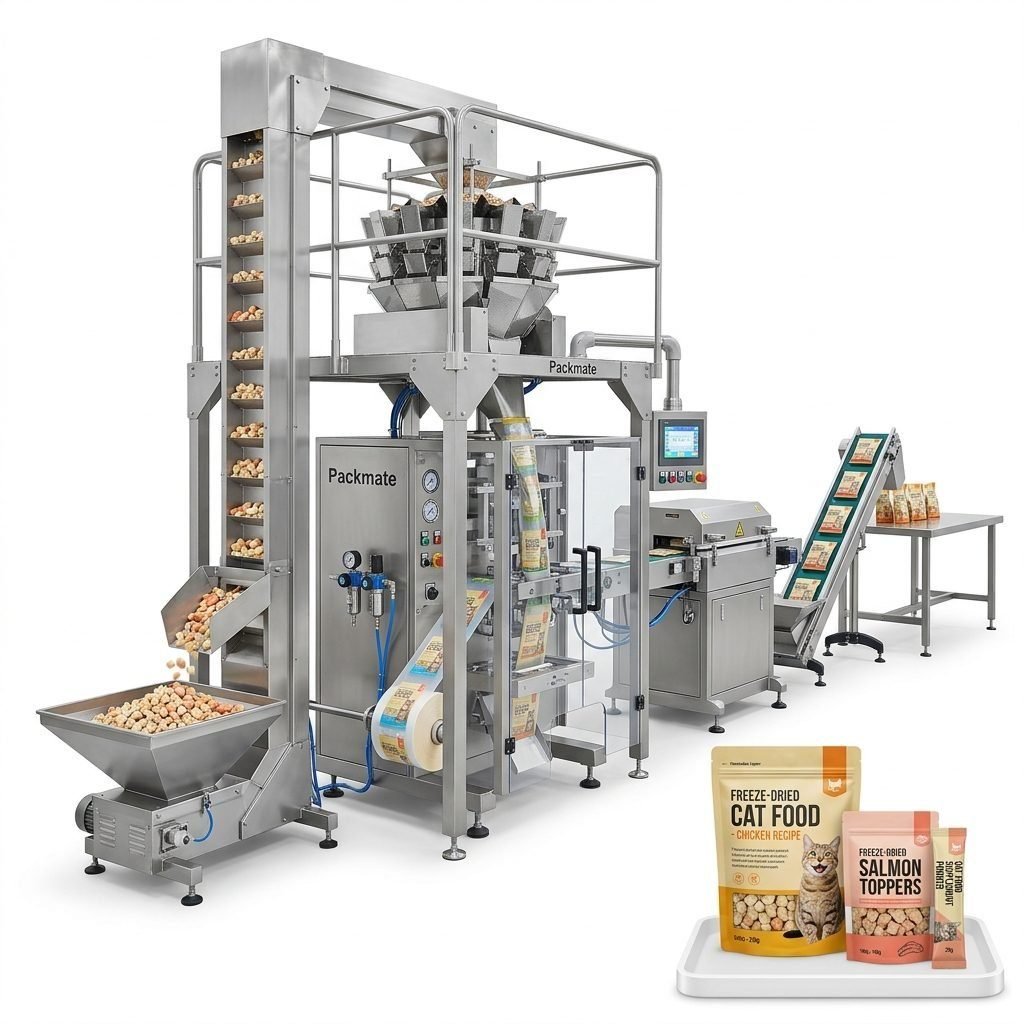
Automated Feeding Systems: Manual loading is a major bottleneck. Integrating automated hoppers, conveyors, or robotic pick-and-place systems ensures a continuous, regulated supply of product to the packaging head, maximizing machine uptime.
Servo-Driven Technology: Replacing mechanical drives with servo motors offers precise control, higher speeds, smoother motion, and programmable flexibility for different package sizes, drastically reducing mechanical adjustment time.
In-Line Checkweighers and Vision Systems: While adding a step, these systems prevent slowdowns caused by downstream quality rejects. They ensure only correct-weight, properly sealed packages proceed, protecting your net output and brand reputation.
Optimizing Operational Processes
Even the best equipment underperforms with poor processes. Streamlining operations is a low-capital, high-impact way to increase throughput.
Process Optimization Checklist
Standardize Changeovers (SMED): Implement Single-Minute Exchange of Die (SMED) principles. Convert internal setup tasks (done while machine is stopped) to external ones (prepared offline). Use color-coded tools, preset parameter recipes, and modular components to slash changeover time from hours to minutes.
Implement Preventive Maintenance (PM): A reactive “fix-it-when-it-breaks” approach guarantees catastrophic downtime. A scheduled PM program, based on machine hours and manufacturer guidelines, proactively replaces wear parts, cleans critical components, and calibrates sensors, preventing unexpected failures during production runs.
Optimize Material Flow: Ensure packaging film rolls, spouts, and raw product are staged logically near the point of use. Eliminate unnecessary handling steps and ensure forklift aisles are clear to prevent material starvation at the line.
Leveraging Data and Technology
Data-driven decision-making unlocks hidden throughput potential. Modern packaging lines generate vast amounts of operational data.
Utilize Machine Monitoring Software: Connect equipment to a SCADA or IIoT platform to track runtime, stoppage reasons, speed trends, and OEE in real-time. Analyzing this data pinpoints chronic issues—for example, frequent jams at a specific station—allowing for targeted engineering solutions.
Adopt Predictive Analytics: Advanced systems can analyze motor current, vibration, and temperature data to predict component failures (like a bearing wearing out) before they occur, allowing for planned intervention during scheduled downtime.
Train and Empower Operators: Throughput is a team goal. Train operators not just to run the machine, but to understand its cycles, perform basic troubleshooting, and accurately log downtime reasons. An engaged operator can often prevent a minor issue from becoming a major stoppage.
Focus on Total Line Synchronization
A packaging line is only as fast as its slowest component. It’s futile to have a blisteringly fast filling machine if the downstream cartoner cannot keep pace. Conduct a line audit to measure the capacity of each segment: feeding, filling, sealing, coding, checkweighing, and secondary packaging. Re-configure or upgrade bottlenecks to create a balanced, synchronized flow where each machine operates at an optimal, matched speed.
Conclusion: A Culture of Continuous Improvement
Increasing packaging equipment throughput is not a one-time project but a continuous journey of improvement. It requires a strategic blend of investing in the right technology, relentlessly refining processes, and harnessing data for smarter decisions. By focusing on the entire system—from equipment selection and preventive care to operator training and line balance—manufacturers can achieve sustainable gains in production speed, reduce costs, and enhance their competitive edge in a fast-paced market.
Frequently Asked Questions (FAQs)
What is the single biggest bottleneck to high packaging throughput?
While it varies by line, unplanned downtime is typically the largest thief of throughput. This includes mechanical failures, electrical faults, and persistent jam points. Implementing a robust preventive maintenance program is the most effective countermeasure.
Can I increase throughput on my existing old packaging machine?
Yes, often significantly. Focus on process improvements like SMED for faster changeovers, upgrading critical wear parts to higher-quality materials, and optimizing the upstream/downstream material handling. A full mechanical retrofit with servo drives may also be feasible.
How does multi-lane packaging technology improve throughput?
Multi-lane machines, such as dual or quad-lane stick pack machines, produce multiple packages per machine cycle. This effectively multiplies the output without necessarily increasing the mechanical cycle speed, making them ideal for high-volume production of small-portion items.
Is higher machine speed always better for throughput?
Not necessarily. Running a machine at its absolute maximum rated speed can increase wear, cause vibrations leading to misalignment, and result in more frequent jams or quality defects. The optimal speed is the sustained highest speed that maintains reliability and quality, which is often slightly below the theoretical maximum.
How can I measure if my throughput improvements are working?
Track Overall Equipment Effectiveness (OEE). This metric will show you gains from reduced downtime (Availability), closer-to-ideal operating speeds (Performance), and fewer defects (Quality). An increasing OEE percentage is a direct indicator of successful throughput enhancement.