Understanding the essential parts of a packaging machine is crucial for any operation aiming to maximize efficiency, minimize downtime, and ensure consistent product quality. Each component plays a specific role in the seamless transition of your product from its raw state to a securely packaged final good. This deep dive will explain these core parts, their functions, and how their optimal performance directly translates to operational efficiency.
The Core Feeding and Metering System
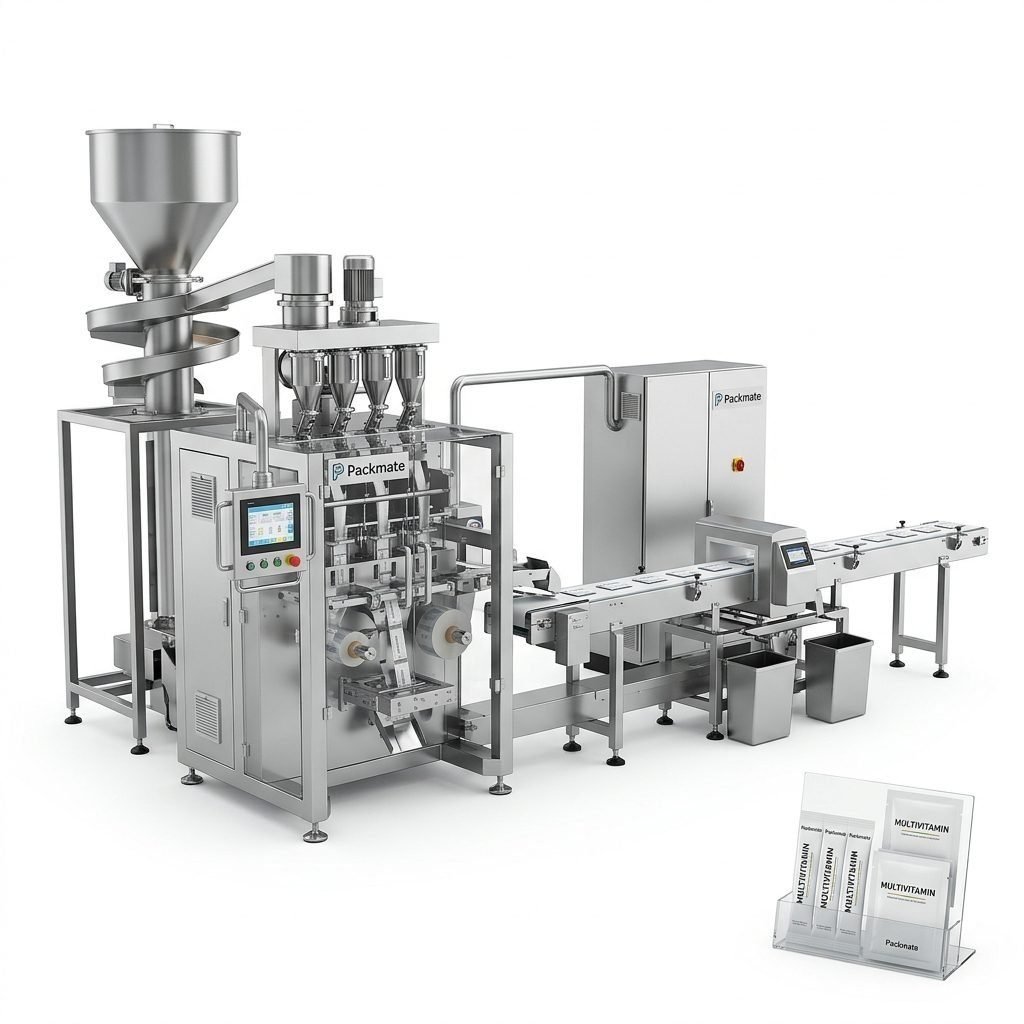
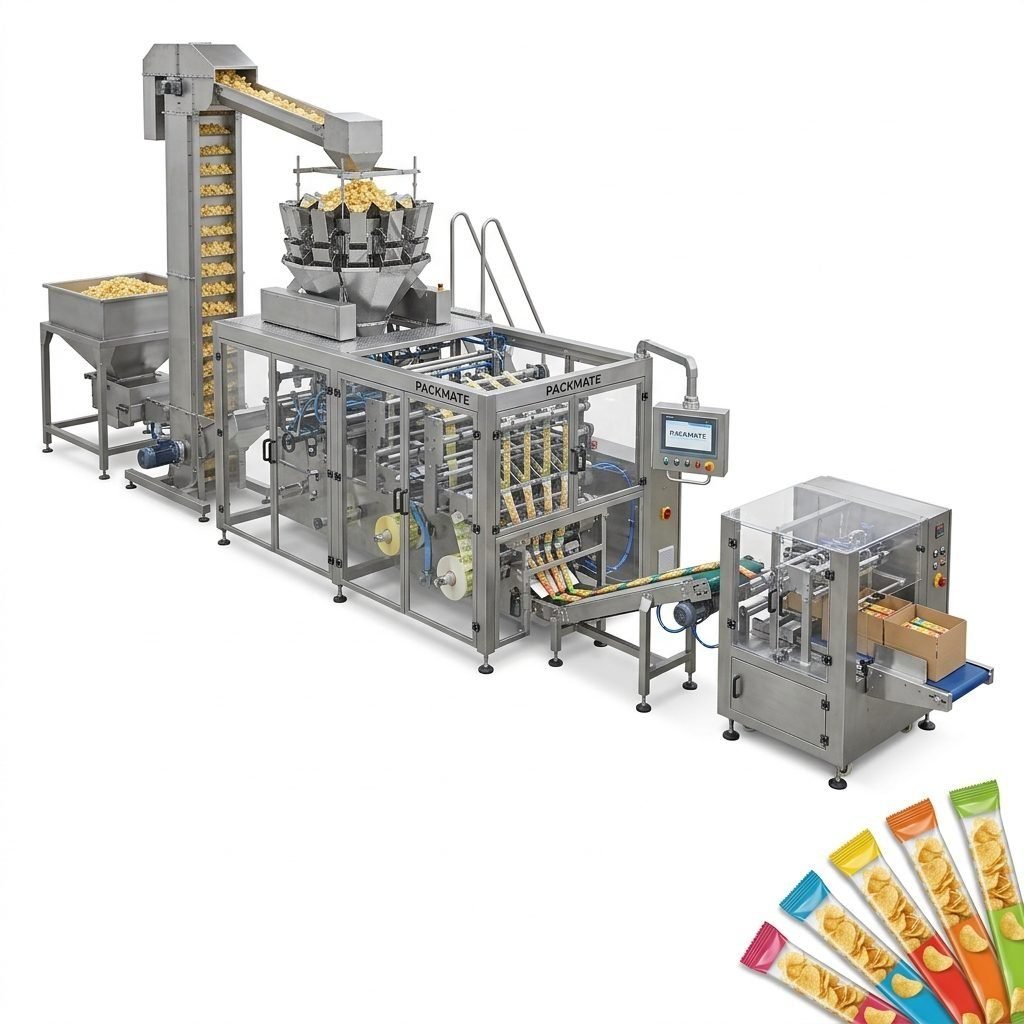
At the very beginning of the packaging line lies the feeding system. This is where raw materials—be they granules, powders, or liquids—are introduced to the machine. Efficiency here is paramount. A poorly calibrated feeder leads to inconsistent fill weights, resulting in product giveaway or underfilling, both of which are costly.
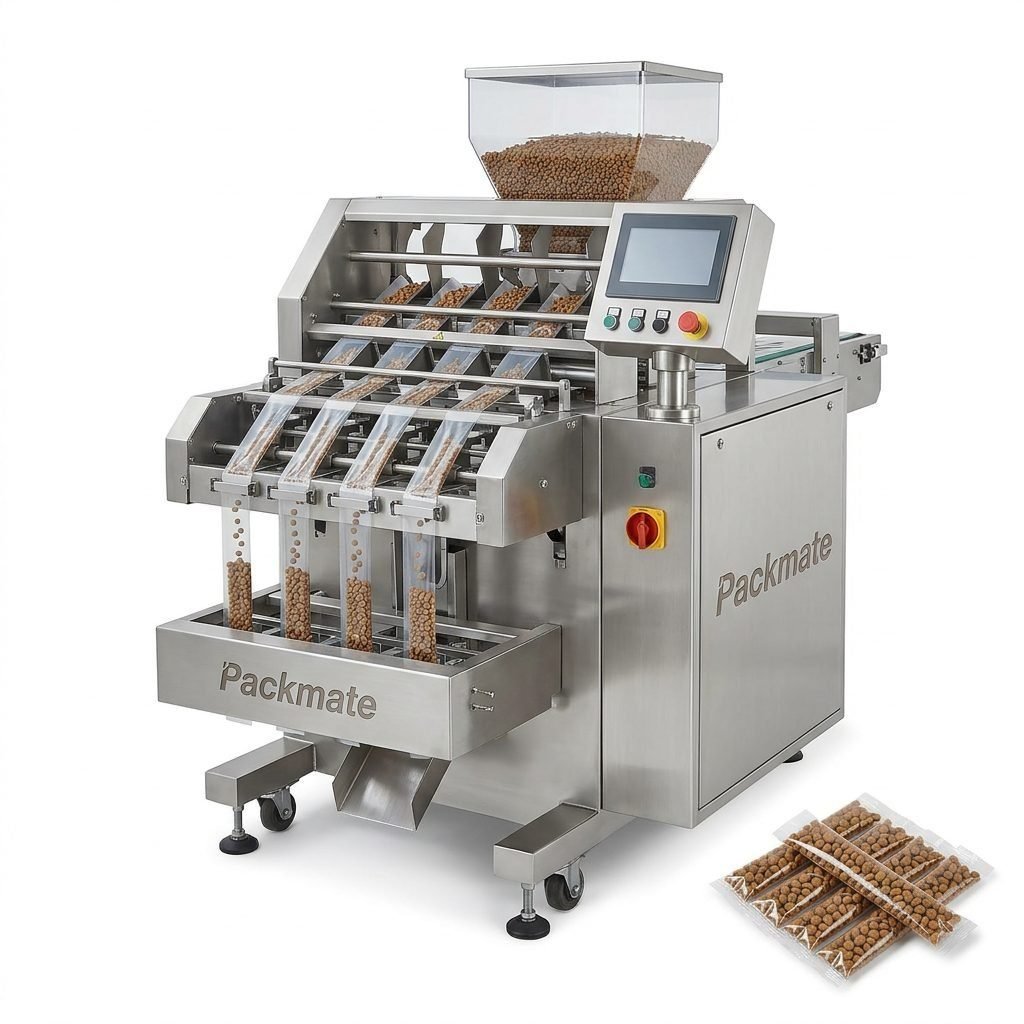
The metering device, often integrated with the feeder, is responsible for dispensing a precise amount of product. Common types include volumetric cups for consistent-sized items, auger fillers for powders, and liquid pumps for fluids. The precision of this component directly impacts your material yield and compliance with net content regulations.
Key Takeaway: Precision Feeding
A high-precision feeding and metering system, like those found in advanced weighing & packaging systems, is the first critical step toward eliminating waste and ensuring every package meets exact specifications, boosting your bottom line.
The Film Handling and Forming Section
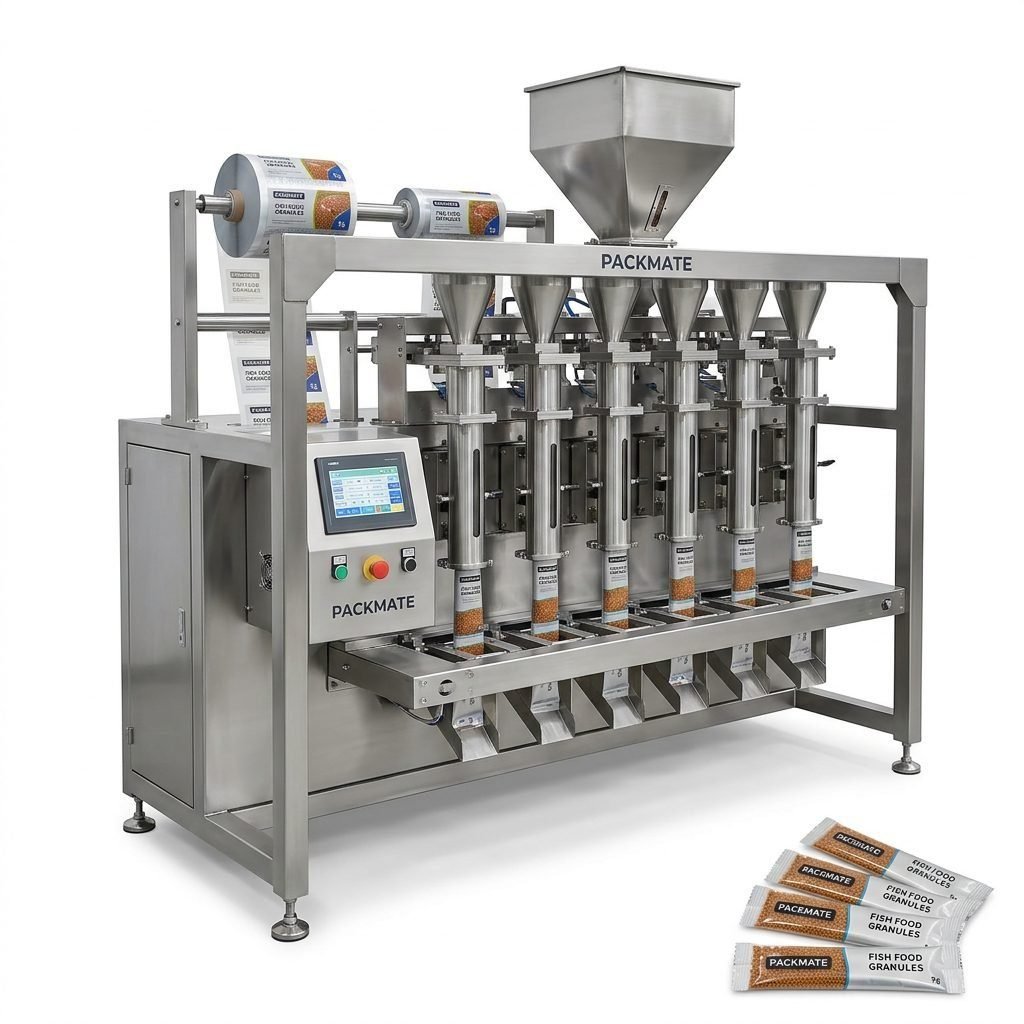
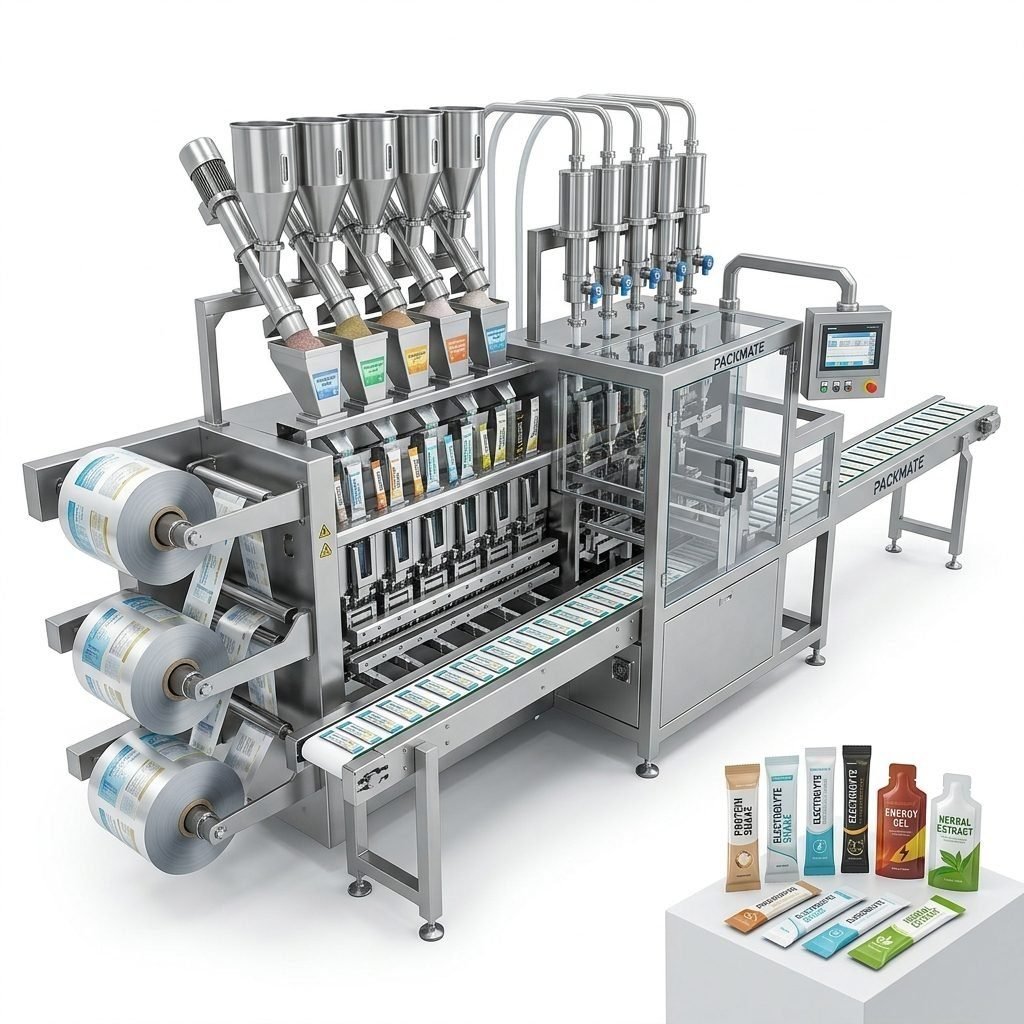
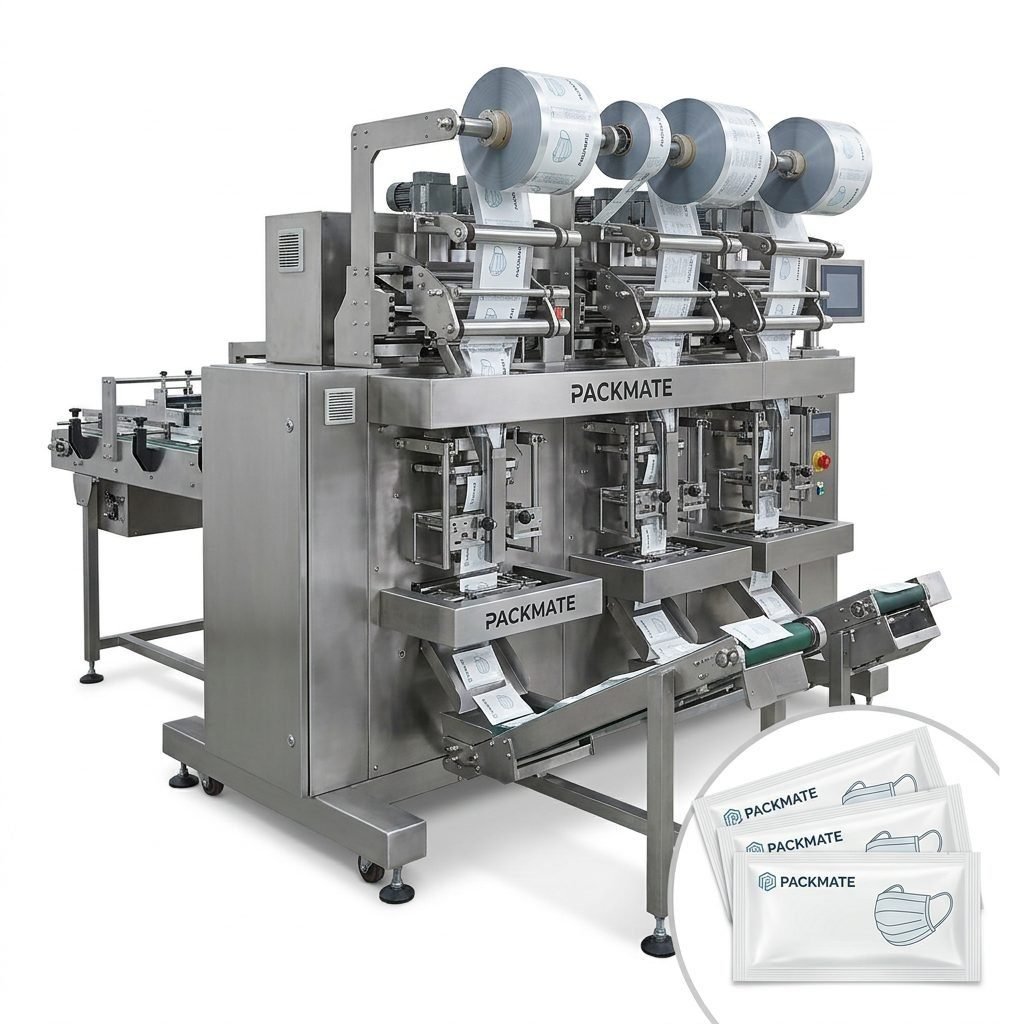
This section transforms flat packaging film—such as laminated rolls for sachets and stick packs—into the three-dimensional pouch that will contain your product. It consists of several key parts:
- Film Unwind Stand & Tension Control: Provides a steady supply of film and maintains consistent tension to prevent wrinkles or tearing.
- Forming Shoulder or Collar: This is the heart of bag formation. It guides the flat film into a cylindrical shape around the filling tube.
- Sealing Jaws: These heated (or ultrasonic) jaws create the longitudinal seal along the tube’s length and the transverse seals that separate individual packages.
The reliability of the film transport system and the consistency of the seal quality are non-negotiable for maintaining a high-speed, uninterrupted production flow.
The Critical Role of Sealing Jaws
Sealing jaws must maintain perfect temperature, pressure, and timing. Worn or misaligned jaws cause weak seals, leading to leaks, product spoilage, and customer complaints. Regular maintenance and calibration of this part are direct investments in product integrity and brand reputation.
The Product Filling and Dosing Unit
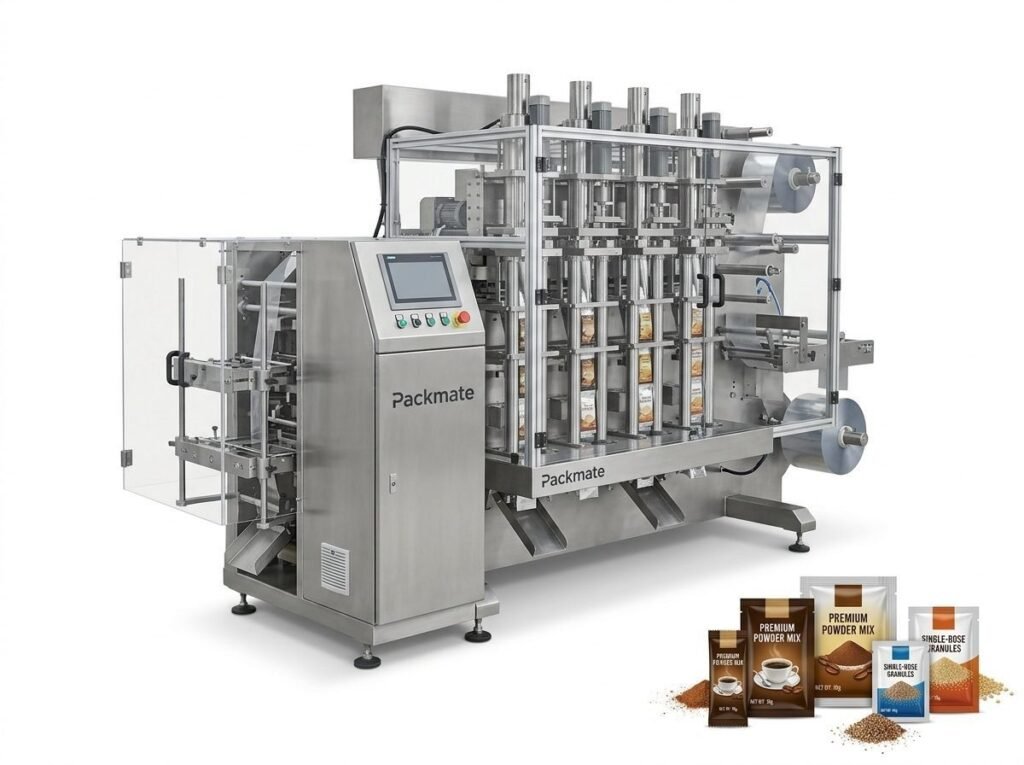
Positioned immediately after the forming tube, this is where the measured product is delivered into the waiting pouch. The type of filler is dictated by the product characteristics:
- Auger Fillers: Ideal for fine powders, spices, and granular products. Screw precision determines accuracy.
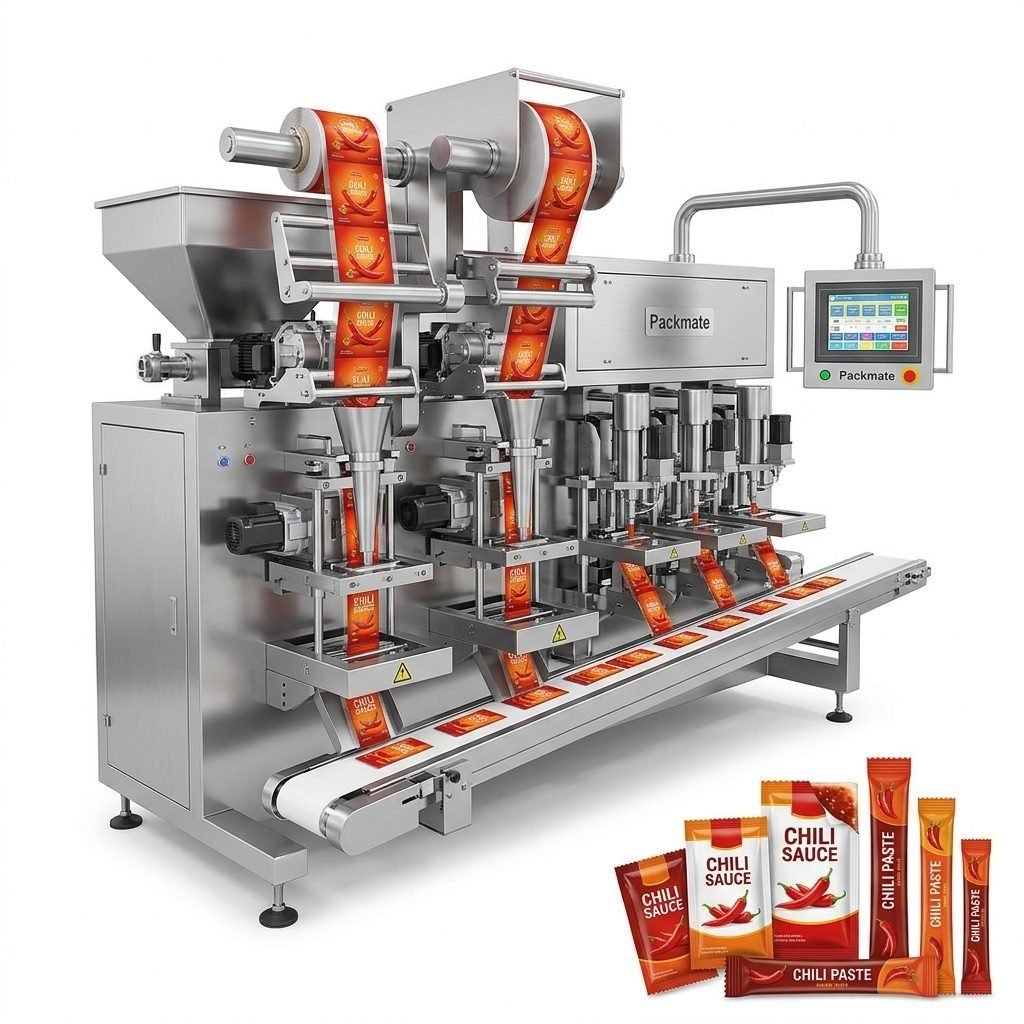
- Liquid Piston Fillers: Used for oils, sauces, and creams, offering excellent volumetric control.
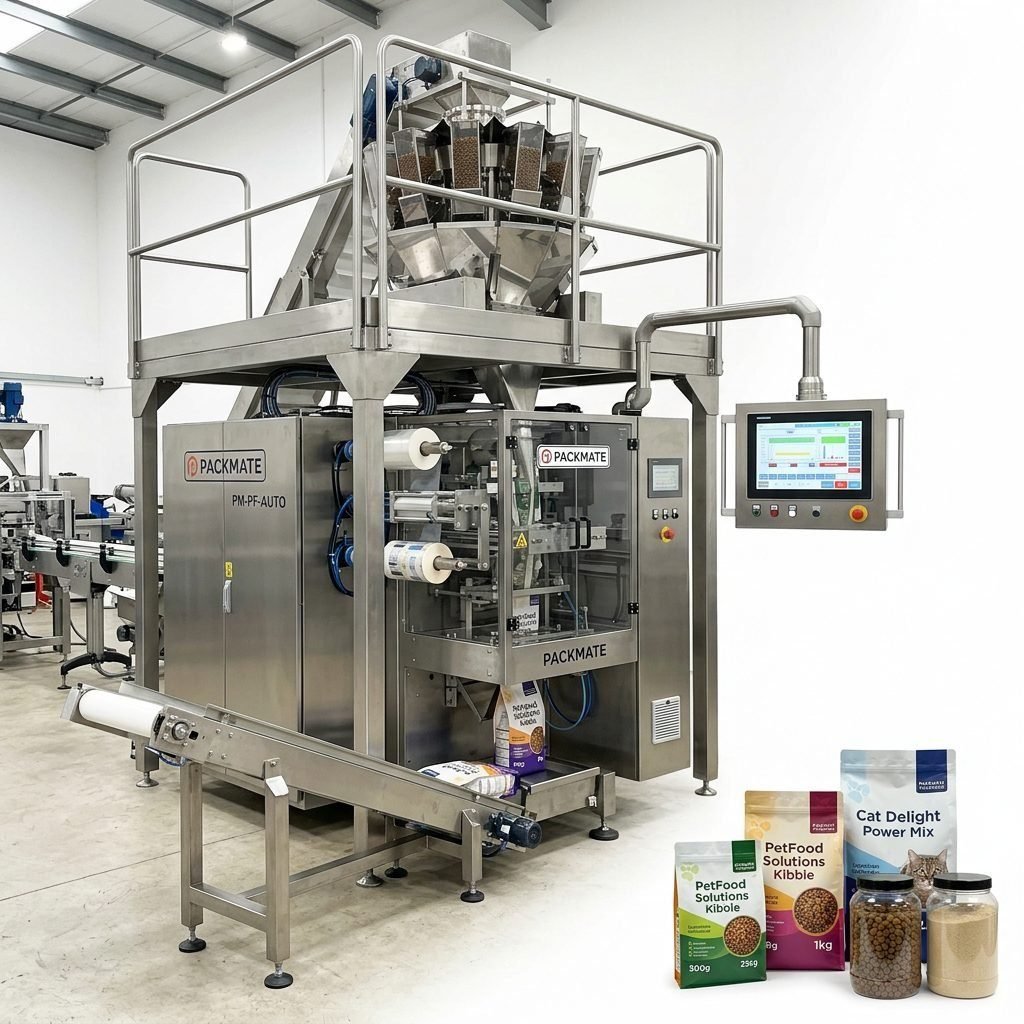
- Weighing Scales: Net weigh or gross weigh systems provide the highest accuracy for valuable products, often used in combination with vibratory feeders.
Modern filling & packaging lines integrate smart sensors that provide real-time feedback to the dosing unit, allowing for micro-adjustments on-the-fly to maintain target weight within tight tolerances.
Efficiency Insight: Synchronization
The ultimate efficiency in packaging is achieved when the film forming, product dosing, and sealing actions are perfectly synchronized. Any lag or mis-timing between these parts causes jams, missed fills, or machine stoppages, killing your overall equipment effectiveness (OEE).
The Control System: The Machine’s Brain
While not a physical “part” in the traditional sense, the Programmable Logic Controller (PLC) and Human-Machine Interface (HMI) panel are arguably the most important components for efficiency. This is the intelligence hub where parameters for speed, temperature, weight, and timing are set and monitored.
An advanced control system allows for:
- Quick changeovers between different products or package sizes.
- Storage of countless recipes for instant recall.
- Diagnostic alerts and error code generation for predictive maintenance.
- Data logging for production analysis and traceability.
Investing in a machine with a sophisticated, user-friendly control system, like those engineered by experienced manufacturers such as Packmate Machinery, drastically reduces operator training time and empowers your team to solve minor issues quickly, maximizing uptime.
Auxiliary and Support Components
Efficiency isn’t only about the main process. Support parts play a massive role in smooth operation:
- Detection Systems: Checkweighers and metal detectors ensure no under/overweight or contaminated packages leave the line.
- Date Coders & Labelers: Apply batch codes and expiry dates clearly and reliably.
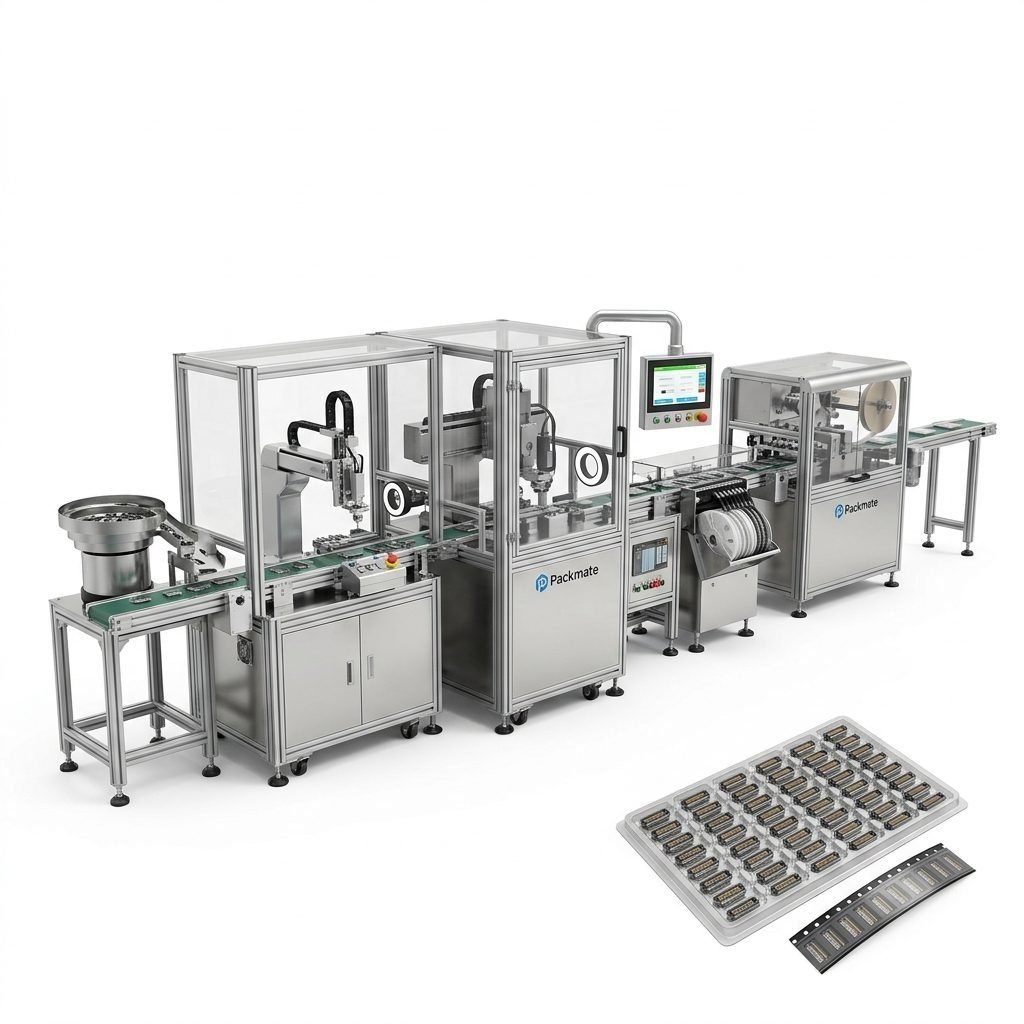
- Conveying & Collating Systems: Transport finished packages to the next stage, whether boxing, cartoning, or palletizing. Reliable auxiliary packaging equipment is essential for a complete turnkey solution.
- Dust Extraction Units: Vital for powder handling, they keep the machine clean, protect moving parts, and ensure a safe working environment.
The Sum of All Parts
True packaging efficiency is not the function of one superior part, but the harmonious integration of all components. A weak link in any section—be it a sluggish feeder, an unreliable seal, or a confusing control panel—will dictate the speed and quality of the entire line. Therefore, selecting a machine built with robust, well-matched parts from a reputable supplier is the foundational step toward achieving peak operational efficiency.
Frequently Asked Questions (FAQs)
What is the most common cause of downtime in packaging machines?
Often, it’s related to the film handling system (misaligned film, tension issues) or sealing jaws (contamination, temperature drift). Regular, scheduled preventative maintenance focused on these areas is the best defense against unplanned stoppages.
How can I improve the accuracy of my powder filler?
Ensure the auger and hopper are designed for your specific powder’s flow characteristics (e.g., cohesive, free-flowing). Use tooling with minimal dead space, implement automatic tare functions, and consider a multi-head weigher system for the highest speed and accuracy combination.
Are more expensive packaging machines always more efficient?
Not necessarily. The key is suitability. A highly complex machine for a simple task can be inefficient due to long changeover times. The most efficient machine is one that reliably meets your specific output, product, and flexibility requirements with minimal operator intervention and maintenance needs.
What’s the benefit of a PLC-based control system over simpler controls?
A PLC system offers precision, repeatability, and data. It allows you to save exact settings for repeat jobs, monitor machine performance metrics (OEE), receive diagnostic information for faster troubleshooting, and often enables easier integration with factory-wide monitoring systems.
Can I upgrade parts of my old packaging machine for better efficiency?
Yes, in many cases. Upgrading the control system (PLC/HMI), adding modern servo drives for motion control, or installing a new, more precise weighing head can significantly boost the speed, accuracy, and reliability of an older machine, often at a fraction of the cost of a new line.