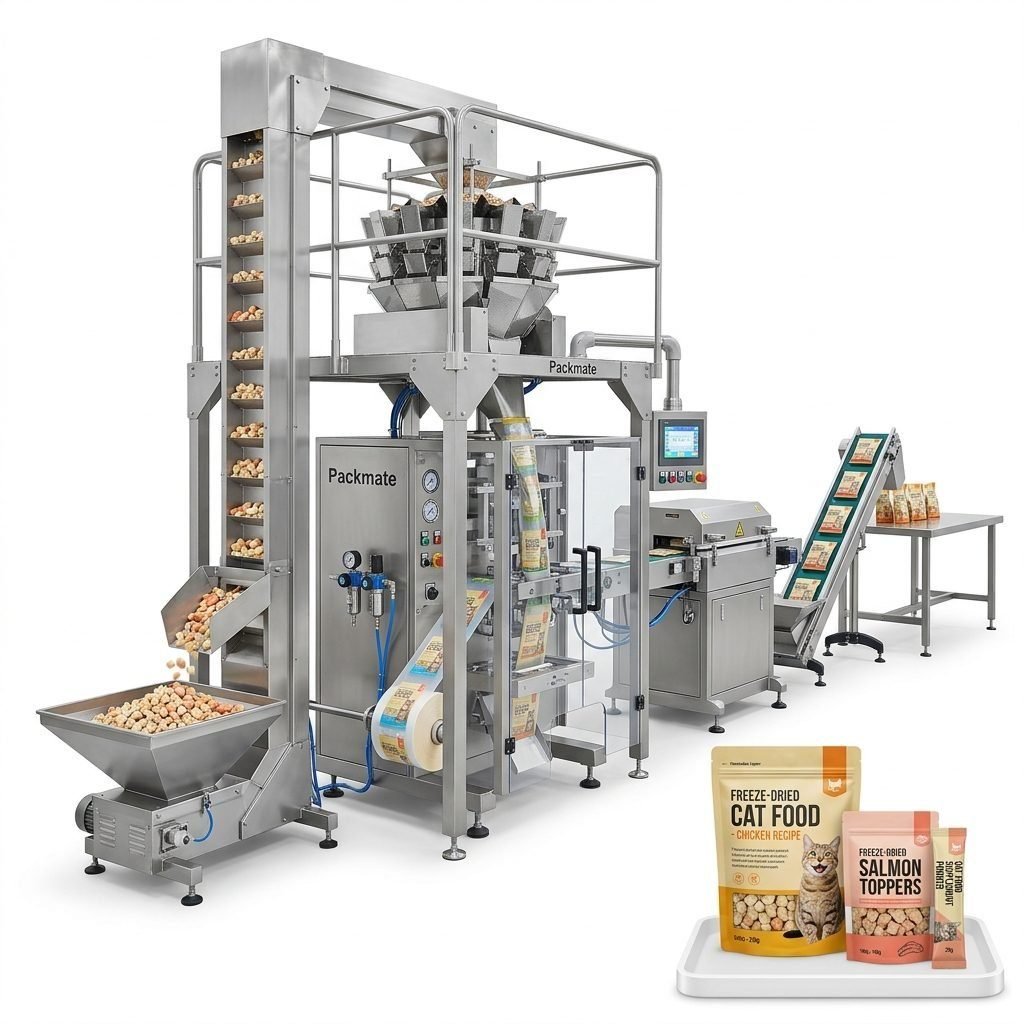
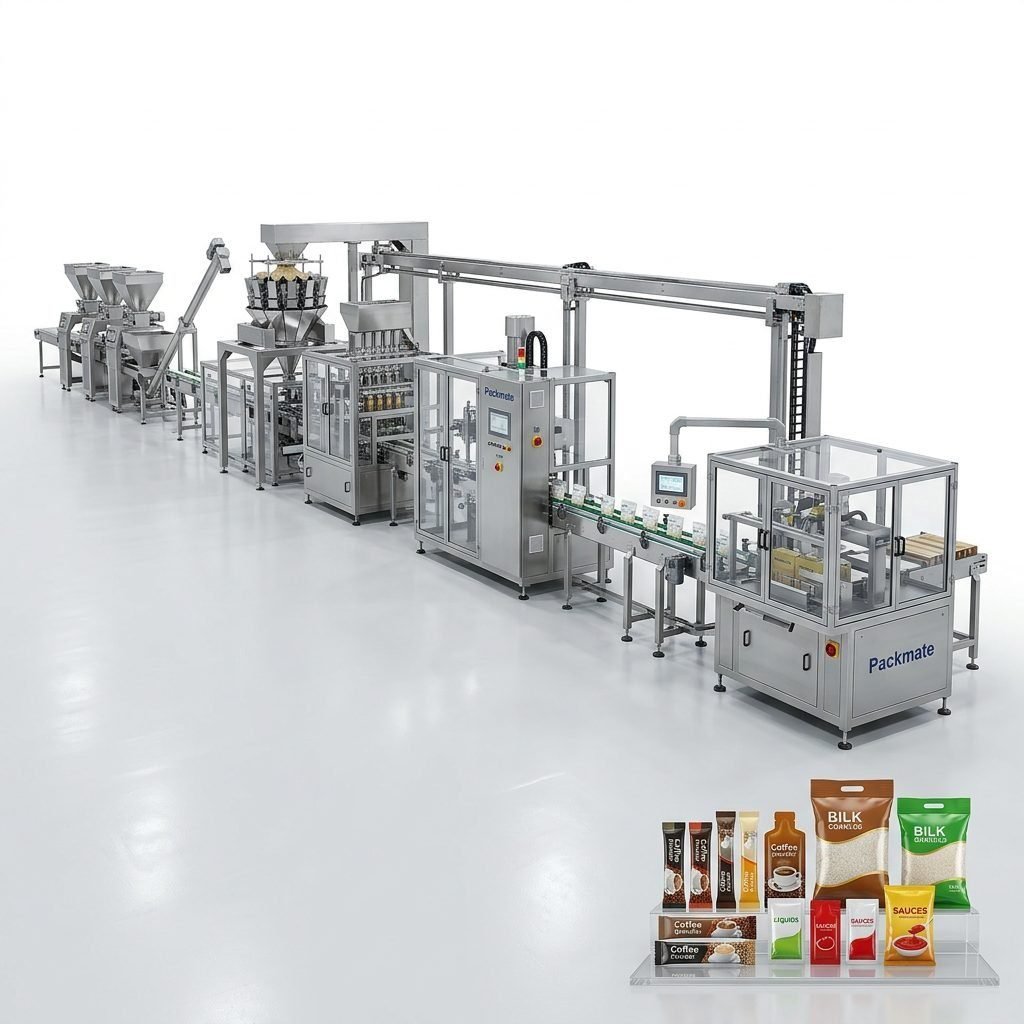
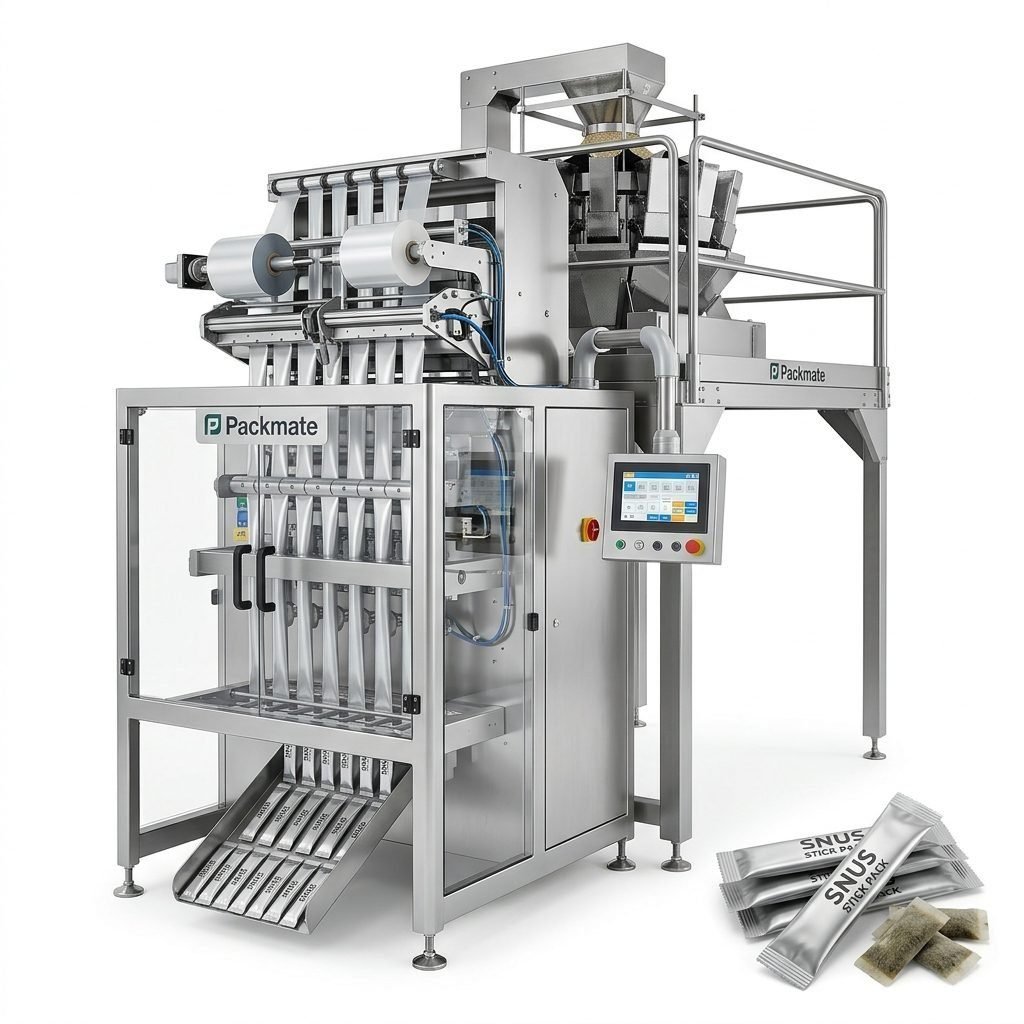
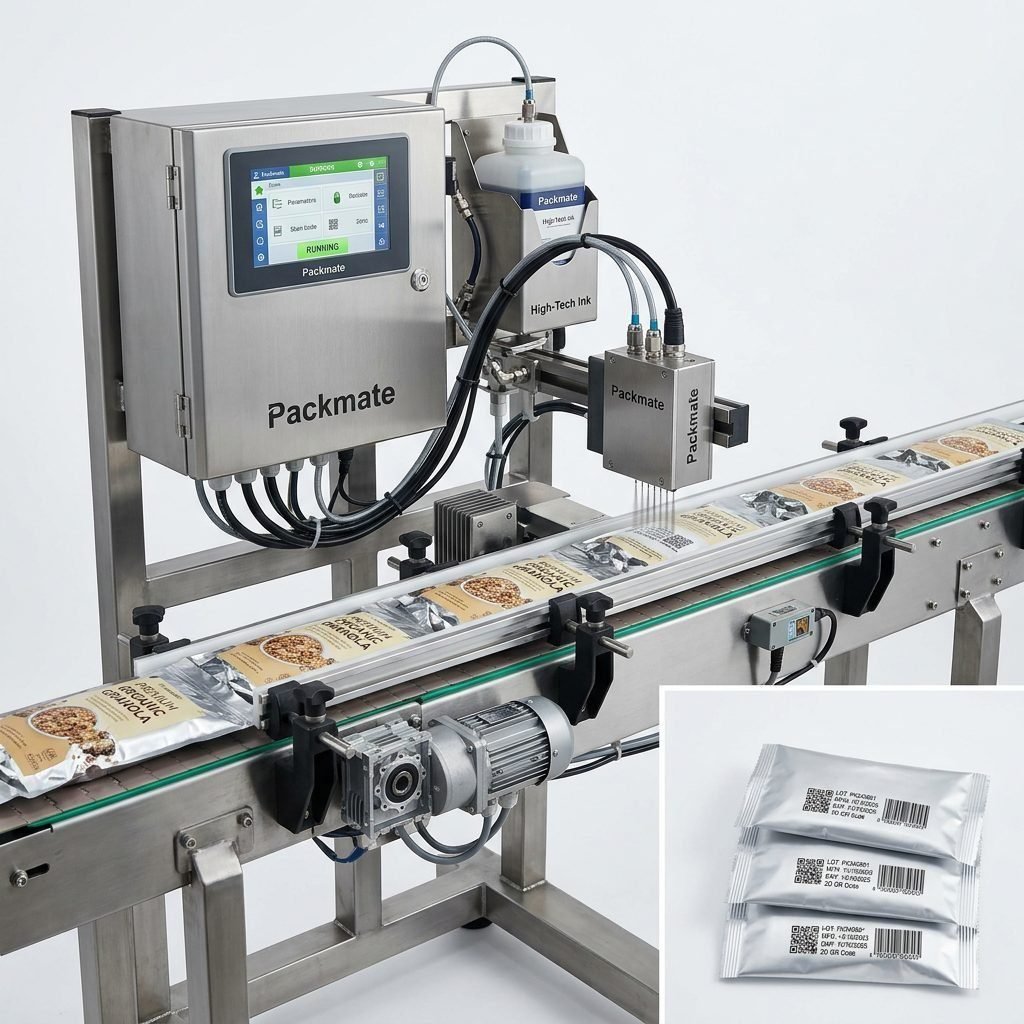
In today’s competitive manufacturing landscape, achieving efficient production is not just a goal—it’s a necessity for survival and growth. For industries handling powders, granules, and liquids, such as food, pharmaceuticals, and health products, the right packaging machinery is the cornerstone of this efficiency. Precision, speed, and reliability in packaging directly translate to higher output, reduced waste, and a stronger bottom line.
Understanding PFM Packaging Machinery
The term “PFM” in packaging often relates to precision filling and measurement, a critical function for countless products. Efficient production hinges on machinery that can handle these tasks with unwavering accuracy and consistency. Modern PFM packaging solutions integrate advanced weighing systems, automated feeding mechanisms, and intelligent controls to ensure every sachet, stick pack, or pouch contains the exact specified amount. This precision minimizes product giveaway—a significant cost-saving factor—and ensures compliance with stringent regulatory standards, which is especially vital in the pharmaceutical and nutraceutical sectors.
Key Takeaway: Investing in high-precision PFM machinery is an investment in product integrity and operational cost control. It eliminates guesswork and manual errors, creating a streamlined, predictable production flow.
The Core Components of an Efficient PFM Line
An efficient packaging line is more than just a single machine; it’s a synchronized system. A top-tier solution typically encompasses several integrated components:
- Precision Weighing & Feeding Systems: The heart of PFM. These systems, whether volumetric, auger-based, or net-weight scales, must deliver exceptional accuracy for both free-flowing and non-free-flowing materials.
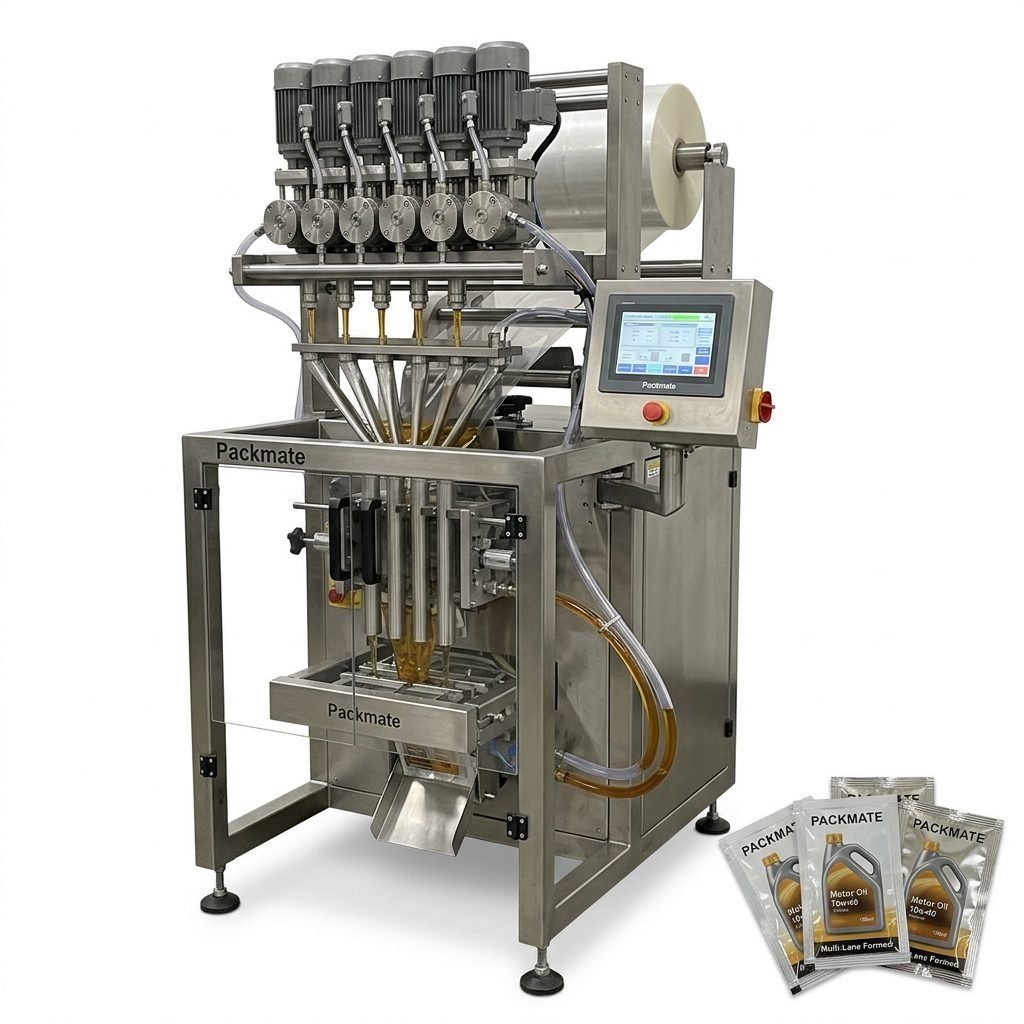
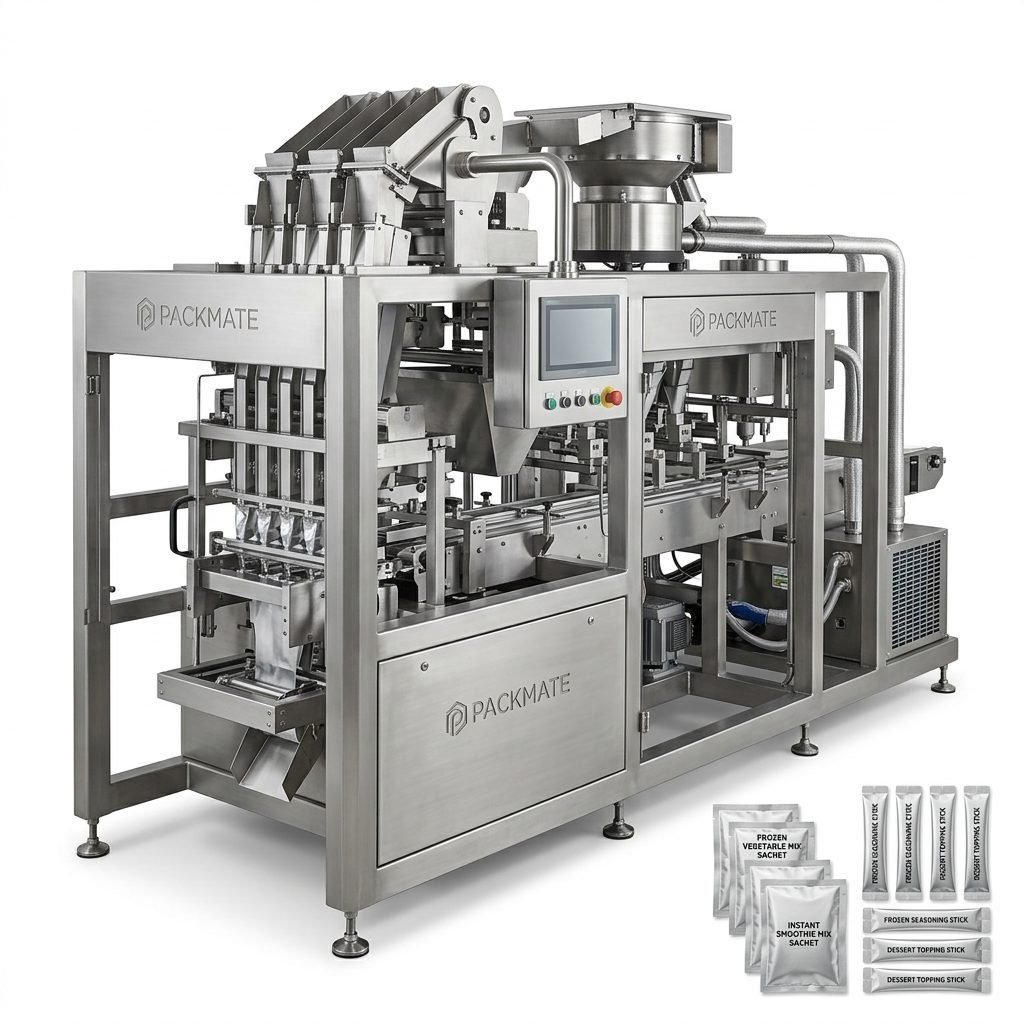
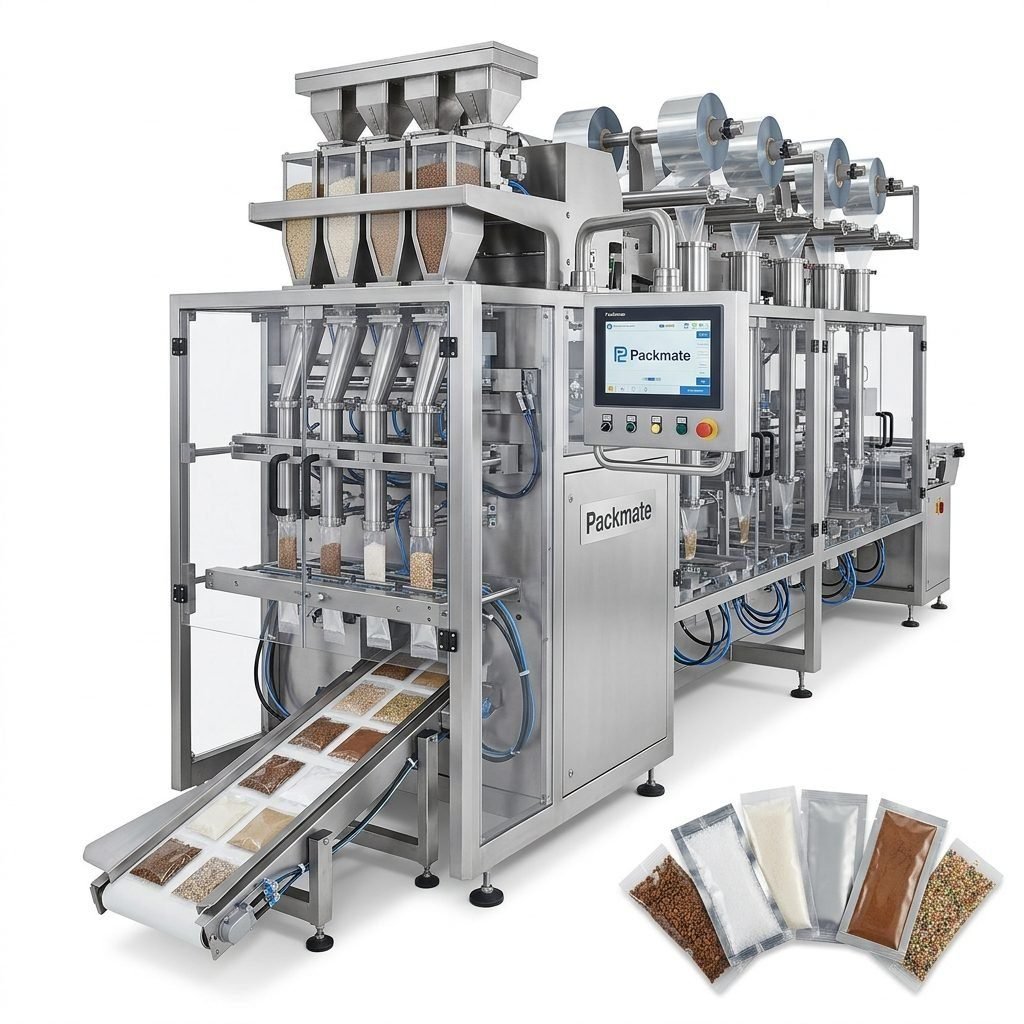
- High-Speed Form-Fill-Seal (FFS) Units: These machines form the packaging from roll stock, fill it with the measured product, and seal it—all in one continuous, high-speed operation. They are available for various pack styles, including sachets and stick packs.
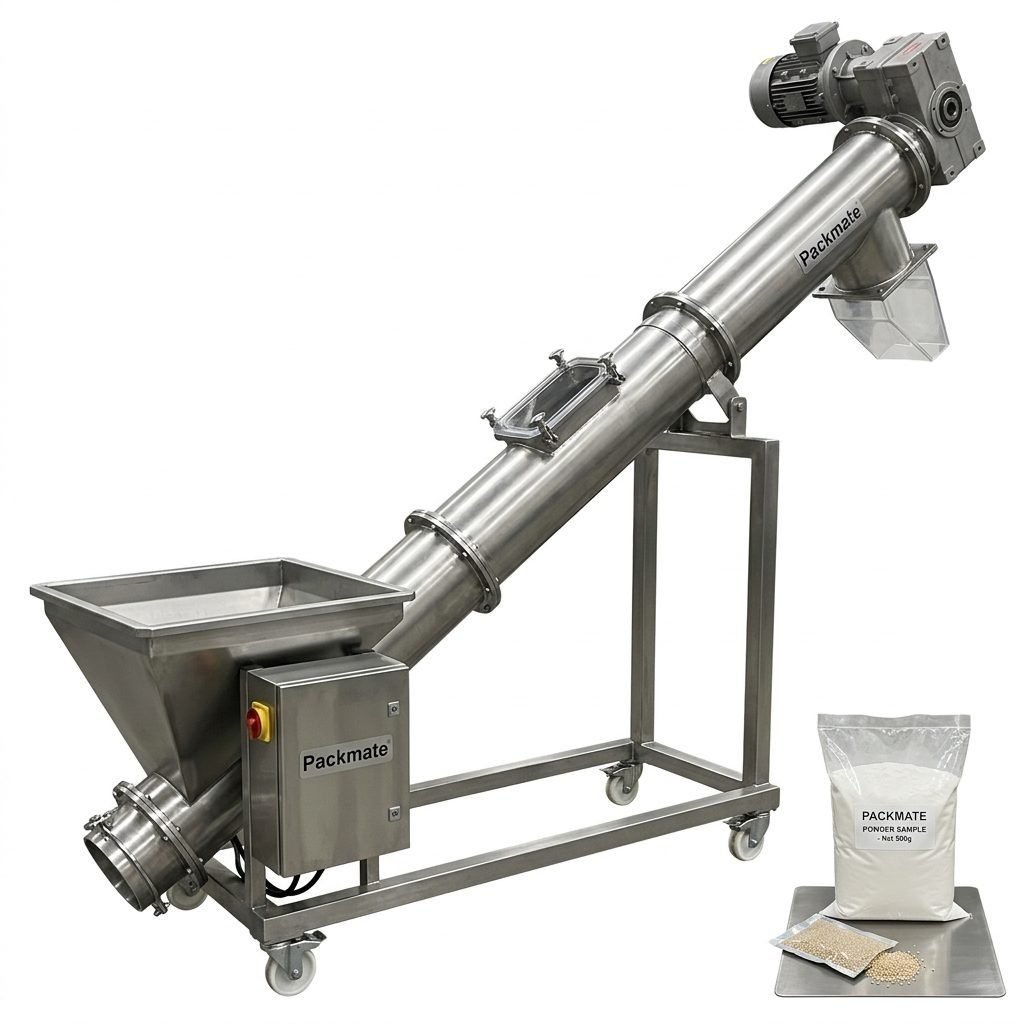
- Automated Conveying & Handling: Robotics and intelligent conveyors move products between stages, reducing manual handling and increasing line speed.
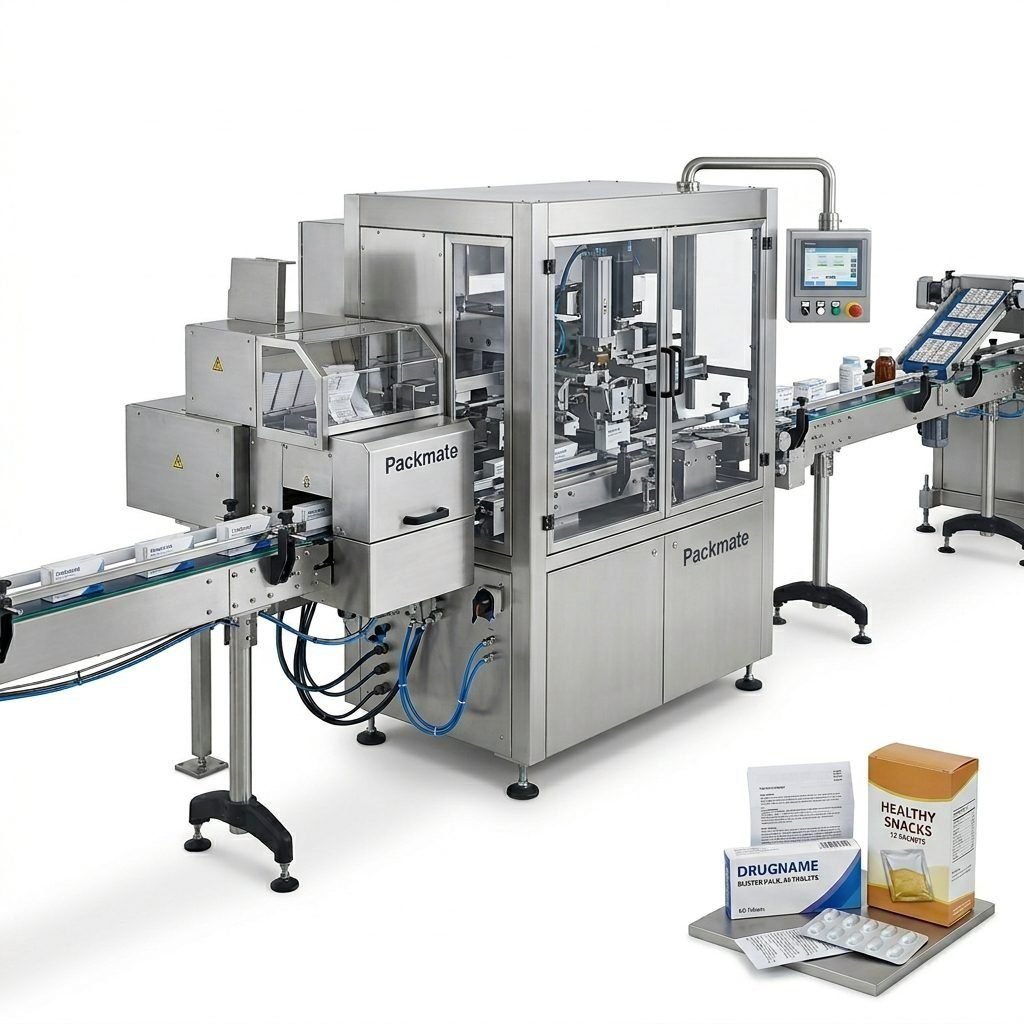
- Integrated Quality Control Checkpoints: Inline checkweighers, metal detectors, and vision inspection systems ensure every pack meets quality standards before proceeding.
How Advanced PFM Solutions Drive Production Efficiency
The leap from standard to advanced PFM machinery brings tangible efficiency gains across the board. First, production speed increases dramatically. Modern multi-lane machines can produce hundreds of packs per minute, a throughput unattainable with older, semi-automatic equipment. Second, changeover times are minimized. Smart designs allow for quick tooling and parameter adjustments, enabling shorter runs and more flexible production schedules to meet just-in-time demands. Third, overall equipment effectiveness (OEE) improves due to higher reliability and less unplanned downtime. Manufacturers like Packmate Machinery build durability and ease of maintenance into their equipment, ensuring machines stay operational.
Maximizing Uptime and Output
Efficiency isn’t only about raw speed. It’s about maximizing productive uptime. Advanced PFM systems feature user-friendly HMIs (Human-Machine Interfaces) for real-time monitoring and diagnostics. Predictive maintenance alerts, based on operational data, help prevent catastrophic failures. Furthermore, seamless integration with factory MES (Manufacturing Execution Systems) provides unparalleled visibility into production metrics, allowing for continuous process optimization.
Selecting the Right PFM Machinery Partner
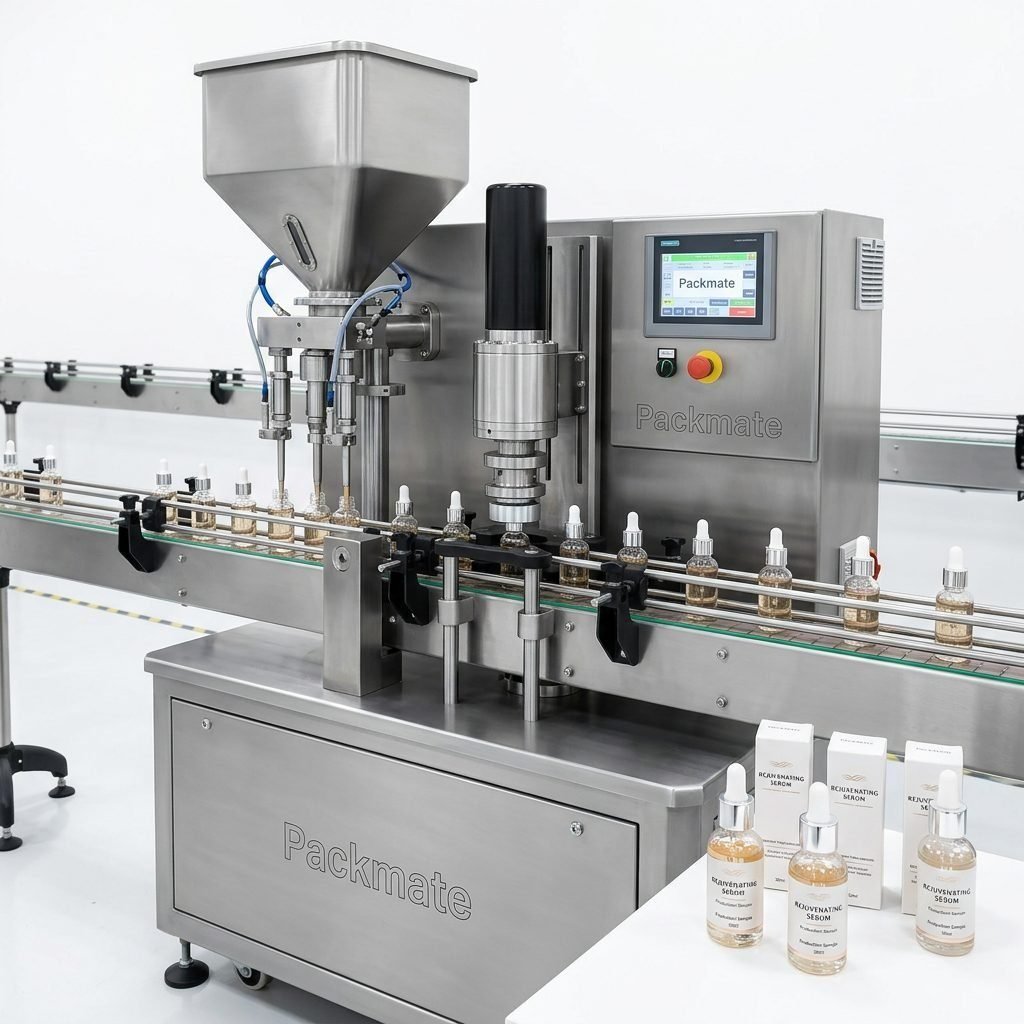
Choosing a supplier is as crucial as selecting the machine itself. A partner with deep application expertise can tailor a solution to your specific product characteristics—be it a fine powder prone to dusting or a viscous liquid. Look for a manufacturer with a proven track record, like Packmate, which brings over 30 years of focused experience in packaging machinery for granules, powders, and liquids. Evaluate their testing capabilities; the ability to conduct product trials with your actual materials is invaluable. Finally, consider the scope of support. A true partner offers comprehensive services from installation and training to ongoing spare parts supply and technical support, ensuring your investment delivers value for years to come.
Trends Shaping the Future of PFM Packaging
The future of PFM packaging is intelligent and connected. Industry 4.0 integration is becoming standard, with machines offering IoT connectivity for remote monitoring and data analytics. Sustainability is another powerful driver, leading to innovations in material reduction, energy-efficient drives, and compatibility with recyclable or compostable films. Flexibility will continue to be paramount, with modular machine designs that can be easily reconfigured for different pack sizes and types, such as switching between bag and pouch formats, to adapt to rapidly changing market needs.
Frequently Asked Questions (FAQs)
What industries benefit most from PFM packaging machinery?
PFM (Precision Filling & Measurement) machinery is essential for any industry requiring accurate, consistent dosing. This is particularly critical in the food industry (for spices, supplements, instant drinks), the pharmaceutical industry (for powders, granules), and the health & nutraceutical industry (for protein powders, vitamins).
How do I choose between a volumetric filler and a net weight scale?
The choice depends on your product and accuracy requirements. Volumetric fillers (like auger fillers) are excellent for free-flowing powders and granules where consistent density can be maintained. Net weight scales are superior for achieving the highest possible accuracy, as they weigh each dose, making them ideal for high-value products or where regulatory compliance demands extreme precision.
Can one PFM line handle different types of products?
Modern modular PFM lines offer significant flexibility. With quick-change parts and programmable recipes, a well-designed line can often handle a range of products with similar physical characteristics (e.g., different powder formulations). However, switching between vastly different product types (e.g., fine powder to large granules) may require more extensive changeovers.
What is the importance of after-sales service when investing in this equipment?
After-sales service is paramount. Packaging machinery is a long-term capital investment. Reliable access to technical support, spare parts, and maintenance training ensures minimal downtime, protects your productivity, and extends the machine’s operational life. Always evaluate a supplier’s service network and commitment.
How can I improve the sustainability of my packaging process with PFM machines?
Advanced PFM machines contribute to sustainability by reducing material waste through precise dosing and fewer rejected packs. They are also increasingly designed with energy-efficient motors and drives. Furthermore, their precision and compatibility allow you to explore using thinner-gauge or more sustainable packaging materials without compromising pack integrity.