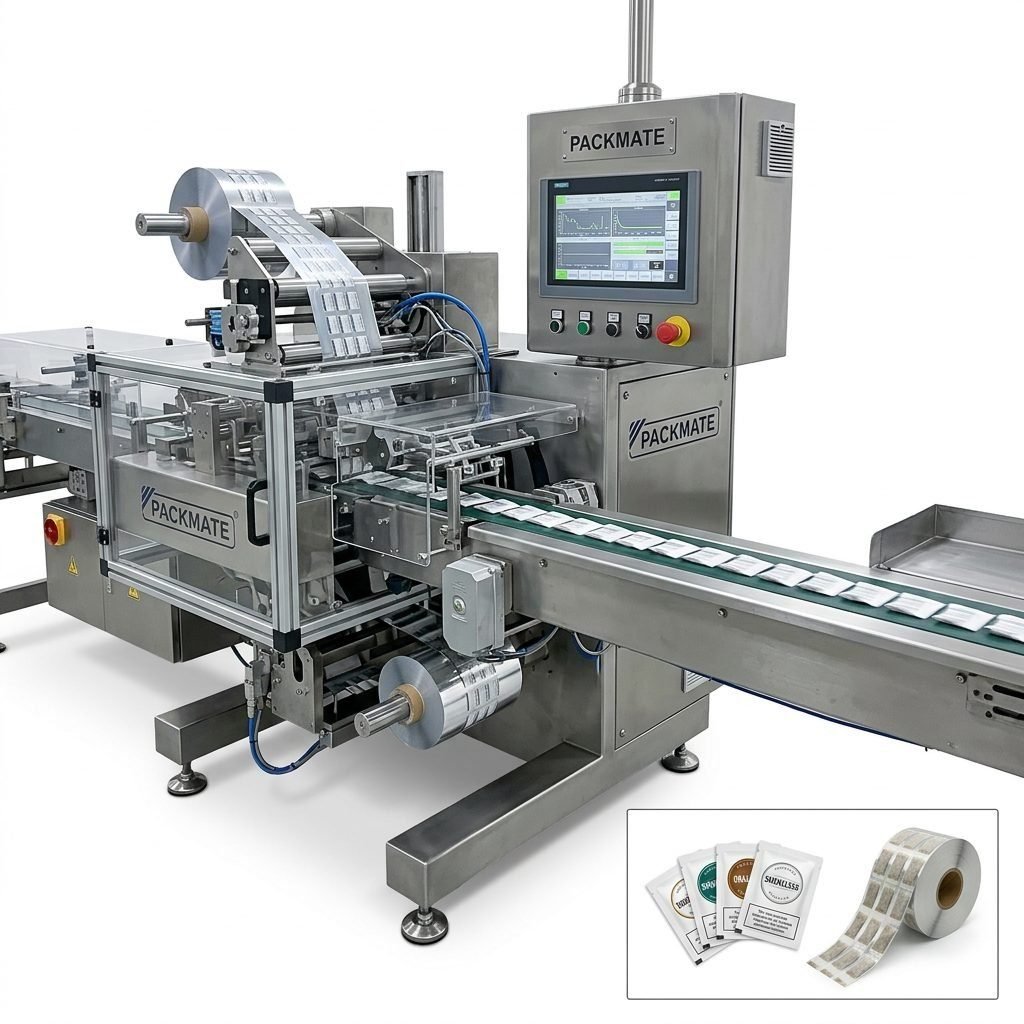
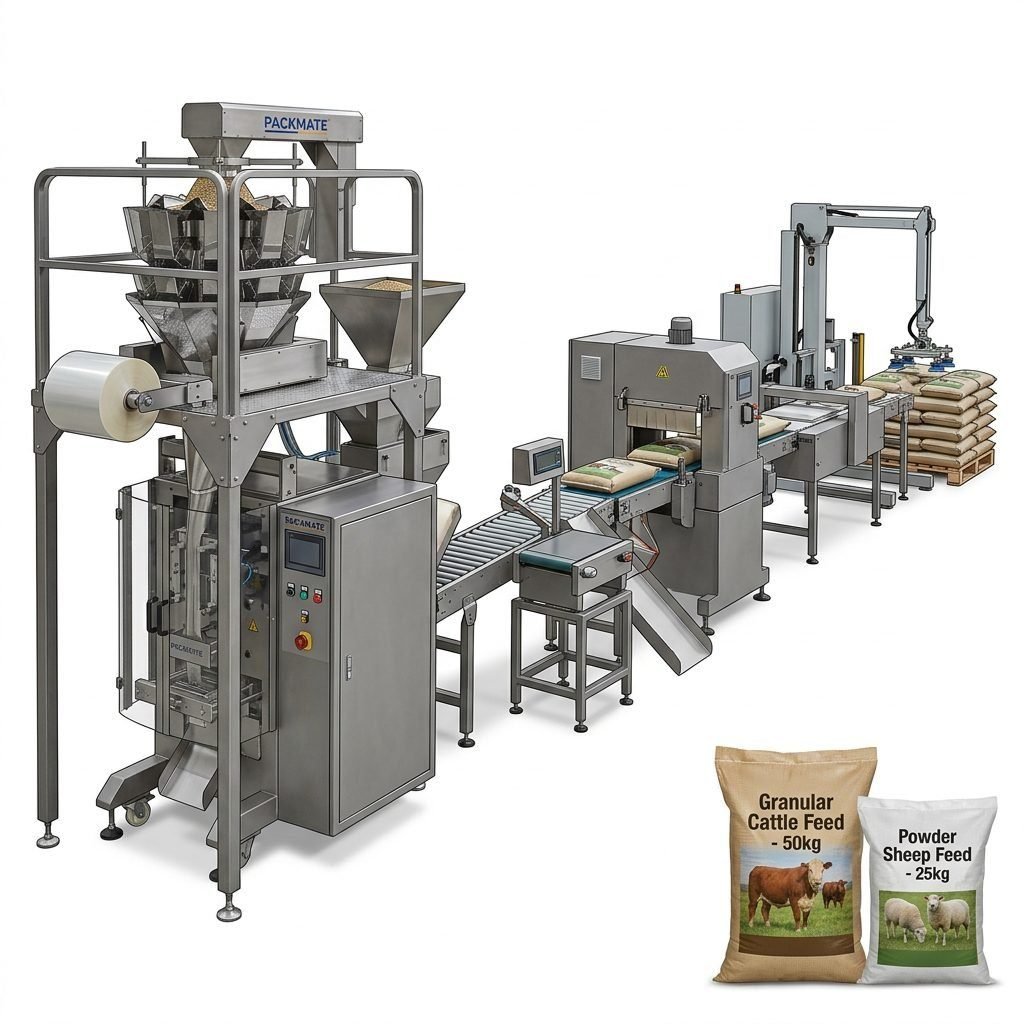
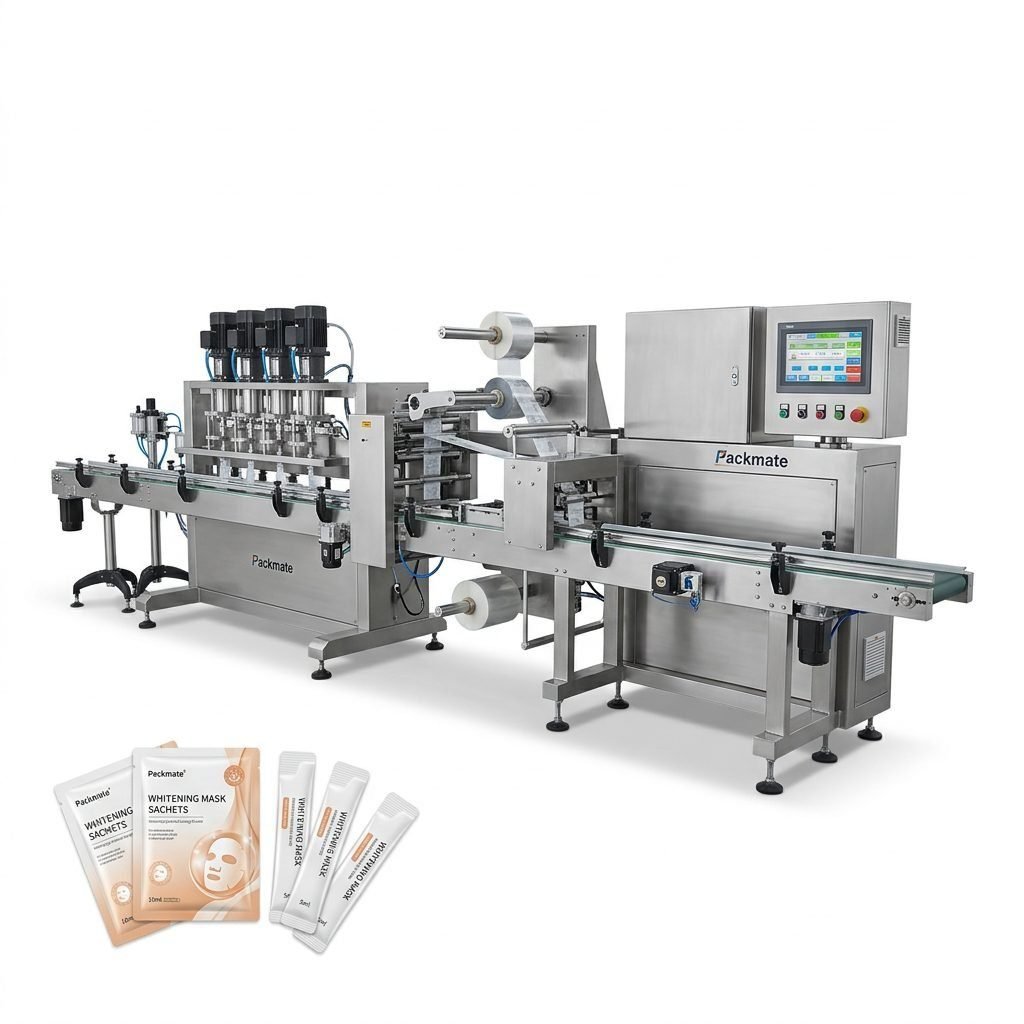
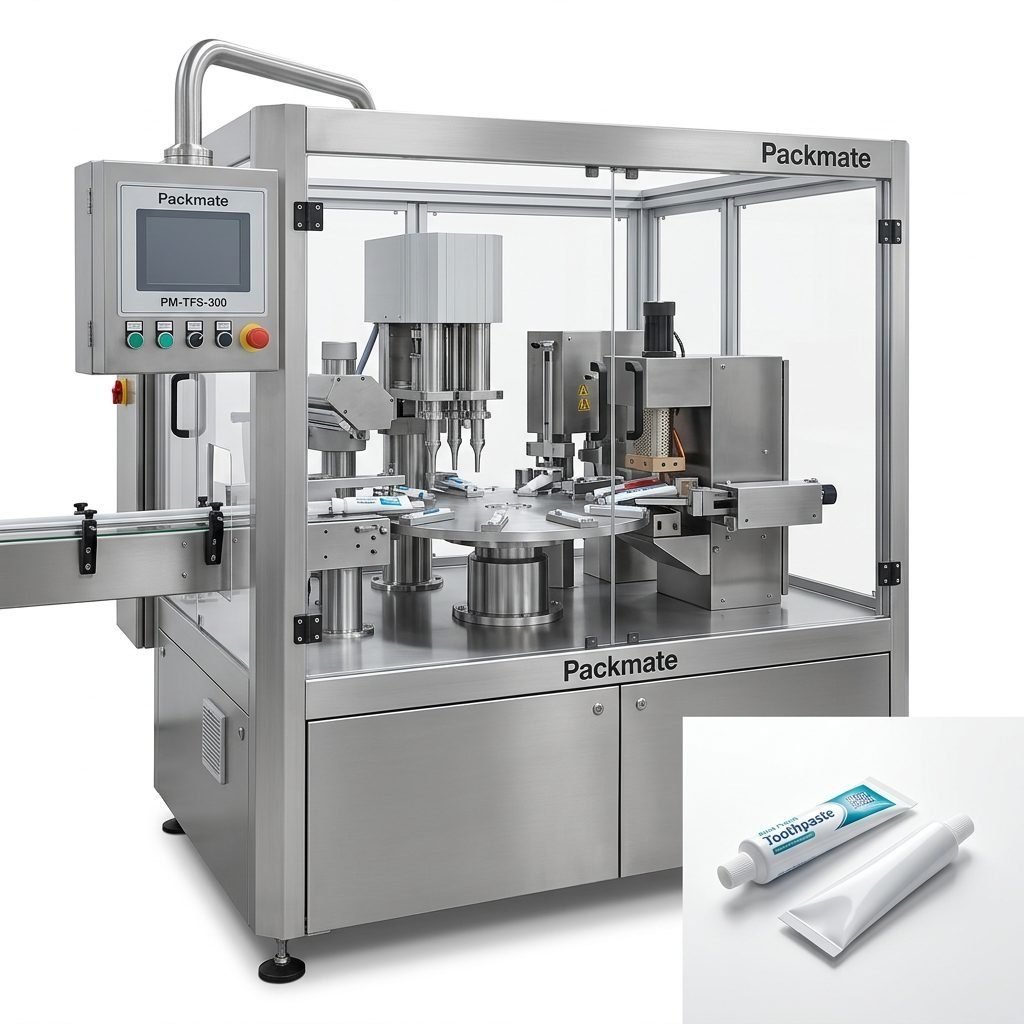
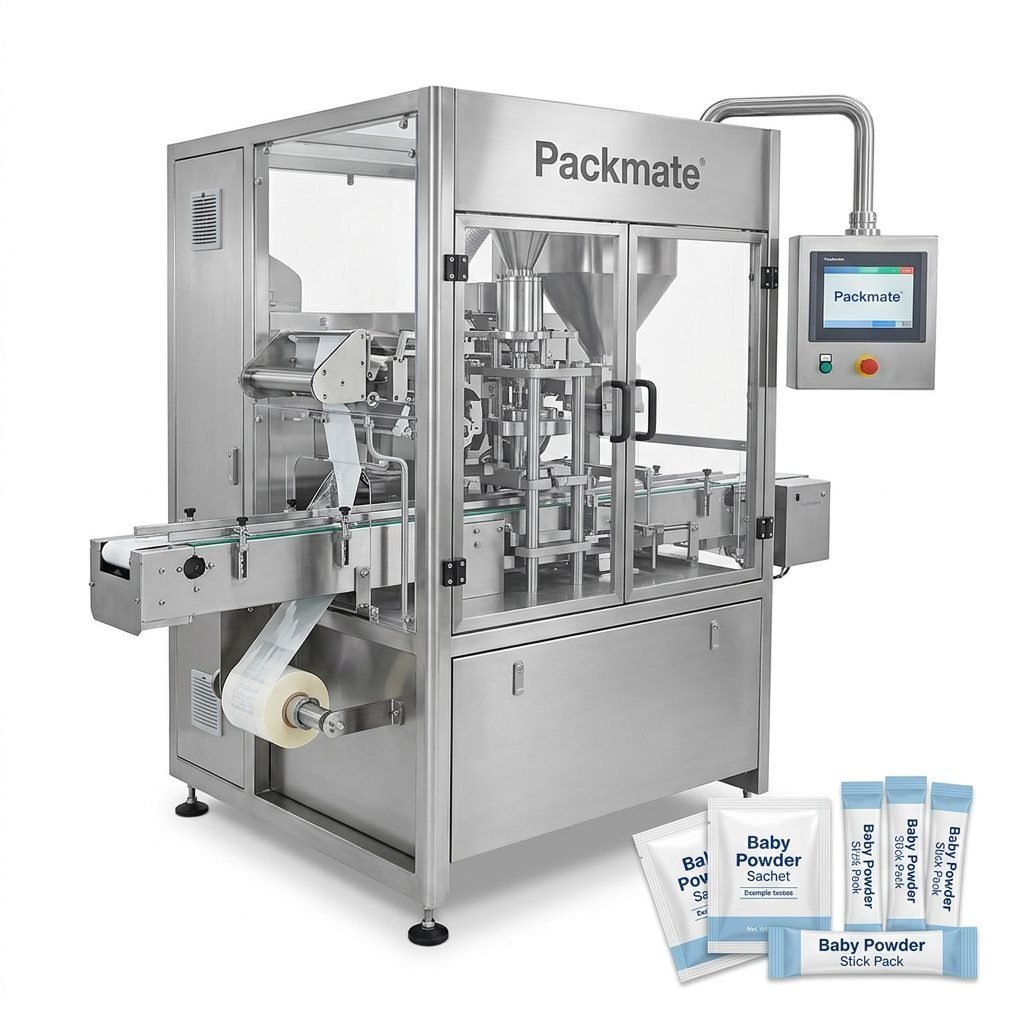
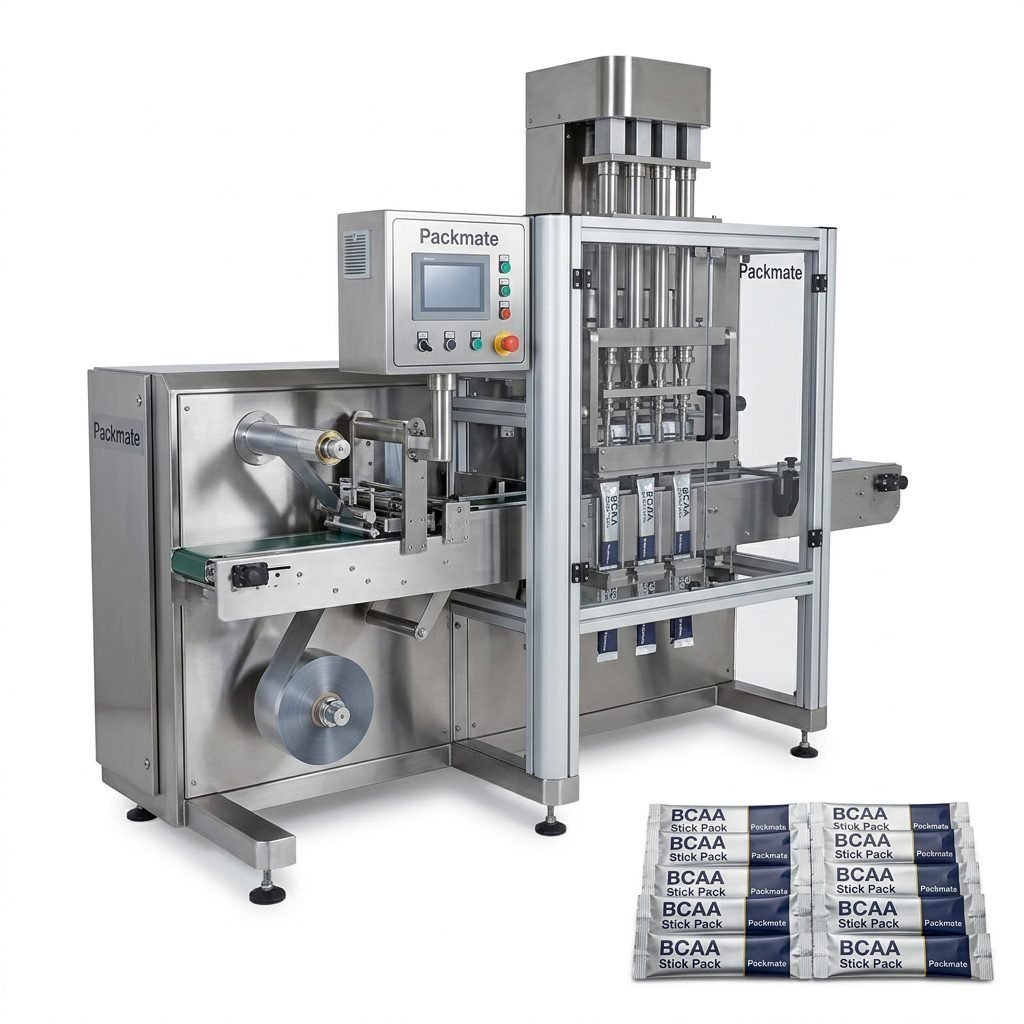
In today’s fast-paced food industry, efficiency and consistency are paramount. Meal prep, a booming sector driven by health-conscious consumers and busy lifestyles, demands packaging solutions that are not only swift but also precise and hygienic. This is where the meal prep packaging machine becomes an indispensable asset. Moving beyond manual packing, automated systems streamline the entire process—from portioning and filling to sealing and labeling—ensuring every meal kit, salad bowl, or protein pack meets the highest standards of quality and safety.
Understanding Meal Prep Packaging Automation
At its core, a meal prep packaging machine is a sophisticated piece of automation designed to handle the specific requirements of prepared food items. These machines are engineered to manage a variety of tasks:
Accurate Portioning & Filling: Whether it’s grains, chopped vegetables, sauces, or proteins, automated weigh-fill systems ensure each container receives the exact weight or volume, minimizing waste and maximizing cost control.
High-Speed Sealing & Closing: Machines can apply lids, heat-seal films, or close clamshells at speeds far surpassing human capability, crucial for maintaining product freshness.
Flexible Container Handling: Modern systems can accommodate diverse packaging formats, from rigid plastic containers and bowls to flexible pouches and trays, often with quick changeover capabilities.
The transition to automation, as championed by companies with deep industry roots, is not merely about speed. It’s about creating a reliable, repeatable, and scalable process that reduces labor costs, minimizes human error, and enhances overall food safety protocols.
Key Components of an Automated Packaging Line
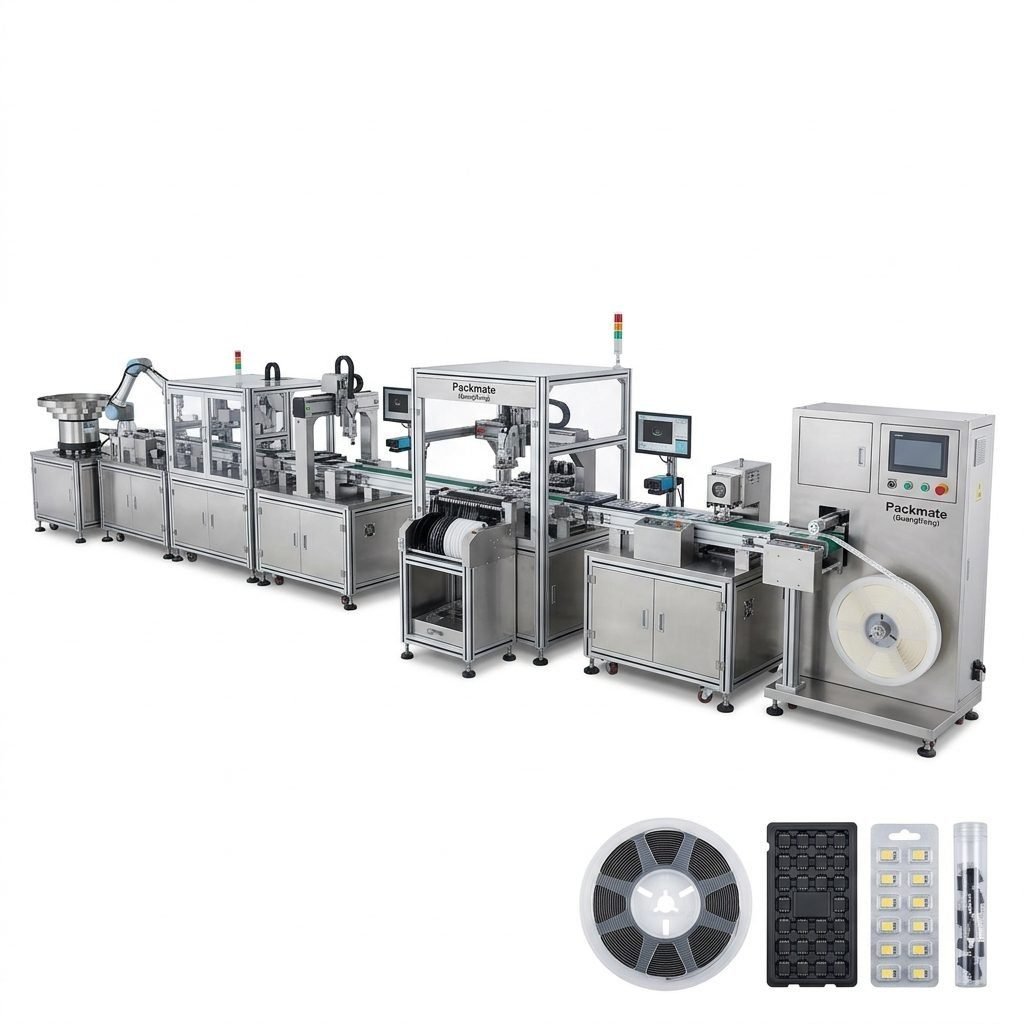
A complete automated food packing solution is more than a single machine; it’s an integrated system. Key components typically include:
- Product Handling & Conveying System: Gently transports containers and ingredients through each stage of the process.
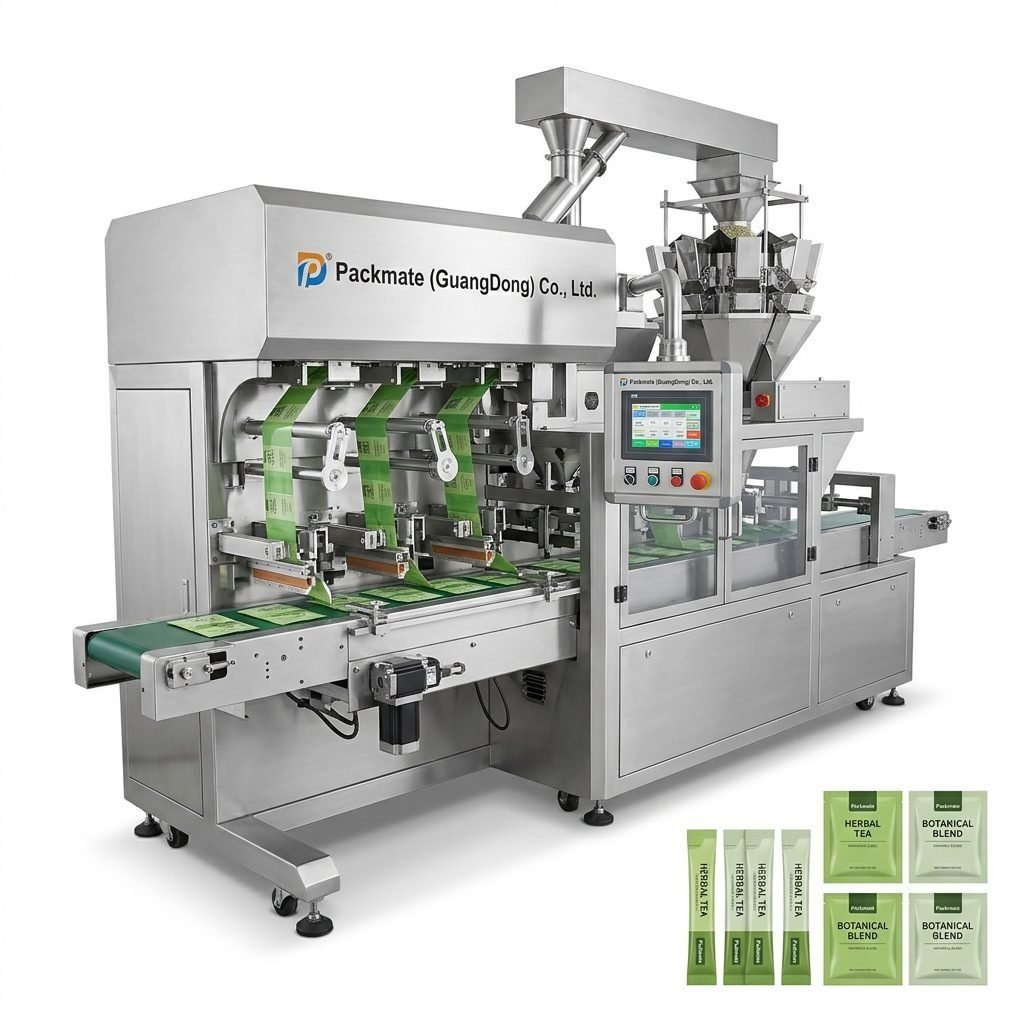
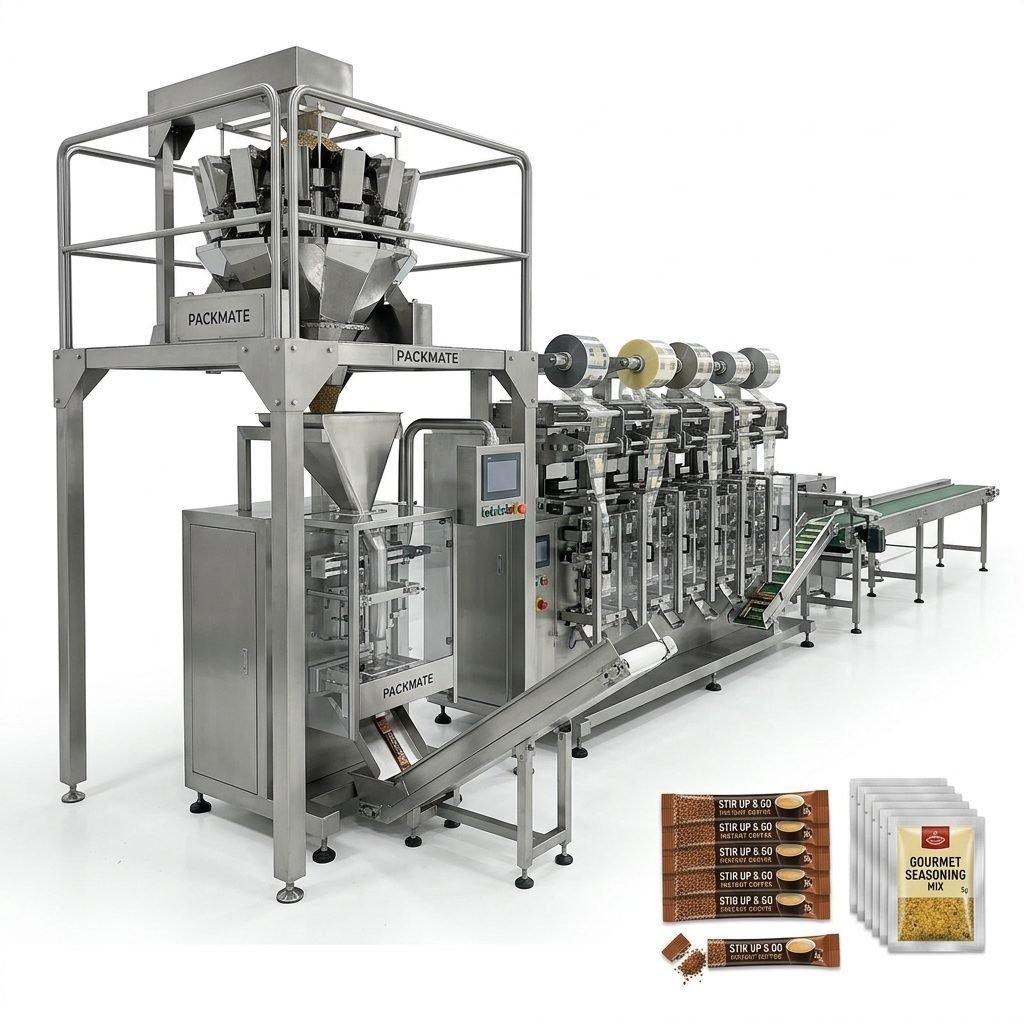
- Multi-Head Weighers or Volumetric Fillers: The heart of portion control, ensuring precise dosing for solid or liquid components. You can explore advanced weighing & packaging systems designed for such accuracy.
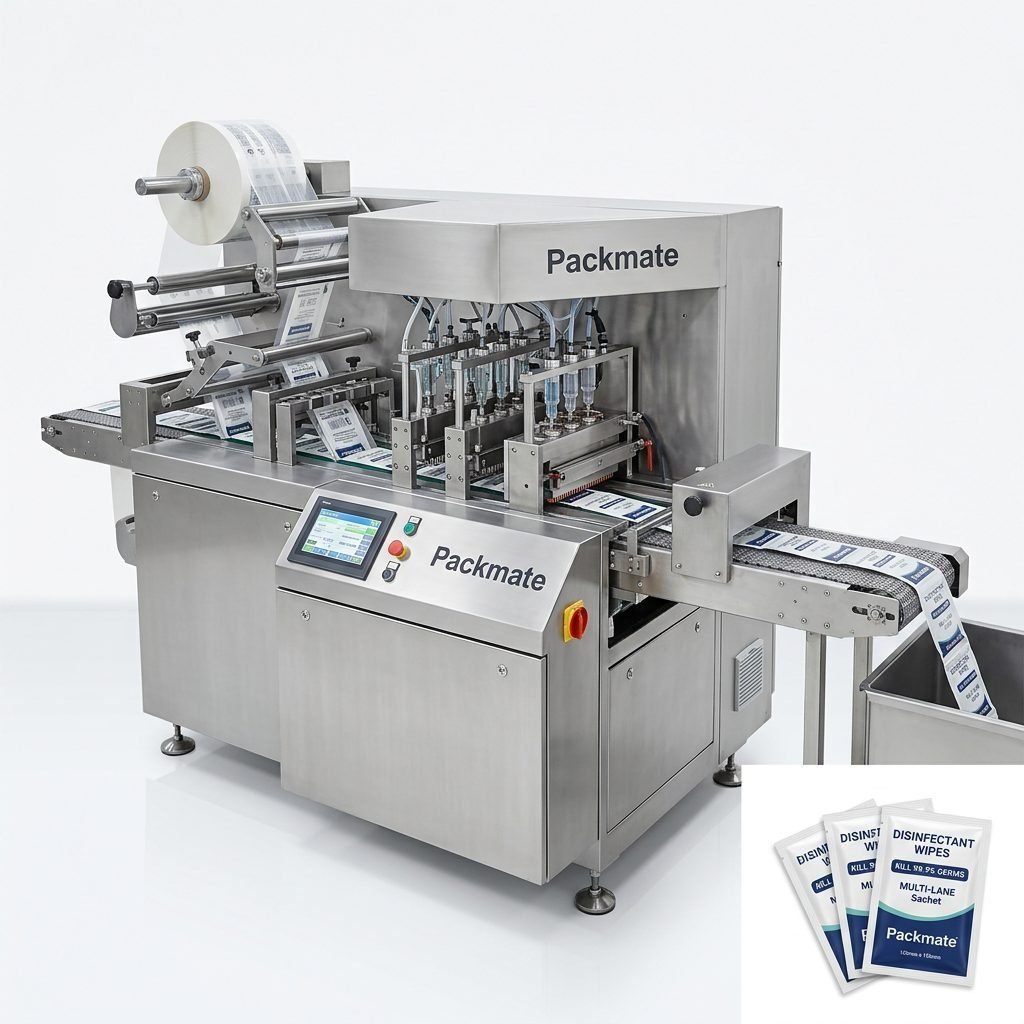
- Filling Stations: For liquids, sauces, or dressings, often using piston or pump fillers to prevent spillage and ensure cleanliness.
- Sealing & Capping Units: Apply tamper-evident seals, lidding films, or screw caps consistently.
- Labeling & Coding: Automatically apply nutritional labels, barcodes, and batch/expiry dates for traceability.
Integrating these components into a seamless filling & packaging line is where engineering expertise shines, transforming individual operations into a cohesive, high-output production unit.
Benefits of Investing in Automated Packaging
The advantages of implementing a meal prep packaging machine extend across the entire business operation:
1. Unmatched Efficiency & Scalability: Automated lines can operate 24/7 with minimal downtime, dramatically increasing output to meet growing demand, whether for a local meal delivery service or a national retail brand.
2. Superior Consistency & Quality Control: Every package is identical. Precise filling eliminates under or over-filling, and consistent sealing guarantees freshness and extends shelf life.
3. Enhanced Food Safety & Hygiene: Reducing direct human contact with the product minimizes contamination risks. Many machines are built with easy-clean, sanitary designs using food-grade materials.
4. Significant Cost Reduction: While the initial investment is substantial, the long-term savings on labor, material waste (from overfilling), and product giveaway are considerable. It also reduces costs associated with recalls due to packaging errors.
5. Labor Optimization: Automates repetitive, physically demanding tasks, allowing your workforce to focus on higher-value activities like quality inspection, machine oversight, and process improvement.
Selecting the Right Machine for Your Operation
Choosing the ideal meal prep packaging machine requires careful analysis of your specific needs. Consider these critical factors:
Product Characteristics: Is your product solid, liquid, granular, or powdered? Does it contain particulates? The physical properties dictate the type of filling technology needed.
Packaging Format: Determine your primary container type—pre-formed pouches, clamshells, trays, or cups. Some machines, like specialized bag & pouch packaging machines, are optimized for flexible materials, while others handle rigid containers.
Production Speed & Volume: Calculate your current and projected output (packages per minute/hour) to select a machine with appropriate capacity without over-investing.
Floor Space & Layout: Assess the available space in your facility. A modular system from a provider like Packmate Machinery can often be configured to fit constrained layouts while maintaining workflow efficiency.
Budget & ROI: Evaluate the total cost of ownership, including purchase price, installation, maintenance, and potential utility requirements, against the expected return through efficiency gains and cost savings.
The Future of Food Packaging: Smart & Sustainable
The evolution of meal prep packaging machines is moving towards greater intelligence and eco-consciousness. Industry 4.0 integration allows for real-time monitoring of machine performance, predictive maintenance alerts, and seamless data collection for analytics. Furthermore, there is a growing demand for machines that can handle compostable, biodegradable, or recyclable materials, supporting brands in their sustainability goals. The future lies in flexible, connected, and environmentally adaptable automation solutions.
Frequently Asked Questions (FAQs)
Q1: What types of food products can an automated meal prep packaging machine handle?
Modern machines are highly versatile. They can handle a wide range, including dry goods (pasta, rice, nuts), fresh produce (chopped vegetables, salads), cooked components (grains, proteins), liquids (soups, sauces, dressings), and mixed-component meals. The key is matching the machine’s filling and handling technology to your product’s specific viscosity, particle size, and sensitivity.
Q2: How difficult is it to switch between different packaging formats or meal recipes?
Many advanced machines are designed for quick changeover. Features like tool-less adjustments, programmable recipes stored in the PLC (Programmable Logic Controller), and modular components allow operators to switch between different container sizes or product types in minutes, maximizing production flexibility and reducing downtime.
Q3: What is the typical maintenance requirement for these machines?
Regular preventative maintenance is crucial for longevity and consistent performance. This typically includes daily cleaning, lubrication of moving parts as specified by the manufacturer, and periodic inspection of wear components like seals, gaskets, and filling nozzles. Reputable suppliers provide comprehensive manuals and support to guide these routines.
Q4: Can automated packaging lines be integrated with other equipment in my facility?
Yes, a key advantage of modern systems is their integrability. They can be seamlessly connected with upstream equipment (like cookers or chillers) via conveyors and downstream systems (like case packers or palletizers). Communication protocols like Ethernet/IP allow for coordinated line control and data exchange across the production floor.
Q5: How do I ensure the machine meets food safety standards like HACCP?
Choose machinery constructed with food-grade stainless steel (e.g., 304 or 316) on contact surfaces, designed with smooth, crevice-free areas for easy cleaning, and capable of withstanding standard sanitation procedures. Reputable manufacturers design with these standards in mind and can provide documentation and certifications to support your HACCP plans.