The auto parts industry operates on precision, speed, and reliability. In this high-stakes environment, the packaging of components—from delicate sensors to heavy engine blocks—is not merely a final step but a critical component of the supply chain. An Auto Parts Packaging Machine is the cornerstone of this process, transforming it from a manual, error-prone task into a streamlined pillar of industrial automation. This guide delves into how these sophisticated systems drive efficiency, ensure quality, and secure the journey of auto parts from factory floor to final assembly.
The Role of Packaging in the Automotive Supply Chain
Packaging in the automotive sector serves multiple vital functions beyond simple containment. It must provide superior protection against shock, vibration, moisture, and electrostatic discharge during transit and storage. It must also facilitate efficient handling, stacking, and identification within warehouses and on production lines. Manual packaging struggles to consistently meet these demands at the scale and pace required by modern manufacturers. This is where automated packaging machinery becomes indispensable, ensuring every gasket, circuit board, or piston ring arrives in perfect condition, ready for installation.
Key Challenges Addressed by Automation:
- Inconsistent Protection: Human error can lead to inadequate cushioning or sealing.
- Slow Throughput: Manual processes cannot match the output of automated assembly lines.
- High Labor Costs & Fatigue: Repetitive packaging tasks are costly and lead to injuries.
- Traceability Issues: Manually applied labels or codes can be incorrect or unreadable.
- Material Waste: Inefficient use of packaging materials like film, cardboard, or foam.
Core Components of an Auto Parts Packaging Line
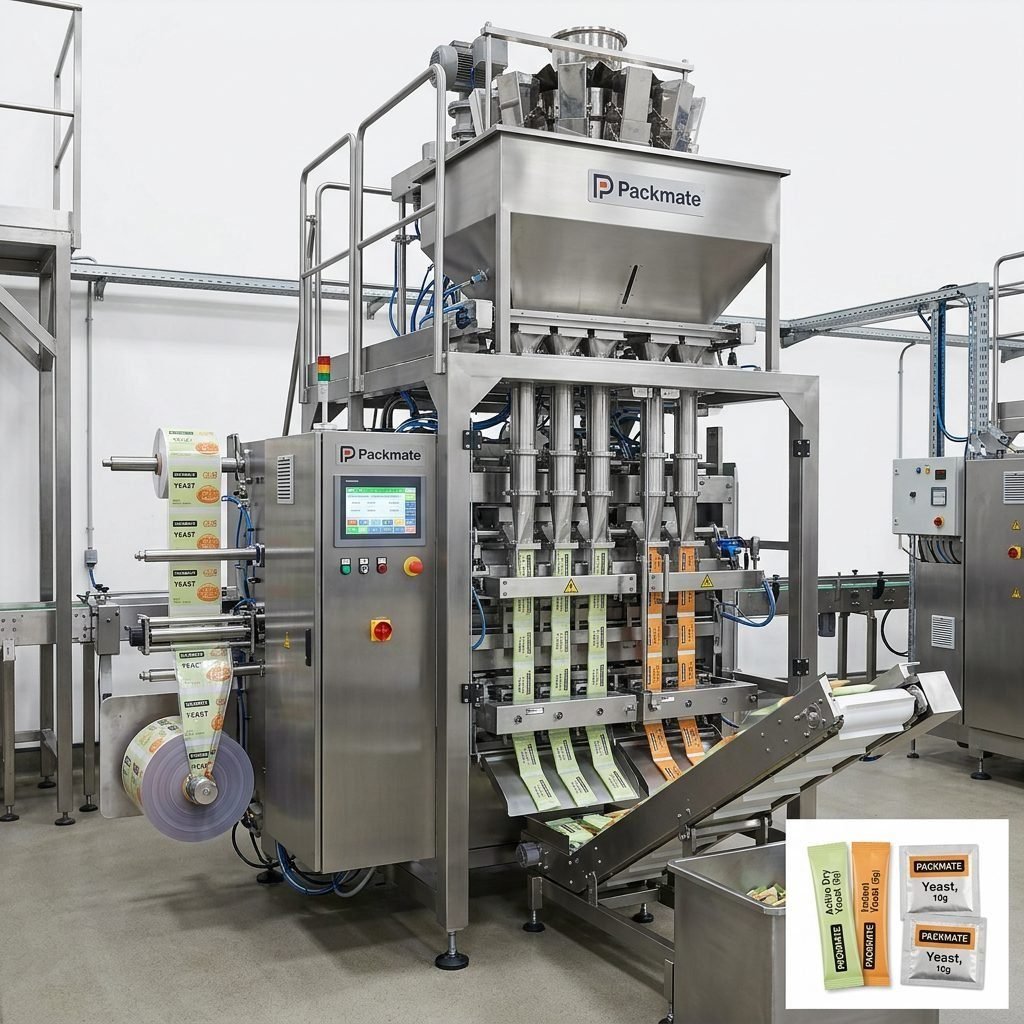
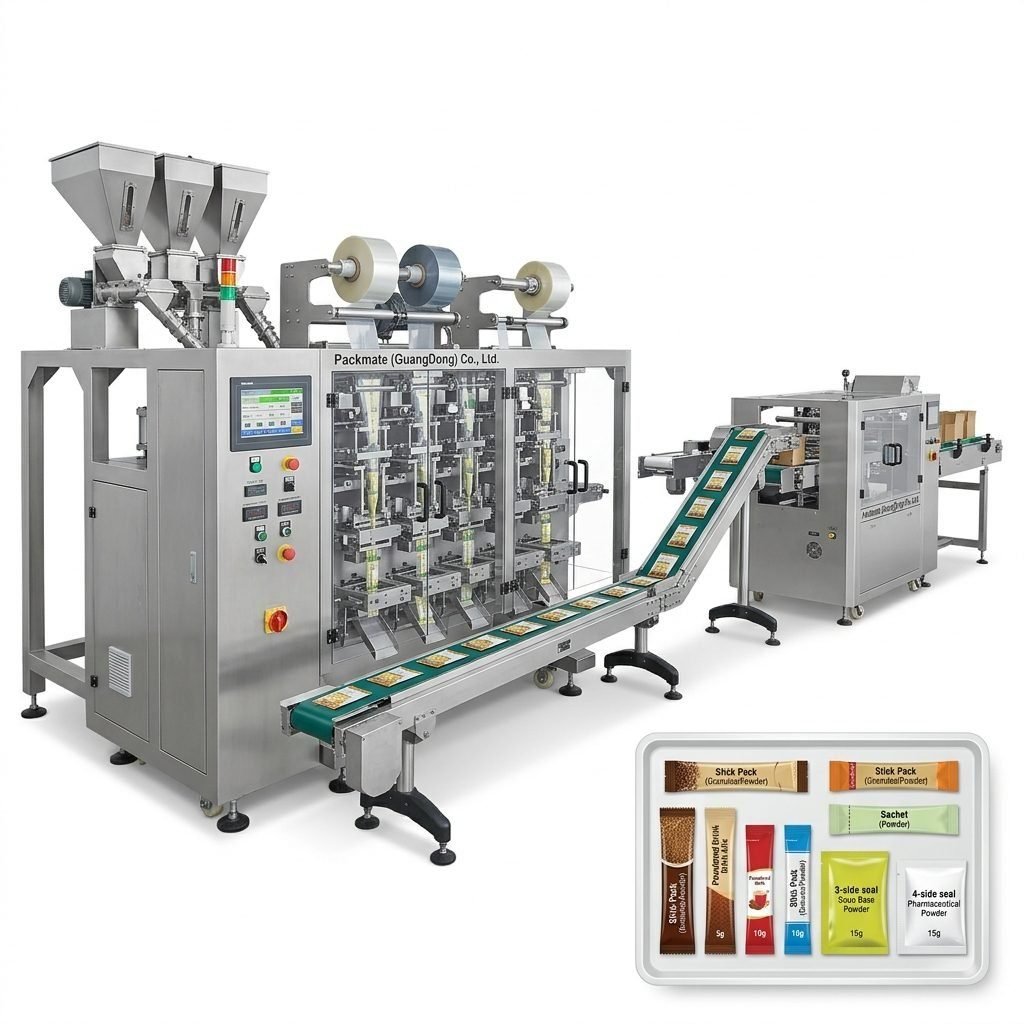
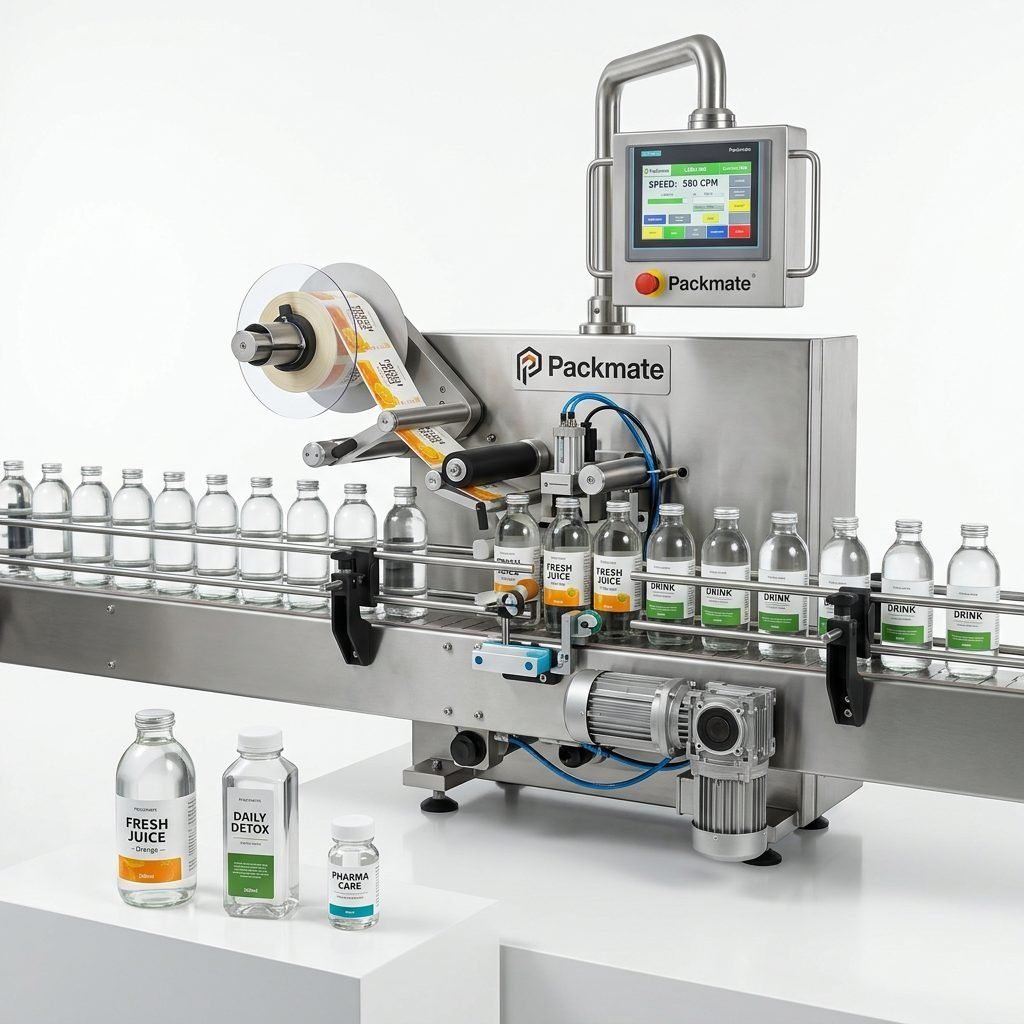
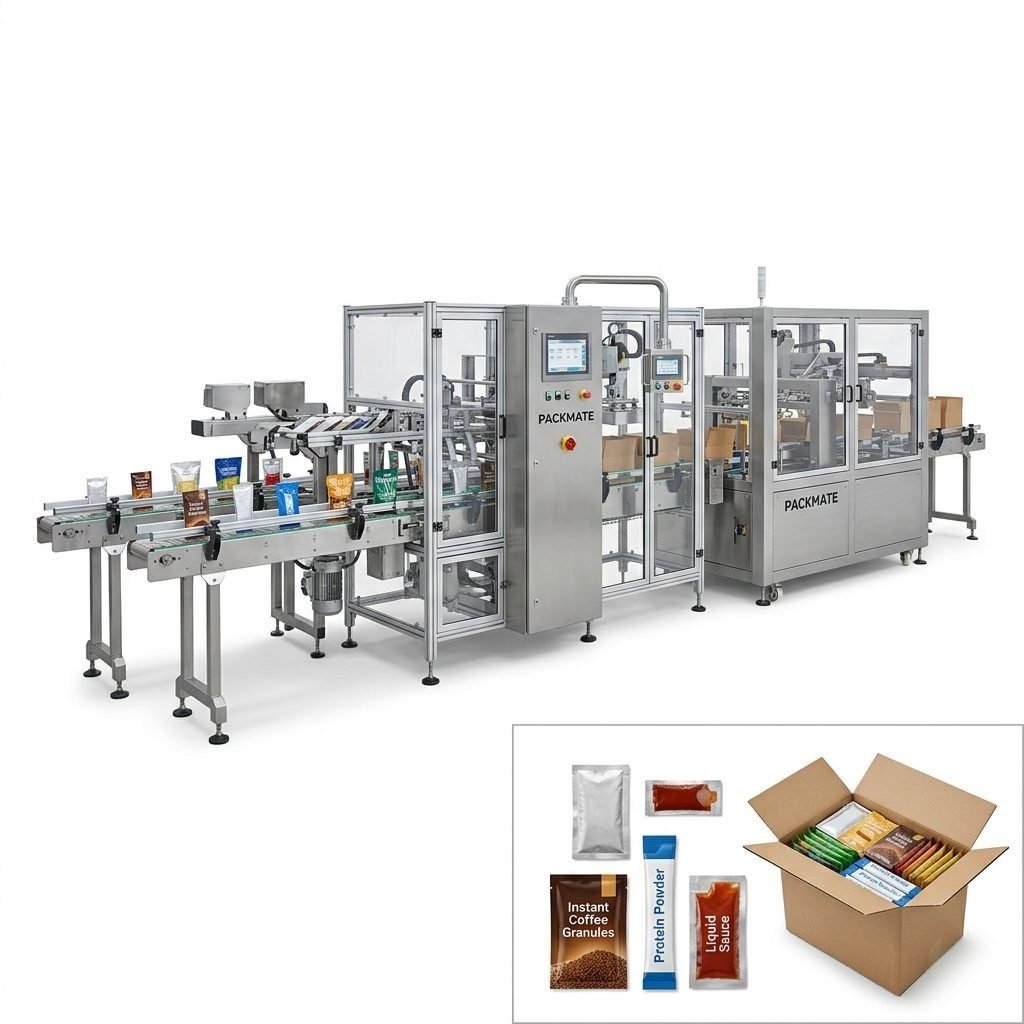
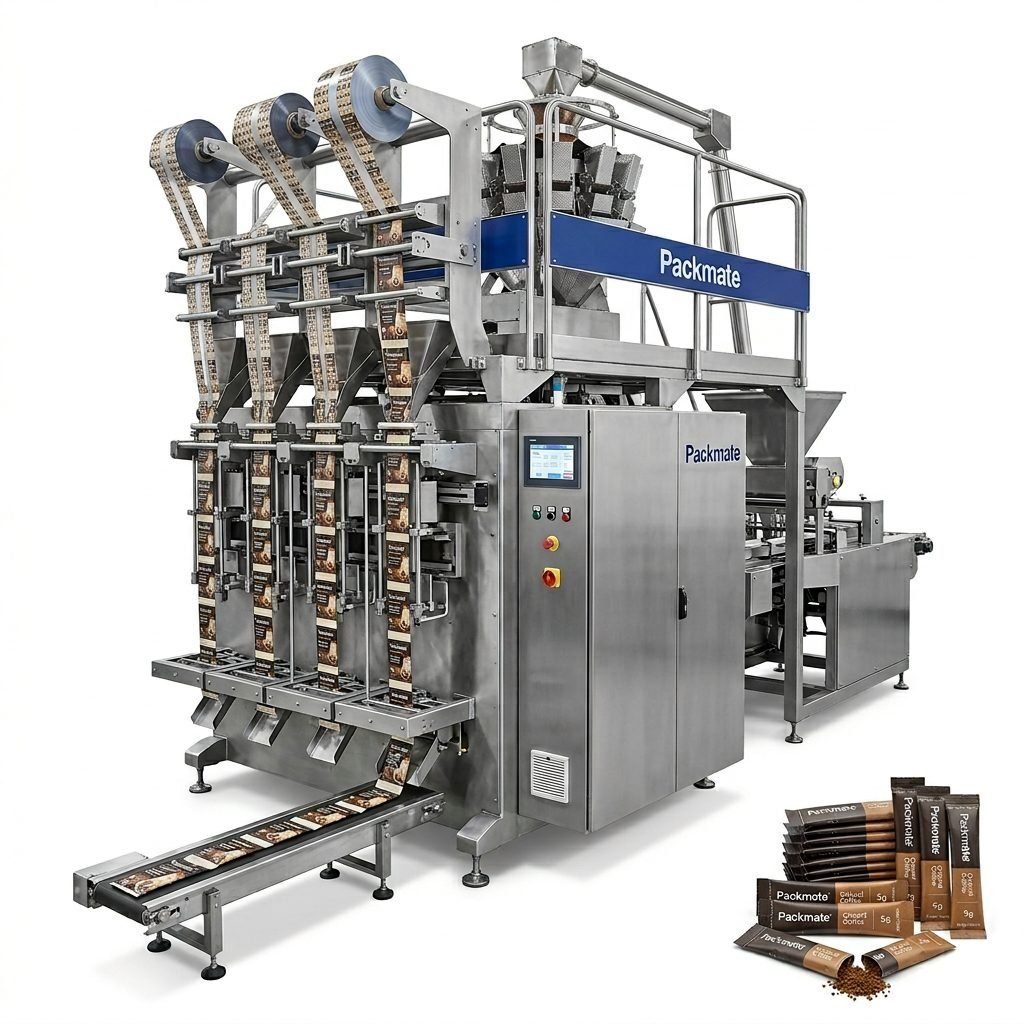
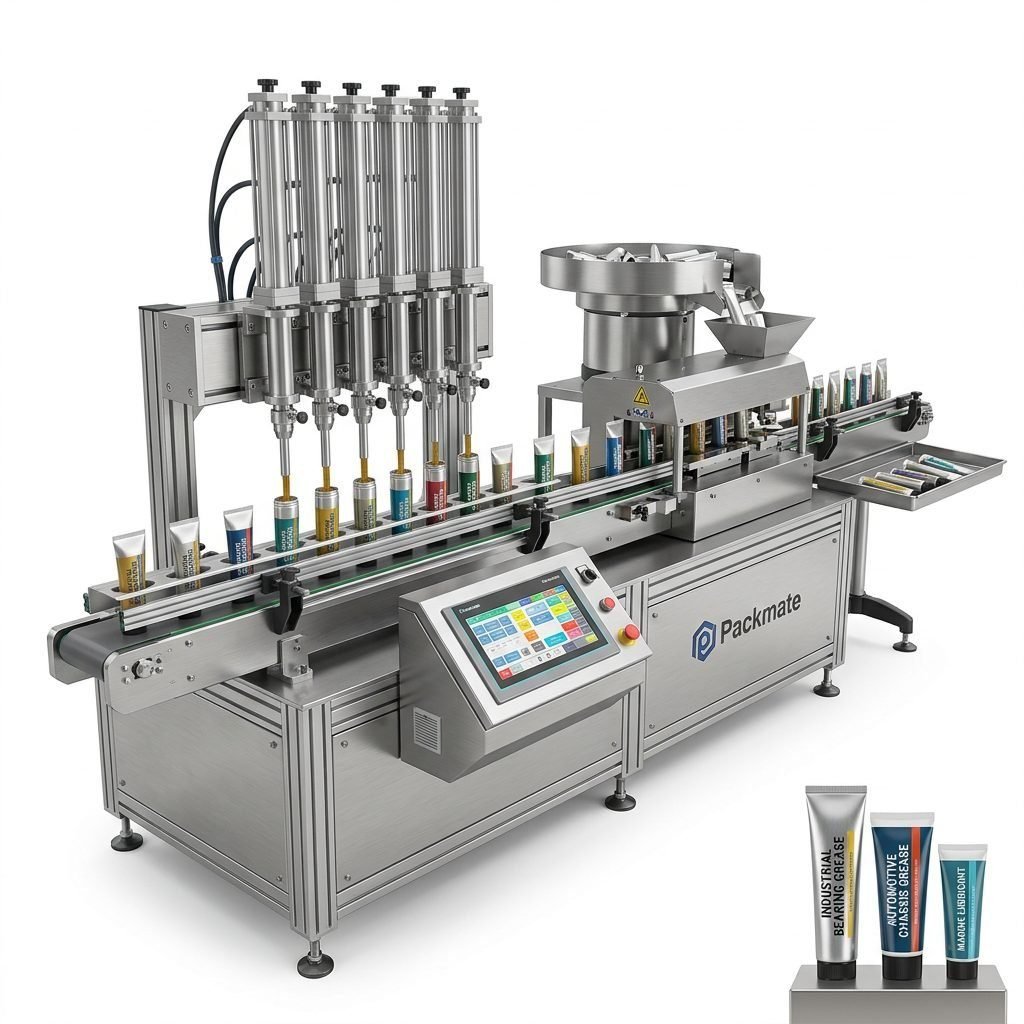
A fully integrated automated packaging system is a symphony of coordinated machines. It typically begins with an automated sorting and feeding system that organizes parts from the production line. The heart of the system is the primary packaging machine, which could be a form-fill-seal (FFS) unit for bagging small parts, a stretch wrapper for palletizing engines, or a thermoformer for creating custom plastic clamshells. This is often followed by labeling, coding, and vision inspection systems to ensure accuracy. Finally, robotic cartoning or case packing cells place the primary packages into secondary shipping containers. Leading manufacturers like Packmate Machinery specialize in engineering such cohesive, turnkey packaging lines that are tailored to specific part geometries and volumes.
Types of Packaging Machines for Auto Parts
The choice of machine depends entirely on the part and its requirements:
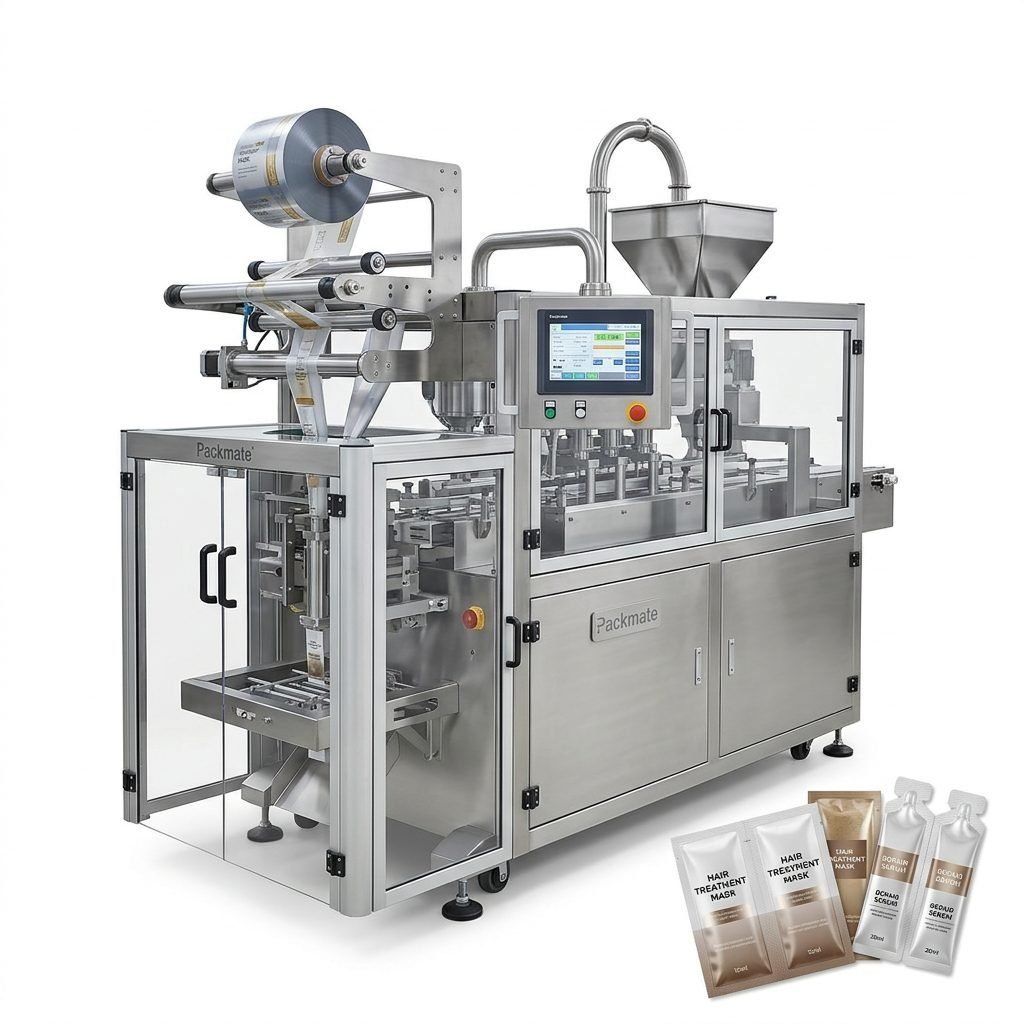
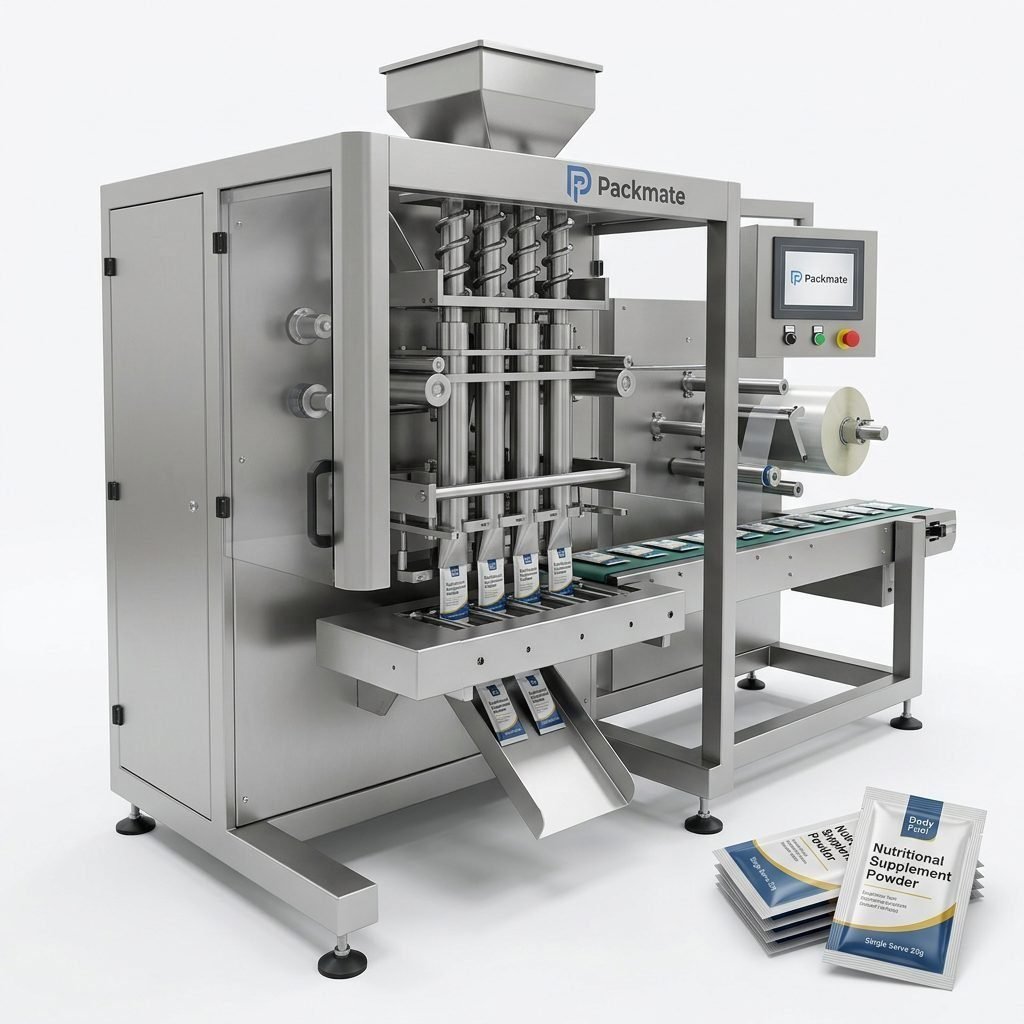
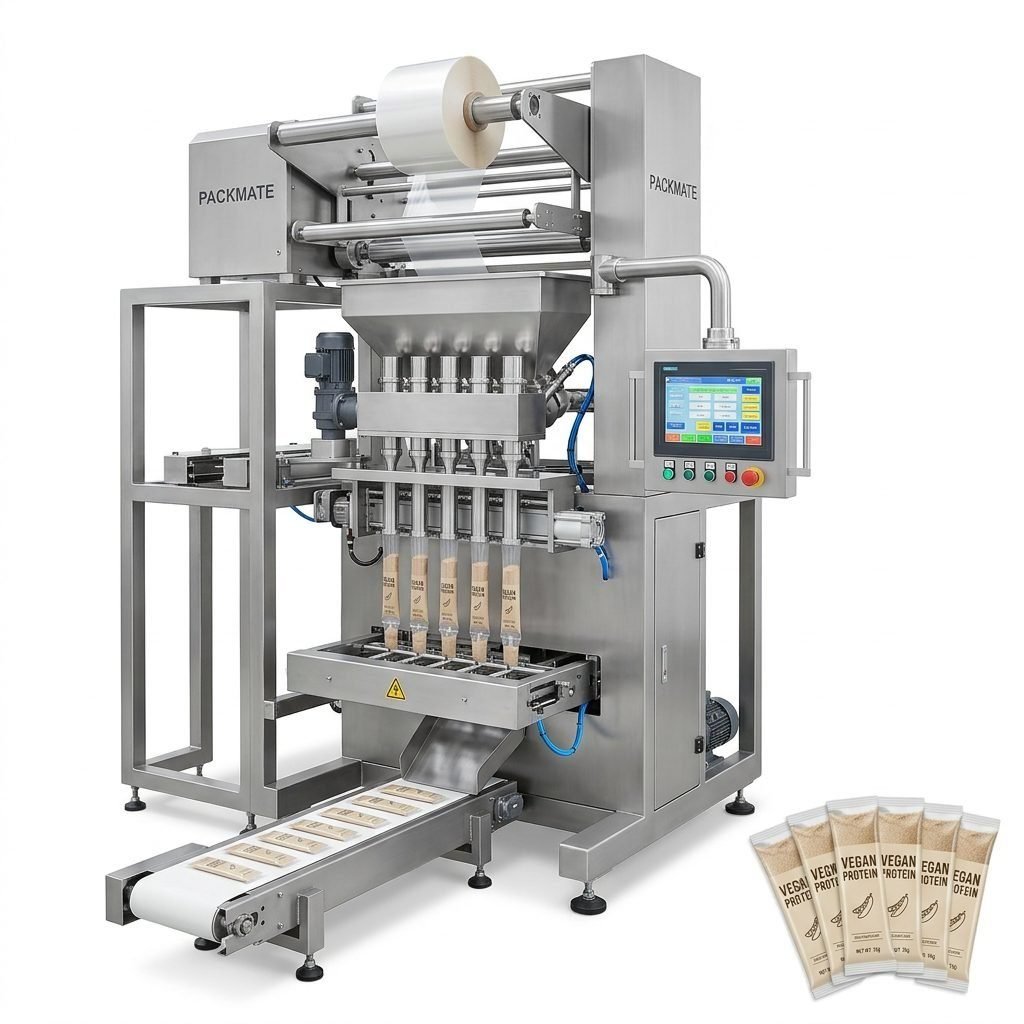
- Vertical Form-Fill-Seal (VFFS) Machines: Ideal for bagging bolts, washers, or small electrical components in polyethylene bags. They form the bag from a roll of film, fill it with product, and seal it—all in one continuous motion.
- Horizontal Flow Wrappers: Used for wrapping longer, bar-shaped items like piston rods or hoses in protective film.
- Automatic Case Erectors and Sealers: For boxing multiple bagged items or larger sub-assemblies. Robotic arms often place products into the cases with precision.
- Pallet Stretch Wrappers: Automatically wrap stacks of boxed parts onto pallets for secure shipment.
- Blister and Clamshell Packaging Machines: Create secure, visible packages for retail auto parts like spark plugs or fuses.
The Tangible Benefits of Automated Packaging
Investing in an auto parts packaging machine yields a rapid and significant return on investment across several key performance indicators.
Operational Efficiency & Cost Savings
Automation dramatically increases packaging speed, often by 200-300%, allowing production lines to run at full capacity without bottleneck. It reduces direct labor costs and minimizes material waste through precise control. Furthermore, consistent, secure packaging lowers damage rates during shipping, directly reducing costs associated with returns, replacements, and warranty claims.
Enhanced Quality & Consistency
A machine performs the same optimal sealing, labeling, and placement action every single time. This eliminates the variability of manual work, ensuring every packaged part meets the same high standard. Integrated checkweighers and vision systems provide 100% inspection, catching any underfills, labeling errors, or seal defects in real-time.
Improved Safety & Traceability
Automation removes workers from repetitive strain tasks and potential hazards associated with moving parts and packaging equipment. Additionally, automated systems can easily integrate with factory software (MES, ERP) to print and apply unique barcodes or QR codes to each package. This creates a complete digital trail for the part, crucial for quality control, inventory management, and recall processes.
Implementing Your Automation Solution: A Strategic Guide
Successfully integrating an auto parts packaging machine requires careful planning.
1. Audit and Define Requirements: Analyze your current packaging process. What are the part dimensions, weights, and fragilities? What is your required output (parts per minute)? What are the material specifications (bag type, box size, film gauge)?
2. Select the Right Technology Partner: Look for a supplier with proven experience in industrial and automotive packaging. They should offer robust, reliable machines and comprehensive support. A partner like Packmate Machinery, with over two decades of engineering expertise, can provide valuable guidance from concept to commissioning.
3. Design for Integration: The machine must interface seamlessly with your upstream production and downstream logistics. Consider floor space, power requirements, and communication protocols (e.g., PLC connectivity).
4. Prioritize Flexibility: The automotive industry frequently updates parts and runs mixed SKUs. Choose equipment that allows for quick changeovers between different part numbers with minimal tooling adjustments. Explore their range of bag and pouch packaging machines which often feature this flexibility.
5. Plan for Training and Maintenance: Ensure your team is trained on operation and basic troubleshooting. A reliable service agreement is crucial to minimize downtime.
The Future: Smart Packaging and Industry 4.0
The next evolution is the “smart” packaging line. These systems are equipped with IoT sensors that monitor machine health (predictive maintenance), track material consumption, and provide real-time production data to a central dashboard. This level of connectivity and data intelligence, part of the Industry 4.0 revolution, allows for unprecedented optimization, remote monitoring, and seamless integration into the digital factory of the future.
In conclusion, the auto parts packaging machine is far more than a box-sealing apparatus. It is a strategic automation asset that safeguards product quality, unlocks production capacity, reduces total operational cost, and provides the traceability demanded by today’s complex global supply chains. By moving from manual methods to a tailored automated solution, automotive manufacturers and suppliers can secure a critical competitive advantage, ensuring their components—and their business—are built for the road ahead.
Frequently Asked Questions (FAQs)
1. What types of auto parts are best suited for automated packaging?
Virtually all parts can benefit, but automation is especially valuable for high-volume items (screws, gaskets), fragile components (sensors, electronics), heavy items requiring palletizing (brake rotors), and parts needing retail-ready presentation (blister packs). The system is designed around the part’s specific characteristics.
2. How does automated packaging improve traceability for auto parts?
Automated systems can be programmed to print and apply unique scannable codes (barcode, QR code, DataMatrix) to each package. This code can be linked to the part’s batch number, production date, and quality data in your ERP system, creating a complete digital history from manufacture to installation.
3. Can one packaging machine handle different sizes and shapes of parts?
Yes, many modern machines are built for flexibility. Features like adjustable forming tubes, quick-change sealing jaws, and programmable robotic arms allow for relatively fast changeovers between different part SKUs, making them ideal for production lines that run multiple products.
4. What is the typical ROI period for an auto parts packaging machine?
The return on investment can often be achieved within 12 to 24 months. This is realized through labor savings, increased throughput, reduced material waste, and a significant decrease in shipping damage and associated costs. The exact timeframe depends on production volume and the cost of the existing manual process.
5. How do I ensure the packaging machine integrates with my existing production line?
This requires close collaboration with your machine supplier. Provide detailed information about your line speed, part conveyance method, and factory communication standards. A reputable supplier like Packmate Machinery will conduct a thorough assessment and design the machine’s infeed/outfeed and control system to ensure seamless integration with your current setup.