In the dynamic world of product packaging, efficiency, protection, and presentation are paramount. For industries dealing with fragile, irregular, or high-value items, finding the right packaging solution is a critical business decision. This is where the honeycomb packaging machine becomes an indispensable asset. This complete buying guide will walk you through everything you need to know, from understanding the technology to selecting the top models for your operation.
What is a Honeycomb Packaging Machine?
A honeycomb packaging machine is a specialized piece of equipment designed to automatically produce honeycomb paper—a lightweight, cushioning material with a hexagonal cell structure that mimics a natural beehive. This machine transforms rolls of kraft paper into expanded, three-dimensional honeycomb sheets or custom-sized pads through a process of cutting, stretching, and sometimes gluing. The resulting material offers superior void-fill, blocking, and bracing capabilities compared to traditional loose-fill peanuts or bubble wrap.
Key Advantage: Honeycomb paper is 100% recyclable and biodegradable, making it an eco-friendly champion in sustainable packaging solutions. It provides excellent protection while significantly reducing material waste and shipping costs due to its low weight and high strength-to-weight ratio.
Core Benefits of Automated Honeycomb Packaging
Investing in an automated machine to produce honeycomb packaging on-demand unlocks numerous benefits:
- Cost Efficiency: Eliminates the need to stockpile pre-made cushioning materials, saving on storage space and inventory costs. You produce only what you need, when you need it.
- Operational Speed: Dramatically increases packaging line speed. Machines can produce meters of honeycomb paper per minute, keeping pace with high-volume order fulfillment.
- Consistent Quality & Customization: Machines deliver uniform honeycomb cell size and expansion every time. Many models allow for on-the-fly adjustment of sheet width and length to create perfect-sized pads for any product.
- Enhanced Product Safety: The consistent, shock-absorbent structure provides reliable protection against vibrations, impacts, and crushing during transit, reducing damage rates.
- Sustainability Leadership: Using plain kraft paper as the raw material supports a circular economy. This aligns with global consumer preferences and corporate environmental, social, and governance (ESG) goals.
Your Complete Buying Guide: Key Considerations
Selecting the right honeycomb packaging machine requires careful analysis of your specific needs. Here are the critical factors to evaluate.
1. Production Capacity & Speed Requirements
Match the machine’s output (often measured in meters per minute) to your average and peak daily packaging volumes. Under-capacity machines create bottlenecks, while over-specifying leads to unnecessary capital expenditure.
2. Material Specifications & Versatility
Check the compatible paper roll width, core diameter, and paper grammage (gsm). Some advanced models can handle different paper grades or even pre-printed paper for branded packaging inserts. Consider if you need a machine that produces both standard sheets and die-cut shapes.
3. Level of Automation
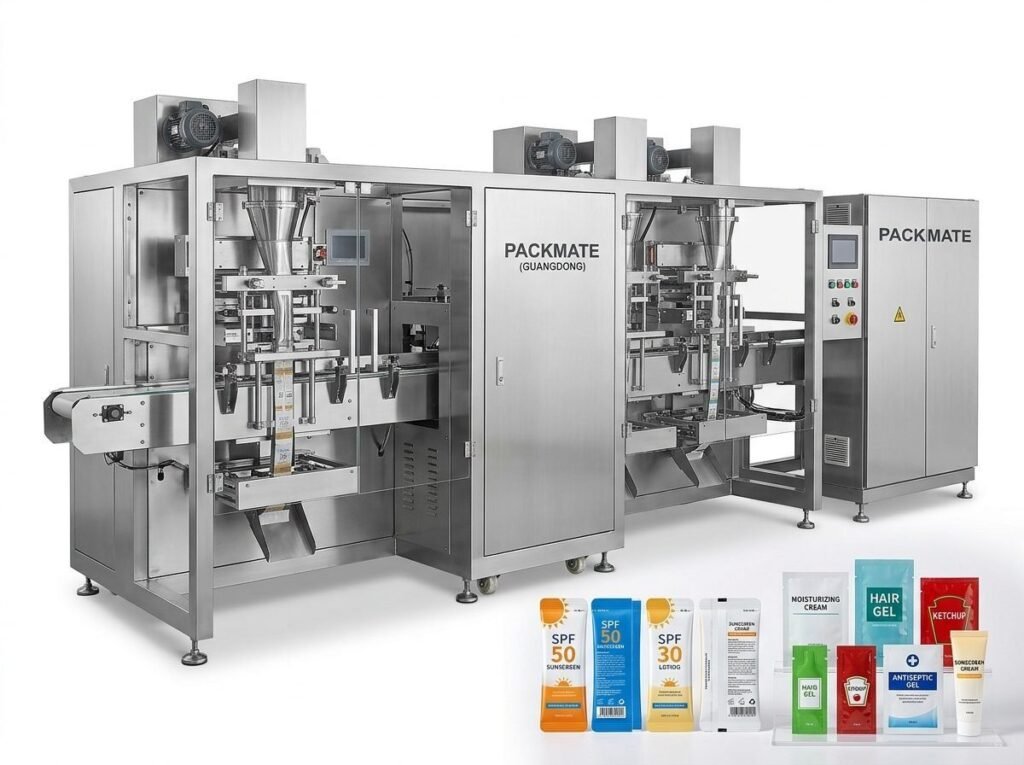
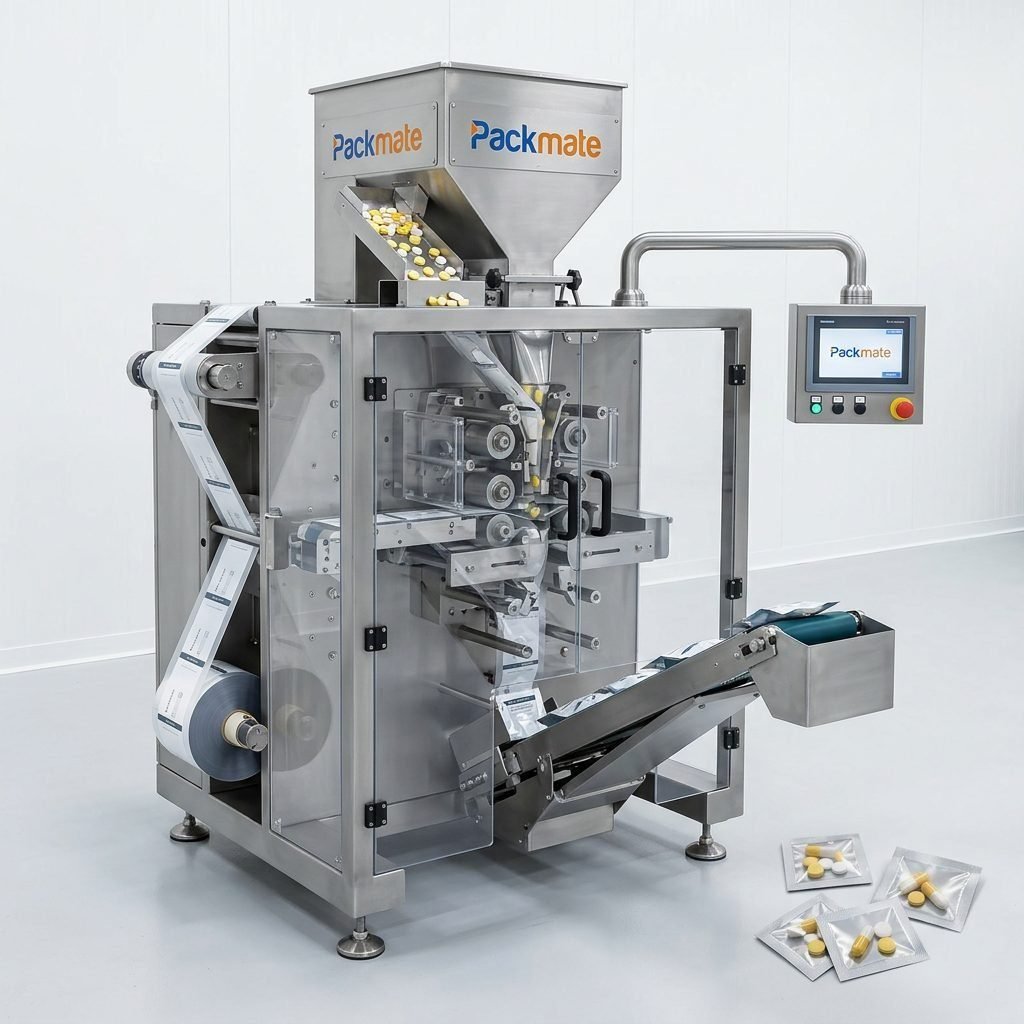
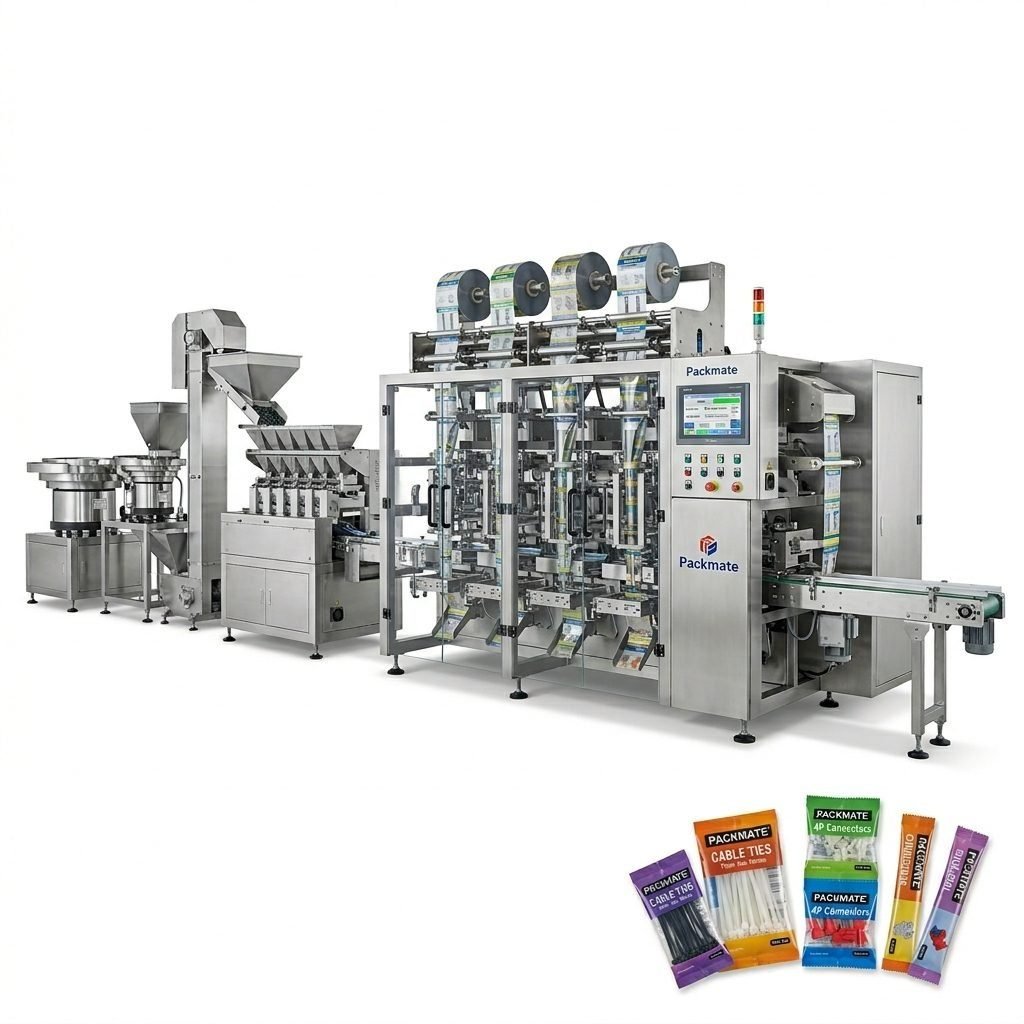
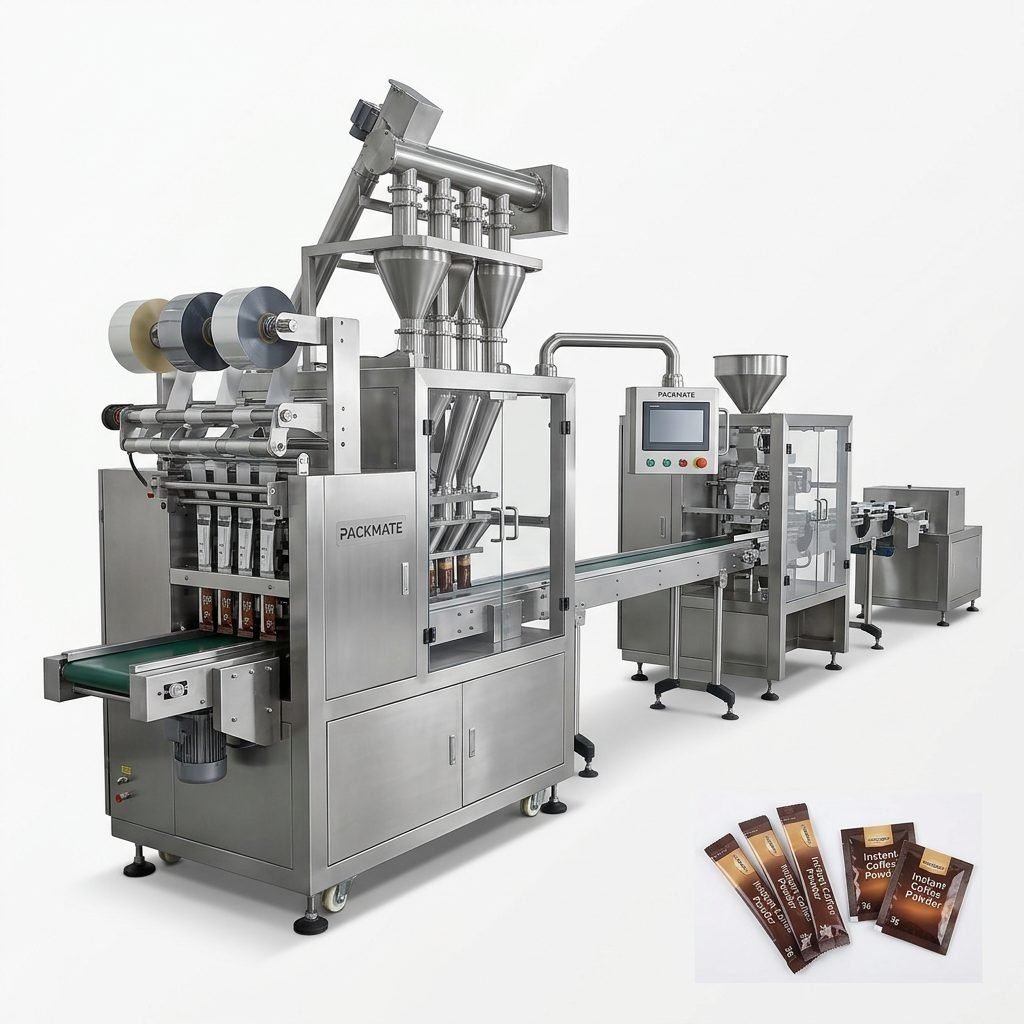
Machines range from semi-automatic (requiring an operator to feed and trigger cycles) to fully automatic systems integrated with conveyors and sensors. Fully automatic models, like those in advanced filling and packaging lines, maximize throughput and minimize labor.
4. Footprint & Integration
Measure your available floor space. Modern machines are designed for compact layouts. Ensure the machine can be easily integrated into your existing packaging workflow, possibly alongside other auxiliary packaging equipment.
5. Ease of Use & Maintenance
Look for user-friendly touchscreen interfaces, quick-change features for paper rolls, and easy access for cleaning and maintenance. Reliable after-sales service and part availability are non-negotiable for minimizing downtime.
Top Honeycomb Machine Models & Features
While specific model names vary by manufacturer, they generally fall into categories based on capability. Leading manufacturers like Packmate Machinery leverage decades of engineering expertise to build robust solutions. Here’s a breakdown of common model tiers:
Entry-Level / Semi-Automatic Models: Ideal for small businesses or low-volume applications. They are cost-effective, manually fed, and perfect for creating pads for single items or filling box tops. Operation is straightforward, requiring basic training.
Mid-Range / Automatic Single-Lane Models: The workhorse for most medium-sized operations. These automatically draw paper from a roll, expand it, and cut it to preset lengths. They often feature programmable logic controller (PLC) systems, digital length settings, and can be paired with a work table for efficiency.
High-Speed / Fully Integrated Systems: Designed for large-scale e-commerce fulfillment centers or manufacturing plants. These systems feature automatic roll splicing for uninterrupted production, high-speed cutting, and can be directly integrated into automated weighing and packaging systems. They represent the pinnacle of speed and hands-free operation.
Partnering with the Right Manufacturer
The machine is only as good as the company behind it. When sourcing a honeycomb packaging machine, prioritize manufacturers with a proven track record. Look for:
- Industry Experience: Companies with 20+ years in packaging machinery, like Packmate with over 30 years of expertise, bring invaluable problem-solving knowledge.
- Technical Support & Training: Comprehensive installation, training, and readily available technical support are crucial for a smooth start and long-term reliability.
- Customization Ability: Can they tailor the machine to your unique workflow? A partner that offers complete turnkey packaging solutions can provide a more holistic and effective result.
- Global Service Network: If you export or have multiple facilities, ensure the manufacturer can support you locally or has a responsive international service protocol.
Choosing a honeycomb packaging machine is a strategic investment that pays dividends in reduced material costs, lower shipping fees, enhanced product safety, and a stronger sustainability profile. By thoroughly assessing your production needs, understanding the different model capabilities, and partnering with a reputable manufacturer, you can implement a solution that streamlines your operation and protects your products and your brand reputation.
Frequently Asked Questions (FAQ)
Q1: What type of paper does a honeycomb machine use?
A: It typically uses rolls of standard kraft paper, which is low-cost, strong, and recyclable. The specific weight (gsm) and roll dimensions will depend on the machine model and the desired cushioning strength.
Q2: Is honeycomb paper strong enough for heavy items?
A: Absolutely. The hexagonal structure gives honeycomb paper remarkable compressive strength. By adjusting the paper grade (gsm) and the density of the cells, it can be engineered to protect very heavy industrial components, not just lightweight consumer goods.
Q3: How much maintenance does a honeycomb packaging machine require?
A: Maintenance is generally minimal. Regular cleaning to remove paper dust, periodic lubrication of moving parts as per the manual, and inspection of cutting blades are the primary tasks. Reliable manufacturers design for easy maintenance.
Q4: Can the machine create different shapes, not just sheets?
A: Basic models produce continuous sheets or cut-to-length pads. For custom shapes (e.g., corner protectors, wraps), you would typically need a secondary die-cutting process. Some advanced, integrated systems may combine expansion and die-cutting in one line.
Q5: What is the typical return on investment (ROI) for such a machine?
A: ROI can be rapid, often within 12-24 months, depending on volume. Savings are generated from reduced material purchase costs (buying bulk paper rolls is cheaper than pre-formed cushioning), lower shipping costs due to decreased package weight, and reduced labor through automation.