In the fast-paced world of industrial packaging, efficiency, product protection, and space optimization are paramount. Among the various solutions available, vertical vacuum packaging machines stand out as a critical asset for businesses handling food, pharmaceuticals, and other perishable or sensitive products. This guide will navigate you through everything you need to know before making this significant investment.
What is a Vertical Vacuum Packaging Machine?
A vertical vacuum packaging machine is designed to form, fill, and seal bags from a roll of film in a vertical orientation. The process typically involves: forming a pouch, dosing the product, evacuating air, and sealing the bag. This method is exceptionally efficient for granular, powdered, and liquid products, offering superior barrier protection against moisture, oxygen, and contaminants.
Core Advantages for Your Operation
Choosing a vertical vacuum machine brings transformative benefits. First, it dramatically extends product shelf life by removing oxygen, the primary cause of spoilage and oxidation. This is crucial for food producers and nutraceutical companies. Second, it enhances product presentation and integrity, preventing clumping of powders and protecting delicate items. Finally, it optimizes logistics by creating compact, brick-shaped packages that are easier to store, ship, and display on shelves.
Key Industries Served:
- Food & Beverage: Coffee, spices, nuts, dried fruits, frozen vegetables, and meat.
- Pharmaceuticals & Nutraceuticals: Powdered supplements, herbal extracts, and medical components.
- Chemicals & Industrial: Desiccants, reagents, and specialty powders requiring dry storage.
Critical Factors in Your Buying Decision
Selecting the right machine is not a one-size-fits-all process. You must evaluate several technical and operational factors to ensure a perfect fit for your production line and business goals.
1. Production Speed & Capacity
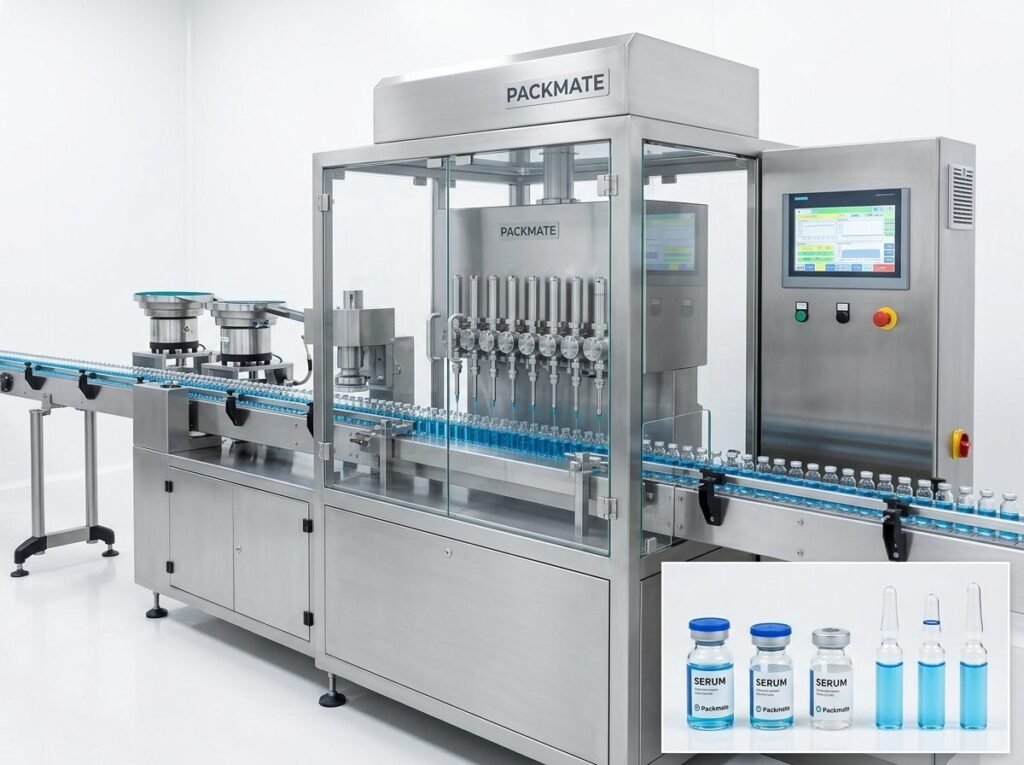
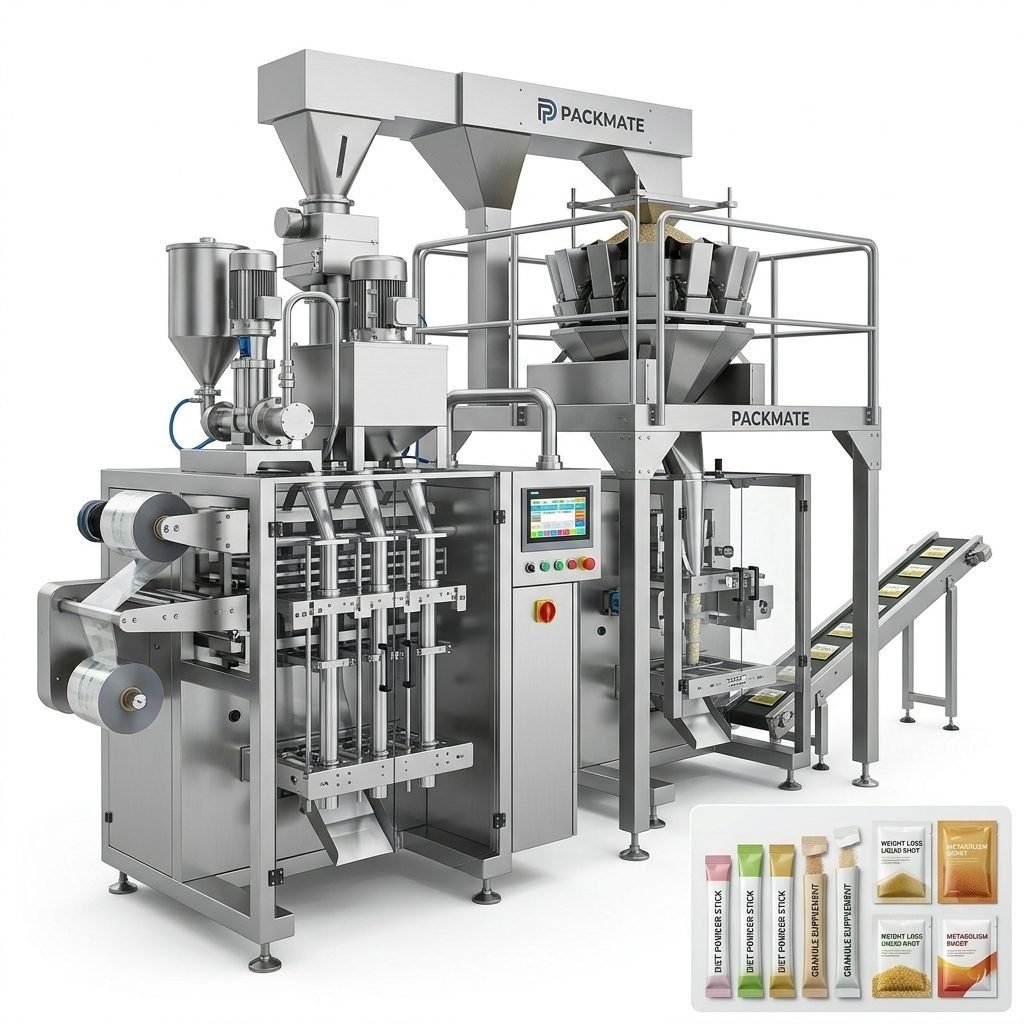
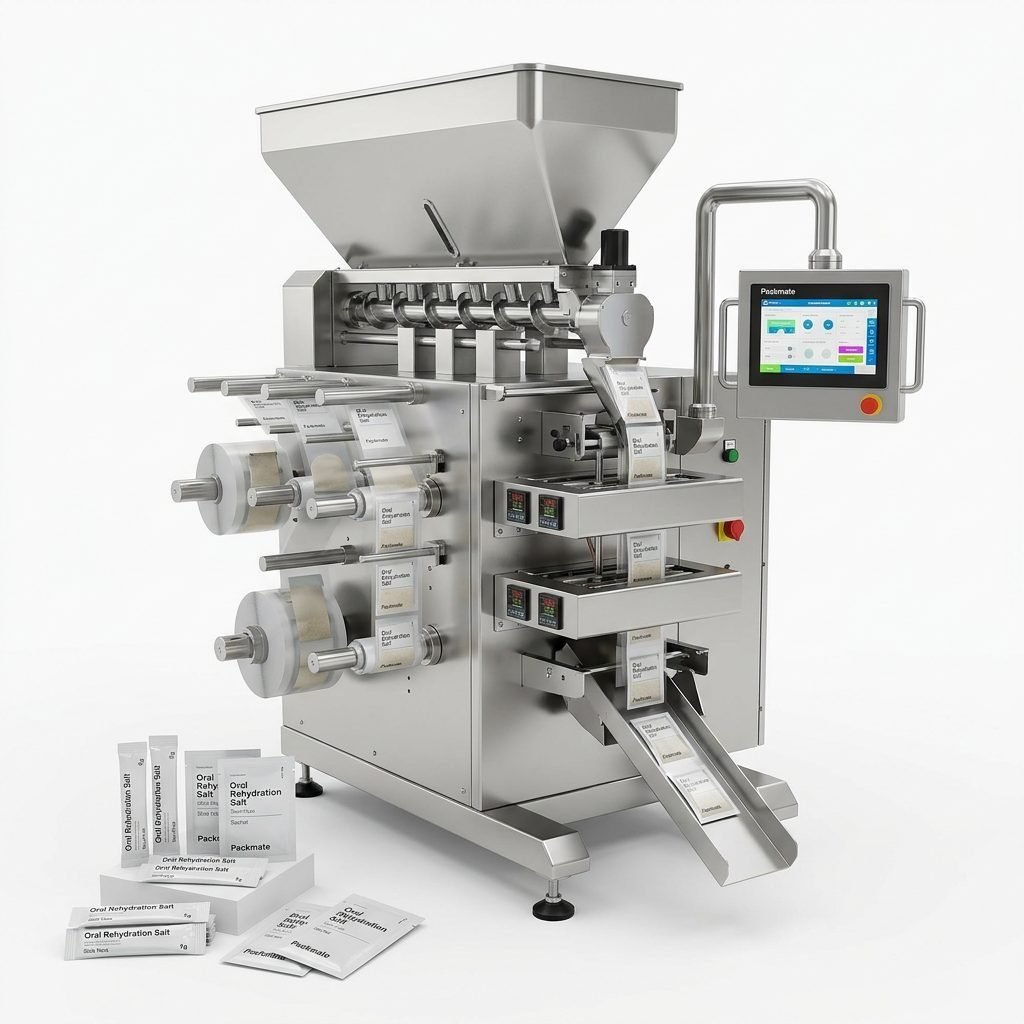
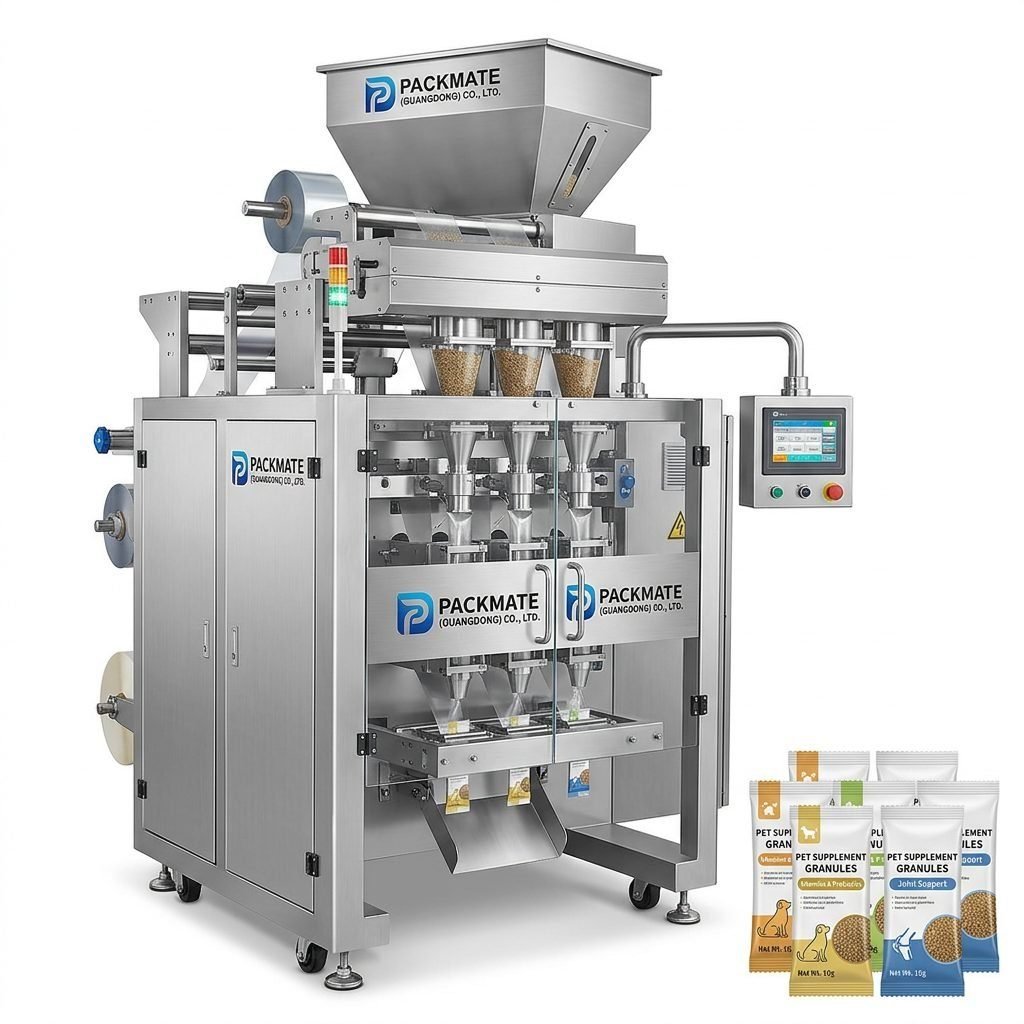
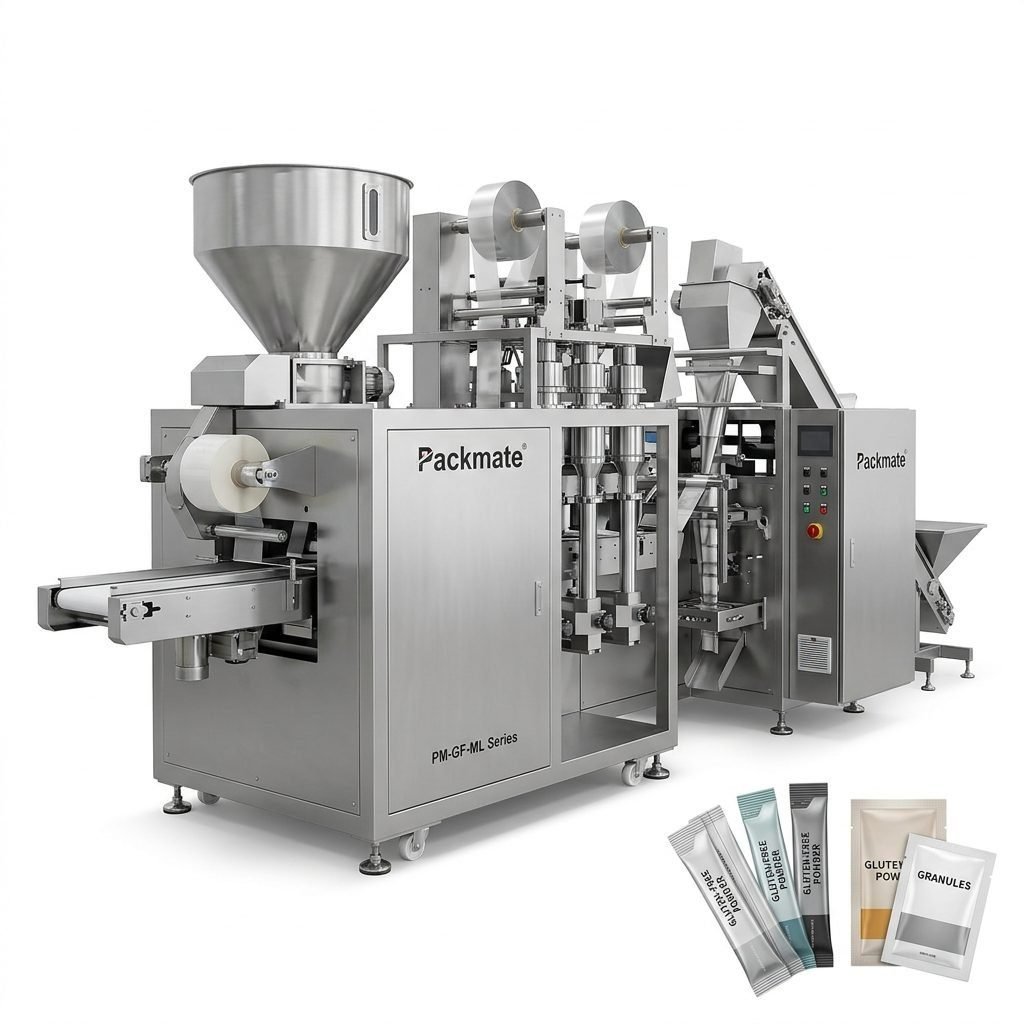
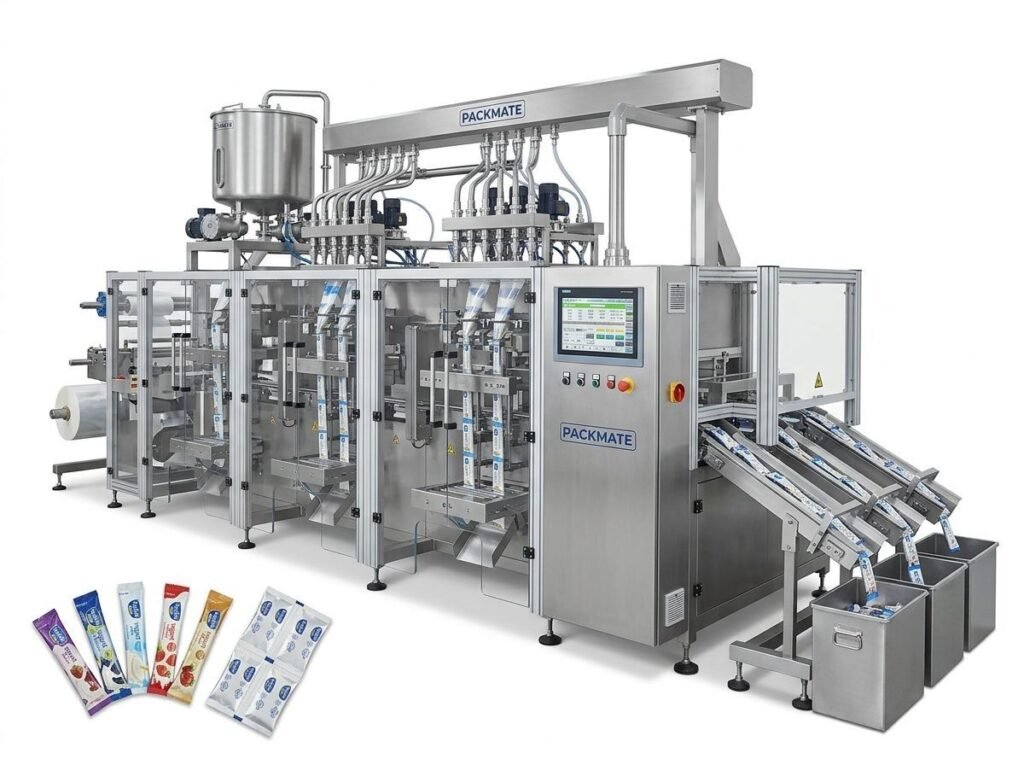
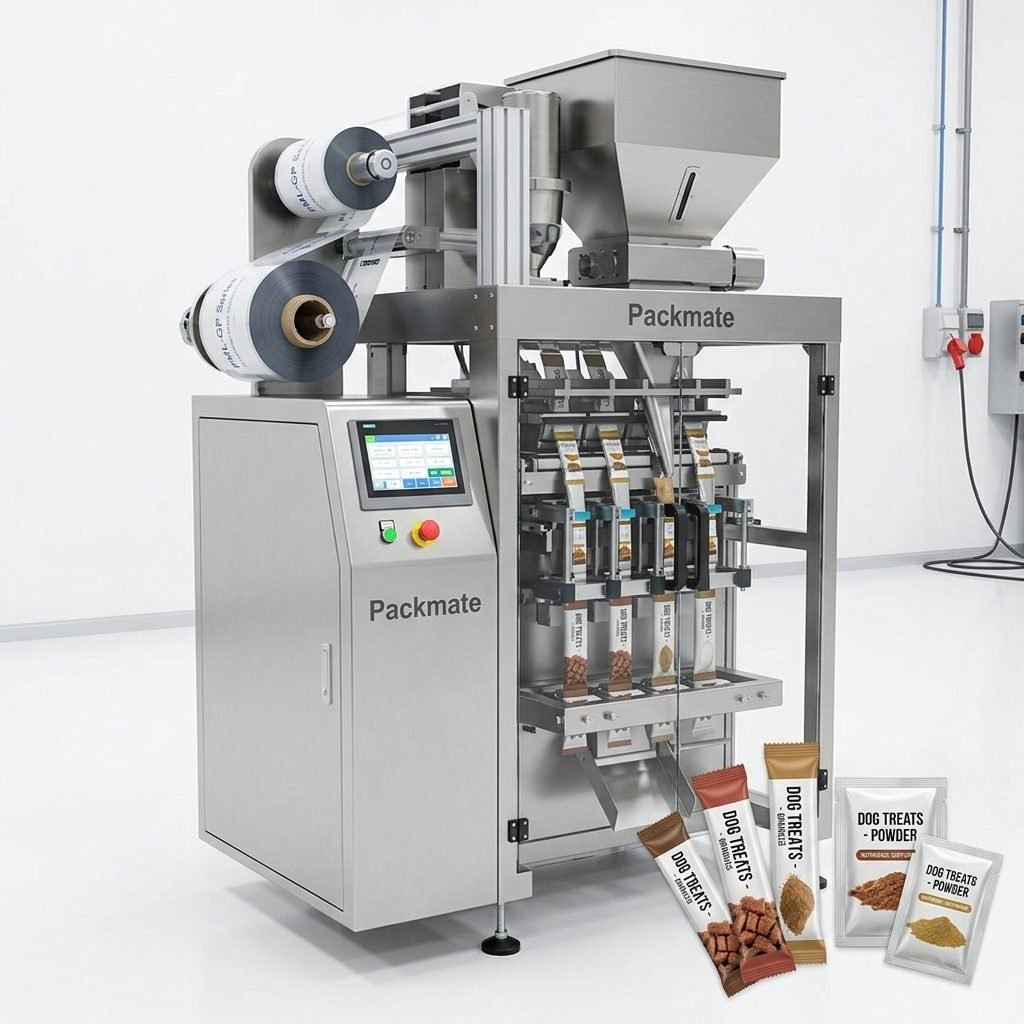
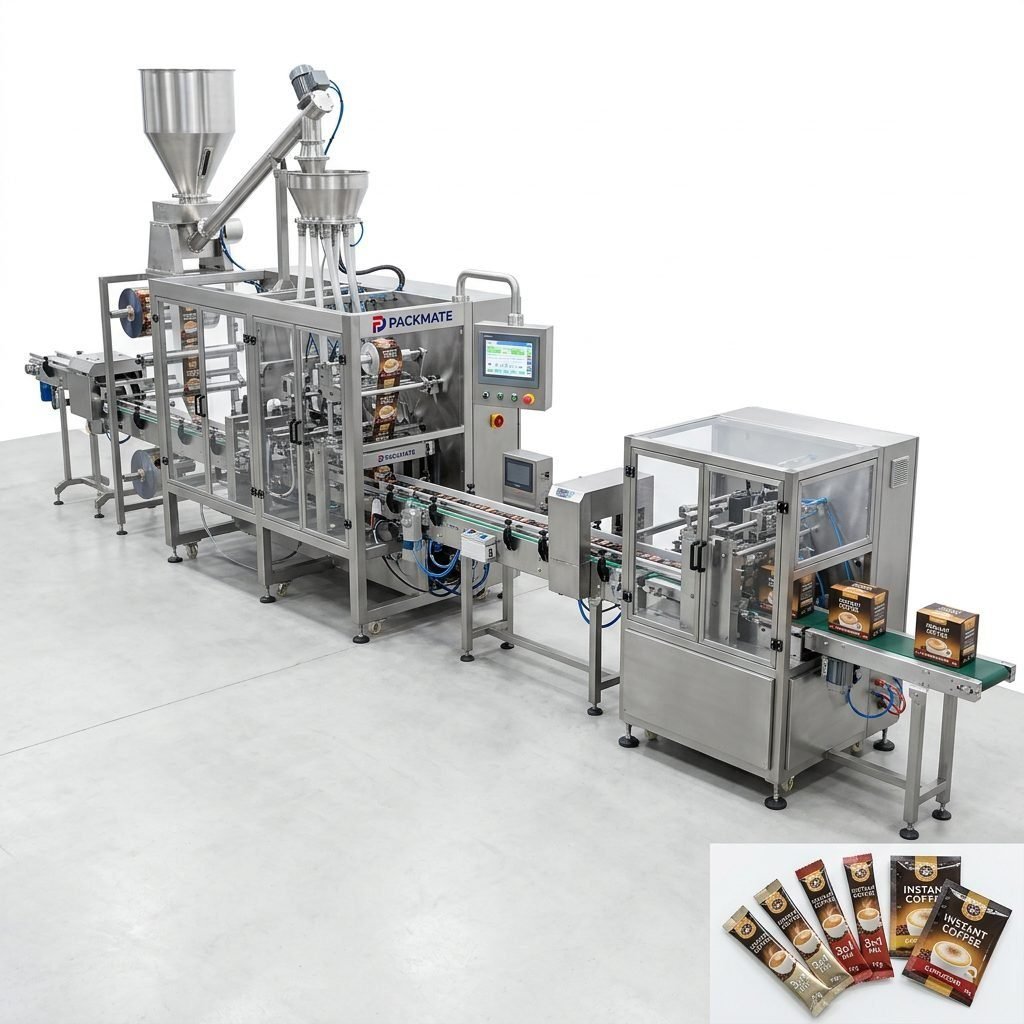
Machine speed is measured in cycles per minute (CPM). Assess your current and projected output needs. A small-scale operation might suffice with a 20-40 CPM machine, while large-scale producers may require high-speed models exceeding 60 CPM. Consider machines like advanced sachet and stick pack machines that offer multi-lane configurations for multiplied output without a proportional increase in footprint.
2. Product Compatibility & Flexibility
The nature of your product dictates machine specifications. For fine powders, a machine with auger fillers and excellent dust extraction is vital. For liquids, a piston pump filler is necessary. Granules can use cup or weigh fillers. The most valuable machines offer quick changeover capabilities, allowing you to switch between different bag sizes and product types with minimal downtime, maximizing your operational flexibility.
3. Vacuum Strength and Gas Flushing
Not all vacuums are equal. The required vacuum level depends on the product. For example, crispy snacks need a gentle vacuum to avoid crushing, while raw meats require a deep vacuum. For products like coffee or chips, Modified Atmosphere Packaging (MAP) is key. This process replaces air with a gas mix (like nitrogen or CO2) after vacuuming. Ensure your chosen machine has a robust vacuum pump and precise gas-flushing capabilities if needed.
4. Film Material & Sealing Integrity
The machine must be compatible with your chosen packaging film—whether single-layer polyethylene or complex multi-layer laminates (e.g., PET/AL/PE). The sealing system is the heart of the package’s integrity. Look for machines with adjustable temperature, pressure, and dwell time controls to ensure strong, consistent seals across different materials, preventing leakers and ensuring product safety.
The Manufacturer’s Role: Why Expertise Matters
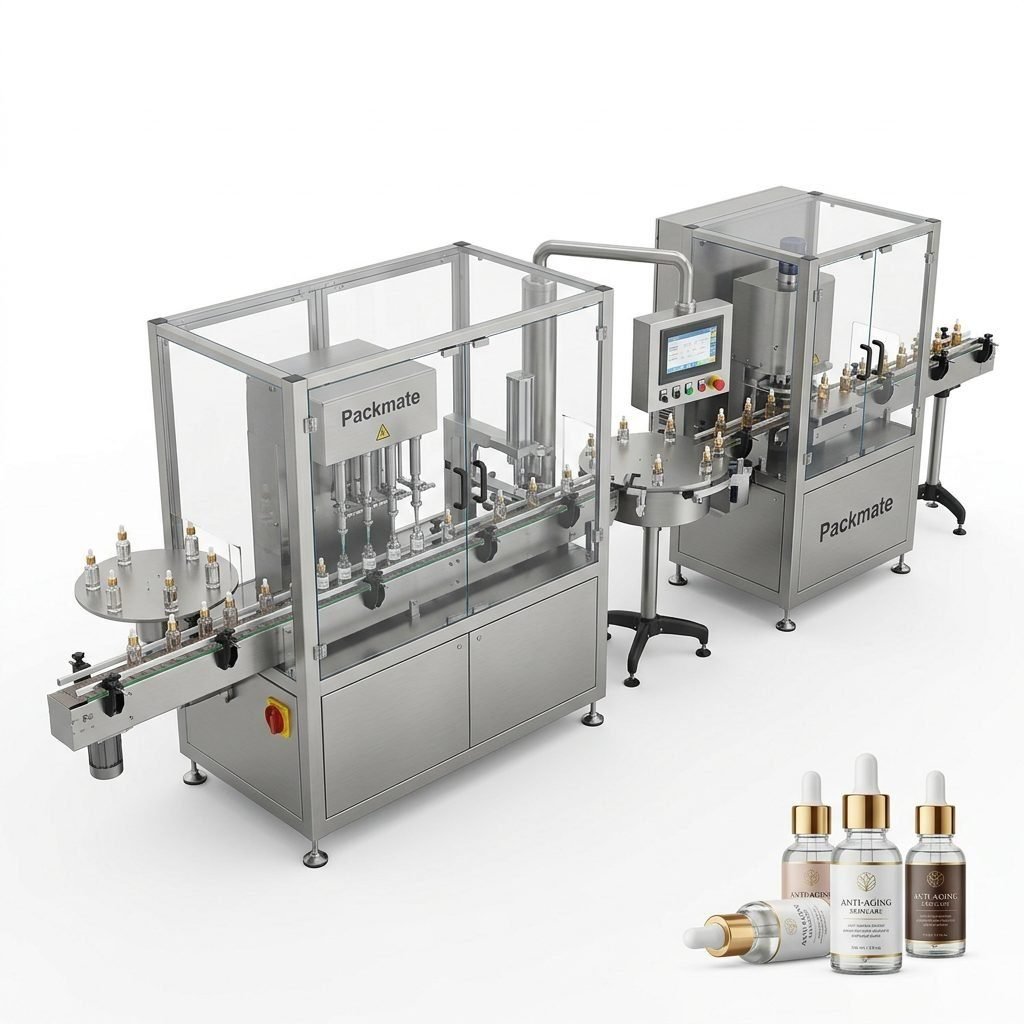
Your machine is a long-term investment. Partnering with an experienced manufacturer like Packmate Machinery is crucial. With over 30 years in designing intelligent packaging equipment, they understand that reliability is non-negotiable. A reputable provider will offer comprehensive after-sales support, readily available spare parts, and training—turning a machine purchase into a true partnership for growth. Explore their range of complete filling and packaging lines for integrated solutions.
Operational Considerations & Total Cost of Ownership
Beyond the purchase price, consider the total cost of ownership. This includes utilities (power and compressed air consumption), routine maintenance costs, film waste during changeovers, and required operator skill level. A slightly more expensive machine with higher efficiency, lower film waste, and easier maintenance can offer a far better return on investment over its lifespan. Always request a live demonstration with your own product to see real-world performance.
Safety and Compliance
Ensure the machine complies with relevant safety standards (e.g., CE, UL) for your region. Features like emergency stop buttons, safety guarding, and proper electrical insulation are mandatory. For food and pharmaceutical applications, hygiene is critical. Look for designs with smooth, easy-to-clean surfaces, preferably with stainless steel contact parts, to meet GMP or HACCP standards.
Conclusion & Next Steps
Investing in a vertical vacuum packaging machine is a strategic decision that can enhance product quality, reduce waste, and boost profitability. Start by clearly defining your product parameters, output goals, and budget. Then, research manufacturers with proven expertise, request detailed quotations and demonstrations, and scrutinize the support package. By following this guide, you’ll be equipped to choose a machine that not only meets today’s needs but also scales with your business tomorrow.
Frequently Asked Questions (FAQs)
Q1: What is the main difference between vertical and horizontal vacuum packaging machines?
Vertical machines form the bag from a roll of film above the product fill point, making them ideal for loose products like granules and powders. Horizontal machines typically use pre-made pouches and are better suited for solid, pre-formed items. Vertical machines generally have a smaller footprint for the same output capacity.
Q2: Can one machine handle both vacuum packaging and gas flushing (MAP)?
Yes, many modern vertical form-fill-seal machines are equipped as combo units. They can perform a deep vacuum, a gentle vacuum, or a vacuum followed by an injection of a specific gas mixture. You must specify this requirement when purchasing.
Q3: How often does a vertical vacuum packaging machine require maintenance?
Daily cleaning and basic inspection are essential. Professional preventive maintenance, including seal bar checks, vacuum pump oil changes, and mechanical part lubrication, should be scheduled every 3-6 months, depending on usage. A reliable supplier will provide a maintenance schedule.
Q4: What packaging film works best with vertical vacuum machines?
Multi-layer laminated films with good barrier properties (e.g., containing polyester or aluminum layers) are common for demanding applications. The best film depends on your product’s needs (barrier against oxygen, moisture, light) and must have good heat-sealability. Your machine supplier can often recommend film partners.
Q5: Is operator training difficult for these machines?
Basic operation for routine product runs is typically straightforward and can be learned quickly. However, training on changeovers, troubleshooting common faults, and performing basic maintenance is critical for efficiency. Reputable manufacturers include comprehensive training during installation.