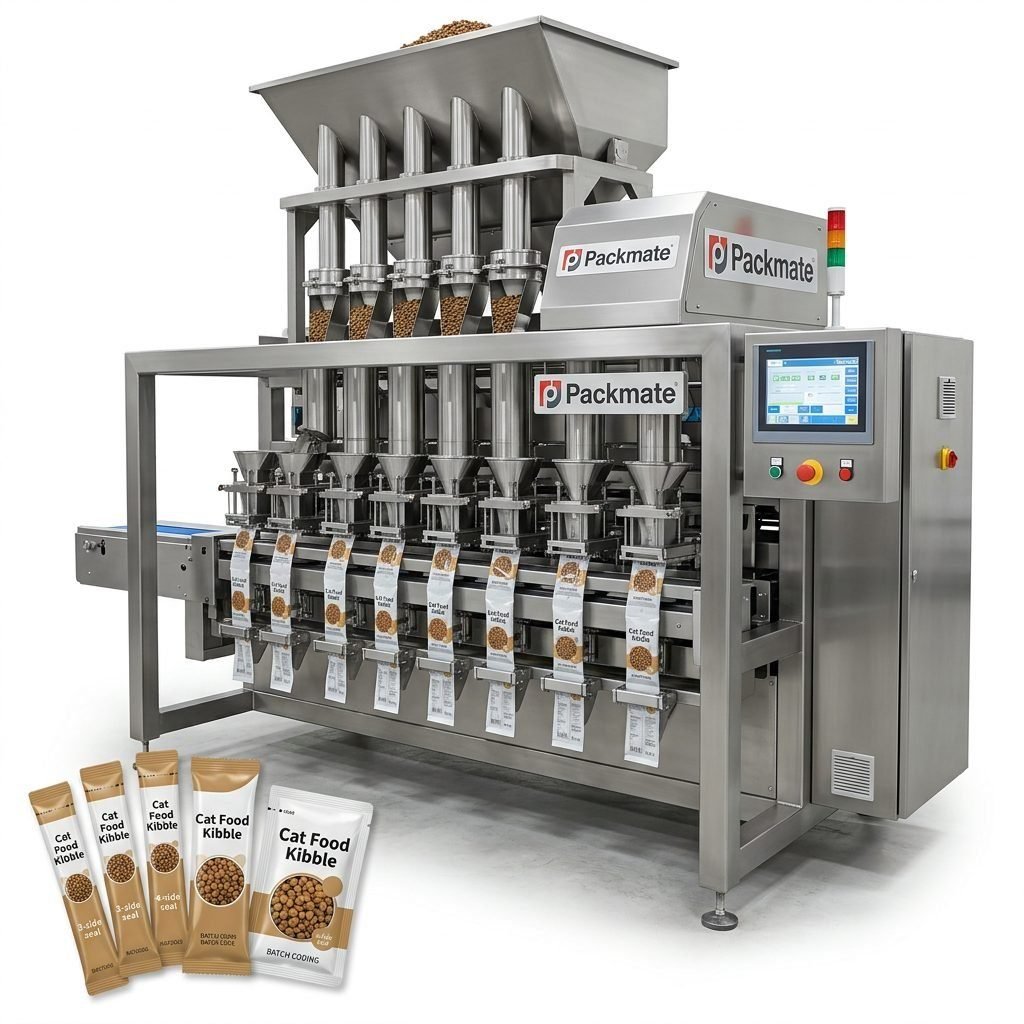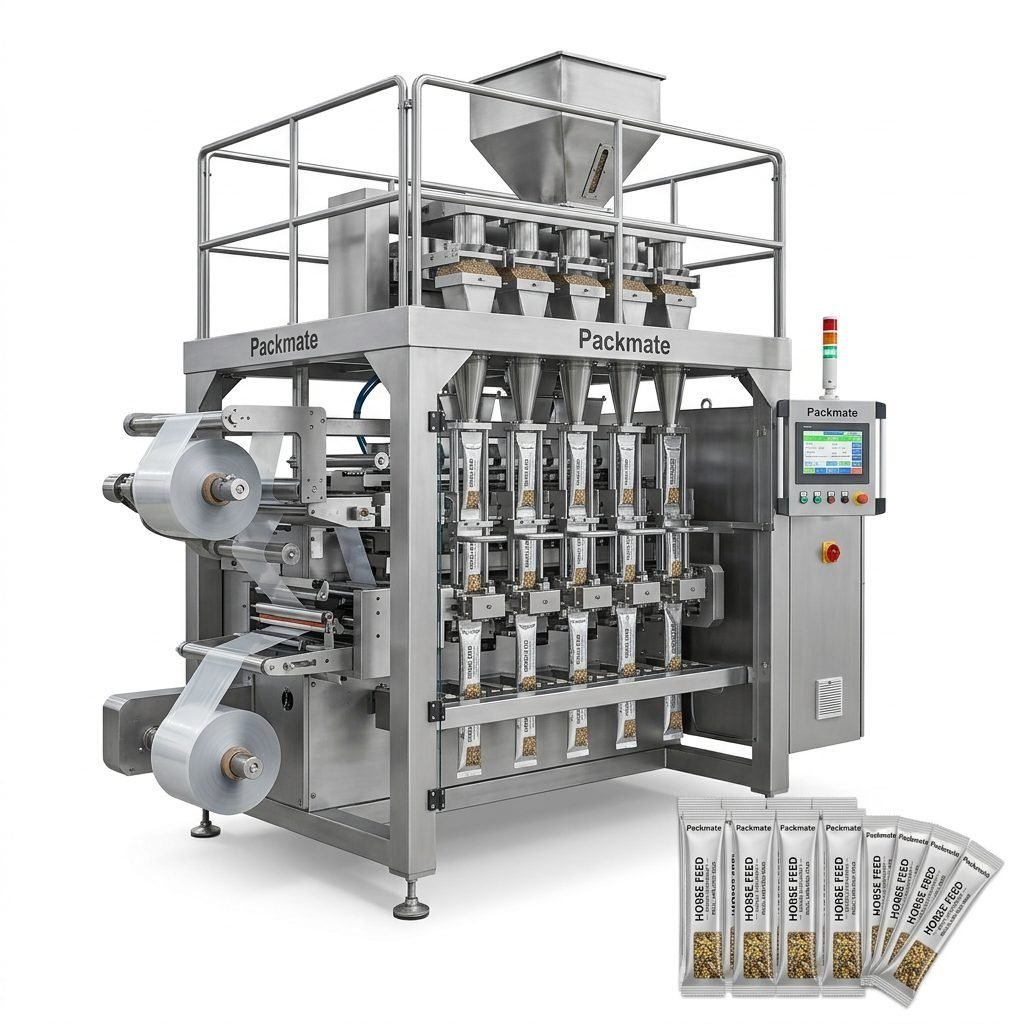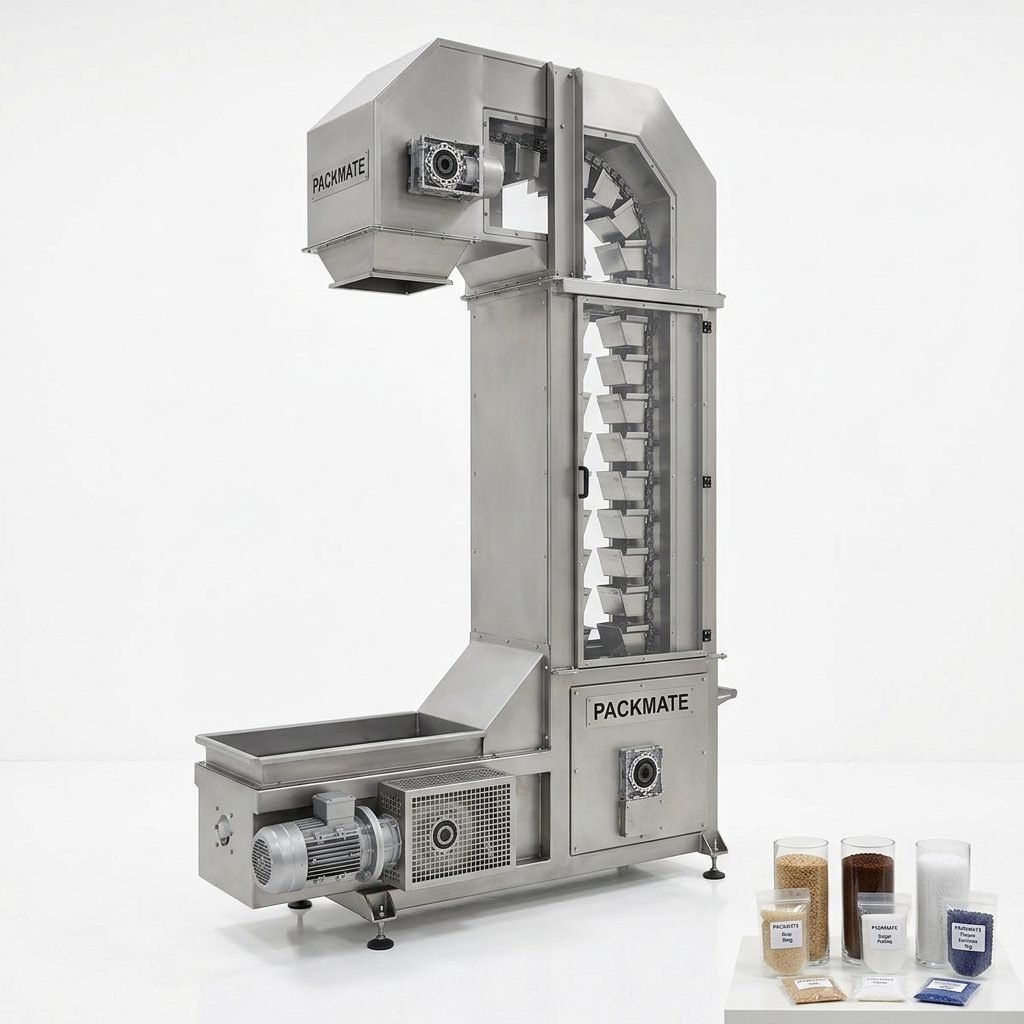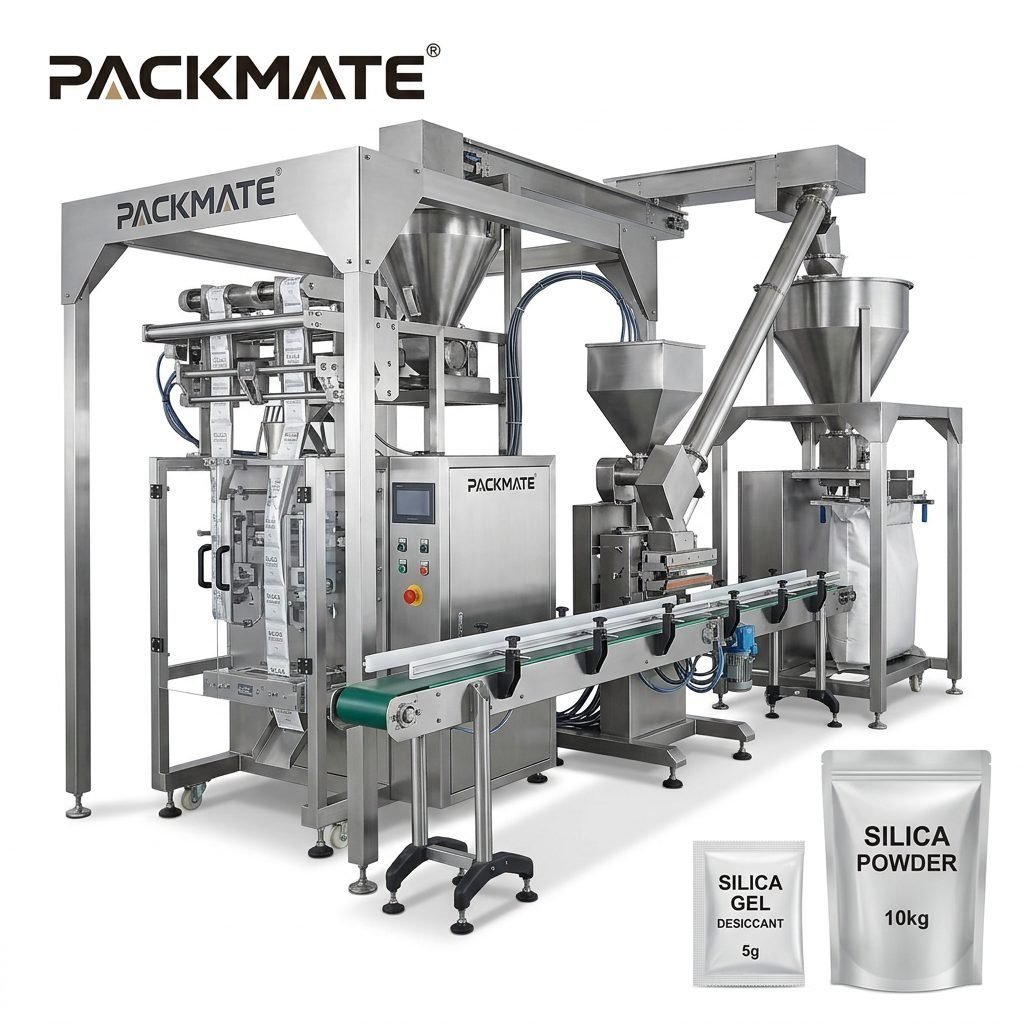
The shift towards sustainable packaging is no longer a niche trend but a global imperative, especially within the food industry. As consumer awareness and regulatory pressures mount, businesses are actively seeking solutions that reduce environmental impact. At the heart of this transition lies the biodegradable food packaging machine. This comprehensive guide is designed to navigate you through the critical considerations, technical specifications, and strategic insights needed to make an informed investment that aligns with both ecological goals and operational efficiency.
Understanding Biodegradable Packaging Materials
Before selecting a machine, it’s essential to understand the materials it will process. Biodegradable packaging typically falls into several categories:
PLA (Polylactic Acid): Derived from renewable resources like corn starch or sugarcane, PLA is compostable under industrial conditions. It offers clarity and rigidity similar to conventional plastics but has specific temperature sensitivities.
Paper and Cardboard: Classic, widely accepted, and highly compostable. Modern machines often handle coated or laminated papers for better moisture and grease resistance.
Bagasse: A by-product of sugarcane processing, bagasse is molded into sturdy containers and is fully compostable.
PBAT (Polybutylene Adipate Terephthalate): A biodegradable copolymer often blended with PLA to improve flexibility and toughness, making it suitable for films and bags.
Each material has distinct properties affecting machine configuration, particularly in terms of sealing parameters, film tension, and cutting mechanisms.
Key Machine Features for Biodegradable Materials
Not all packaging machines are created equal when it comes to handling eco-friendly materials. Key features to prioritize include:
Adjustable Heat Sealing System: Biodegradable films, especially PLA and PBAT blends, often have a lower melting point than traditional plastics. Machines must offer precise, adjustable temperature control to ensure a strong seal without burning or degrading the material.
Gentle Film Handling: Some biodegradable films can be more brittle or have different tensile strengths. Look for machines with low-tension film feed systems and precision guiding to prevent tearing or wrinkling during the packaging process.
Versatile Cutting Tools: Clean, consistent cuts are vital for product presentation and package integrity. Machines should offer tooling compatible with the specific material, whether it’s a hot knife for sealing and cutting synthetic films or a precise mechanical cutter for paper-based materials.
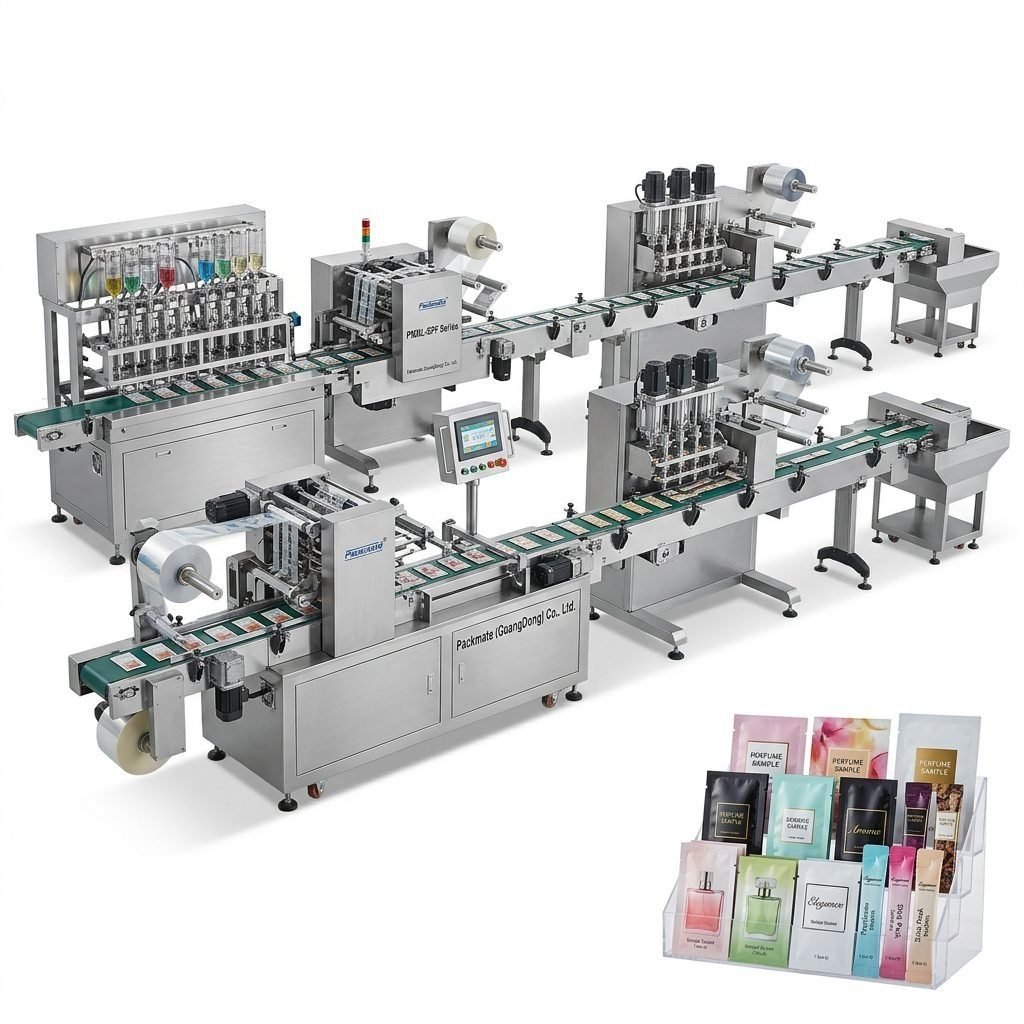
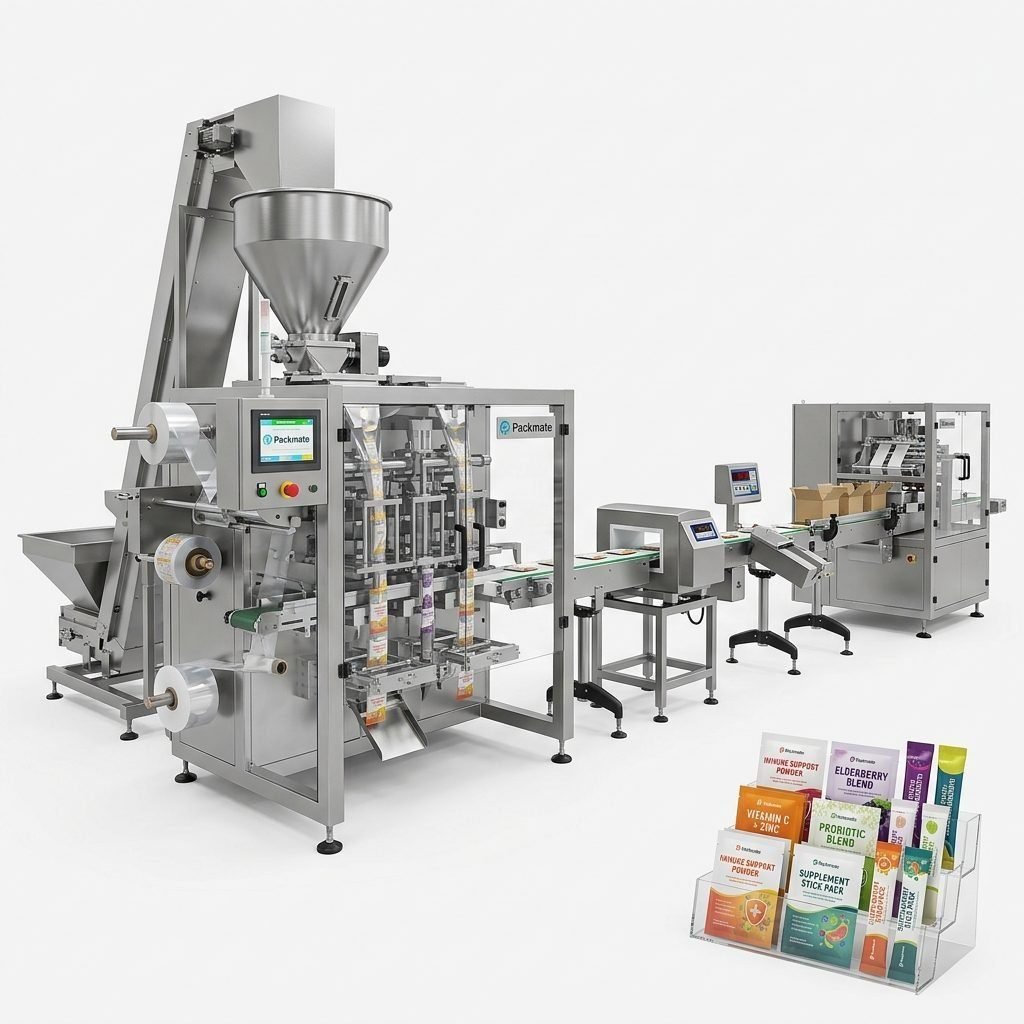
For businesses looking to integrate these advanced systems, exploring a complete filling and packaging line from a seasoned manufacturer can provide a seamless, optimized solution.
Assessing Your Production Requirements
A thorough assessment of your current and future needs is the cornerstone of a successful purchase. Consider these factors:
Product Type: Are you packaging powders (spices, protein), granules (coffee, grains), liquids (sauces, oils), or solids? The product’s form dictates the filling system—be it auger, volumetric cup, liquid pump, or weigh scale.
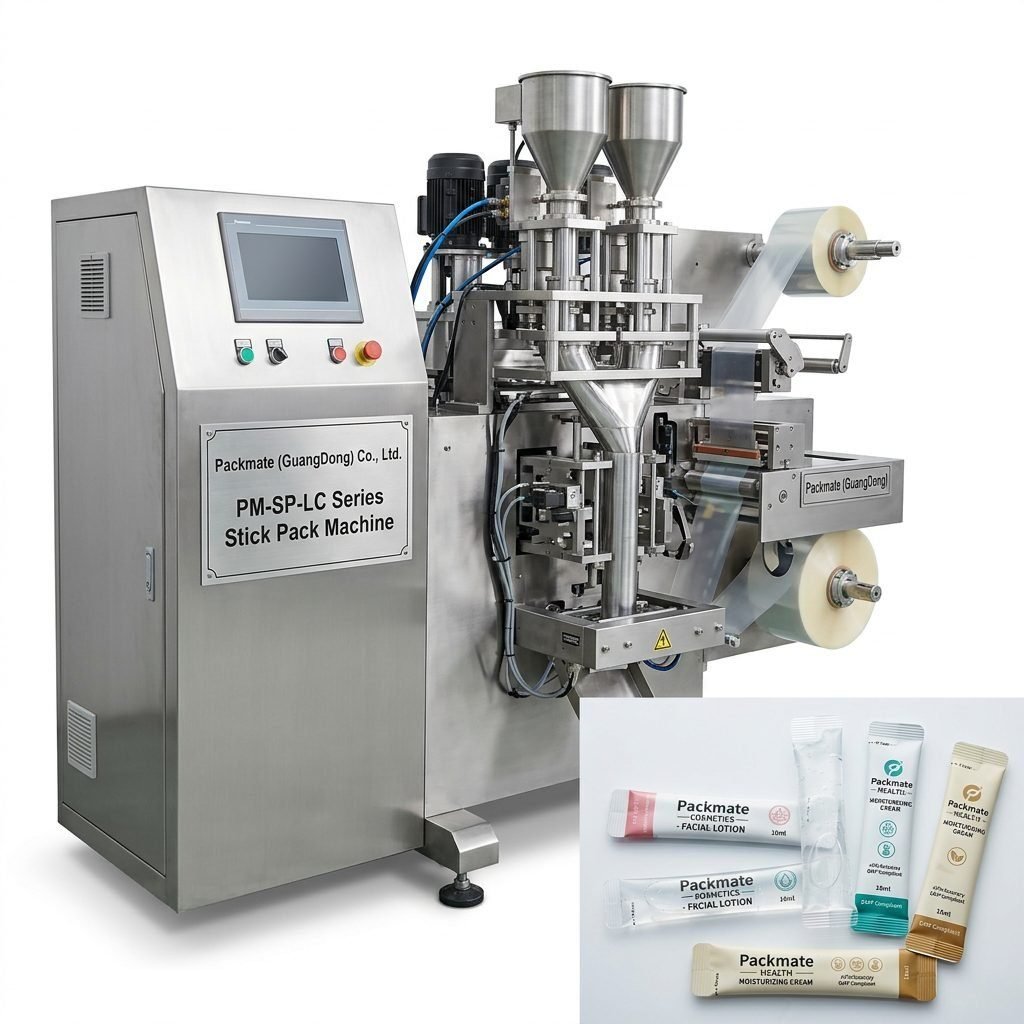
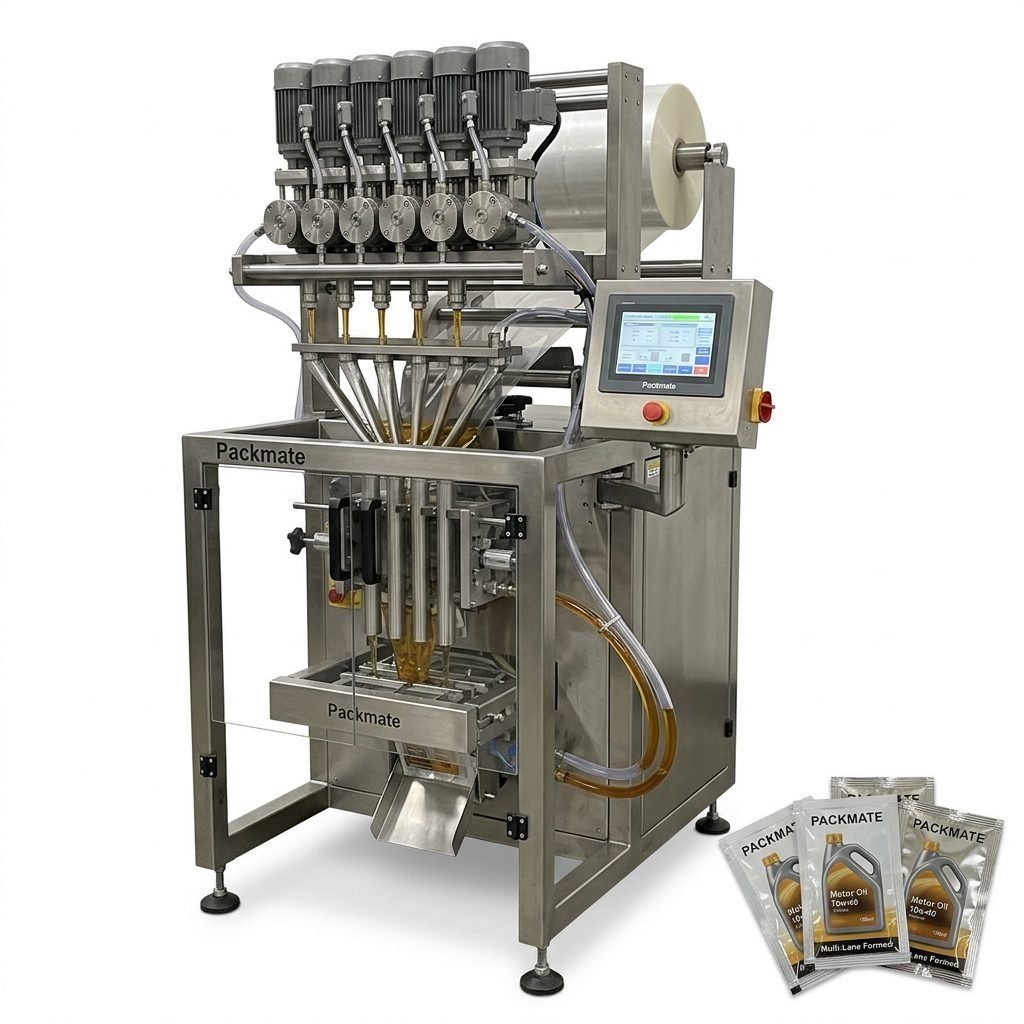
Production Speed (Output): Calculate your required output in packs per minute (PPM). Machines range from semi-automatic tabletop models for startups to high-speed, multi-lane sachet and stick pack machines for large-scale production.
Package Size and Style: Define the range of pouch sizes (e.g., 5g to 500g) and styles (stand-up pouches, flat pouches, stick packs) you need. Flexibility here can future-proof your investment.
The Importance of Automation and Integration
Automation level directly impacts labor costs, consistency, and scalability. Options include:
Semi-Automatic Machines: Require manual loading of product or film. Ideal for low-volume production, pilot runs, or businesses with significant seasonal variation.
Fully Automatic Machines: Integrated systems that automatically form, fill, and seal packages from a roll of film. They are the standard for medium to high-volume operations, ensuring higher efficiency and hygiene.
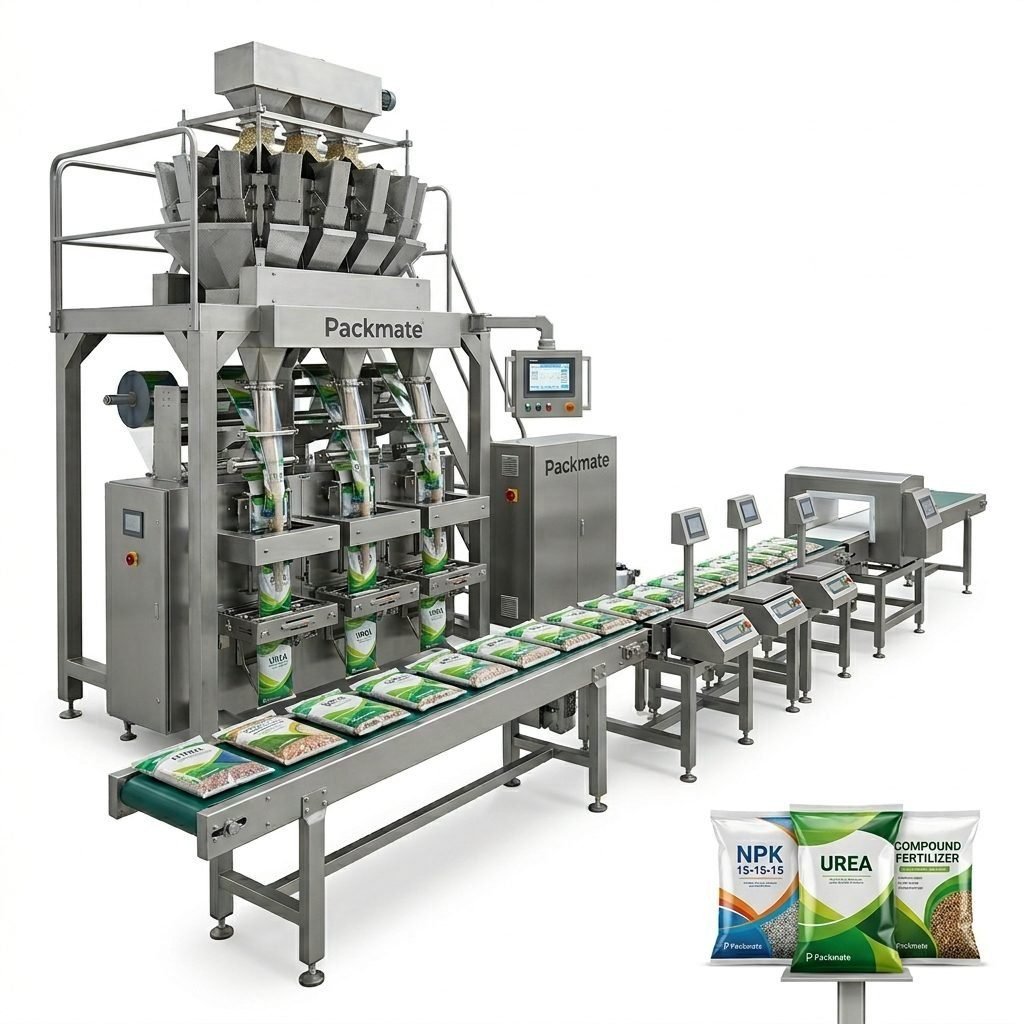
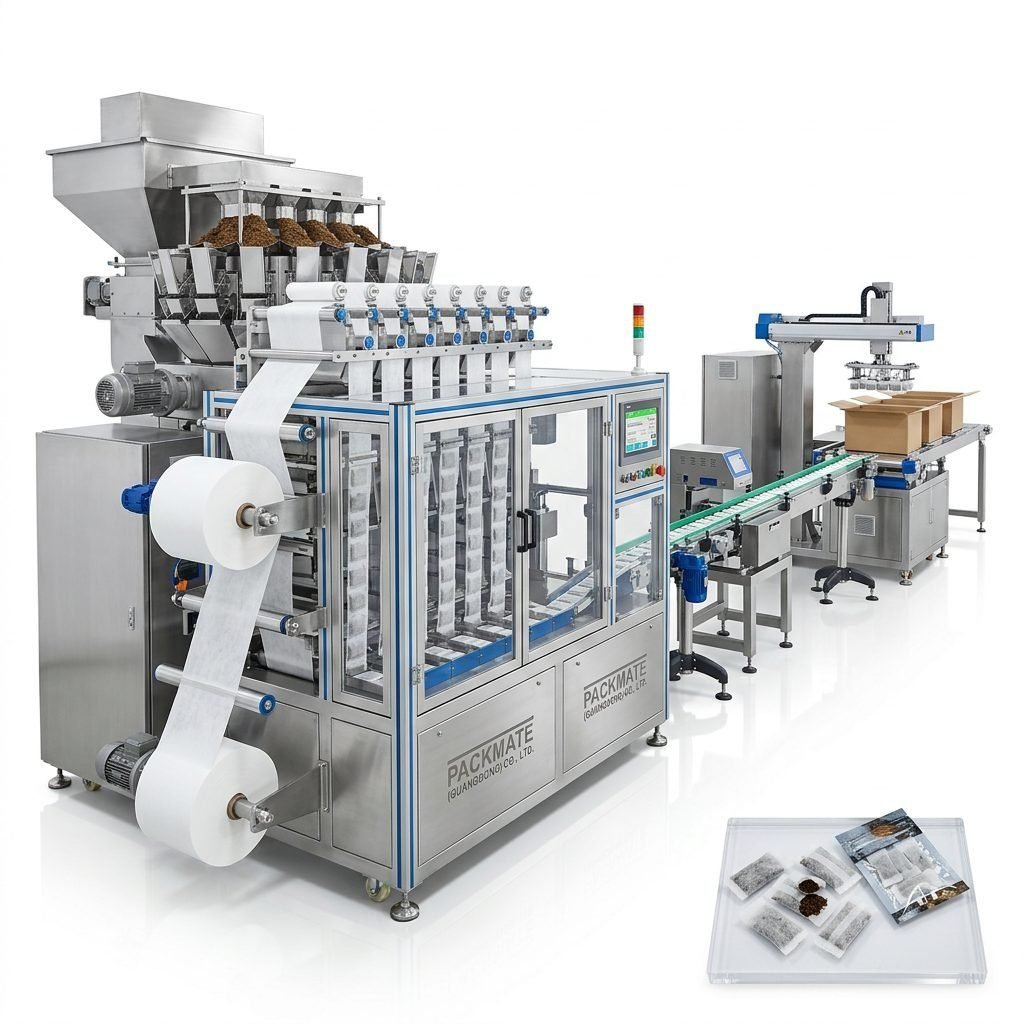
Complete Turnkey Lines: These integrate the packaging machine with upstream and downstream equipment like weighing systems, conveyors, cartoners, and case packers. A turnkey solution from a single provider like Packmate ensures compatibility, reduces integration headaches, and optimizes the entire workflow.
Evaluating Machine Supplier Credentials
Your machine is a long-term asset, and the supplier’s reputation is paramount. Key evaluation criteria include:
Industry Experience & Specialization: Choose a supplier with proven expertise in food-grade and biodegradable packaging. A company with over 30 years of experience, like Packmate Machinery, has likely encountered and solved the unique challenges posed by sustainable materials.
Technical Support and Training: Comprehensive installation, on-site training, and readily available technical support are non-negotiable for minimizing downtime.
After-Sales Service and Parts Availability: Ensure the supplier maintains a global spare parts inventory and offers clear service agreements. Quick access to genuine parts is critical for maintaining production schedules.
Compliance and Certification: The machinery should meet international safety and quality standards (e.g., CE, ISO). For food contact, materials of construction must comply with relevant FDA or EU regulations.
Reviewing a supplier’s project case studies and certifications can provide concrete evidence of their capability and reliability.
Total Cost of Ownership (TCO) Analysis
Look beyond the initial purchase price. A thorough TCO analysis includes:
Energy Consumption: Efficient servo-driven systems can significantly reduce electricity costs compared to older, fully mechanical machines.
Material Waste (Film Yield): Machines with precise film registration and cutting minimize trim waste, which is both an economic and environmental saving.
Maintenance Costs: Robustly built machines with accessible components typically have lower long-term maintenance costs. Inquire about recommended maintenance schedules and common spare part costs.
Operational Labor: Higher automation reduces the number of operators required per line, directly affecting your payroll expenses.
Future-Proofing Your Investment
The packaging landscape is evolving rapidly. Ensure your machine can adapt by considering:
Modular Design: Can the machine be easily upgraded or reconfigured for different package sizes or new materials in the future?
Connectivity (Industry 4.0): Does the machine offer data output (OEE, production counts, fault diagnostics) for integration into a factory monitoring system? This is key for smart manufacturing and continuous improvement.
Supplier’s R&D Focus: Partnering with an innovative manufacturer committed to R&D, like Packmate with its 22+ years of development, means you gain access to future technological advancements and material compatibility updates.
Investing in a biodegradable food packaging machine is a strategic decision that impacts your brand’s sustainability credentials, operational efficiency, and bottom line. By meticulously evaluating materials, machine features, production needs, and supplier strength, you can select a solution that delivers environmental responsibility without compromising on performance or profitability. The right machine is a powerful tool for building a greener, more resilient business.
Frequently Asked Questions (FAQs)
Q1: Can a standard packaging machine run biodegradable films?
A: Not always effectively. While some may run, optimal performance requires specific adjustments to sealing temperature, dwell time, and film handling systems. It’s highly recommended to use or retrofit a machine designed or adapted for biodegradable materials to ensure seal integrity and minimize waste.
Q2: What is the typical lead time for a custom biodegradable packaging line?
A: Lead times vary based on complexity and customization. For a standard machine from an established manufacturer with a 20,000㎡ modern facility, it can range from 30 to 90 days. Fully custom, integrated turnkey lines may require 3 to 6 months for design, manufacturing, and testing.
Q3: How do I ensure the machine meets food safety standards?
A: Verify that the machine supplier designs with food-grade standards in mind. Key aspects include using stainless steel (SS304 or SS316) for product contact parts, designs that prevent contamination (easy to clean, no harborage points), and providing documentation for material certifications. Always check for relevant industry certifications from the supplier.
Q4: What kind of after-sales support should I expect?
A: Comprehensive support includes detailed installation supervision, operator and maintenance technician training, a warranty period (typically 12-18 months), access to a 24/7 technical support hotline, and a reliable supply of genuine spare parts. A global supplier should offer this support regardless of your location.
Q5: Are biodegradable packaging machines more expensive to maintain?
A: Not necessarily. Maintenance costs are more closely tied to the machine’s build quality and design than the material it runs. A well-built machine from a reputable manufacturer will have standard maintenance schedules. The primary difference may be in the consumables, like specific sealing jaws or cutting blades optimized for biodegradable materials, but their cost is typically comparable.