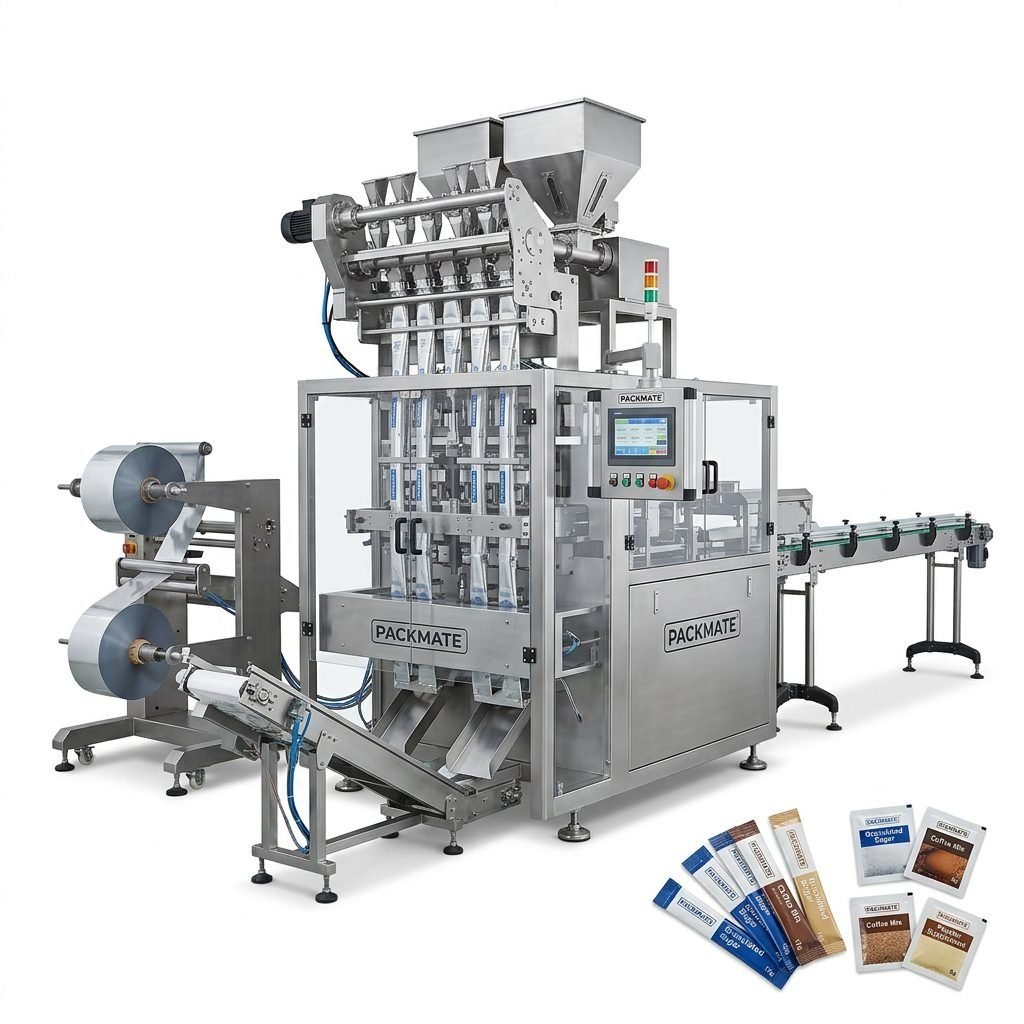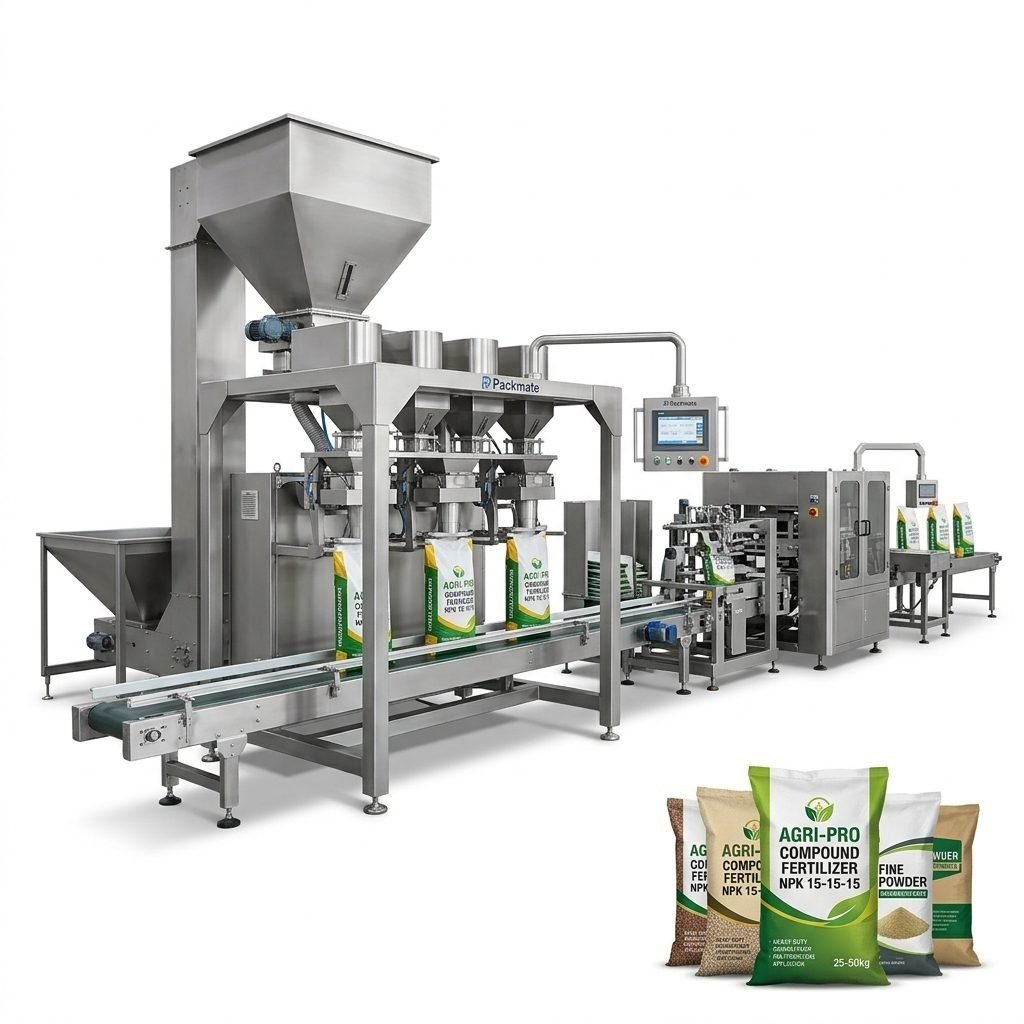
In the fast-paced world of manufacturing, efficiency is the cornerstone of profitability and competitive advantage. For industries that rely on unit-dose packaging, such as pharmaceuticals, nutraceuticals, and certain food sectors, blister pack packaging machines are indispensable. These machines automate the process of forming, filling, and sealing individual product cavities, ensuring hygiene, accuracy, and high-speed output. Selecting the right blister pack machine can dramatically enhance production line efficiency, reduce waste, and ensure product integrity from the factory floor to the end consumer.
Key Features of High-Efficiency Blister Pack Machines
When evaluating blister pack packaging machines for efficient production, several critical features stand out. Modern, high-performance machines go beyond basic forming and sealing to offer integrated solutions that streamline the entire packaging process.
First and foremost is operational speed and output. Top-tier machines are engineered for high cyclic rates, capable of producing thousands of blister packs per hour. This speed must be matched by precision to avoid costly errors in dosing or sealing. Look for machines with advanced servo-driven technology, which offers superior control over forming, feeding, and sealing processes compared to traditional mechanical systems.
Another vital component is versatility and quick changeover. A production line that packages multiple product types or blister sizes cannot afford lengthy downtime. The best machines feature tool-less or minimal-tool changeover systems, allowing operators to switch between different blister formats, cavity counts, and sealing films in minutes. This flexibility is crucial for manufacturers running short batches or a diverse product portfolio.
Furthermore, integration capabilities define a machine’s role in a smart factory. Efficient blister pack machines should seamlessly integrate with upstream equipment like tablet counters or powder fillers and downstream systems such as cartoners and case packers. This creates a continuous, synchronized production flow, minimizing manual handling and bottlenecks. Connectivity for data collection (OEE, production counts, downtime tracking) is also becoming a standard requirement for Industry 4.0 environments.
The Role of Advanced Control Systems
At the heart of any efficient blister pack machine is its control system. Modern PLC (Programmable Logic Controller) and HMI (Human-Machine Interface) panels are not just for starting and stopping the machine. They provide intuitive touch-screen control over every parameter—from temperature zones on the sealing station to the precise timing of the forming and cutting mechanisms.
Advanced diagnostics and alarm systems preemptively identify potential issues, such as film web misalignment or a drop in sealing temperature, allowing for corrective action before defective products are produced. This predictive capability is essential for maintaining uninterrupted production runs and maximizing Overall Equipment Effectiveness (OEE).
Material Compatibility and Sustainability Considerations
Efficiency isn’t measured by speed alone; it also encompasses material usage and sustainability. The most efficient blister pack machines are designed to work optimally with a wide range of forming and lidding films, including PVC, PVDC, Aclar, aluminum, and various sustainable or recyclable alternatives.
A key feature here is precise web tension control and guiding systems. These ensure that the film is fed smoothly and accurately, minimizing film waste due to misalignment or wrinkling. Furthermore, machines with efficient heating systems for thermoforming and sealing use energy judiciously, reducing the operational carbon footprint. As consumer and regulatory pressure for sustainable packaging grows, investing in a machine that can handle newer, eco-friendly materials without sacrificing speed or seal integrity is a strategic move for future-proofing your production line.
Ensuring Quality and Compliance
For pharmaceutical and medical device manufacturers, efficiency cannot compromise quality or regulatory compliance. Top blister packaging machines incorporate features specifically designed for these demanding environments.
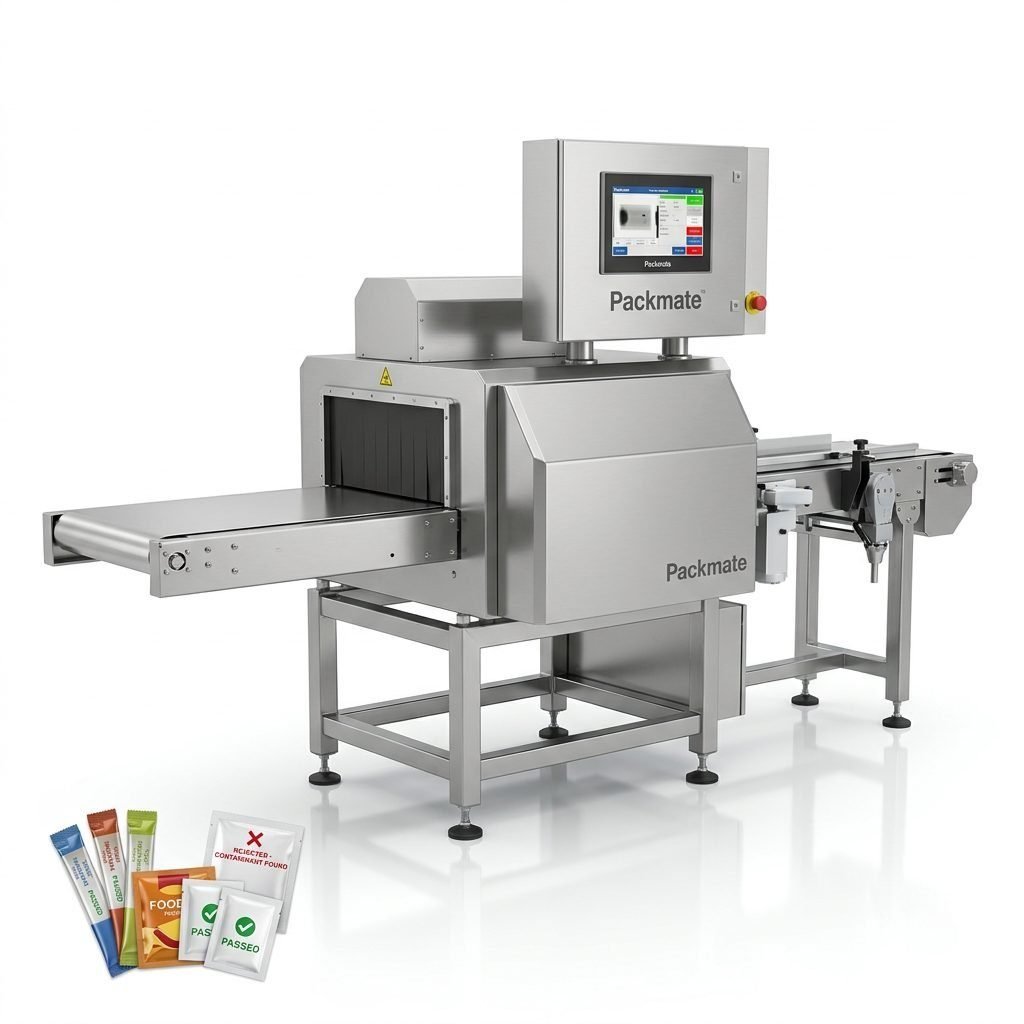
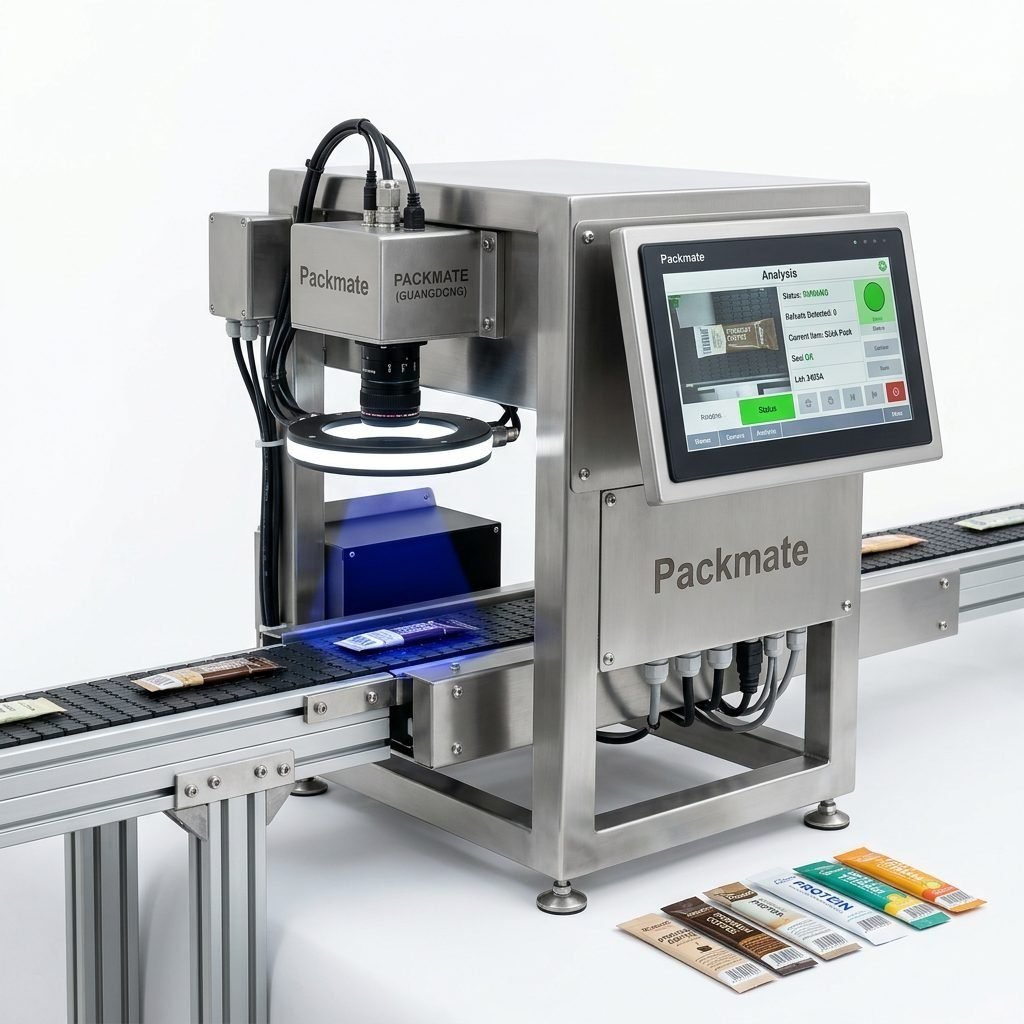
This includes the ability to integrate 100% in-line inspection systems for tasks like vision-based leak detection, missing product checks, or print verification. Machines built for cleanroom or controlled environments feature easy-clean designs with stainless steel surfaces and minimized particle traps. Documentation and validation support, such as providing detailed audit trails and complying with standards like cGMP, are integral to the machine’s design from companies with deep industry expertise, such as Packmate Machinery, which brings decades of experience in serving regulated industries.
Choosing the Right Partner for Your Packaging Line
Selecting a blister pack machine is a significant capital investment. Beyond the machine’s specifications, the manufacturer’s support ecosystem is critical for long-term efficient operation. A reliable partner offers comprehensive services, from initial consultation and factory acceptance testing to installation, training, and readily available spare parts.
Companies with a strong track record, like Packmate Machinery, demonstrate their commitment through a global service network and a portfolio of proven solutions. Exploring their range of packaging machines can provide valuable insights into the technological standards you should expect. Furthermore, reviewing detailed case studies can show how similar businesses have successfully implemented these solutions to boost their productivity.
Ultimately, the most efficient blister pack packaging machine is one that aligns perfectly with your specific product requirements, production volume, quality standards, and future growth plans. It should act as a robust, reliable, and intelligent core of your packaging operation.
Frequently Asked Questions (FAQs)
What is the typical production speed of a modern blister pack machine?
Production speeds vary greatly depending on the machine’s design, blister size, and product. Standard machines can range from 100 to over 600 cycles per minute. High-speed models with multi-lane output can produce several hundred thousand blisters per hour. The exact speed for your application should be determined based on your required annual output and line balancing.
How difficult is it to change over a blister pack machine for a different product?
Changeover complexity has been significantly reduced in newer models. Many machines now feature quick-change cartridge systems for forming and sealing dies, along with recipe management on the HMI. With proper training, changeovers that once took hours can now be completed in 15-30 minutes, greatly enhancing production flexibility.
Can blister pack machines handle barrier materials for sensitive products?
Yes, absolutely. Advanced machines are engineered to work with high-grade barrier films like aluminum foil laminates and specialty polymers (e.g., Aclar). They provide precise control over sealing temperature, pressure, and dwell time to ensure a hermetic seal that protects sensitive pharmaceuticals or hygroscopic products from moisture, oxygen, and light.
What kind of maintenance do these machines require?
Regular preventive maintenance is crucial for sustained efficiency. This typically includes daily cleaning, lubrication of moving parts as per the manual, and periodic inspection of critical components like heating elements, seals, and cutting tools. Choosing a supplier with a clear maintenance plan and readily available spare parts, like those offered through comprehensive service programs, minimizes unexpected downtime.
Are there machines suitable for both R&D and small-scale production?
Yes, several manufacturers offer compact or table-top blister pack machines designed for low-volume production, pilot batches, and R&D purposes. These machines allow for flexibility in testing different materials and formats before scaling up to a full industrial line, making them a valuable asset for product development laboratories.