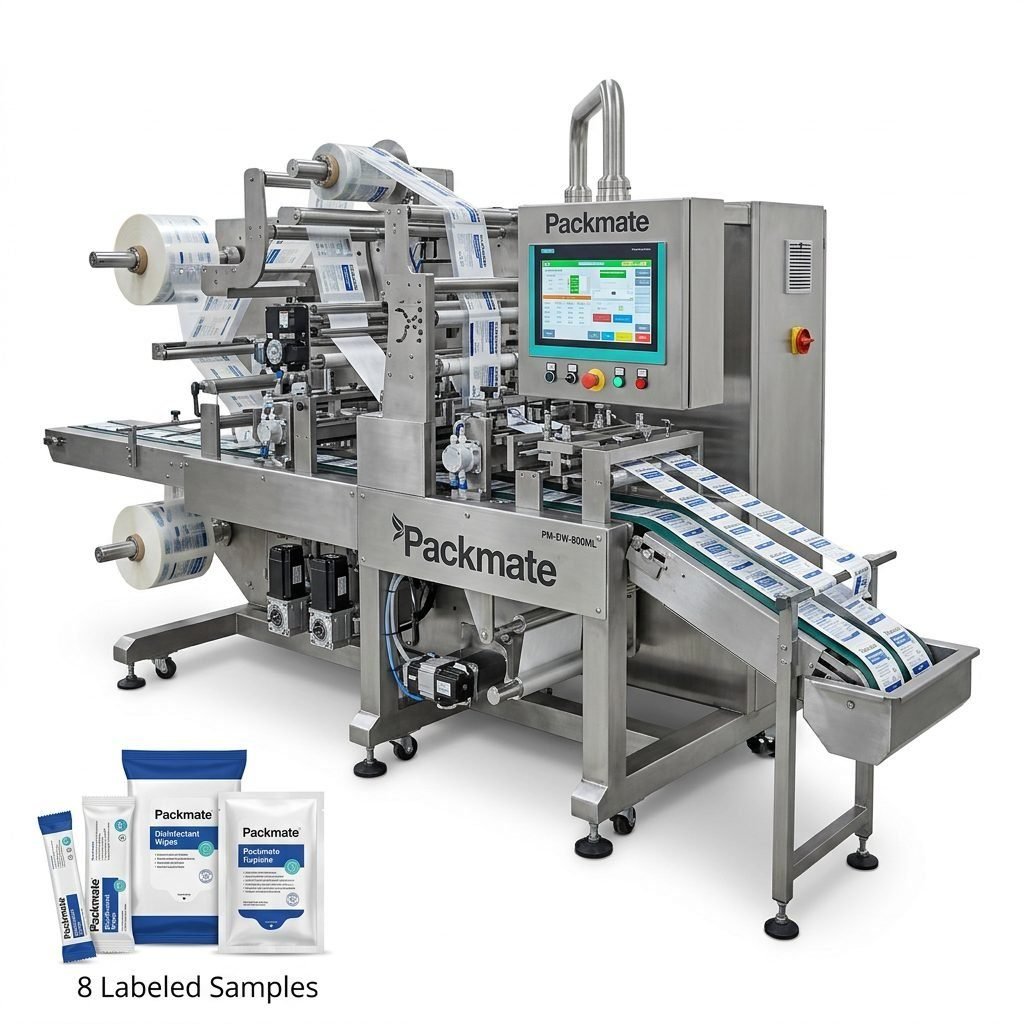
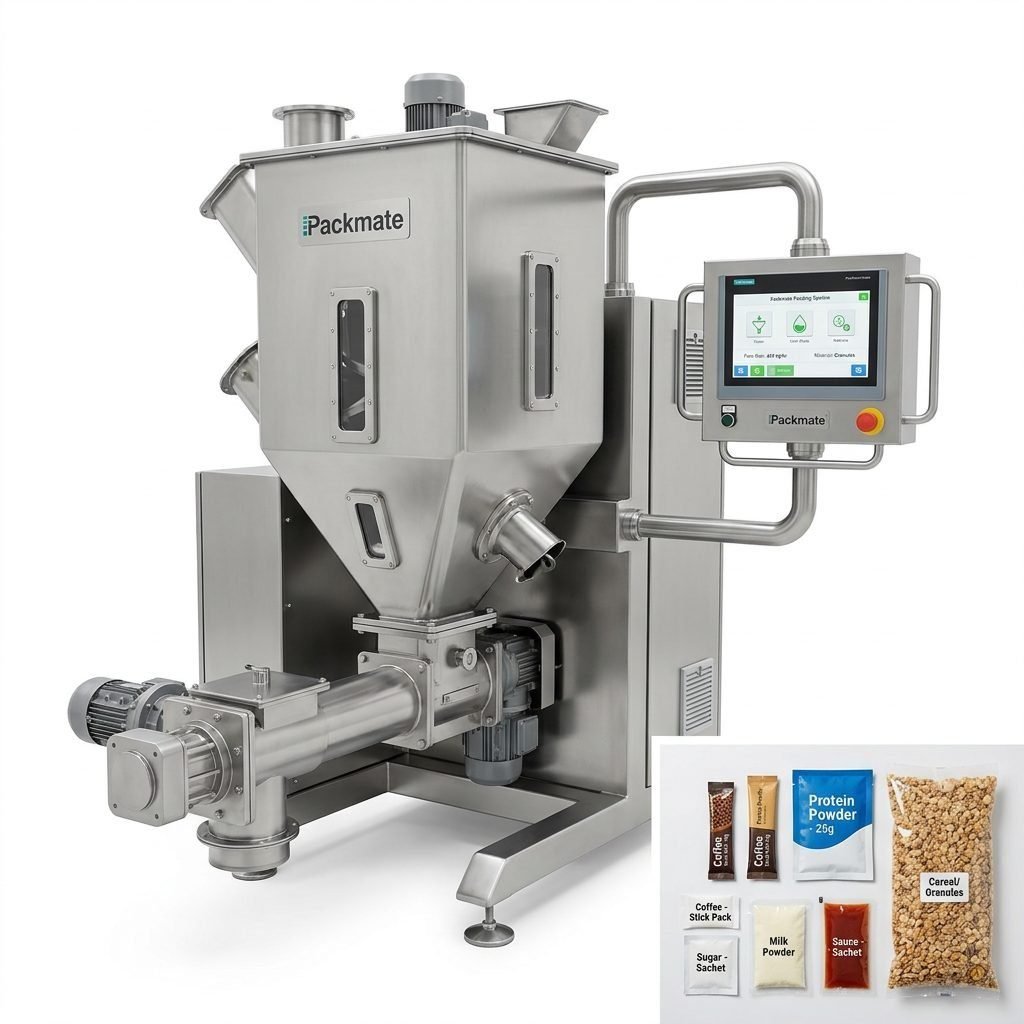
The global packaging machinery market represents a critical and dynamic segment of the manufacturing world, driven by the relentless demand for efficient, safe, and innovative product packaging across all consumer sectors. This comprehensive analysis delves into the market’s size, key growth drivers, emerging trends, and the competitive landscape, providing valuable insights for industry stakeholders.
Market Size and Growth Projections
The global packaging machinery market has demonstrated robust growth over the past decade. Valued at approximately USD 45 billion in 2023, the market is projected to expand at a compound annual growth rate (CAGR) of over 5% through 2030. This expansion is fueled by several interconnected factors, including rising consumer goods consumption, stringent regulatory standards for food and pharmaceutical safety, and the global shift towards sustainable packaging solutions. The Asia-Pacific region, led by manufacturing powerhouses like China and India, continues to be the largest and fastest-growing market, accounting for a significant share of both demand and production.
Key Driver Spotlight: The e-commerce boom has irrevocably changed packaging needs. Machinery that can handle diverse product sizes, ensure damage-free transit, and optimize void space is in high demand, directly influencing market growth and innovation priorities for manufacturers like Packmate Machinery.
Primary Industry Segments Driving Demand
Demand is not uniform across all sectors. Specific industries exert disproportionate influence on machinery development and sales:
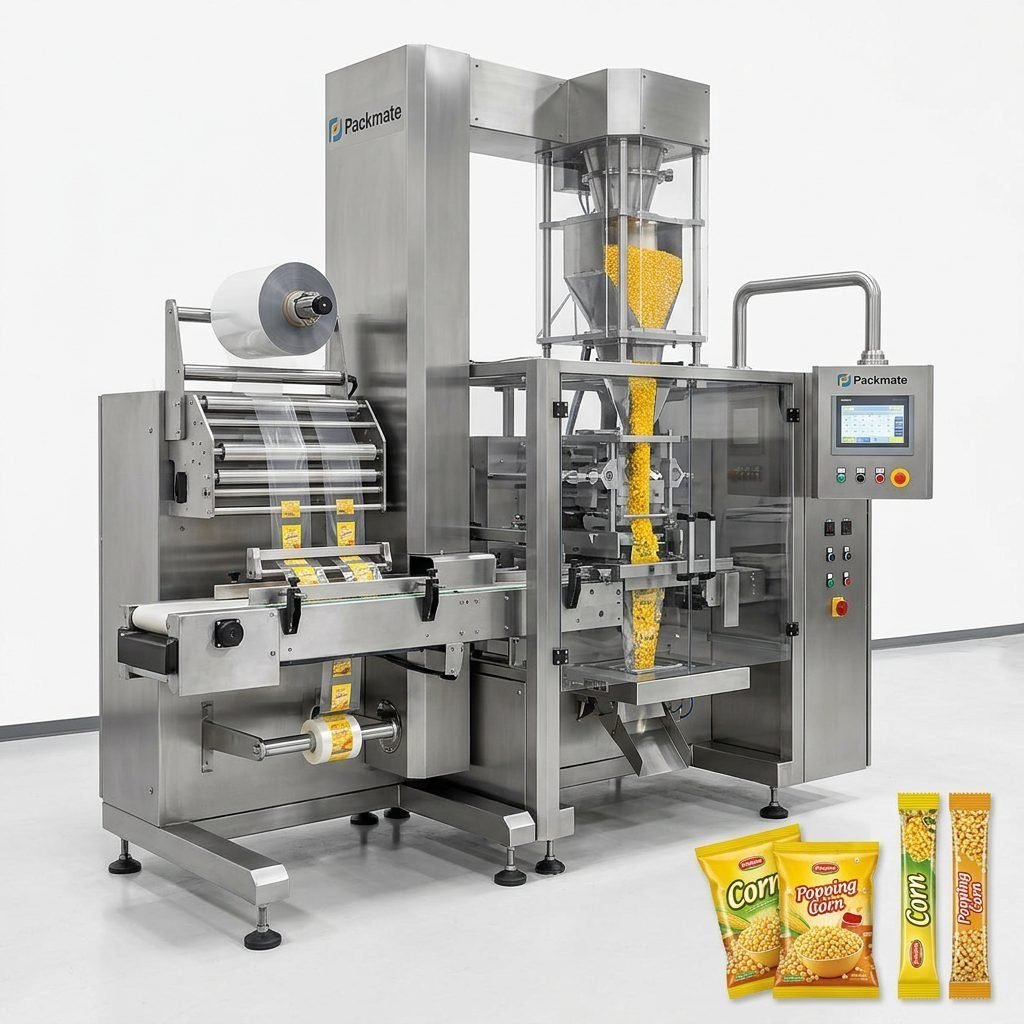
Food & Beverage: This remains the dominant segment. The need for high-speed filling, sealing, and labeling of items ranging from snacks to sauces pushes continuous innovation in filling and packaging lines.
Pharmaceuticals & Healthcare: Here, precision, sterility, and compliance are non-negotiable. Machinery for blister packing, vial filling, and accurate sachet packaging of powders or granules is essential, a specialty area for companies with deep expertise.
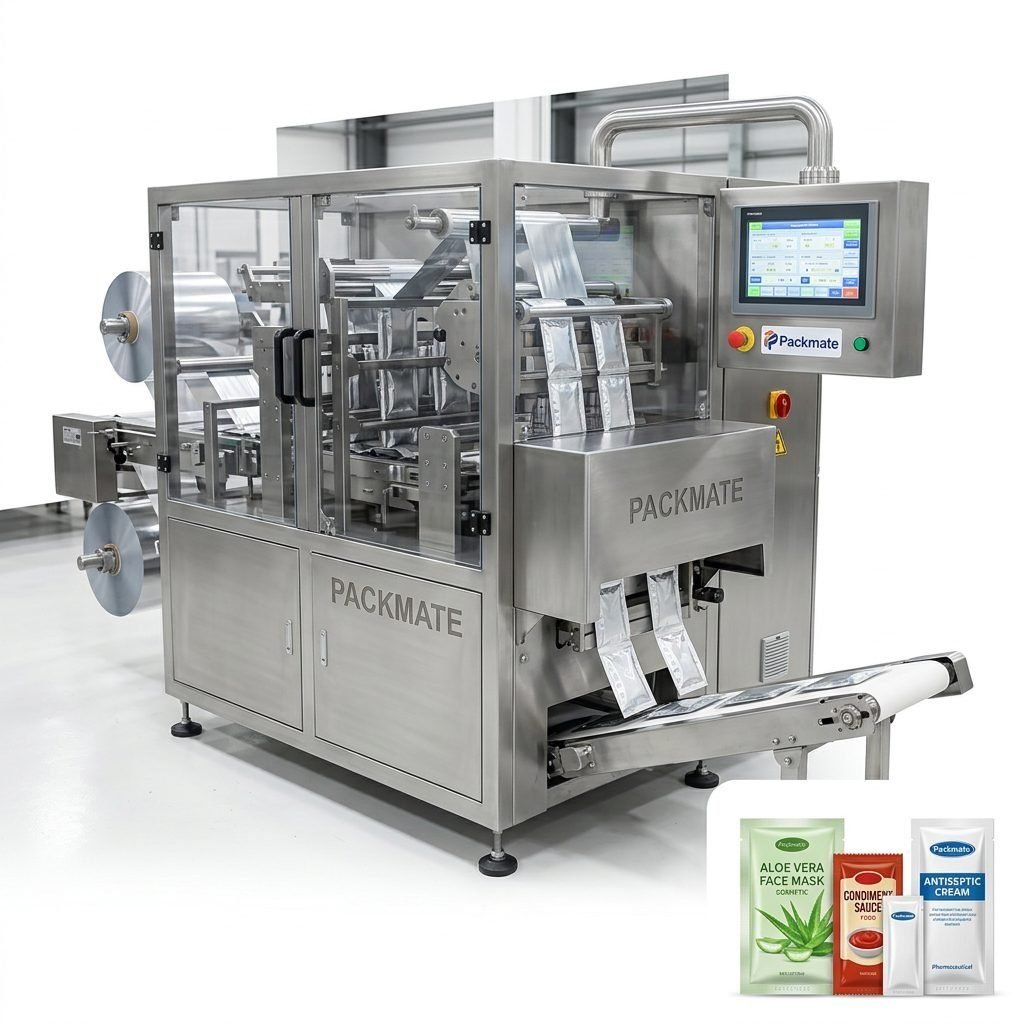
Personal Care & Cosmetics: Aesthetics and product integrity are key. Machines that create visually appealing sachets, stick packs, and pouches while protecting sensitive formulations are increasingly sought after.
Technological Trends Shaping the Future
The market’s evolution is closely tied to technological adoption. The following trends are setting the agenda:
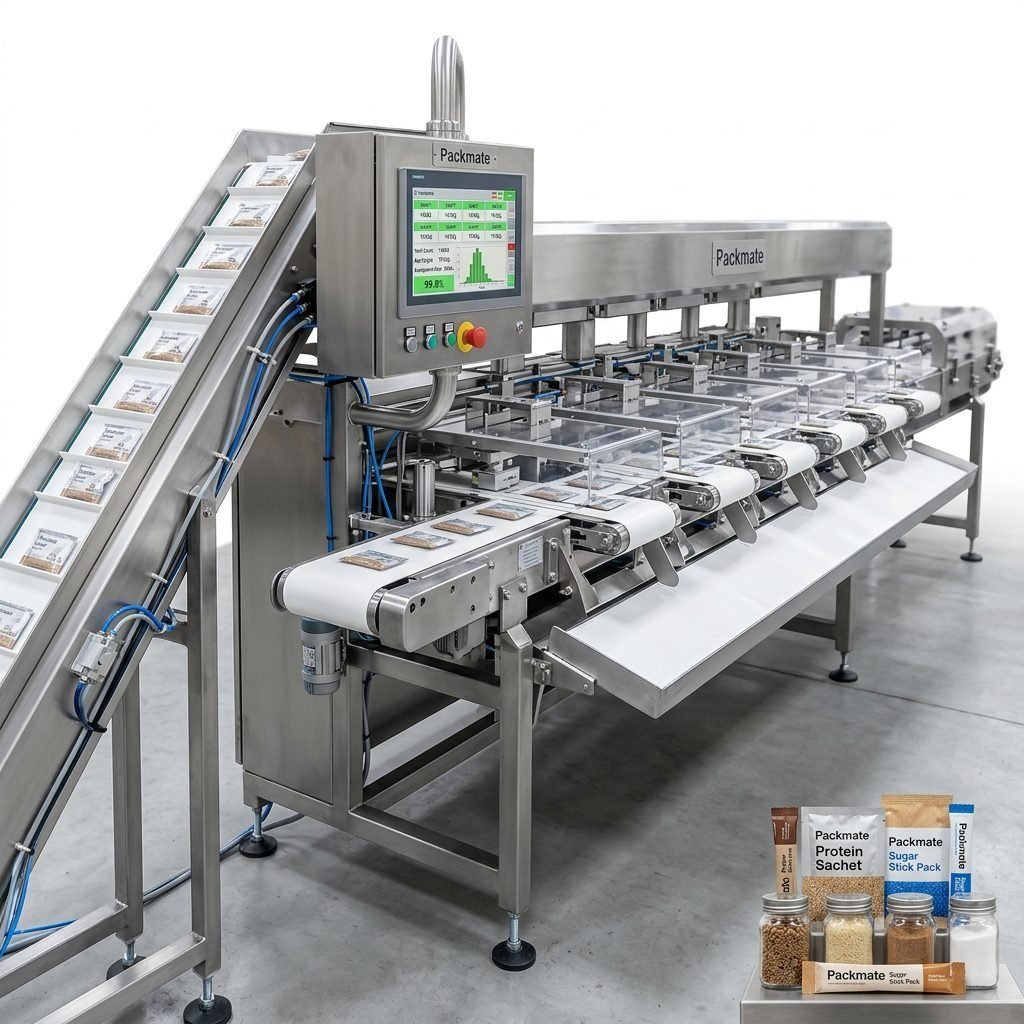
Automation and Industry 4.0: The integration of IoT sensors, AI, and machine learning is creating “smart” packaging lines. These systems enable predictive maintenance, real-time quality control, and seamless data exchange with enterprise resource planning (ERP) systems, maximizing uptime and efficiency.
Sustainability-Focused Innovation: Environmental concerns are driving demand for machinery capable of handling recycled, biodegradable, or thinner mono-material films. Equipment that reduces material waste through precision dosing and cutting is becoming a competitive necessity.
Flexibility and Quick Changeover: With shorter product lifecycles and demand for customization, machinery must adapt quickly. Modern sachet and stick pack machines are designed for rapid format and size changes with minimal downtime.
The Role of Established Manufacturers
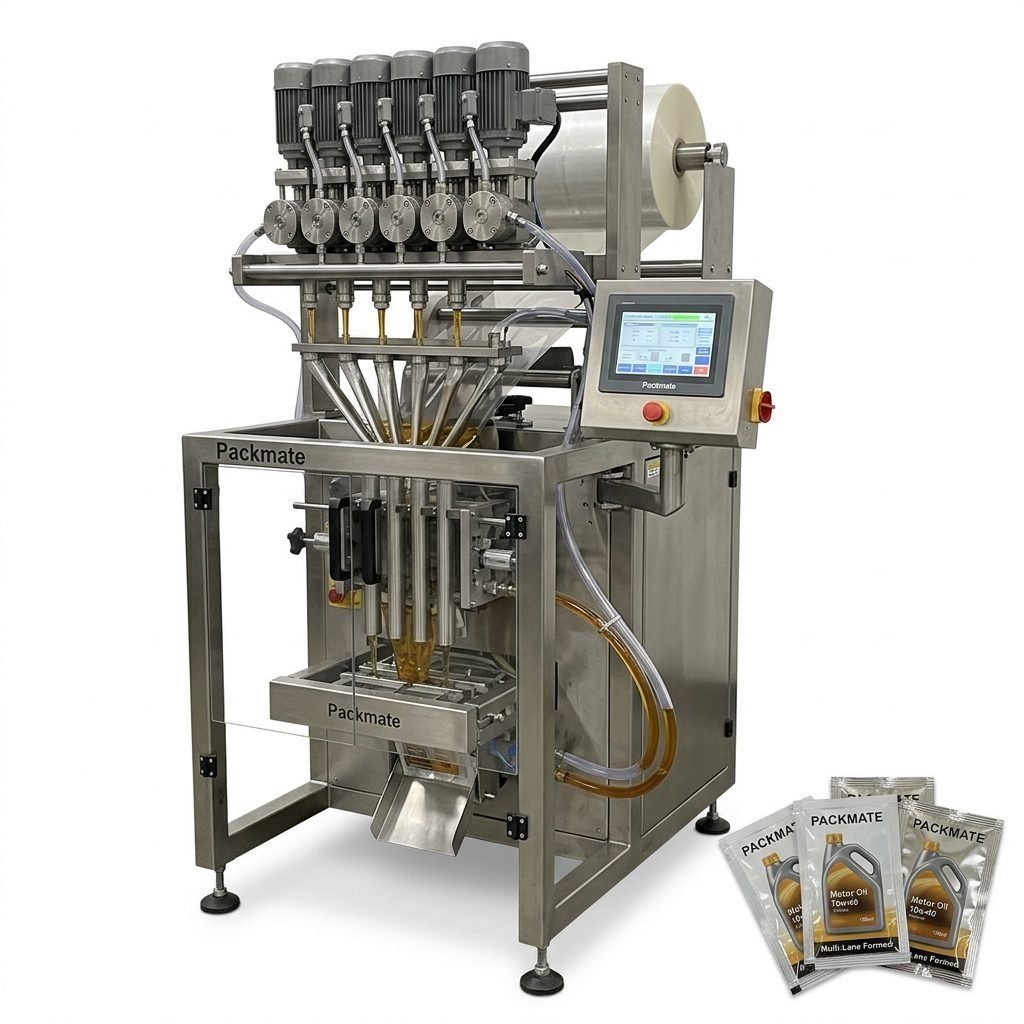
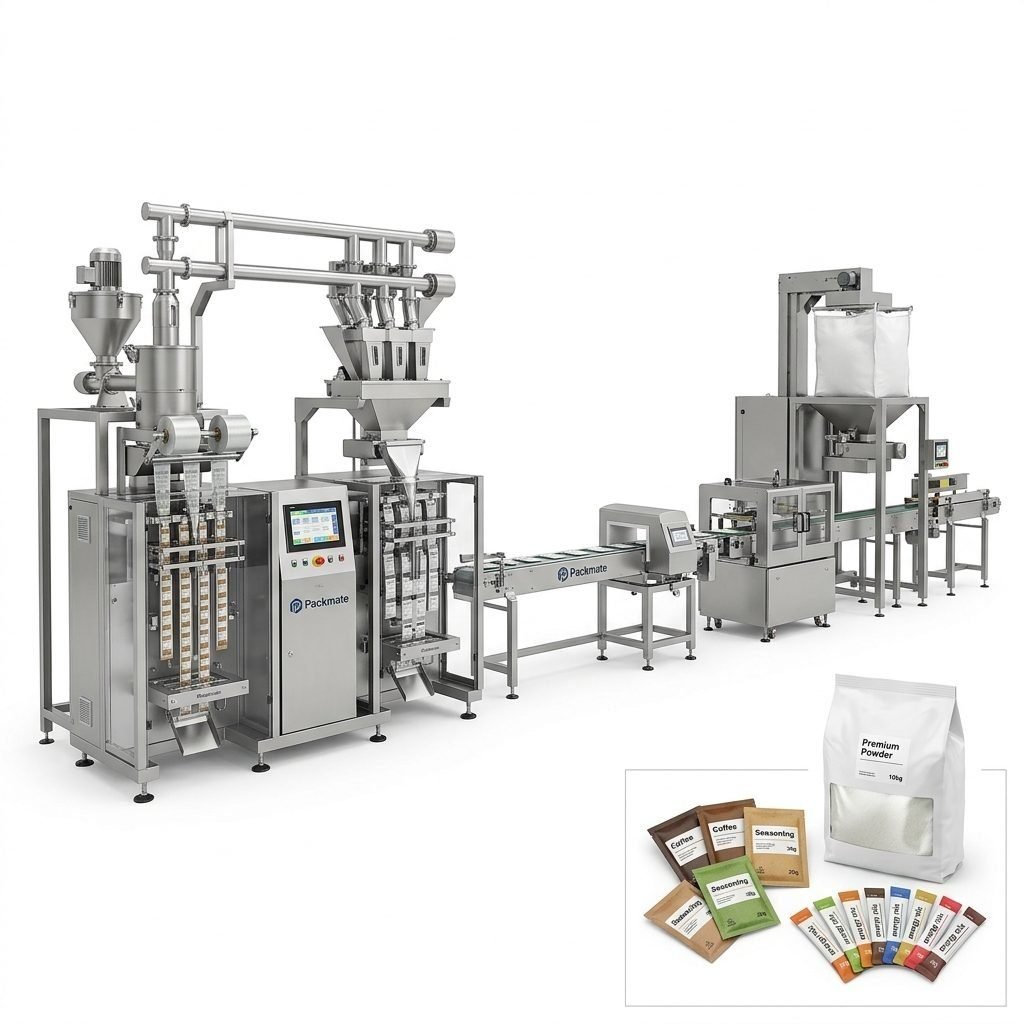
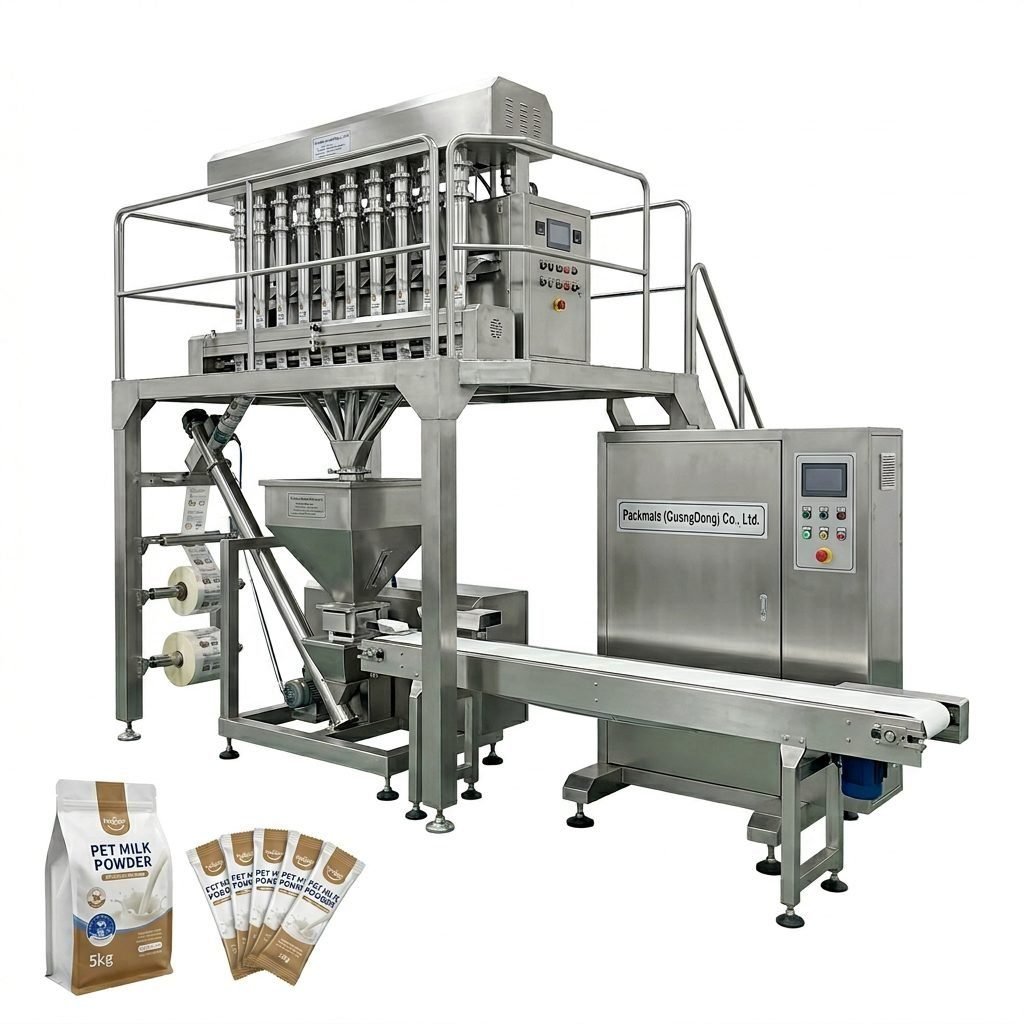
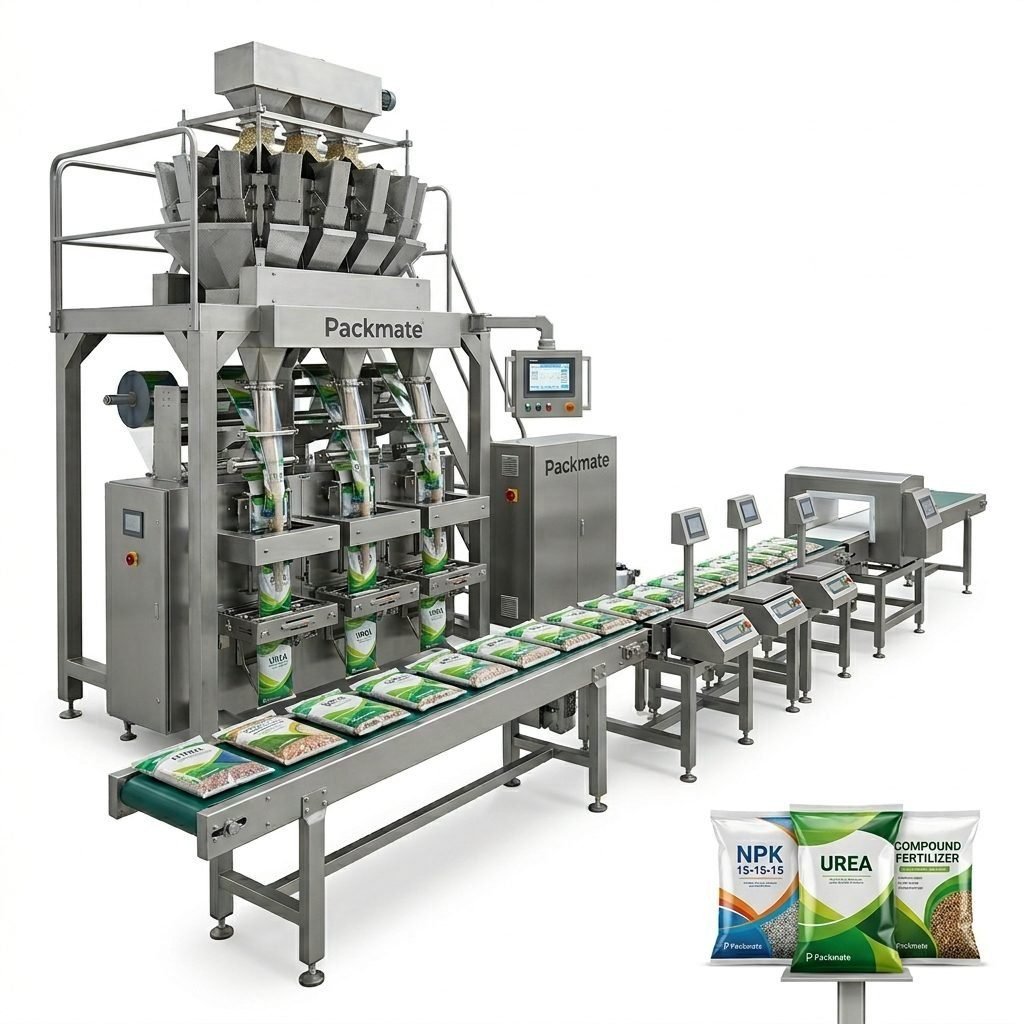
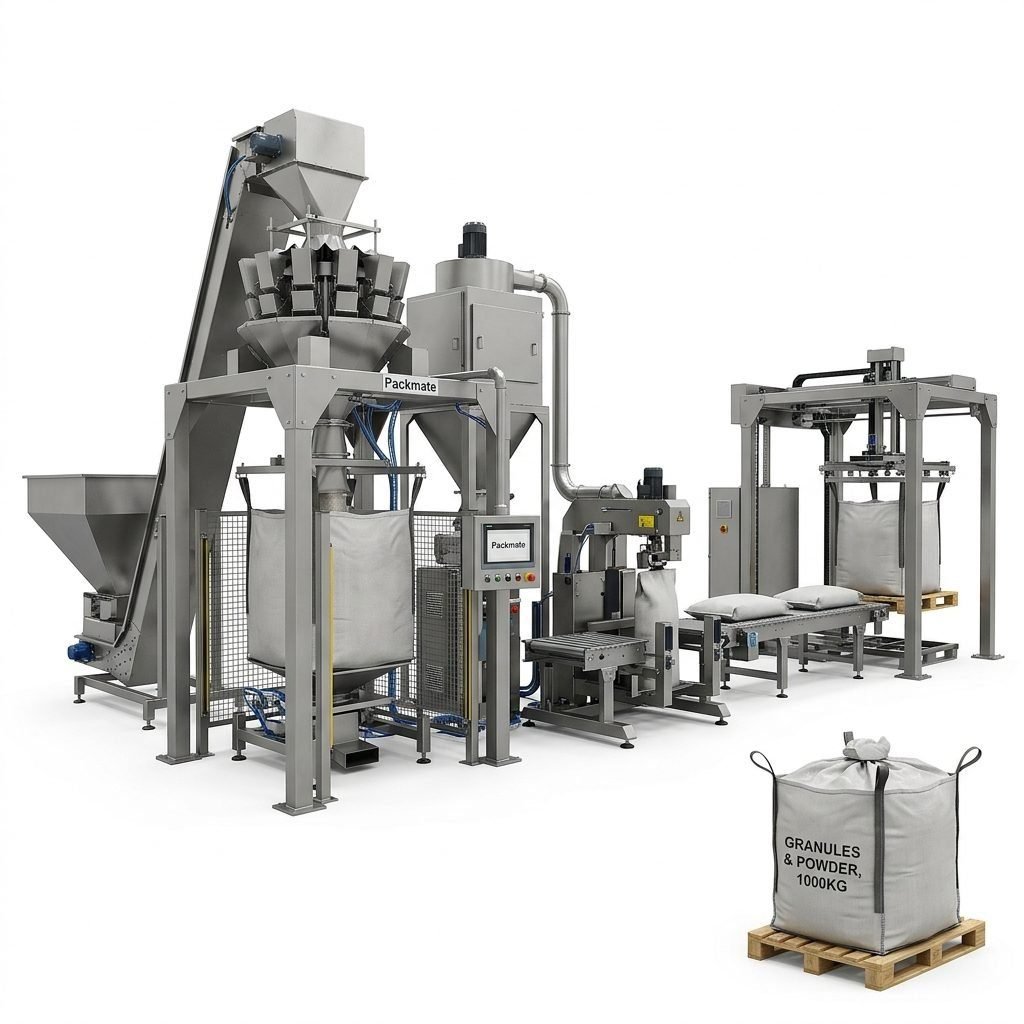
In this technologically advanced landscape, the experience and stability of established manufacturers become invaluable. A company like Packmate (GuangDong) Co., Ltd., with over 30 years of specialized expertise, exemplifies this. Operating from a 20,000㎡ modern facility in China’s Greater Bay Area, such companies combine deep practical knowledge with the capacity for innovation. They don’t just sell machines; they provide complete turnkey packaging solutions, from initial design to full production line integration for granules, powders, and liquids. This end-to-end capability, backed by a portfolio of over 50 machine models, allows them to meet the complex, tailored requirements of global clients in the food, pharmaceutical, and health industries.
Regional Market Analysis and Considerations
While global trends provide a macro view, regional nuances significantly impact machinery design and business strategy. In North America and Europe, the emphasis is on automation, regulatory compliance (e.g., FDA, EU standards), and sustainable practices. In contrast, high-growth markets in Asia, Africa, and Latin America often prioritize cost-effectiveness, robustness for challenging environments, and versatility to serve multiple local product types. Understanding these regional preferences, including local business customs and relationship-building practices, is crucial for machinery exporters aiming for global success.
Challenges and Opportunities
The market faces headwinds, including high initial capital investment for advanced machinery, supply chain volatility for components, and a skilled labor shortage to operate complex systems. However, these challenges breed opportunities. They drive demand for more user-friendly, reliable, and service-supported equipment. There is also a growing opportunity in the refurbishment and upgrading of existing machinery to modern standards, offering a cost-effective path for many manufacturers.
Looking ahead, the convergence of sustainability, digitalization, and hyper-flexibility will define the next generation of packaging machinery. Companies that can deliver intelligent, adaptable, and eco-efficient solutions will lead the market. The journey from a simple packaging task to a connected, data-driven, and sustainable process is well underway, reshaping the industry’s future.
Frequently Asked Questions (FAQs)
What is the current size of the global packaging machinery market?
The global packaging machinery market was valued at approximately USD 45 billion in 2023 and is expected to grow steadily, driven by automation, e-commerce, and sustainable packaging demands.
Which industry is the largest consumer of packaging machinery?
The Food and Beverage industry remains the largest and most demanding sector, requiring high-speed, hygienic, and versatile equipment for a vast array of products, from dry goods to liquids.
How is sustainability affecting packaging machinery design?
Sustainability is a major driver. Machinery is now being engineered to handle recyclable and biodegradable materials, minimize film and product waste through precision control, and reduce overall energy consumption during operation.
What does a “turnkey packaging solution” entail?
A turnkey solution means a supplier provides everything needed for a complete packaging line—from individual machines like weighing systems and fillers to integration, installation, training, and ongoing support. This single-source responsibility simplifies the process for the client.
Why is flexibility important in modern packaging equipment?
Flexibility allows producers to quickly switch between different package sizes, shapes, and materials on the same production line. This reduces downtime, caters to small-batch or customized production runs, and helps manufacturers respond swiftly to market trends.