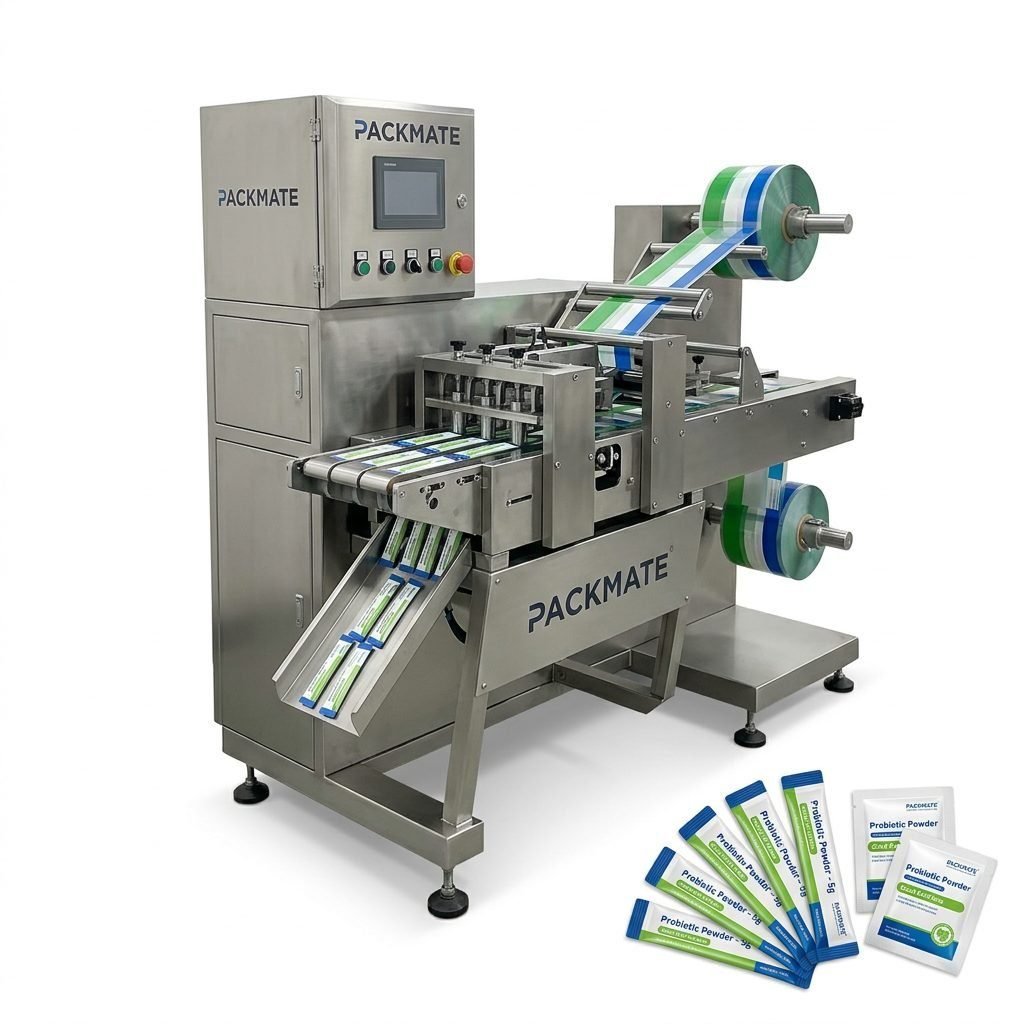
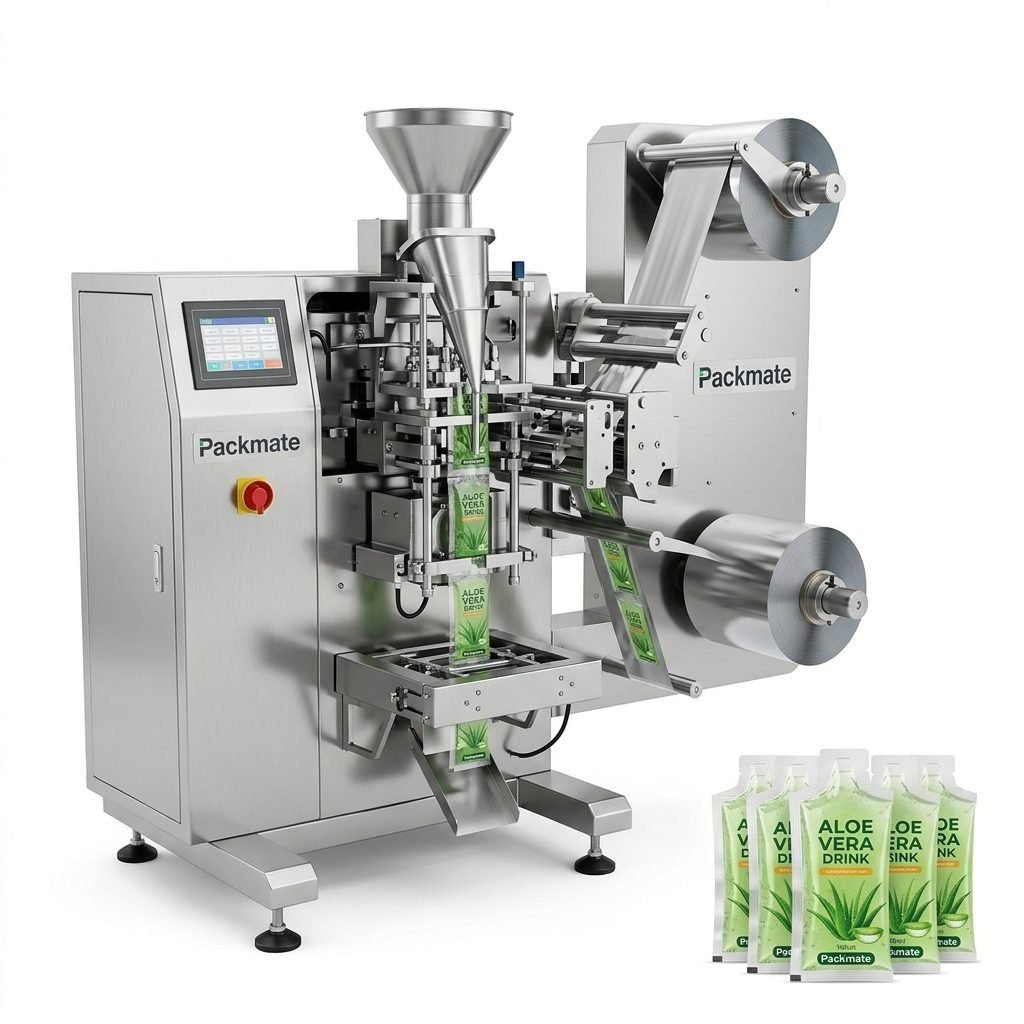
In the competitive landscape of modern manufacturing, efficiency is the cornerstone of profitability and growth. For industries that rely on battery production, whether for consumer electronics, electric vehicles, or renewable energy storage, the packaging stage is a critical juncture. Implementing the right battery packing machine solutions can dramatically streamline operations, reduce waste, enhance safety, and ensure product integrity from the production line to the end-user.
The Critical Role of Specialized Battery Packaging
Batteries are not ordinary commodities. They are sensitive, often hazardous energy storage devices that demand careful handling. Standard packaging equipment is ill-suited for their unique requirements, which include precise alignment, protection from short circuits, and consistent sealing to prevent leakage. A dedicated battery packing machine is engineered to address these specific challenges. It automates the process of placing batteries into blisters, clamshells, shrink wraps, or custom pouches with high accuracy and speed, directly impacting production throughput and product quality.
Key Takeaway: Investing in specialized battery packaging automation is not merely an upgrade; it’s a strategic necessity for meeting safety standards, scaling production, and maintaining brand reputation through flawless product presentation.
Core Components of an Efficient Battery Packing Line
A comprehensive solution goes beyond a single machine. It involves a synchronized system where each component plays a vital role:
- Feeding and Orientation Systems: These systems take bulk batteries and orient them correctly for packaging, using vibratory bowls, vision systems, or robotic arms to ensure every unit is positioned accurately.
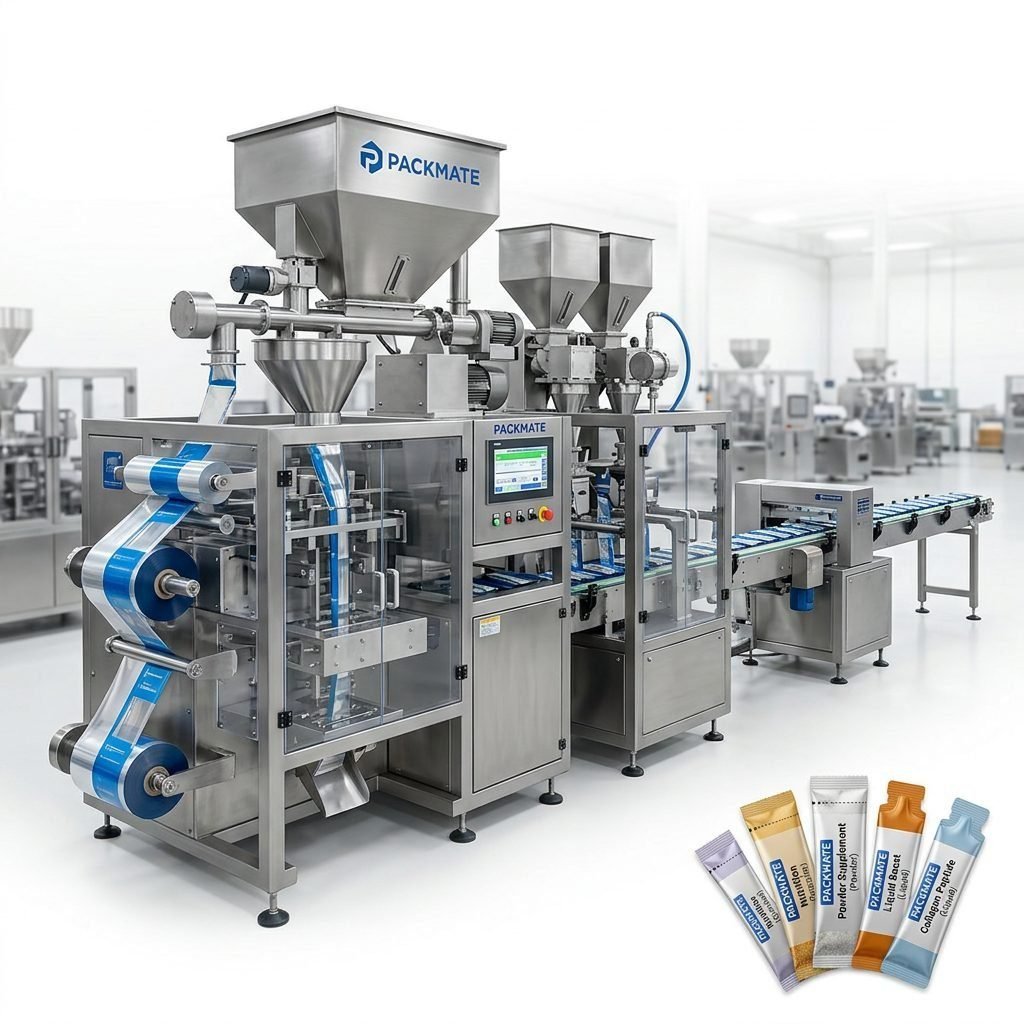
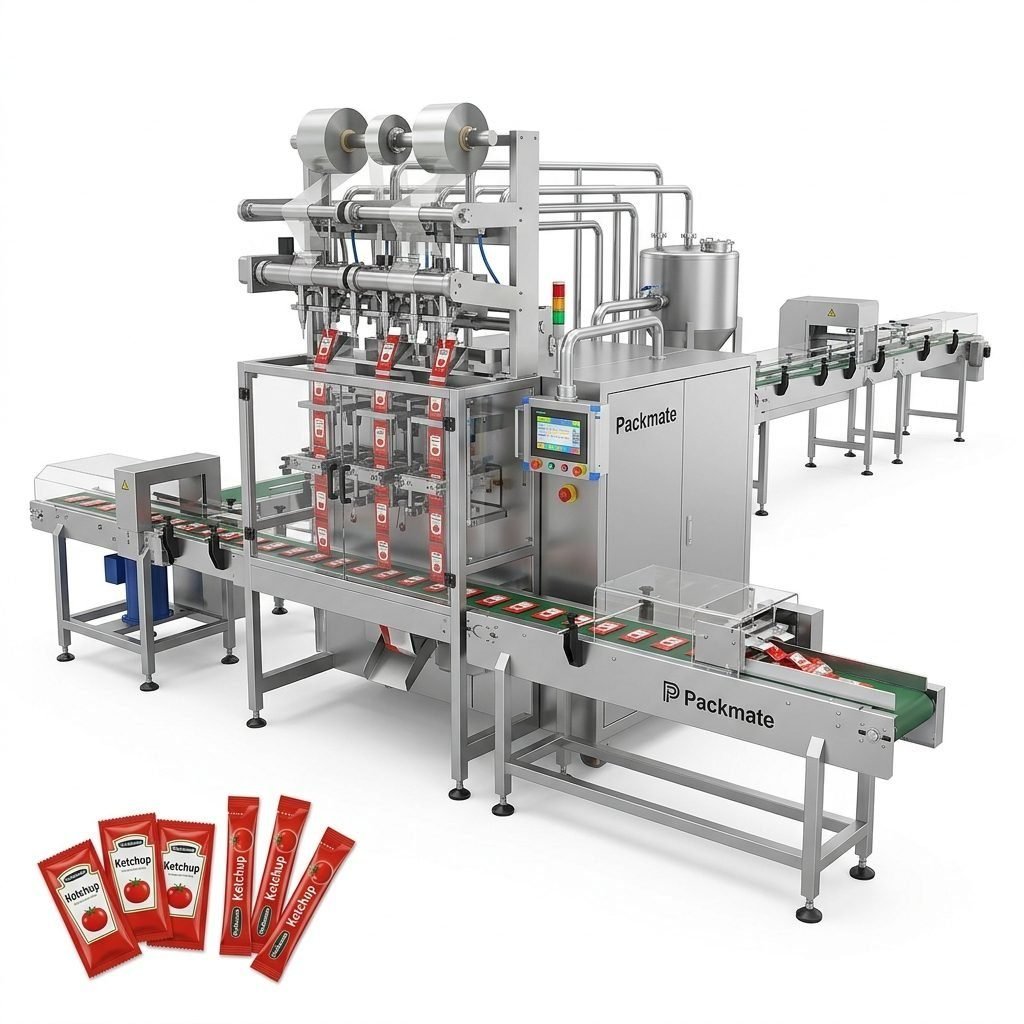
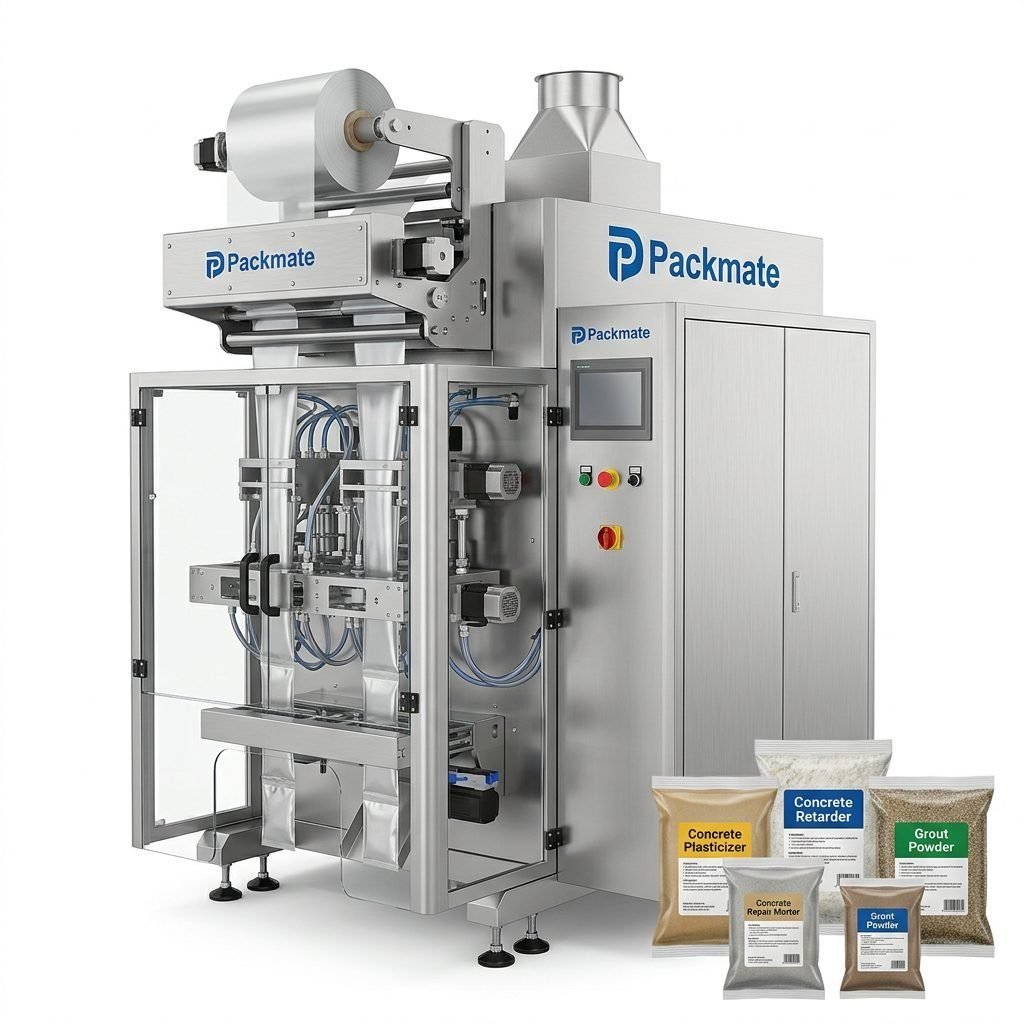
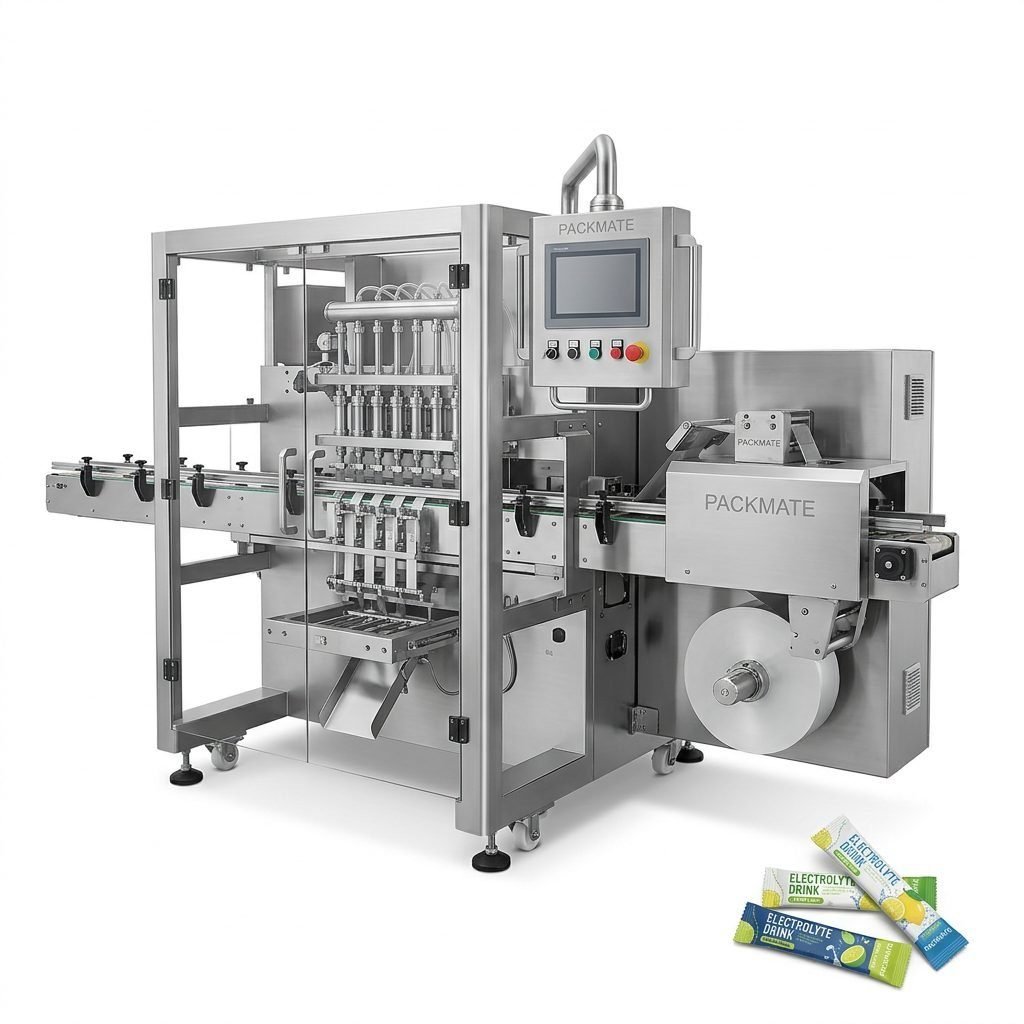
- The Primary Packing Machine: This is the heart of the line. It could be a form-fill-seal machine for pouches, a blister packing machine, or a cartoning system. It places the batteries into the packaging material and seals it securely.
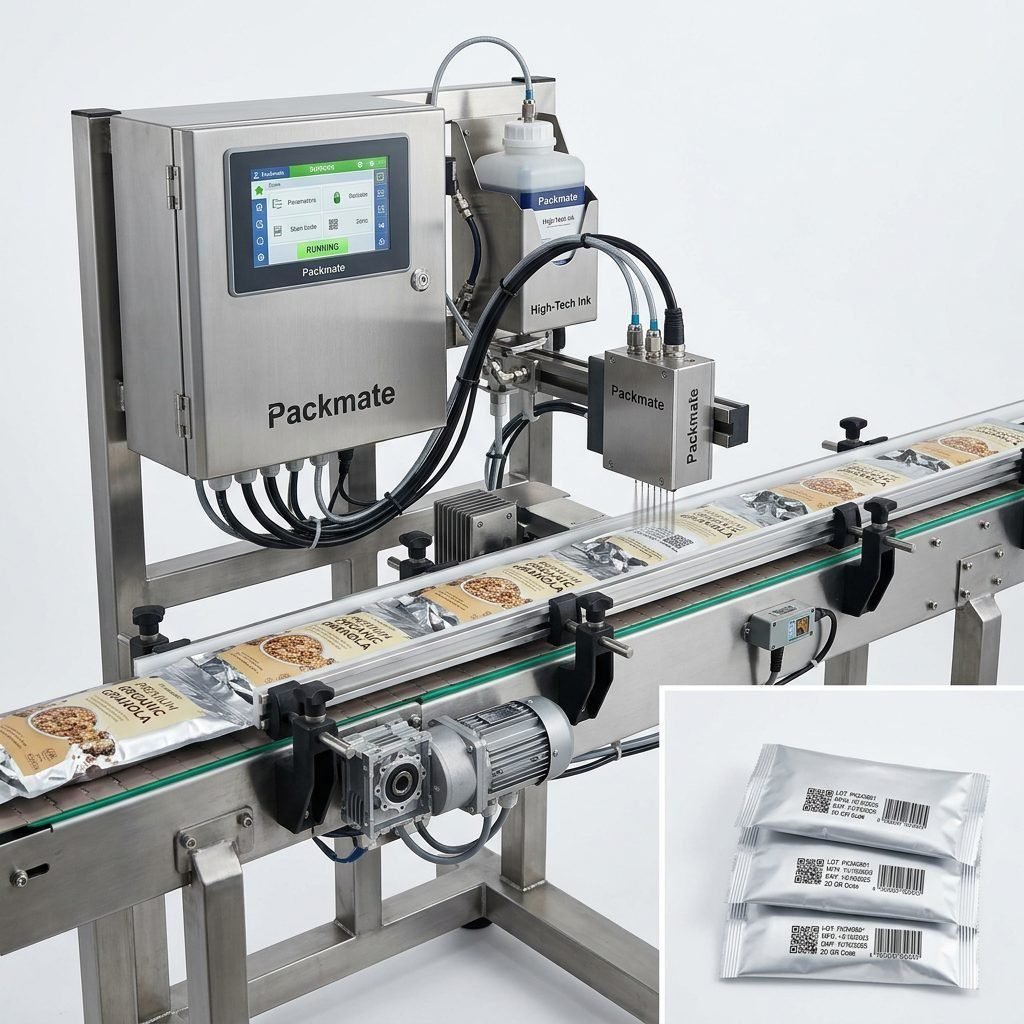
- Labeling and Coding Integration: Integrated printers apply batch codes, expiry dates, barcodes, and safety labels directly onto the packaging, ensuring traceability and compliance.
- Quality Inspection Stations: Checkweighers, metal detectors, and vision inspection systems verify weight, detect foreign objects, and confirm label accuracy and seal integrity, automatically rejecting faulty packs.
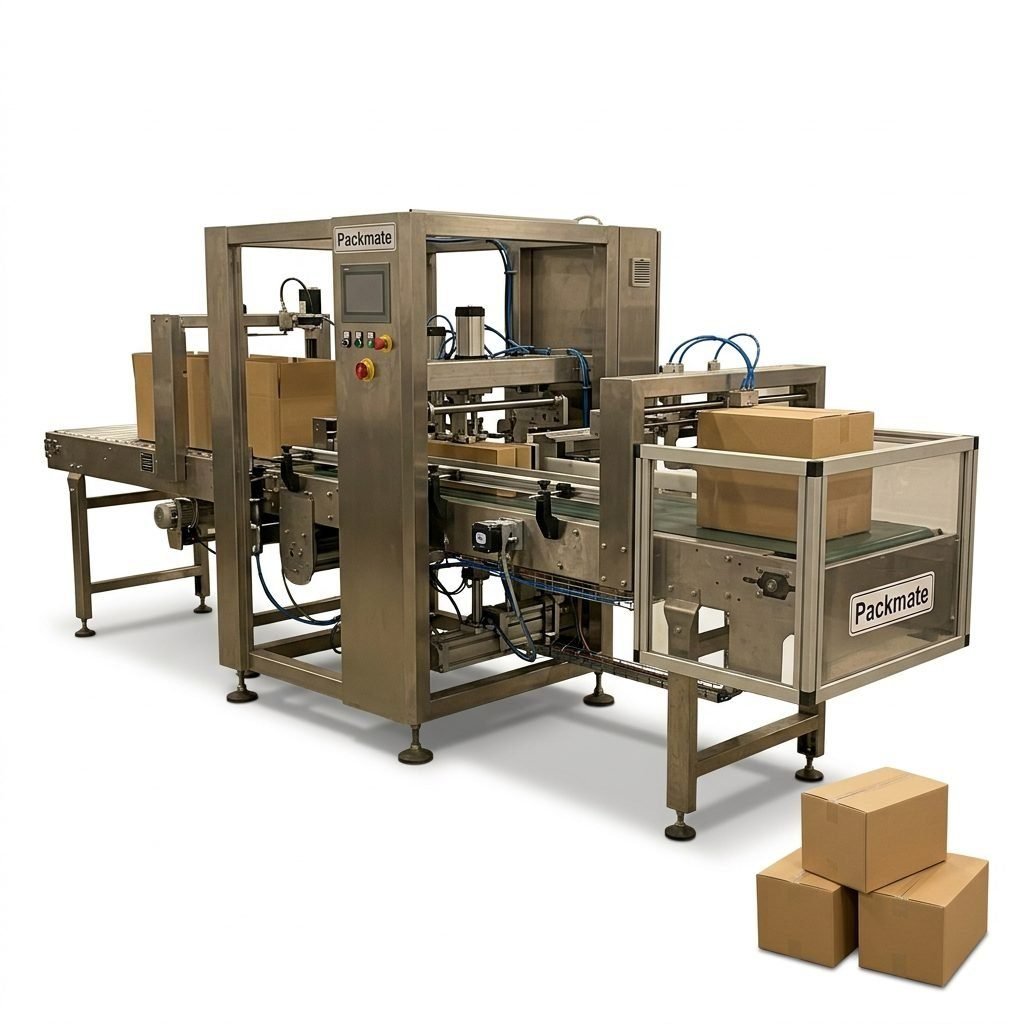
- End-of-Line Handling: This includes collating, case packing, and palletizing systems that prepare finished packages for shipment, further reducing manual labor.
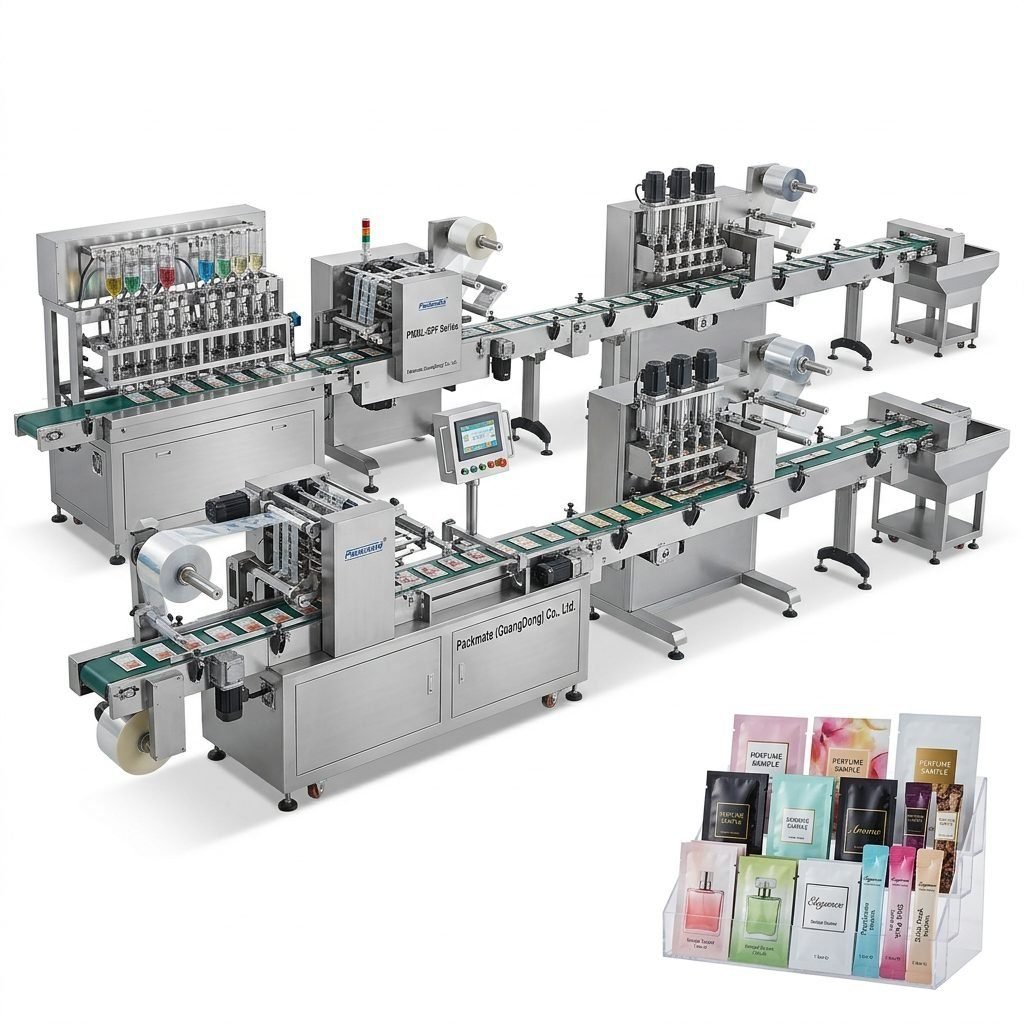
Companies like Packmate Machinery excel in designing such integrated filling and packaging lines, where seamless integration between modules is key to unlocking peak efficiency.
Tangible Benefits for Your Production Floor
The transition to automated battery packing solutions delivers measurable returns across several dimensions:
1. Skyrocketing Productivity & Output: Machines operate continuously at high speeds, far surpassing manual packing rates. This allows you to meet large order volumes and scale production up or down with market demand.
2. Uncompromising Consistency and Quality: Automation eliminates human error. Every package is sealed with the same pressure, every label is applied in the exact same position, and every batch is uniform. This consistency is crucial for brand trust and retail compliance.
3. Enhanced Operational Safety: By minimizing direct human contact with batteries, especially during high-speed handling, the risk of accidents, short circuits, or exposure to chemicals is significantly reduced.
4. Significant Reduction in Material Waste: Precision feeding and cutting mechanisms optimize the use of packaging films and cartons, lowering material costs and supporting sustainability goals.
5. Lower Long-Term Labor Costs: While requiring an initial investment, automation reduces reliance on large manual packing teams, allowing you to reallocate skilled personnel to supervision, maintenance, and quality control roles.
Choosing the Right Partner for Your Solution
Selecting a battery packing machine is a significant decision. The right partner should offer more than just hardware; they should provide a complete turnkey solution. Look for a manufacturer with deep industry experience, like Packmate Machinery, which brings over two decades of expertise in packaging automation. A reliable partner will conduct a thorough analysis of your specific battery types (Li-ion, NiMH, alkaline), packaging formats, and desired output to recommend the optimal machine configuration.
They should offer robust after-sales support, including installation, operator training, and readily available spare parts. Reviewing their project case studies and client testimonials can provide insight into their capability and reliability. The goal is to establish a partnership that ensures your packaging line remains a source of competitive advantage for years to come.
Future-Proofing with Flexibility and Smart Features
The manufacturing world is evolving towards Industry 4.0. Modern battery packing machines are increasingly equipped with IoT sensors and connectivity features. These “smart” machines can provide real-time data on production counts, machine efficiency (OEE), downtime reasons, and predictive maintenance alerts. This data is invaluable for continuous improvement and strategic planning. Furthermore, modular machine designs allow for easier reconfiguration to accommodate new battery sizes or packaging styles in the future, protecting your investment against market changes.
Ultimately, deploying advanced battery packing machine solutions is a definitive step toward building a resilient, efficient, and high-quality production ecosystem. It transforms packaging from a cost center and potential bottleneck into a streamlined, reliable, and value-adding stage of your operation.
Frequently Asked Questions (FAQs)
1. What types of batteries can your packaging machines handle?
Our automated solutions are highly adaptable and can be configured to handle a wide variety of batteries. This includes common consumer sizes like AA, AAA, and button cells (CR2032, etc.), as well as larger formats such as 9V blocks, C, and D cells. For specialized industries, we design systems for lithium-ion pouches, prismatic cells, and small battery packs. The feeding, orientation, and packaging modules are customized based on the specific shape, size, and sensitivity of your battery product.
2. How does automated packaging improve safety for battery products?
Safety is paramount. Our machines minimize direct human handling, reducing risks like dropping, incorrect orientation leading to short circuits, or exposure to materials. Features include anti-static components, insulated contact points, and precision placement that prevents terminals from touching. Integrated inspection systems can also detect and reject physically damaged cells before they are sealed in a package, preventing faulty products from reaching the market.
3. Can one machine handle different packaging formats, like blisters and pouches?
While some high-end machines offer quick-changeover capabilities between similar formats, a complete format change (e.g., from rigid blister packs to flexible pouches) typically requires different primary packaging modules. However, a well-designed modular production line allows these modules to be swapped or reconfigured with relative ease compared to rebuilding an entire line. We design for flexibility, enabling you to adapt to new packaging trends with minimal downtime.
4. What is the typical ROI (Return on Investment) for a battery packing line?
The ROI period varies based on production volume, labor costs saved, reduction in material waste, and increase in output quality. For medium to high-volume producers, many clients see a full return on investment within 12 to 24 months. The savings from reduced labor, lower rejection rates, and increased throughput quickly offset the capital expenditure. We provide detailed efficiency and cost-saving analyses during the consultation phase to project a realistic ROI for your specific operation.
5. Do you provide support for installation, training, and maintenance?
Absolutely. We provide comprehensive turnkey support. This includes professional installation and commissioning by our engineers at your facility, thorough training for your operators and maintenance technicians, and detailed documentation. We also offer reliable after-sales service with readily available spare parts and remote diagnostic support to ensure your packaging line maintains optimal uptime and performance throughout its lifecycle.