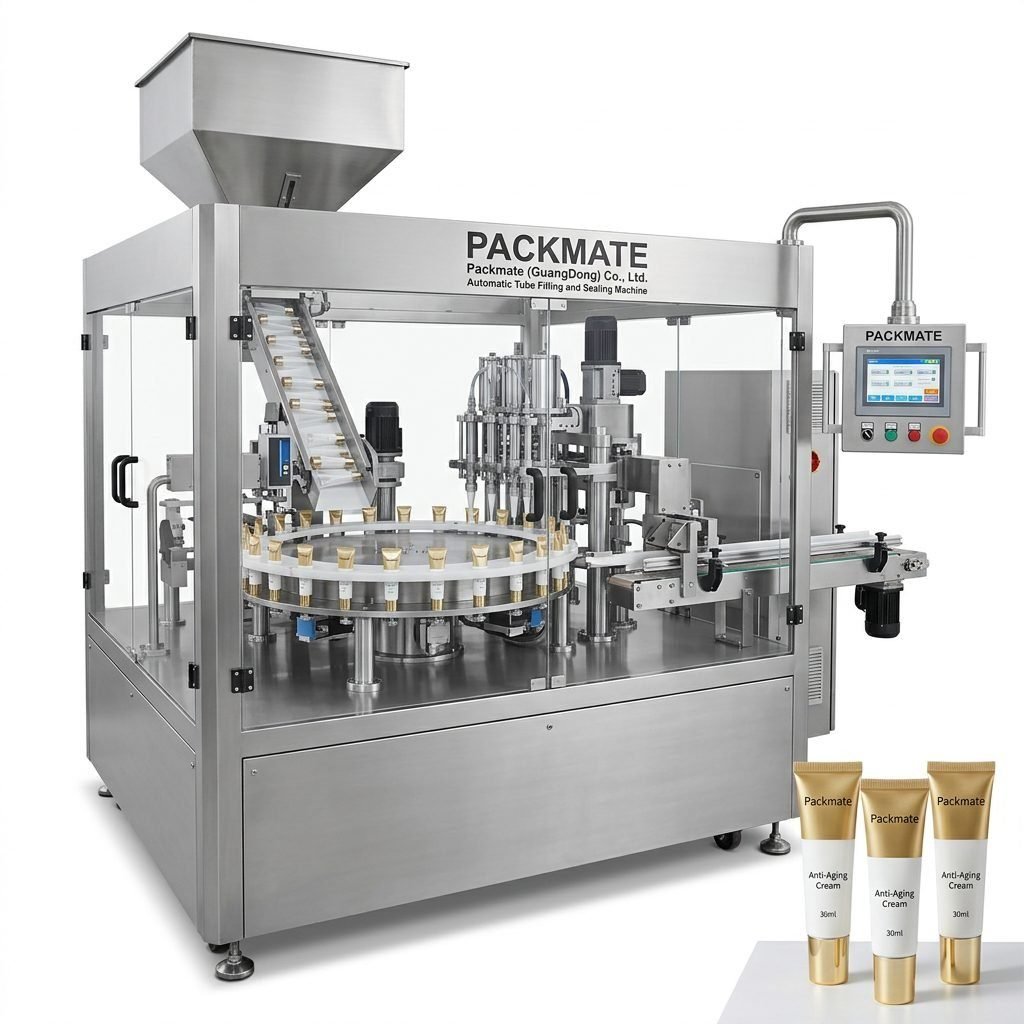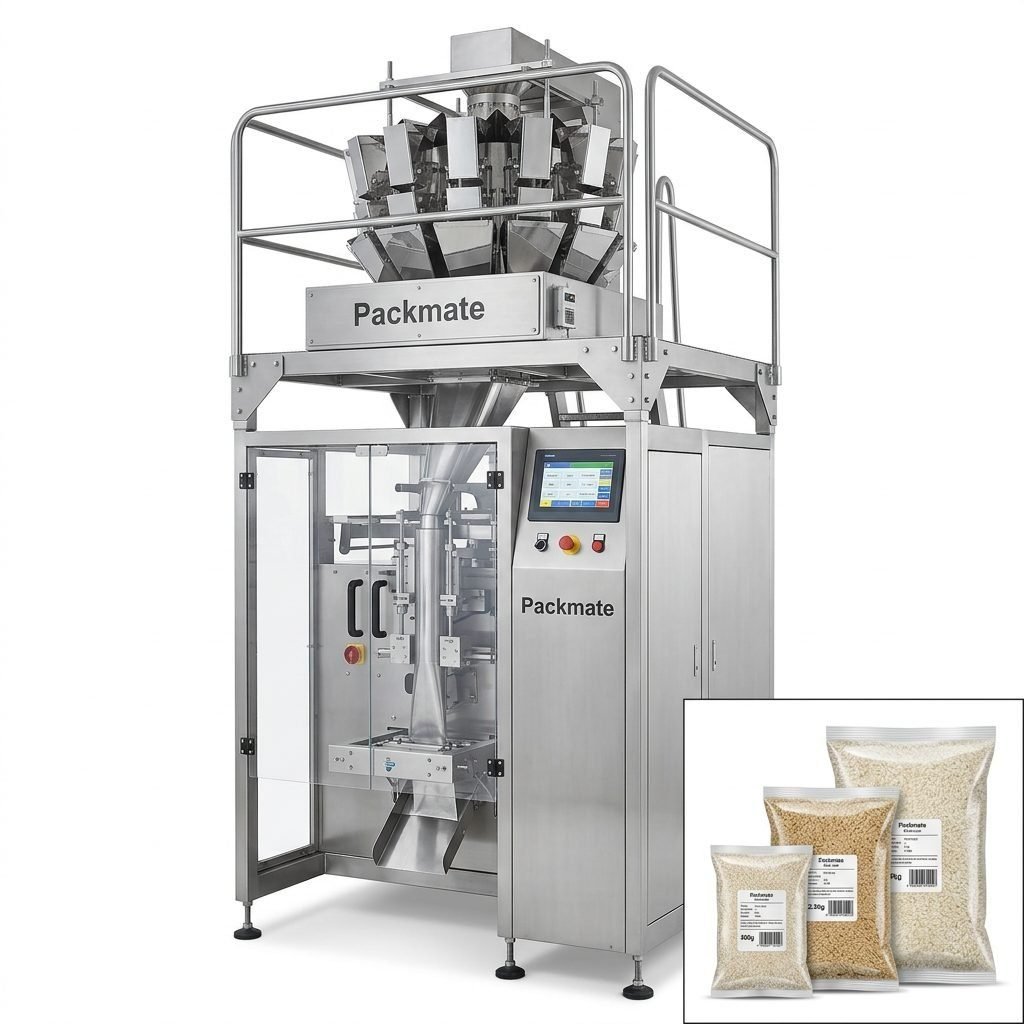
In today’s fast-paced industrial landscape, efficiency and product preservation are paramount. Industrial vacuum packaging machines have emerged as a critical solution across numerous sectors, offering unparalleled benefits in extending shelf life, maintaining product quality, and optimizing logistics. This comprehensive guide delves into the core advantages, diverse applications, and essential factors to consider when investing in this transformative technology.
Understanding Industrial Vacuum Packaging
At its core, industrial vacuum packaging is a method that removes air from a package prior to sealing. This process creates a vacuum inside the pouch or bag, significantly slowing down oxidation and the growth of aerobic bacteria and fungi. Unlike simple home-use sealers, industrial machines are built for durability, speed, and integration into high-volume production lines. They handle a wide range of materials, from flexible films to rigid trays, and are engineered to meet the rigorous demands of 24/7 operation in food processing, pharmaceutical, and electronics manufacturing environments.
Key Benefits of Adopting Vacuum Packaging Technology
The decision to integrate an industrial vacuum packaging system is driven by a multitude of tangible benefits that impact both product quality and the bottom line.
Extended Shelf Life: By removing oxygen, the primary agent in oxidation and spoilage, vacuum packaging can extend the shelf life of products by 3 to 5 times compared to conventional packaging. This is crucial for reducing waste, expanding distribution reach, and managing inventory more effectively.
Enhanced Product Protection & Safety: The airtight seal acts as a robust barrier against moisture, dust, and contaminants. It prevents freezer burn, preserves flavors and aromas, and inhibits the growth of pathogens, ensuring products reach consumers in their intended, safe condition. This level of protection is non-negotiable in industries like pharmaceuticals and nutraceuticals.
Improved Space and Logistics Efficiency: Vacuum-sealed products are compact and rigid, allowing for significantly more efficient use of storage space and transportation containers. This translates directly into lower warehousing and shipping costs, a key factor for businesses operating on thin margins or shipping globally.
Product Presentation and Brand Integrity: A tight, professional vacuum package enhances the visual appeal of a product. It conveys a message of quality, freshness, and care, which strengthens brand perception. The “skin-tight” packaging also allows for clear product visibility, which is highly valued in retail settings.
Primary Industrial Uses and Applications
The versatility of industrial vacuum packaging machines makes them indispensable in a wide array of sectors.
Food Industry: This is the largest application area. Machines are used for packaging fresh and processed meats, cheeses, seafood, ready-to-eat meals, coffee, and dried fruits. They are essential for sous-vide cooking processes and for preserving the quality of specialty ingredients.
Pharmaceutical and Medical: Sterility and protection from moisture are critical. Vacuum packaging is used for surgical kits, diagnostic devices, hygroscopic powders, and herbal extracts, ensuring they remain sterile and effective until the point of use.
Electronics and Precision Parts: Sensitive electronic components, circuit boards, and metal parts are packaged under vacuum to prevent corrosion, oxidation, and contamination from dust and moisture during storage and shipping.
Other notable applications include the packaging of chemicals, industrial samples, archival documents, and luxury goods where preservation is key.
Critical Buying Guide: Choosing the Right Machine
Selecting an industrial vacuum packaging machine is a significant investment. Here are the key factors to guide your decision-making process.
1. Assess Your Production Requirements
Begin by defining your needs. Consider your production volume (low, medium, or high-speed), the size and type of products you will package, and the packaging materials (film type, thickness) required. A machine designed for small spice sachets will differ vastly from one needed for whole smoked hams.
2. Understand Machine Types and Technologies
- Single-Chamber Vacuum Sealers: Ideal for low to medium volume, batch processing. Products are loaded into a chamber, the lid closes, air is evacuated, and the bag is sealed.
- Double-Chamber Vacuum Sealers: Feature two chambers that work alternately, dramatically increasing output. While one chamber is sealing, the other can be loaded, ensuring near-continuous operation.
- External Vacuum Sealers (Nozzle-type): Use a nozzle inserted into the bag to extract air before sealing. Suitable for products that cannot withstand the pressure of a chamber vacuum, like fluffy baked goods or fragile chips.
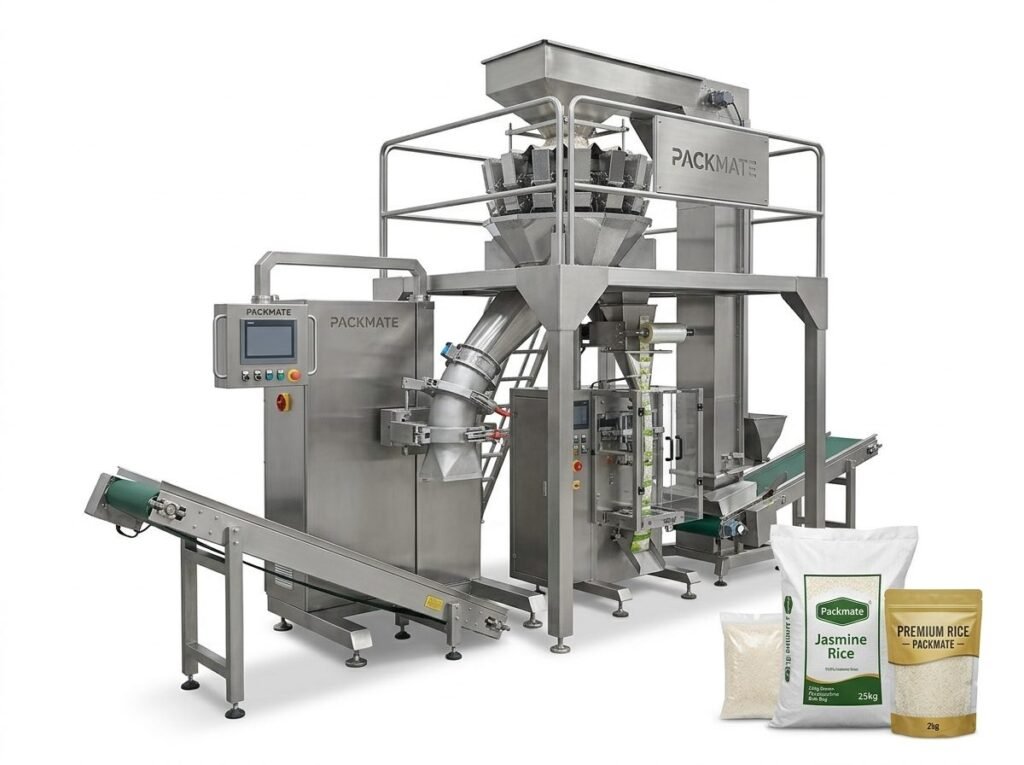
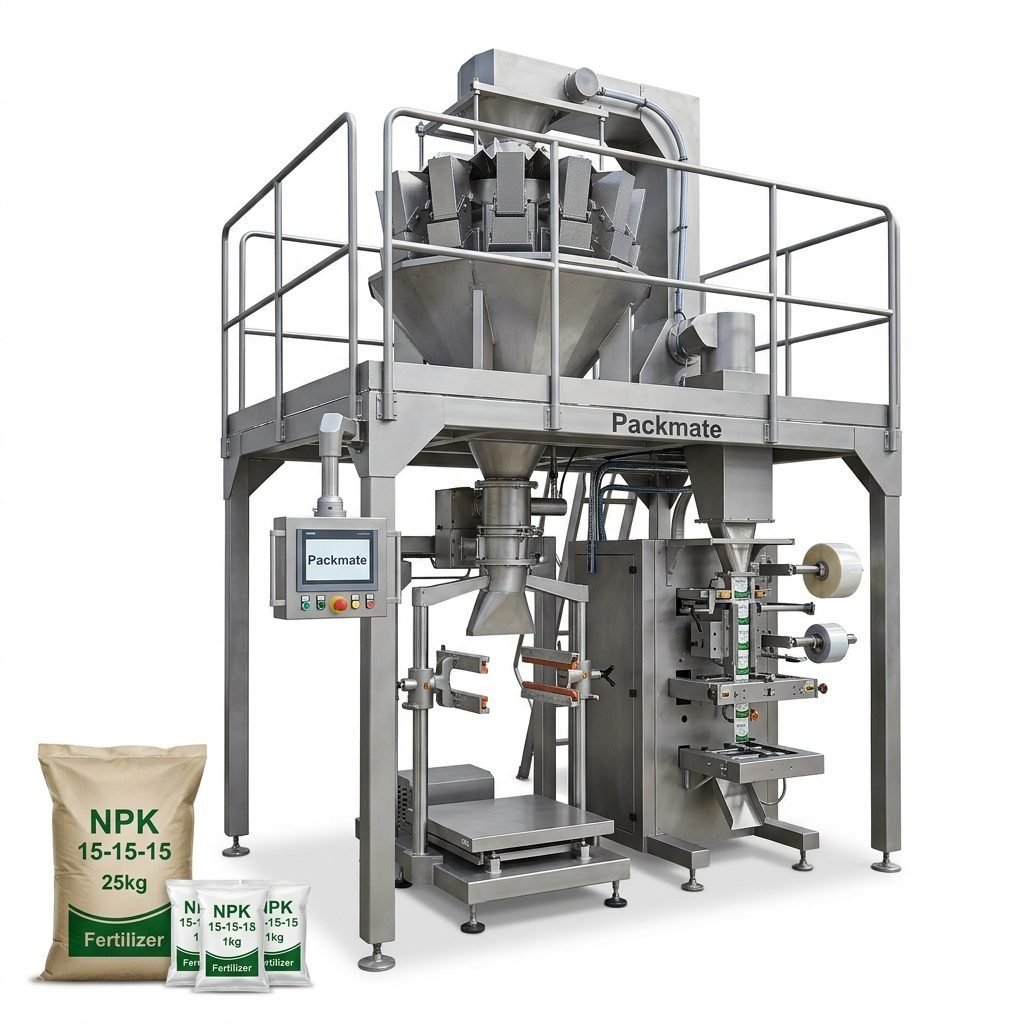
- Automatic Belt Vacuum Machines: The pinnacle of high-speed automation. Bags are automatically fed, positioned, vacuumed, and sealed on a conveyor belt system, often integrated with weighing and filling systems for a complete turnkey line.
3. Evaluate Key Features and Build Quality
Look for machines constructed from food-grade stainless steel for durability and easy cleaning. The vacuum pump is the heart of the machine—oil-sealed rotary vane pumps are common for deep vacuum levels, while oil-less pumps reduce maintenance. Programmable controls for vacuum depth, seal time, and gas flush (for Modified Atmosphere Packaging – MAP) offer crucial flexibility. Ensure the sealing element (bar or wire) is robust and provides a consistent, hermetic seal.
4. Consider the Manufacturer’s Expertise and Support
Partnering with a reputable manufacturer is as important as the machine itself. A company with decades of experience, like Packmate Machinery, brings invaluable expertise in engineering reliable solutions. Consider their ability to provide comprehensive after-sales service, readily available spare parts, and operator training. A manufacturer that offers customization to fit your specific line integration needs can be a tremendous asset.
Investing in the right industrial vacuum packaging machine is a strategic move that enhances product quality, reduces operational costs, and supports business growth. By carefully analyzing your needs and partnering with a trusted equipment provider, you can secure a solution that delivers long-term value and reliability on your production floor.
Frequently Asked Questions (FAQs)
Q: What is the main difference between a chamber vacuum sealer and an external (nozzle) sealer?
A: Chamber sealers place the entire product and bag inside a sealed chamber to remove air, achieving a very strong vacuum ideal for liquids and dense products. External sealers use a nozzle to suck air out of the bag, which is better for bulky, airy, or fragile items that could be crushed in a chamber.
Q: Can I use any plastic bag with an industrial vacuum sealer?
A: No. You must use bags specifically designed for vacuum packaging, which are constructed with layers (often nylon and polyethylene) that provide barrier properties and can withstand the sealing process. Standard plastic bags are not suitable.
Q: How important is the “gas flush” or MAP function?
A: For certain products like fresh red meat or crunchy snacks, a gas flush (replacing removed air with a mix like nitrogen and carbon dioxide) is critical. It helps maintain color, texture, and further extends shelf life beyond what a pure vacuum alone can achieve.
Q: What regular maintenance does an industrial vacuum machine require?
A: Key maintenance tasks include regularly checking and cleaning the sealing bar, ensuring the chamber seal is intact, and (for oil pump models) monitoring and changing the pump oil as recommended. Always follow the manufacturer’s specific maintenance schedule.
Q: Is operator training necessary for these machines?
A: Absolutely. Proper training ensures safe operation, maximizes machine efficiency and lifespan, and guarantees consistent, high-quality seals. Reputable suppliers, including Packmate Machinery, typically provide comprehensive training as part of their service.