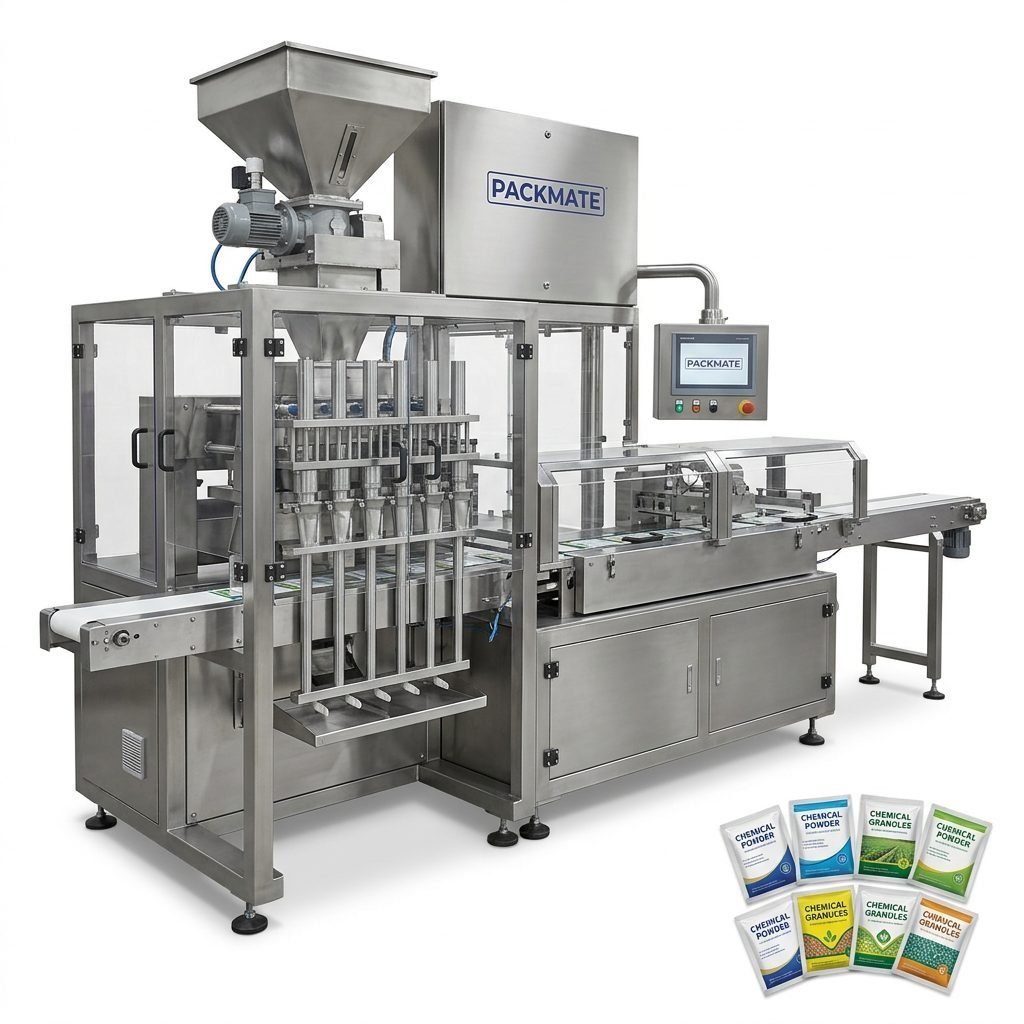
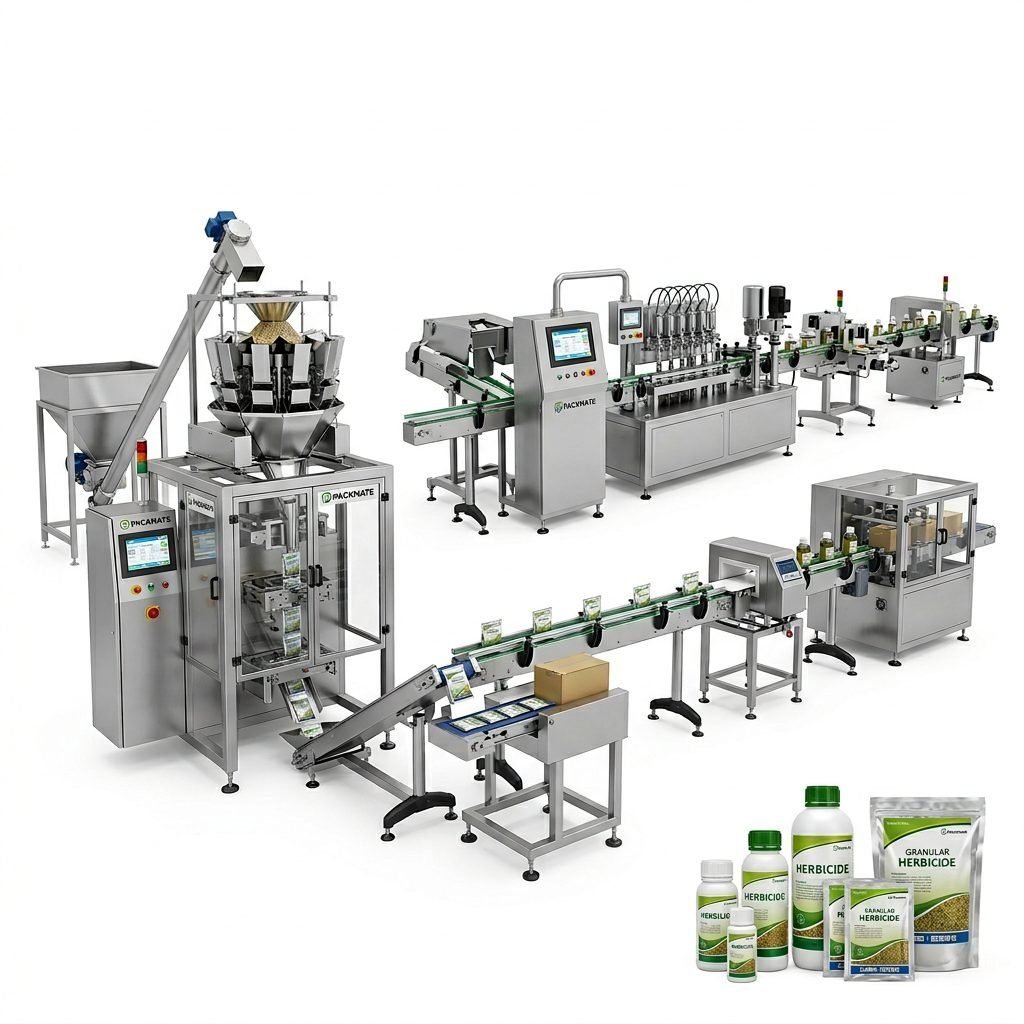
In the fast-paced world of manufacturing, efficiency and precision are paramount. For industries handling granular, powdered, or liquid products—from food and pharmaceuticals to health supplements and chemicals—packaging is a critical final step. An automatic particle packaging machine stands as a cornerstone of modern production lines, transforming loose materials into neatly sealed, market-ready units with remarkable speed and consistency. This guide delves into the various types of these machines, their extensive applications, and the significant benefits they bring to businesses aiming to scale operations and enhance product quality.
Core Types of Automatic Particle Packaging Machines
The term “particle packaging” encompasses a broad range of products, from fine powders to coarse granules. Consequently, machinery is designed to handle specific material characteristics and output requirements. Understanding the primary types is the first step in selecting the right equipment for your needs.
Volumetric Cup Filling Machines
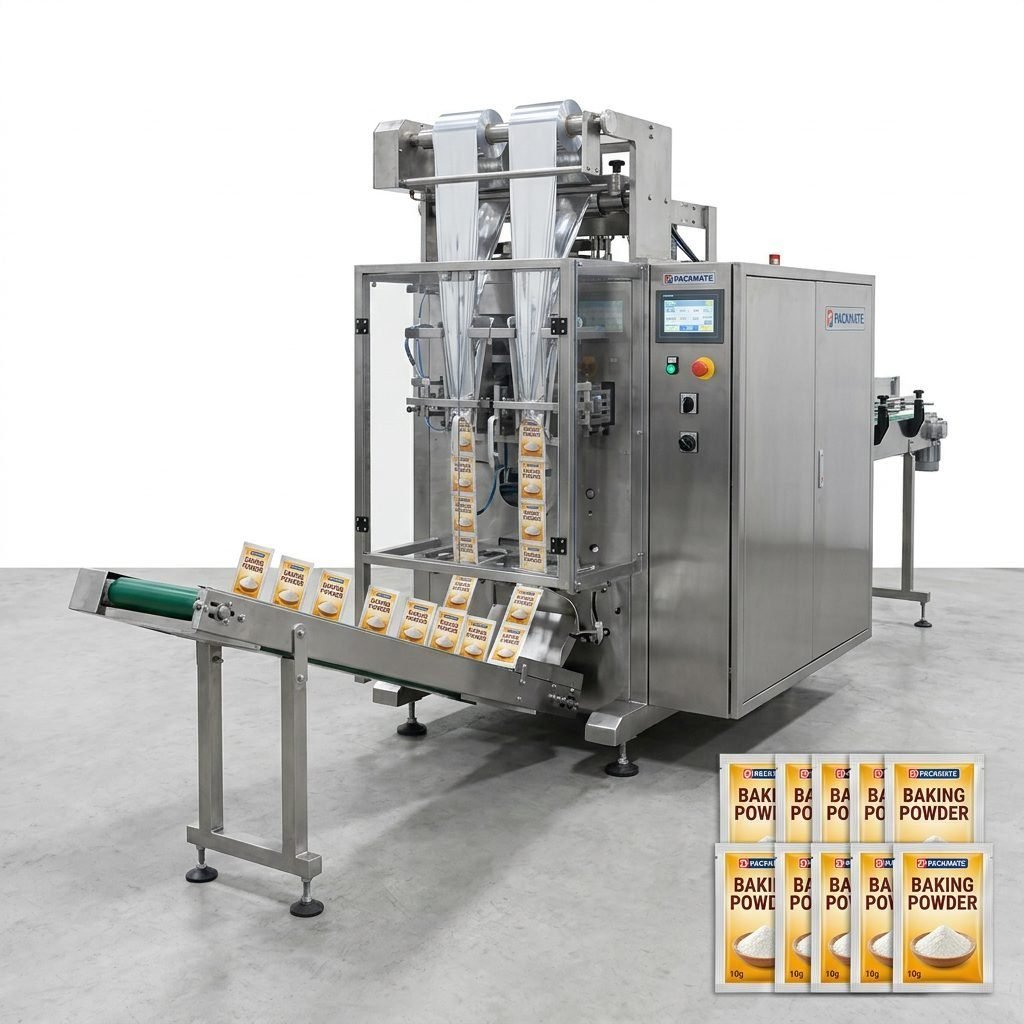
These machines are among the most common for free-flowing granules and powders. They operate by using pre-measured cups or cavities to scoop a consistent volume of product. The simplicity of their mechanism makes them highly reliable, easy to clean, and cost-effective for many applications. They are ideal for products where weight tolerance has some flexibility, such as certain food ingredients or garden seeds.
Auger Filling Machines
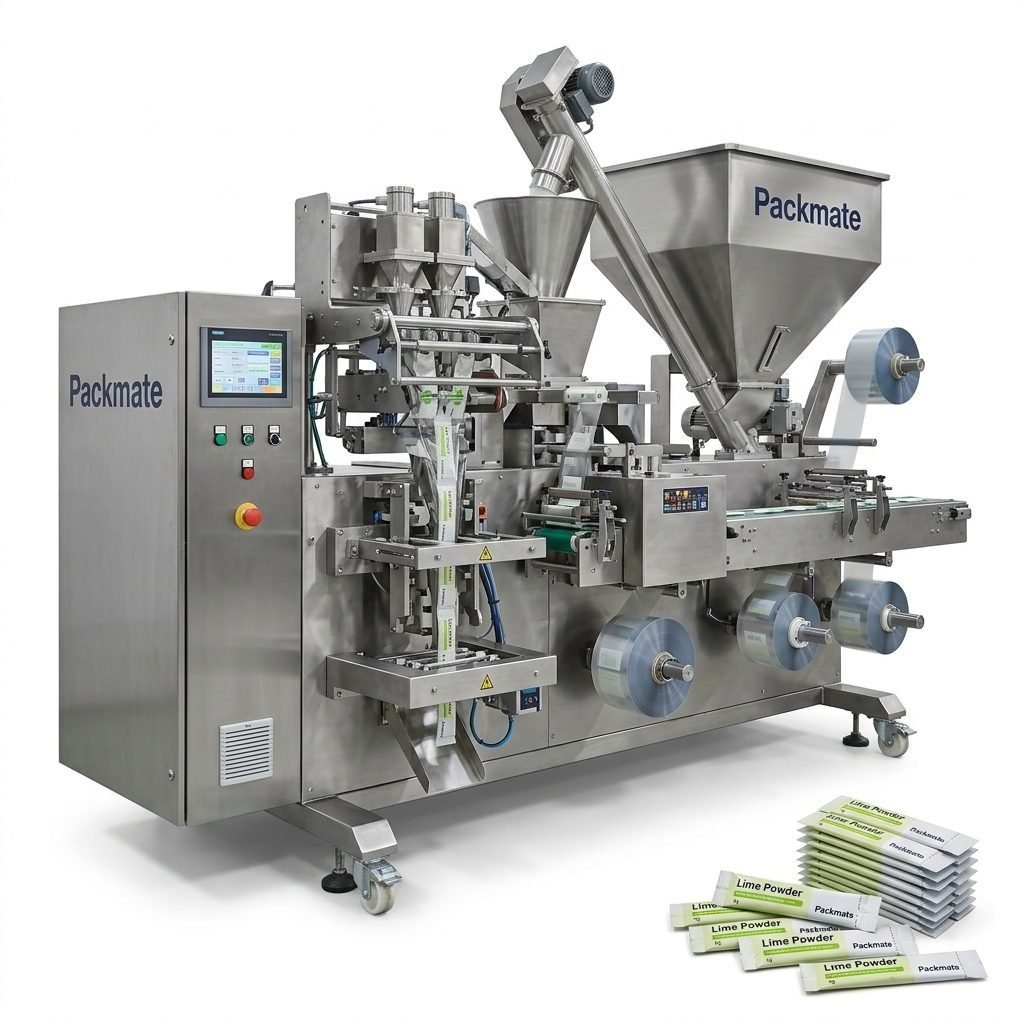
For greater precision, especially with fine, non-free-flowing, or compactable powders, auger fillers are the preferred choice. A rotating screw (auger) within a tube dispenses product based on the number of revolutions. This method allows for excellent accuracy and control over fill weight, making it indispensable for pharmaceutical powders, nutritional supplements, and expensive spices where every gram counts.
Weighing & Multi-head Scale Systems
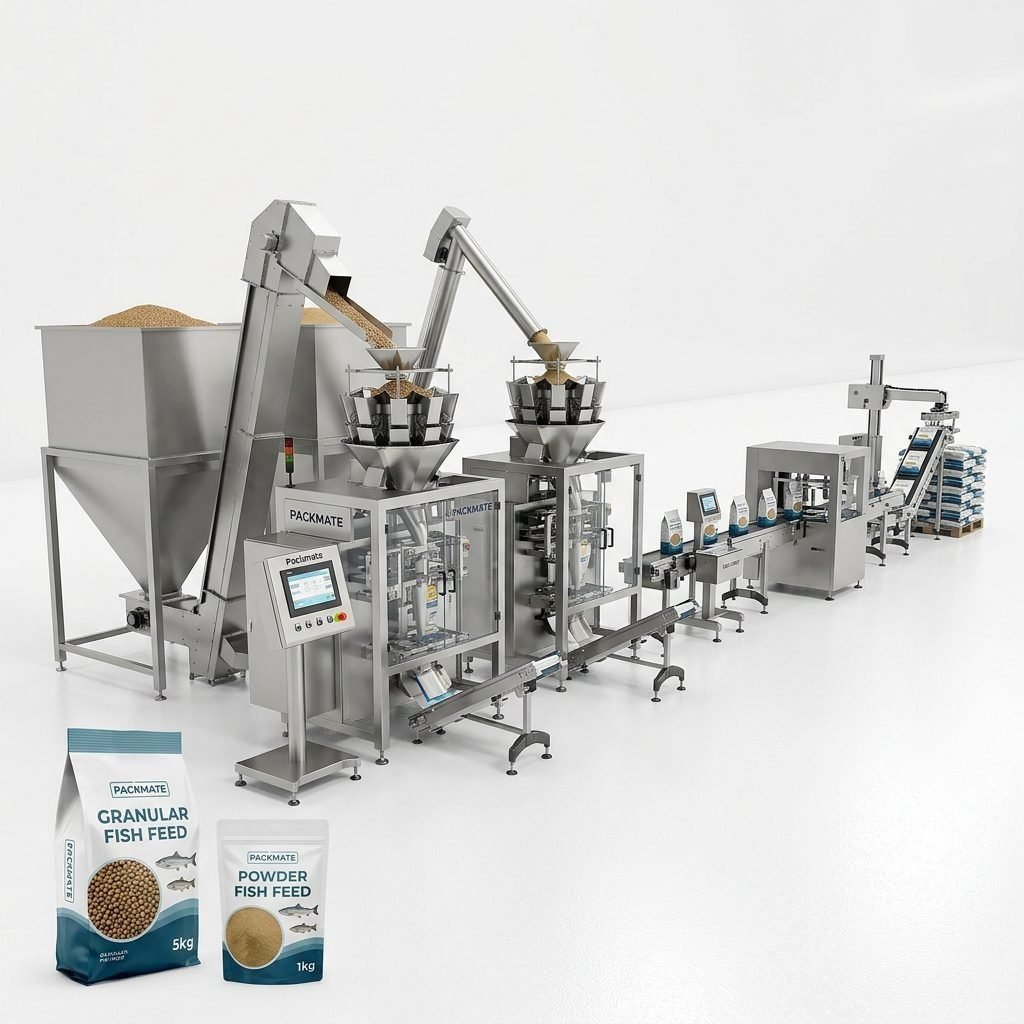
When weight accuracy is non-negotiable, multi-head weigher systems represent the pinnacle of technology. These systems use multiple weigh buckets that combine computations to achieve a target weight with extreme precision. They are exceptionally fast and perfect for irregularly shaped snacks, frozen foods, or hardware items. For a comprehensive look at such systems, explore our range of Weighing & Packaging Systems.
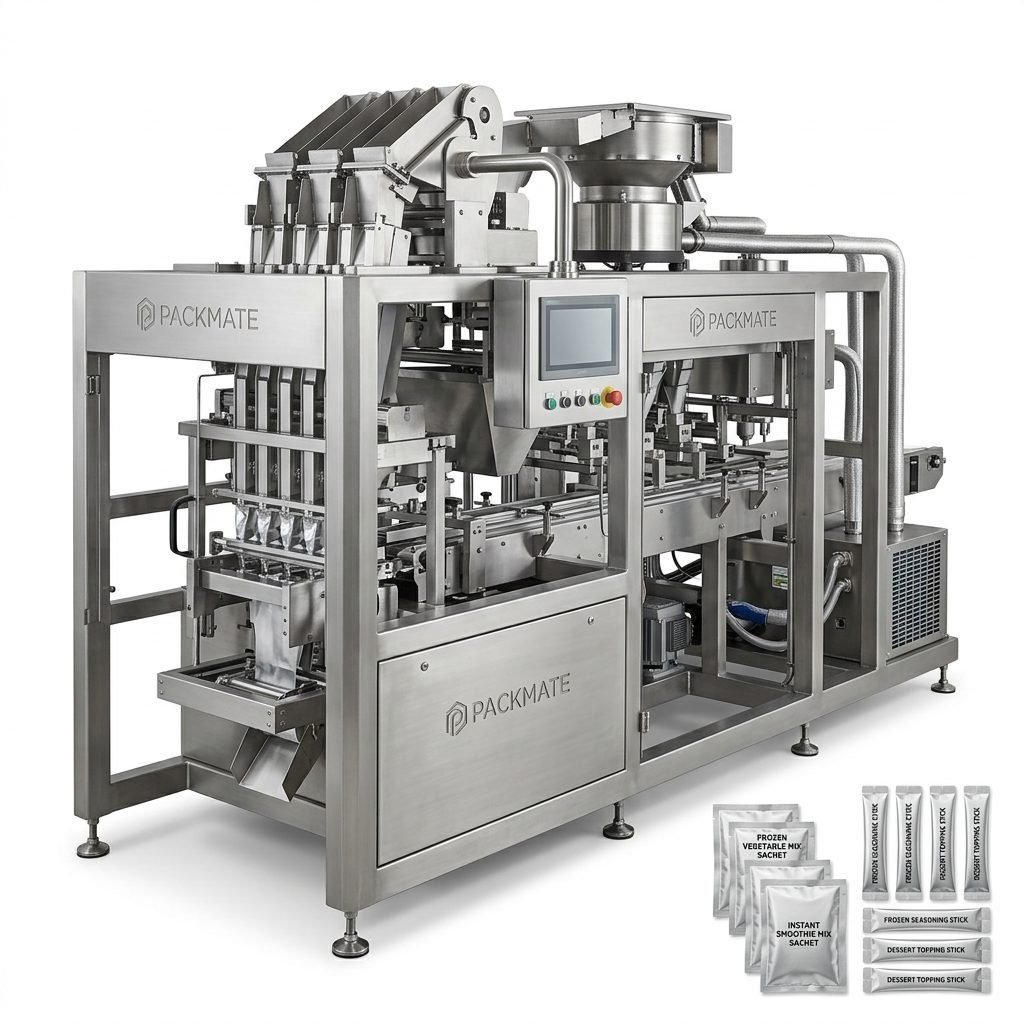
Form-Fill-Seal (FFS) Machines
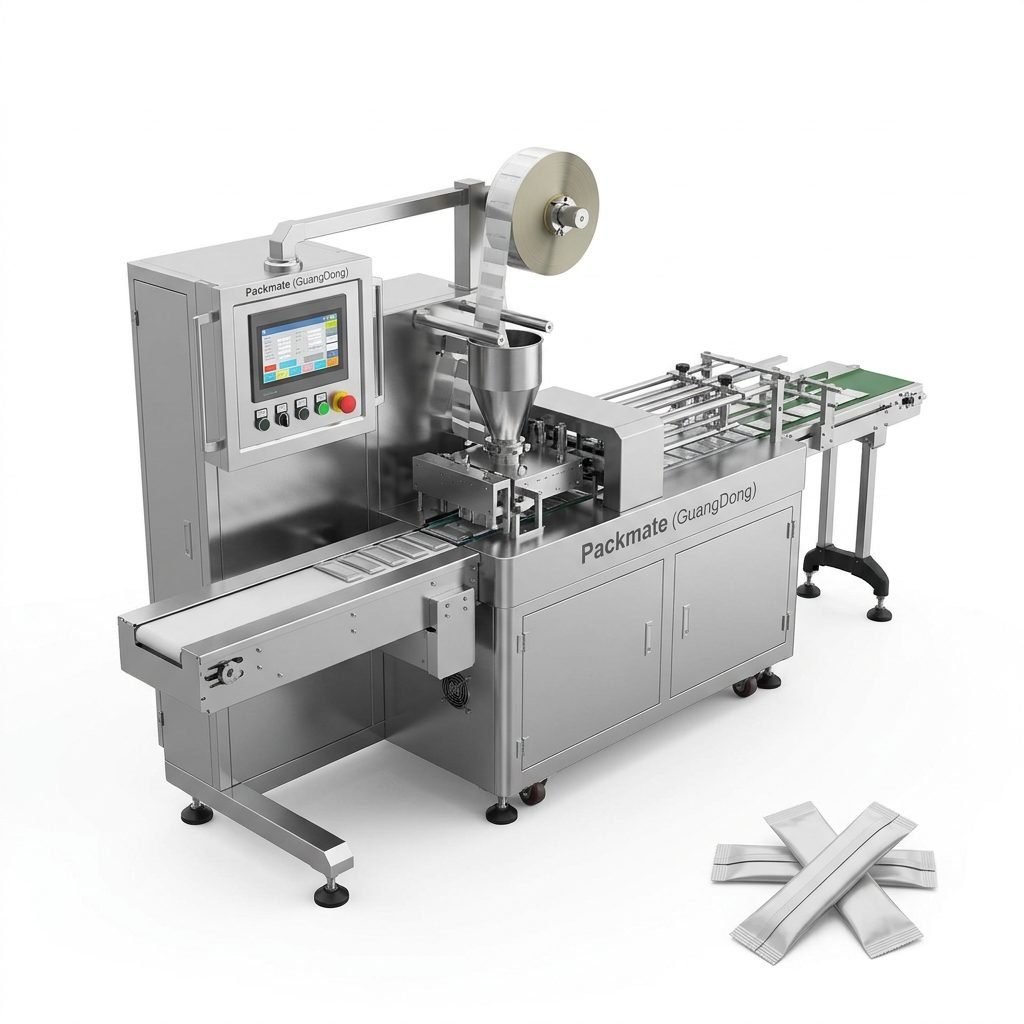
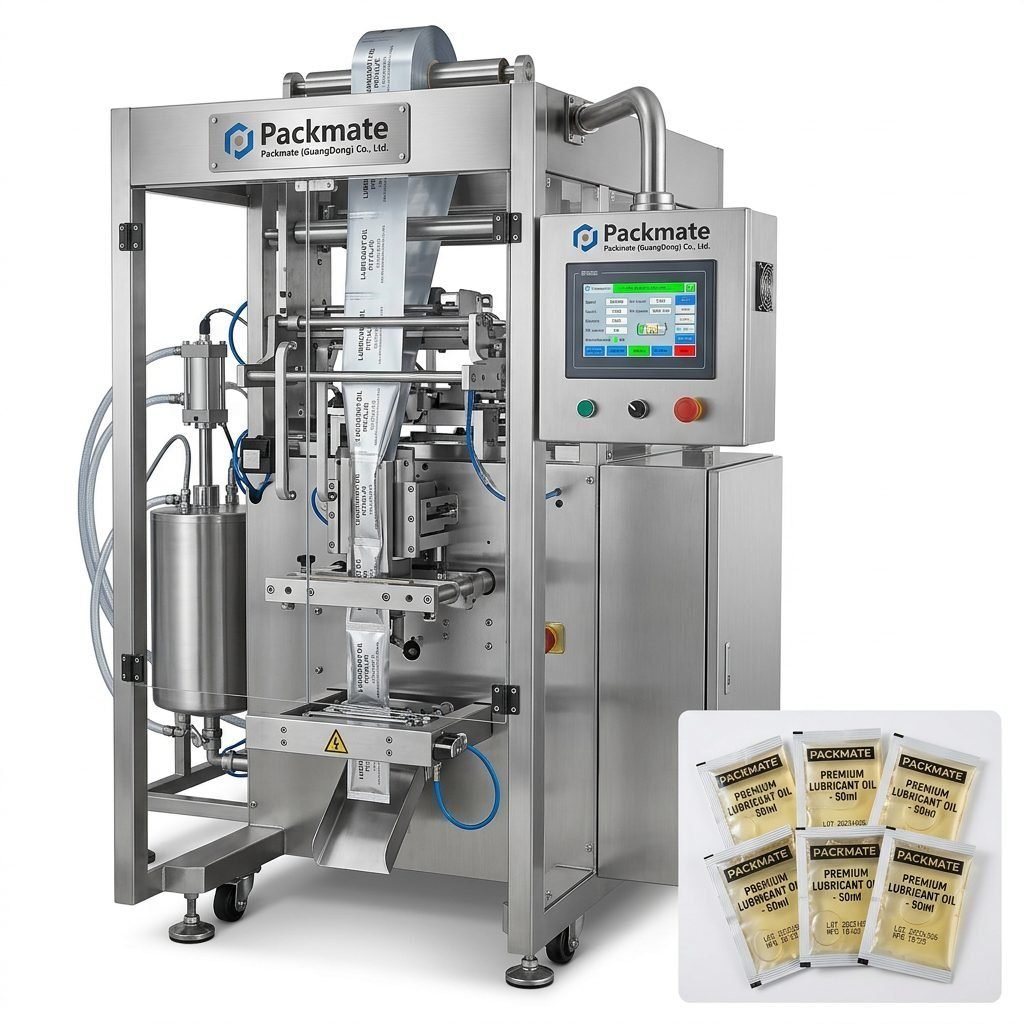
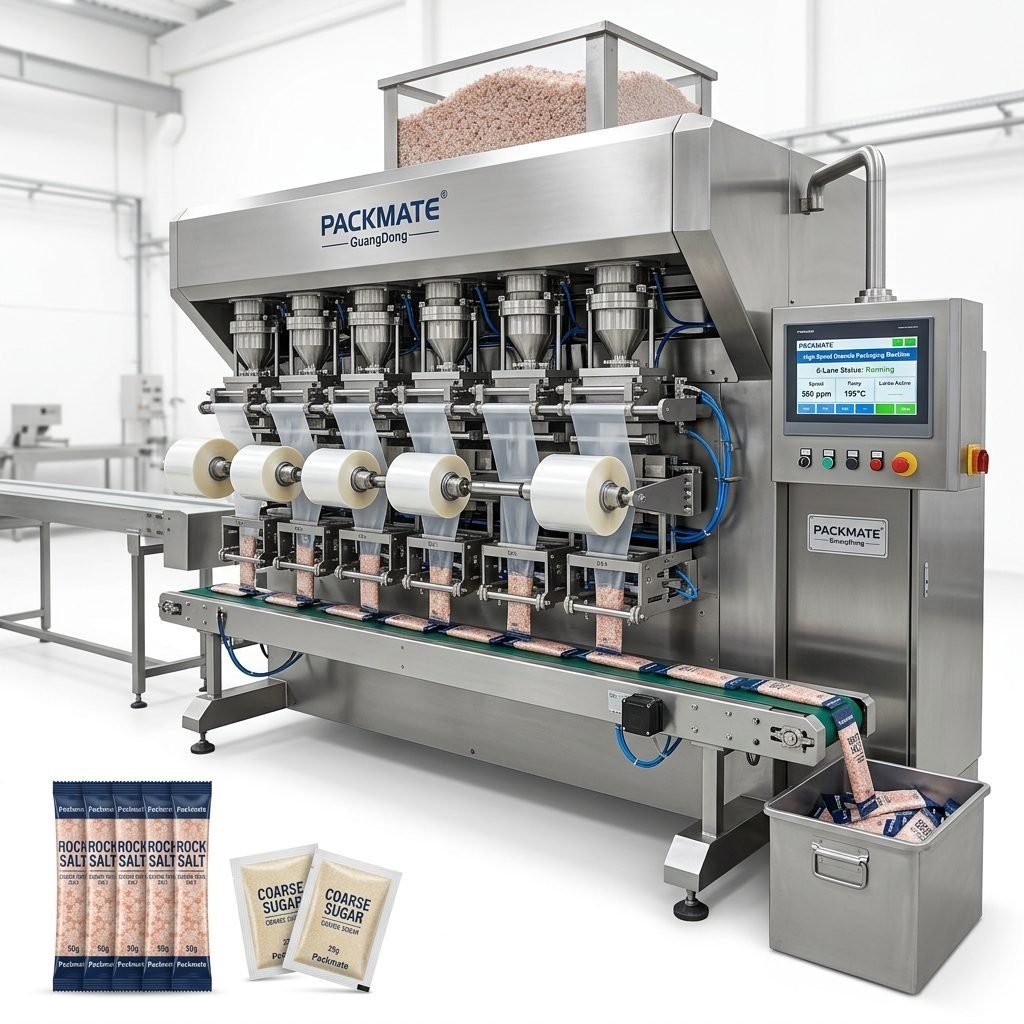
This is an integrated packaging solution. The machine forms packaging from a roll of film, fills it with the measured product, and then seals it—all in one continuous operation. FFS machines are incredibly versatile and can produce various pouch styles, including stick packs, sachets, and stand-up pouches. They maximize hygiene by minimizing product exposure and are a staple in the food and dairy industry. Discover our specialized solutions in Sachet & Stick Pack Machines.
Key Differentiator: Integrated Lines
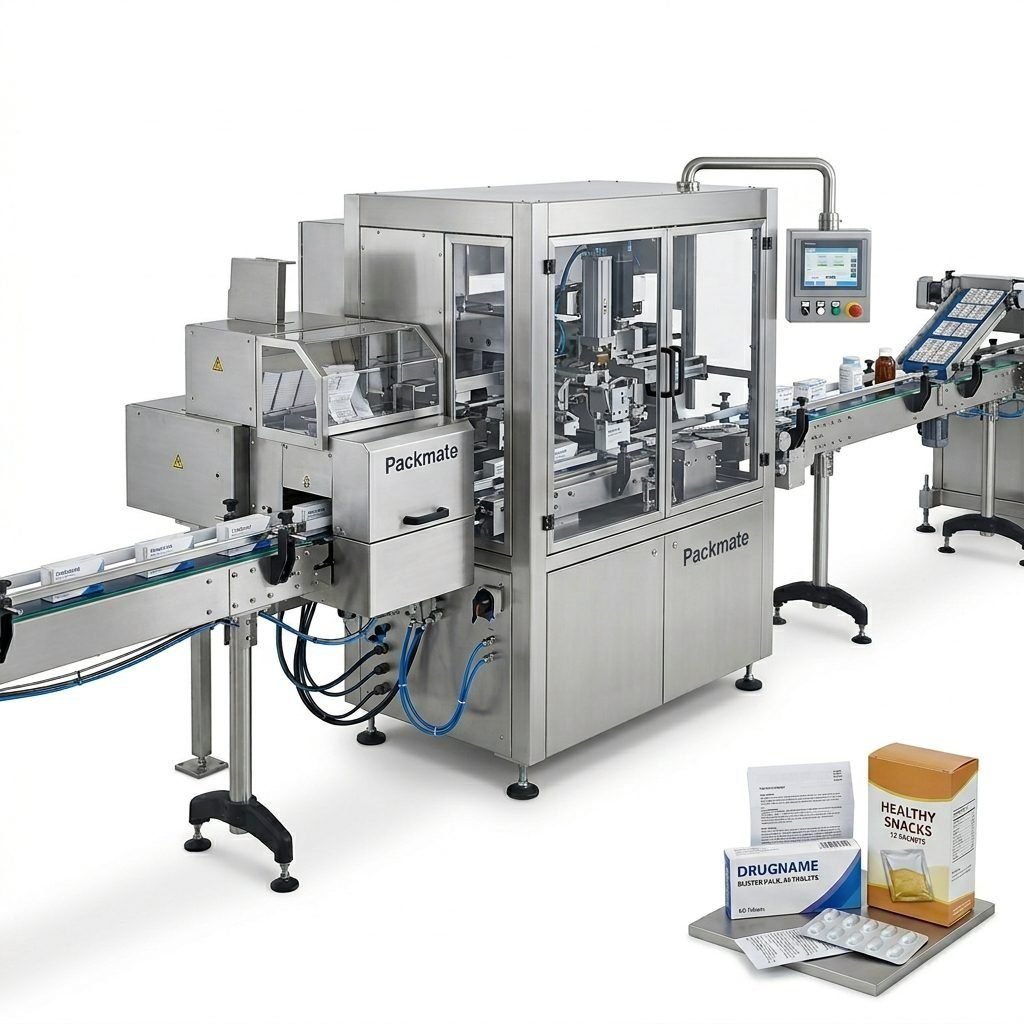
Beyond standalone machines, complete turnkey packaging lines combine filling, sealing, labeling, and cartoning into a synchronized unit. This integration, offered by experienced manufacturers like Packmate Machinery, eliminates bottlenecks, reduces labor, and ensures a seamless flow from production to pallet.
Diverse Industrial Applications & Uses
The utility of automatic particle packaging machines spans numerous sectors. Their adaptability to different products and packaging formats makes them a universal asset.
Food & Beverage Industry: This is the largest application area. Machines package everything from sugar, salt, and spices to instant coffee, tea, and soup mixes. They also handle grains, nuts, and powdered milk. Hygiene, speed, and the ability to handle various portion sizes are critical here.
Pharmaceutical & Nutraceutical Sector: Precision and contamination control are paramount. Machines used in this field often feature stainless-steel contact parts, easy sterilization, and ultra-accurate filling for powders, granules, and herbal medicines into sachets or bottles.
Chemical & Agricultural Products: Detergents, fertilizers, pesticides, and seeds require robust and often corrosion-resistant machinery. Packaging must be secure to prevent leakage and protect contents from moisture.
Cosmetics & Personal Care: Bath salts, body powders, and facial masks are typical products. Aesthetic appeal of the final package and gentle handling of products are important considerations for machines in this niche.
Specialized Application: Snus & Nicotine Pouches
A growing niche market requires specialized equipment. Packaging moist, fine-cut tobacco or nicotine portions into discrete pouches demands unique material handling and precise portioning technology. For businesses in this sector, dedicated Snus & Nicotine Packaging Machines are engineered to meet these specific challenges with high speed and consistency.
Tangible Benefits of Automation
Investing in an automatic particle packaging machine is a strategic decision that yields a strong return on investment through multiple channels.
Dramatically Increased Productivity & Output: Automation eliminates the speed limitations of manual packing. Machines can fill and seal hundreds, even thousands, of units per minute, enabling businesses to meet high demand and scale production effortlessly.
Unmatched Consistency & Accuracy: Human error in measurement is eliminated. Every package receives the exact same amount of product, ensuring compliance with net weight regulations and building brand trust through consistent quality. This reduces product giveaways and saves material costs.
Significant Labor Cost Reduction: Automating the repetitive task of filling and sealing frees up skilled workers for more value-added roles like quality control, machine supervision, and maintenance. It also mitigates challenges associated with labor shortages.
Enhanced Hygiene & Safety: Closed-system packaging minimizes product contact with the environment, reducing the risk of contamination—a critical factor in food and pharmaceutical applications. It also improves worker safety by limiting their exposure to potentially dusty or hazardous materials.
Improved Packaging Quality & Brand Image: Automated machines produce neat, professional-looking packages with uniform seals. This enhances the product’s shelf appeal and reinforces a perception of quality and reliability in the consumer’s mind.
Operational Flexibility: Modern machines are designed for quick changeovers. With adjustable settings for weight, pouch size, and sealing parameters, a single line can often handle multiple products, allowing for agile responses to market trends.
Choosing the Right Machine: A Partner Matters
Selecting the optimal automatic particle packaging machine involves careful analysis of your product characteristics, desired output, budget, and future growth plans. It’s not just about buying a machine; it’s about investing in a solution and a partnership.
This is where the expertise of the manufacturer becomes invaluable. A company with deep industry experience, like Packmate Machinery, doesn’t just sell equipment. With over 30 years of expertise and a 20,000㎡ modern facility, they provide complete turnkey packaging solutions. Their team can analyze your needs, recommend the right model from their portfolio of over 50 machines—whether it’s a Bag & Pouch Packaging Machine or a complex Filling & Packaging Line—and ensure proper integration, training, and support. Their journey, from a small workshop in 1993 to a global provider today, is built on a foundation of quality, innovation, and collaboration—values essential for a successful long-term partnership.
Frequently Asked Questions (FAQ)
What is the main difference between a volumetric and an auger filler?
Volumetric fillers measure by volume (cup size) and are best for free-flowing products where high speed is prioritized over ultra-high precision. Auger fillers measure by the controlled displacement of product via a screw and are used for fine, fluffy, or non-free-flowing powders where weight accuracy is critical.
Can one machine handle different types of particles?
Many machines offer flexibility, but there are limits. A machine configured for fine powder may struggle with large granules, and vice versa. Key factors are particle size, flowability, and abrasiveness. Discuss your specific product range with the manufacturer to find a machine capable of handling your required changeovers.
How do I ensure the packaging machine meets hygiene standards for food or Pharma?
Look for machines constructed with food-grade or pharmaceutical-grade materials, such as 304 or 316 stainless steel for product contact parts. Designs should be easy to disassemble and clean without tools (CIP/SIP capabilities), and should minimize ledges or areas where product can accumulate.
What kind of maintenance do these machines require?
Regular maintenance typically includes cleaning, lubrication of moving parts, inspection of seals and wear parts (like augers or filling cups), and calibration of scales. A reputable supplier will provide a maintenance schedule and training. Having a reliable source for Service and spare parts is crucial for minimizing downtime.
Is automation cost-effective for a small or medium business?
Absolutely. The concept of automation is scalable. There are semi-automatic and compact fully automatic machines designed for lower output requirements. The ROI is calculated not just on labor savings, but also on reduced material waste, improved quality (fewer returns), and the ability to accept larger orders and grow. An investment in the right machine can be a key enabler for business expansion.