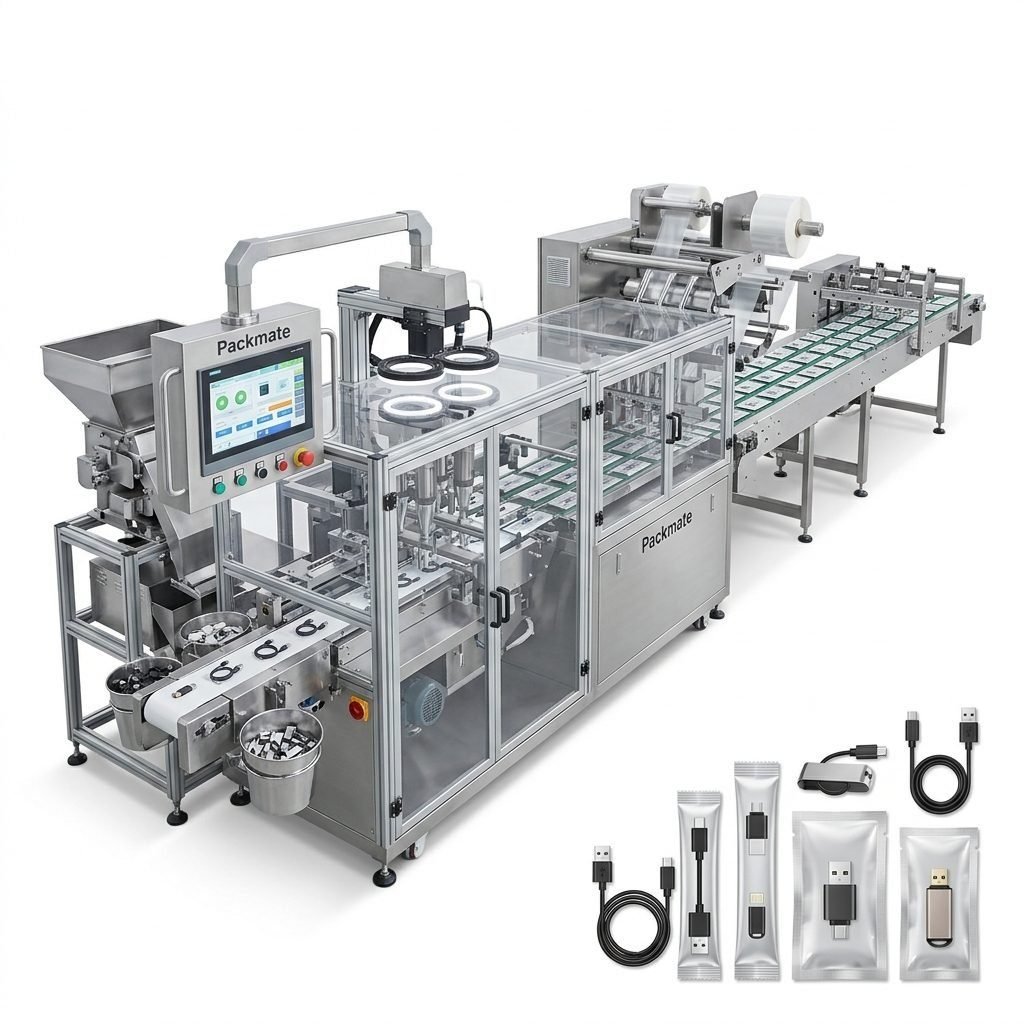
In today’s fast-paced manufacturing world, efficiency and precision are paramount. For businesses handling liquids—from beverages and sauces to pharmaceuticals and cosmetics—the right packaging equipment is not just a luxury; it’s a necessity. Liquid packaging machines automate the process of filling and sealing containers, ensuring consistency, reducing waste, and significantly boosting production output. This guide delves into the various types of liquid packaging machines, their substantial benefits, and provides a comprehensive framework for making an informed purchase decision.
Understanding the Different Types of Liquid Packaging Machines
The market offers a diverse range of liquid packaging machines, each designed for specific viscosities, container types, and production scales. Choosing the right type is the first critical step.
Volumetric Filling Machines
These are among the most common and versatile fillers. They operate by dispensing a pre-set volume of liquid into each container. Common technologies within this category include:
Piston Fillers: Ideal for thick, viscous products like pastes, sauces, and creams. A piston draws a precise volume from a product cylinder and injects it into the container. They offer excellent accuracy.
Diaphragm Fillers: Perfect for sterile applications or handling aggressive chemicals. The product only contacts a flexible diaphragm, preventing contamination and corrosion.
Gravity Fillers: Best for free-flowing, non-foaming liquids like water and juices. The liquid flows by gravity from a tank into bottles, with fill level controlled by a timer or sensor.
Net Weight Filling Machines
For products where cost is directly tied to weight (e.g., premium oils, chemicals), net weight fillers provide the highest accuracy. Each container is weighed on a scale before, during, and after filling, with the filler adjusting in real-time to hit the exact target weight.
Form-Fill-Seal (FFS) Machines
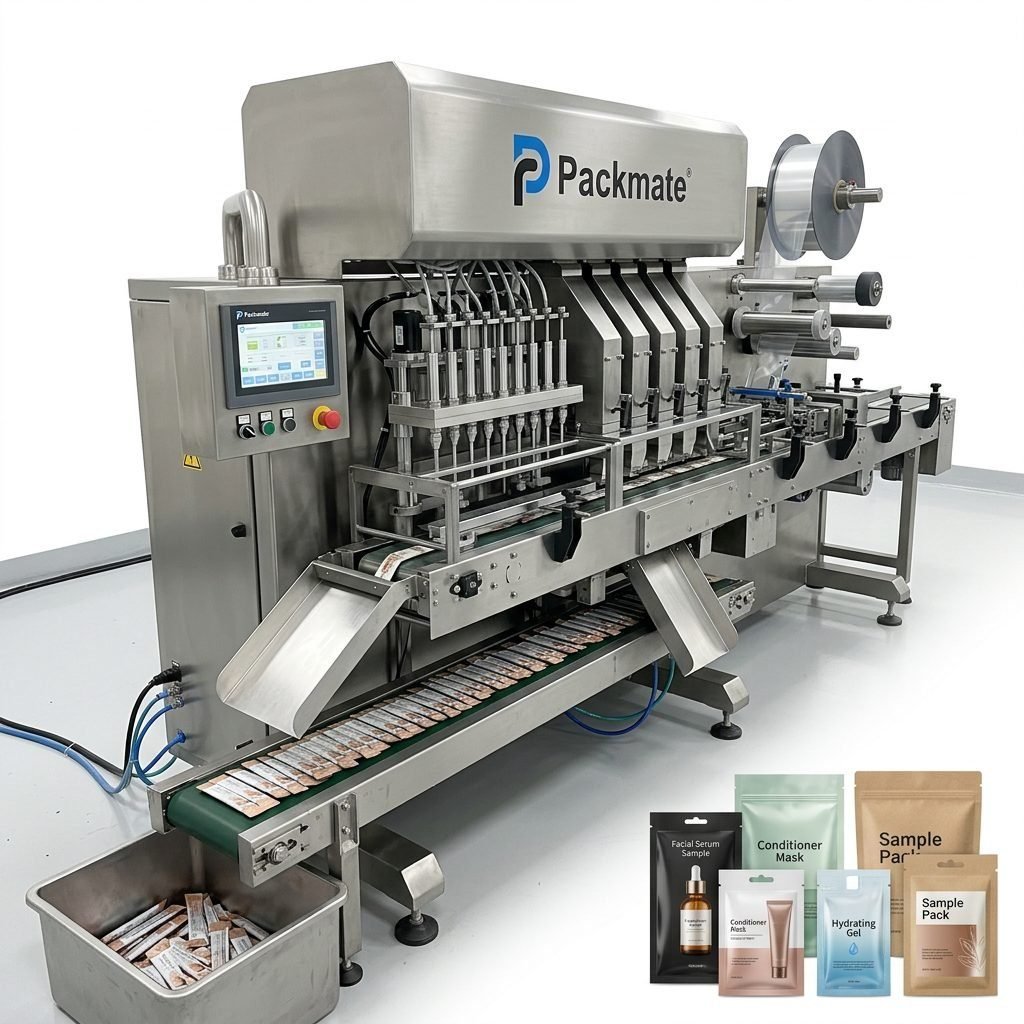
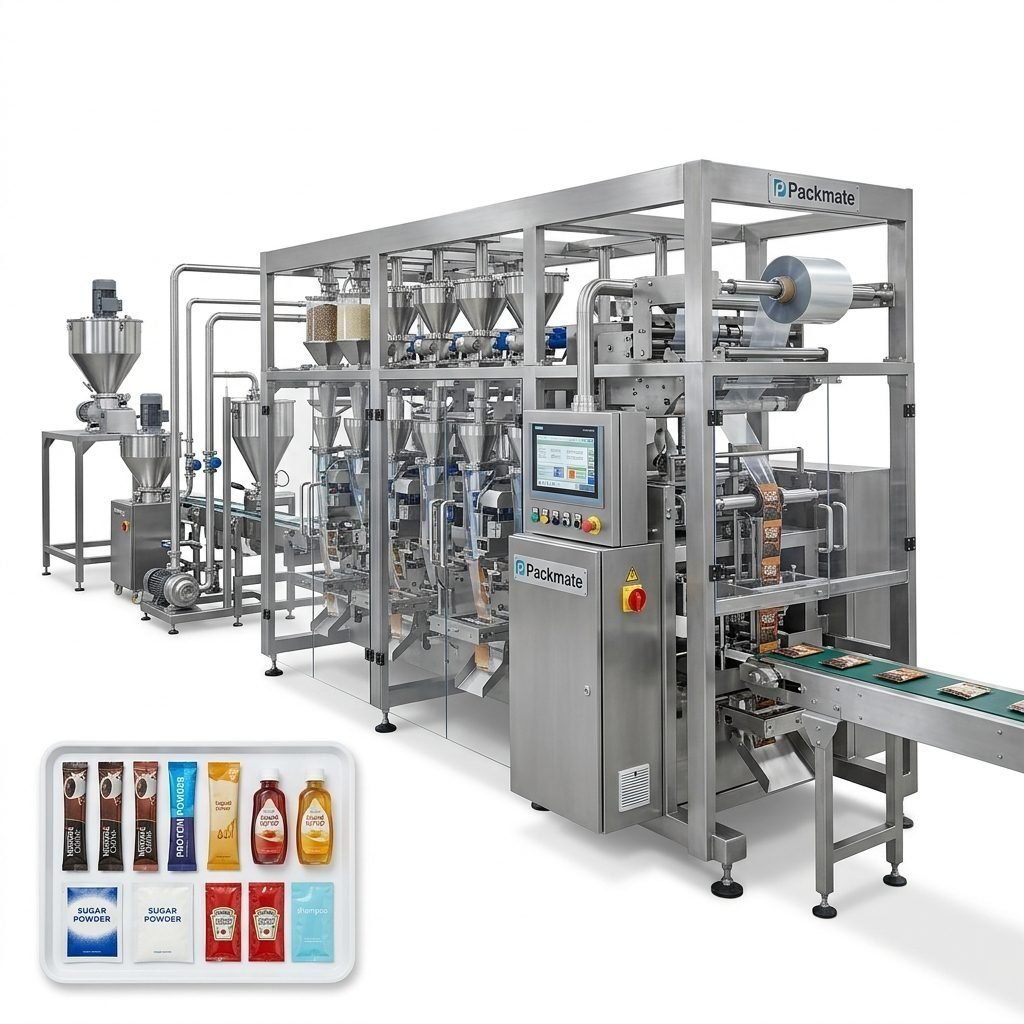
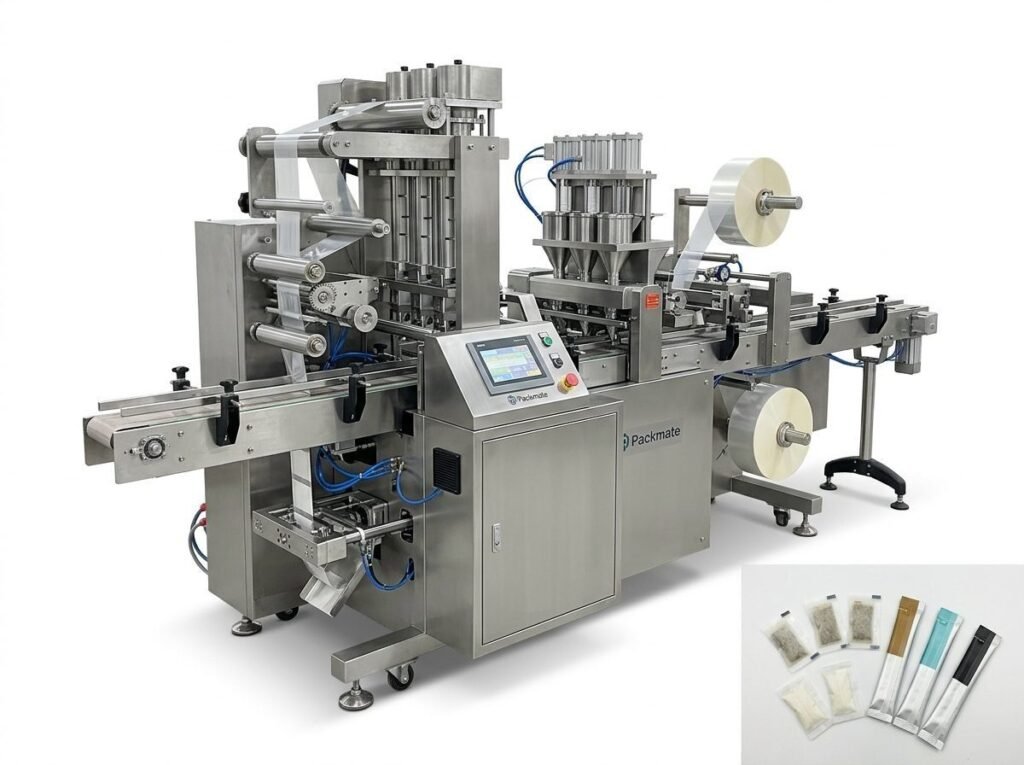
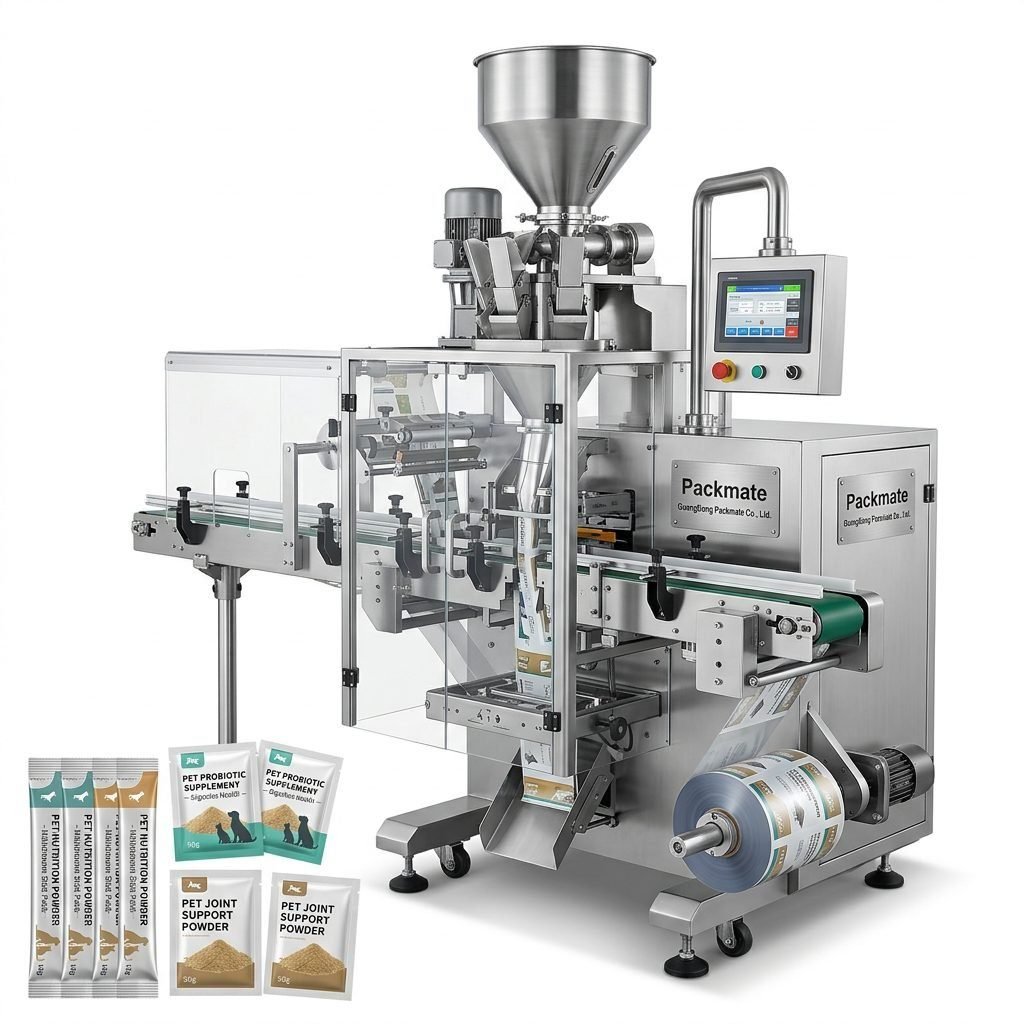
These are all-in-one powerhouses, particularly relevant for sachet and stick pack formats. They form packaging from a roll of film, fill it with a precise liquid dose, and then seal it—all in one continuous operation. This is ideal for single-serve portions of condiments, dairy creamers, or liquid supplements.
Pressure Fillers
Used for carbonated beverages or products that need to be filled without exposure to air. The container and filler bowl are pressurized equally, allowing the liquid to flow smoothly without losing carbonation or causing excessive foam.
The Compelling Benefits of Automating Liquid Packaging
Investing in a liquid packaging machine yields a strong return on investment through multiple channels.
Enhanced Speed and Productivity: Machines can fill hundreds, even thousands, of containers per hour, a rate unattainable by manual labor. This directly increases your output and capacity.
Unmatched Accuracy and Consistency: Automated systems eliminate human error in measurement. Every pouch, bottle, or sachet receives the exact same amount of product, ensuring compliance with regulations and protecting your brand’s reputation for quality.
Significant Cost Reduction: While the initial investment exists, machines drastically reduce long-term labor costs and minimize product giveaway through precise filling. They also cut down on spillage and waste.
Improved Hygiene and Safety: Closed automated systems reduce product exposure to contaminants from the environment or human handlers. This is critical for food, beverage, and pharmaceutical applications. It also enhances worker safety by minimizing contact with potentially hazardous materials.
Operational Flexibility: Modern machines, like many in the filling and packaging lines offered by leading manufacturers, are designed for quick changeovers. This allows you to switch between different container sizes or products with minimal downtime, catering to smaller batch productions.
Your Essential Buying Guide: Key Considerations
Selecting the perfect machine requires a careful evaluation of your specific needs and the machine’s capabilities.
1. Analyze Your Product Characteristics
The nature of your liquid dictates the technology. Consider its viscosity (thin like water or thick like honey), foaming tendencies, presence of particulates, and whether it’s corrosive or sterile. A piston filler might be perfect for shampoo, while a gravity filler suits juice.
2. Define Your Production Requirements
You must know your required output speed (units per minute/hour). Also, consider the range of container sizes and types (bottles, pouches, cans) you plan to use. Will you need future scalability? Your answers here will narrow down the machine’s size and complexity, from semi-automatic bench-top units to fully integrated weighing and packaging systems.
3. Evaluate Machine Construction and Compliance
Look for robust construction using food-grade or sanitary materials like 304 or 316L stainless steel, especially for contact parts. Ensure the machine complies with relevant industry standards (e.g., FDA, GMP, CE). This is non-negotiable for product safety and market access.
4. Prioritize Ease of Use and Support
A machine with an intuitive Human-Machine Interface (HMI) reduces training time and operator error. Equally important is the manufacturer’s reputation for after-sales service, technical support, and parts availability. A reliable partner ensures your line keeps running smoothly for years.
Pro Tip: Always request a live or video demonstration using a sample of your actual product. This is the best way to verify performance, accuracy, and compatibility before purchase.
5. Consider Total Cost of Ownership (TCO)
Look beyond the initial purchase price. Factor in installation costs, expected maintenance, energy consumption, and the cost of changeover parts. A slightly more expensive, well-built machine from a reputable supplier like Packmate Machinery often proves more economical in the long run due to higher durability, efficiency, and better support.
Frequently Asked Questions (FAQ)
What type of liquid packaging machine is best for high-viscosity products like pastes or gels?
Piston fillers are typically the best choice for high-viscosity products. Their positive displacement action provides the necessary force to push thick materials accurately into containers without dripping or stringing. For extremely thick pastes, a twin-piston system might be recommended.
How can I ensure the packaging machine meets hygiene standards for food or pharmaceutical use?
Ensure the machine is constructed with sanitary design principles: using 304 or 316L stainless steel for product contact parts, having easy-clean surfaces with minimal crevices, and offering Clean-in-Place (CIP) or Steam-in-Place (SIP) capabilities. Always verify that the supplier’s design complies with relevant FDA, GMP, or other regional hygiene regulations.
Can one machine handle different container sizes and shapes?
Yes, many modern machines are designed for quick changeovers. However, this often requires purchasing additional change parts like filling nozzles, container holders, or sealing jaws specific to each container format. When discussing your needs with a supplier, be clear about the range of containers you plan to use to ensure the machine can be adapted efficiently.
What is the typical maintenance required for a liquid packaging machine?
Routine maintenance includes daily cleaning, lubrication of moving parts as per the manual, and inspection of seals and gaskets for wear. Periodic checks on sensors, drives, and the control system are also crucial. Choosing a supplier that provides clear manuals, training, and readily available spare parts is key to minimizing downtime.
Is it better to buy a standalone filler or an integrated packaging line?
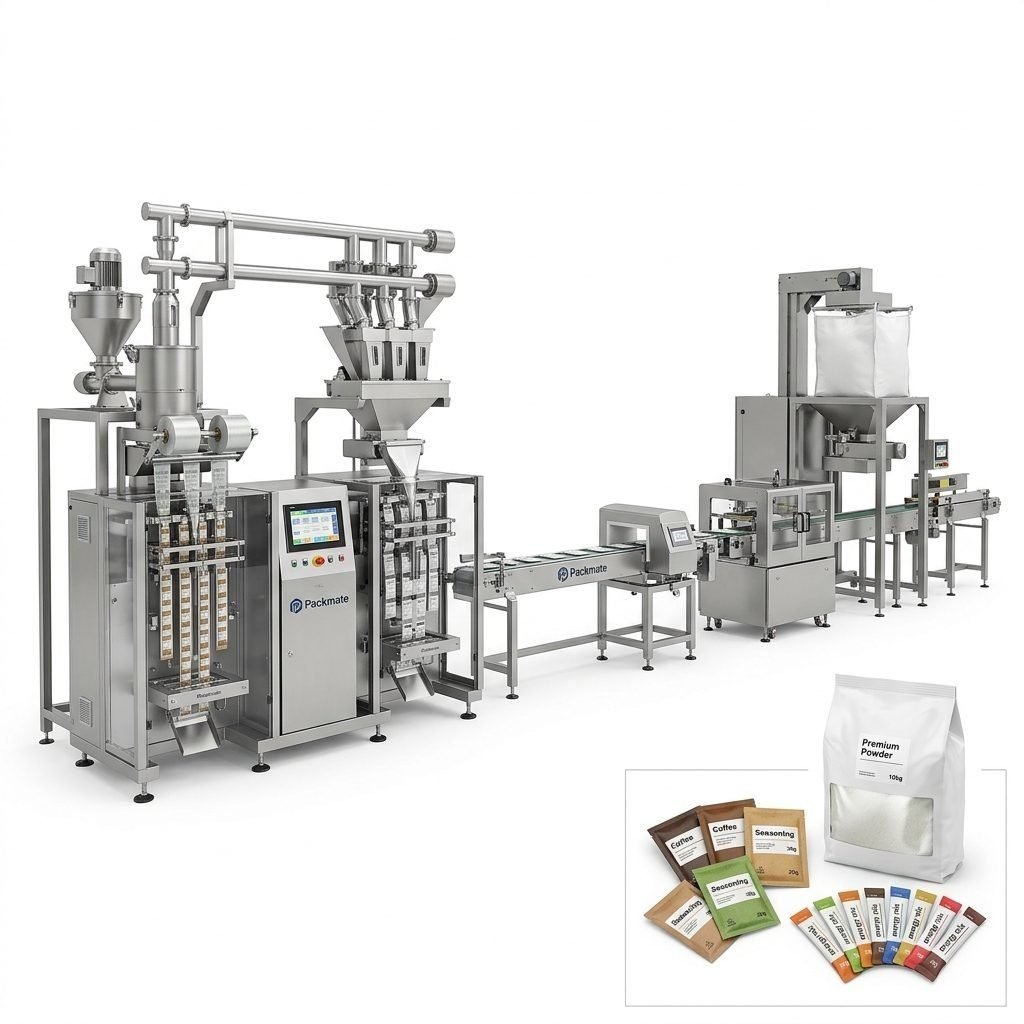
It depends on your production volume and workflow. A standalone filler is suitable if you have manual or separate systems for container handling, capping, and labeling. For medium to high-volume production, an integrated line that includes unscrambling, filling, capping, and labeling in one synchronized system maximizes efficiency, reduces labor, and minimizes handling damage.