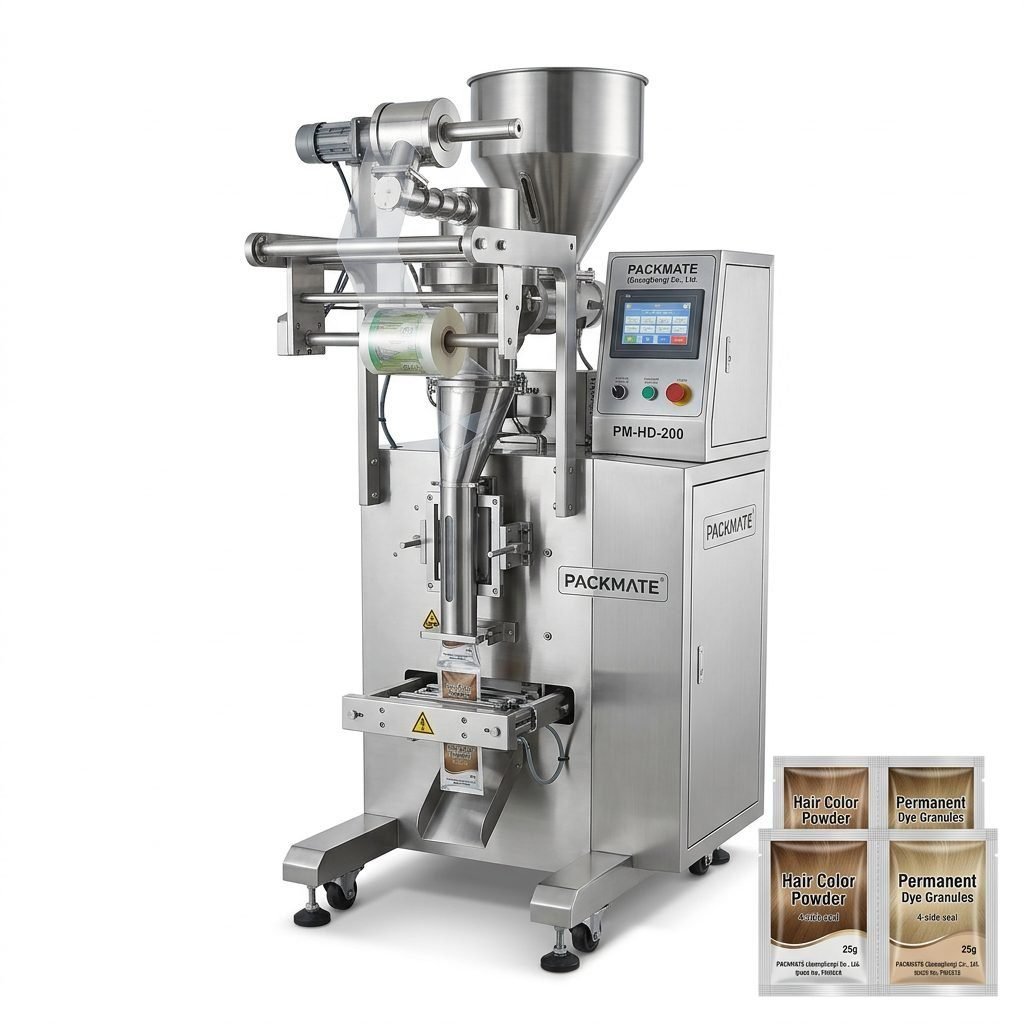
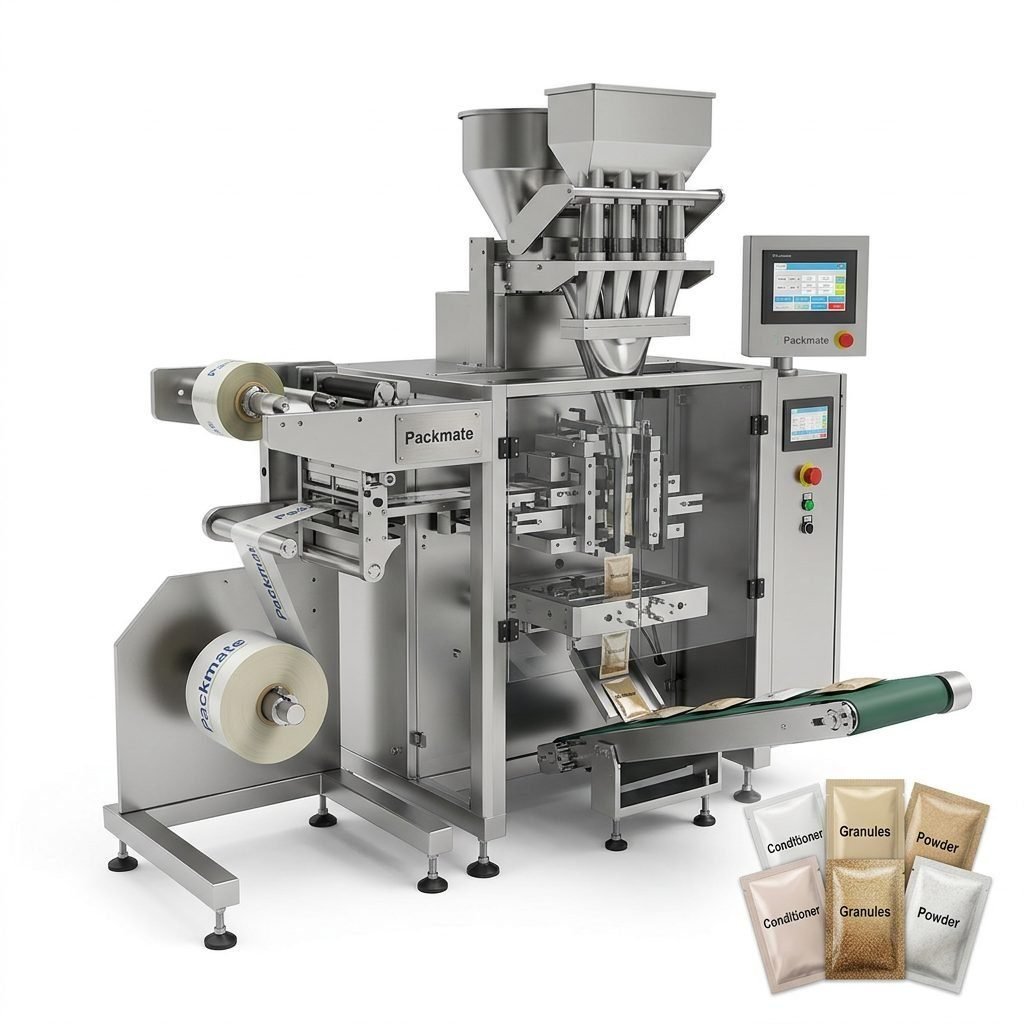
In today’s competitive food industry, efficiency, hygiene, and product presentation are paramount. Selecting the right food packaging equipment is a critical investment that directly impacts your production line’s speed, cost-effectiveness, and final product quality. Whether you are packaging powders, granules, or liquids, understanding the available machinery, comparing prices, and evaluating key features is essential for making an informed purchase. This guide will help you navigate the market for food packaging equipment for sale, providing a framework to compare options effectively.
Key Factors to Consider When Comparing Food Packaging Machines
Before diving into specific models or price lists, it’s crucial to define your requirements. The “best” machine is the one that fits your specific operational needs and budget constraints perfectly.
1. Product Type and Characteristics
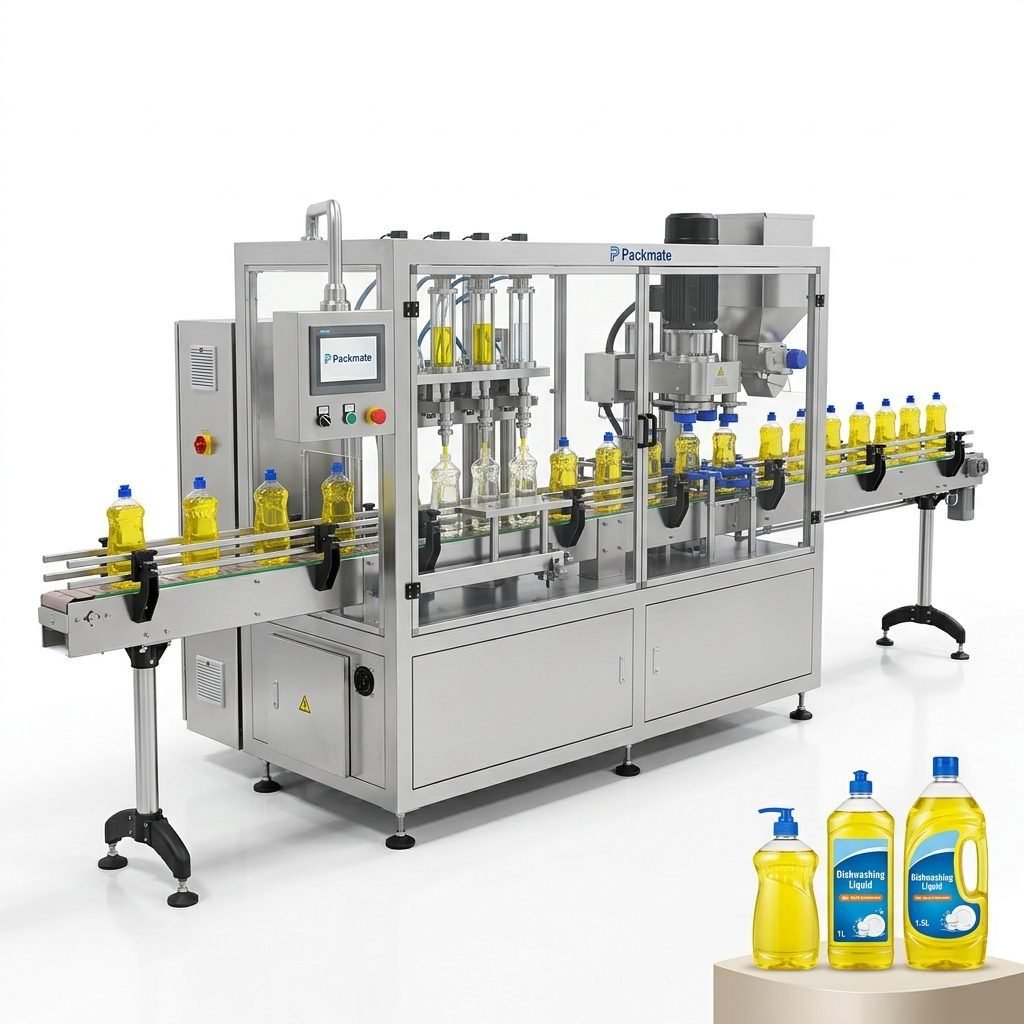
The nature of your product dictates the machine type. Granules like coffee or sugar require different filling mechanisms than viscous liquids like sauces or fine powders like spices. Consider your product’s flowability, abrasiveness, and sensitivity to moisture or air.
2. Desired Packaging Format
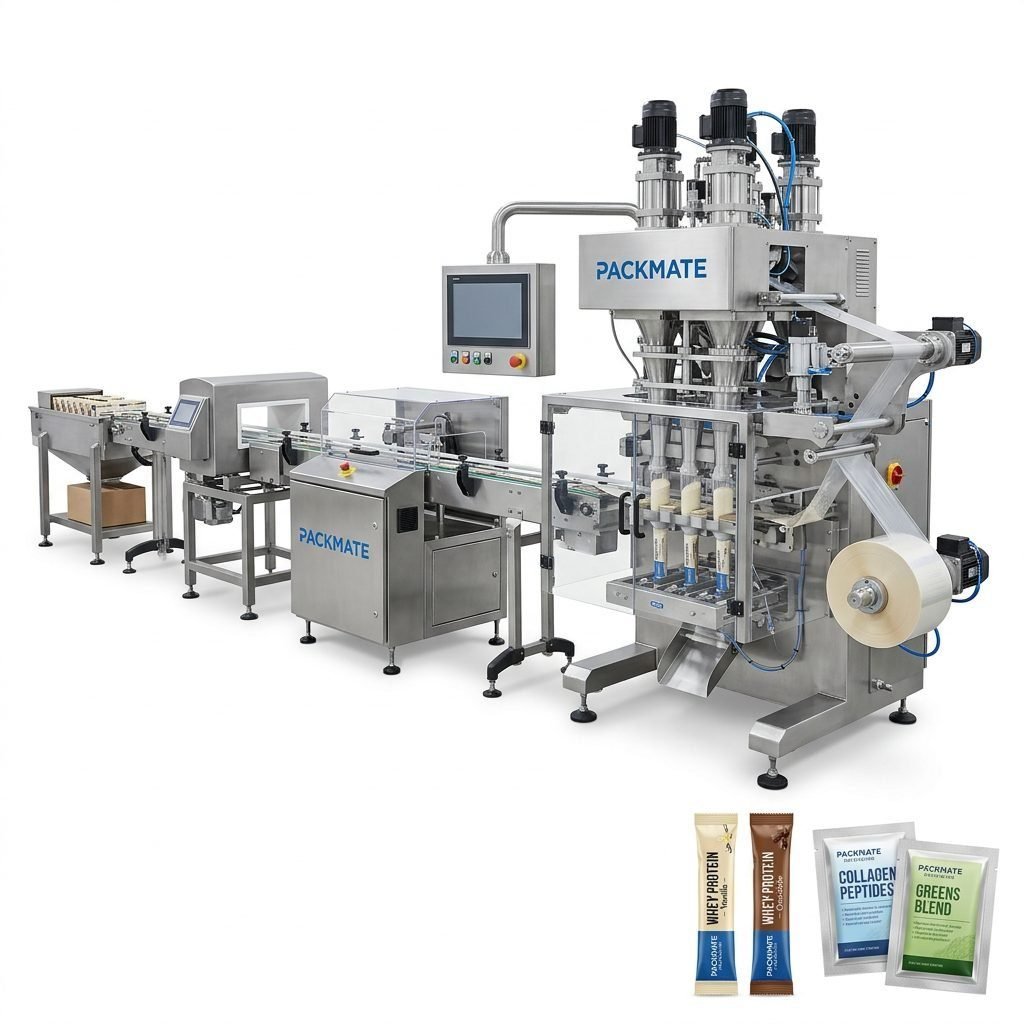
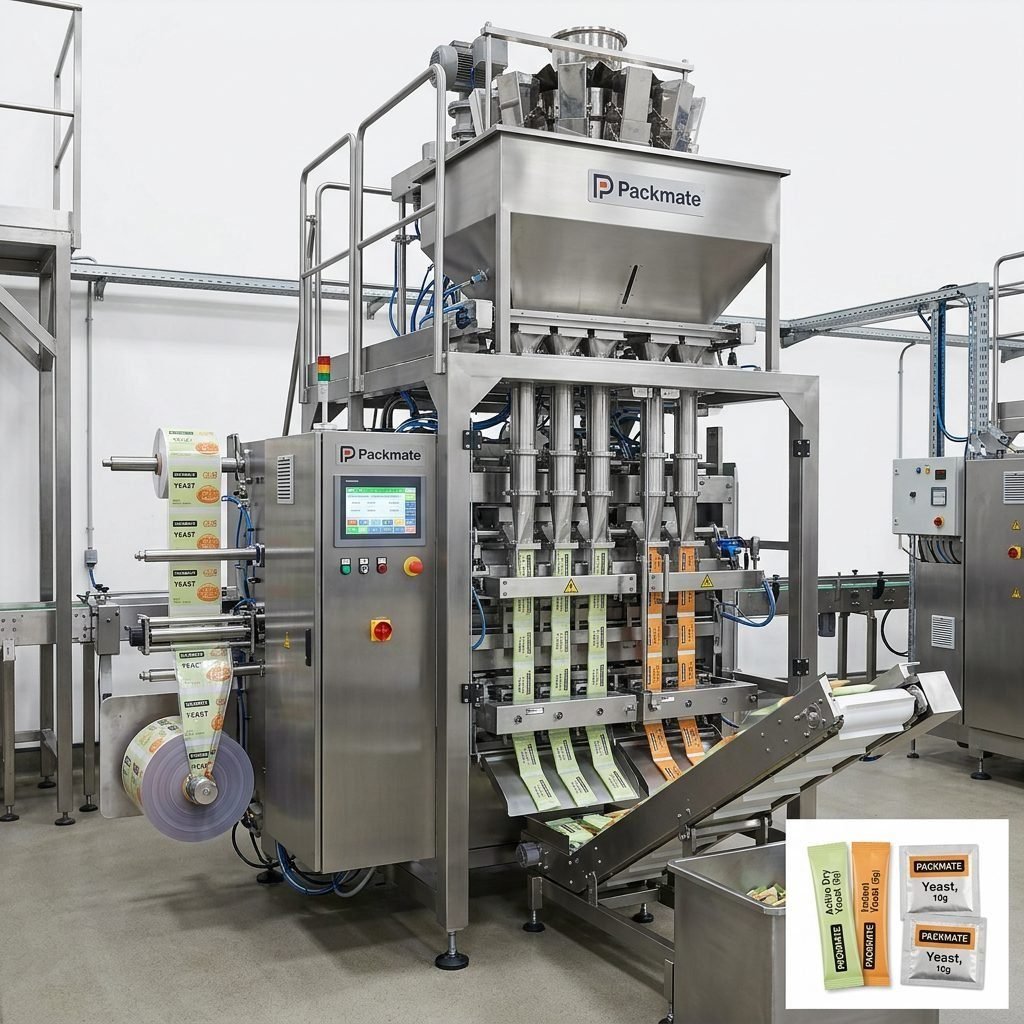
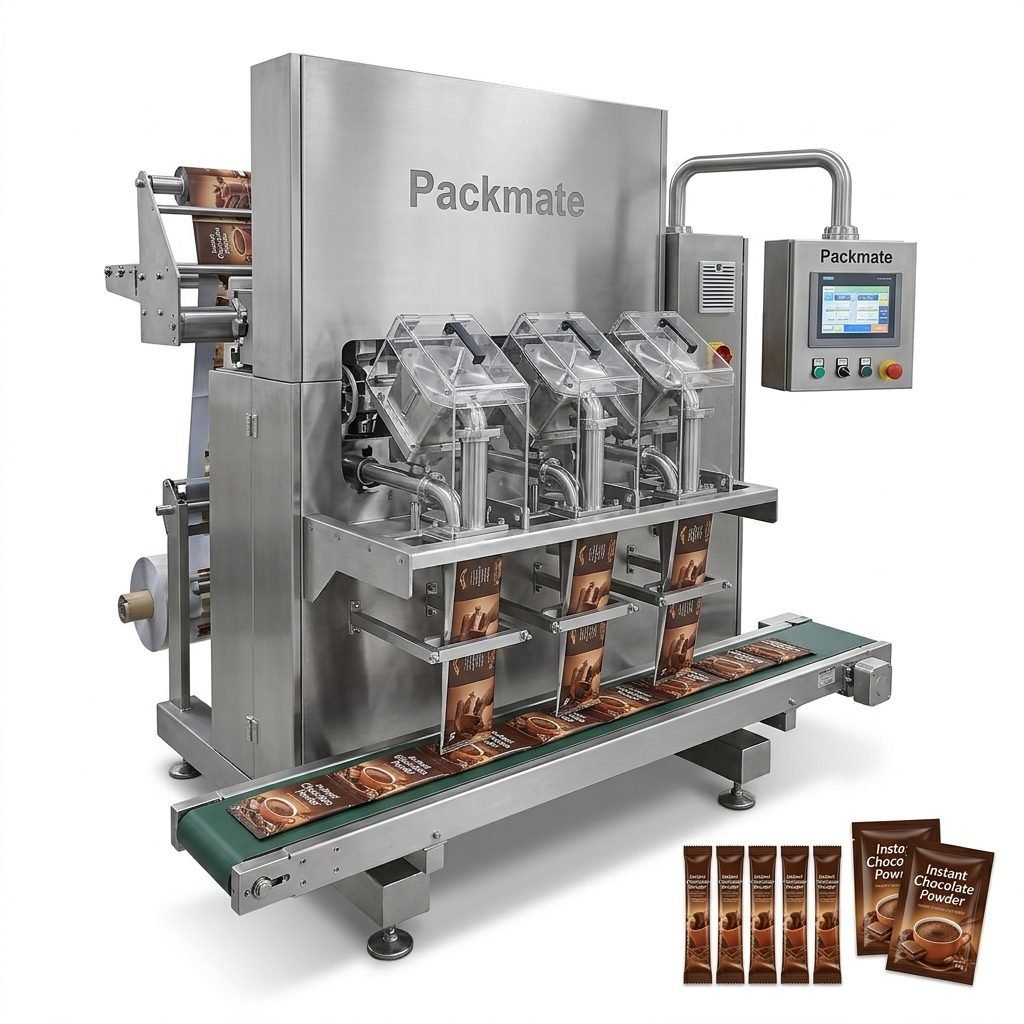
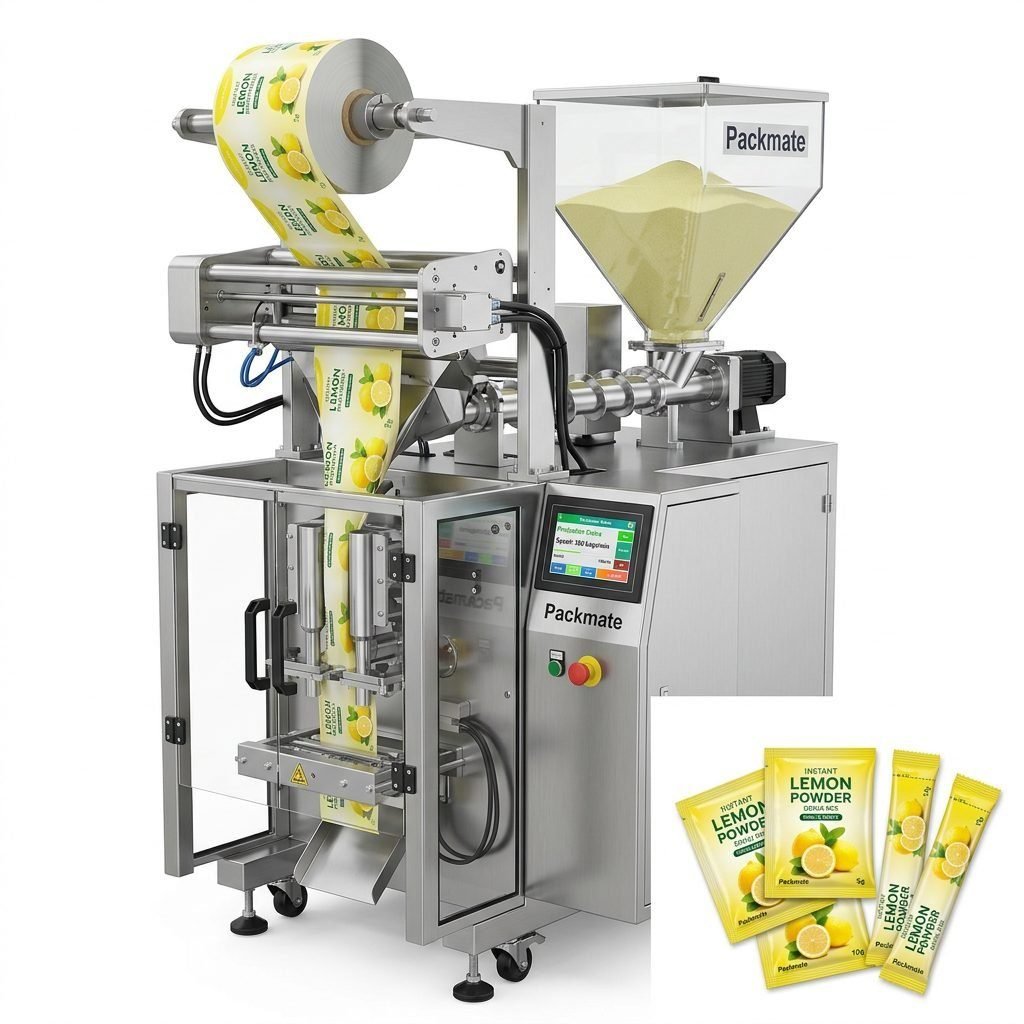
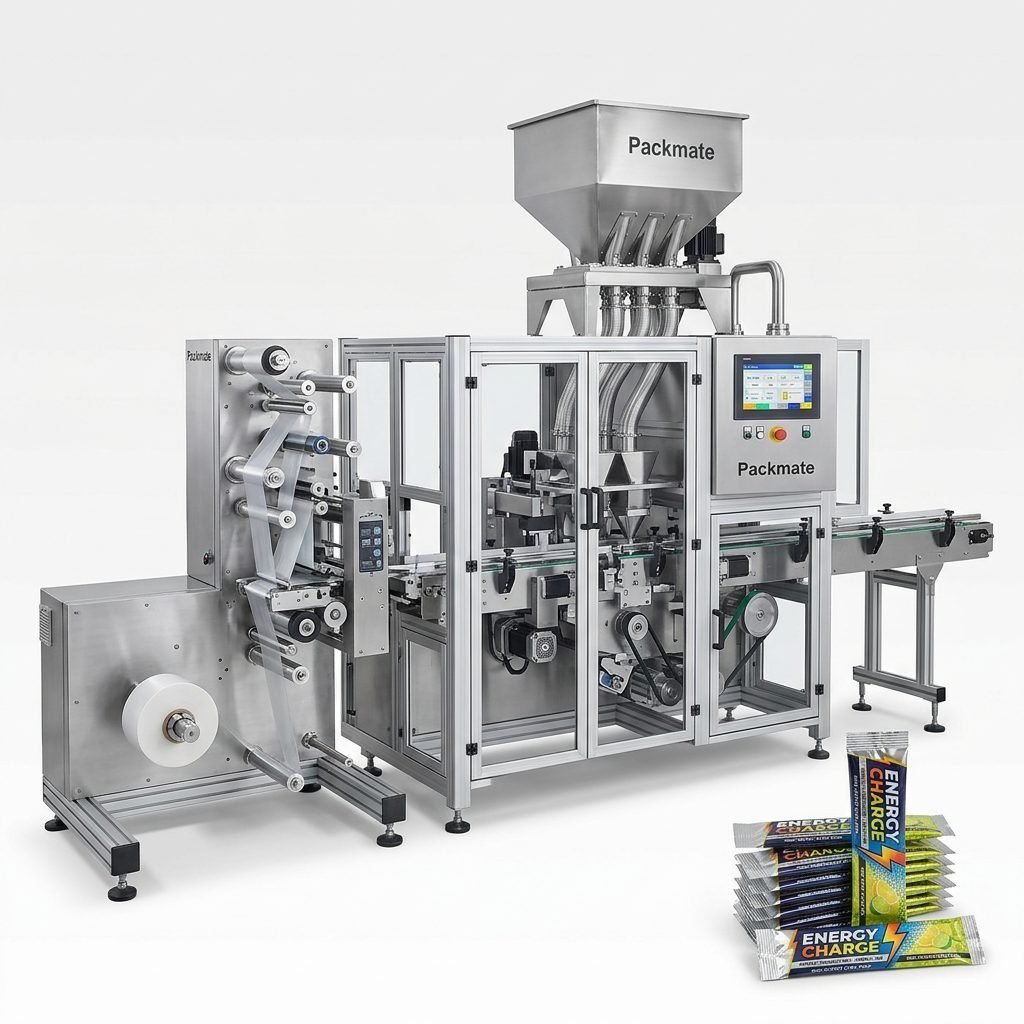
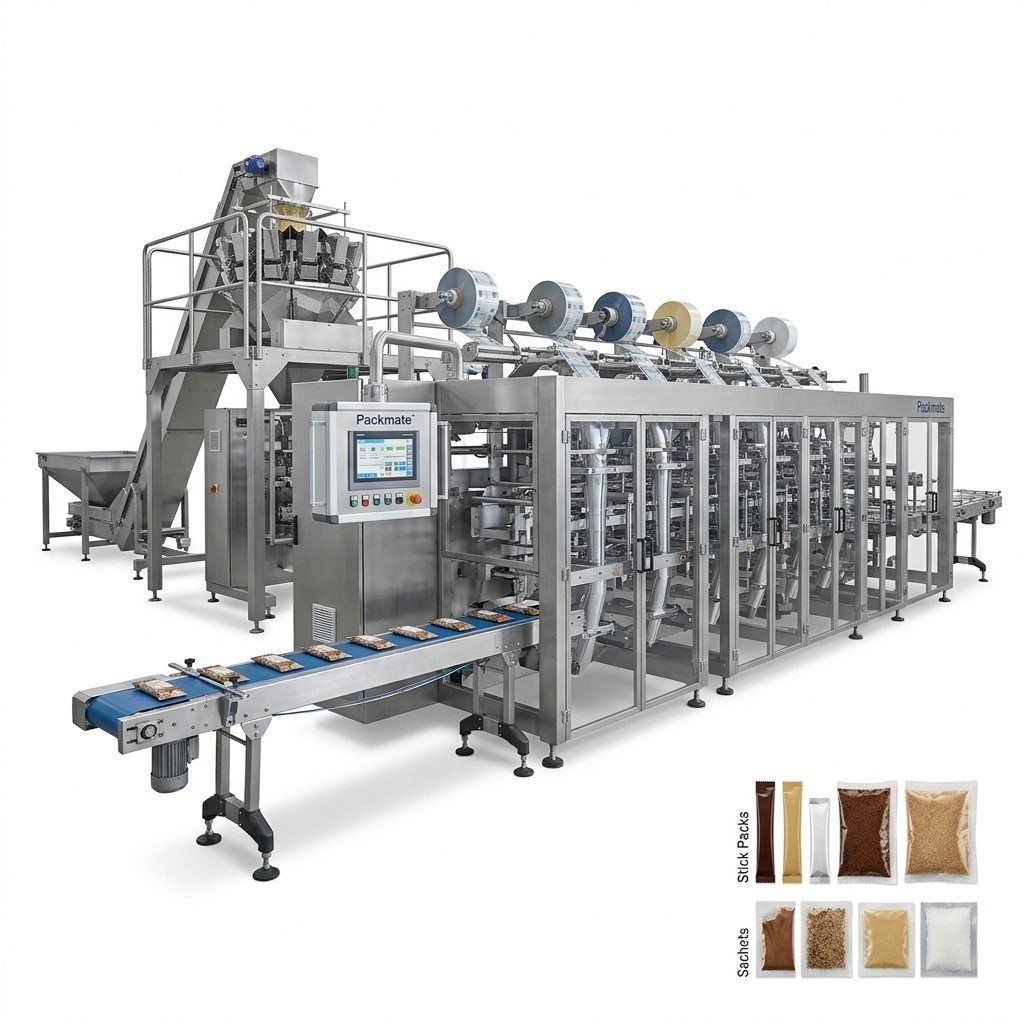
Are you aiming for single-serve sachets, multi-lane stick packs for on-the-go consumption, or larger pouches for retail? Machines are often specialized. For instance, sachet & stick pack machines are ideal for portion control, while bag & pouch packaging machines handle a wider range of sizes.
3. Production Speed and Output Requirements
Output is typically measured in bags or pouches per minute (BPM/PPM). A small bakery’s needs differ vastly from a large-scale food manufacturer. Match the machine’s maximum speed to your current and projected future demand to avoid bottlenecks or over-investment.
4. Level of Automation
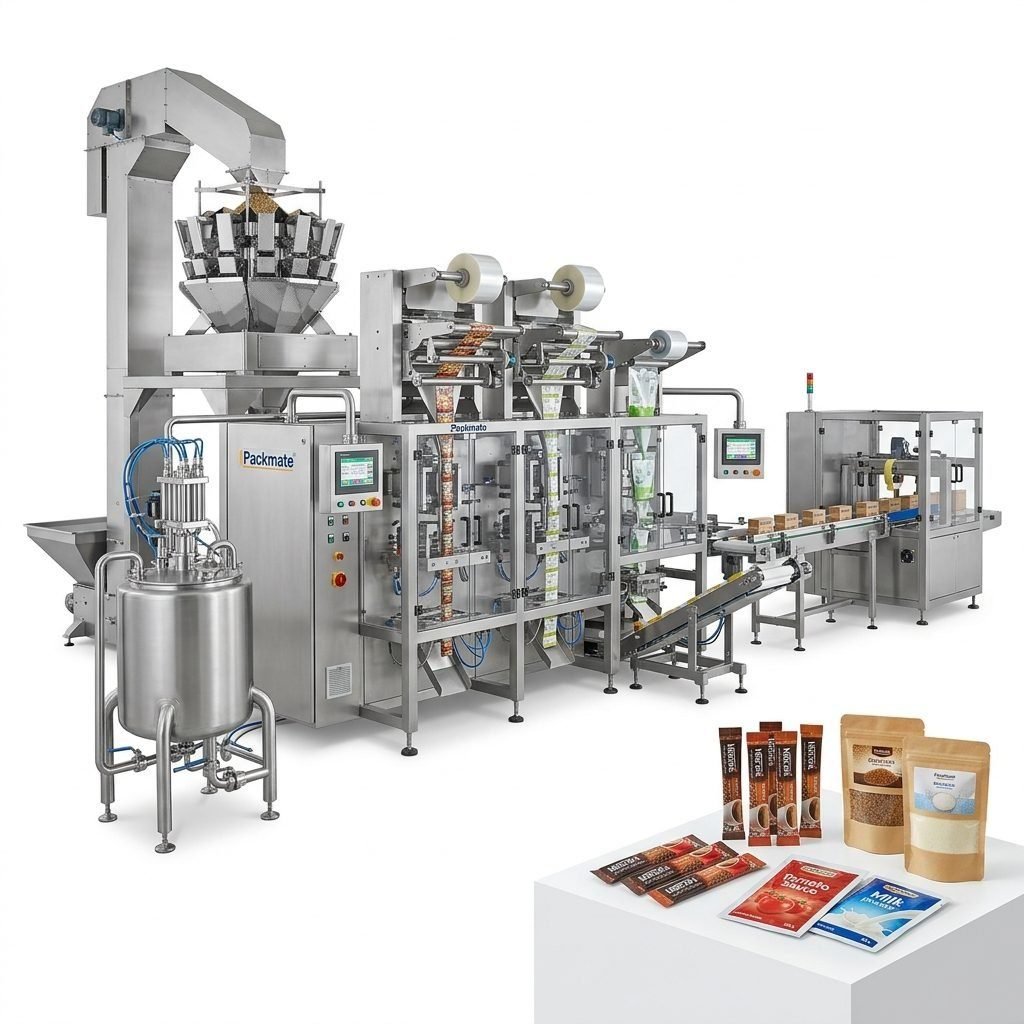
Options range from semi-automatic machines, which require more manual intervention, to fully automatic, integrated filling & packaging lines. Higher automation increases initial cost but significantly reduces labor costs and improves consistency and hygiene over time.
5. Machine Construction and Hygiene Standards
For food contact, materials like stainless steel (especially grade 304 or 316) are preferred for their durability and ease of cleaning. Ensure the design complies with relevant food safety standards (e.g., FDA, CE) to guarantee product integrity.
Understanding the Price Range: What Drives the Cost?
The price of food packaging equipment is not arbitrary. It reflects a combination of engineering, materials, and capabilities. Generally, you can categorize equipment into broad price tiers.
Entry-Level / Semi-Automatic Machines
These are often the most budget-friendly options, suitable for startups or low-volume production. They may involve manual feeding of product or pouches. While cost-effective, their speed and consistency are limited compared to automated systems.
Mid-Range / Fully Automatic Standalone Machines
This is the most common category for growing businesses. These machines automatically form, fill, and seal packages from a roll of film. They offer a strong balance of speed, reliability, and price. A robust multi-lane stick pack machine would typically fall into this category.
High-End / Complete Turnkey Lines
These involve integrated systems that may include automated weighing & packaging systems, robotic palletizing, and advanced PLC controls. The investment is significant but is justified for high-volume, continuous production where maximized efficiency and minimal downtime are critical.
Remember, the initial purchase price is just one part of the Total Cost of Ownership (TCO). Factor in long-term costs like maintenance, spare parts availability, energy consumption, and potential costs from machine downtime.
Essential Features That Add Value
Beyond basic function, modern packaging equipment offers features that enhance operational efficiency and product quality. When comparing models, prioritize these value-adding capabilities.
Precision Weighing and Filling Systems
Accuracy is non-negotiable for compliance and cost control. Look for machines with high-precision auger fillers, volumetric cup fillers, or liquid piston fillers. Some advanced systems feature in-line checkweighers to reject under or over-filled packages automatically.
Versatility and Quick Changeover
If you produce multiple products or package sizes, the ability to change formats quickly is a huge productivity booster. Machines with tool-less changeover or digital recipe memory can reduce downtime from hours to minutes.
User-Friendly HMI (Human-Machine Interface)
A clear, intuitive touchscreen control panel simplifies operation, troubleshooting, and parameter adjustments. It lowers the training barrier for operators and reduces human error.
Robust After-Sales Support
This is a critical but often overlooked “feature.” A reliable supplier should offer comprehensive training, readily available spare parts, and responsive technical support. A company’s history can indicate its commitment to service. For example, Packmate Machinery has built its reputation over decades on not just selling machines but providing complete solutions and support, ensuring clients’ production lines run smoothly long after the sale.
The Importance of a Reliable Supplier
Your equipment supplier is a long-term partner. Choosing a manufacturer with a proven track record mitigates risk. Consider their industry experience, manufacturing capabilities, and portfolio of successful projects. A supplier with extensive in-house R&D, like one operating from a 20,000㎡ modern facility, is more likely to offer innovative, reliable solutions and adapt to your specific needs rather than offering only standard models.
Frequently Asked Questions (FAQ)
1. What is the typical lead time for receiving a new packaging machine?
Lead times vary widely based on machine complexity and customization. For standard models from stock, it could be 4-8 weeks. For fully customized or high-speed lines, it may take 12-20 weeks or more. Always confirm the timeline with your supplier during the quotation process.
2. Can one machine handle different types of products, like powders and granules?
Some versatile machines are designed to handle a range of dry products with appropriate change parts (like different augers or funnels). However, switching between vastly different product types (e.g., dry powder to liquid) usually requires a different machine or significant, costly modifications. It’s best to discuss your specific product range with the manufacturer.
3. How do I ensure the machine meets my local food safety and electrical standards?
Reputable manufacturers design equipment to meet international standards (CE, UL, etc.). You must clearly specify the destination country’s voltage, frequency, and required certifications during the ordering process. A responsible supplier will provide the necessary documentation and compliance marks.
4. What kind of training and after-sales service should I expect?
Comprehensive training for your operators and maintenance staff should be included, either at their facility, yours, or via video. After-sales service should include a warranty period (typically 12 months), access to technical manuals and spare parts lists, and remote/onsite support options. Ask for details of their service policy before purchasing.
5. Are used or refurbished packaging machines a good option to save costs?
They can be, but they carry higher risk. It’s vital to understand the machine’s service history, ensure spare parts are still available, and have it thoroughly inspected. For critical production, a new machine from a reliable supplier often provides better long-term value through warranty, latest technology, and guaranteed performance.