In the competitive landscape of modern manufacturing, efficiency, consistency, and cost-effectiveness are paramount. Bulk packaging machinery stands as a cornerstone technology for businesses that need to package large volumes of products reliably and swiftly. This guide delves into the world of bulk packaging equipment, exploring its various types, core benefits, and how choosing the right partner can transform your production line.
What is Bulk Packaging Machinery?
Bulk packaging machinery refers to automated systems designed to handle, fill, seal, and prepare large quantities of products for distribution and sale. Unlike single-unit packaging, these machines are engineered for high-volume output, handling materials ranging from food granules and pharmaceutical powders to industrial chemicals and liquids. They are the workhorses behind the consistent product presentation you see on store shelves worldwide.
Key Insight: The primary goal of bulk packaging machinery is to maximize throughput while minimizing labor costs and material waste, creating a leaner, more profitable operation.
Core Types of Bulk Packaging Machinery
The market offers a diverse array of machinery tailored to different product forms and packaging needs. Understanding these types is the first step in selecting the right solution.
1. Bag and Pouch Packaging Machines
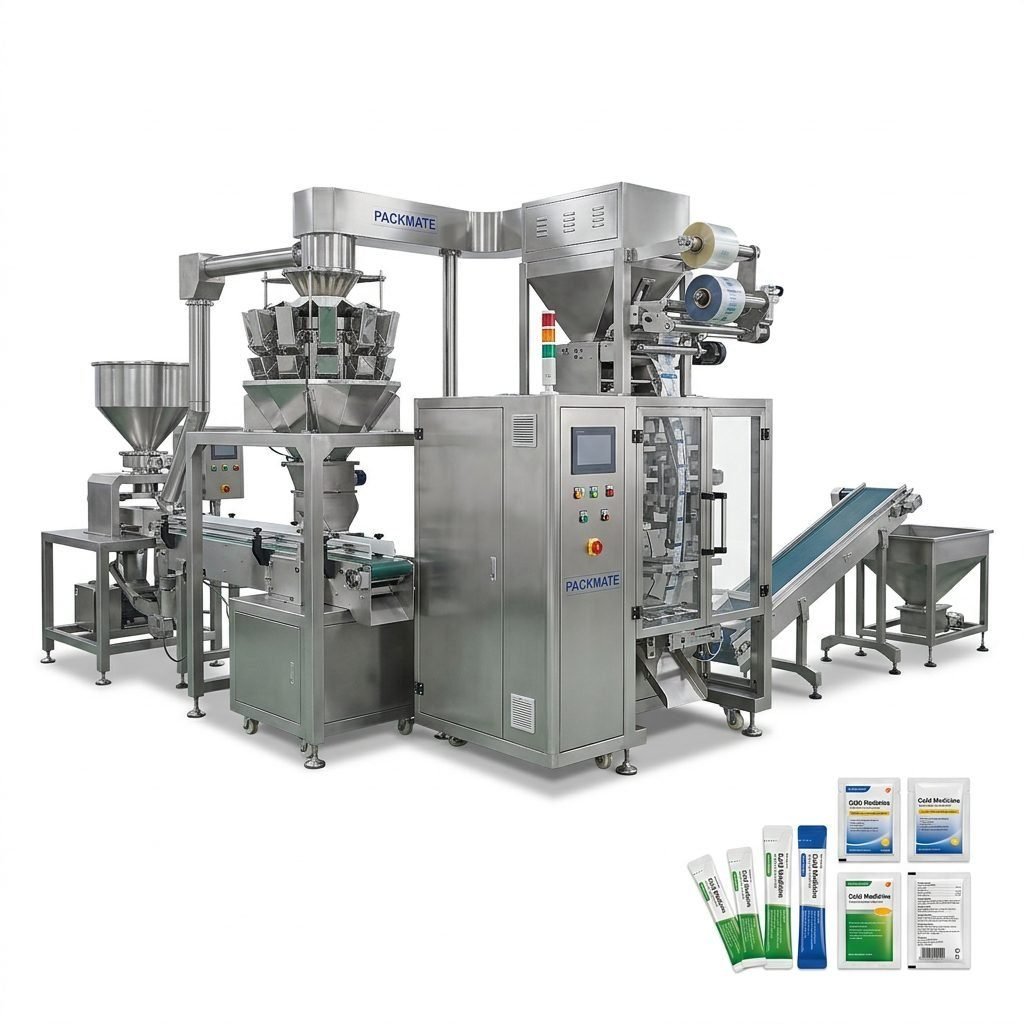
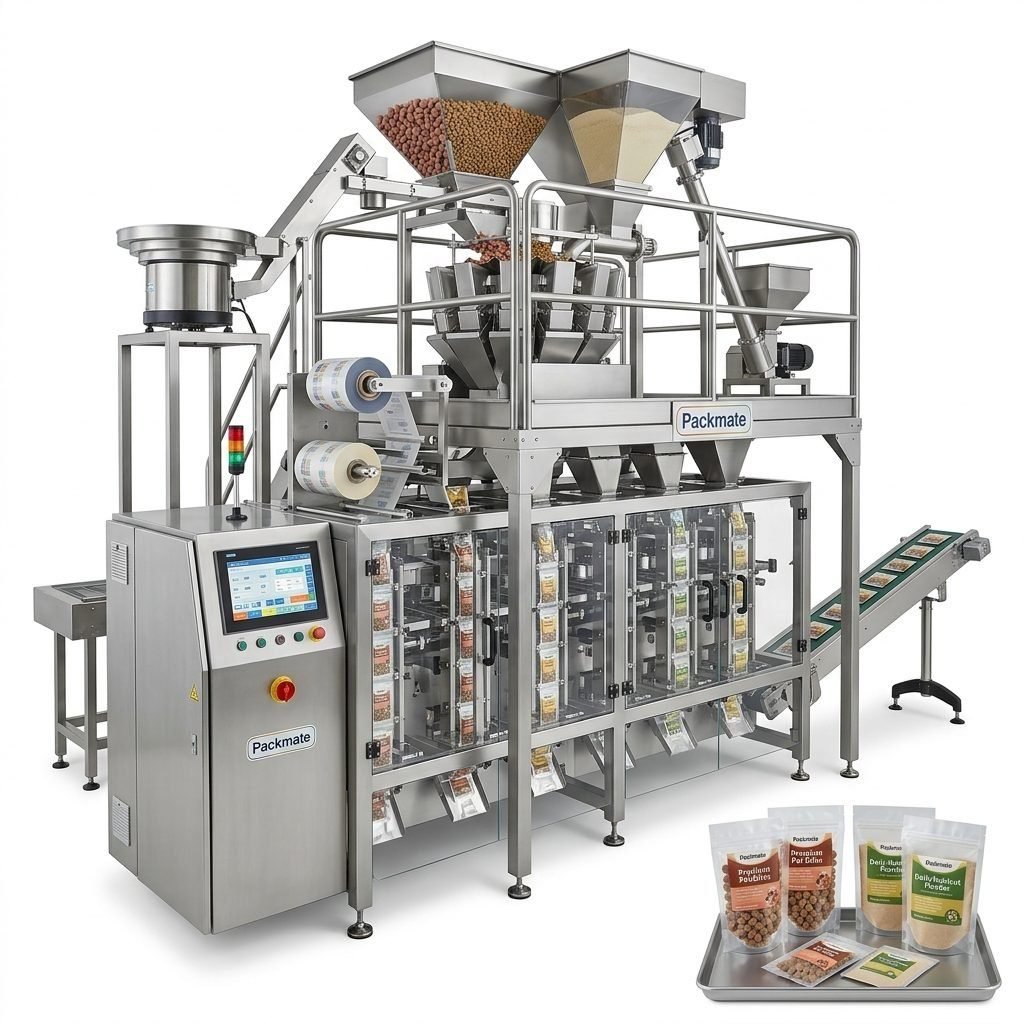
These machines are versatile champions for packaging free-flowing and semi-free-flowing products. They form, fill, and seal bags or pouches from a roll of film, offering excellent barrier properties for freshness. Ideal for snacks, grains, powders, and hardware items. For a deep dive into this category, explore our range of Bag & Pouch Packaging Machines.
2. Sachet and Stick Pack Machines
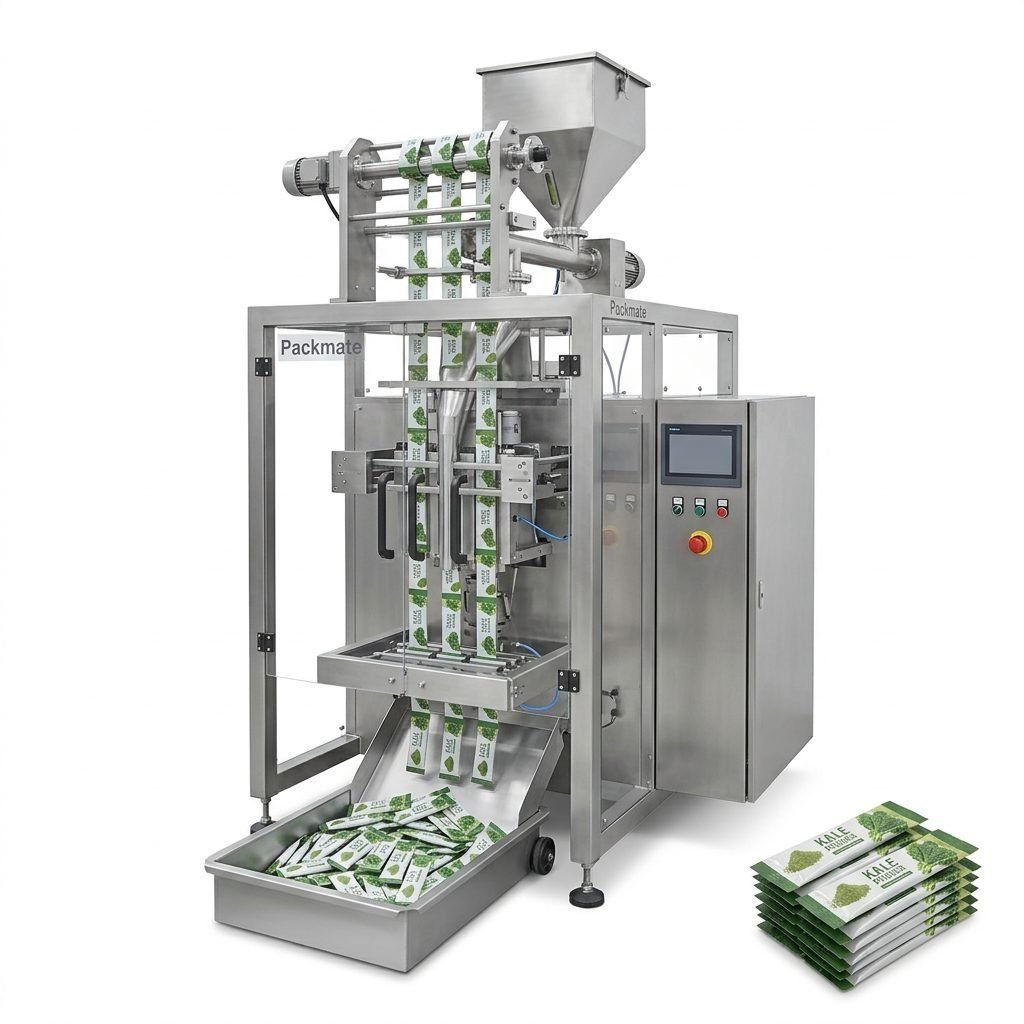
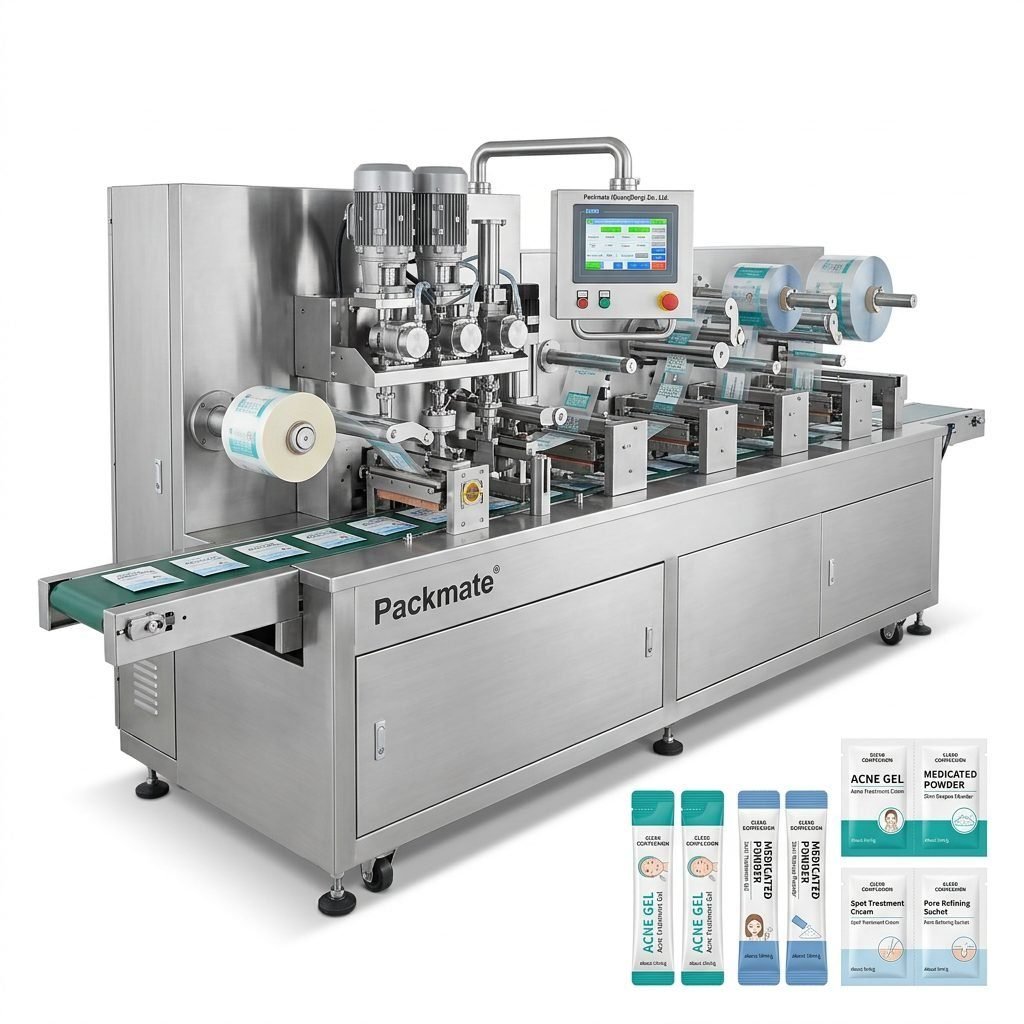
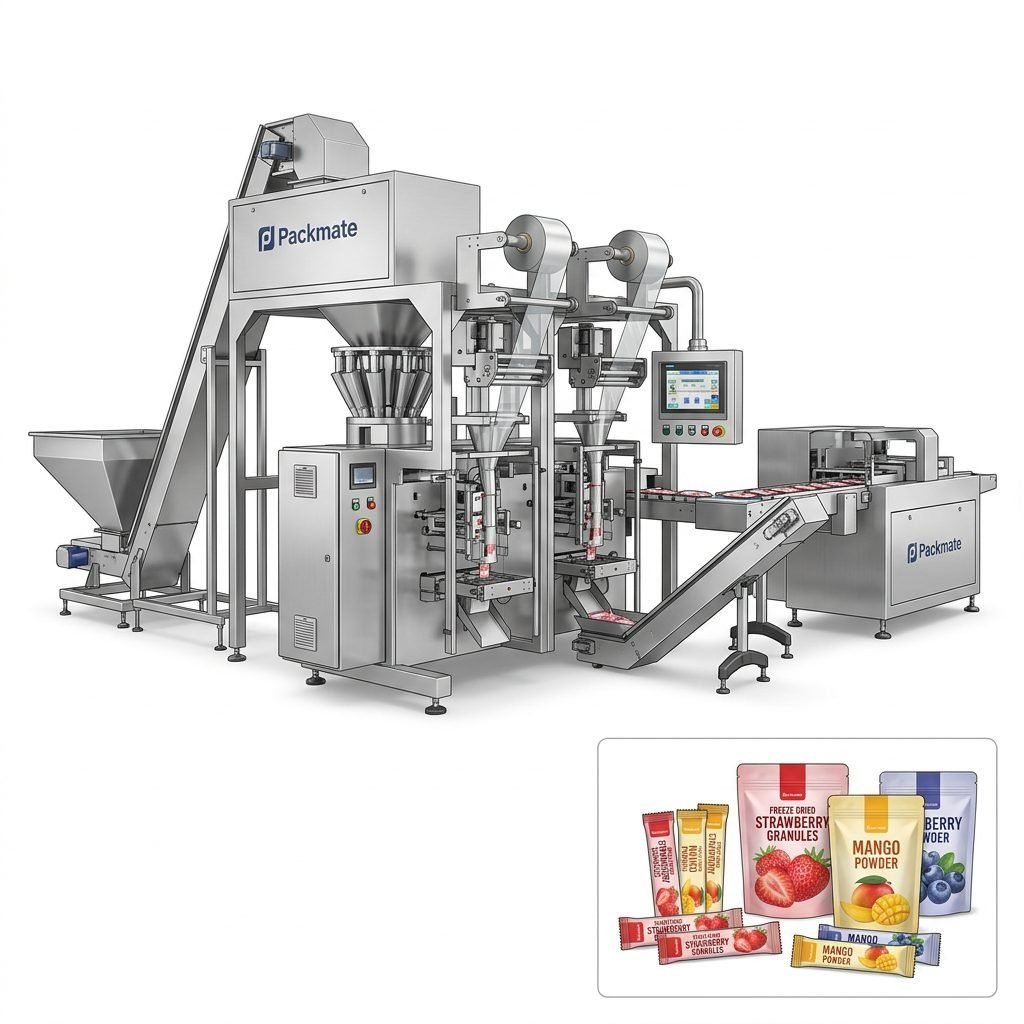
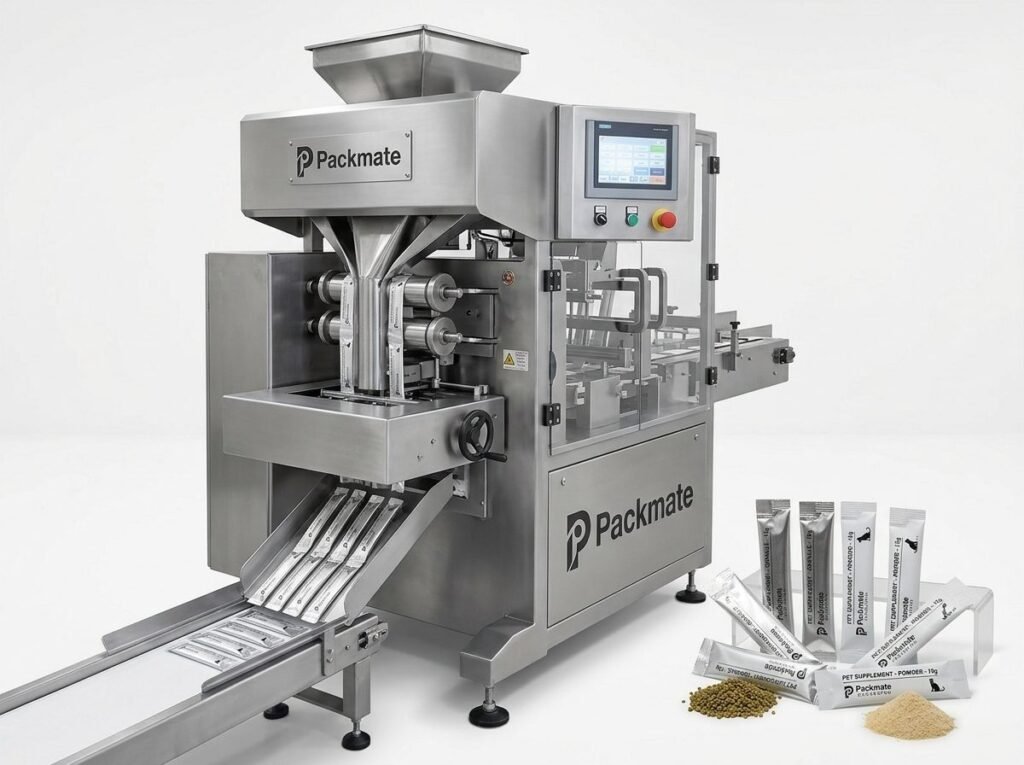
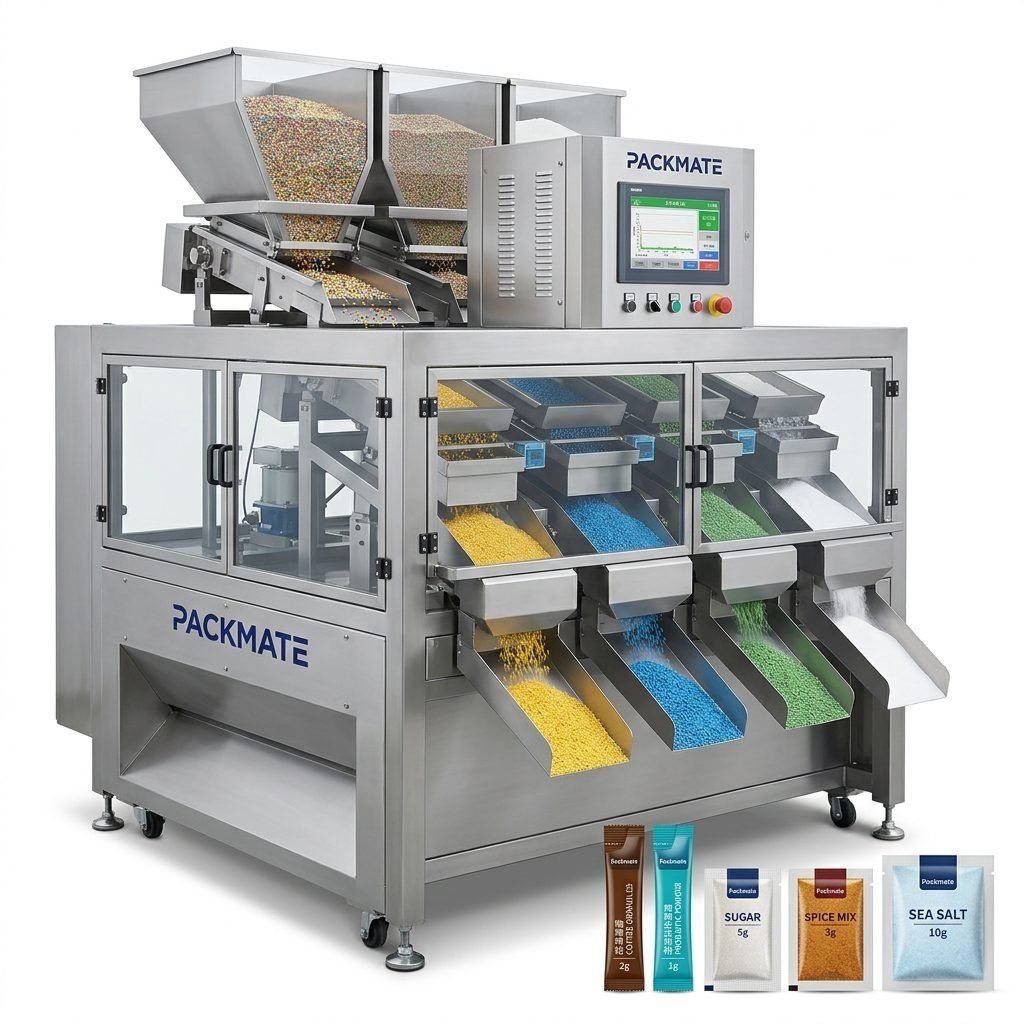
Perfect for single-serve portions of powders, liquids, or granules—think sugar, instant coffee, shampoo, or seasoning. These machines produce small, sealed packets at incredibly high speeds using multi-lane technology. They are a staple in the food, beverage, and pharmaceutical industries. Discover high-speed solutions in our Sachet & Stick Pack Machines portfolio.
3. Weighing and Packaging Systems
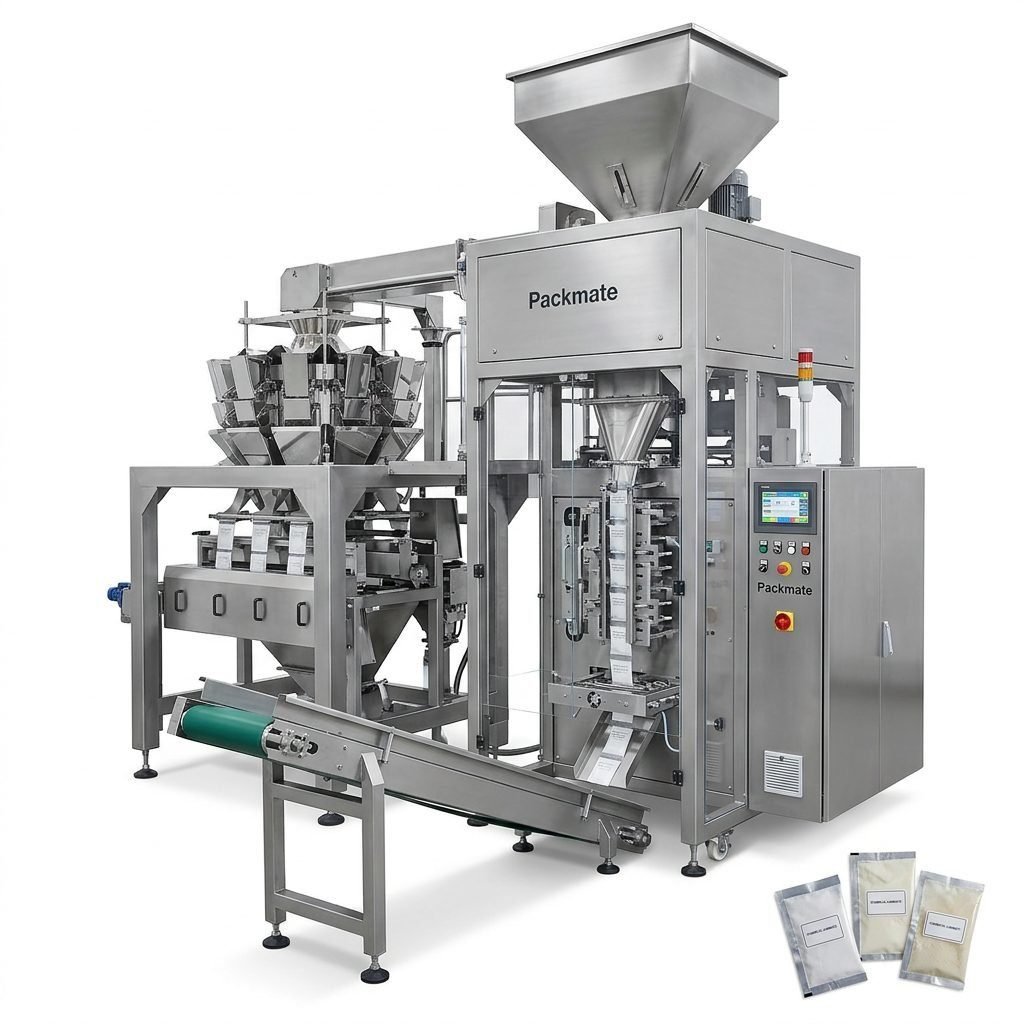
Accuracy is non-negotiable in many industries. These integrated systems combine precision multi-head weighers or liquid fillers with bagmakers or pouch machines. They ensure each package contains the exact weight or volume, crucial for compliance and customer trust. This technology is central to our Weighing & Packaging Systems.
4. Filling and Packaging Lines
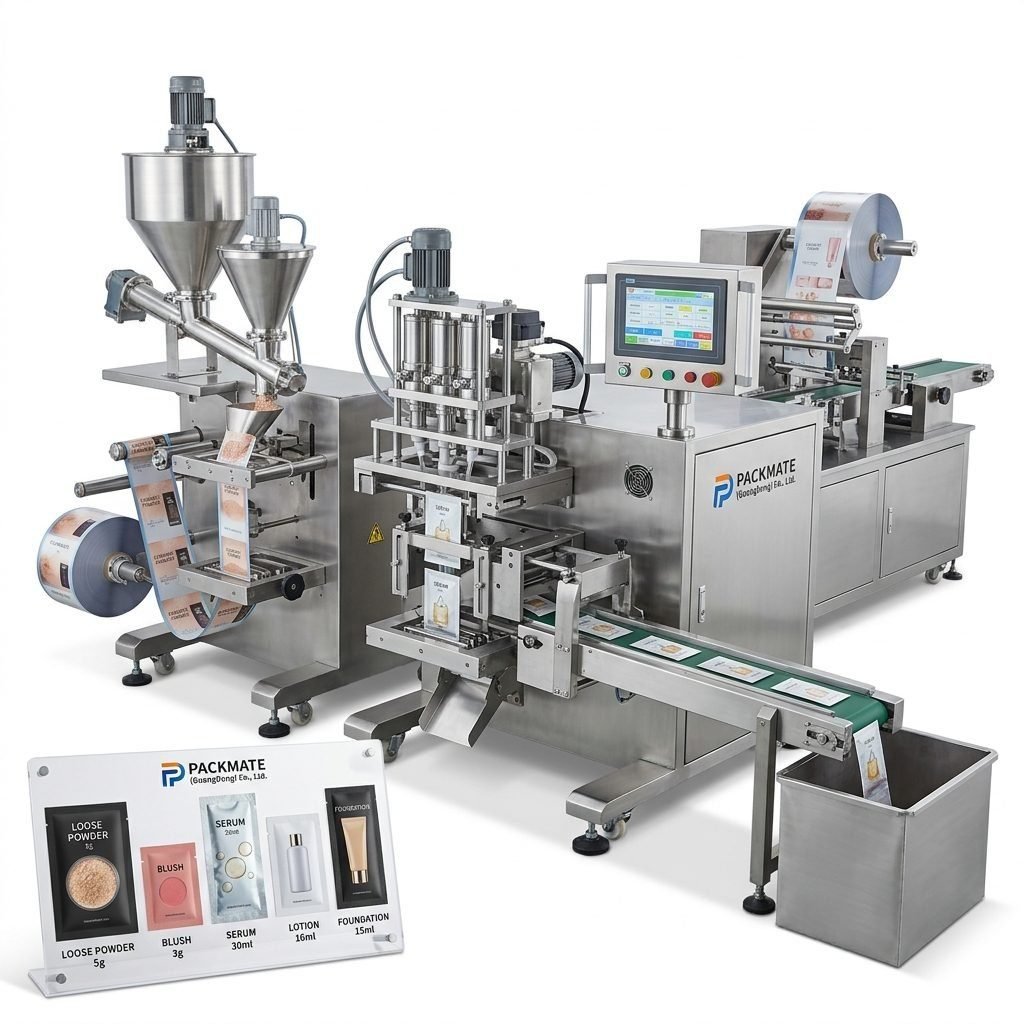
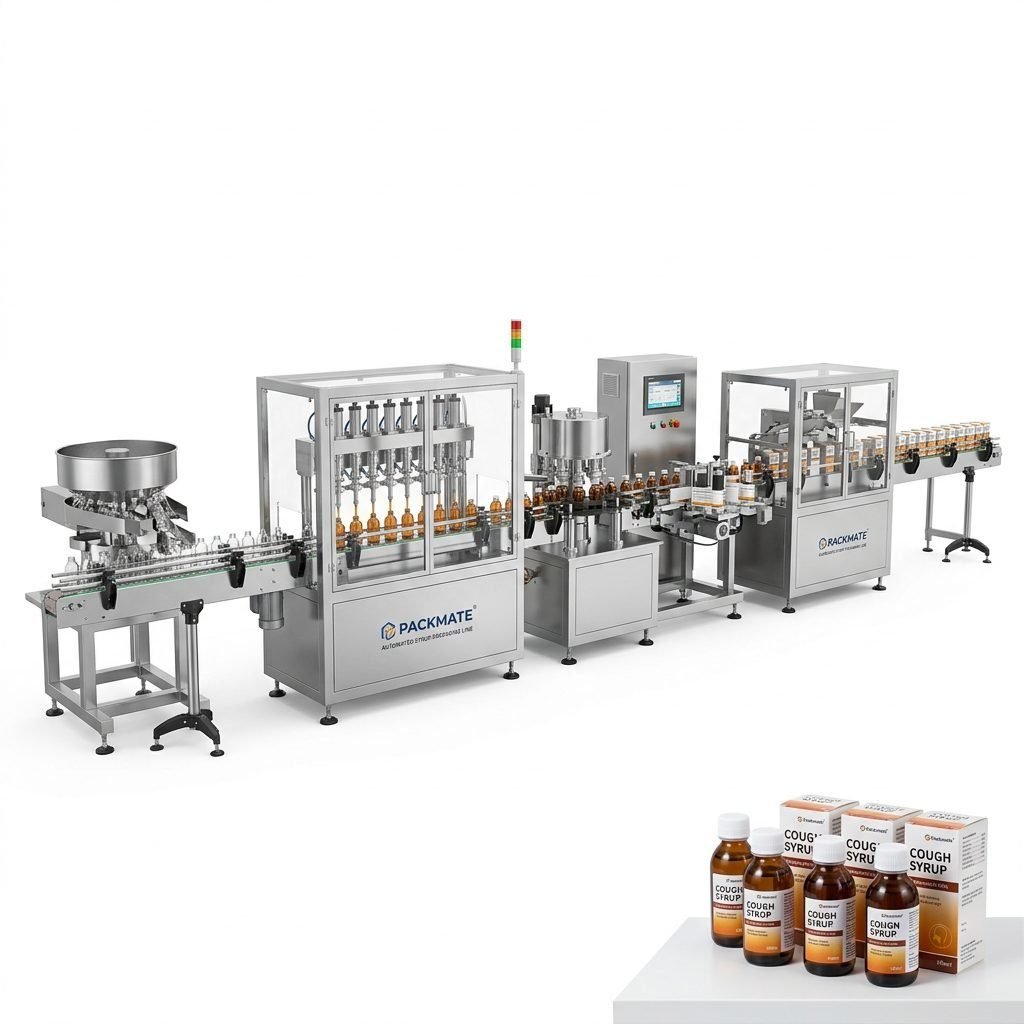
This represents the complete, turnkey solution. A full line integrates multiple machines—such as a filler, capper, labeler, and cartoner—into a synchronized system for bottling cans, or boxing products. It automates the entire process from empty container to ready-to-ship case. Learn about our integrated approach with Filling & Packaging Lines.
5. Specialized Machinery (e.g., Snus/Nicotine Pouches)
Some products require highly specialized equipment. Machines designed for snus, nicotine pouches, or tea bags handle unique filling, folding, and sealing requirements with extreme precision and hygiene standards.
The Multifaceted Benefits of Automation
Investing in bulk packaging machinery delivers a compelling return on investment through multiple channels.
Unmatched Efficiency and Speed
Automated machines operate continuously at speeds impossible for manual labor. They dramatically increase your output per shift, allowing you to meet large orders and scale production up or down with demand.
Significant Cost Reduction
While the initial investment is notable, the long-term savings are substantial. Automation reduces direct labor costs, minimizes product giveaway through precise filling, and lowers material waste via optimized film usage.
Consistent Quality and Brand Integrity
Every package is identical. Seals are strong and uniform, weights are accurate, and presentation is professional. This consistency protects your product quality and reinforces your brand’s reputation for reliability.
Enhanced Safety and Hygiene
Machines minimize direct human contact with the product, which is critical in food and pharmaceutical applications. They also reduce workplace injuries associated with repetitive manual packaging tasks.
Improved Flexibility
Modern machinery is designed for quick changeovers. With adjustable settings and modular parts, you can switch between different package sizes or products with minimal downtime, responding agilely to market trends.
Choosing the Right Machinery Partner
Selecting equipment is only half the battle; choosing the right manufacturer is equally critical. A partner like Packmate Machinery brings more than just a machine to your factory floor.
With over 30 years of expertise originating from a founder’s passion in a small workshop, Packmate embodies the transition from manual struggle to automated excellence. Today, operating from a 20,000㎡ modern facility in Guangdong, they offer more than 50 machine models. Their evolution from sachet machines to comprehensive turnkey packaging solutions demonstrates a commitment to innovation that grows with client needs.
The true value lies in a partner who provides end-to-end support—from understanding your specific product requirements and factory layout to installation, training, and ongoing service. Reviewing a manufacturer’s case studies and certifications can offer confidence in their capability and quality standards.
Frequently Asked Questions (FAQs)
1. What factors should I consider when selecting a bulk packaging machine?
The key factors are: Product characteristics (size, shape, flowability), required output speed, packaging material type (film, laminate), available factory space and utilities, and budget. A reputable supplier will guide you through this assessment.
2. How can I ensure the machine will work with my specific product?
Always request a product test at the manufacturer’s facility. This live demonstration using your actual product is the only way to verify performance, speed, and packaging quality before purchase.
3. What is the typical lead time for a bulk packaging line?
Lead times vary based on complexity and customization. For standard models, it can range from 8 to 16 weeks. Fully customized turnkey lines require more detailed engineering and thus a longer timeline. Clear communication with your supplier is essential.
4. How important is after-sales service and parts availability?
Extremely important. Machine downtime is lost production. Choose a supplier with a proven global service network, readily available spare parts, and comprehensive technical support, including remote assistance and on-site engineer visits.
5. Can older packaging machinery be upgraded or integrated into a new line?
Often, yes. Many manufacturers offer retrofitting and upgrading services for existing equipment to improve speed, add new functions, or integrate it with newer machines. This can be a cost-effective way to enhance your current capacity.