In the complex world of logistics and product distribution, the journey doesn’t end when an item is boxed. The final, critical shield—the tertiary packaging layer—is what ensures products arrive at their destination intact, secure, and ready for retail. This outer layer, encompassing pallets, stretch wrap, strapping, and sturdy cases, is the unsung hero of secure shipping. For businesses, selecting the right tertiary packaging equipment is not merely an operational decision; it’s a strategic investment in brand reputation, cost efficiency, and customer satisfaction. This article delves into the top solutions that define modern, secure shipping protocols.
The Critical Role of Tertiary Packaging in the Supply Chain
Tertiary packaging serves as the bridge between the manufacturing facility and the point of sale or final consumption. Its primary functions are consolidation, protection, and facilitation of handling. Without robust tertiary packaging, even the most meticulously packed primary and secondary units are vulnerable to the rigors of transportation—including shocks, vibrations, compression, and environmental factors. Effective equipment for this stage ensures unit loads are stable, protected from dust and moisture, and easily identifiable for warehouse and retail staff. In essence, it transforms individual cartons into a single, manageable, and secure shipping unit that optimizes every touchpoint in the supply chain.
Key Objectives of Tertiary Packaging Solutions:
- Maximize Load Stability: Prevent shifting and toppling during transit.
- Optimize Space Utilization: Create compact, stackable unit loads for efficient container and truck filling.
- Provide Superior Protection: Guard against physical damage, dust, and moisture ingress.
- Enhance Traceability: Allow for clear labeling and tracking of entire pallet loads.
- Improve Handling Safety & Speed: Enable safe, fast movement with forklifts and pallet jacks.
Top Equipment Solutions for Uncompromised Security
The market offers a diverse range of machinery designed to automate and perfect the tertiary packaging process. Investing in the right combination of these solutions is paramount for a secure, scalable operation.
1. Automated Pallet Wrapping Systems
Moving beyond manual stretch wrapping, automated systems offer consistency, material savings, and significant labor reduction. High-performance rotary turntable wrappers and robotic arm wrappers can apply film with precise tension and overlap, creating a tight, uniform bind around the pallet. Advanced models feature pre-stretch technology to maximize film yield and programmable settings for different load profiles. This consistency eliminates weak spots that are common in manual wrapping, dramatically reducing the risk of load failure.
2. Advanced Strapping and Banding Machines
For heavy or high-value loads that require extra reinforcement, strapping is indispensable. Modern auxiliary packaging equipment like automatic polypropylene (PP) or polyester (PET) strapping machines apply consistent tension and secure seals. For the utmost in security and weather resistance, steel strapping machines provide an unbeatable solution. These systems are crucial for stabilizing loads of bricks, metal, or large appliances, ensuring they remain a single, immovable unit.
3. Case Erecting, Packing, and Sealing Lines
Before a product can be palletized, it often needs a robust outer case. Automated case erectors, product inserters (like robotic case packers), and sealing machines streamline this process. Hot melt case sealers provide a strong, instantaneous bond superior to tape, creating a tamper-evident and moisture-resistant seal. Integrating these with weighing and packaging systems upstream creates a seamless flow from product filling to ready-to-ship cases.
4. Palletizing and Depalletizing Robots
The pinnacle of automation for tertiary packaging is robotic palletizing. Articulated robots equipped with advanced grippers can handle diverse box sizes and weights, building stable, interlocked pallet patterns at high speeds. They reduce physical strain on workers and minimize product damage. Similarly, depalletizing robots efficiently unload incoming pallets, feeding production or filling and packaging lines. Their flexibility allows for quick changeovers between different SKUs.
5. Shrink Wrapping and Bundling Systems
For securing multi-packs or creating retail-ready bundles, shrink wrapping is a versatile solution. Equipment like sleeve wrappers or L-sealers place a loose plastic film around products, which then passes through a heat tunnel. The film shrinks tightly to form a clear, protective skin. This is ideal for securing groups of bottles, cans, or software boxes, providing both stability and a polished visual presentation that can go directly to store shelves.
Choosing Your Partner: Beyond the Machine
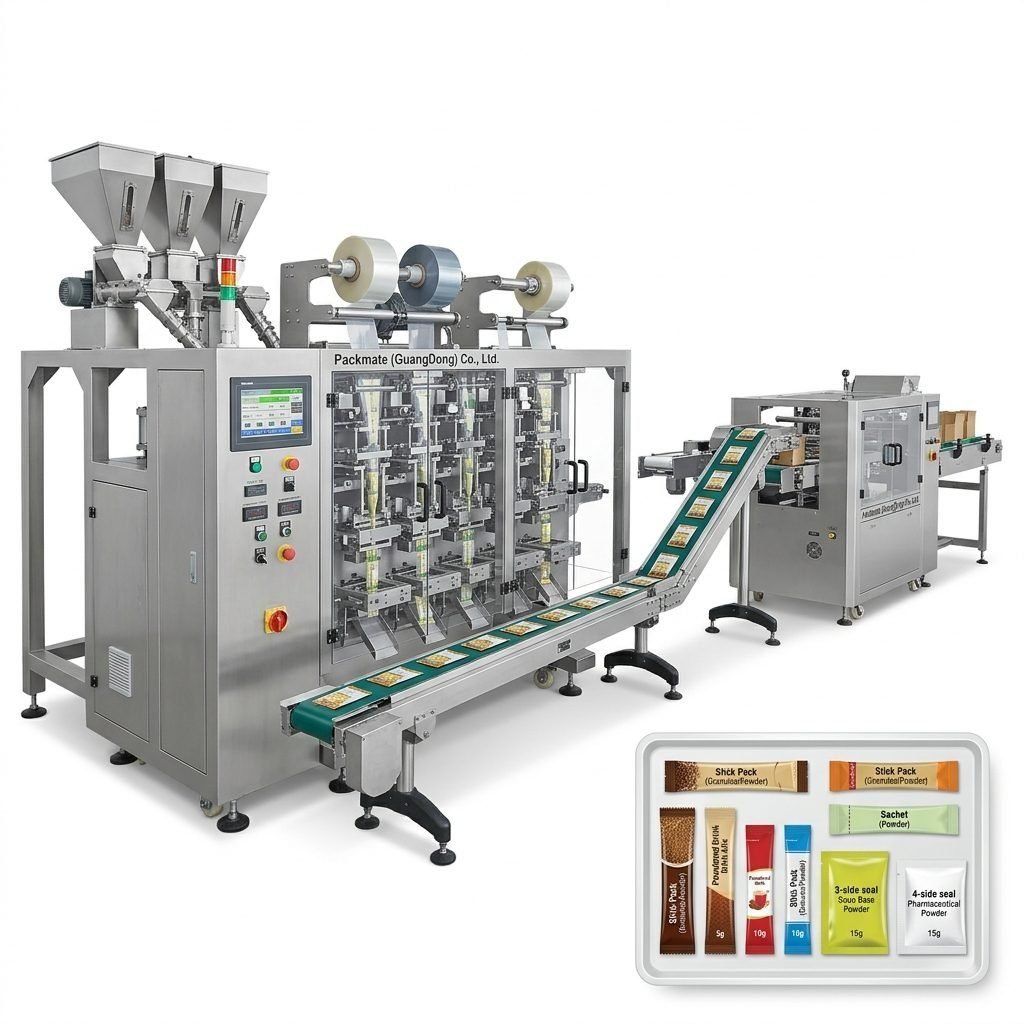
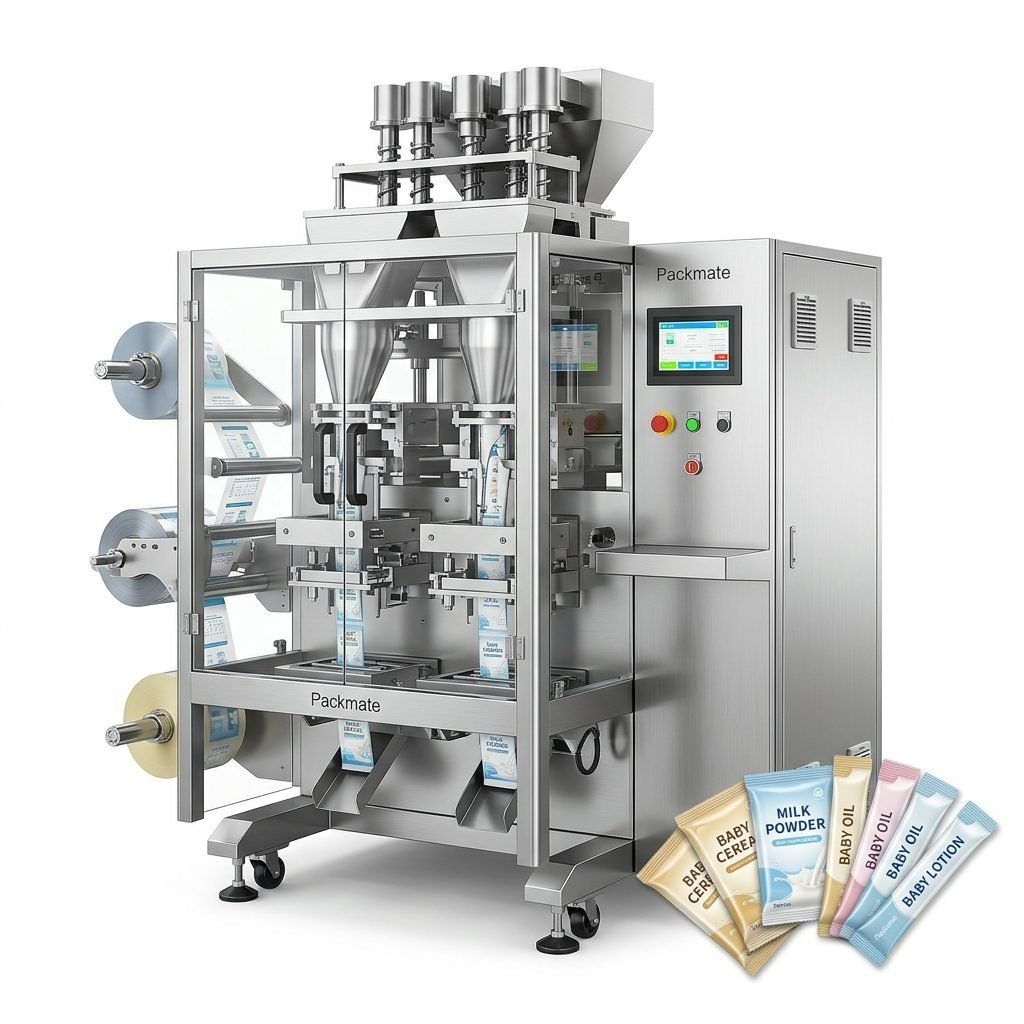
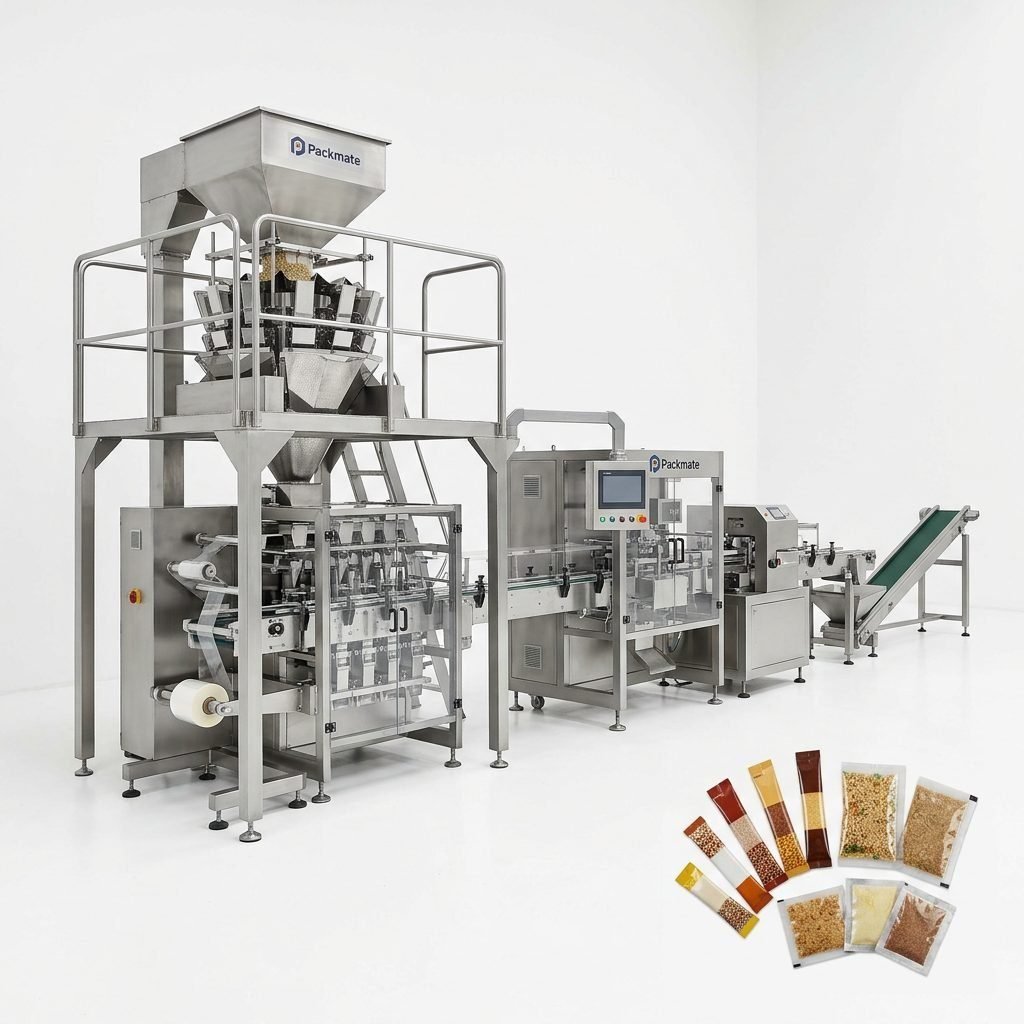
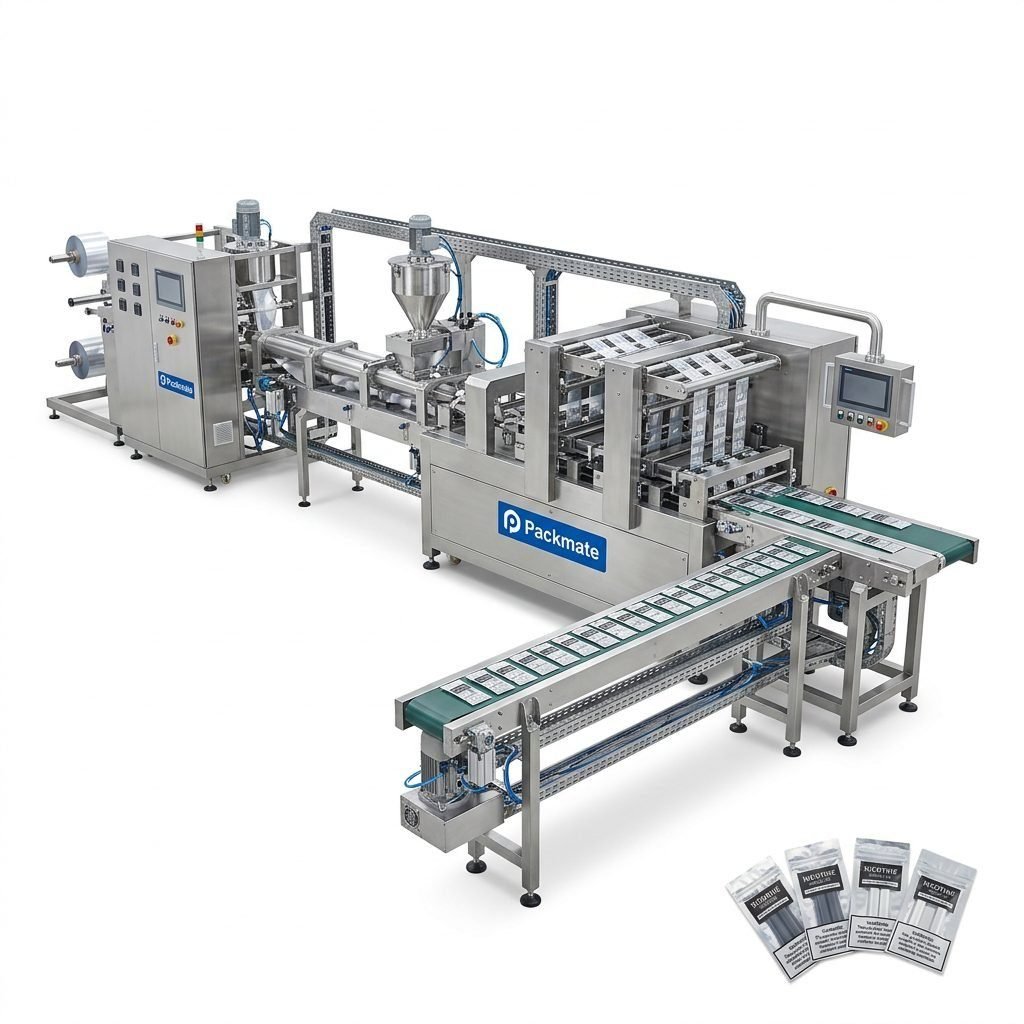
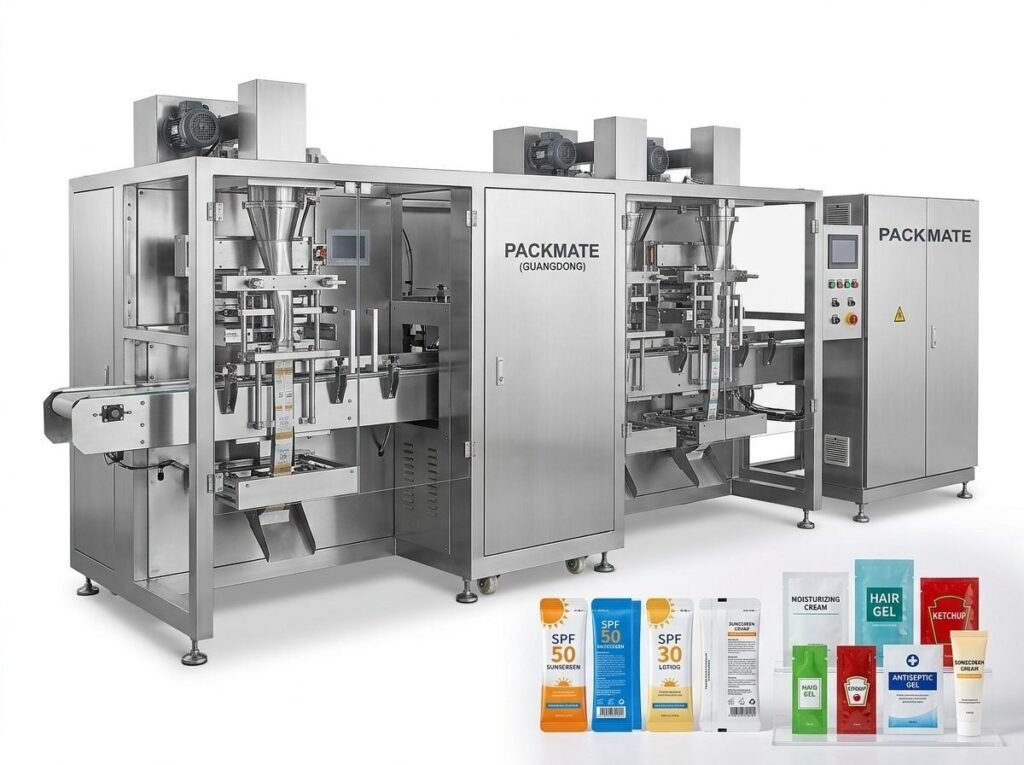
Selecting equipment is only half the battle. The manufacturer’s expertise and support are critical for long-term success. A partner like Packmate (GuangDong) Co., Ltd. exemplifies this holistic approach. With over 30 years of expertise originating from a founder’s passion for automation, Packmate has evolved into a leader providing intelligent, turnkey solutions. Their 20,000㎡ modern facility and development of over 50 machine models demonstrate a commitment to innovation and quality that extends from primary packaging all the way through to the support systems for tertiary stages. Choosing a partner with a strong company profile and global service network ensures your investment is protected and your operations remain future-proof.
Strategic Benefits of Optimized Tertiary Packaging
Implementing the right equipment solutions delivers measurable returns across the business:
Reduced Shipping Damage & Returns: The most direct benefit is a drastic drop in product loss, leading to lower costs and happier customers.
Lower Material & Labor Costs: Automated systems optimize material use (like stretch film) and free up personnel for higher-value tasks.
Enhanced Warehouse & Transport Efficiency: Stable, uniform loads are easier, faster, and safer to move, maximizing space in storage and transit.
Improved Sustainability: Modern equipment allows for use of thinner, recyclable materials (like films and straps) without compromising strength, supporting eco-friendly goals.
Stronger Brand Image: Products that arrive in perfect condition reinforce a reputation for quality and reliability.
Conclusion: Securing the Final Mile
The integrity of the tertiary packaging layer is the final determinant of whether a product’s journey ends in success or failure. By investing in top-tier equipment solutions—from automated wrapping and strapping to robotic palletizing—businesses can build an unbreakable last line of defense for their shipments. This investment goes beyond machinery; it’s a partnership for resilience, efficiency, and growth. It ensures that the value created throughout production and primary packaging is fully delivered to the end user, securing not just products, but also customer trust and operational excellence.
Frequently Asked Questions (FAQs)
What is the difference between secondary and tertiary packaging?
Secondary packaging is the layer that groups individual retail units (e.g., a cardboard box holding 12 soda cans). Tertiary packaging is used for bulk handling, storage, and transport of these grouped units, typically involving pallets, stretch wrap, and shipping containers.
How can automated pallet wrapping reduce costs?
Automated wrappers use pre-stretch technology to elongate film, using less material per pallet. They also apply consistent tension, eliminating film waste from over-wrapping and reducing the risk of load failure and associated damage costs.
Is robotic palletizing suitable for low-volume operations?
While traditionally favored for high-volume lines, collaborative robots (cobots) are now making robotic palletizing accessible and cost-effective for lower-volume and mixed-SKU operations due to their flexibility, ease of programming, and lower initial investment.
What type of strapping is best for heavy loads?
For extremely heavy or rigid loads (e.g., steel, construction materials), steel strapping offers the highest tensile strength and security. For most other industrial loads, polyester (PET) strapping provides an excellent balance of strength, durability, and cost-effectiveness.
Why is partner selection as important as the equipment itself?
Reliable equipment requires reliable support. A strong partner provides crucial services like custom engineering for unique needs, comprehensive training, readily available spare parts, and responsive technical support. This ensures maximum uptime, long equipment life, and a strong return on investment. Explore the support and expertise offered by industry leaders on their home page.