In today’s competitive coffee industry, the right packaging is not just about containment—it’s about preserving freshness, ensuring quality, and building brand identity. For businesses looking to scale, from artisanal roasters to large-scale producers, investing in professional coffee packaging machines is a critical step. This article explores the commercial and industrial solutions available for sale, helping you find the equipment that matches your operational scale and product vision.
The Importance of Specialized Coffee Packaging
Coffee is highly sensitive to oxygen, moisture, and light. Effective packaging acts as a barrier, locking in the complex aromas and flavors that define a premium product. For commercial operations, consistent, efficient, and attractive packaging directly impacts shelf appeal, operational costs, and customer satisfaction. Industrial-scale solutions take this further, integrating high-speed automation to meet massive demand without compromising on the protective qualities of each pack.
Key Packaging Formats for Coffee
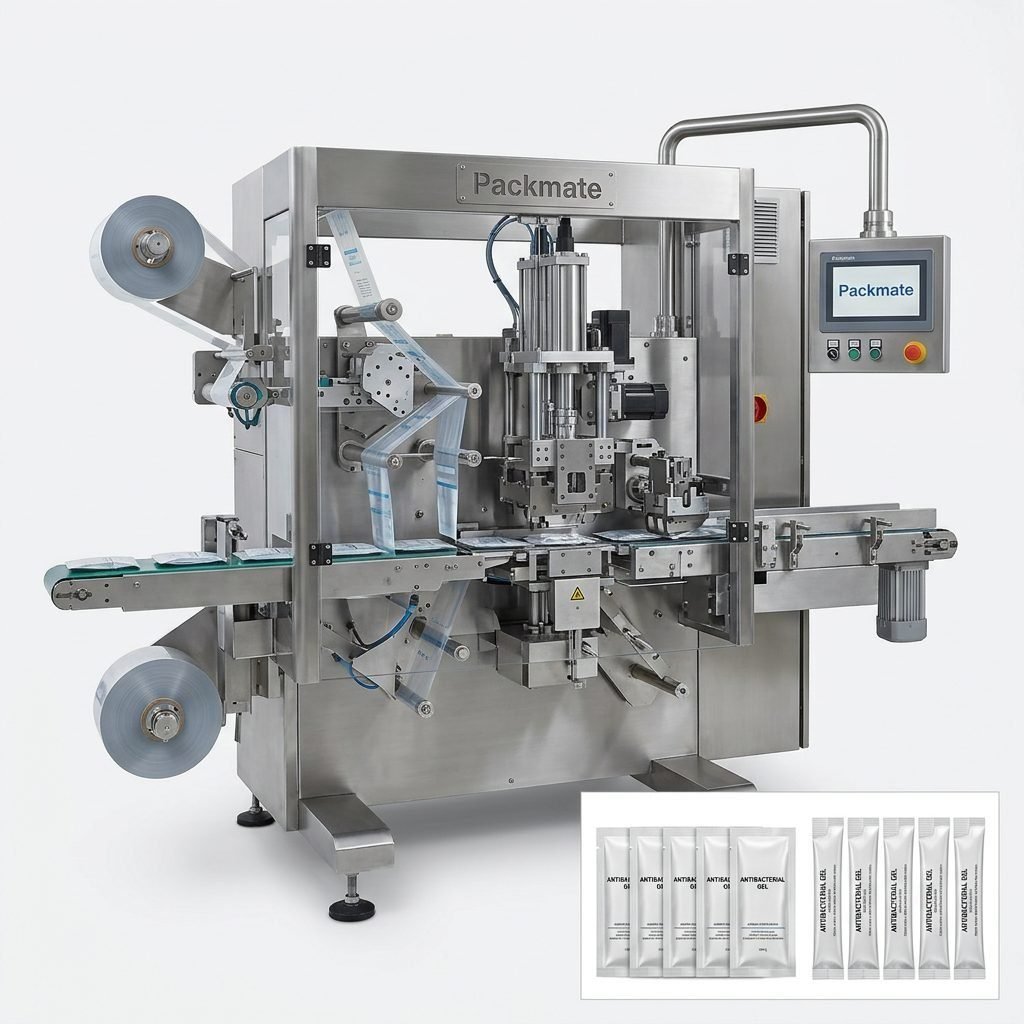
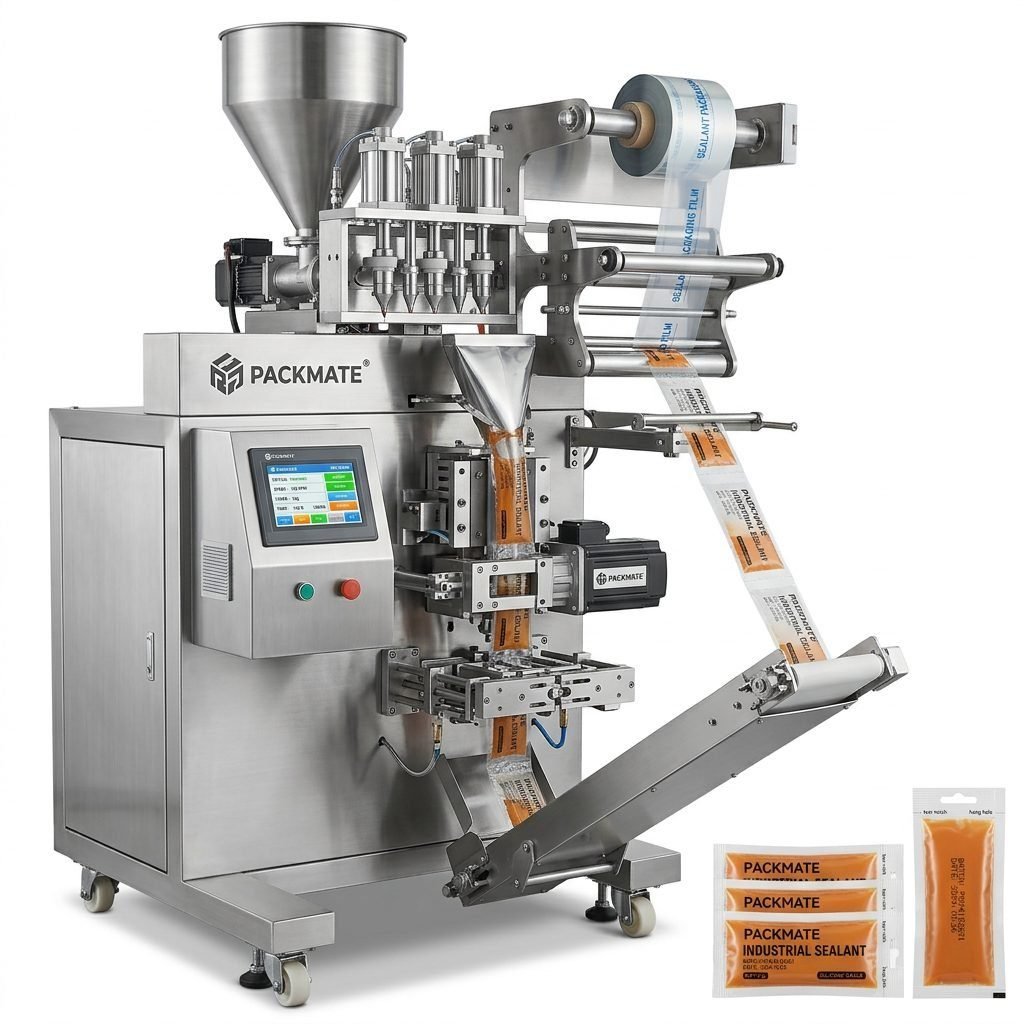
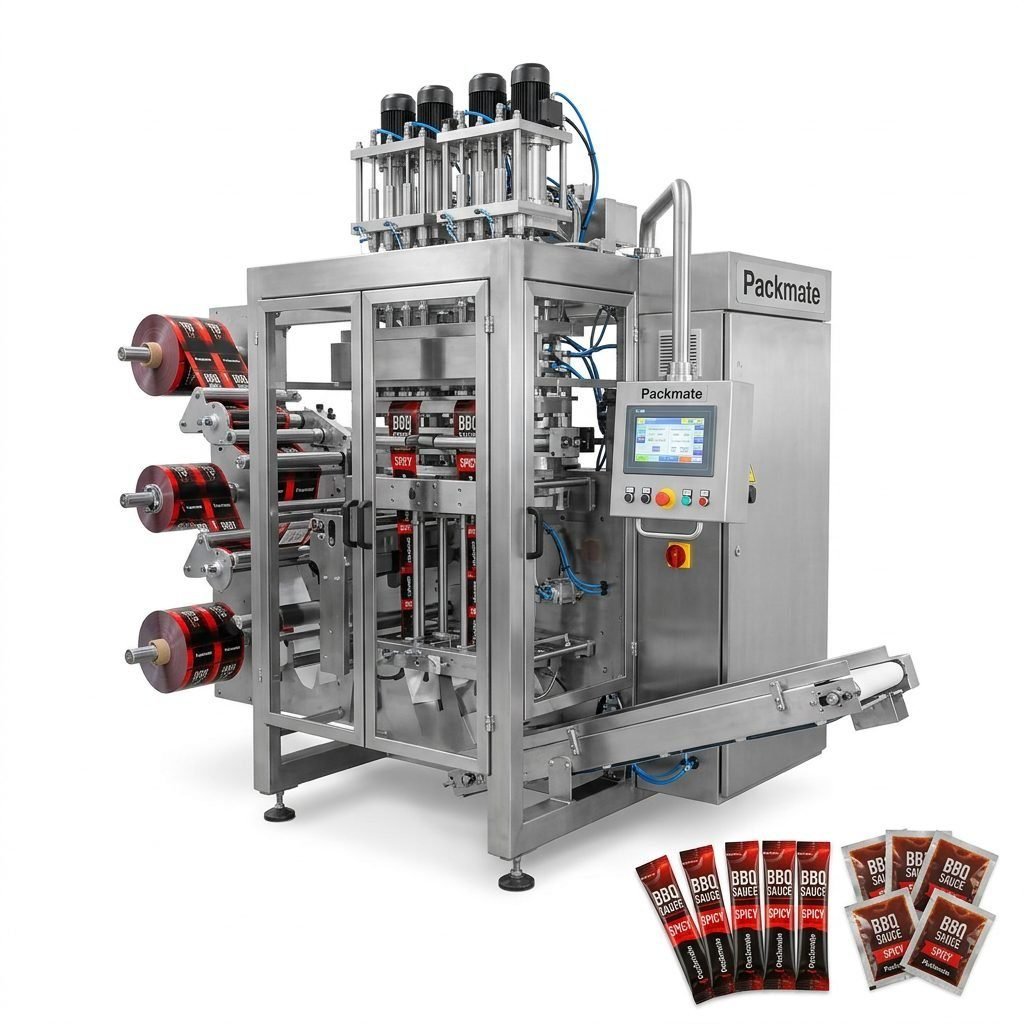
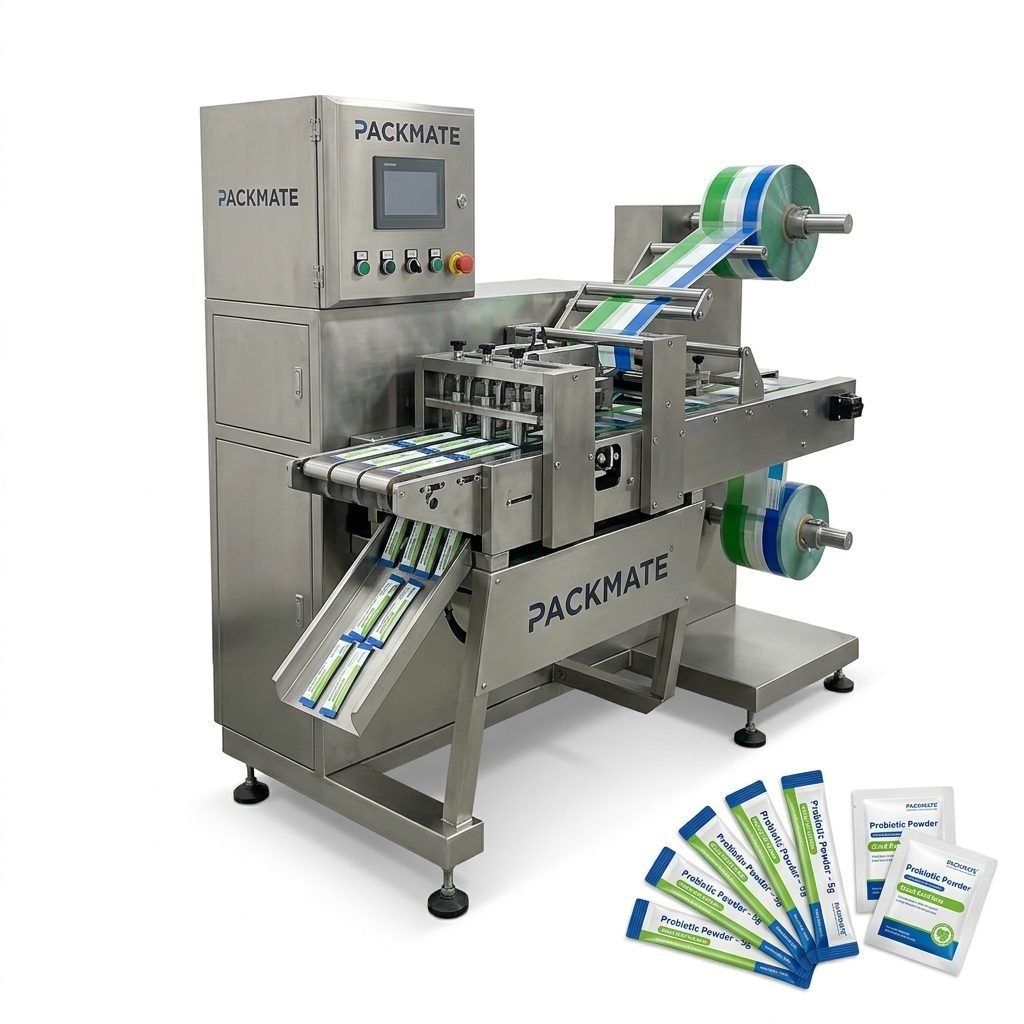
The choice of format often dictates the type of machinery required. Stand-up pouches with degassing valves are industry standard for whole bean coffee, allowing CO2 to escape without letting oxygen in. Single-serve stick packs are popular for instant coffee, cappuccino mixes, and ground coffee samples, requiring precise, multi-lane filling technology. For larger volumes, such as bulk sales to cafes or retailers, pre-made bag filling and sealing systems or form-fill-seal (FFS) machines that create bags from roll stock are essential. Each format serves a distinct market segment and requires specialized equipment.
Commercial vs. Industrial Packaging Solutions
Understanding the distinction between commercial and industrial machinery is vital for making a cost-effective investment.
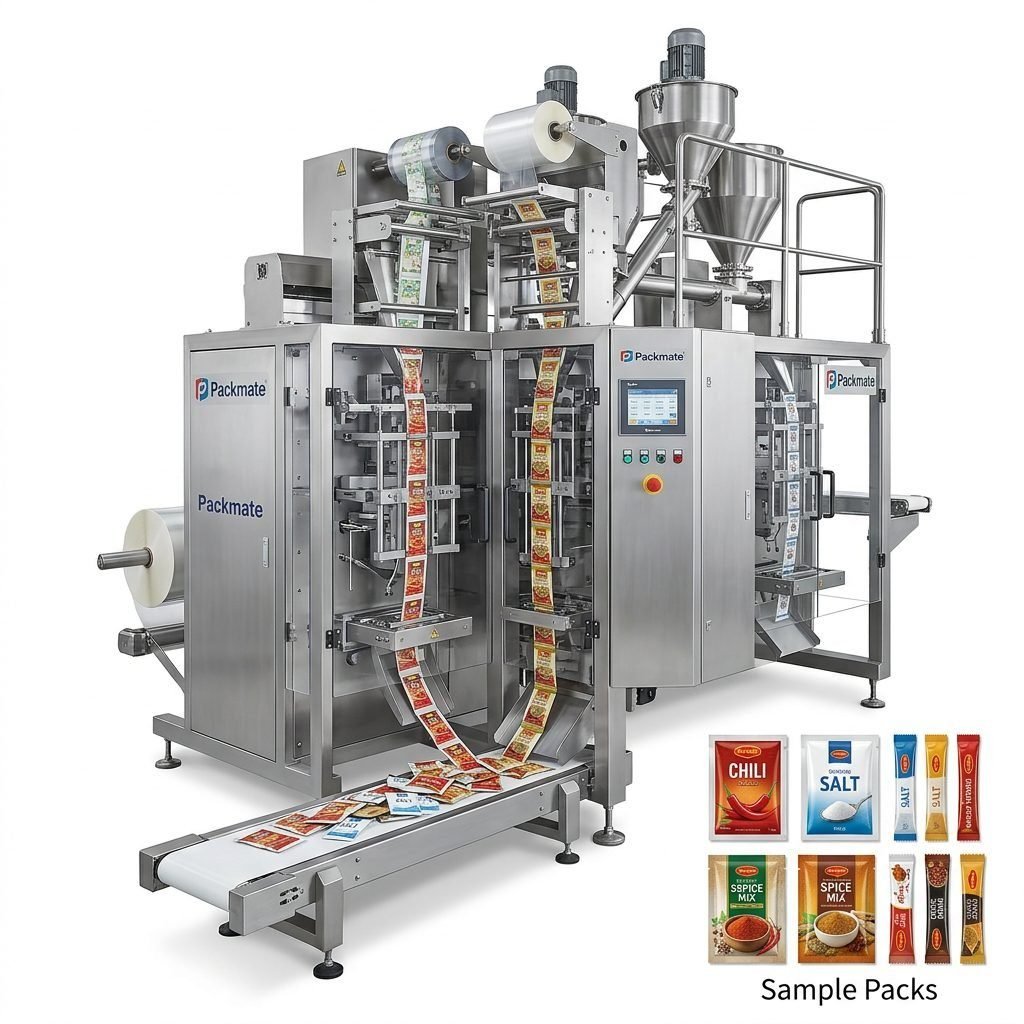
Commercial Coffee Packaging Machines: Designed for small to medium-sized businesses, these machines offer a balance of speed, flexibility, and affordability. They are often semi-automatic, requiring some operator involvement for tasks like bag placement. Ideal for roasteries producing a few hundred to several thousand bags per day, they support various bag sizes and styles, allowing for easy product line changes. Solutions like versatile vertical form-fill-seal machines are a cornerstone in this category.
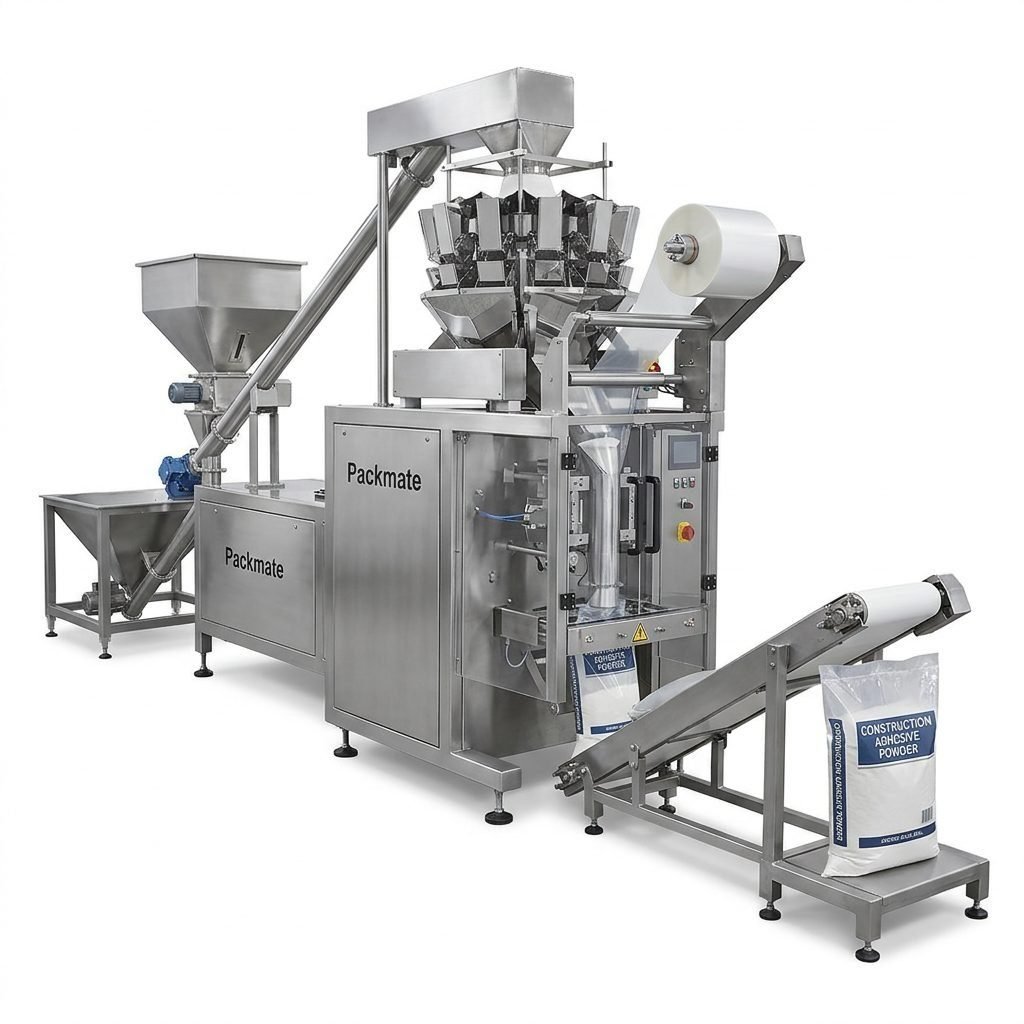
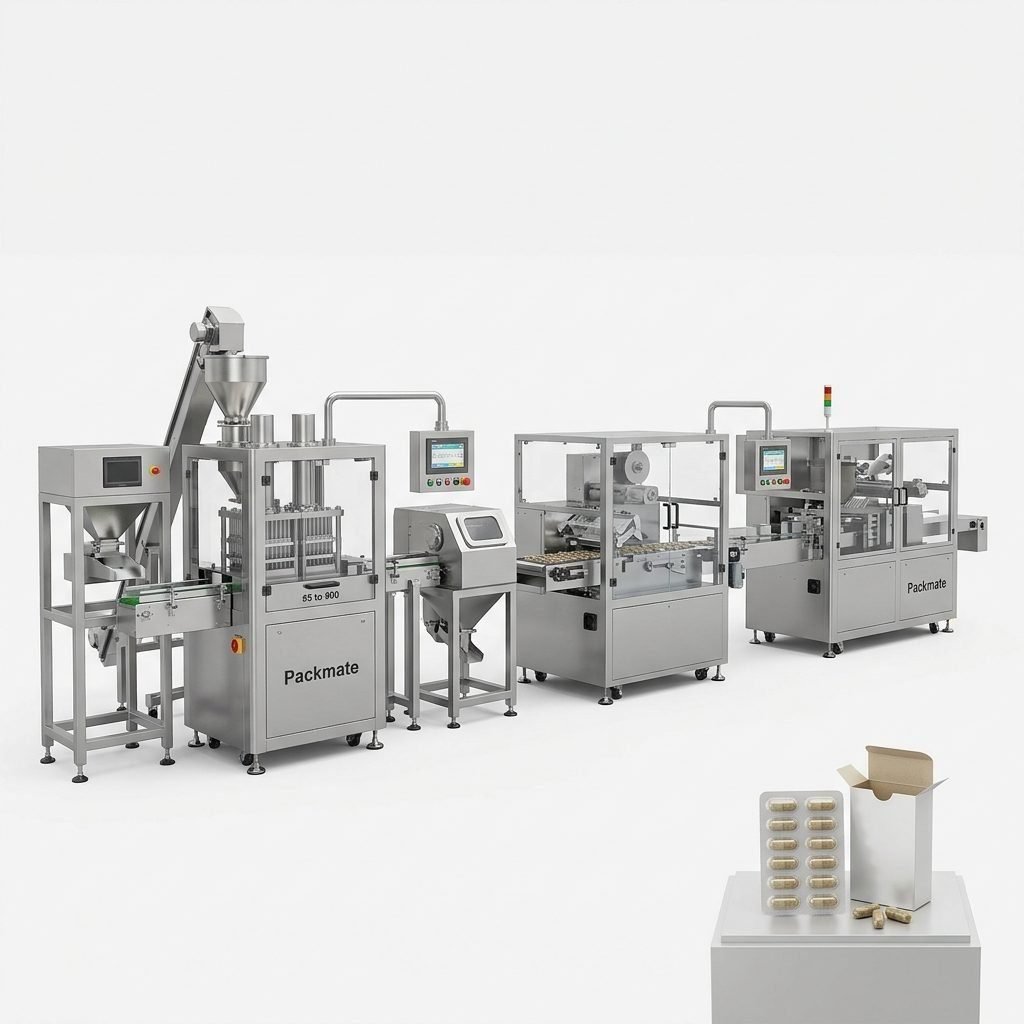
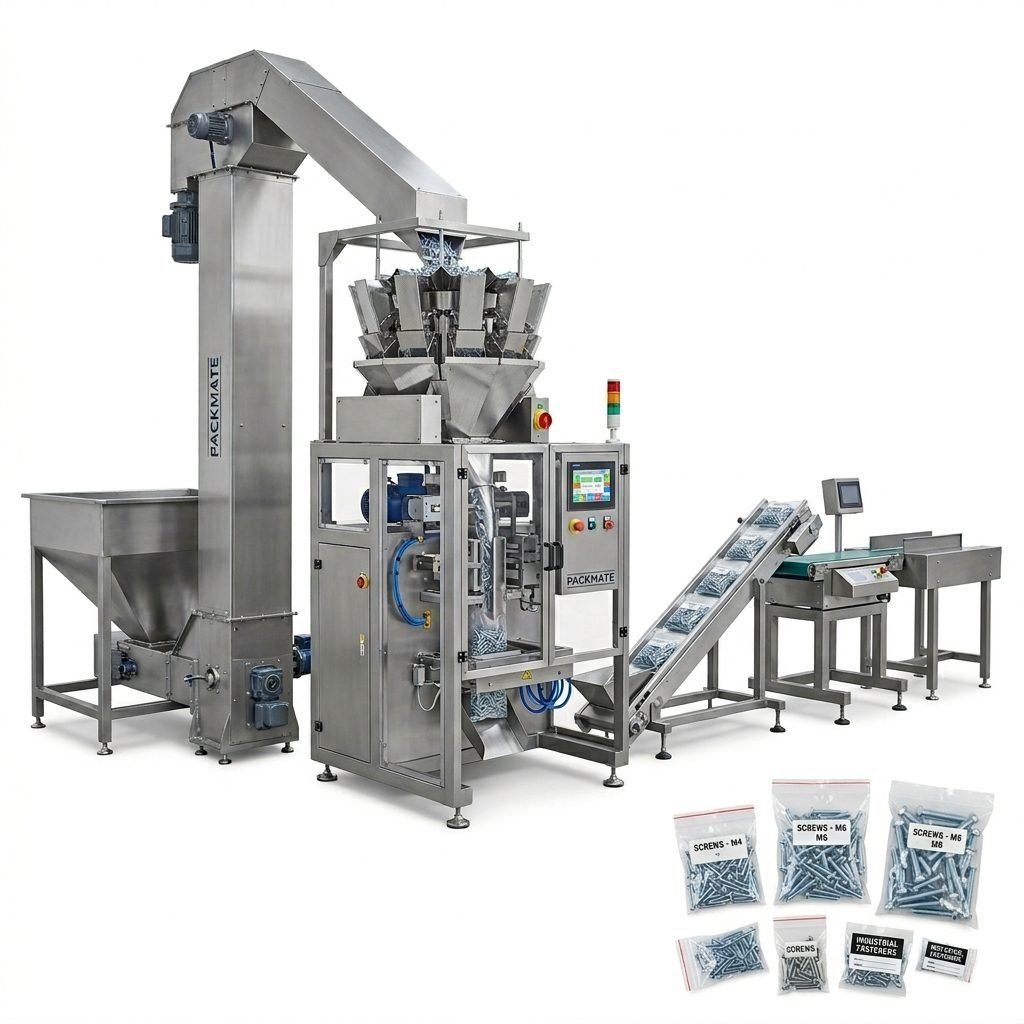
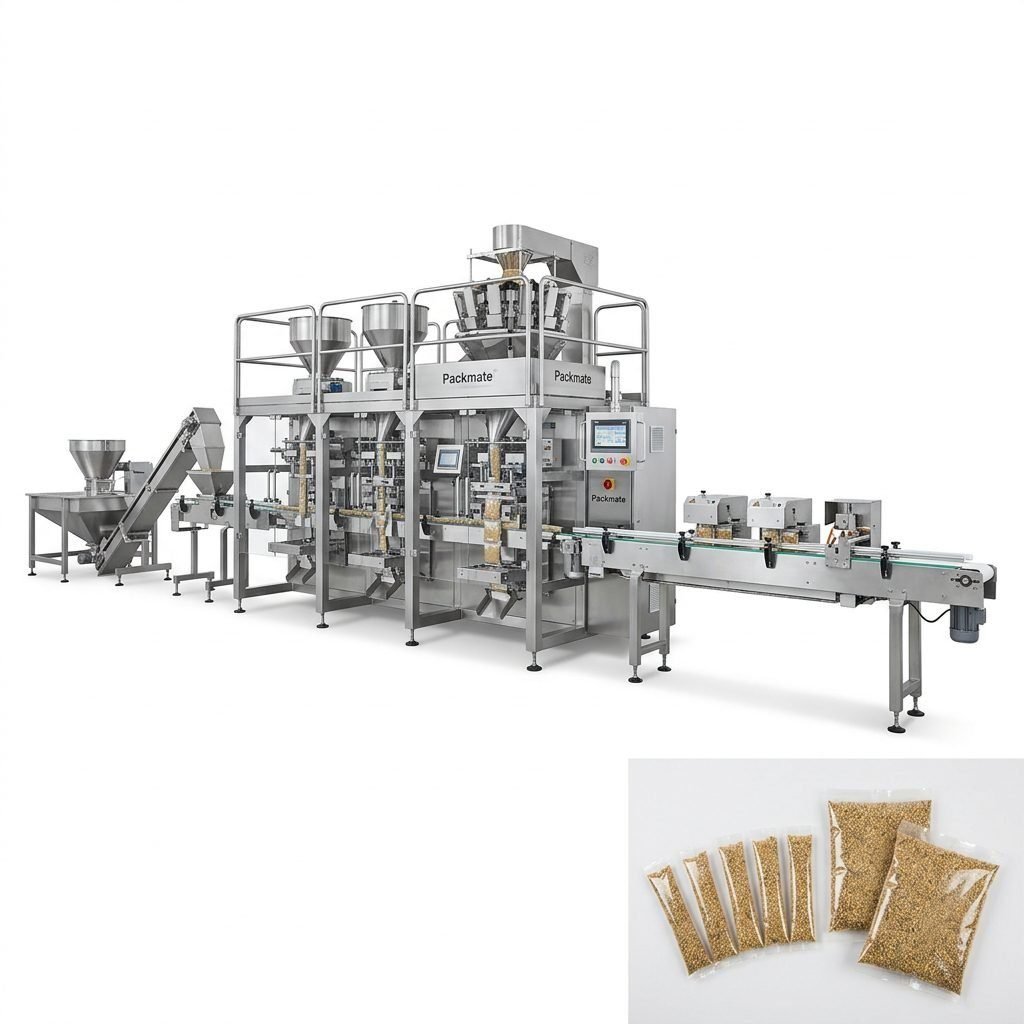
Industrial Coffee Packaging Solutions: Built for high-volume output, industrial systems are fully automated, integrated production lines. They can include automated weigh-fillers, multi-head scales for precision, robotic bag placers, and high-speed sealers. These lines are engineered for durability and minimal downtime, capable of producing tens of thousands of units per shift. They represent a significant capital investment but deliver the lowest cost per unit and maximum throughput for large coffee brands and contract packers.
Core Technologies in Coffee Packaging Machinery
Modern machines incorporate several key technologies:
- Weighing and Dosing Systems: Volumetric cups for ground coffee or advanced multi-head weighers for whole beans ensure precise fill weights, critical for cost control and regulatory compliance.
- Gas Flushing (Nitrogen Flushing): Integrated systems displace oxygen in the package with inert nitrogen gas before sealing, dramatically extending shelf life by preventing oxidation.
- Degassing Valve Application: Automatic applicators that accurately place one-way valves onto bags for whole bean coffee packaging.
- Vision Inspection Systems: Cameras check for seal integrity, correct label placement, and fill levels, ensuring every package meets quality standards.
Choosing the Right Partner: Beyond the Machine
Purchasing a machine is just the beginning. The manufacturer’s support defines your long-term success. Look for a partner with deep industry expertise, like Packmate Machinery, which brings over 30 years of experience in packaging solutions. A reliable partner offers comprehensive services: customized machine configuration to handle your specific coffee product (beans, ground, instant), extensive training for your operators, readily available spare parts, and responsive technical support. They should provide a clear roadmap from installation to full production, ensuring your investment delivers a swift return.
Trends Shaping the Future of Coffee Packaging
Sustainability is no longer a niche concern but a core consumer demand. This drives innovation in machinery capable of handling compostable, biodegradable, or recyclable mono-material films. Smart packaging, incorporating QR codes for traceability, is also on the rise. Furthermore, the demand for flexibility is growing; manufacturers seek machines that can quickly switch between different coffee products and package sizes to accommodate limited edition roasts or seasonal blends without lengthy changeover downtime. Exploring a range of integrated filling and packaging lines can future-proof your operation against these evolving trends.
Conclusion
Selecting the right coffee packaging machine is a strategic decision that impacts product quality, brand perception, and profitability. By carefully assessing your output needs, package formats, and growth plans, you can identify the optimal commercial or industrial solution. Partnering with an experienced and supportive manufacturer ensures a smooth integration and maximizes the longevity and performance of your equipment, securing your place in the vibrant global coffee market.
Frequently Asked Questions (FAQs)
What is the typical output speed of a commercial coffee packaging machine?
Speeds vary widely based on automation level and package type. A semi-automatic machine for stand-up pouches might manage 20-40 bags per minute, while a fully automatic stick pack machine for instant coffee can reach 100-200 sticks per minute. It’s best to discuss your specific product and target output with the machine supplier.
Can one machine package both whole bean and ground coffee?
Many machines are versatile, but the key components differ. Whole bean coffee typically requires a multi-head weigher for accuracy, while ground coffee can often be dosed with volumetric cups. A reputable manufacturer can configure a machine or line that can handle both, though changeover procedures and parts may be needed.
How important is nitrogen flushing for coffee packaging?
For whole bean and ground coffee intended for a shelf life beyond a few weeks, nitrogen flushing is highly recommended and often essential. It removes oxygen from the package, drastically slowing down the staling process (oxidation) and preserving freshness and flavor integrity for months.
What kind of after-sales service should I expect?
Comprehensive after-sales service is crucial. Expect detailed installation guidance, on-site or virtual operator training, a warranty period, access to a library of maintenance manuals and videos, a reliable supply of spare parts, and access to technical support via phone or online channels. Companies with a strong service ethos, like those with a dedicated service department, provide greater long-term value.
Are there machines suitable for sustainable/compostable packaging materials?
Yes, the market is adapting. However, not all standard machines handle these newer films well due to different sealing properties and tensile strengths. It is critical to discuss your sustainable packaging goals with the machine manufacturer during the selection process. They may recommend specific sealing jaw designs, temperature controls, or film handling mechanisms to ensure reliable performance.