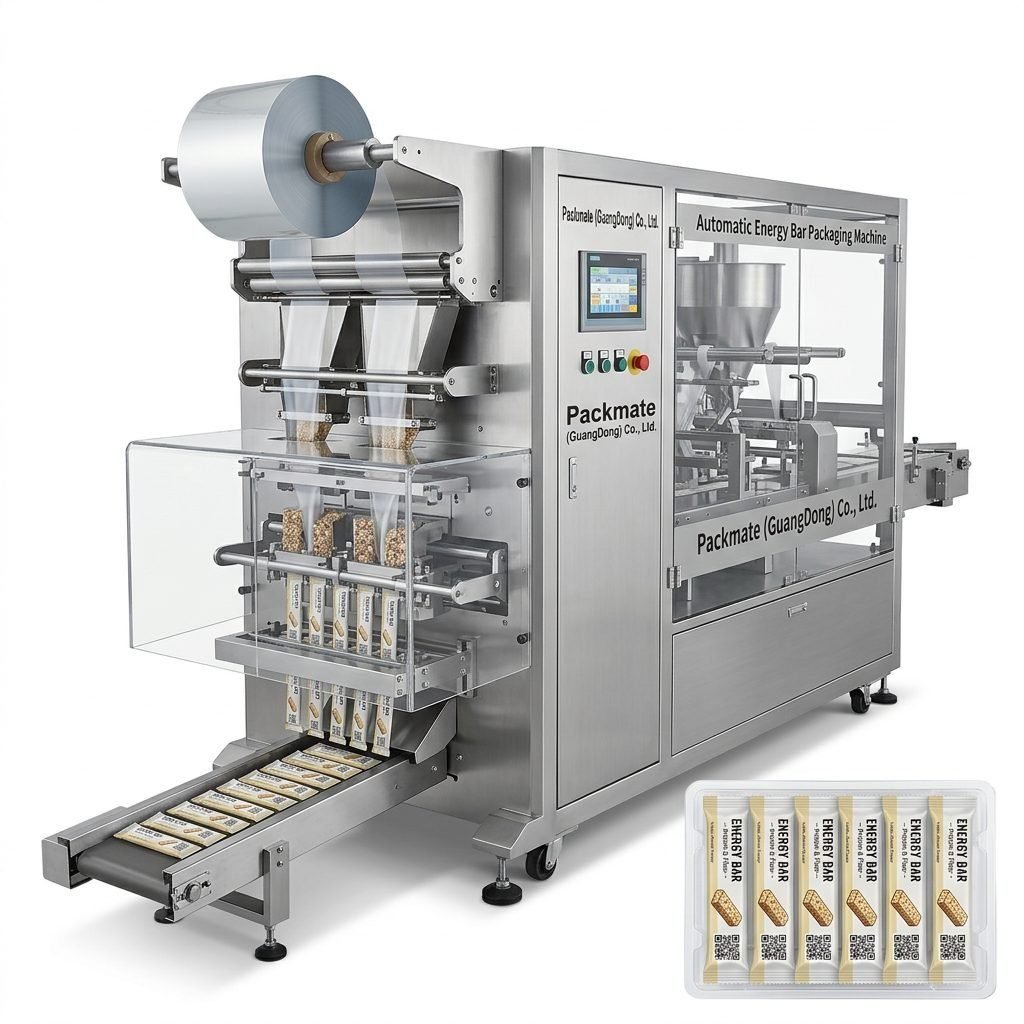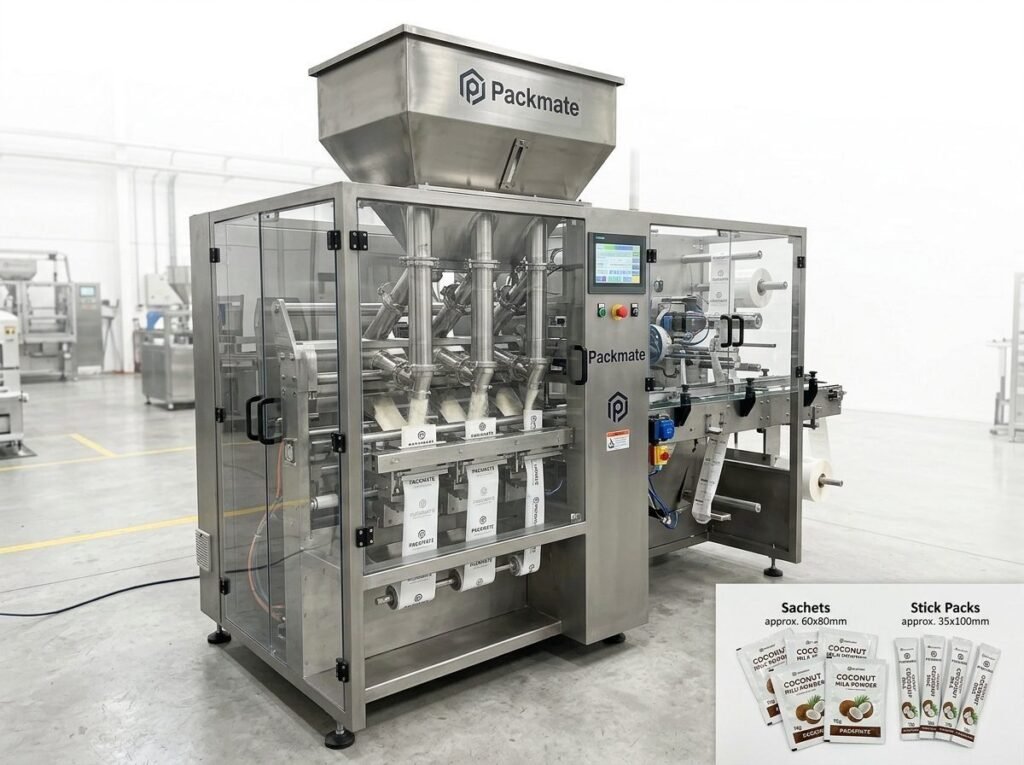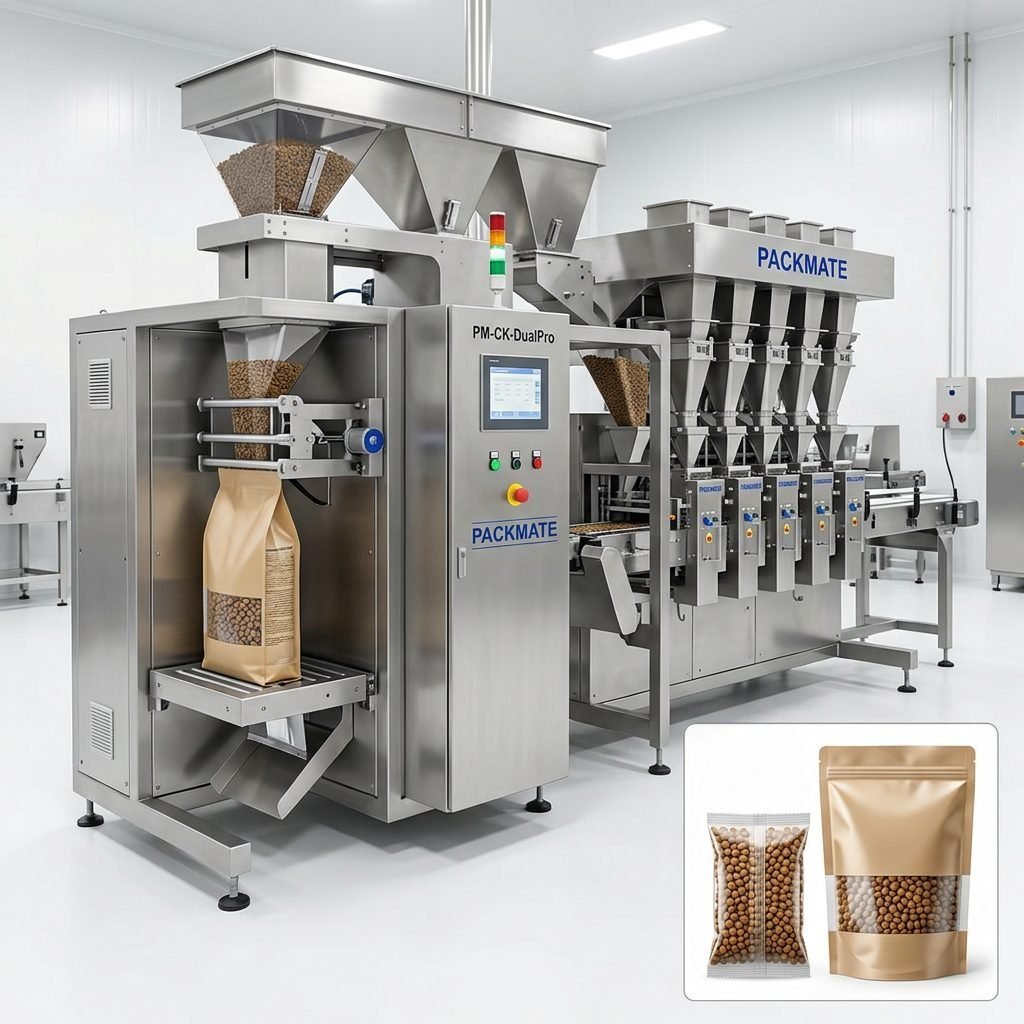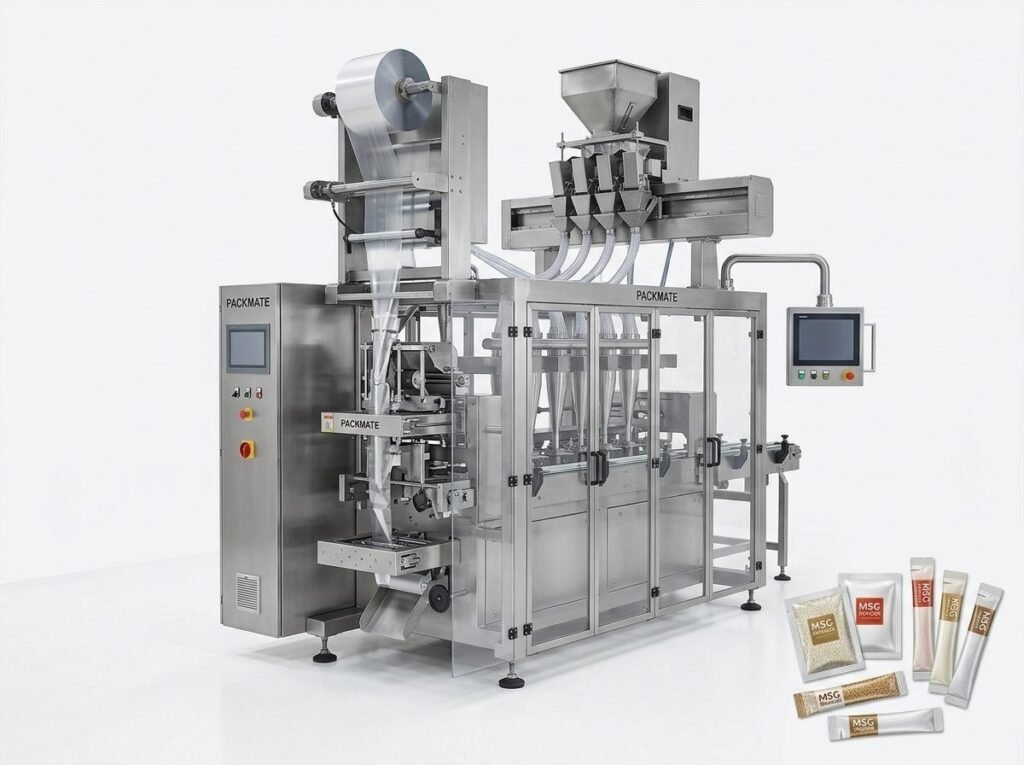
In the competitive landscape of industrial manufacturing, efficiency is not just a goal—it’s a necessity. For producers of stone wool insulation, achieving optimal efficiency throughout the production line is paramount to maintaining quality, meeting demand, and ensuring profitability. A critical, yet sometimes overlooked, component in this process is the packaging stage. This is where optimized stone wool packaging equipment becomes a game-changer, transforming a routine step into a powerful driver of overall production line performance.
The Role of Packaging in Stone Wool Production Efficiency
Stone wool production is a continuous, high-volume operation. From raw material fusion to fiber formation and curing, each step is finely tuned. The packaging phase must match this pace and precision. Inefficient packaging creates bottlenecks, leading to product pile-up, potential damage, and labor strain. Conversely, a seamlessly integrated packaging system acts as the final, smooth gear in a well-oiled machine, ensuring the finished product is protected, palletized, and ready for shipment without delay. The right equipment does more than just wrap; it synchronizes with upstream processes, maintains product integrity, and provides crucial data for production analytics.
Key Insight: An optimized packaging line is not an isolated unit but the critical link that translates manufacturing output into market-ready goods. Its speed, reliability, and flexibility directly determine the throughput and operational cost of the entire production facility.
Core Features of Optimized Stone Wool Packaging Equipment
What distinguishes optimized equipment from standard machinery? It’s a combination of advanced engineering, intelligent design, and robust construction tailored to the unique challenges of stone wool.
1. High-Speed Automation and Integration
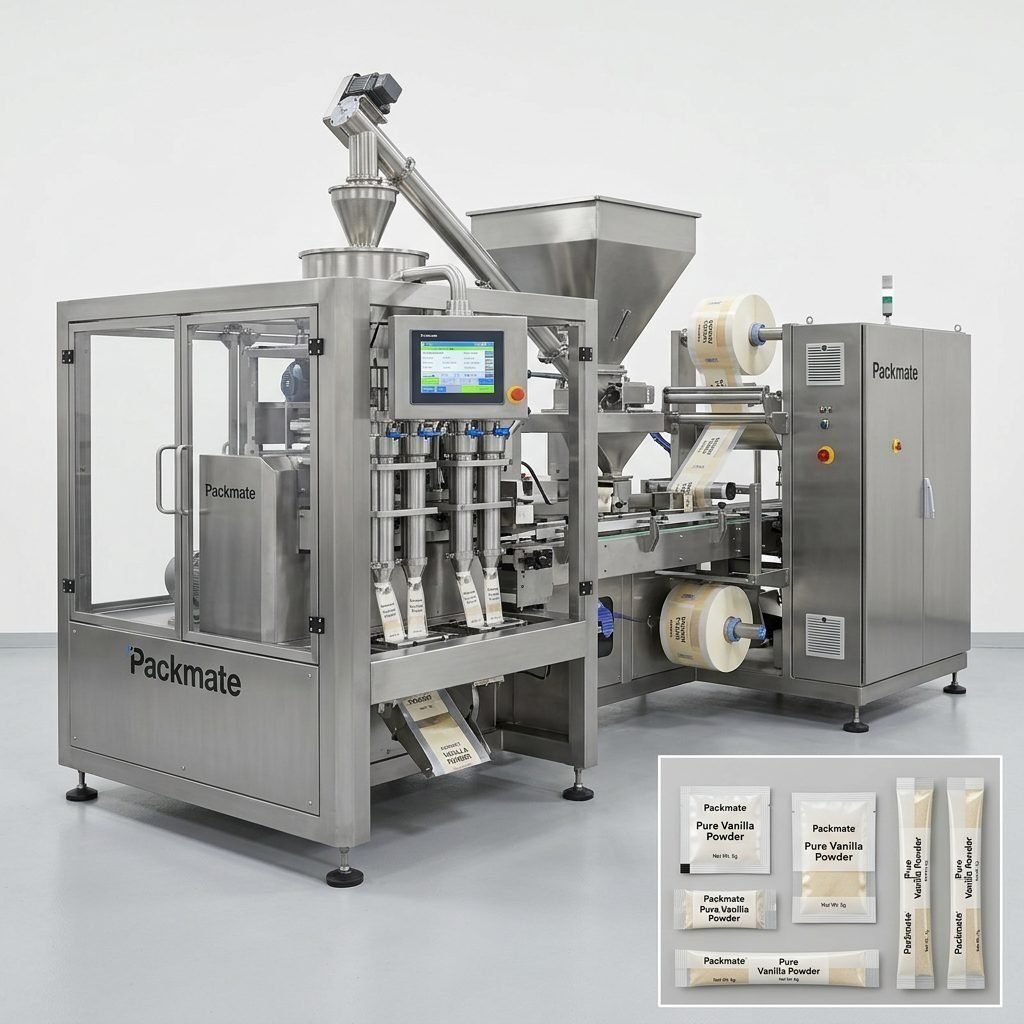
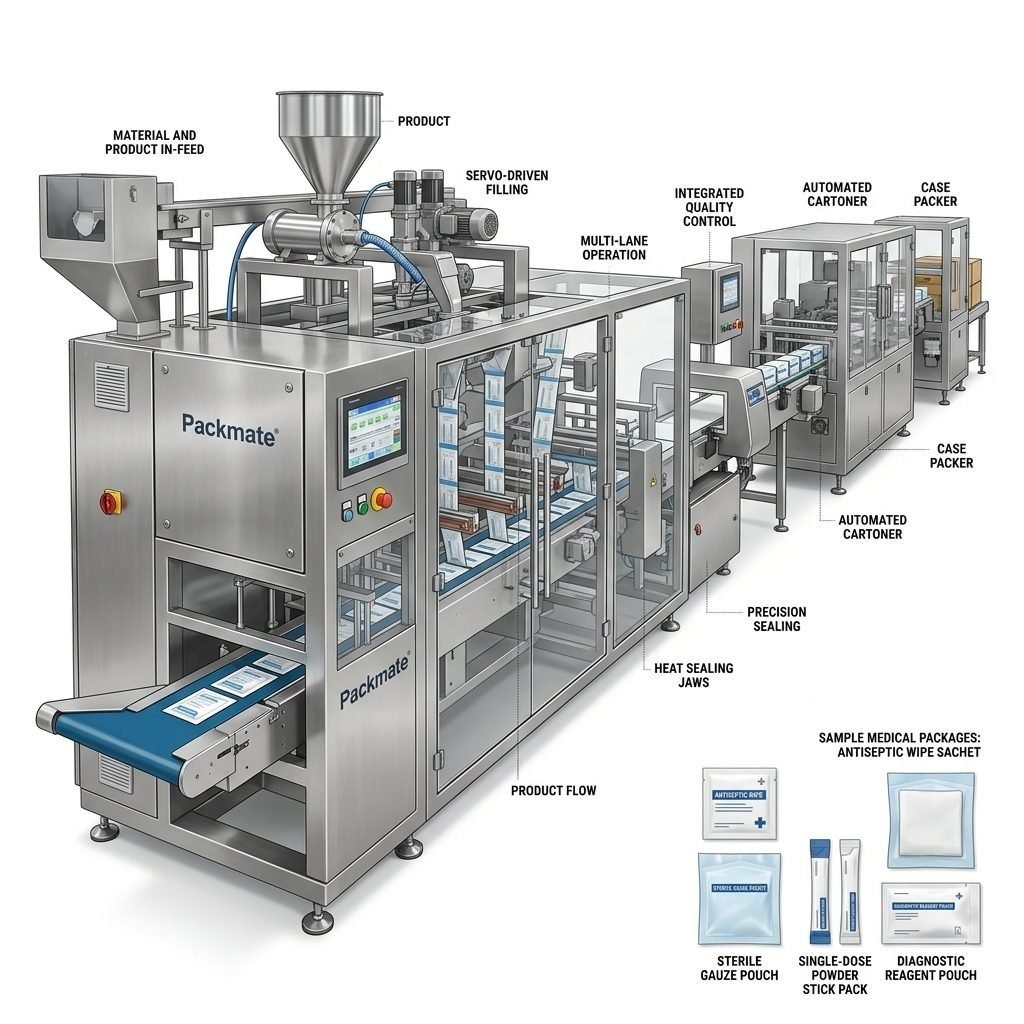
Modern lines feature fully automated systems for stacking, compressing, film wrapping, and labeling. They integrate directly with cutting and handling systems, often guided by programmable logic controllers (PLCs) that allow for seamless communication between stages. This eliminates manual handling, drastically reduces cycle times, and minimizes human error. For a deep dive into integrated systems, explore our comprehensive Filling & Packaging Lines solutions.
2. Robust Durability for Harsh Environments
Stone wool production areas are dusty and involve abrasive materials. Optimized equipment is built with hardened steels, protective seals, and components designed to withstand these conditions with minimal maintenance downtime. This ruggedness ensures long-term reliability and protects your capital investment.
3. Precision Handling and Product Protection
Equipment must handle stone wool slabs or rolls gently yet firmly to avoid edge crushing or fiber disruption. Features like adjustable compression plates, soft-contact conveyors, and precise film tension control ensure the product’s insulating properties and structural integrity are preserved during packaging.
4. Flexibility and Quick Changeover
Production runs often vary in product dimensions (thickness, width, length) and package type (shrink film, kraft paper, combo packs). Optimized systems allow for rapid changeovers through user-friendly HMIs (Human-Machine Interfaces) and mechanical adjustments, enabling just-in-time production for diverse customer orders without significant downtime. This flexibility is a hallmark of advanced Weighing & Packaging Systems.
5. Data Connectivity and Smart Features
The latest equipment offers connectivity for Industry 4.0. Sensors monitor film usage, production counts, and machine health. Data can be fed into a central Manufacturing Execution System (MES) for real-time monitoring, predictive maintenance alerts, and production optimization analytics.
Tangible Benefits for Your Production Line
Investing in optimized packaging technology delivers measurable returns across your operation.
Maximized Throughput: By eliminating packaging bottlenecks, the entire production line can operate at its designed capacity. Faster cycle times mean more finished product per shift.
Reduced Operational Costs: Automation cuts labor requirements per unit produced. Precision film handling and reduced product waste (from damage) lower material costs. Higher reliability means less expense on repairs and lost production time.
Enhanced Product Quality and Consistency: Automated, repeatable processes ensure every bundle or roll is packaged identically—tight, secure, and professionally presented. This consistency strengthens brand reputation and reduces customer complaints.
Improved Workplace Safety: Automating heavy lifting and reducing manual interaction with moving parts significantly lowers the risk of workplace injuries.
Scalability for Future Growth: A modular, optimized system can often be expanded or reconfigured to accommodate increased production volumes or new product lines in the future, protecting your investment.
The Packmate Machinery Advantage
With over 22 years of expertise in engineering robust packaging solutions, Packmate Machinery understands the demands of continuous production environments. While our core focus is on the food, pharmaceutical, and health industries, our engineering principles of reliability, precision, and intelligent automation are directly applicable to industrial sectors like stone wool. Our modern 20,000㎡ facility is equipped with advanced production and testing lines, ensuring every machine meets high-performance standards.
Our journey, from a focused workshop to a leading manufacturer, is built on solving complex packaging challenges. We offer more than just machines; we provide complete turnkey solutions. From initial concept and system design to installation, training, and ongoing support, our team ensures your packaging integration is seamless. Discover our commitment to innovation and collaboration through our Mission & Vision.
Implementation: Integrating Optimized Equipment
Successfully upgrading your packaging line requires careful planning.
1. Audit and Analysis: Begin with a thorough analysis of your current packaging process to identify specific bottlenecks, waste points, and desired output metrics.
2. Partner Selection: Choose a supplier with proven experience in industrial automation and the capability to provide custom-engineered solutions, not just off-the-shelf machines. Look for a partner with a strong service and support network.
3. Phased Integration: Plan the integration to minimize disruption to ongoing production. This often involves parallel runs, staged installation, and comprehensive operator training.
4. Continuous Optimization: After installation, use the data collected by the new system to fine-tune settings and further improve efficiency over time.
Conclusion
Optimized stone wool packaging equipment is a strategic investment that pays dividends across the entire production line. By automating the final, critical step, manufacturers unlock higher throughput, lower operational costs, superior product quality, and a safer work environment. In an industry where efficiency defines competitiveness, an advanced packaging system is not merely an accessory—it is the essential component that ensures your production potential is fully realized, delivering reliable, market-ready insulation products to your customers without compromise.
Frequently Asked Questions (FAQs)
1. How does optimized packaging equipment specifically reduce costs in a stone wool plant?
Cost reduction is multi-faceted: it lowers direct labor costs by automating manual tasks, reduces material waste through precise film control and less product damage, and minimizes downtime costs via higher machine reliability and predictive maintenance capabilities.
2. Can new packaging machinery be integrated with our existing, older production line?
Yes, in most cases. A competent supplier will design an interface (mechanical and control-based) to bridge the new packaging system with your existing curing, cutting, or handling equipment. The key is a detailed site survey and engineering assessment during the planning phase.
3. What is the typical ROI period for such an investment?
The Return on Investment period varies based on production volume, labor costs, and the level of current inefficiency. However, by significantly boosting throughput and cutting waste, many facilities see a full ROI within 1 to 3 years, followed by sustained annual cost savings.
4. How important is after-sales service and technical support?
It is critical. Complex automated systems require reliable support for spare parts, troubleshooting, and periodic maintenance. Choosing a supplier like Packmate Machinery, with a strong track record and dedicated service commitment, ensures long-term operational success and protects your investment.
5. What are the key specifications to evaluate when selecting equipment?
Focus on: Maximum Speed (units/hour), Product Size Range (min/max dimensions), Required Utilities (power, air), Degree of Automation, Control System (e.g., PLC type, HMI), and Construction Materials for durability in a dusty environment.