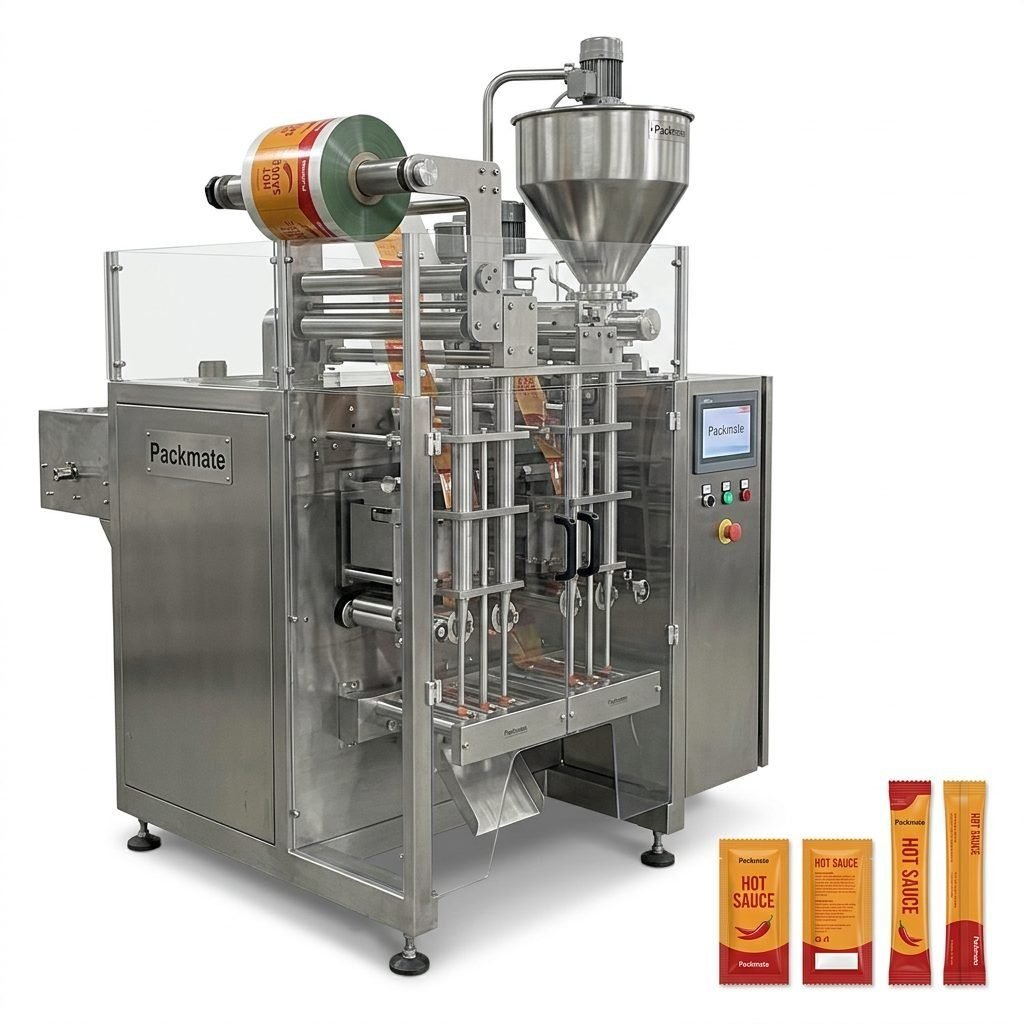
Investing in an individual cookie packaging machine is a significant decision for any bakery, confectionery business, or food producer. These specialized machines automate the process of wrapping single cookies, biscuits, or similar baked goods, ensuring hygiene, consistency, and a professional appearance that appeals directly to consumers. This comprehensive guide will walk you through every critical factor to consider, helping you select the perfect machine to enhance your production line and boost your brand’s market presence.
Understanding Individual Cookie Packaging Machines
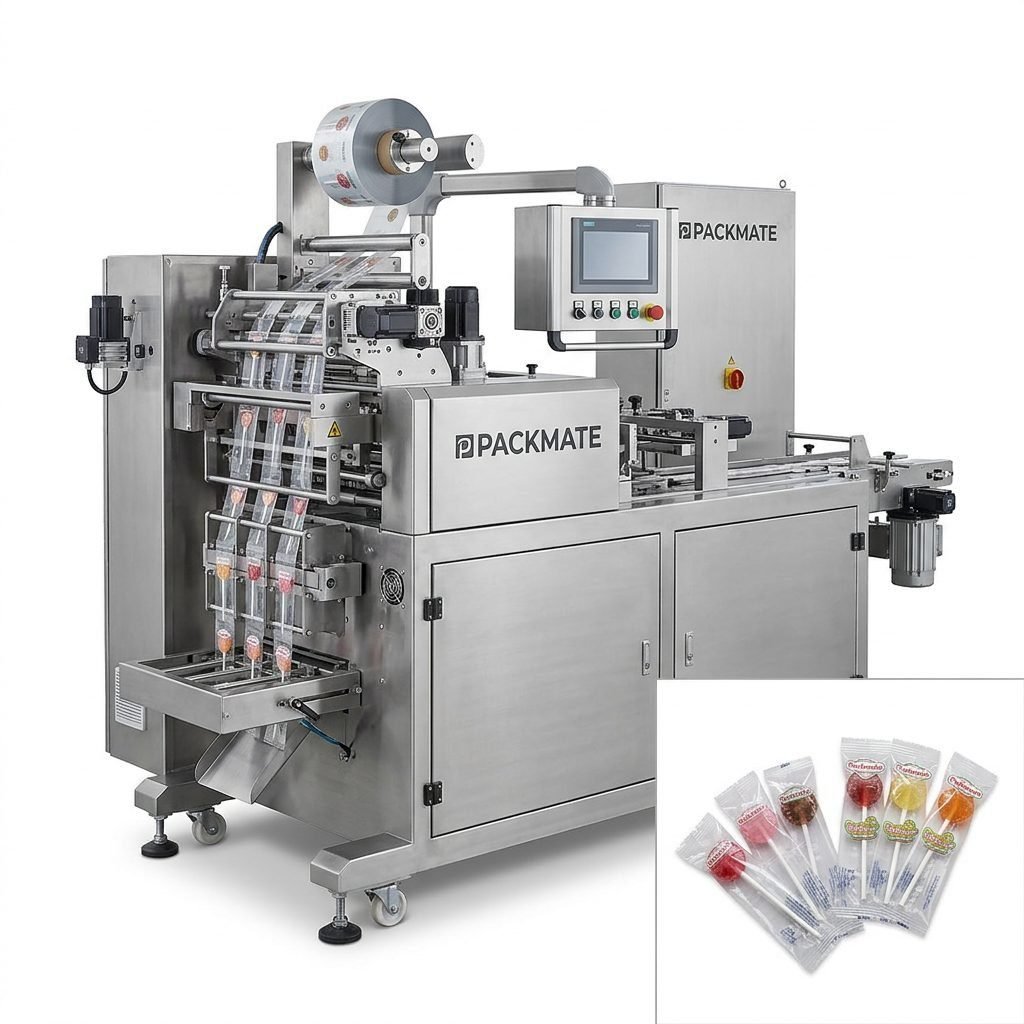
An individual cookie packaging machine is designed to automatically feed, wrap, and seal single cookies. Unlike bulk packaging systems, these machines focus on creating attractive, single-serve units that are ideal for retail, vending, catering, or subscription boxes. The primary wrapping materials include flow wraps (fin-seal), flat bottom bags, or specialized pouches, often using films that provide excellent barrier properties to maintain freshness.
The shift towards single-serve, on-the-go snacks has made individual wrapping not just a luxury but a market expectation for quality cookie brands.
Key Benefits for Your Business
Implementing a dedicated packaging line offers tangible advantages:
Enhanced Product Freshness & Hygiene: Each cookie is sealed in its own protective environment, shielding it from moisture, air, and contaminants during storage and transport. This dramatically extends shelf life and ensures the product reaches the consumer in perfect condition.
Superior Branding & Shelf Appeal: Individually wrapped cookies allow for clear, high-impact branding on each package. You can print logos, nutritional information, and attractive designs directly on the wrapper, making your product stand out in a crowded marketplace.
Operational Efficiency & Cost Savings: Automation reduces labor costs associated with manual wrapping and minimizes material waste through precise cutting and sealing. A reliable machine from a seasoned manufacturer like Packmate Machinery ensures consistent output and fewer production stoppages.
Critical Factors in Your Buying Decision
Choosing the right machine requires a careful evaluation of your specific needs. Here’s what you must analyze.
1. Production Speed & Output Requirements
Machines are rated by packages per minute (PPM). Assess your current and projected future demand. A small bakery might suffice with a machine running at 60-100 PPM, while a large-scale manufacturer may need equipment capable of 200+ PPM. Remember, maximum speed must be balanced with reliability and the nature of your product—fragile, ornate cookies may require gentler handling at slightly lower speeds.
2. Cookie Type, Size, and Shape Compatibility
Not all machines handle all cookies. You must consider:
Dimensions: The machine must accommodate your cookie’s diameter and thickness. Can it handle variations if you have multiple product lines?
Texture & Fragility: Delicate, crumbly cookies or those with loose toppings (like sprinkles) need a machine with a gentle feeding system, such as a belt or servo-driven pick-and-place mechanism, to avoid breakage.
Shape: Standard round cookies are easiest, but machines can be customized with specific forming tubes and guides for squares, rectangles, or even irregular shapes. Explore options in bag & pouch packaging machines for more flexible shape accommodation.
3. Packaging Material & Seal Type
The wrapper is your product’s final outfit. Your choice depends on branding, barrier needs, and machine compatibility.
Flow Wrap (Fin Seal): The most common method. A single reel of film wraps around the cookie, and a longitudinal fin seal and two end seals are created. It’s efficient and offers a sleek, professional look.
Flat Bottom Bags/Pouches: Pre-made bags are opened, the cookie is inserted, and the bag is sealed. This style can offer a more premium, stable standing presentation for retail shelves.
Discuss with your supplier whether the machine can run on biodegradable, compostable, or recyclable films to meet growing environmental and regulatory demands.
4. Level of Automation & Integration
How much manual intervention can your operation tolerate?
Semi-Automatic: Requires an operator to place each cookie. Suitable for very low volume, artisanal production, or highly irregular products.
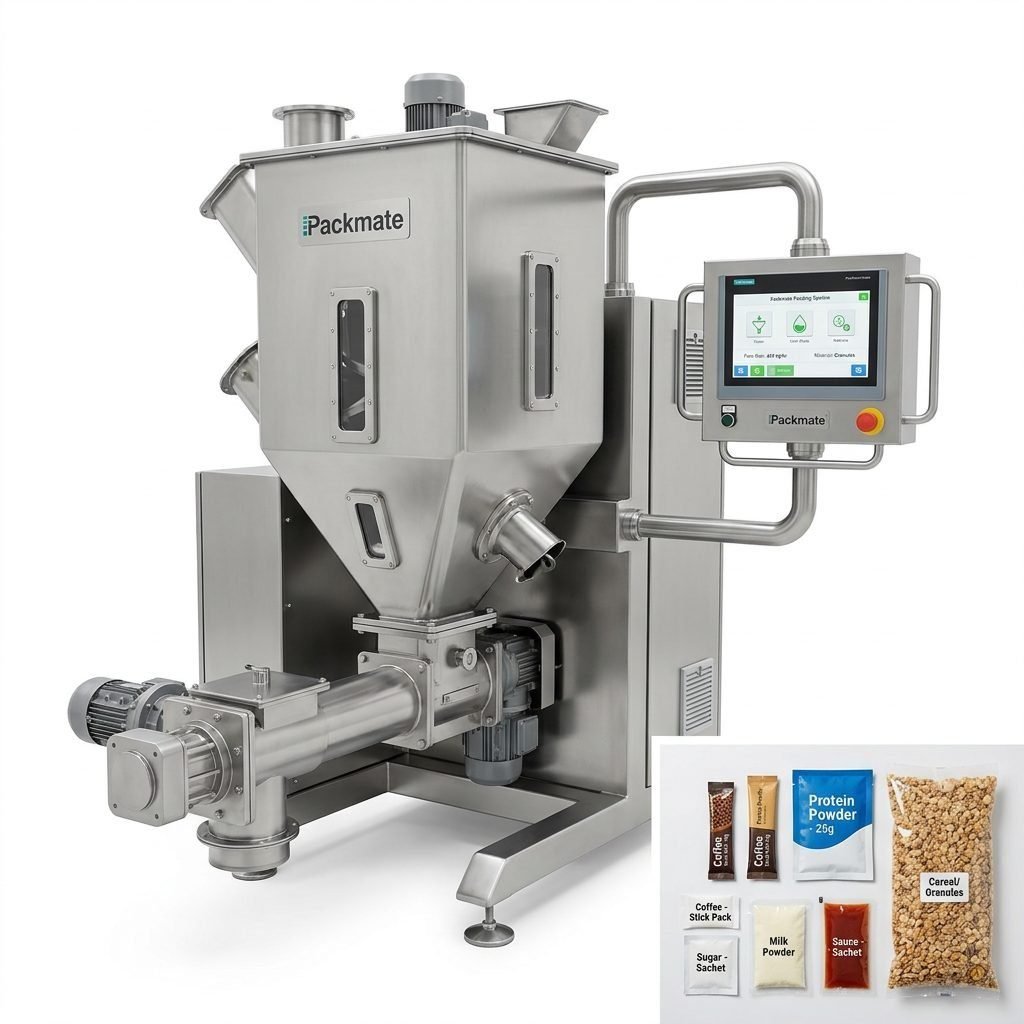
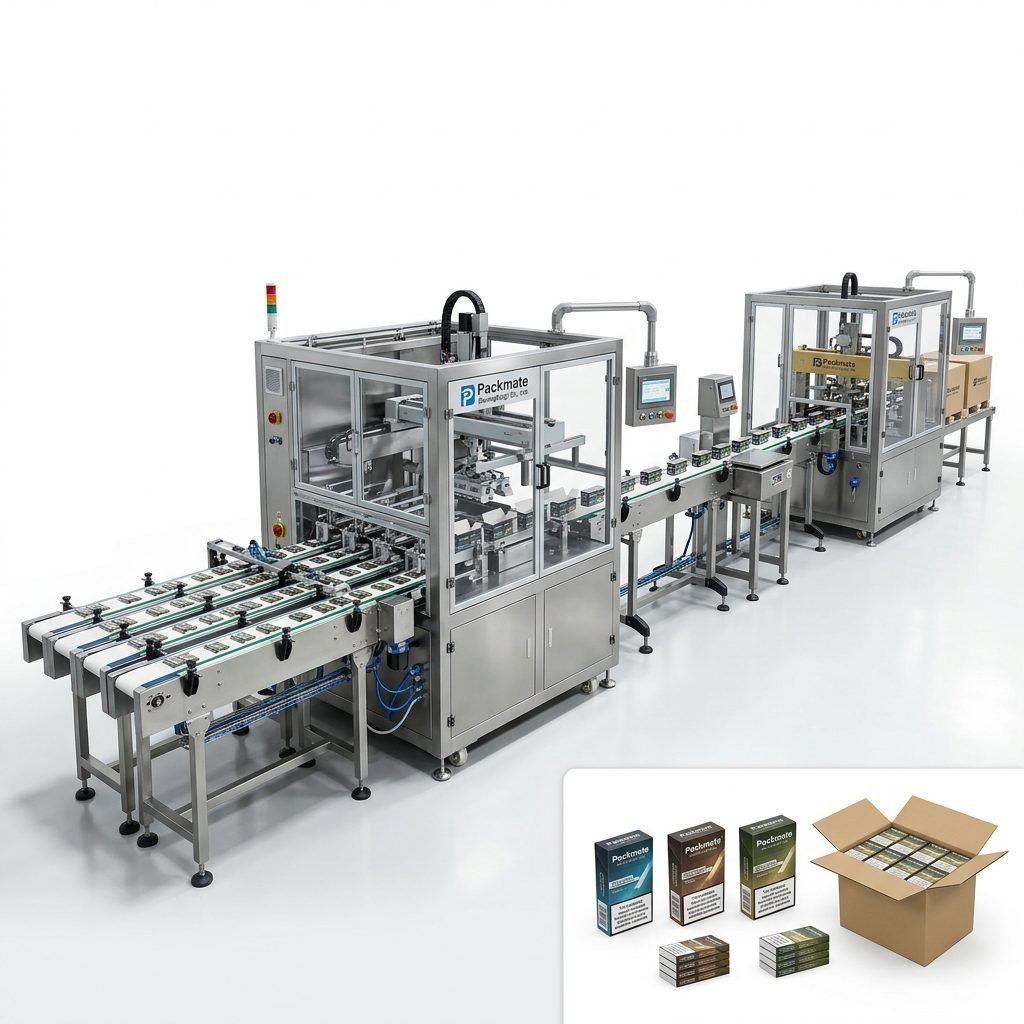
Fully Automatic: Integrated with a conveyor or feeding system that automatically presents cookies to the wrapping mechanism. This is essential for medium to high-volume production. For a complete solution, consider a full filling & packaging line that includes weighing and feeding systems upstream.
5. Machine Durability, Support, and Supplier Reputation
This is perhaps the most crucial long-term consideration. A machine is a capital investment.
Build Quality: Look for robust frames (stainless steel is preferred for food contact areas), high-quality servo motors, and precision components. A machine built to last will have a lower total cost of ownership despite a potentially higher initial price.
Technical Support & Spare Parts: Ensure the manufacturer or distributor offers comprehensive after-sales service, training, and readily available spare parts. Downtime is lost revenue.
Supplier Expertise: Partner with a company with a proven track record. For instance, Packmate Machinery brings over 30 years of expertise in packaging automation, with a modern 20,000㎡ facility and a commitment to innovation and reliable turnkey solutions. Their history of developing over 50 machine models demonstrates deep technical capability.
Budgeting and Total Cost of Ownership (TCO)
Look beyond the sticker price. The true cost includes:
- Initial Purchase Price: Varies widely based on speed, automation, and brand.
- Installation & Training: Factor in costs for setup, calibration, and operator training.
- Consumables & Energy: The ongoing cost of packaging film, ink (if printing), and electricity.
- Maintenance & Repairs: Regular servicing and unexpected breakdowns. A higher-quality machine typically has lower long-term maintenance costs.
- Return on Investment (ROI): Calculate how increased output, reduced labor, lower waste, and improved product appeal will pay back the investment.
Implementation and Best Practices
Once you’ve selected your machine, proper implementation is key.
Site Preparation: Ensure you have adequate space, the correct power supply (voltage, phase), and a stable, level floor. Proper ventilation and cleanliness are paramount in a food production area.
Staff Training: Thoroughly train operators on daily use, cleaning protocols, and basic troubleshooting. A well-trained team maximizes uptime and product quality.
Regular Maintenance: Adhere strictly to the manufacturer’s maintenance schedule. Regular cleaning, lubrication, and inspection of critical parts like sealing jaws and cutting blades prevent major failures. Leverage the supplier’s service and support offerings for optimal performance.
Frequently Asked Questions (FAQs)
What is the typical speed range for a cookie packaging machine?
Speeds vary significantly. Semi-automatic machines may package 20-60 items per minute, while fully automatic, high-speed flow wrappers can achieve 80 to over 300 packages per minute, depending on cookie size and complexity.
Can one machine handle different sizes and shapes of cookies?
Many machines are designed with quick-change parts, such as interchangeable forming tubes, feed ladders, and size adjustments on the fly. However, a significant shape change (e.g., from round to a long bar) might require a partial machine conversion. Always confirm flexibility with the supplier.
How important is the sealing quality, and what can cause seal failures?
Seal integrity is critical for freshness and preventing customer complaints. Failures can be caused by incorrect temperature/pressure settings, contaminated sealing jaws, poor-quality or incompatible film, or misaligned film tracking. Regular maintenance and using recommended materials are essential.
What kind of after-sales support should I expect?
You should expect comprehensive support including installation supervision, on-site operator training, a detailed manual, a warranty period (typically 12-18 months), access to technical support via phone/email, and availability of genuine spare parts. Reputable companies offer service contracts for preventive maintenance.
Are there machines suitable for small-batch or artisanal bakeries?
Yes. Smaller, semi-automatic tabletop models or lower-speed automatic machines are perfect for businesses with lower output volumes. They offer the benefits of professional packaging without the high throughput or cost of industrial-scale equipment, making automation accessible for growing brands.