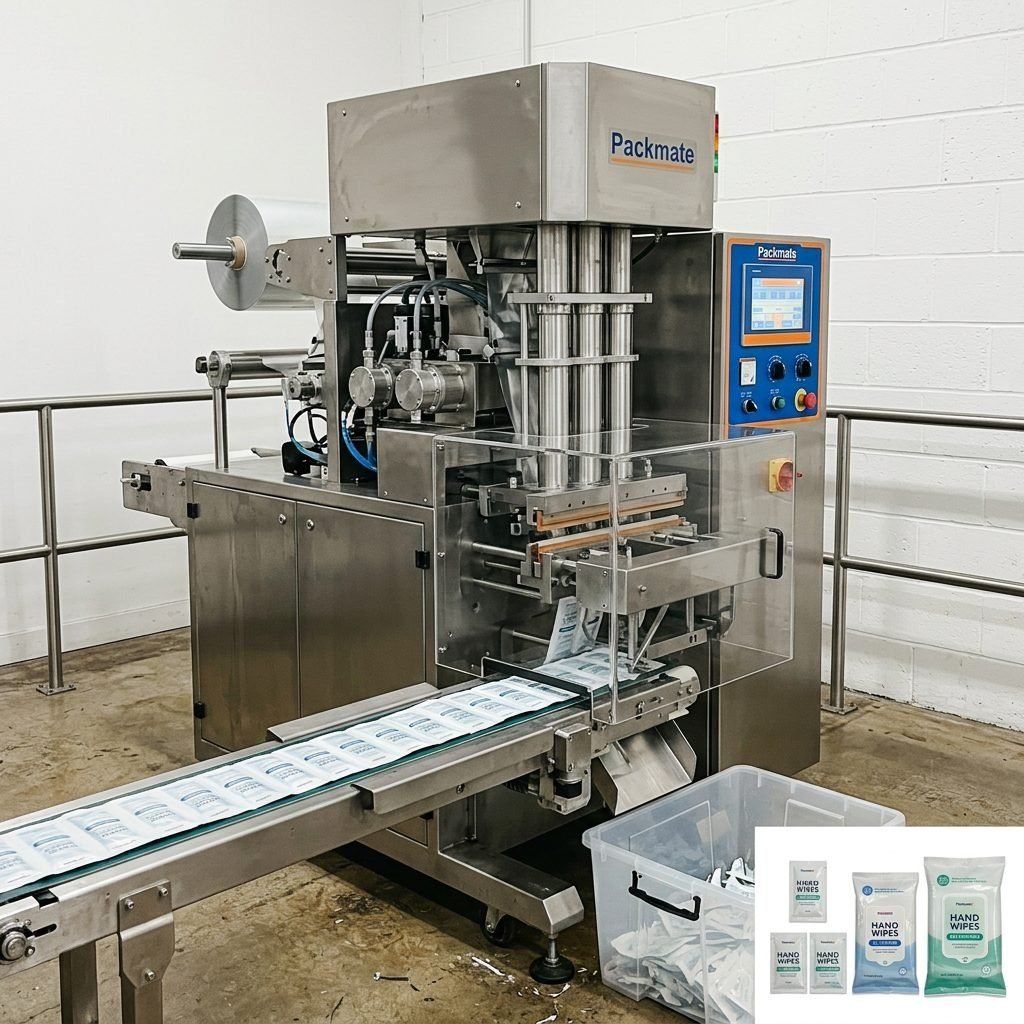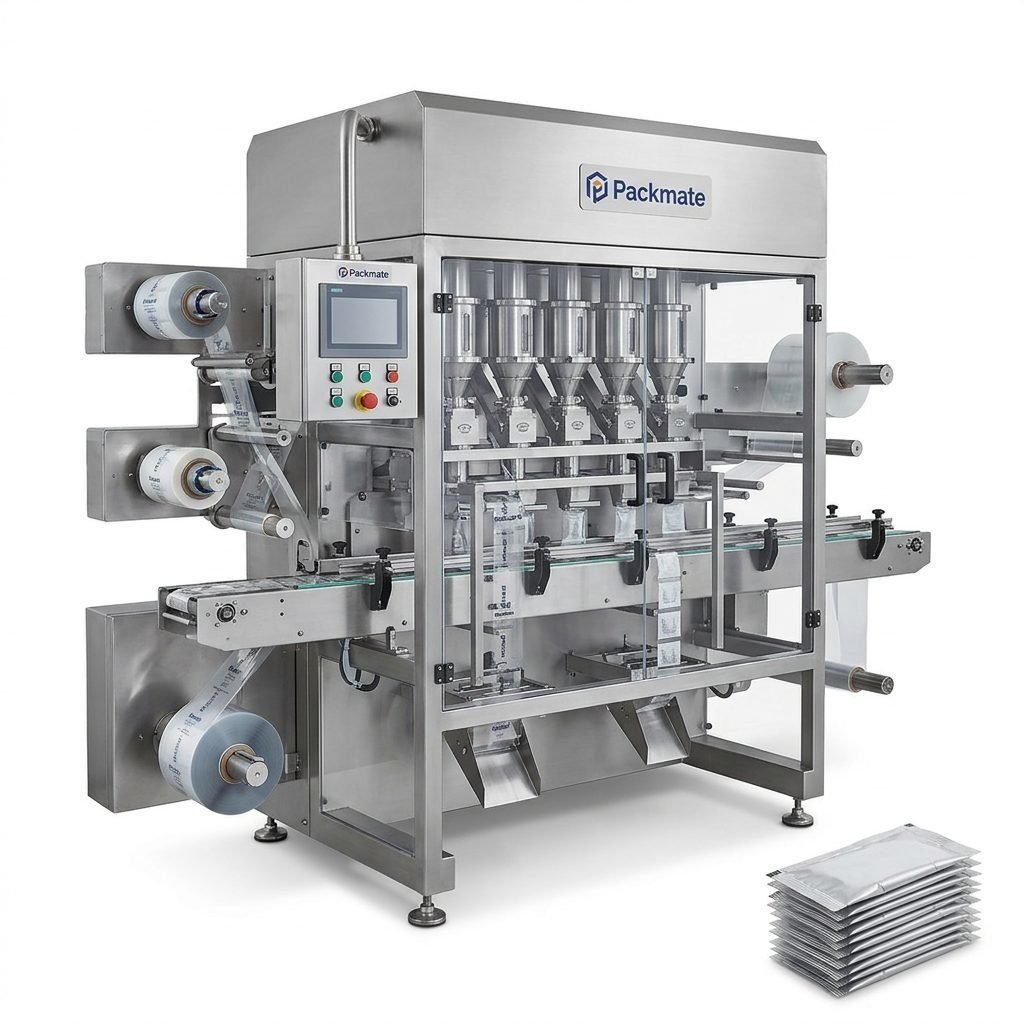
In today’s fast-paced and competitive market, modern businesses in the food industry face immense pressure to deliver products that are not only safe and high-quality but also visually appealing and efficiently packaged. The right food packaging equipment is no longer a luxury; it’s a critical component of operational success, impacting everything from production speed and cost-effectiveness to brand perception and shelf appeal. Investing in advanced packaging solutions can streamline your processes, ensure consistency, and help you adapt to evolving consumer demands and regulatory standards.
The Core of Modern Packaging: Automation and Flexibility
The shift towards automation is undeniable. Modern food packaging equipment solutions are designed to minimize manual intervention, which directly translates to increased output, reduced labor costs, and enhanced hygiene standards. Automated lines can handle tasks from precise weighing and filling to sealing, coding, and casing with remarkable speed and accuracy.
However, true modern solutions offer more than just speed. Flexibility is paramount. Businesses today need machinery that can quickly switch between different product formats, package sizes, and materials. Whether you’re packaging granules like instant coffee, powders like protein supplements, or liquids like sauces, a versatile machine platform allows you to respond to market trends without significant downtime or capital investment in entirely new lines. This adaptability is crucial for businesses looking to launch limited-edition products or cater to niche markets.
Key Equipment for Diverse Product Types
Selecting the right equipment depends entirely on your product’s physical form. Here’s a breakdown of essential solutions:
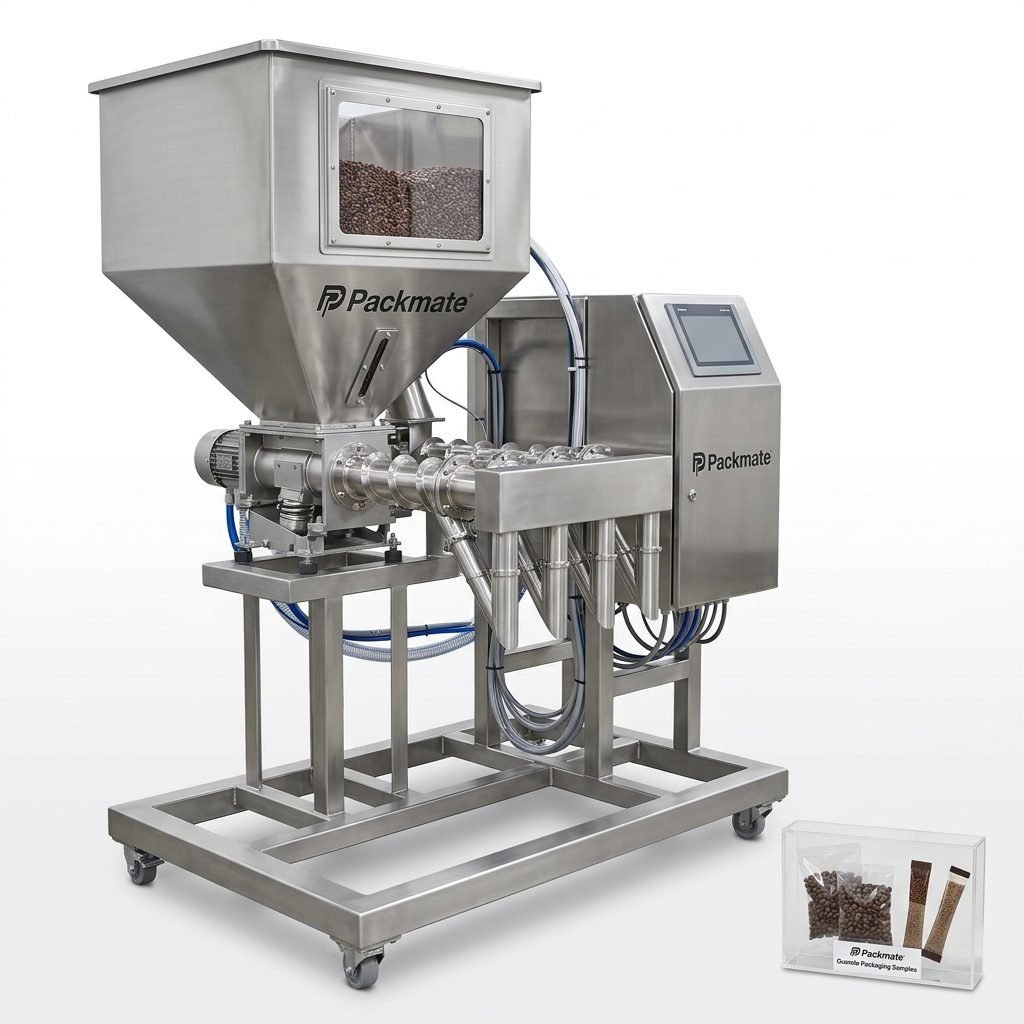
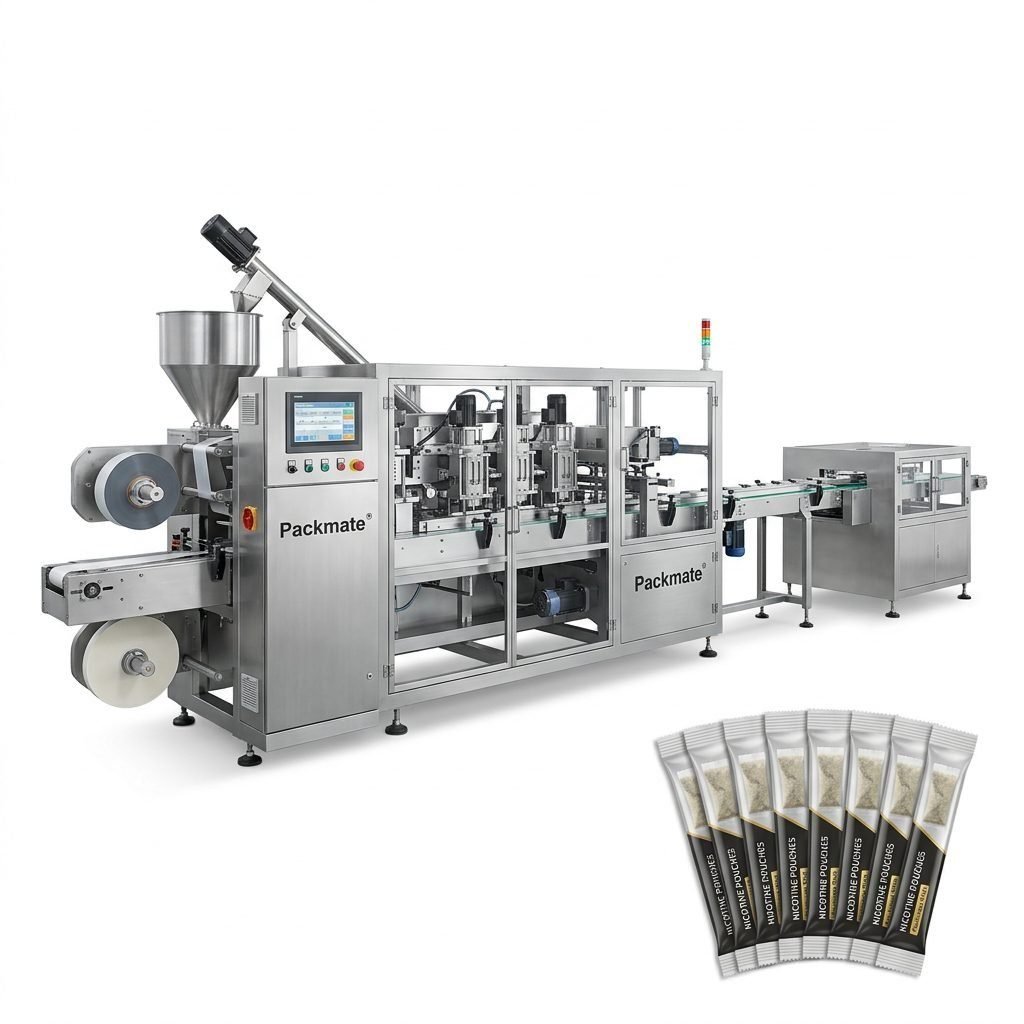
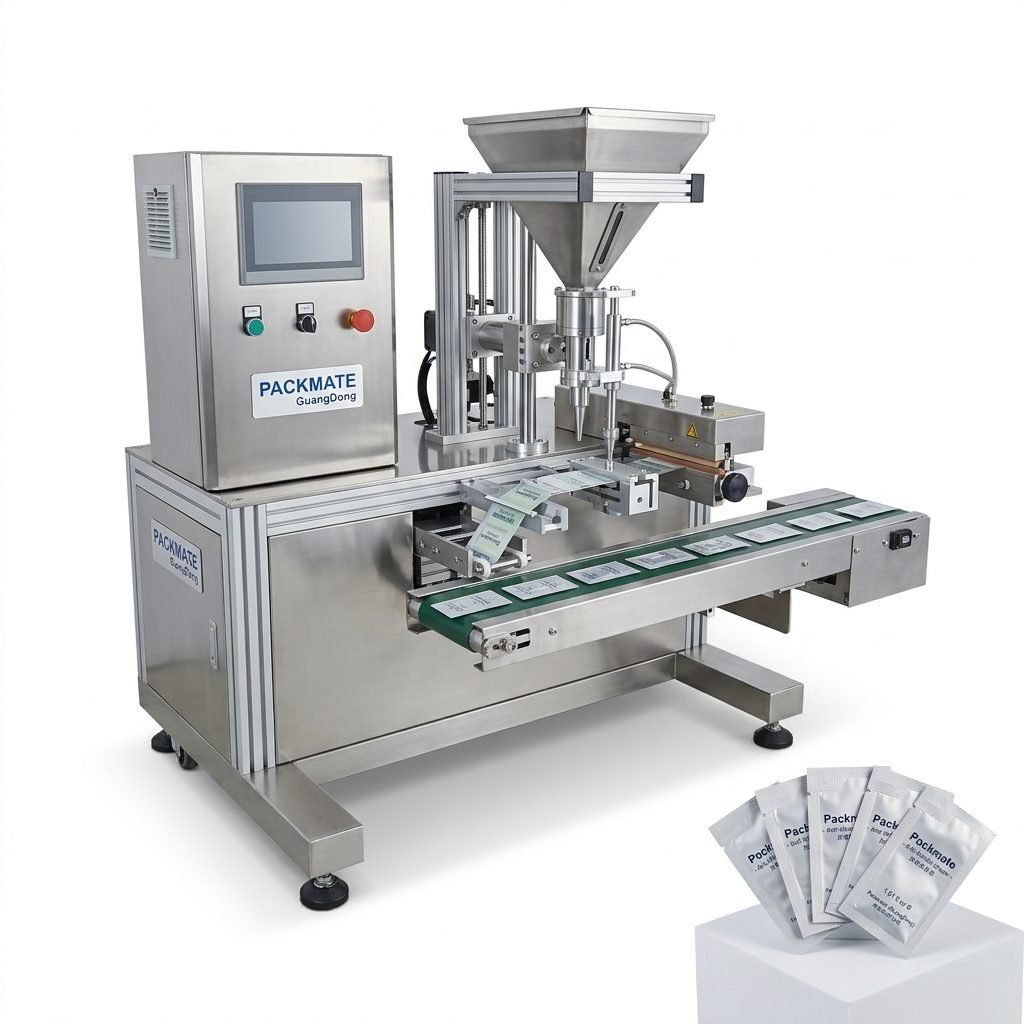
For Powders and Granules: Multi-head weighers and auger filler systems are industry standards for their precision. Integrated with sachet and stick pack machines, they create perfectly portioned, sealed packages ideal for single-serve portions of drink mixes, spices, or pharmaceuticals.
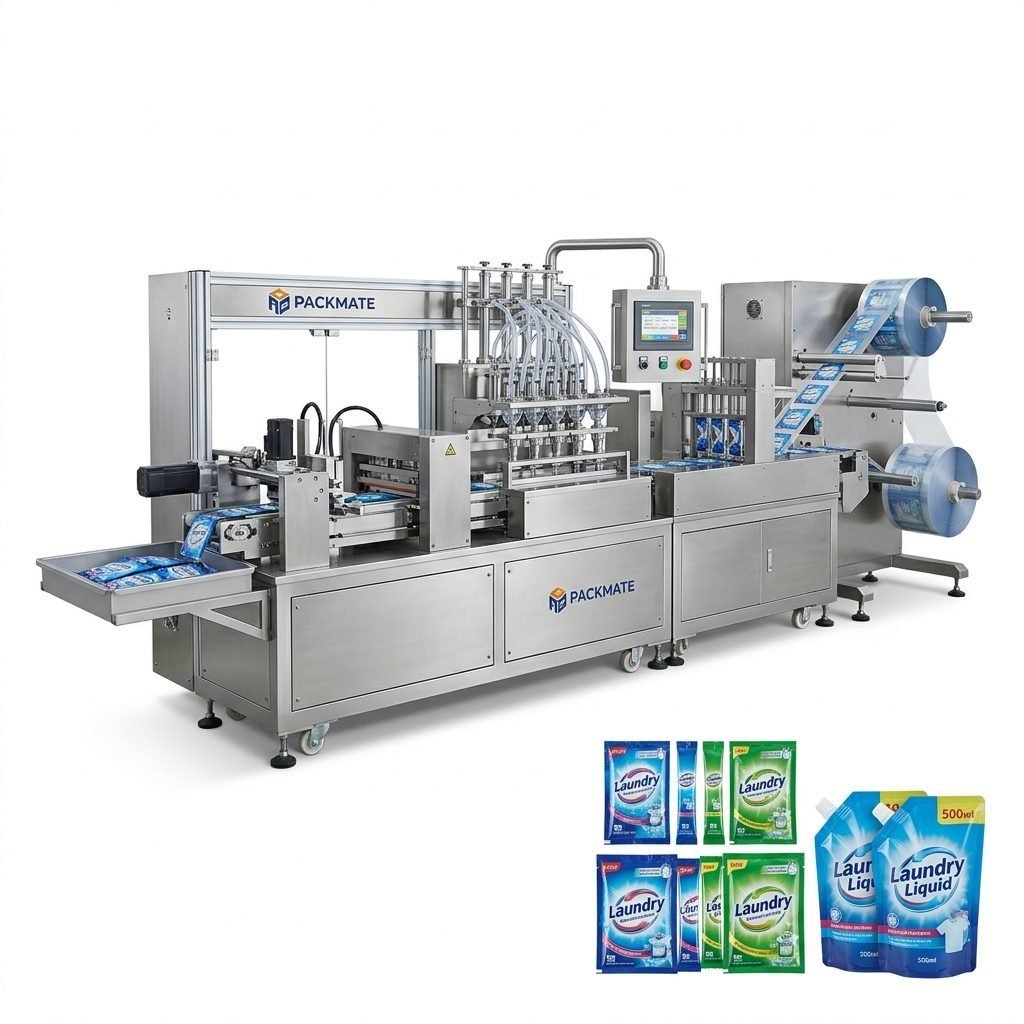
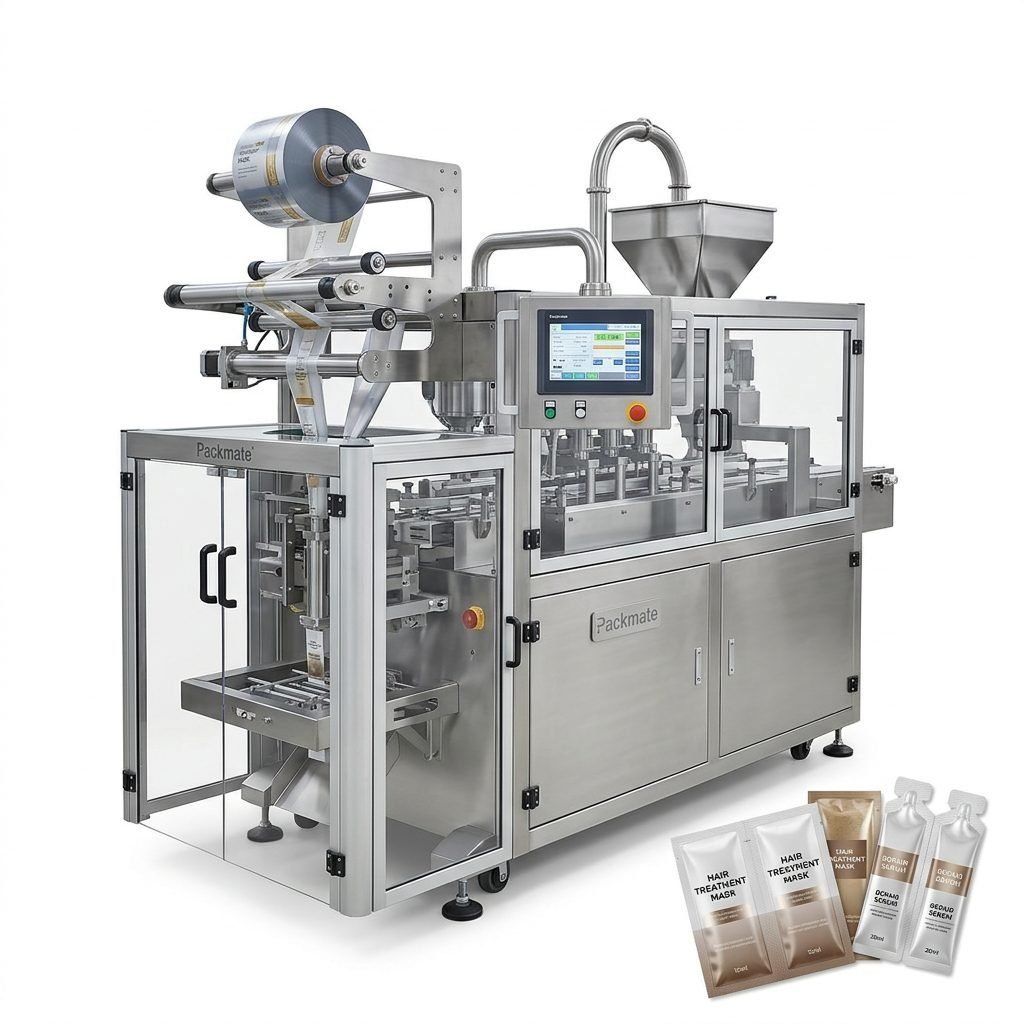
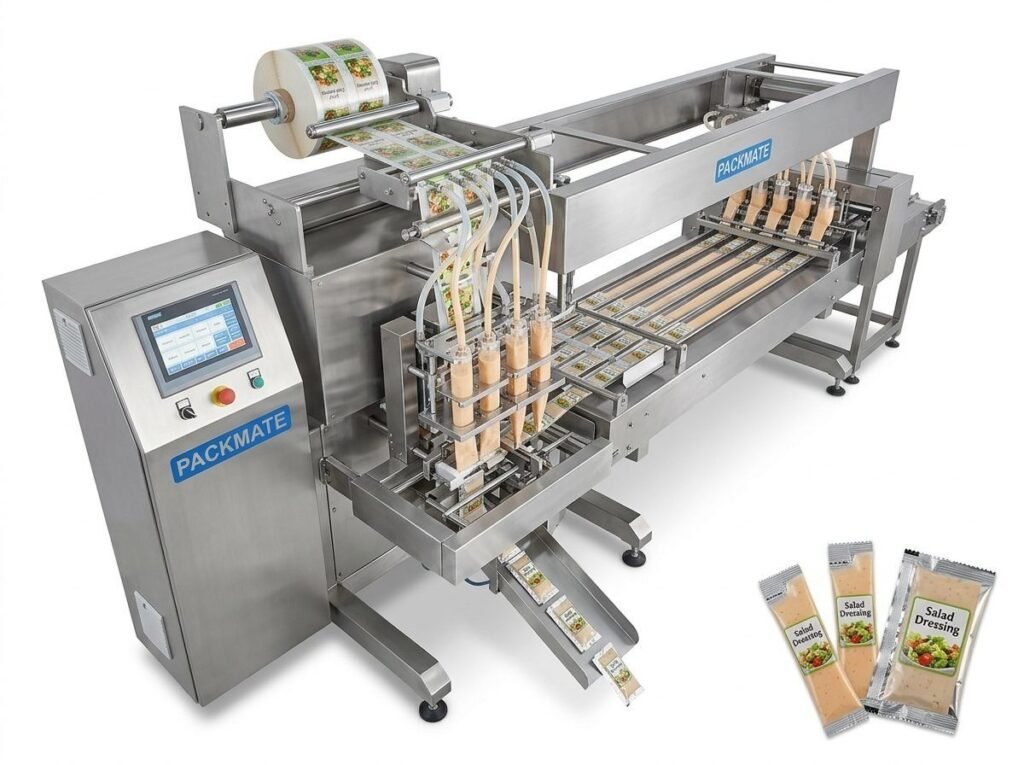
For Liquids and Viscous Products: Piston fillers and liquid form-fill-seal (FFS) machines provide clean, accurate filling for sauces, oils, dairy products, and cosmetics. These systems often incorporate features to handle foaming or sticky products effectively.
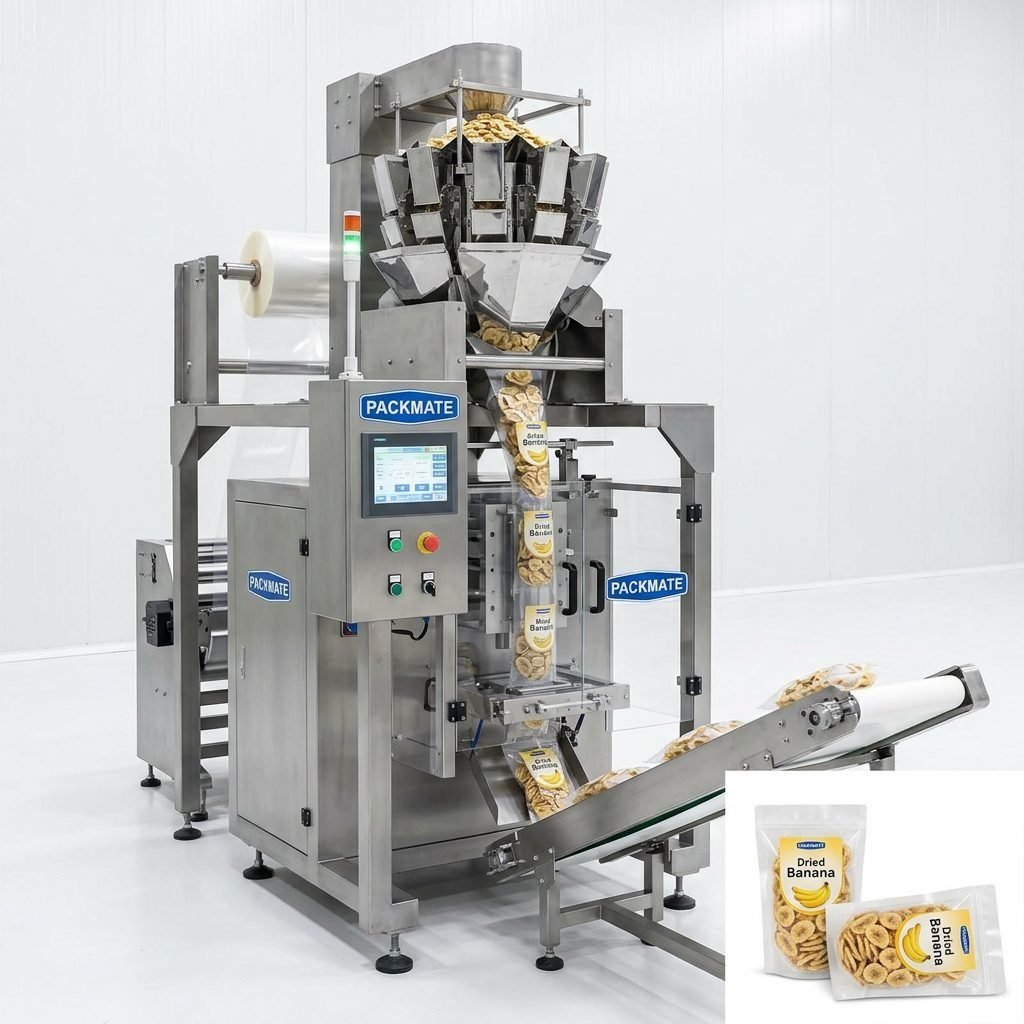
For Snacks and Solid Items: Vertical form-fill-seal (VFFS) machines are incredibly versatile for packaging nuts, candies, and frozen foods into pillow bags or gusseted pouches. For more robust packaging, bag and pouch packaging machines can create stand-up pouches with zippers or spouts, offering great shelf presence and convenience.
Beyond the Machine: The Importance of Integrated Systems
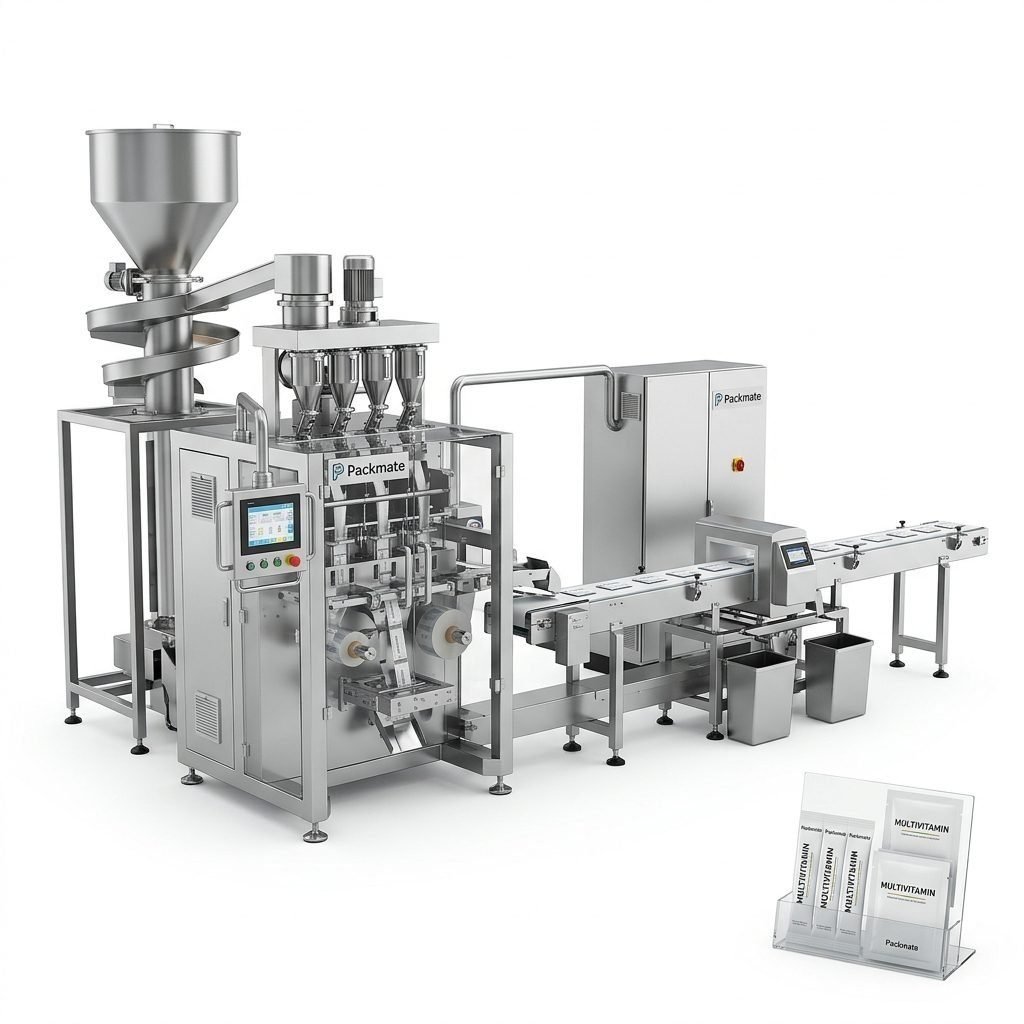
While individual machines are important, the greatest efficiency gains come from a fully integrated filling and packaging line. A turnkey system synchronizes every step—from product feeding and weighing to bag making, filling, sealing, date coding, and case packing. This holistic approach minimizes bottlenecks, ensures smooth material flow, and provides comprehensive data monitoring for quality control and production planning. Partnering with a manufacturer that can provide these complete solutions, like Packmate Machinery, ensures compatibility and reduces the complexity of dealing with multiple vendors.
Driving Factors for Investment in New Equipment
Several key trends are pushing businesses to upgrade their packaging operations:
Consumer Demand for Sustainability: There is growing pressure to use recyclable, compostable, or reduced-plastic packaging materials. Modern equipment must be adaptable to handle these new, sometimes more challenging, materials without compromising seal integrity or machine speed.
E-commerce Readiness: Products sold online need packaging that can survive the “last mile” of shipping. This requires durable materials and secure seals, which reliable equipment must deliver consistently.
Traceability and Smart Packaging: Regulations and consumer interest in food origin are increasing. Equipment that can seamlessly apply QR codes, RFID tags, or other track-and-trace technologies is becoming essential.
Hygiene and Food Safety: Automated packaging reduces human contact with the product, a critical factor in maintaining hygiene. Equipment with easy-clean designs and made from food-grade materials is non-negotiable.
Choosing the Right Partner for Your Packaging Journey
Selecting food packaging equipment is a significant investment. The manufacturer you choose becomes a long-term partner. Look for a provider with proven industry experience, a strong portfolio of reliable machines, and the capability to offer custom engineering solutions. A partner with a global service network ensures you have support for installation, maintenance, and spare parts, minimizing potential downtime. Evaluating their case studies and client testimonials can provide real-world insight into their equipment’s performance and company reliability.
Frequently Asked Questions (FAQs)
1. What type of packaging machine is best for small, single-serve portions like sugar or ketchup?
For high-speed, precise packaging of small portions of powders, granules, or liquids, multi-lane stick pack or sachet machines are typically the best solution. They are designed for efficiency and accuracy in single-serve applications.
2. How can I make my packaging line more flexible to handle different products?
Invest in modular equipment designed for quick changeover. Look for machines with tool-less adjustments for bag size, easy-to-swap filling heads (like augers or pistons), and programmable recipes that store settings for different products.
3. What should I consider when switching to sustainable packaging materials?
Test the new materials thoroughly on your equipment. Sustainable films often have different sealing properties (heat sensitivity, thickness). You may need to adjust sealing temperatures, pressure, or dwell time, and possibly upgrade the sealing jaws on your machine.
4. How important is after-sales service when purchasing packaging machinery?
Extremely important. Reliable technical support, availability of spare parts, and access to training are critical for maintaining uptime. Choose a supplier with a strong, responsive service network.
5. Can one machine handle both powders and liquids effectively?
While some machines are marketed as versatile, optimal performance usually requires specific technology. Powder filling typically uses auger systems, while liquids use piston or pump fillers. For handling both, a machine that allows for a complete change of the filling system is necessary, which is a significant consideration during purchase.