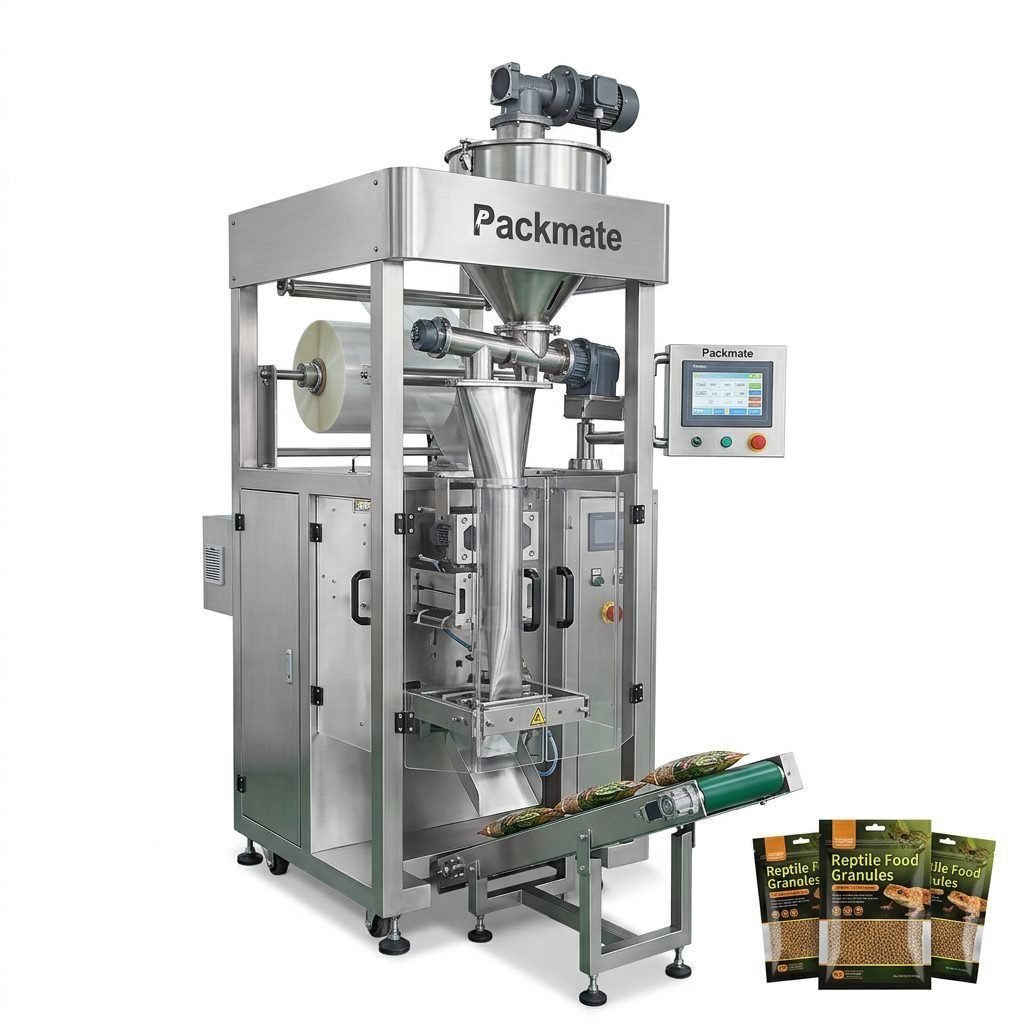
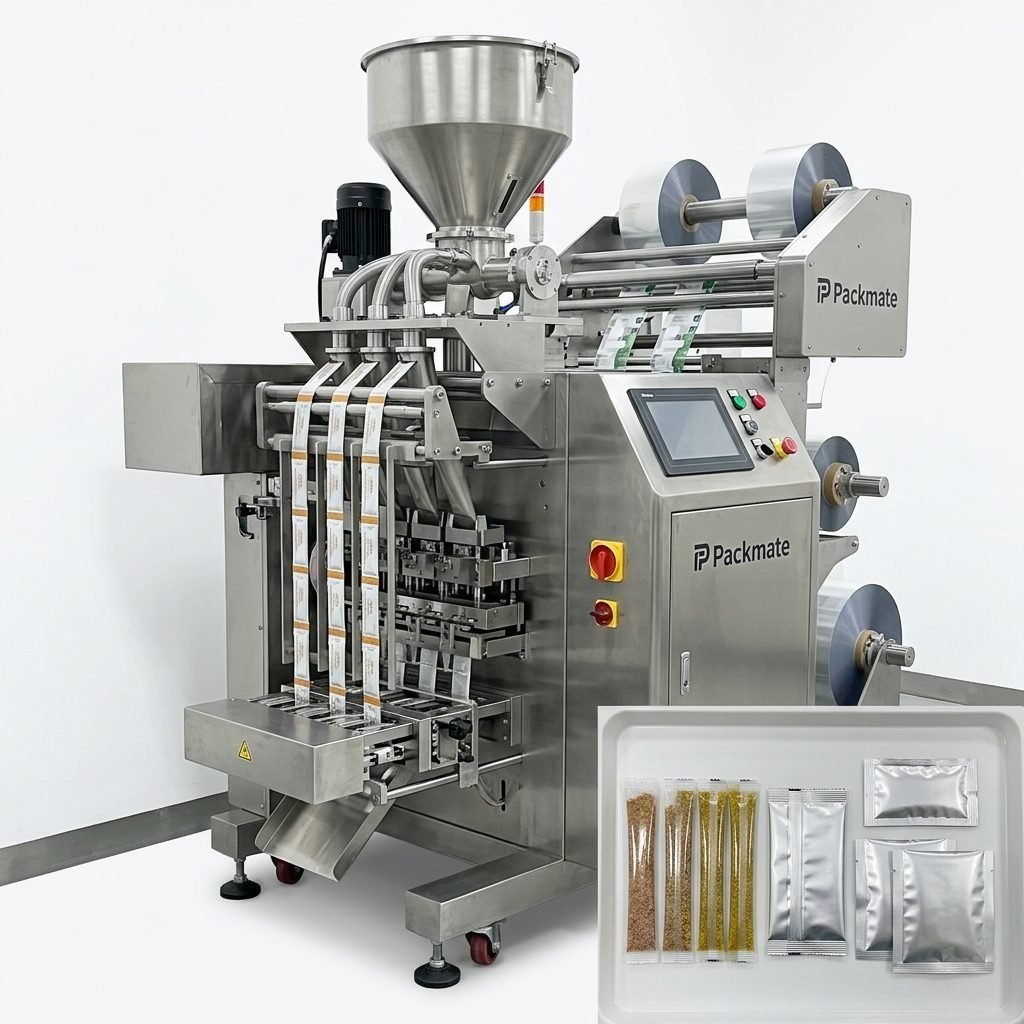
Investing in a coffee packaging machine is a significant decision for any roastery, café, or producer. The price is often the primary concern, but it’s a variable influenced by a complex web of factors. This guide will demystify the costs, provide a clear comparison of different machine types, and equip you with the knowledge to make a value-driven investment that balances upfront expenditure with long-term operational efficiency and product quality.
Key Factors Influencing Coffee Packaging Machine Prices
The price tag on a coffee packaging machine is not arbitrary. It reflects the engineering, capabilities, and components that determine its performance. Understanding these factors is the first step in assessing value.
1. Automation Level & Throughput Speed
This is the most significant price driver. Manual or semi-automatic machines, where an operator fills, seals, or labels bags, are the most affordable, often ranging from $2,000 to $15,000. They are suitable for very low-volume, artisanal producers. Fully automatic machines integrate weighing, filling, gas flushing (for freshness), and sealing into one seamless line. Prices start around $20,000 and can exceed $100,000 for high-speed, multi-lane systems capable of packaging hundreds of bags per minute. The throughput you need directly correlates to your cost.
2. Packaging Format & Functionality
The type of bag you produce dictates the machine’s complexity. A simple pillow bag sealer is relatively inexpensive. Machines that create stand-up pouches with zippers, degassing valves, or shaped gussets require additional forming and sealing stations, increasing the price. Furthermore, modified atmosphere packaging (MAP) functionality, which flushes oxygen from the bag and replaces it with inert gases like nitrogen to drastically extend shelf life, adds considerable cost due to the precision gas mixing and sealing systems required.
3. Machine Construction & Brand Reputation
The quality of materials (e.g., food-grade stainless steel vs. coated mild steel), the precision of components (servo motors vs. simpler mechanics), and the sophistication of the control system (PLC touchscreen vs. basic buttons) all affect price. Established brands with a proven track record of reliability and strong after-sales support, such as Packmate Machinery, often command a premium over lesser-known manufacturers. This premium is an investment in reduced downtime and long-term machine lifespan.
4. Scalability & Integration
A machine designed as a standalone unit will cost less than one engineered to integrate into a complete filling and packaging line with upstream grinders, blenders, and downstream labelers or case packers. Considering future growth and choosing a modular system from a supplier like Packmate, which offers weighing and packaging systems, can be more cost-effective in the long run than needing to replace an entire machine.
Coffee Packaging Machine Cost Comparison
Below is a breakdown of typical price ranges for common machine types. Remember, these are estimates, and final quotes depend on your specific configuration and optional features.
Beyond the Purchase Price: Total Cost of Ownership (TCO)
A savvy buyer looks beyond the invoice. The true cost of a packaging machine includes several ongoing and hidden expenses.
- Operating Costs: Energy consumption, compressed air usage, and packaging film/material waste during changeovers.
- Maintenance & Spare Parts: Regular servicing, wear parts (like sealing jaws), and the availability/cost of replacements.
- Labor: A more automated machine reduces direct labor but may require a skilled technician for programming and maintenance.
- Downtime Cost: An unreliable machine that frequently breaks down has an immense hidden cost in lost production and missed orders. Reliability is priceless.
- Training & Support: Factor in the supplier’s support for installation, operator training, and technical troubleshooting.
How to Get an Accurate Quote & Maximize Value
To move from ballpark estimates to a firm quote, you must provide detailed specifications. Be prepared to discuss:
- Product Details: Coffee format (whole bean, ground, agglomerated instant), weight range, and characteristics (oily beans can be challenging).
- Packaging Specifications: Exact bag dimensions, material type (multi-layer film, kraft paper with liner), and required features (valve, zipper, shape).
- Production Requirements: Desired output in bags per hour/shift, number of shift operations, and available factory space.
- Future Plans: Communicate any anticipated growth or new products to ensure the machine can adapt.
When evaluating quotes, prioritize suppliers with a strong reputation for build quality and service. A slightly higher initial investment in a robust machine from an experienced manufacturer like Packmate, with over 30 years in intelligent packaging equipment, typically results in a lower TCO and a faster return on investment through consistent, high-quality output and minimal disruption.
Frequently Asked Questions (FAQ)
Q1: What is the most cost-effective coffee packaging machine for a startup roastery?
For a startup, a semi-automatic heat sealer combined with a manual grinder and scale is often the most practical entry point. It keeps capital investment low (under $10,000) while allowing for hands-on, small-batch control. As volume grows, upgrading to a single-lane automatic VFFS machine becomes the logical next step.
Q2: How important is Modified Atmosphere Packaging (MAP) for coffee, and how much does it add to the cost?
MAP is critical for preserving freshness, aroma, and flavor, especially for ground coffee and premium whole beans destined for longer shelf life or distant markets. It can slow staling and oxidation by months. Adding MAP functionality typically increases the machine cost by 20-40%, but the added value to your product can justify the expense.
Q3: Can one machine handle different bag sizes and types of coffee?
Yes, most modern automatic machines are highly changeover-friendly. However, the time and complexity of changeover vary. Look for machines with quick-change parts and recipe storage in the PLC. Switching from whole bean to fine ground coffee may also require changing the filling system (e.g., from a cup filler to an auger filler), which is a more involved process.
Q4: What are the ongoing maintenance requirements and costs?
Daily cleaning of product contact parts and weekly inspection of seals and moving parts are essential. Annual professional servicing is recommended. Budget approximately 1-3% of the machine’s purchase price per year for spare parts and routine maintenance. Suppliers with a global service network, like Packmate, ensure you have access to genuine parts and expertise.
Q5: Where can I see these machines in action or get a test with my own coffee?
Reputable manufacturers often have demonstration videos, case studies, and factory showrooms. Many, including Packmate, offer product testing services where you can send your materials and coffee to their facility for a live run, providing invaluable data on performance and package quality before you buy. You can explore their case studies to see real-world applications.