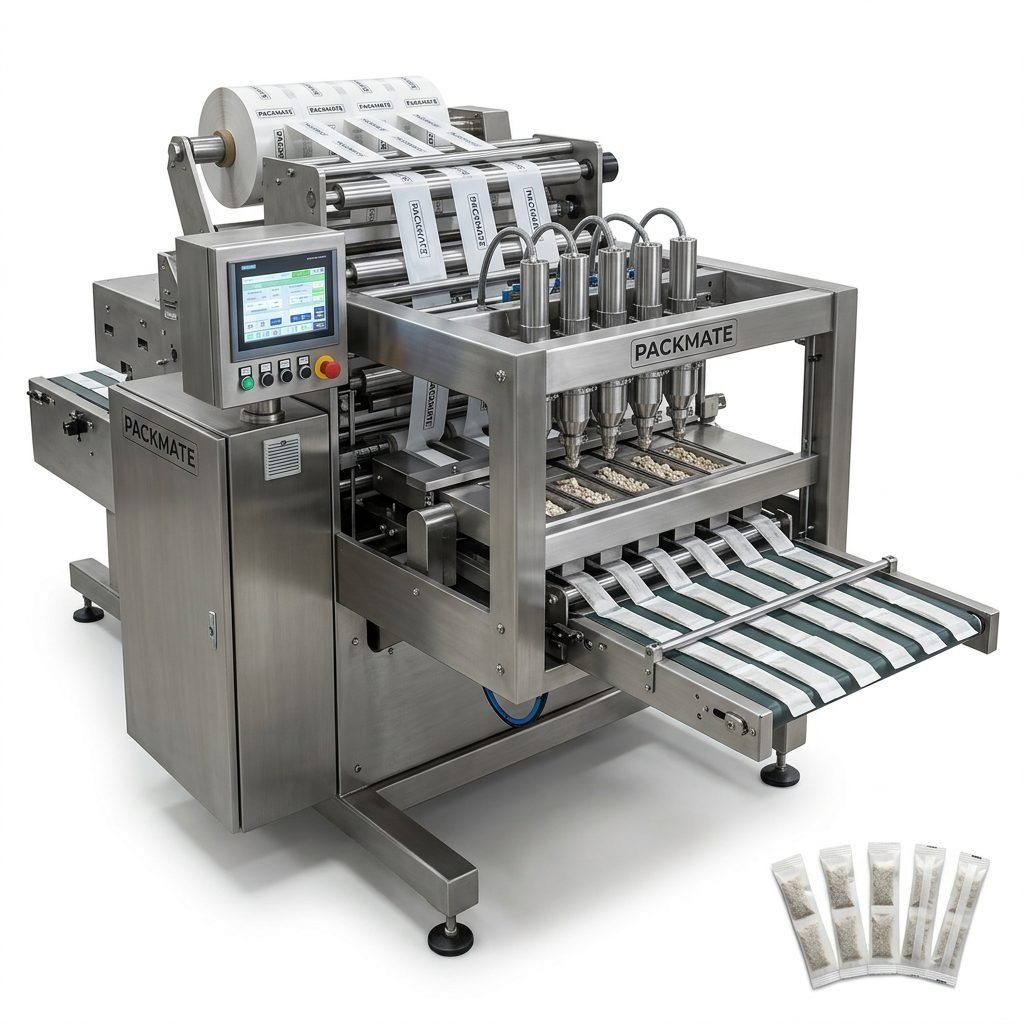
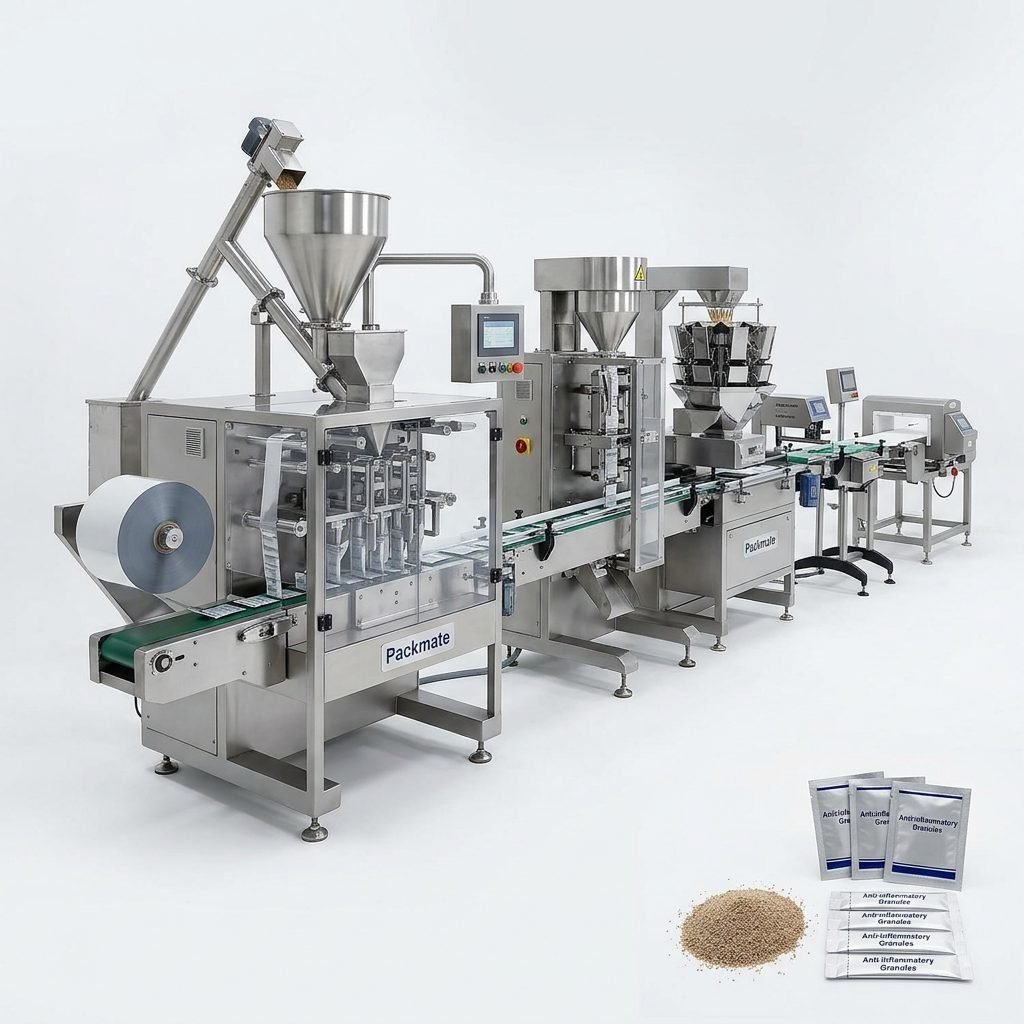
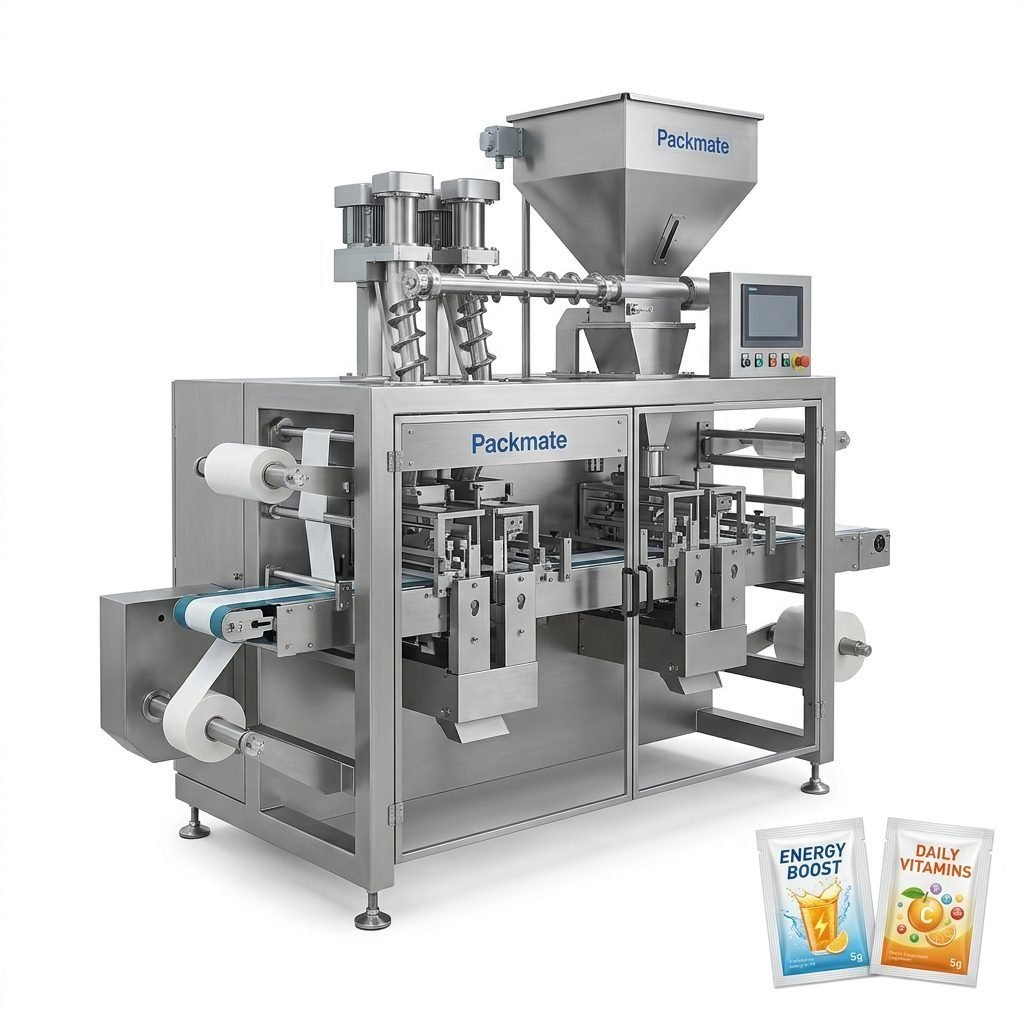
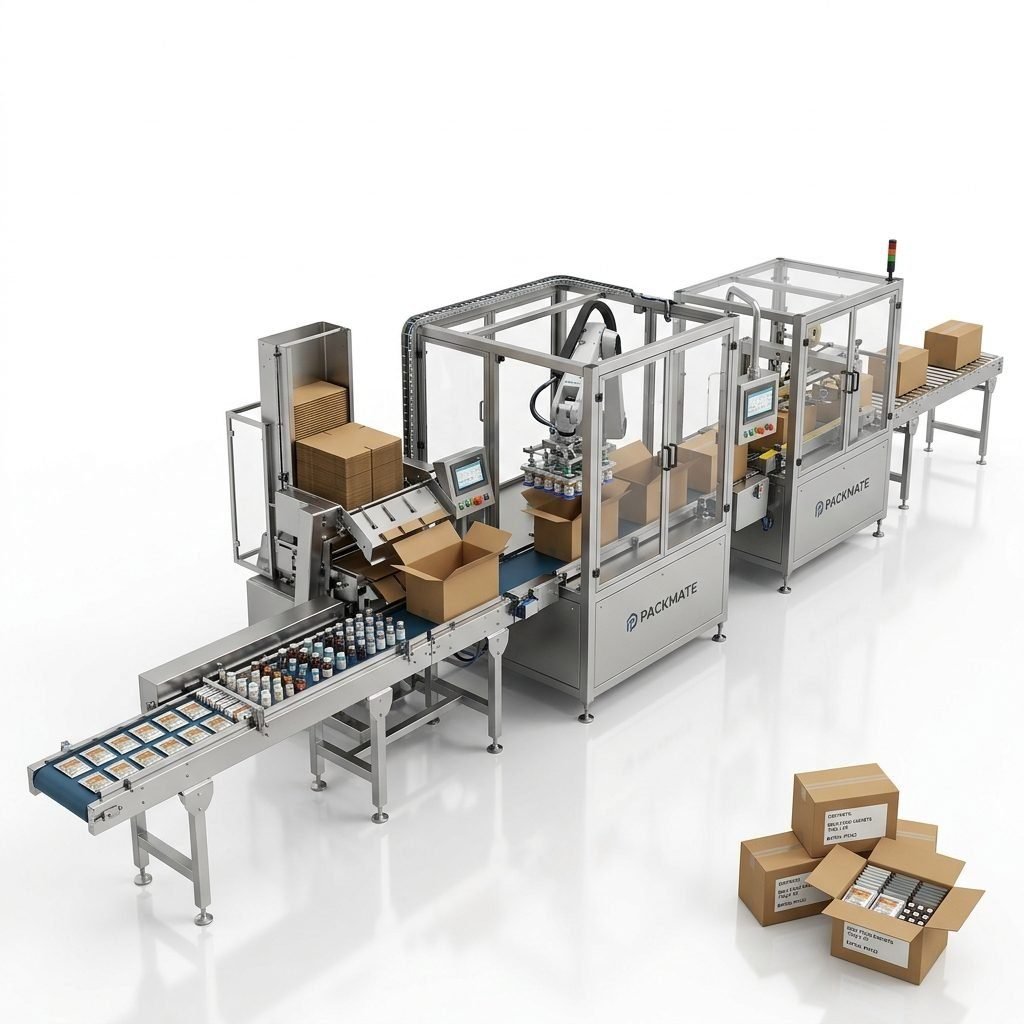
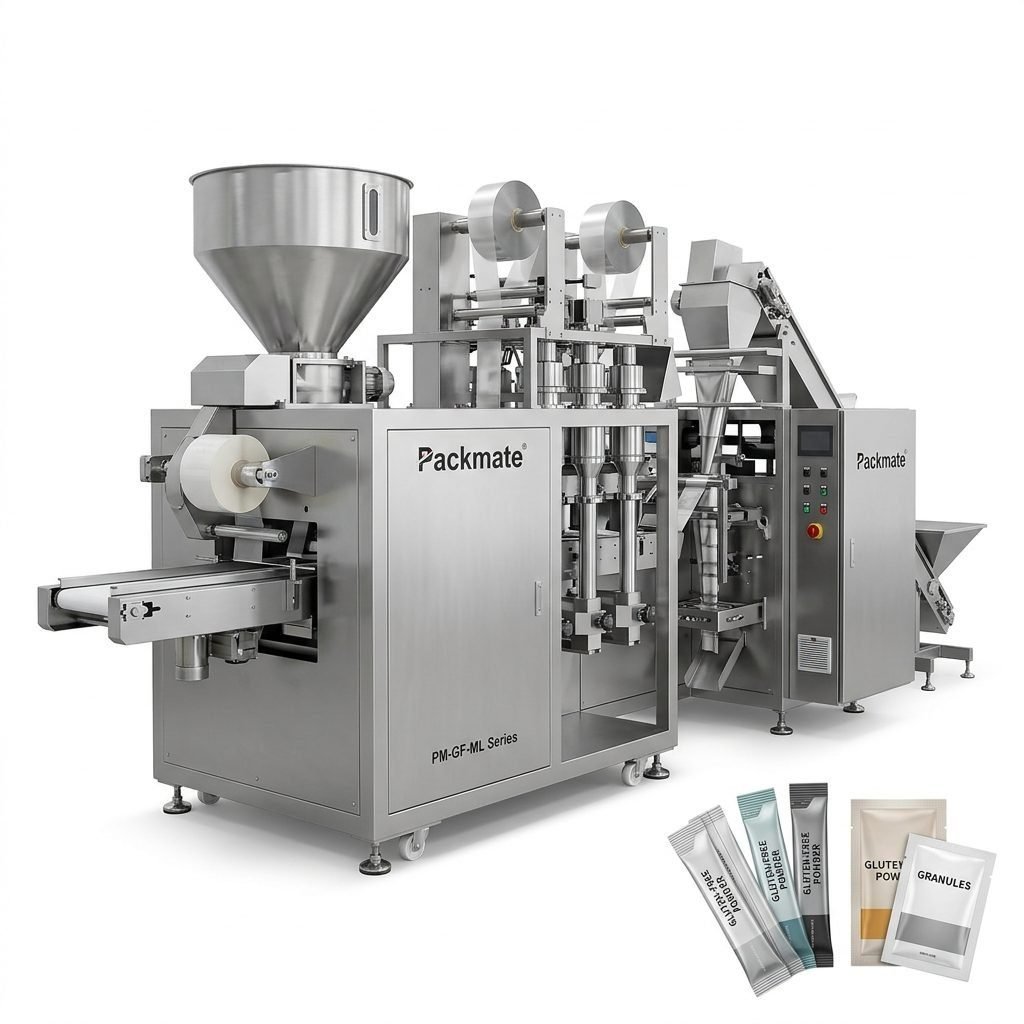
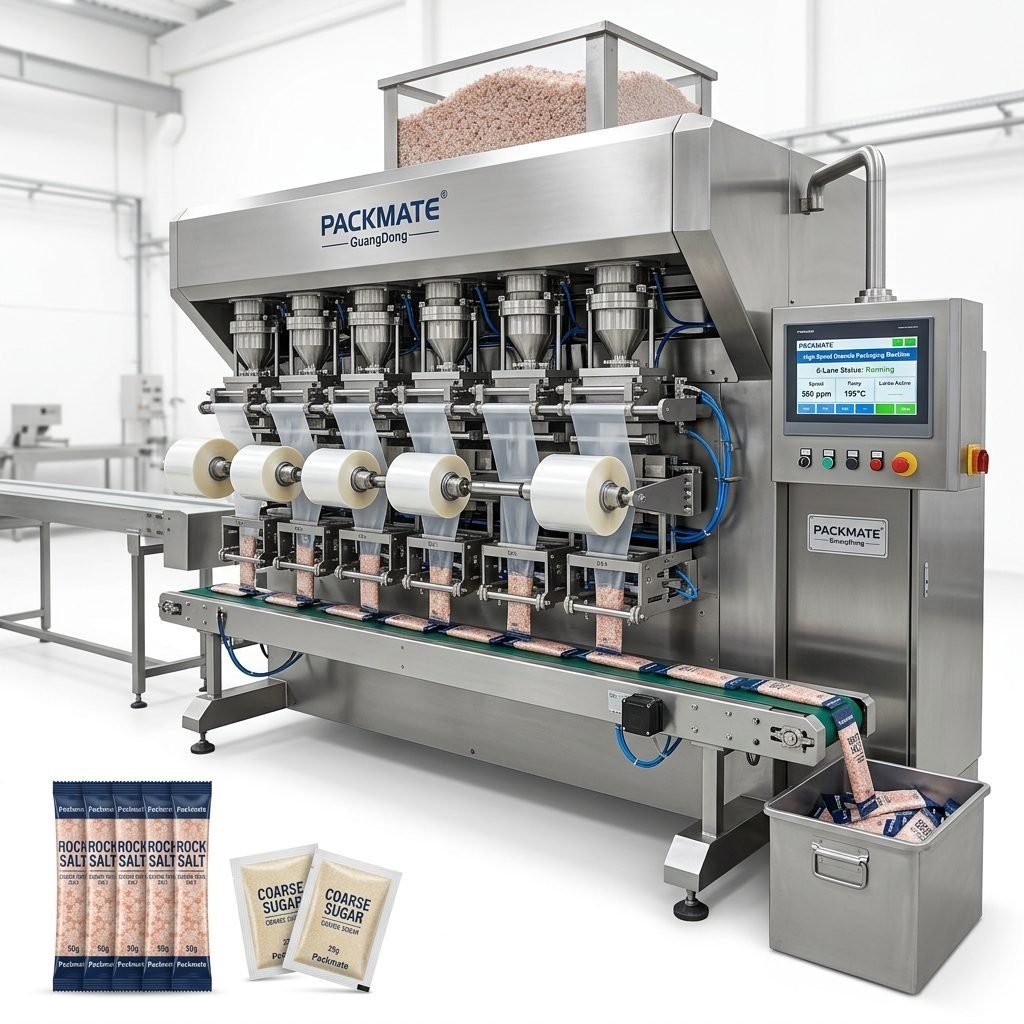
The pharmaceutical blister packaging machine market is undergoing significant transformation, driven by technological innovation, stringent regulatory requirements, and evolving consumer demands. These machines, which form, fill, and seal individual product cavities in a continuous process, are critical for ensuring the safety, integrity, and shelf life of tablets, capsules, and other solid dosage forms. As the global pharmaceutical industry expands, the need for efficient, reliable, and compliant packaging solutions has never been greater.
Current Market Drivers and Growth Factors
Several key factors are propelling the demand for advanced blister packaging machinery. The rise in chronic diseases globally necessitates increased production of pharmaceuticals, directly boosting the need for high-speed, automated packaging lines. Furthermore, the growing emphasis on patient safety and drug traceability is pushing manufacturers to adopt machines with superior sealing integrity and integrated serialization capabilities to combat counterfeiting.
Another major driver is the shift towards flexible and personalized packaging. Smaller batch productions for niche therapies and clinical trials require machines that offer quick changeover and format flexibility. Additionally, the expansion of the over-the-counter (OTC) and nutraceutical sectors is creating new avenues for blister packaging equipment that can handle a diverse range of product shapes and sizes.
Technological Innovations Shaping the Industry
Modern blister packaging machines are at the forefront of Industry 4.0 integration. The incorporation of IoT sensors and AI-driven analytics allows for real-time monitoring of machine performance, predictive maintenance, and optimization of production parameters. This leads to minimized downtime, reduced waste, and consistent output quality.
There is a strong trend towards sustainability and material efficiency. New generation machines are designed to work with a wider variety of eco-friendly, recyclable, or biodegradable film materials, such as PVC alternatives. They also feature precision sealing systems that use less energy and generate minimal film scrap, aligning with corporate environmental goals.
Enhanced user interface (HMI) and robotics are also critical. Touch-screen controls with recipe management simplify operation, while collaborative robots (cobots) are increasingly used for tasks like loading empty blisters or offloading finished packs, improving ergonomics and line efficiency. Companies like Packmate Machinery leverage over two decades of experience to integrate such advancements into their turnkey packaging solutions.
Regional Market Dynamics and Compliance
The market dynamics vary significantly across regions, heavily influenced by local regulations and healthcare infrastructure. In North America and Europe, the market is mature and driven by strict regulatory frameworks from the FDA and EMA. Compliance with standards for serialization (e.g., DSCSA, FMD) and data integrity is non-negotiable, making machines with built-in compliance features highly sought after.
The Asia-Pacific region, particularly countries like China and India, represents the fastest-growing market. This growth is fueled by expanding pharmaceutical manufacturing capabilities, rising healthcare expenditure, and government initiatives to improve drug access. Manufacturers in this region often seek a balance between advanced features and cost-effectiveness, driving innovation in mid-range, high-value equipment.
Challenges and Future Outlook
Despite positive growth, the industry faces challenges. The high initial capital investment for state-of-the-art blister lines can be a barrier for small and medium-sized enterprises. Furthermore, the rapid pace of technological change requires continuous workforce training. Navigating the complex web of global regulatory requirements also adds a layer of complexity for machine manufacturers and pharmaceutical companies alike.
Looking ahead, the future of the pharmaceutical blister packaging machine market is intrinsically linked to smart manufacturing and connectivity. We can expect further integration with Manufacturing Execution Systems (MES) and Enterprise Resource Planning (ERP) software for seamless data flow. The demand for compact, modular machines that offer high flexibility in a small footprint will continue to rise, especially for contract packaging organizations. Sustainability will transition from a trend to a core design principle, influencing every aspect of machine development from material handling to energy consumption.
Frequently Asked Questions (FAQs)
What are the key features to look for in a modern pharmaceutical blister packaging machine?
Key features include high-speed operation with precision, compatibility with serialization and aggregation requirements, quick tool-less changeover for different blister formats, advanced vision inspection systems for quality control, user-friendly HMI with data logging, and robust construction for easy cleaning and compliance with GMP standards.
How important is regulatory compliance in blister packaging machinery selection?
It is paramount. Machines must be designed to meet regional regulations like FDA 21 CFR Part 11 (data integrity), EU’s Falsified Medicines Directive (FMD), and other local serialization mandates. Non-compliance can lead to production stoppages, fines, and product recalls, making it a critical factor in the purchasing decision.
Can blister packaging machines handle different types of products beyond tablets?
Yes. Modern machines are versatile and can package capsules, lozenges, soft gels, and even small medical devices or diagnostic strips. The key is having the correct forming and feeding tooling adapted to the product’s specific size, shape, and fragility.
What is the role of a supplier like Packmate Machinery in this market?
As a seasoned manufacturer with over 30 years in intelligent packaging, Packmate provides more than just machines. They offer complete turnkey solutions, including feasibility studies, line design, installation, validation support, and after-sales service. Their expertise ensures clients receive a system tailored to their specific product, output, and regulatory needs.
What are the main cost considerations when investing in a blister packaging line?
Beyond the initial machine purchase price, total cost of ownership (TCO) includes costs for tooling and change parts, maintenance and spare parts, energy consumption, operational labor, material waste (film scrap), and potential costs associated with downtime. A reliable, efficient machine from a reputable supplier often offers a better TCO despite a higher upfront investment.