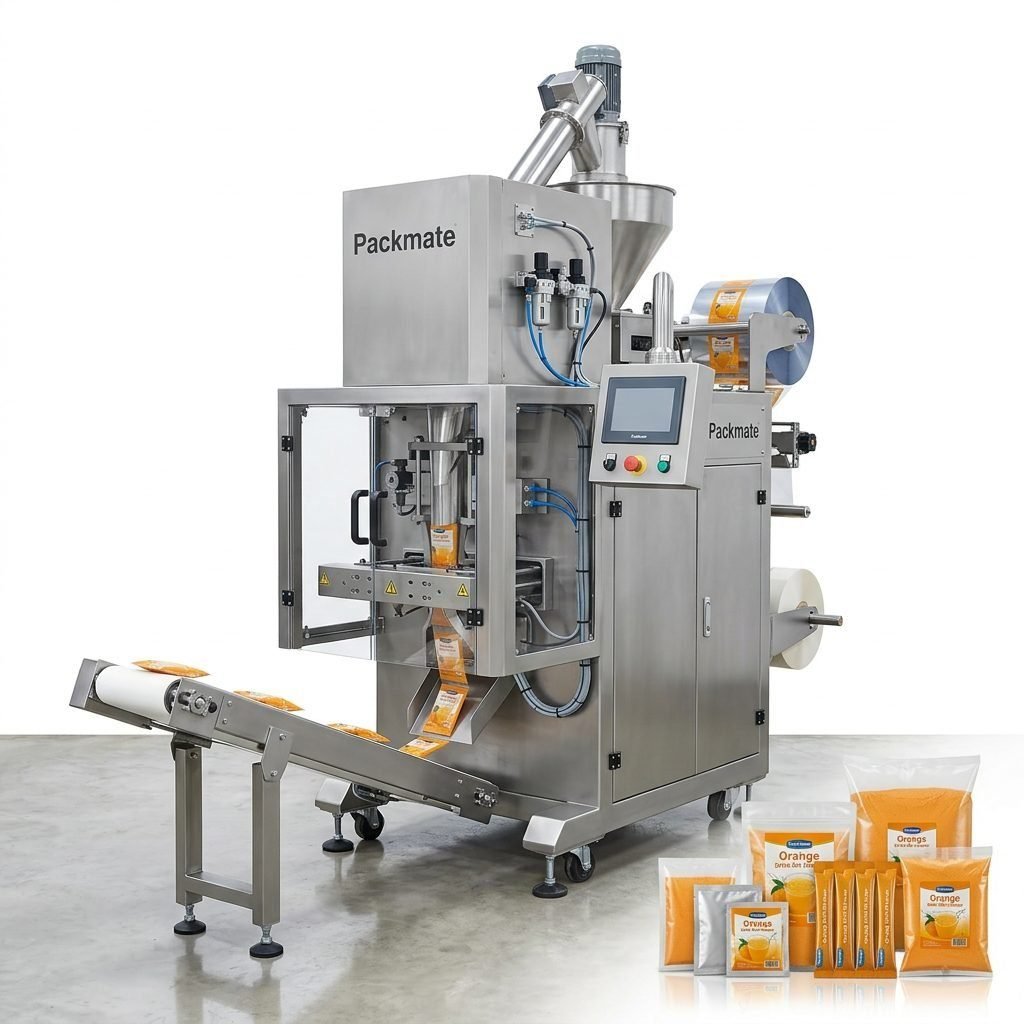
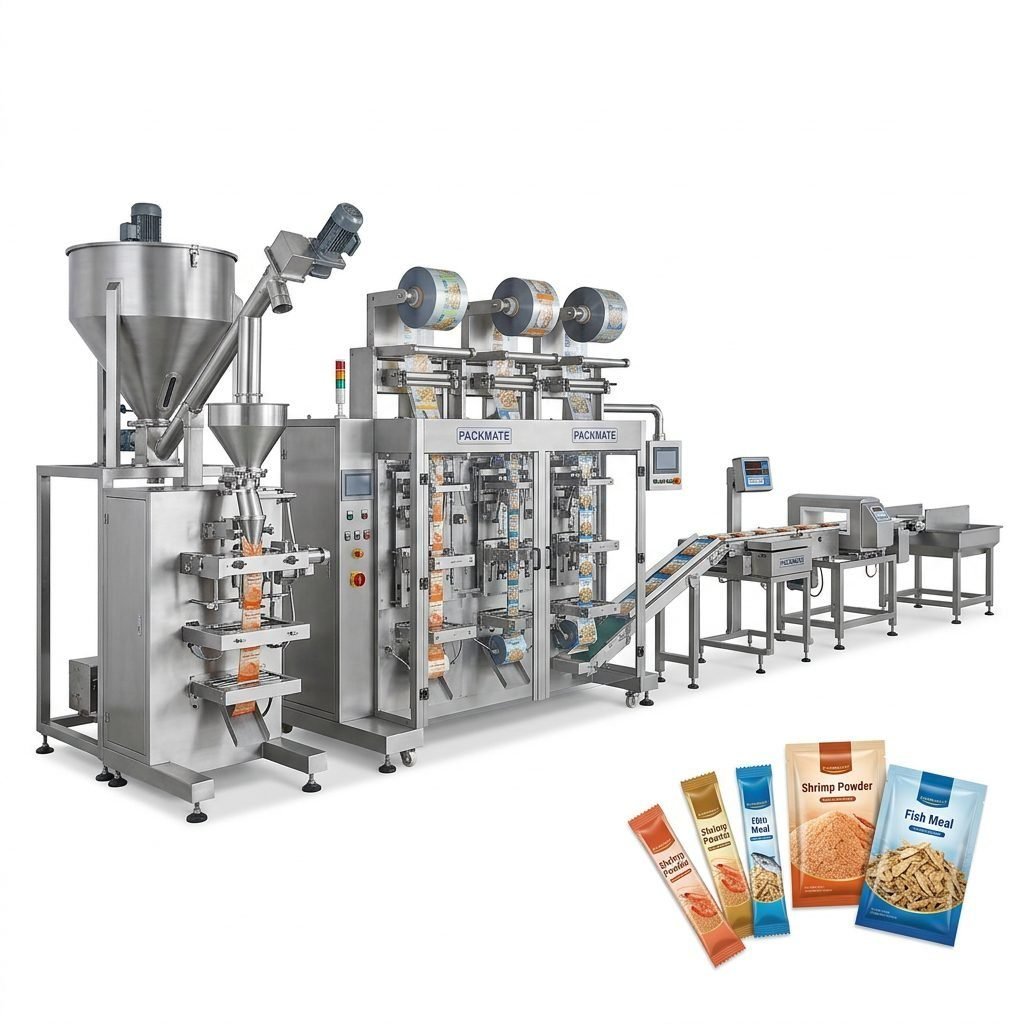
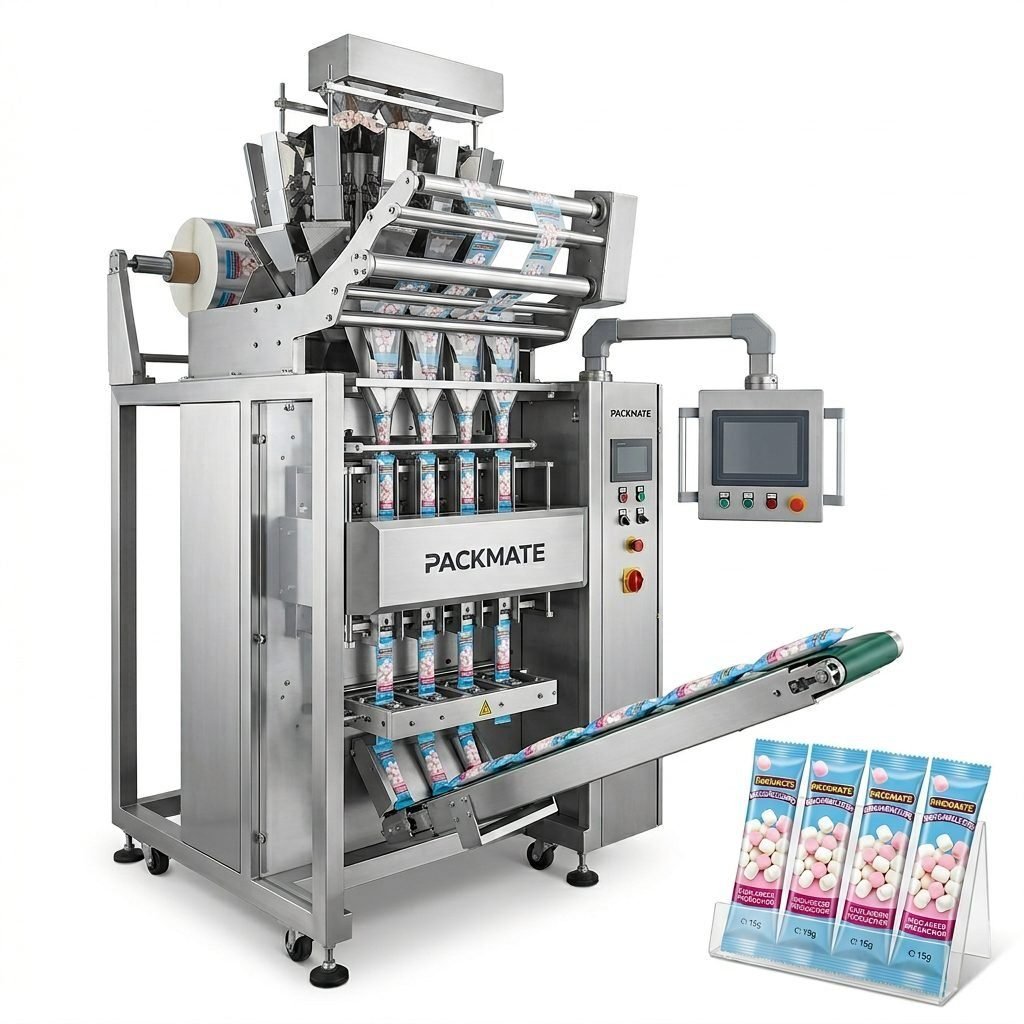
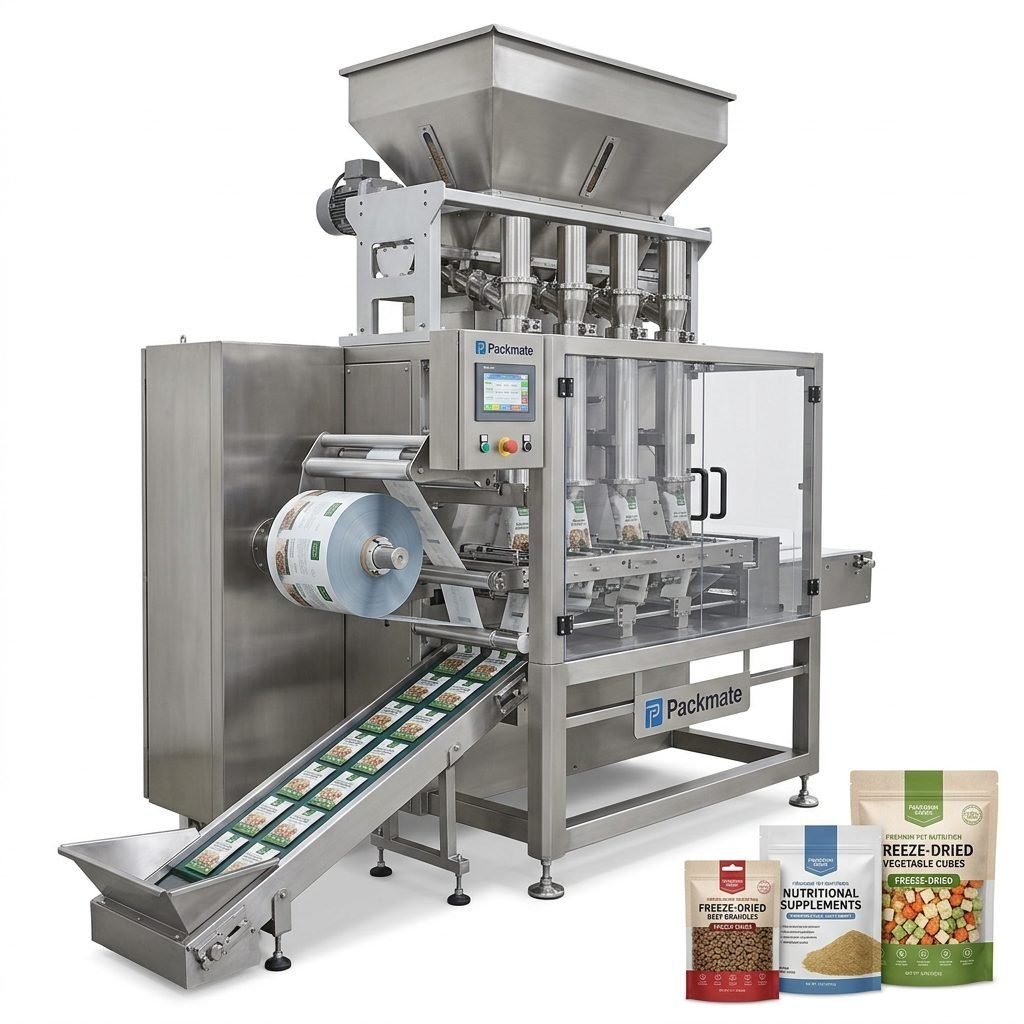
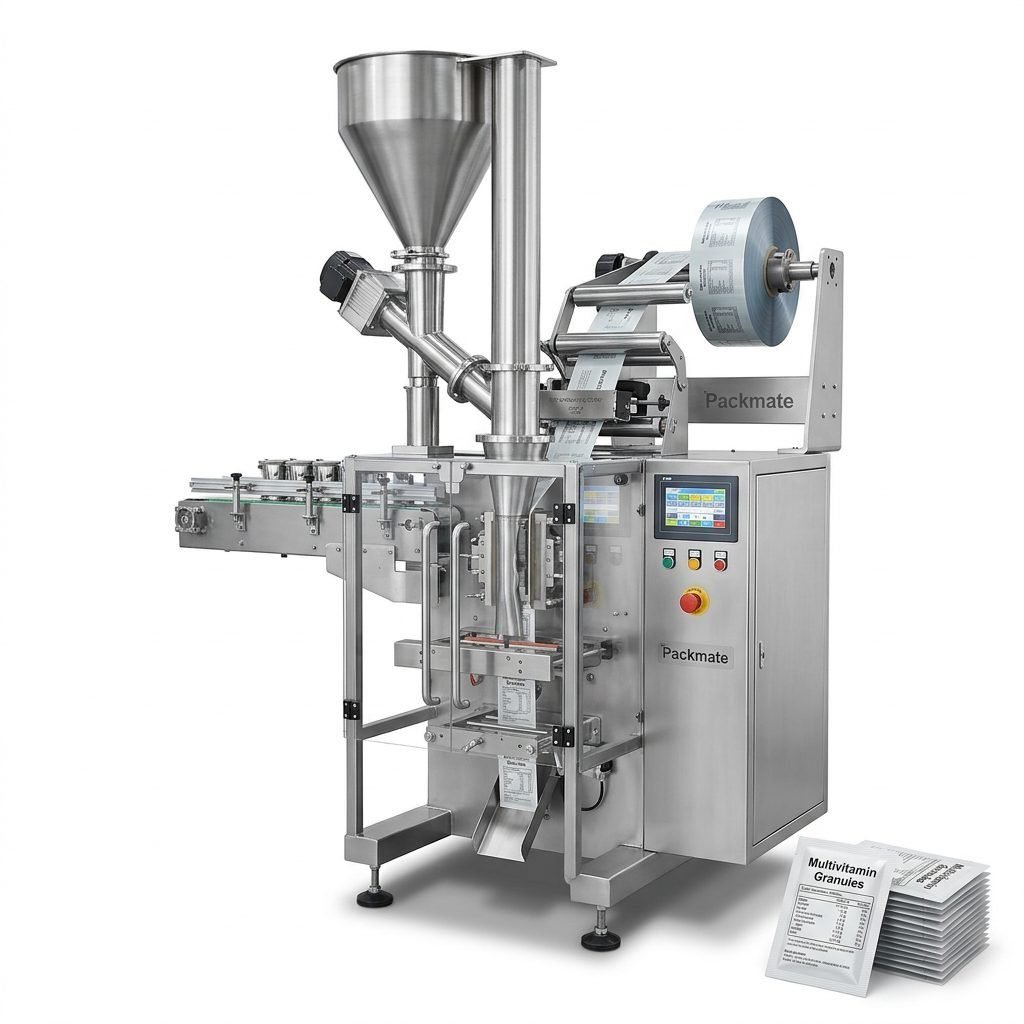
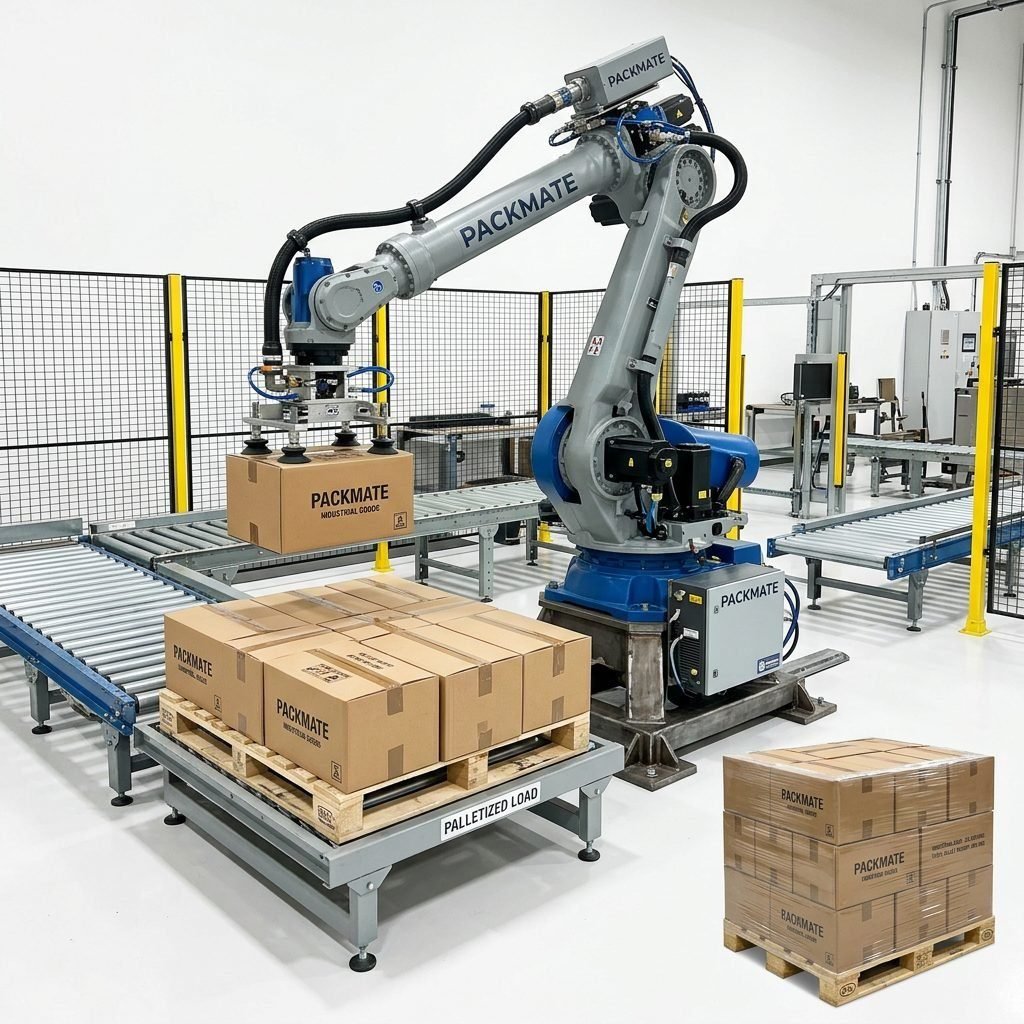
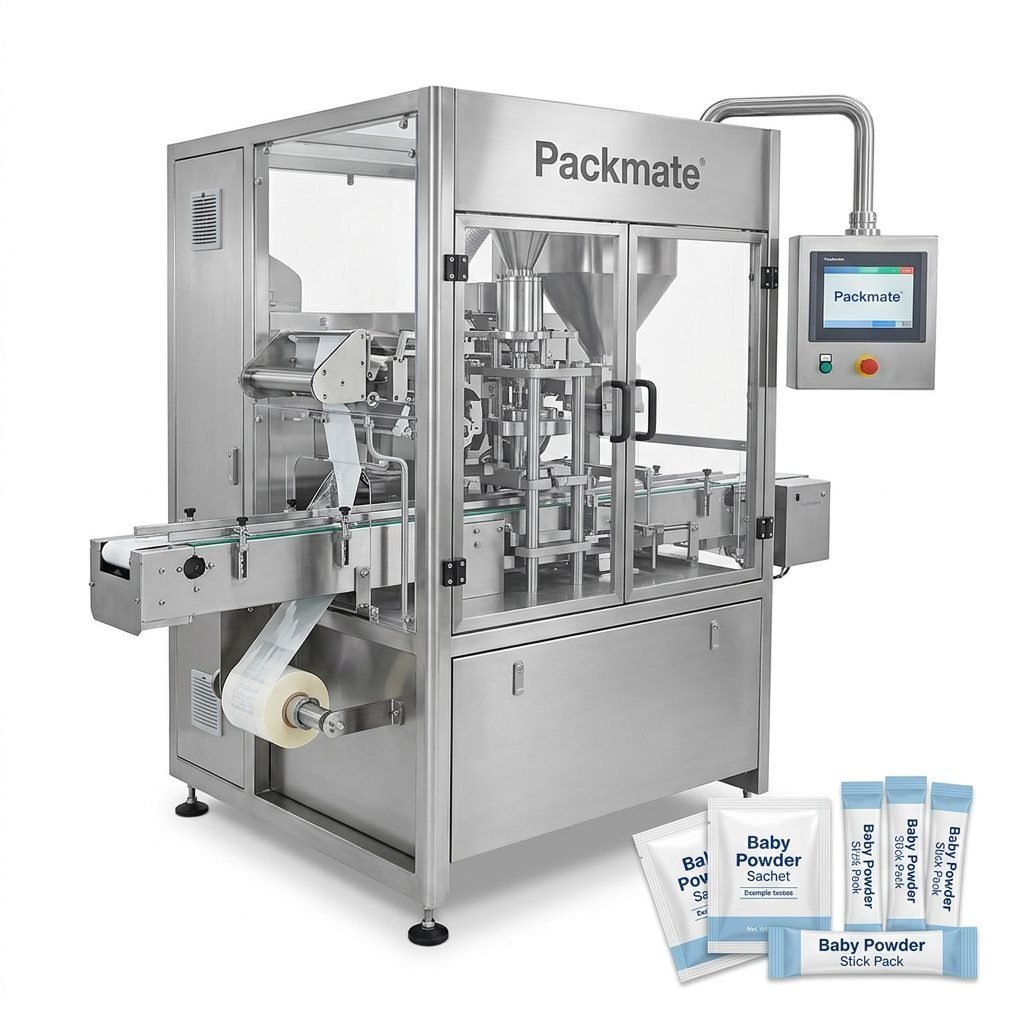
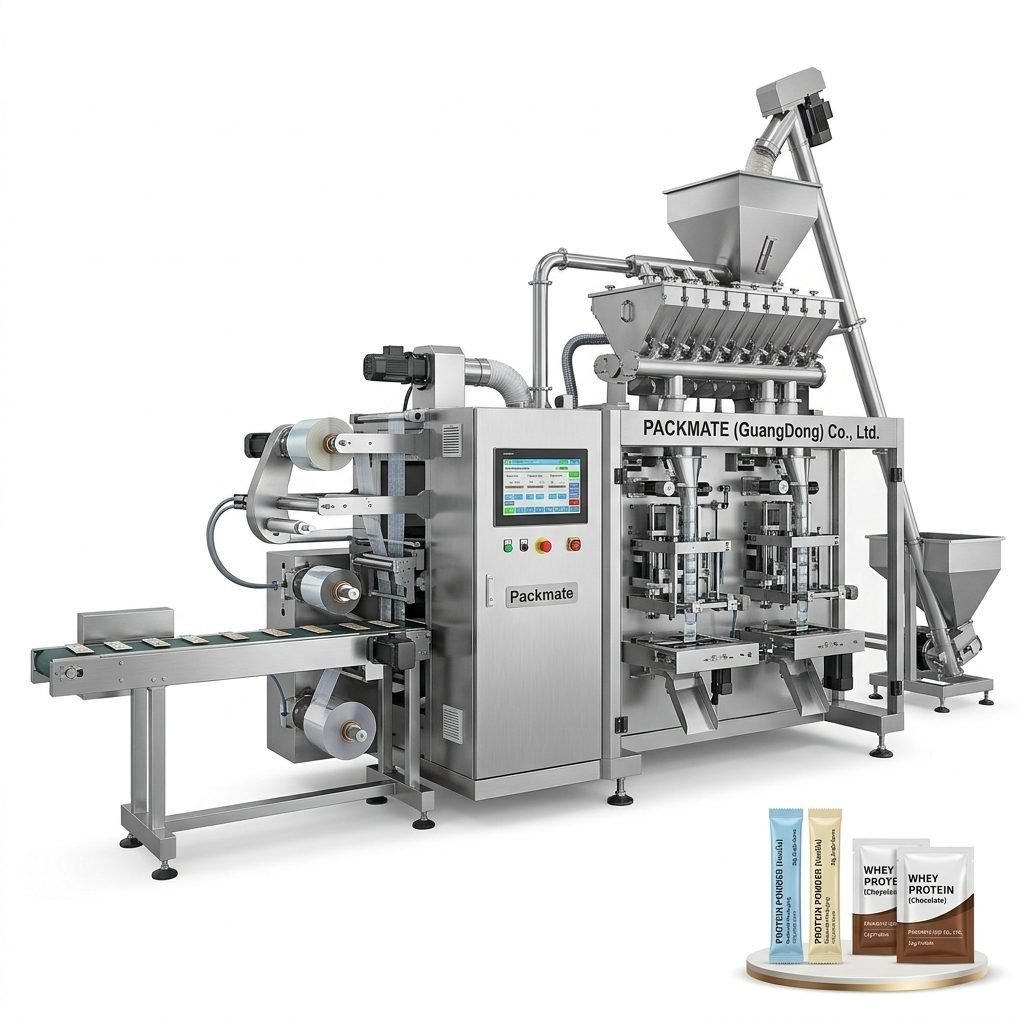
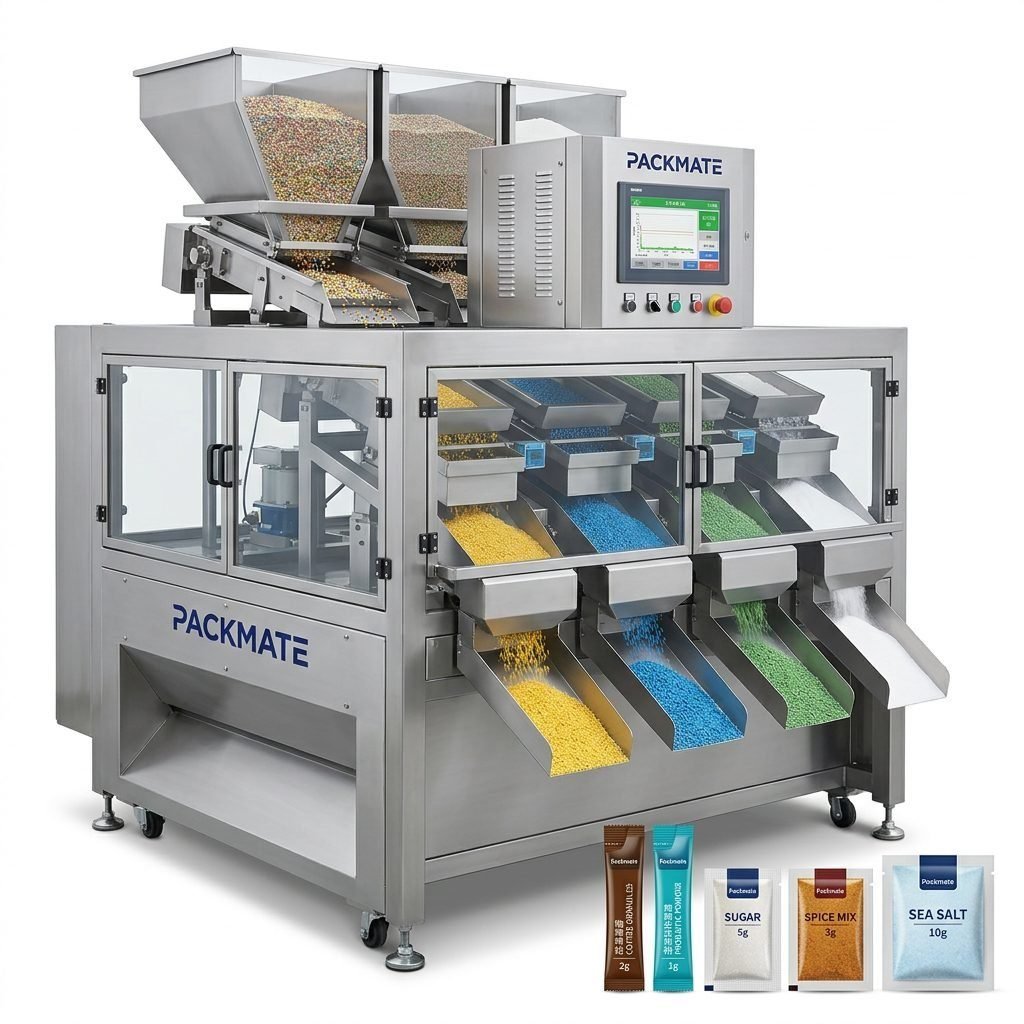
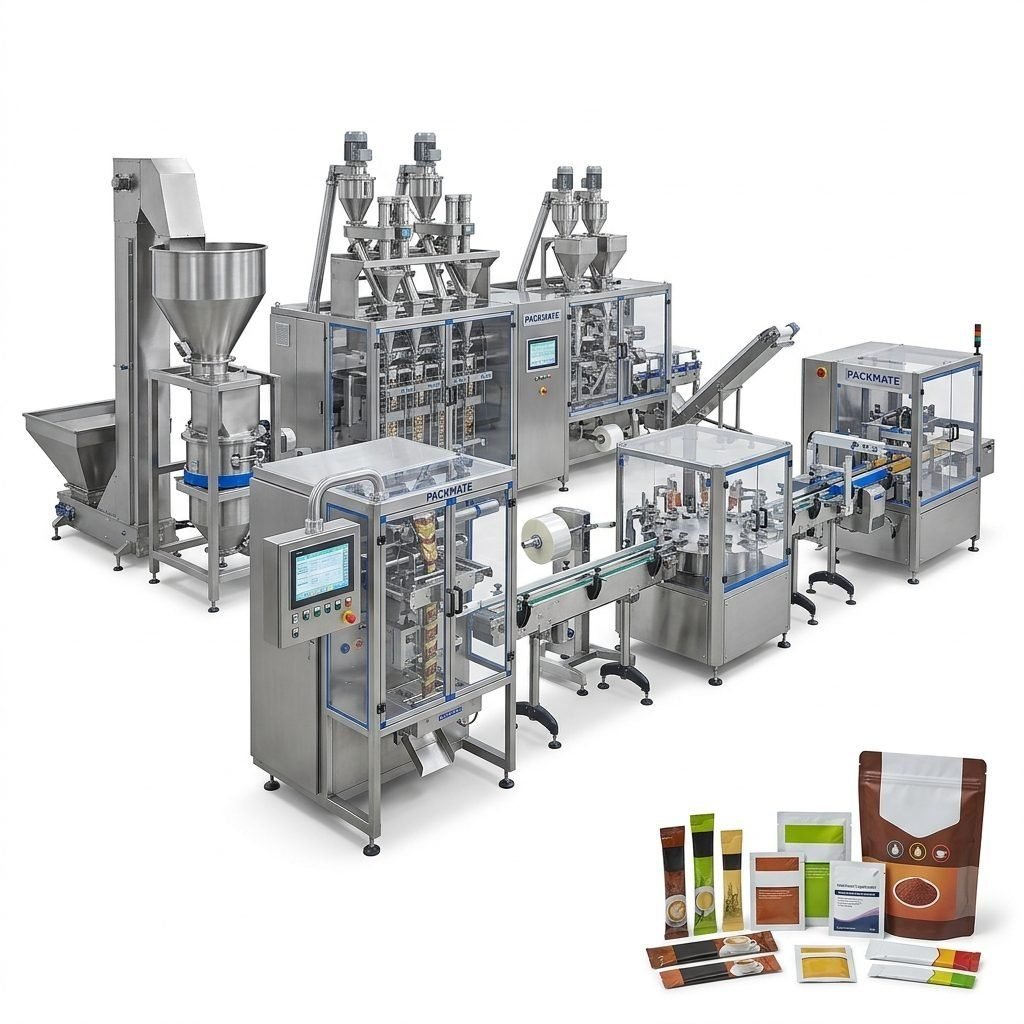
In today’s fast-paced manufacturing landscape, efficiency and consistency are paramount. For producers of consumer goods ranging from food supplements and pharmaceuticals to coffee and condiments, the challenge of packaging multiple units into a single, retail-ready bundle is a critical operational step. This is where multipack packaging machinery becomes not just an asset, but a strategic necessity. This comprehensive guide delves into the world of multipack packaging, exploring its functions, benefits, key considerations for selection, and the technological advancements shaping its future.
What is Multipack Packaging Machinery?
Multipack packaging machinery refers to automated systems designed to group individual product units—such as sachets, stick packs, bottles, or cans—into a larger, cohesive package. This secondary packaging process creates the familiar bundles seen on store shelves: a six-pack of yogurt drinks, a box of 10 tea stick packs, or a tray of 24 pharmaceutical sachets. The primary goal is to streamline handling, improve logistics, enhance shelf appeal, and provide added value to the end consumer.
Core Functions of a Multipack System:
• Grouping & Collating: Accurately counting and arranging a predetermined number of primary packages.
• Film Wrapping or Cartoning: Encasing the group using shrink film, stretch wrap, or placing it into a pre-formed carton.
• Sealing & Closing: Applying heat to shrink film, sealing carton flaps, or applying adhesive.
• Code Printing & Labeling: Adding batch codes, expiry dates, or promotional labels to the multipack.
The Tangible Benefits for Manufacturers
Investing in a robust multipack packaging line delivers a significant return on investment across several fronts. The most immediate impact is on operational efficiency. Automating the bundling process drastically increases output speeds compared to manual labor, reduces labor costs, and minimizes errors in count or presentation. This leads directly to enhanced supply chain logistics. Multipacks are easier to handle, palletize, and transport, reducing damage and optimizing warehouse space.
From a marketing and sales perspective, multipack machinery enables powerful promotional strategies. “Buy 3, get 1 free” or limited-edition bundled offers are easily executed. The unified package also provides a larger canvas for branding, improving shelf presence and helping products stand out in competitive retail environments. Furthermore, multipacks often improve the consumer experience by offering convenience, better value, and easier storage.
Key Considerations When Selecting Machinery
Choosing the right multipack packaging machine is a critical decision. Manufacturers must evaluate their specific needs against several technical and operational factors.
Product Characteristics: The machine must be compatible with your primary package’s size, shape, weight, and material (e.g., flexible sachet, rigid bottle). Consider if the product is fragile or requires specific orientation.
Required Output Speed (UPH): Match the machine’s speed (units per hour) with your production volume requirements and future growth projections. A machine like those in our Filling & Packaging Lines category can be integrated for a complete solution.
Packaging Format & Materials: Decide on the multipack style: shrink wrap, paperboard carton, tray with film, or carrier rings. Each has different cost, sustainability, and machinery implications.
Flexibility and Changeover: If you run multiple SKUs, look for machines with quick-change parts and easy-to-program settings to minimize downtime between production runs.
Integration with Existing Lines: The multipacker must seamlessly connect with your upstream filling/closing machines and downstream case packers. Consulting with an expert provider, such as Packmate Machinery, ensures a cohesive system.
Hygiene and Safety Standards: For food, pharmaceutical, or nutraceutical products, the machine must meet relevant hygiene standards (e.g., FDA, GMP) with easy-clean surfaces and food-grade components.
Technological Trends Shaping the Future
The multipack packaging sector is being transformed by Industry 4.0 principles. Smart, IoT-enabled machines now offer real-time monitoring of production data, predictive maintenance alerts, and remote troubleshooting, maximizing uptime. Advanced robotics are being integrated for delicate handling tasks and to provide unparalleled flexibility in pack patterns.
There is also a strong drive toward sustainable packaging solutions. Machinery is being adapted to handle thinner, recyclable, or bio-based films and to eliminate unnecessary material use. Furthermore, modular machine design allows manufacturers to start with a base model and add functionalities (like vision inspection systems) as needed, protecting their initial investment. Explore our range of adaptable solutions in Bag & Pouch Packaging Machines.
Implementing Your Multipack Line: A Strategic Partnership
Successful implementation goes beyond purchasing a machine. It requires a partnership with a supplier that understands your entire production ecosystem. A reputable provider will conduct a thorough analysis of your products and goals, offer comprehensive factory acceptance testing (FAT), and provide detailed installation and operational training for your team.
Ongoing support is crucial. Ensure your supplier offers accessible spare parts, responsive technical service, and software updates. A company with a proven track record, like Packmate Machinery with its 22+ years of development and a 20,000㎡ modern facility, brings invaluable stability and expertise to such a long-term investment. Their commitment is evident in their dedicated Service programs.
Frequently Asked Questions (FAQs)
1. What types of products are best suited for multipack packaging?
Multipack packaging is ideal for high-volume, small-to-medium sized consumer goods. This includes food items (sauce sachets, drink sticks, snacks), pharmaceuticals (blister packs, powder sachets), nutraceuticals (supplement sticks), and non-food items like hardware or cosmetics. Any product that benefits from being sold in bundled quantities is a candidate.
2. How do I determine the right speed (UPH) for my needs?
Calculate your current and projected daily/weekly production volume. Your multipack machine’s speed should be matched to, or slightly exceed, the output of your primary packaging line (e.g., your sachet filling machine) to avoid creating a bottleneck. A detailed production audit with your machinery supplier is the best way to specify this.
3. What is the typical changeover time between different product SKUs?
Changeover time varies greatly by machine design. Basic mechanical machines may require 30-60 minutes for tooling changes. Advanced, servo-driven machines with recipe storage can achieve changeovers in 10 minutes or less. When evaluating machines, always ask for a demonstration of a changeover.
4. Can multipack machinery handle different pack counts (e.g., 3-packs and 6-packs) on the same line?
Yes, modern multipack machines are highly flexible. Through programmable logic controllers (PLCs) and servo motors, operators can typically switch between different pack counts (like 3, 4, 6, or 12) by simply selecting a new recipe on the HMI touchscreen, with minimal to no mechanical adjustment.
5. What kind of maintenance does this equipment require?
Regular preventive maintenance is key. This includes daily cleaning, lubrication of moving parts as per the manual, and inspection of seals, cutters, and heating elements. Most suppliers offer scheduled maintenance contracts. Choosing a machine built with durability and easy access for maintenance in mind, from a manufacturer with a strong spare parts network, minimizes long-term downtime.