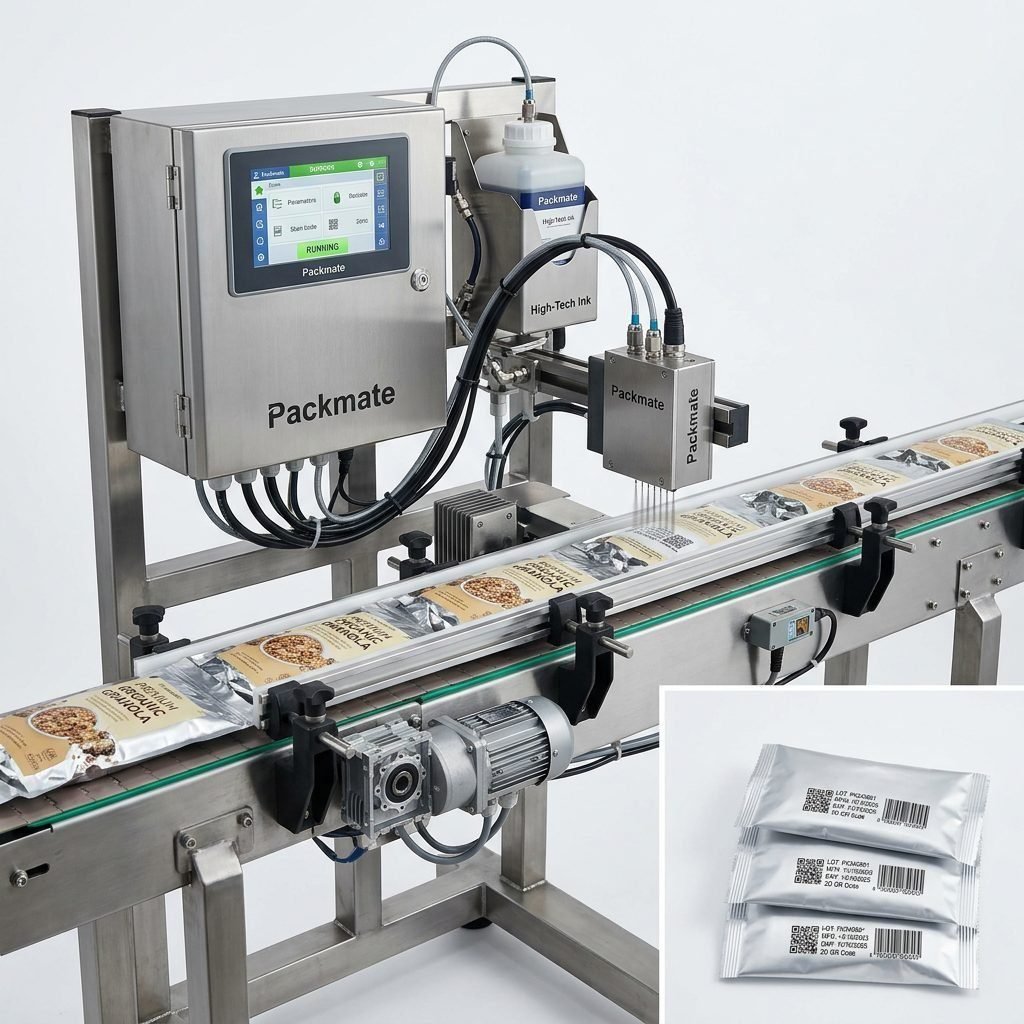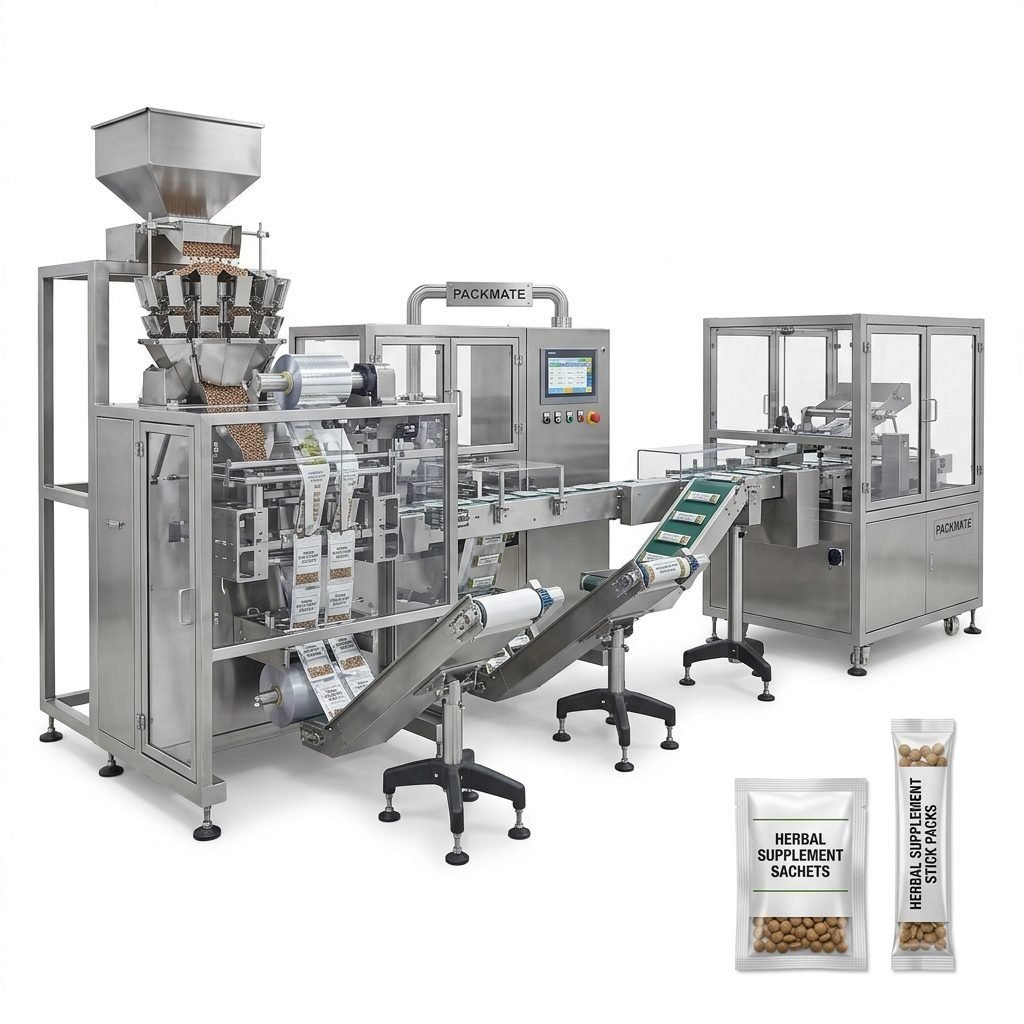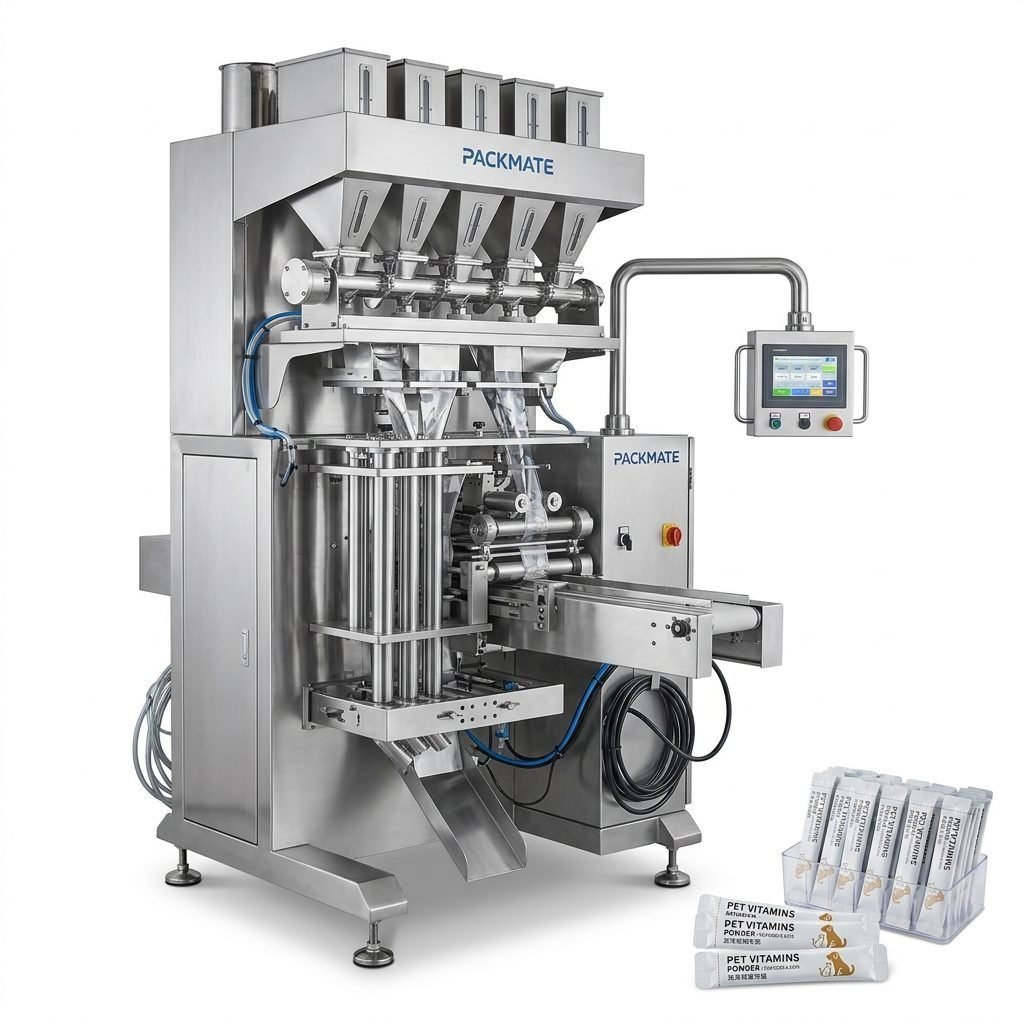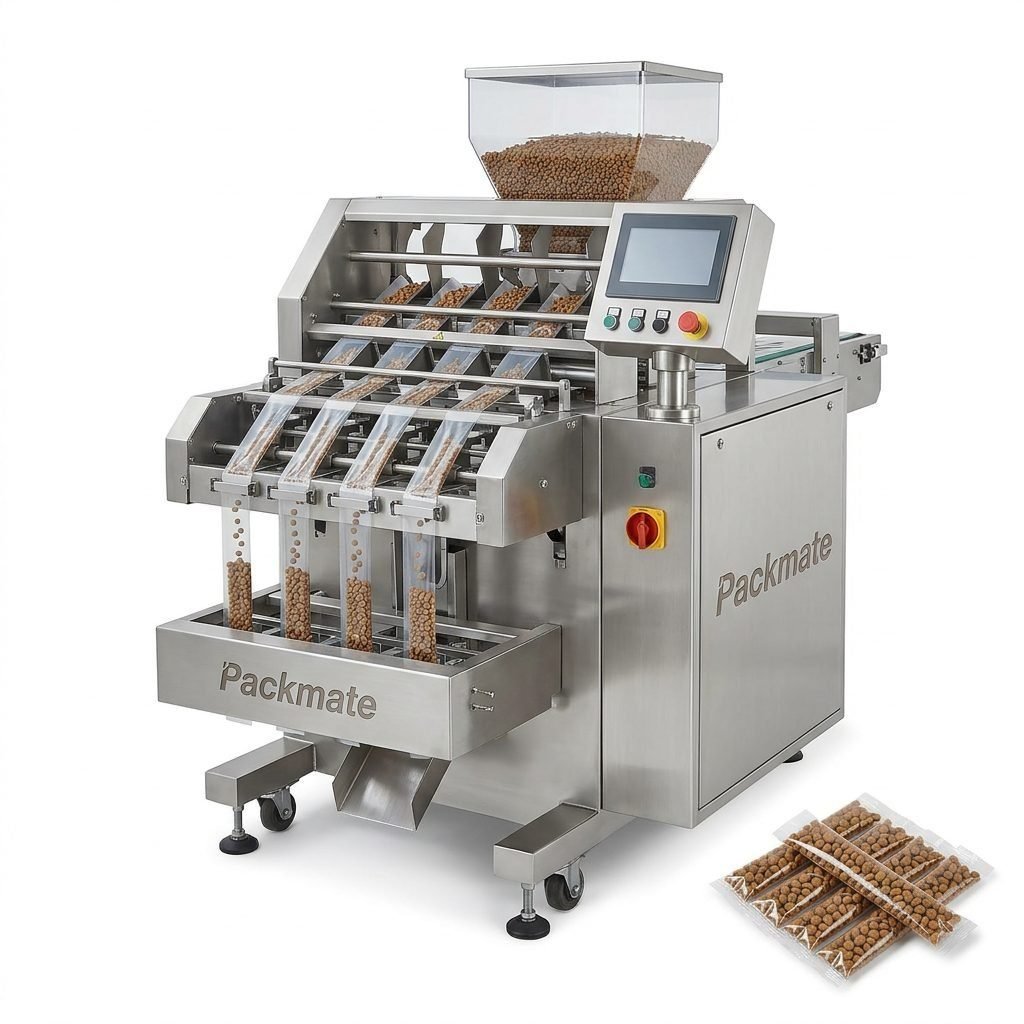
In the competitive snack food industry, production efficiency is paramount. Choosing the right packaging machinery can make the difference between meeting market demands and falling behind. This article explores top snack food packaging machine solutions that streamline operations, reduce waste, and enhance output quality.
Why Efficient Packaging Machinery is Critical for Snack Producers
The snack sector is characterized by high-volume, fast-turnover products. Consumers expect freshness, consistency, and convenience. Manual or outdated packaging processes lead to bottlenecks, product inconsistency, and increased labor costs. Modern packaging machines automate these tasks, ensuring precise filling, sealing, and labeling at speeds that manual operations cannot match. This efficiency directly translates to higher profitability and scalability for businesses.
Key Benefit: Automated packaging lines significantly reduce human error and material waste. By maintaining consistent portion control and seal integrity, they protect product quality and extend shelf life, which is crucial for perishable snacks.
Core Machine Types for Snack Packaging
Different snack formats require specialized equipment. Understanding the core machine types is the first step toward building an efficient production line.
Vertical Form-Fill-Seal (VFFS) Machines
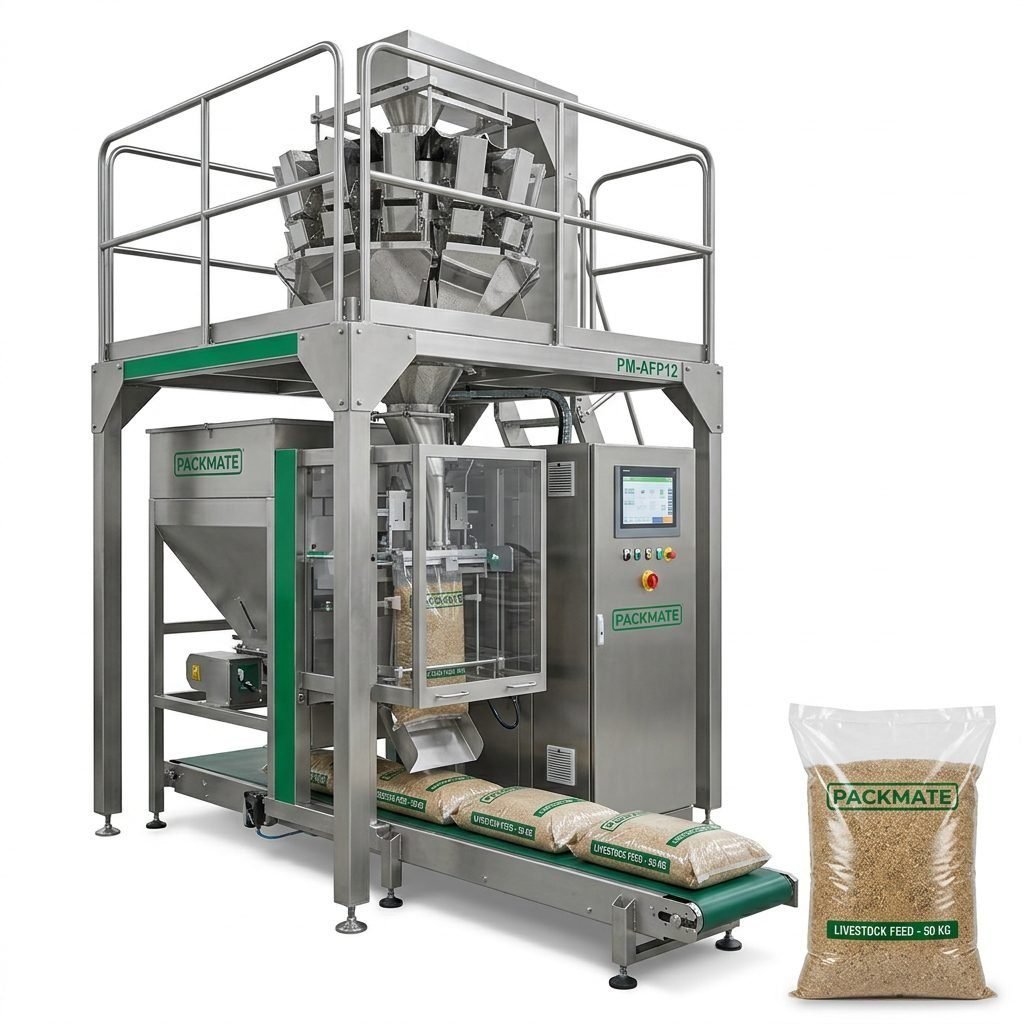
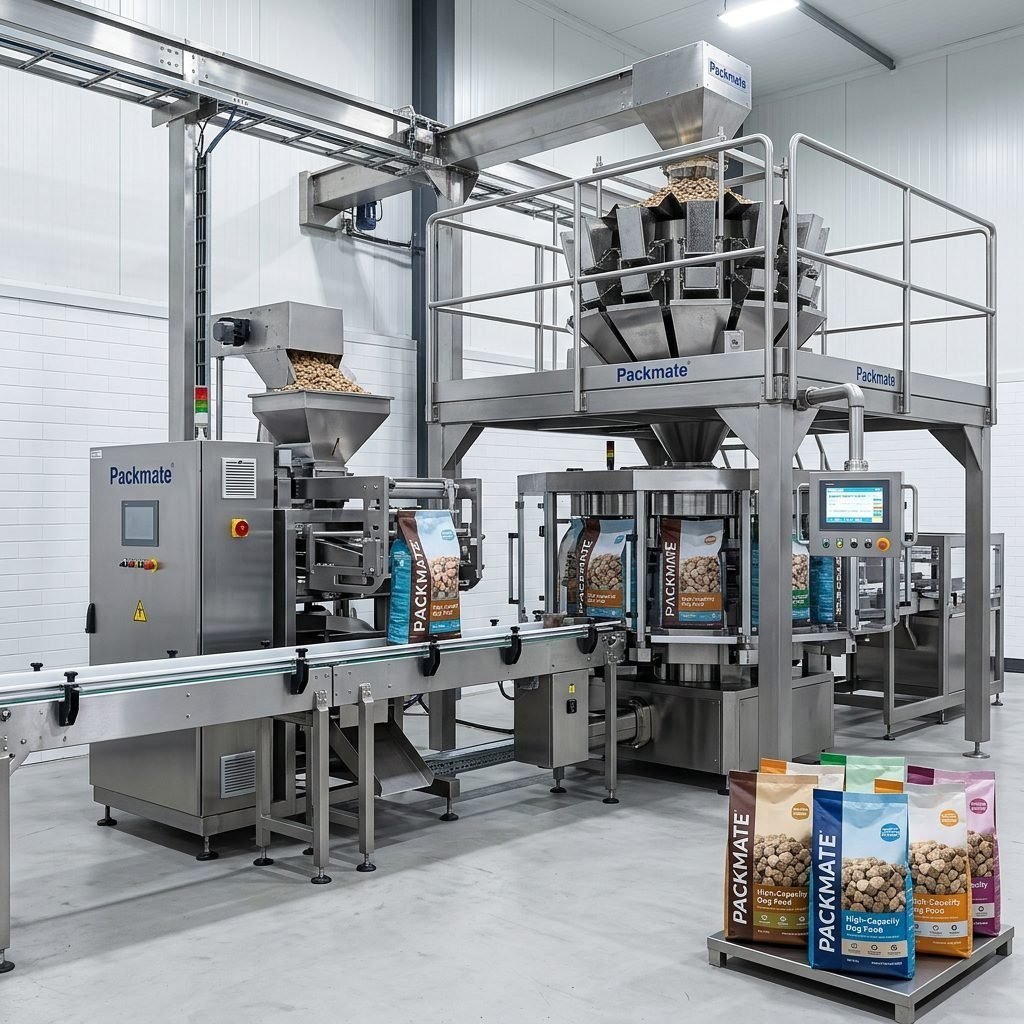
VFFS machines are the workhorses of snack packaging. They form bags from a roll of film, fill them with product, and seal them in one continuous operation. Ideal for chips, nuts, candies, and pretzels, they offer remarkable flexibility in bag sizes and materials. Advanced models feature precise weighers and gas flushing capabilities for modified atmosphere packaging (MAP), which is essential for preserving crispness.
Horizontal Flow Wrappers
For individually wrapped snack bars, biscuits, or cookies, horizontal flow wrappers are the standard. They wrap products in a single fold of film, creating tight, secure seals at high speeds. Their efficiency is unmatched for high-speed production lines where hundreds of units are packaged per minute.
Multi-Lane Stick Pack & Sachet Machines
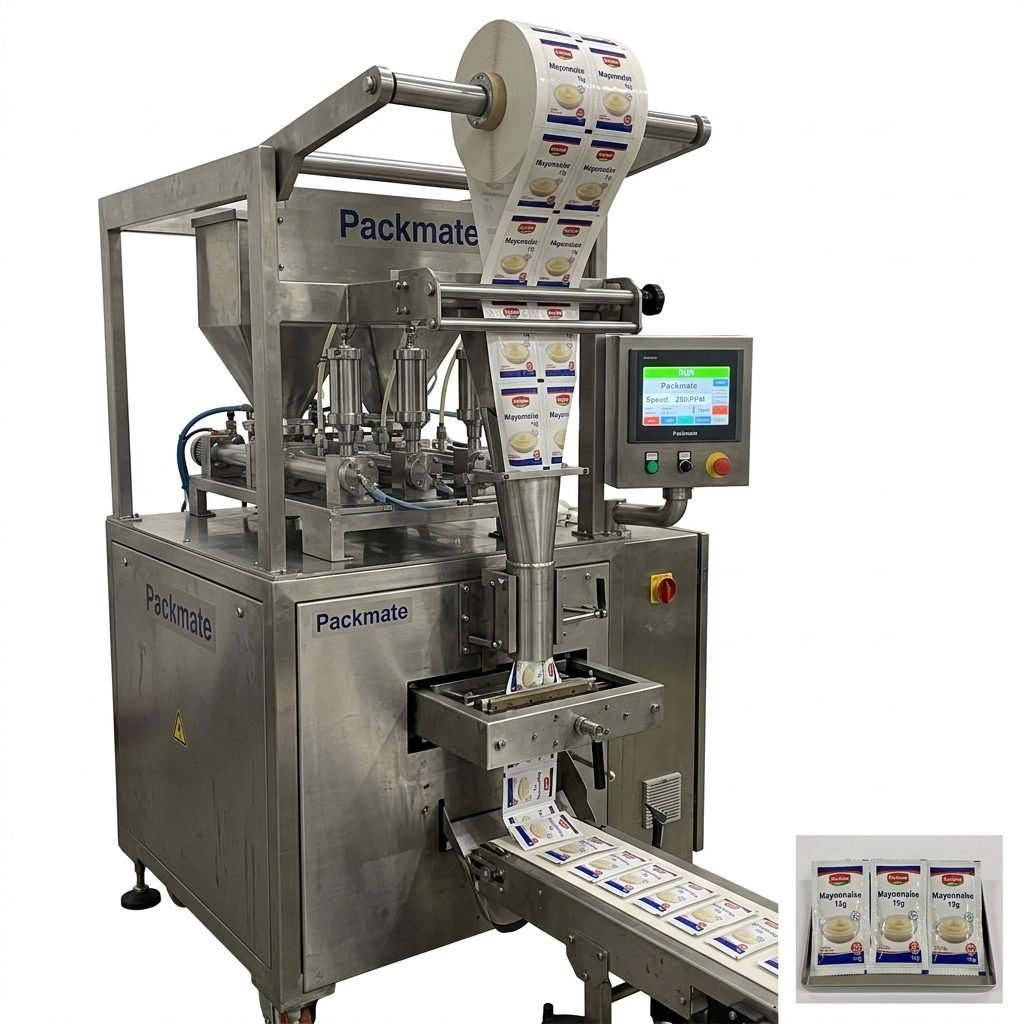
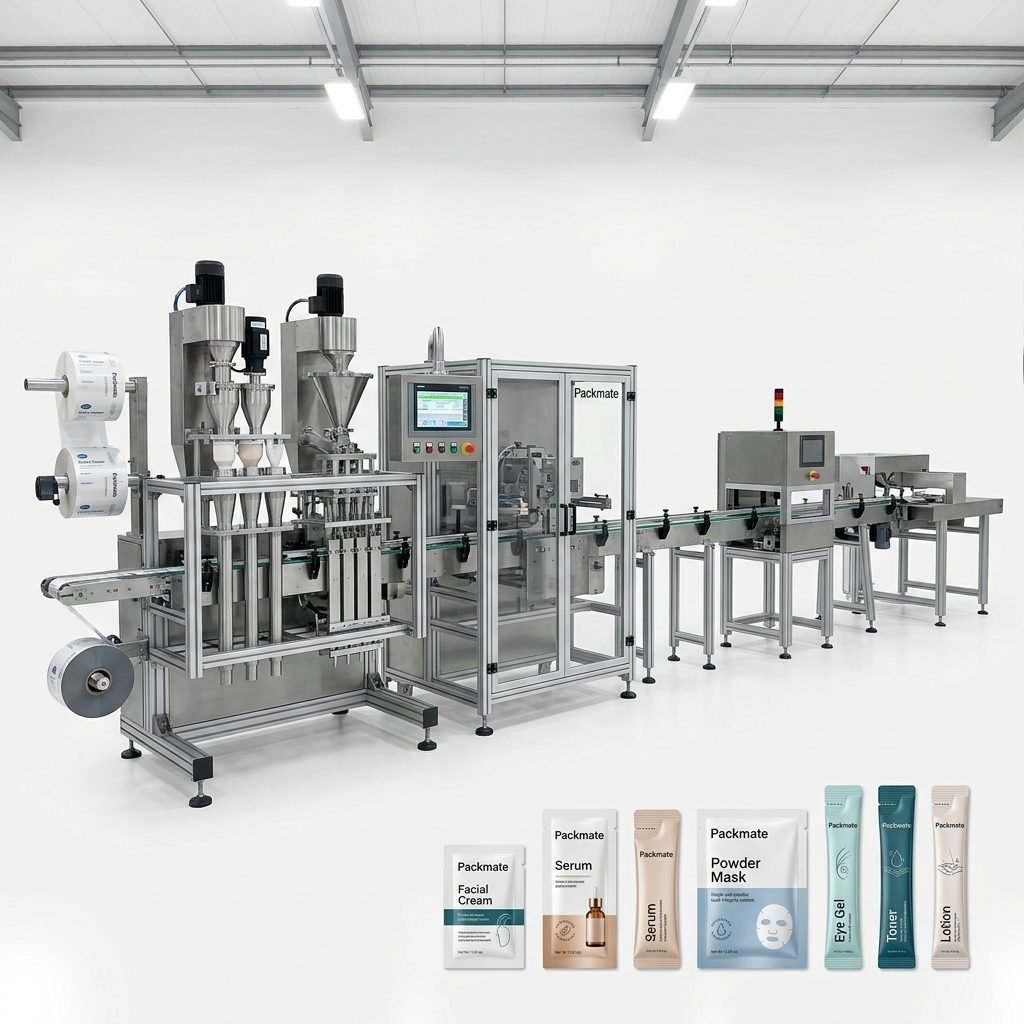
For powdered drinks, seasoning, or single-serve condiments paired with snacks, multi-lane stick pack and sachet machines are ideal. Companies like Packmate Machinery specialize in these solutions, offering machines that can run multiple lanes simultaneously, dramatically boosting output for small-portion items.
Integrating Weighing and Filling Systems
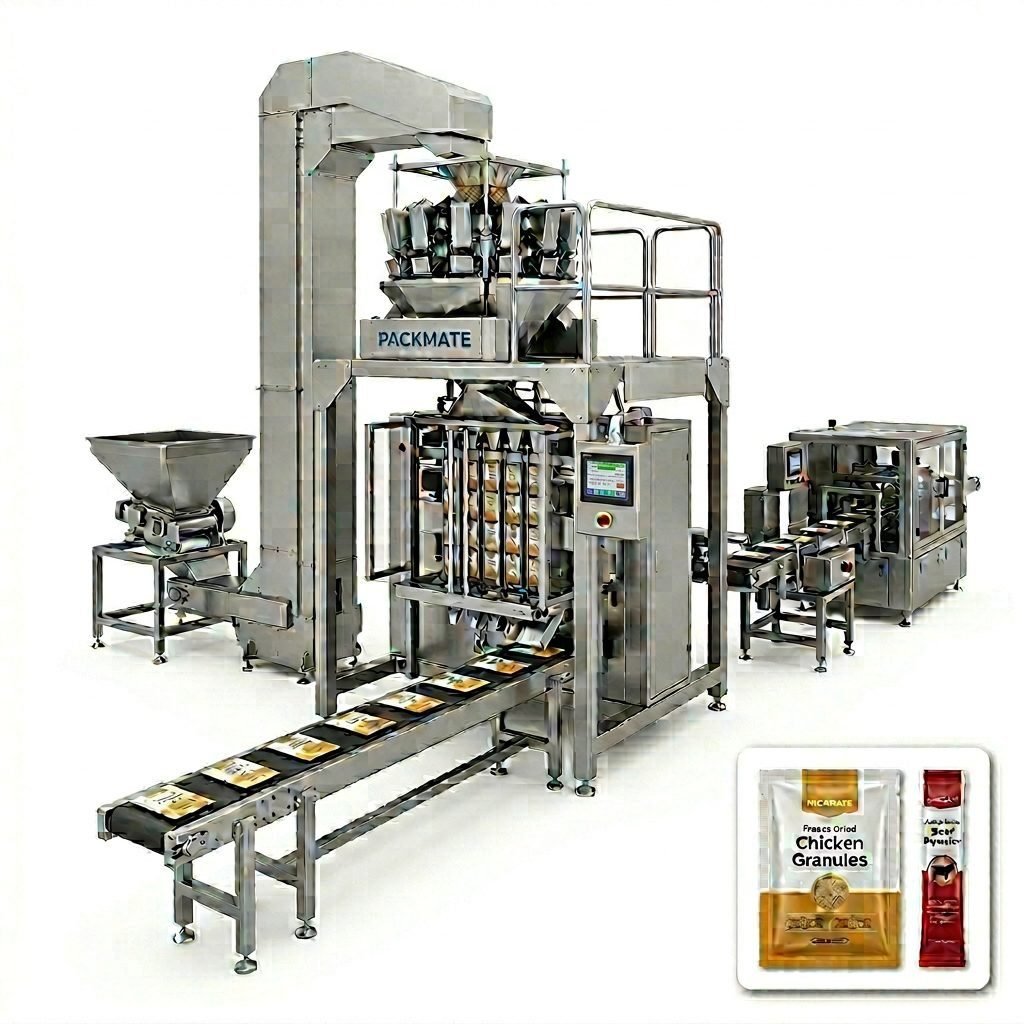
Accuracy is non-negotiable. Modern weighing and packaging systems use multi-head weighers or auger fillers to ensure every bag contains the exact weight declared on the label. This not only complies with regulations but also maximizes yield by minimizing give-away. Integrating these systems with the primary packaging machine creates a seamless, highly accurate production cell.
Features to Look for in a Modern Packaging Solution
Beyond basic functionality, several features define a top-tier packaging machine.
User-Friendly HMI (Human-Machine Interface): Touchscreen controls with intuitive software allow for quick changeovers between products, reducing downtime.
Robust Construction & Hygiene: Machines should be built from food-grade stainless steel for durability and easy cleaning, meeting strict food safety standards.
Connectivity & Data Tracking: Industry 4.0-ready machines can integrate with factory networks, providing real-time data on output, efficiency (OEE), and maintenance alerts for predictive upkeep.
Flexibility: The ability to handle various film types, bag sizes, and product shapes future-proofs your investment against changing market trends.
Building a Complete Turnkey Line
For new facilities or major upgrades, a turnkey solution is often the most efficient path. This involves a single supplier providing and integrating all components: from the filling and packaging lines to auxiliary equipment like conveyors, checkweighers, and case packers. A trusted partner like Packmate, with its 22+ years of experience and a portfolio of over 50 machine models, can design, build, and commission a complete line tailored to specific snack products and output goals.
The Role of Auxiliary Equipment
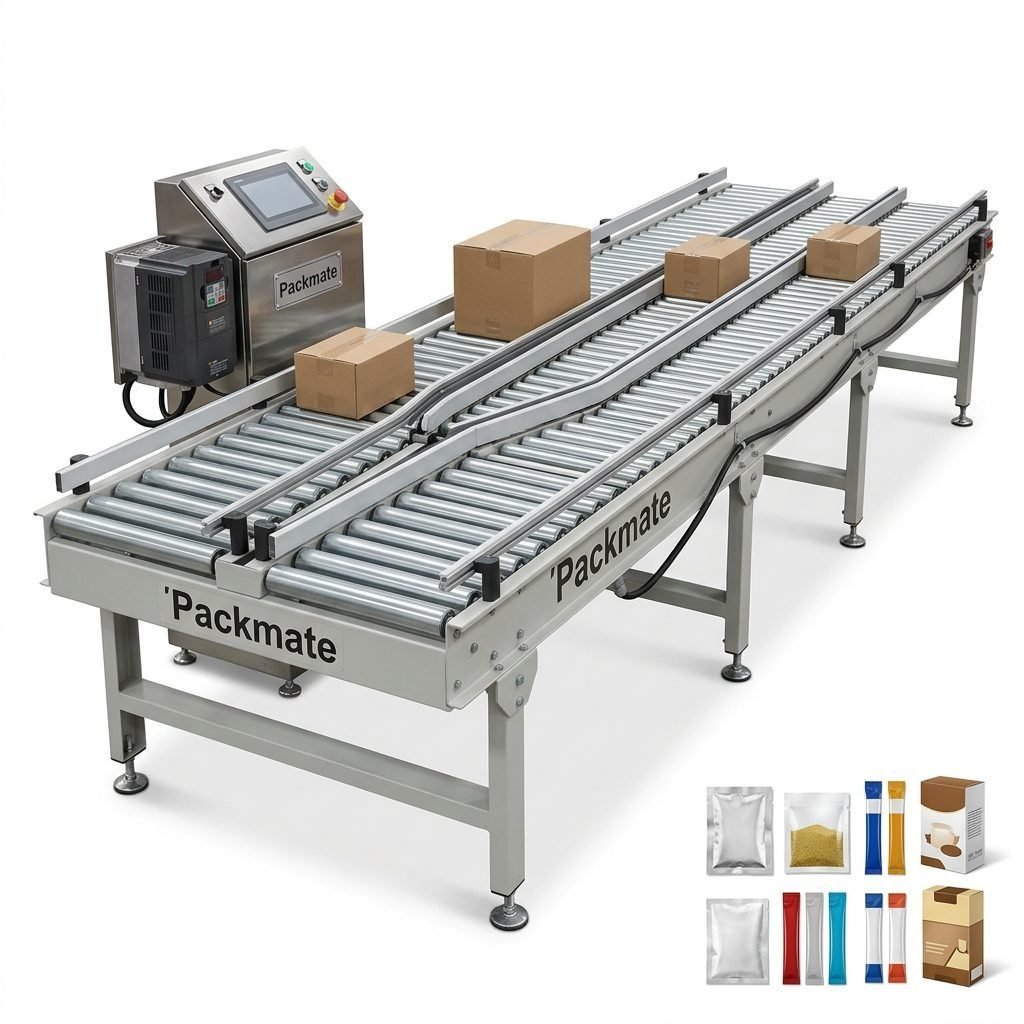
Efficiency doesn’t stop at the primary packager. Auxiliary packaging equipment such as cartoners, case erectors, and palletizers automate the downstream process. Integrating these systems creates a continuous flow from raw material to palletized shipment, minimizing manual handling and maximizing throughput.
Conclusion: Investing for Growth
Selecting the right snack food packaging machinery is a strategic investment. The optimal solutions combine speed, accuracy, flexibility, and reliability to create an efficient production backbone. By partnering with an experienced manufacturer and focusing on integrated, technology-forward equipment, snack producers can achieve the efficiency needed to thrive in a dynamic market, ensuring consistent quality for every bag that reaches the consumer.
Frequently Asked Questions (FAQs)
What is the typical production speed for a modern snack packaging machine?
Speeds vary greatly by machine type and product. Vertical form-fill-seal machines can range from 40 to over 200 bags per minute. Multi-lane stick pack machines can achieve outputs of 1,000+ sachets per minute across multiple lanes. The exact speed depends on bag size, product characteristics, and the level of automation.
How important is Modified Atmosphere Packaging (MAP) for snacks?
For products like chips, nuts, and fried snacks, MAP is crucial. It replaces oxygen inside the package with nitrogen or another gas mixture, drastically slowing down oxidation and rancidity. This preserves flavor, texture, and nutritional value, extending shelf life significantly, which is vital for distribution and retail.
Can one machine handle different types of snack products?
Many machines offer high flexibility. The key factors are the machine’s changeover capabilities and the range of its components (like weighers and forming tubes). With quick-change parts and programmable settings, a single machine can often run multiple products of similar physical form (e.g., different shapes of crackers), though major format changes (e.g., from chips to powder) usually require a different machine type or significant reconfiguration.
What kind of after-sales service and support should I expect?
Reputable manufacturers provide comprehensive support. This includes detailed installation and training, readily available spare parts, remote technical assistance, and on-site service if needed. Ensure your supplier has a proven track record of support, like offering global service networks or dedicated support teams, to minimize potential downtime.
How do I determine the right packaging solution for my startup or expanding business?
Start by clearly defining your current and projected needs: product type, required output (bags per minute/hour), bag size and material, and budget. Consulting directly with experienced manufacturers is the best step. They can analyze your requirements and recommend a scalable solution, whether it’s a single machine or a complete turnkey packaging line, to match your growth trajectory.