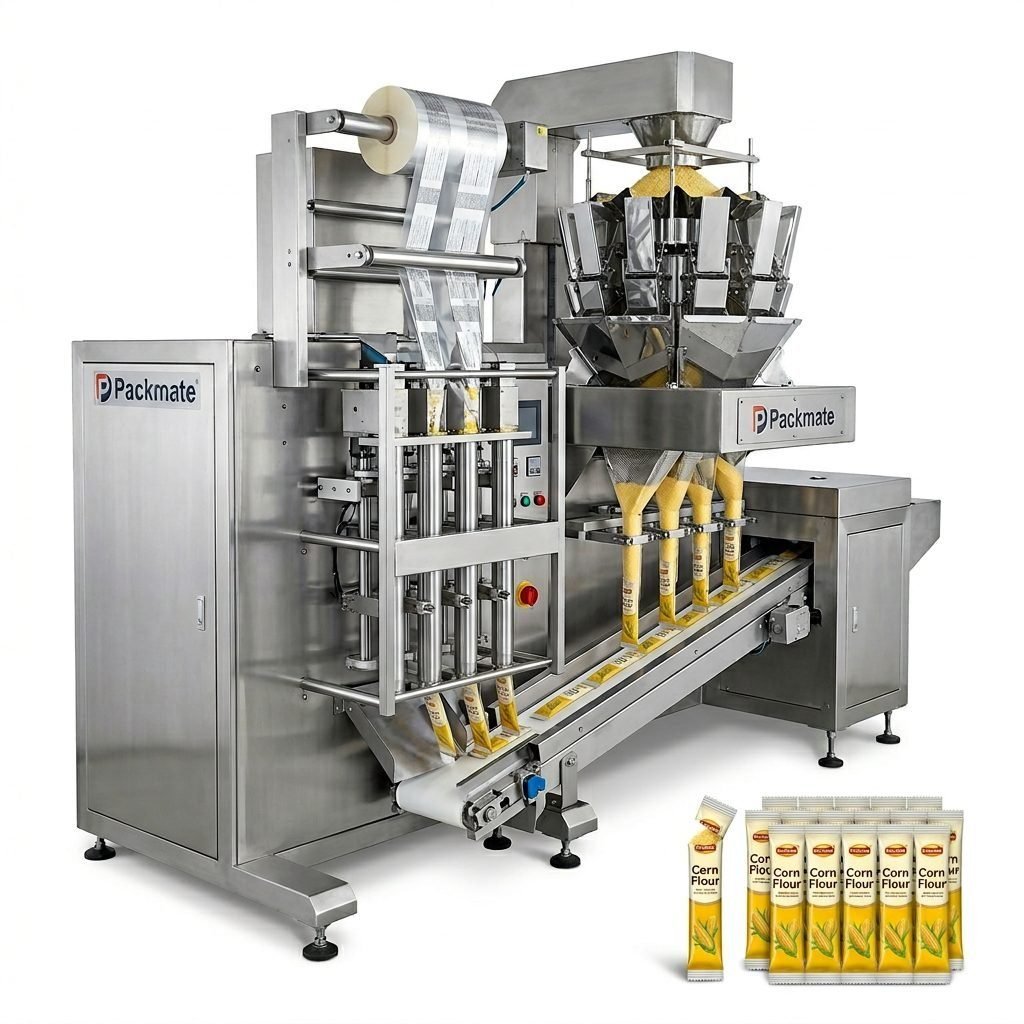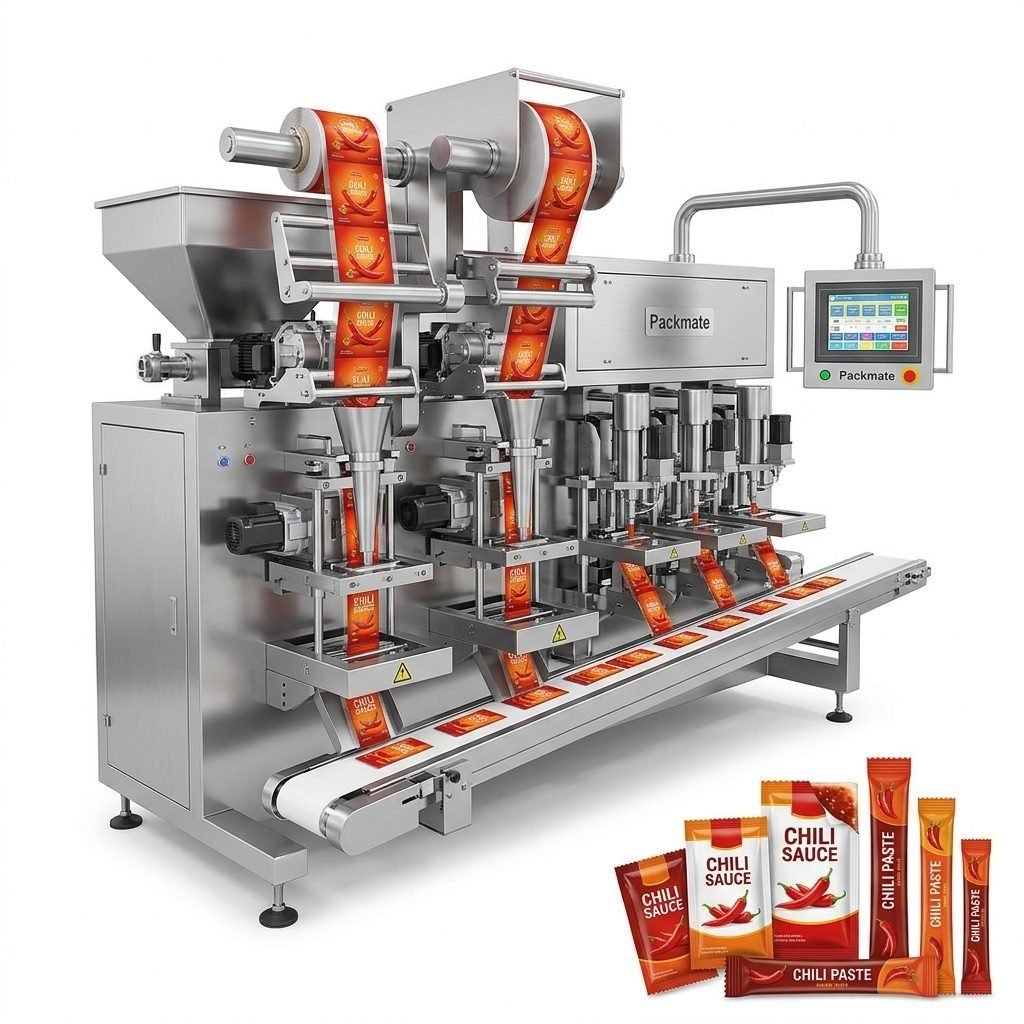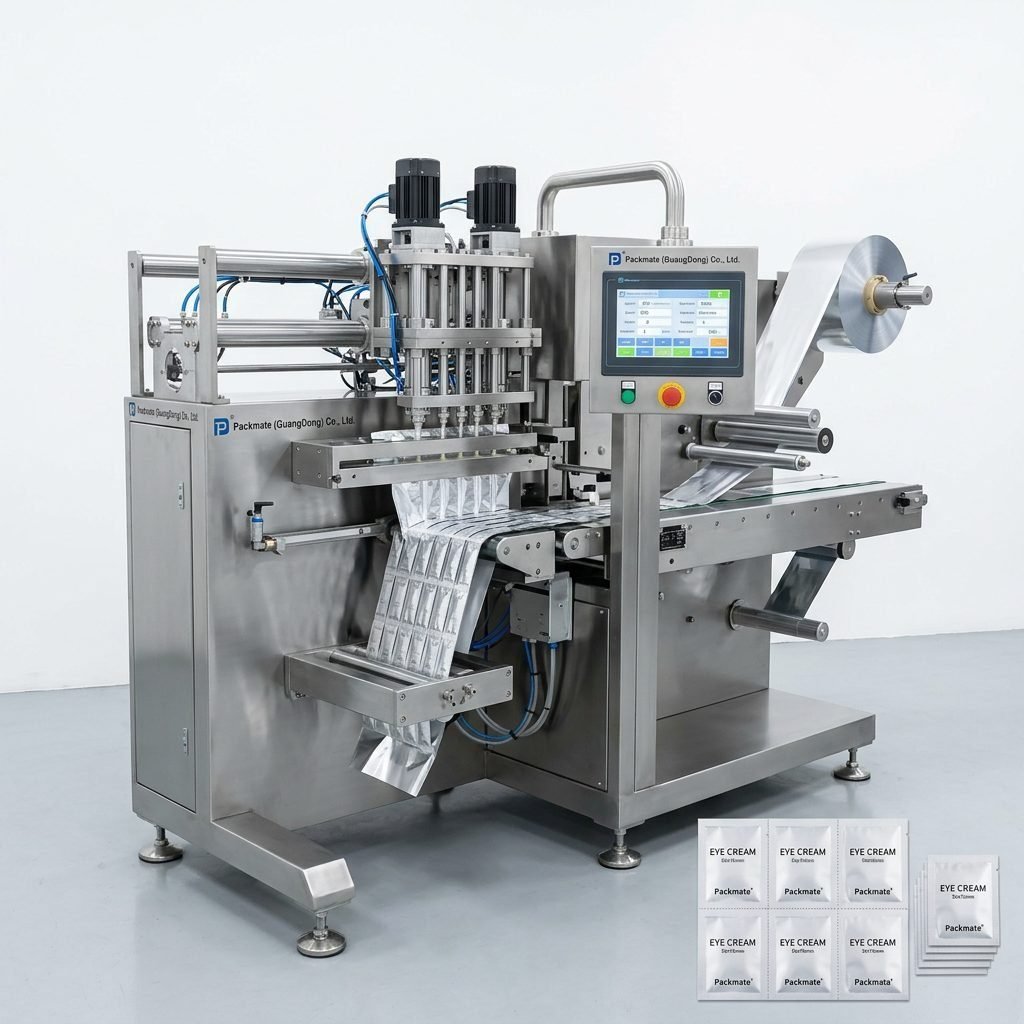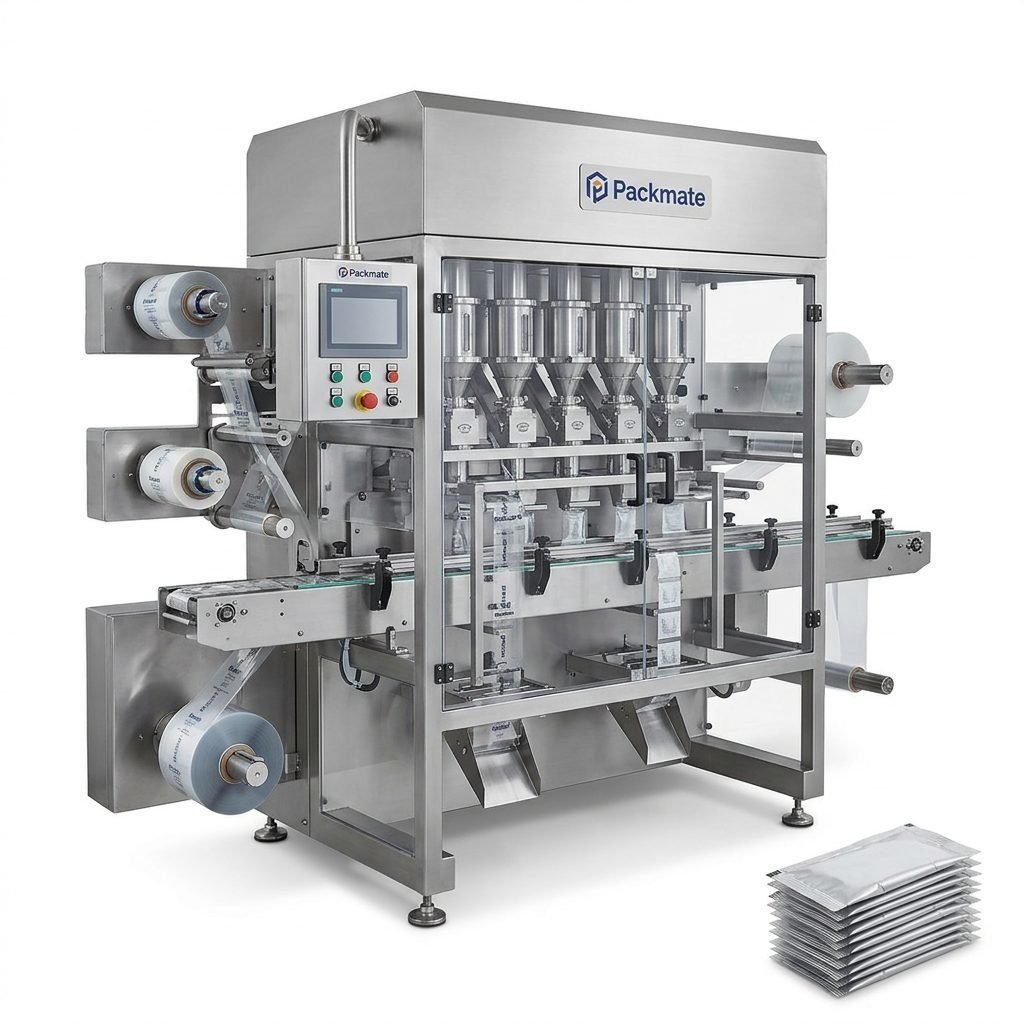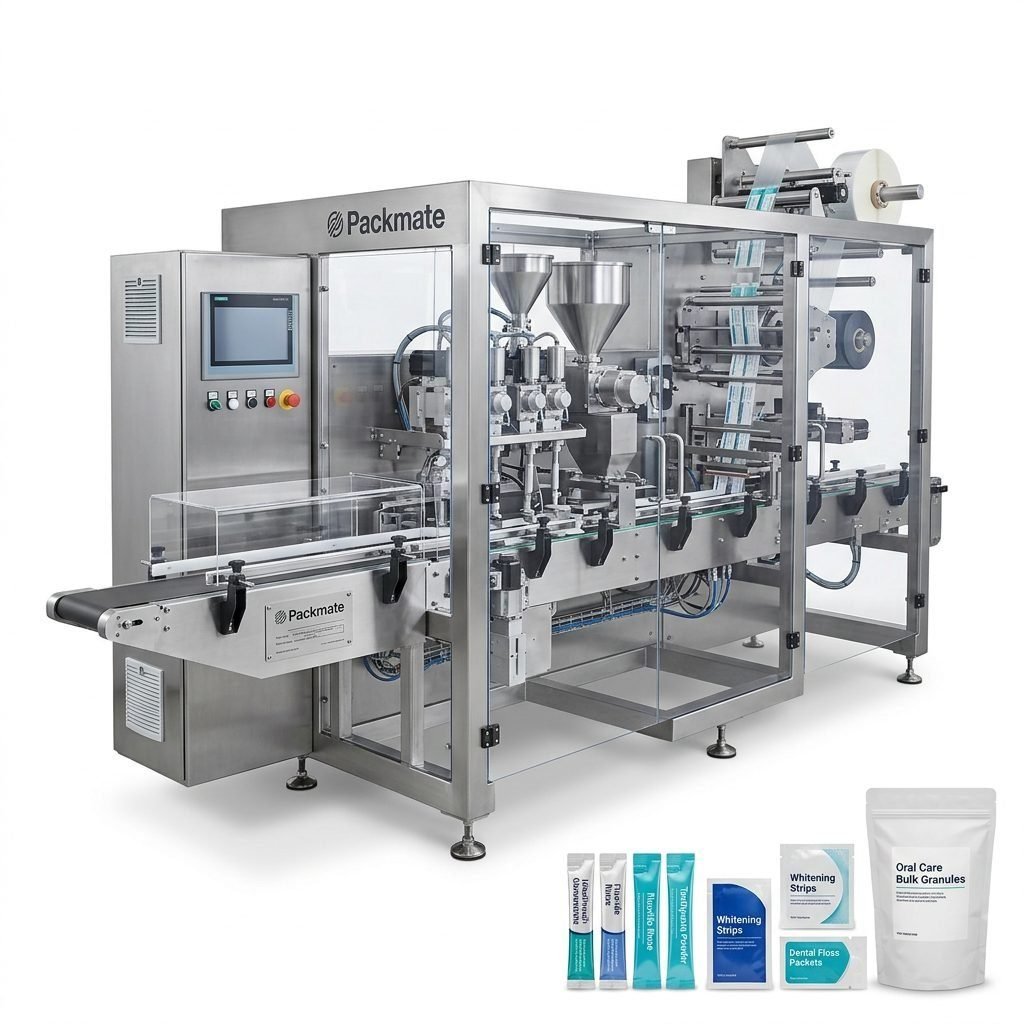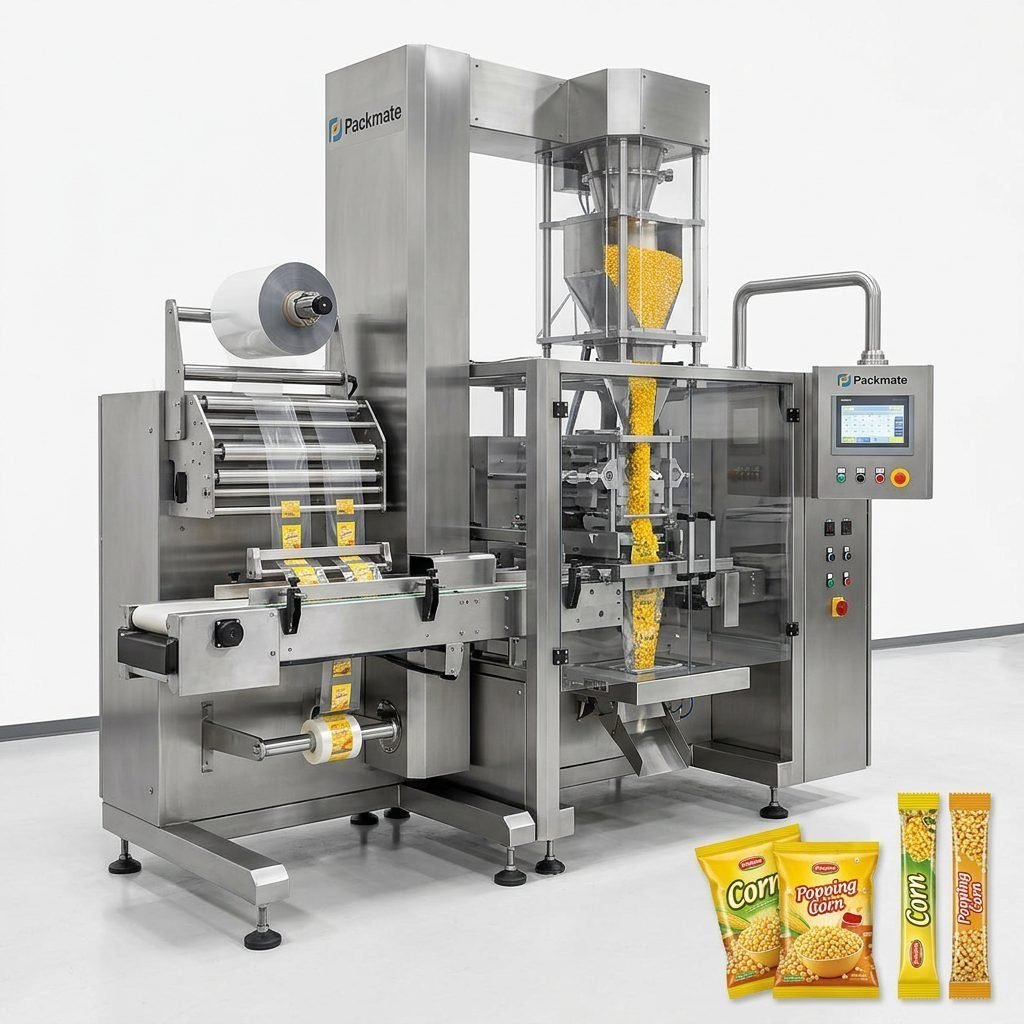
The world of manufacturing and product distribution is in a constant state of evolution, driven by the relentless pursuit of efficiency, consistency, and cost-effectiveness. At the heart of this transformation lies automated packaging machinery, a critical component that bridges production and market delivery. This guide delves into the comprehensive solutions offered by modern automated packaging systems, exploring their types, benefits, and the key considerations for implementation to help businesses streamline their operations and gain a competitive edge.
Understanding Automated Packaging Machinery
Automated packaging machinery refers to systems that perform packaging functions—such as filling, sealing, labeling, and palletizing—with minimal human intervention. These systems range from semi-automatic units that require some operator input to fully integrated, computer-controlled lines that manage the entire process from start to finish. The core objective is to replace repetitive, manual tasks with precise, high-speed mechanical operations.
The shift from manual to automated packaging is not merely a trend but a strategic necessity for scaling production, ensuring product safety, and meeting the stringent demands of global supply chains. Industries from food and pharmaceuticals to cosmetics and hardware are leveraging this technology to overcome labor challenges and enhance throughput.
Core Types of Packaging Automation Solutions
The landscape of automated packaging is diverse, with specialized machinery designed for specific tasks and product types. Understanding these categories is the first step in selecting the right solution.
1. Filling and Sealing Machines
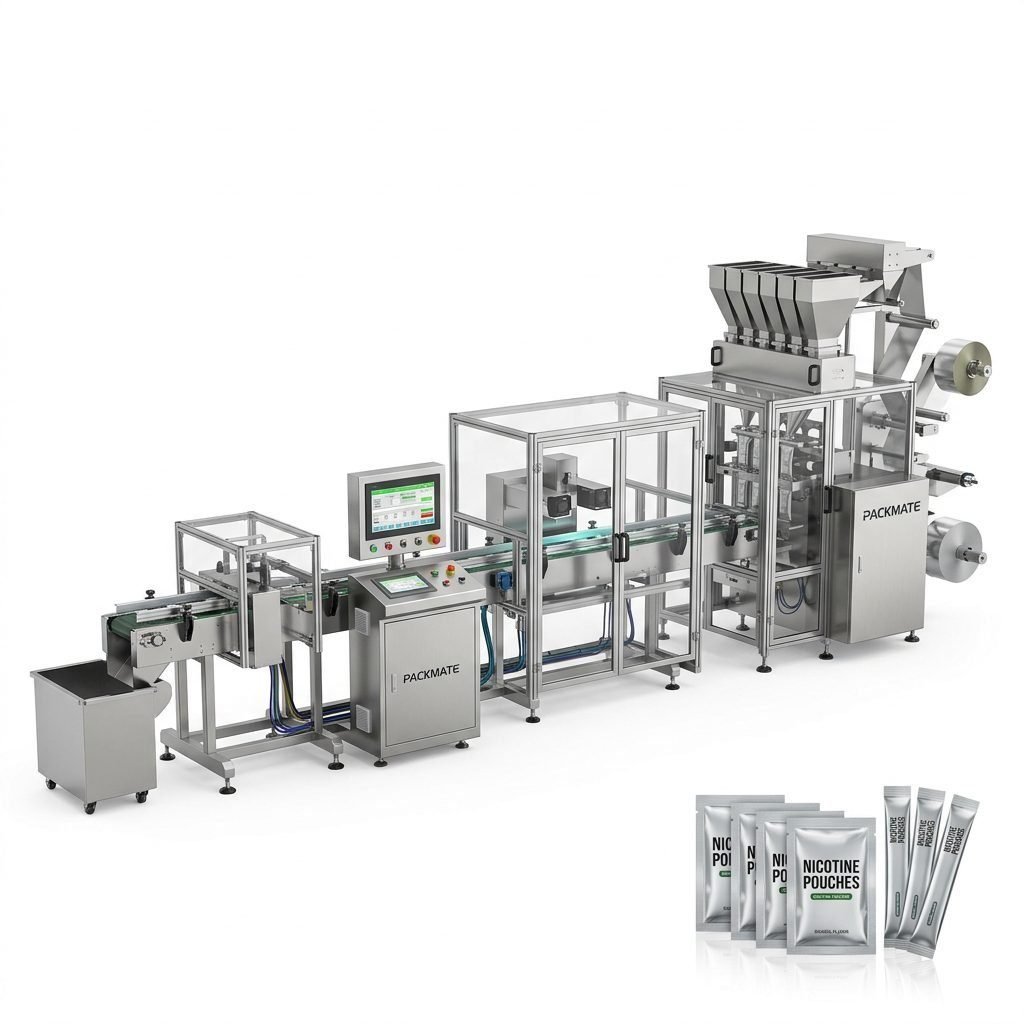
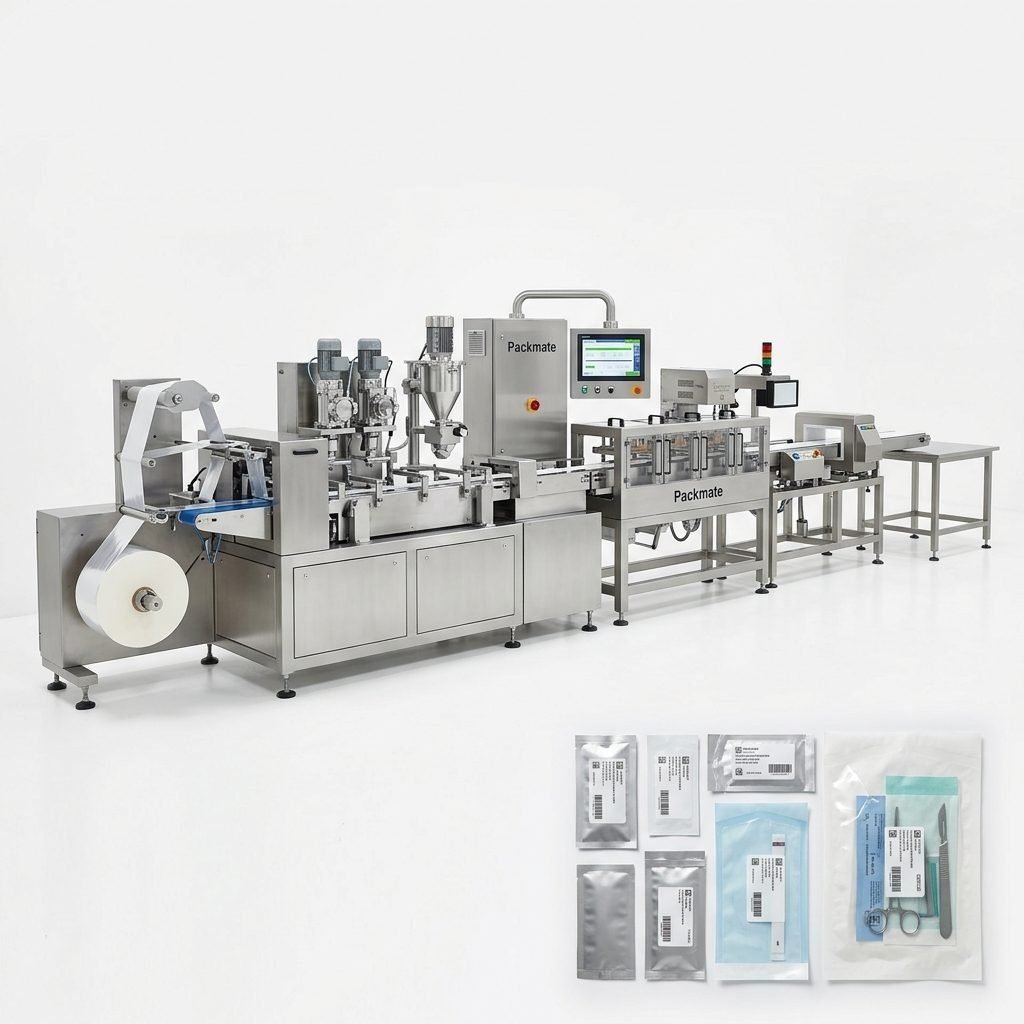
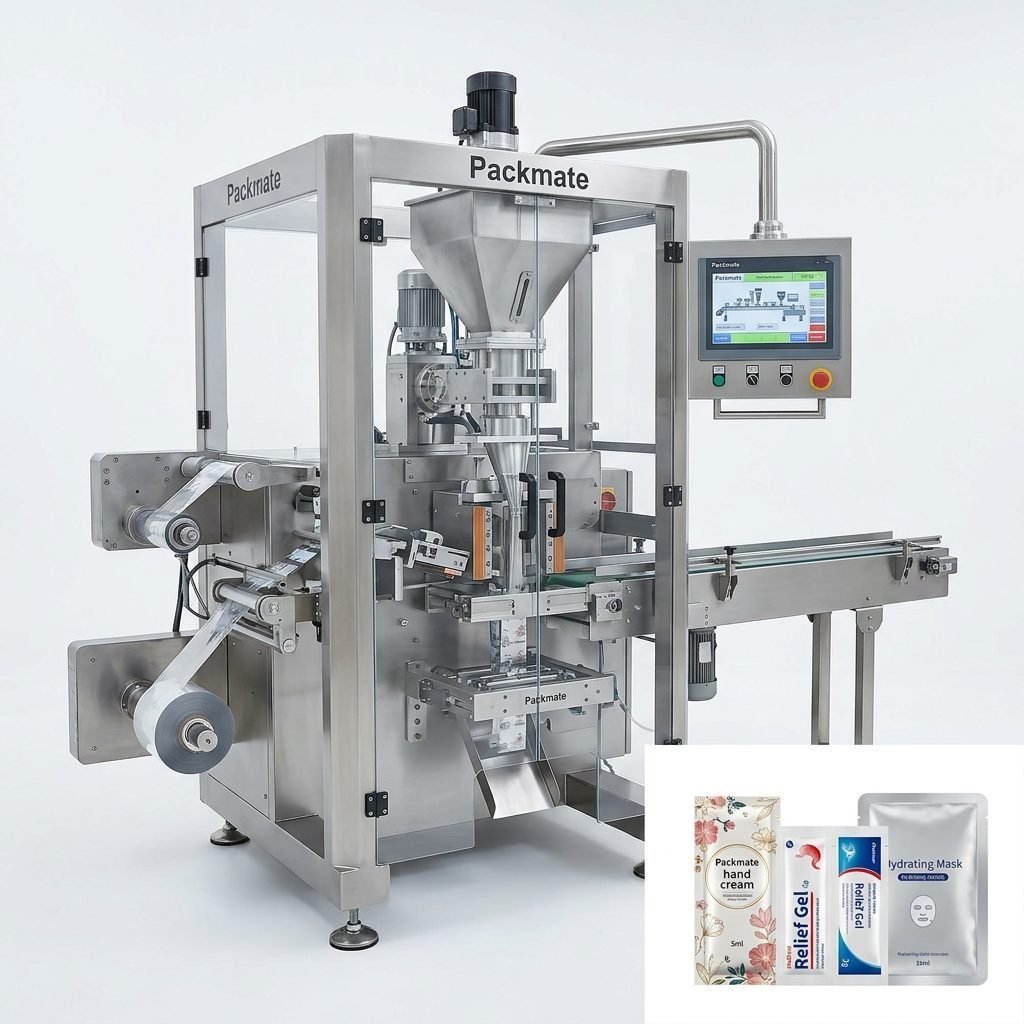
These are the workhorses of packaging, accurately dispensing products into containers—be they pouches, sticks, bottles, or cans—and hermetically sealing them. Solutions include vertical form-fill-seal (VFFS) machines for creating bags from a roll of film, as well as liquid fillers and auger powder fillers. Precision here is paramount to avoid waste and ensure consistent portion sizes.
2. Bag and Pouch Packaging Systems
Flexible packaging continues to grow in popularity due to its cost-efficiency and consumer appeal. Automated systems for creating stand-up pouches, flat bags, or specialized bag formats handle film feeding, forming, filling, and sealing in one continuous, high-speed operation. They are ideal for snacks, grains, powders, and liquids.
3. Cartoning and Case Packing Equipment
After primary packaging, products often need to be grouped into cartons or cases for shipping. Automated cartoners erect, load, and seal boxes, while case packers gently place multiple primary packages into shipping cases. This stage is crucial for protecting products during logistics and enabling efficient palletizing.
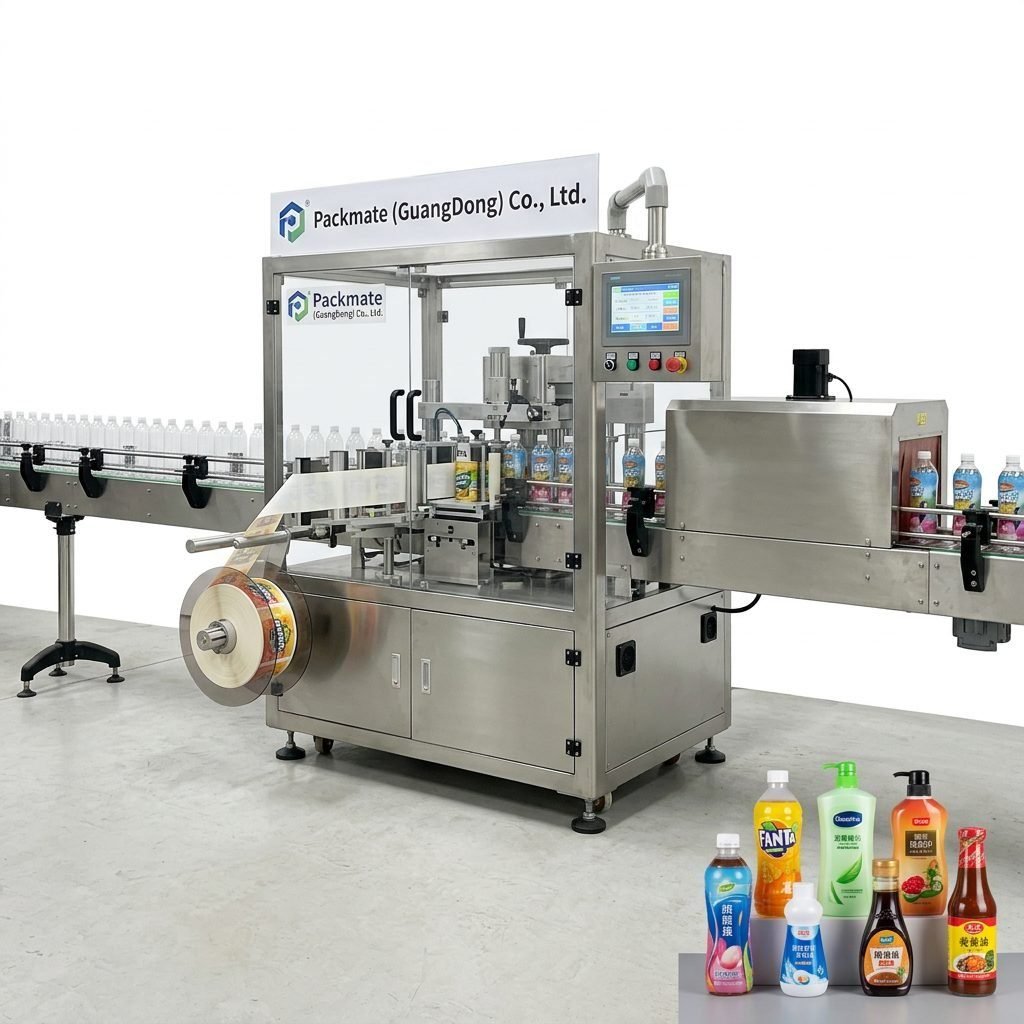
4. Labeling and Coding Systems
Compliance and traceability require accurate product labeling and coding. Automated systems apply labels with precision, print batch codes, expiry dates, and barcodes directly onto packages or labels at high speeds, ensuring every item meets regulatory and retail requirements.
5. End-of-Line and Palletizing Robots
The final step involves organizing and securing cases for shipment. Robotic palletizers automate the arrangement of cases onto pallets according to pre-programmed, stable patterns. This not only speeds up the process but also significantly reduces the risk of worker injury associated with heavy lifting.
The Tangible Benefits of Automation
Investing in automated packaging machinery yields a compelling return on investment across multiple dimensions of a business.
Enhanced Productivity & Speed: Automated systems operate 24/7 at consistent speeds far exceeding manual capabilities, dramatically increasing output and shortening time-to-market.
Unmatched Consistency & Quality: Machines eliminate human error in measurements, sealing, and placement. Every package is identical, which enhances brand reputation and reduces customer complaints.
Significant Cost Reduction: While the initial investment is substantial, automation reduces long-term labor costs, minimizes material waste from overfilling or errors, and lowers costs associated with product recalls or rework.
Improved Safety & Hygiene: Automating repetitive and physically demanding tasks creates a safer work environment. In industries like food and pharma, closed automated systems also provide a higher hygiene standard by minimizing human contact with the product.
Scalability & Flexibility: Modern machines are often modular and programmable, allowing lines to be reconfigured for different package sizes or products, enabling businesses to adapt quickly to market changes.
Implementing Your Automated Solution: A Strategic Approach
Successfully integrating automated packaging machinery requires careful planning and partnership.
1. Conduct a Thorough Needs Analysis: Assess your current and future production volumes, product types (granules, powder, liquid), package formats, and available factory space. This analysis forms the blueprint for your equipment specifications.
2. Choose the Right Technology Partner: Select a manufacturer with proven expertise, reliable after-sales service, and the ability to provide a complete turnkey solution. A partner like Packmate Machinery, with over 30 years of experience, can offer invaluable guidance from design to installation.
3. Prioritize Integration and Training: Ensure new machinery can communicate with your existing production line (e.g., via PLC or industrial networks). Comprehensive operator and maintenance training is non-negotiable for maximizing uptime and equipment lifespan.
4. Plan for Maintenance and Support: Proactive maintenance schedules and access to genuine spare parts are critical. Establish a clear service agreement with your supplier to minimize potential downtime.
The Packmate Advantage: A Case in Point
Founded on a vision for automation and productivity, Packmate (GuangDong) Co., Ltd. exemplifies the journey from a dedicated workshop to a global provider of intelligent packaging solutions. With a 20,000㎡ modern facility and over 50 machine models, they specialize in solutions for the food, pharmaceutical, and health industries. Their evolution from sachet machines to multi-lane stick pack lines and full weighing and packaging systems demonstrates a commitment to innovation and meeting complex market demands. Choosing an established partner with a robust history and a focus on R&D can de-risk your automation project significantly.
Future Trends in Packaging Automation
The future is intelligent and connected. The integration of Industrial Internet of Things (IIoT) sensors allows for real-time monitoring of machine performance, predictive maintenance, and data-driven optimization. Artificial Intelligence (AI) and machine vision are enhancing quality control, enabling systems to detect and reject defective packages with superhuman accuracy. Furthermore, sustainability pressures are driving the development of machines capable of handling new, eco-friendly recyclable or compostable materials efficiently.
Frequently Asked Questions (FAQs)
1. What is the typical payback period for an automated packaging line?
The payback period varies based on machine complexity, labor cost savings, and production volume increase. For many businesses, a well-chosen system can show a return on investment within 1 to 3 years through reduced operational costs and higher output.
2. Can automated machinery handle small batch production or frequent product changeovers?
Yes. Modern machines with quick-change parts and user-friendly HMI (Human-Machine Interface) controls are designed for flexibility. While highest efficiency is achieved in long runs, programmable systems can accommodate smaller batches with minimal downtime for changeover.
3. How do I ensure the machine meets hygiene standards for food or pharmaceutical use?
Specify machines constructed with appropriate materials (e.g., stainless steel contact parts) and designs that allow for easy cleaning and prevent contamination. Reputable manufacturers will offer models compliant with industry standards like GMP, FDA, or CE regulations.
4. What level of technical skill is required to operate and maintain this equipment?
Basic operation is often simplified through touchscreen interfaces. However, effective troubleshooting and preventive maintenance require trained personnel. A comprehensive training program from your supplier is essential, and many offer ongoing technical support and service contracts.
5. Is a fully automated line always better than semi-automatic machines?
Not necessarily. The choice depends on your budget, scale, and goals. Semi-automatic machines offer a lower entry cost and are excellent for lower-volume production or as a stepping stone. A full automated line is justified for high-volume, 24/7 operations where maximizing speed and minimizing labor are critical.