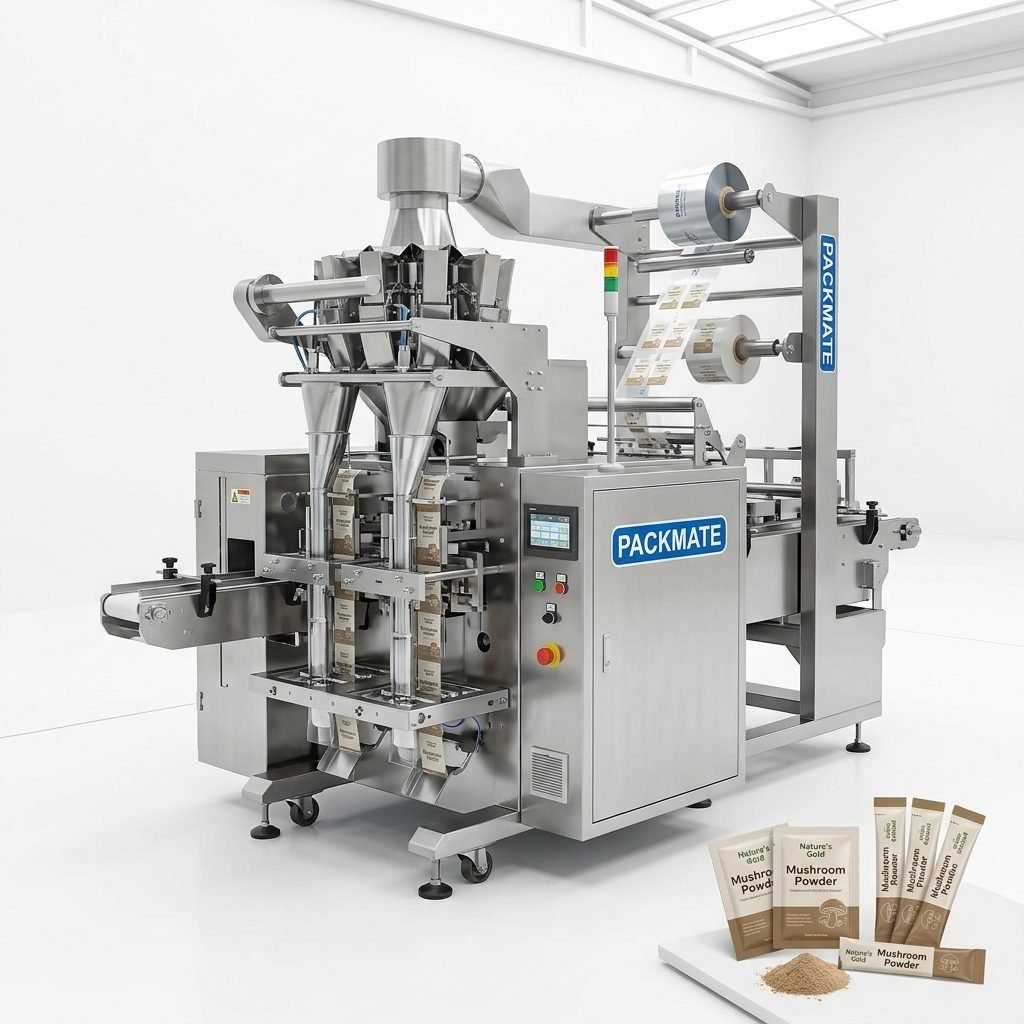
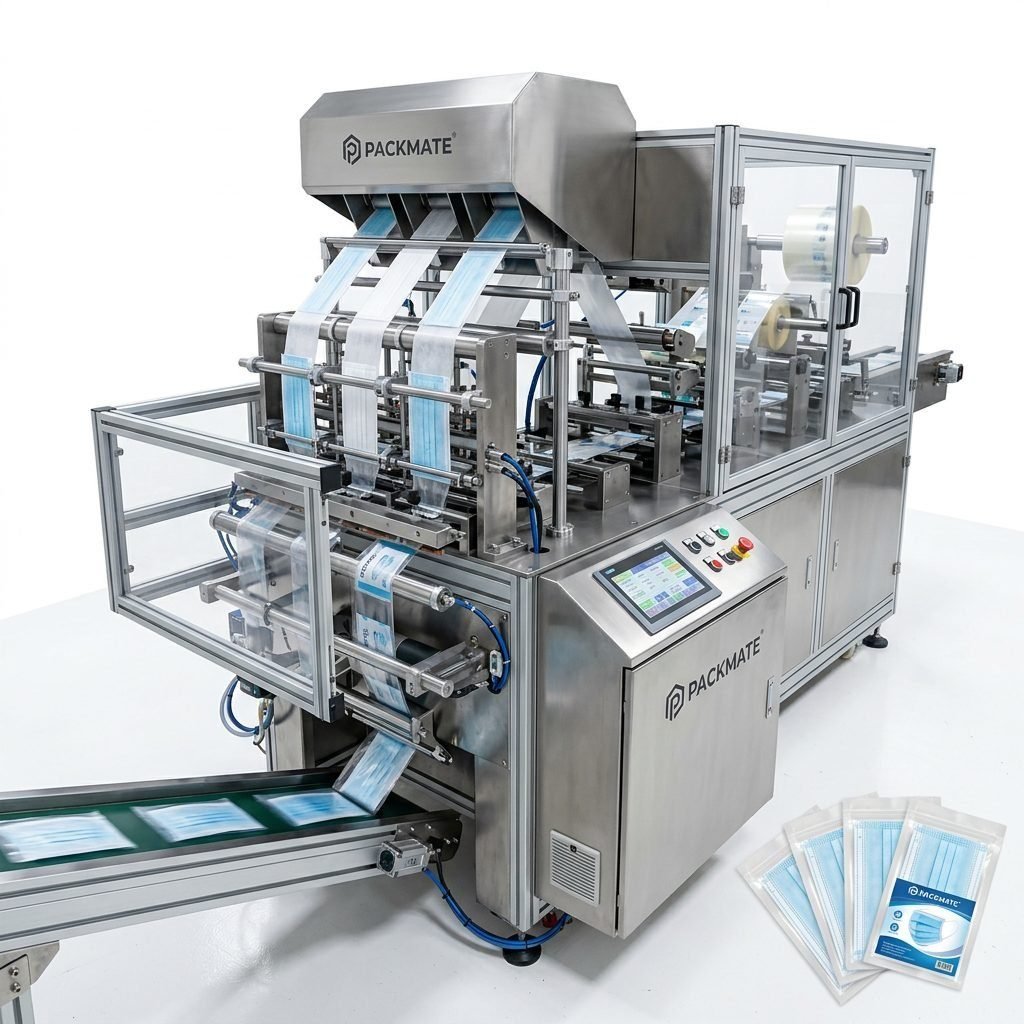
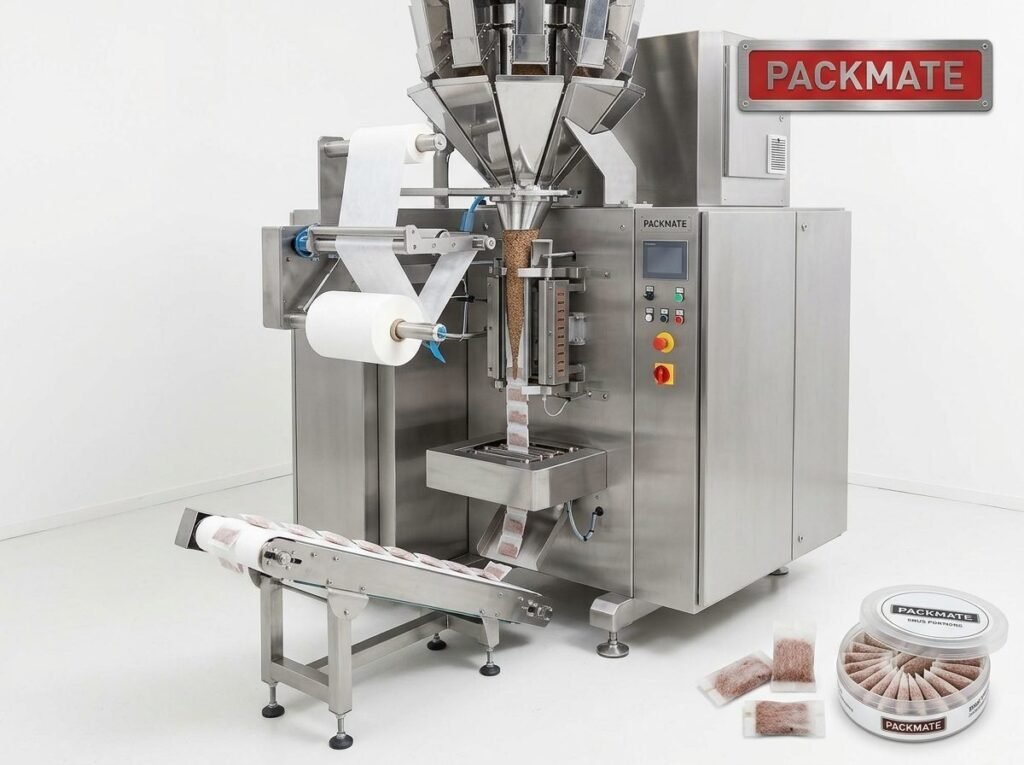
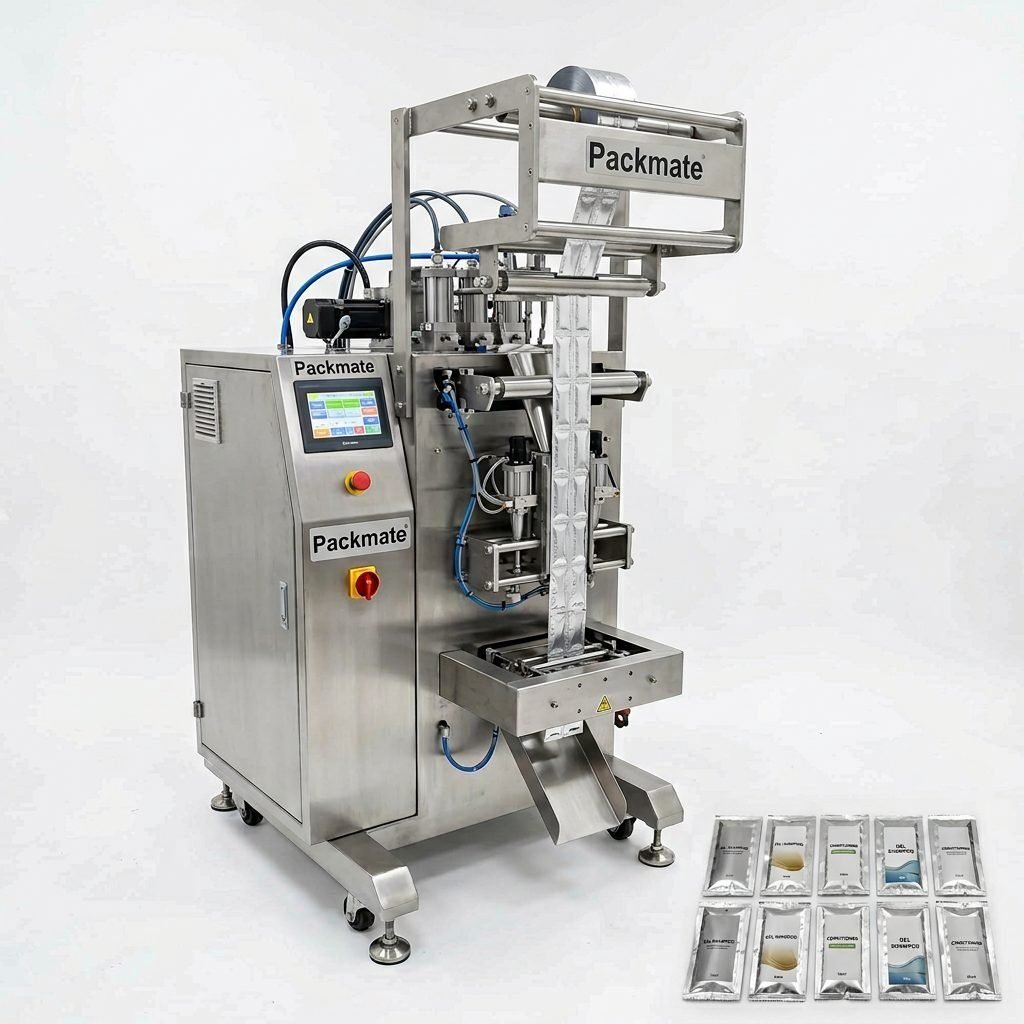
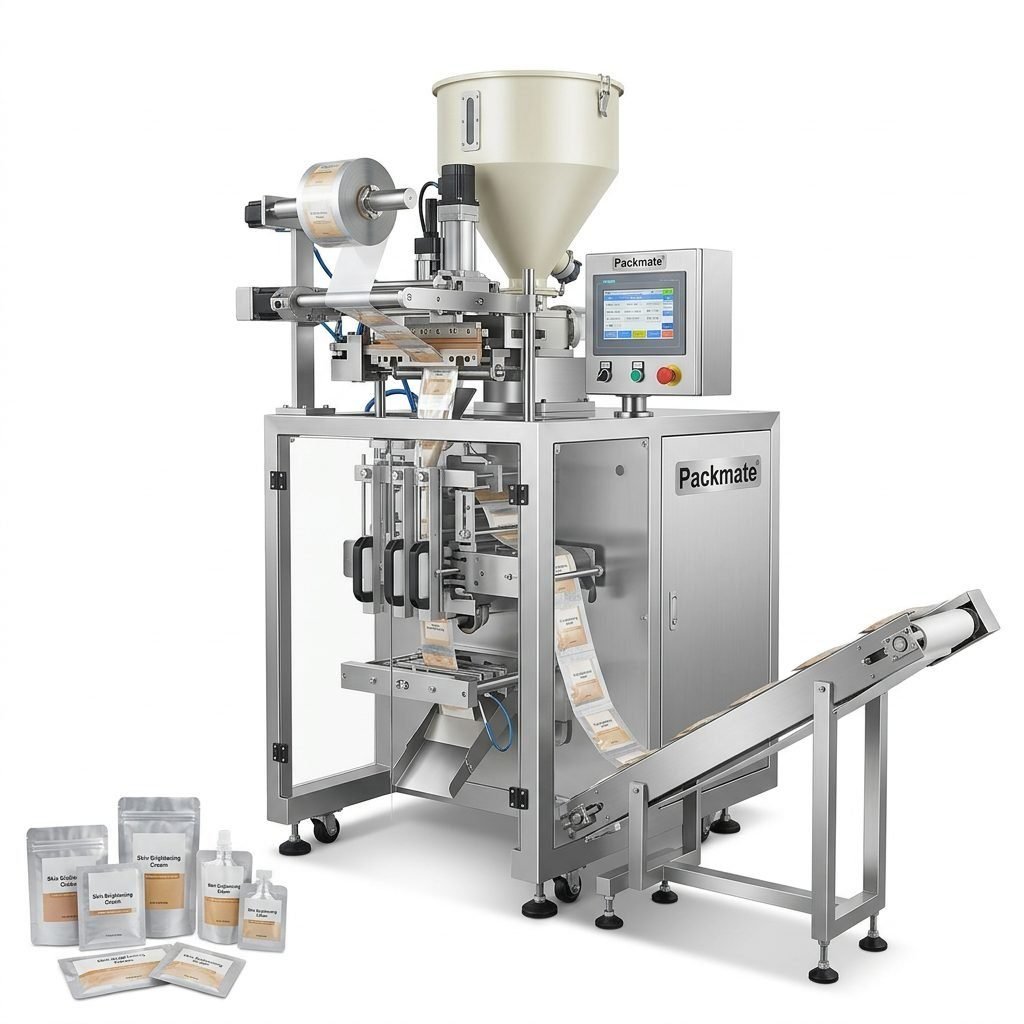
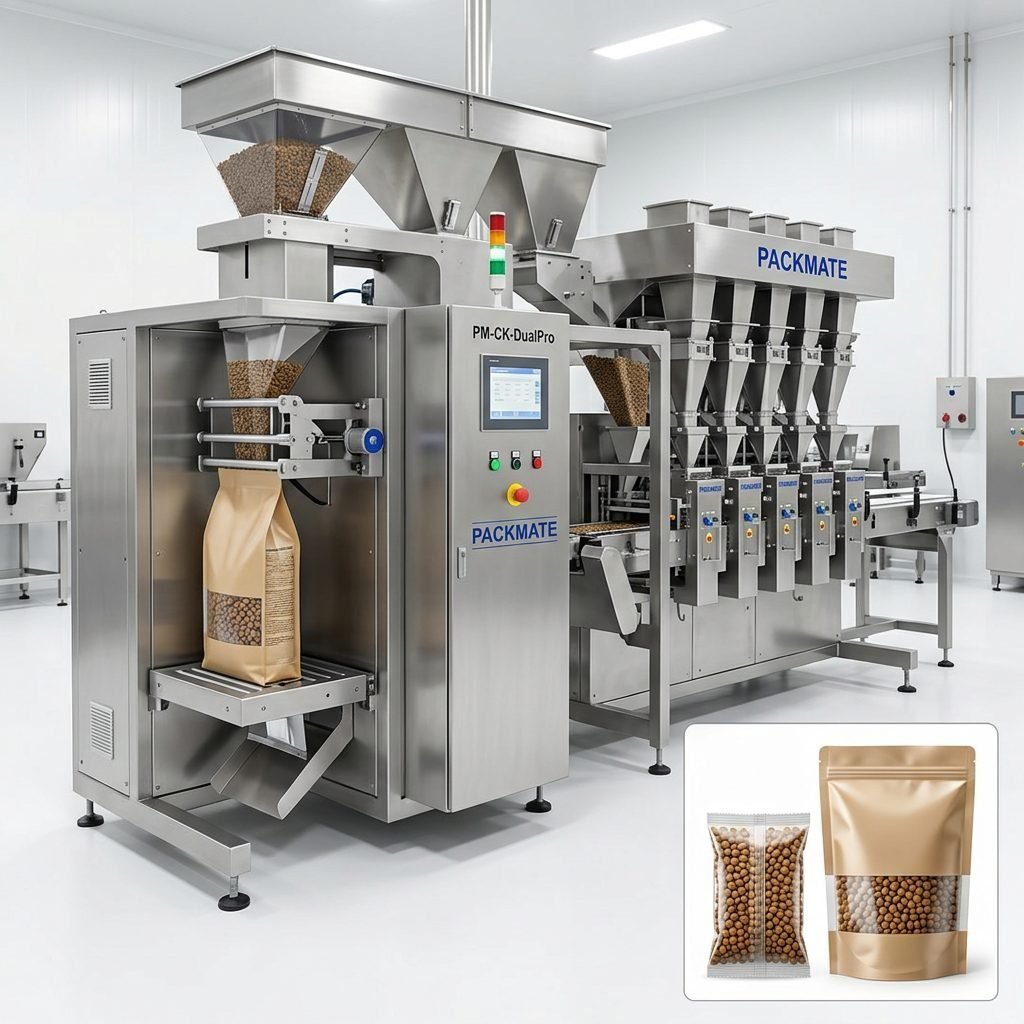
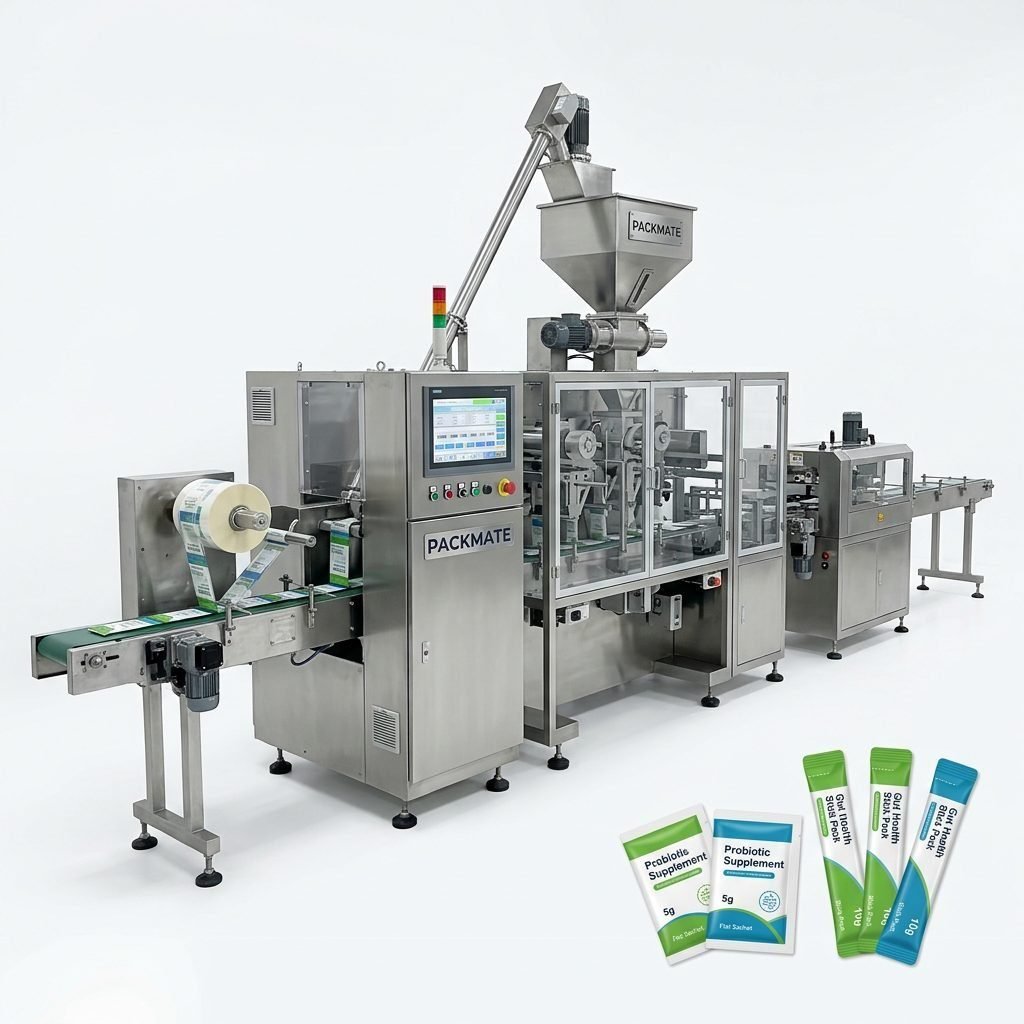
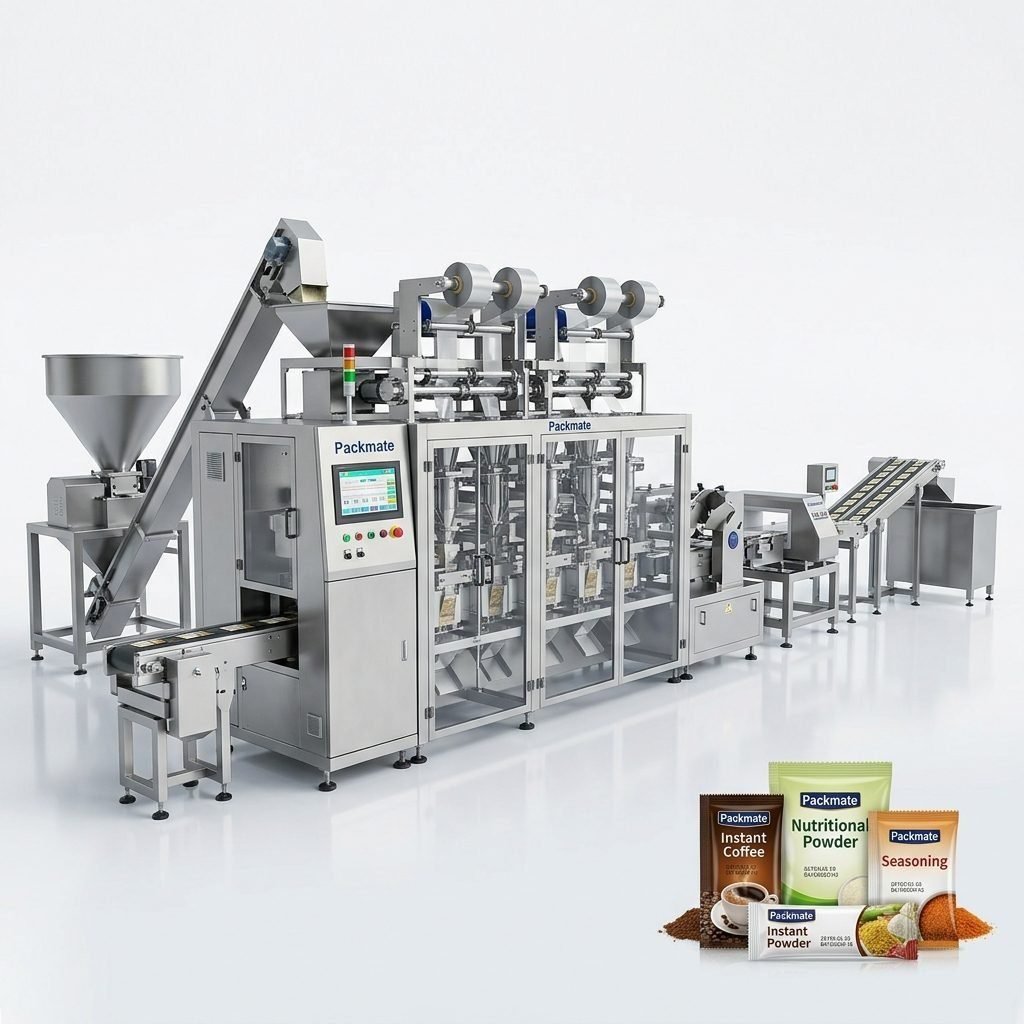
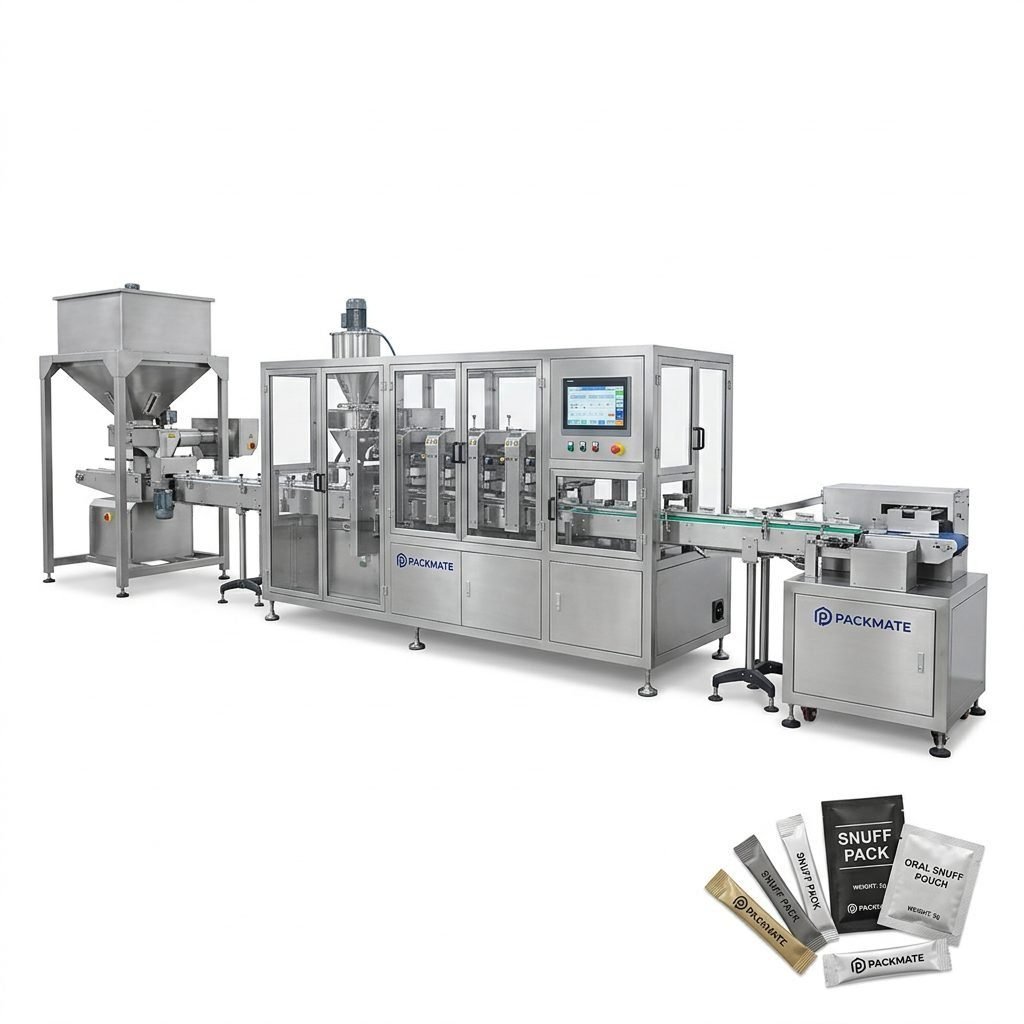
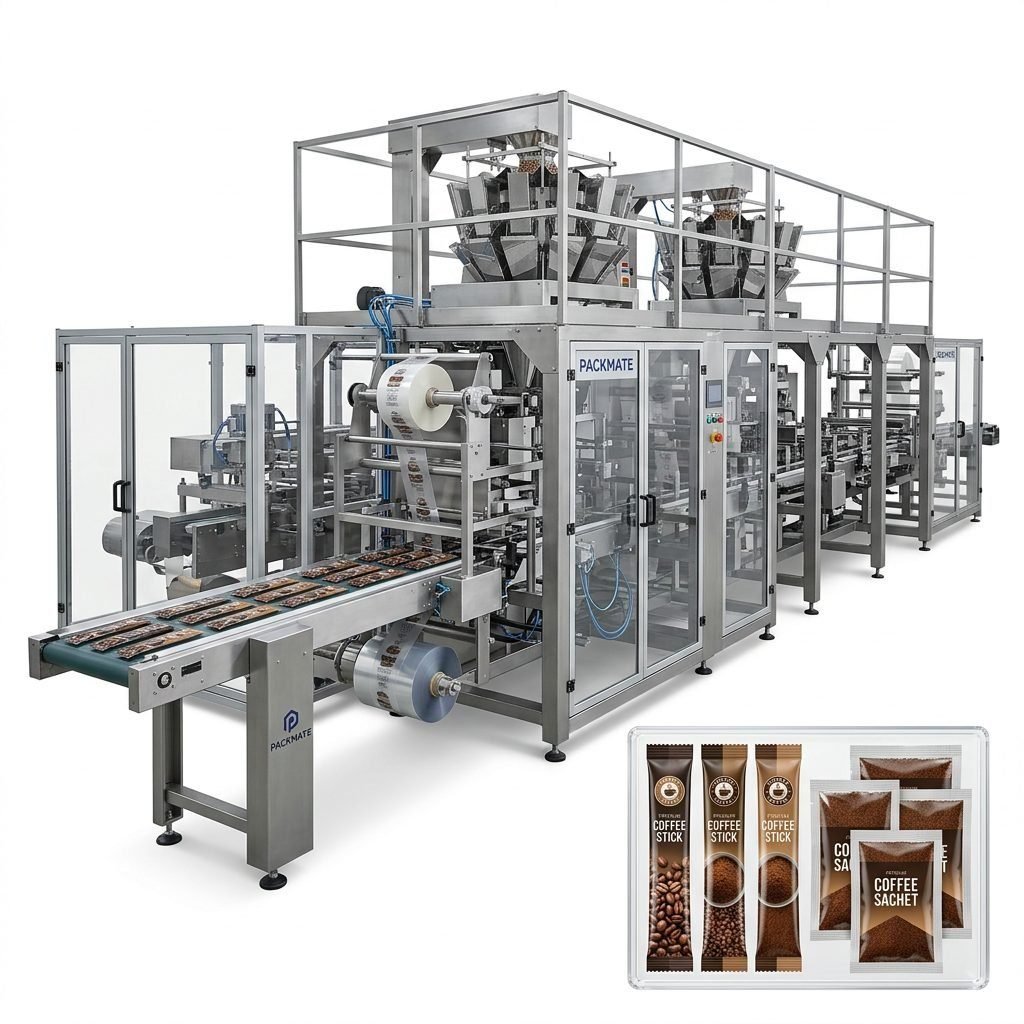
In the competitive world of manufacturing and packaging, acquiring reliable machinery is crucial for operational success. However, the high cost of brand-new equipment can be a significant barrier, especially for startups, small businesses, or those looking to expand their production lines on a budget. This is where packaging equipment auctions present a compelling opportunity. They serve as a vital marketplace for finding used and affordable machinery for sale, offering a practical path to upgrade your capabilities without the steep initial investment of purchasing new.
Understanding the Auction Landscape for Packaging Machinery
The market for used packaging equipment is diverse, with auctions taking place both online and in physical locations. Online industrial auction platforms have grown immensely in popularity, providing global access to a vast inventory. These platforms allow you to browse, bid, and purchase equipment from the comfort of your office. Traditional live auctions, often held at facility closures or liquidation events, offer the chance for in-person inspection. Whether you’re searching for a specific sachet & stick pack machine or a complete filling & packaging line, understanding where to look is the first step.
Key Advantages of Buying at Auction
Cost Savings: This is the most significant benefit. Used machinery from auctions often sells at a fraction of the cost of new equipment, freeing up capital for other business areas.
Immediate Availability: Unlike ordering new machines with lead times, auction purchases can typically be shipped and installed much faster, minimizing downtime.
Access to Discontinued Models: Auctions are excellent sources for well-maintained, older models that may no longer be in production but are perfectly suited for specific, ongoing production needs.
Sustainability: Purchasing used equipment is an environmentally conscious choice, extending the lifecycle of machinery and reducing industrial waste.
Essential Steps for a Successful Auction Purchase
Venturing into an auction without preparation can be risky. A strategic approach is necessary to ensure you acquire machinery that adds value to your operation.
1. Thorough Research and Identification
Clearly define your production needs. What type of packaging do you handle—granules, powders, or liquids? Determine the required speed, accuracy, and compatibility with your existing auxiliary packaging equipment. Research reputable manufacturers known for durability. For instance, companies with a long history, like Packmate Machinery with over 30 years of expertise, often produce machines built to last, making them excellent candidates for the secondary market.
2. Diligent Pre-Auction Inspection
Always review the auction listing’s inspection report, photos, and video footage in detail. If possible, arrange for a physical inspection or hire a local technician to assess the equipment’s condition. Check for signs of wear, maintenance history, and ask critical questions about its operational status. Understanding why the machine is being sold (e.g., facility upgrade vs. liquidation) can provide valuable context.
Inspection Checklist
- Mechanical Integrity: Inspect frames, motors, gears, and seals for damage or excessive wear.
- Control Systems: Check the condition of PLCs, HMIs, and electrical panels. Are they modern or outdated?
- Performance Data: Request available data on output speed, weighing accuracy, and seal integrity from previous use.
- Spare Parts Availability: Verify if critical spare parts for the specific model are still available from the manufacturer or third-party suppliers.
3. Smart Bidding and Financial Planning
Set a strict maximum bid based on your research, including the machine’s value, potential refurbishment costs, and transportation. Factor in all additional costs: buyer’s premium, taxes, rigging, and shipping. Stick to your budget during the bidding process to avoid overpaying in the heat of the moment.
Integrating Auctioned Equipment into Your Workflow
Winning the bid is just the beginning. Proper integration is key to realizing your investment’s value.
Professional Installation and Calibration: Even if the machine was operational, have it professionally installed and calibrated for your specific packaging materials and products. This ensures optimal performance and safety.
Preventive Maintenance Program: Start a rigorous maintenance schedule immediately. Replace worn consumables, lubricate moving parts, and keep detailed service logs. This proactive approach maximizes uptime and extends the equipment’s service life.
Operator Training: Ensure your team is fully trained on the new (to you) machine. Understanding its nuances and safety protocols is essential for efficient and safe operation.
When New Might Be the Better Choice
While auctions offer tremendous value, there are scenarios where investing in new machinery is more prudent. If your operation requires cutting-edge technology, ultra-high speeds, or specific certifications for industries like pharmaceuticals, a new machine from a manufacturer like Packmate provides guaranteed performance, a full warranty, and direct technical support. New equipment also comes with the latest safety features and energy-efficient designs, which can lower long-term operational costs.
Conclusion: A Strategic Tool for Growth
Packaging equipment auctions are not a gamble for the uninformed but a strategic sourcing channel for the prepared buyer. They democratize access to industrial-grade machinery, enabling businesses of all sizes to compete and grow. By conducting meticulous research, performing diligent inspections, and planning for integration, you can successfully navigate these auctions to find reliable, affordable machinery that powers your productivity for years to come. The secondary market is a testament to the durability of well-built equipment, much like the machines developed over a 22+ year company history, proving that value and performance can have a long and productive lifecycle.
Frequently Asked Questions (FAQs)
1. What is the typical condition of machinery sold at industrial auctions?
Condition varies widely, from “as-is, where-is” liquidation surplus to well-maintained, recently decommissioned equipment. Reputable auctioneers provide detailed condition reports, photos, and sometimes videos. It is crucial to review all available information and inspect whenever possible. Machines from known quality manufacturers often remain in good working order even after years of service.
2. Are spare parts available for older or discontinued models bought at auction?
Availability depends on the manufacturer and model. Before bidding, research the spare parts landscape. For established brands, common wear parts may still be produced or available through third-party suppliers. For critical or proprietary components, contact the original manufacturer directly to check availability, as companies with extensive service networks often support older models.
3. What hidden costs should I budget for when buying at auction?
Beyond the winning bid price, buyers must account for the buyer’s premium (a percentage fee charged by the auction house), sales tax, payment processing fees, professional rigging and loading costs, transportation/shipping to your facility, and potential costs for reconditioning, installation, and calibration. Always factor these into your total budget.
4. How can I verify the operational history and maintenance records of an auctioned machine?
Direct verification can be challenging. Request any available documentation from the auctioneer or seller. Sometimes, maintenance logs are included with the equipment. The manufacturer’s serial number can sometimes be used to inquire about service history if the original manufacturer offers such tracking. The physical inspection is your best tool to infer care and usage levels.
5. Is financing available for purchases made at packaging equipment auctions?
Many industrial auction platforms partner with financing companies to offer leasing or loan options to qualified buyers, similar to financing for new equipment. It’s best to inquire about financing options with the auction house before the auction begins, so you know your precise budget and payment terms.