In the fast-paced world of home goods manufacturing, efficient and reliable packaging is not just a final step—it’s a critical component of product presentation, protection, and market success. From laundry detergent pods and dishwasher tablets to spices, coffee, and DIY craft materials, the right packaging machine can dramatically impact your production efficiency, product quality, and bottom line. This comprehensive guide delves into the essential types of home goods packaging machines, their specific uses across the industry, and provides actionable buying tips to help you make an informed investment. As a leading force in intelligent packaging solutions for over two decades, Packmate Machinery brings deep expertise to this discussion, having developed over 50 machine models tailored for granules, powders, and liquids.
Core Types of Home Goods Packaging Machinery
The home goods sector demands versatility, as products range from dry, free-flowing items to viscous liquids. Understanding the primary machine categories is the first step toward optimizing your packaging line.
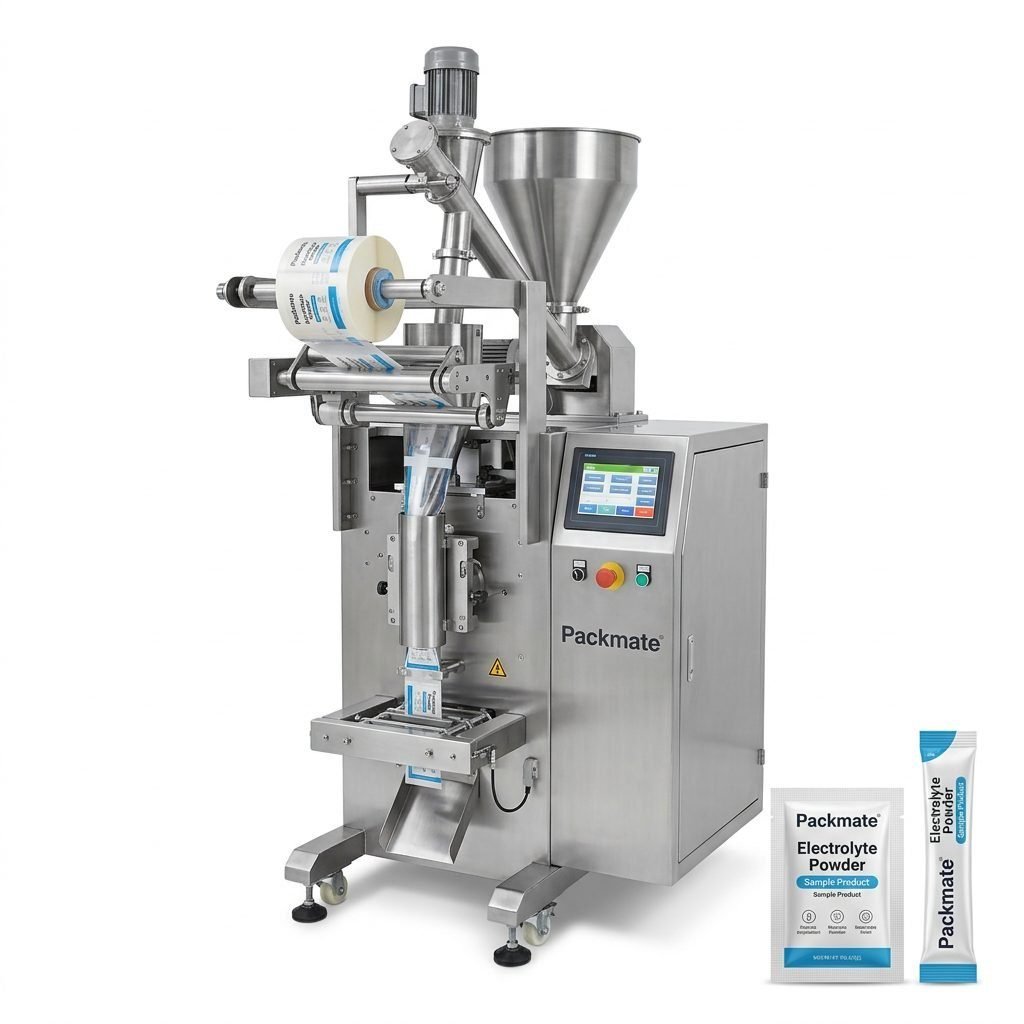
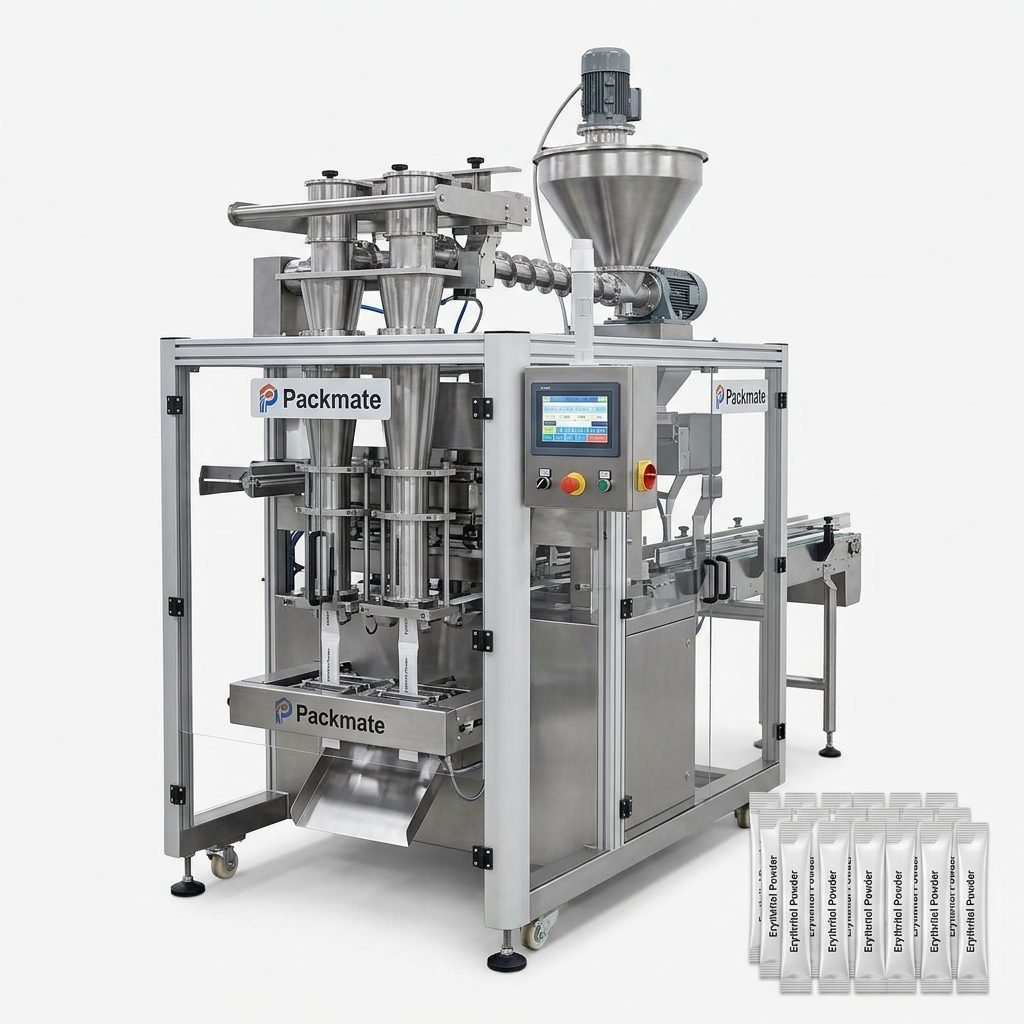
Vertical Form-Fill-Seal (VFFS) Machines
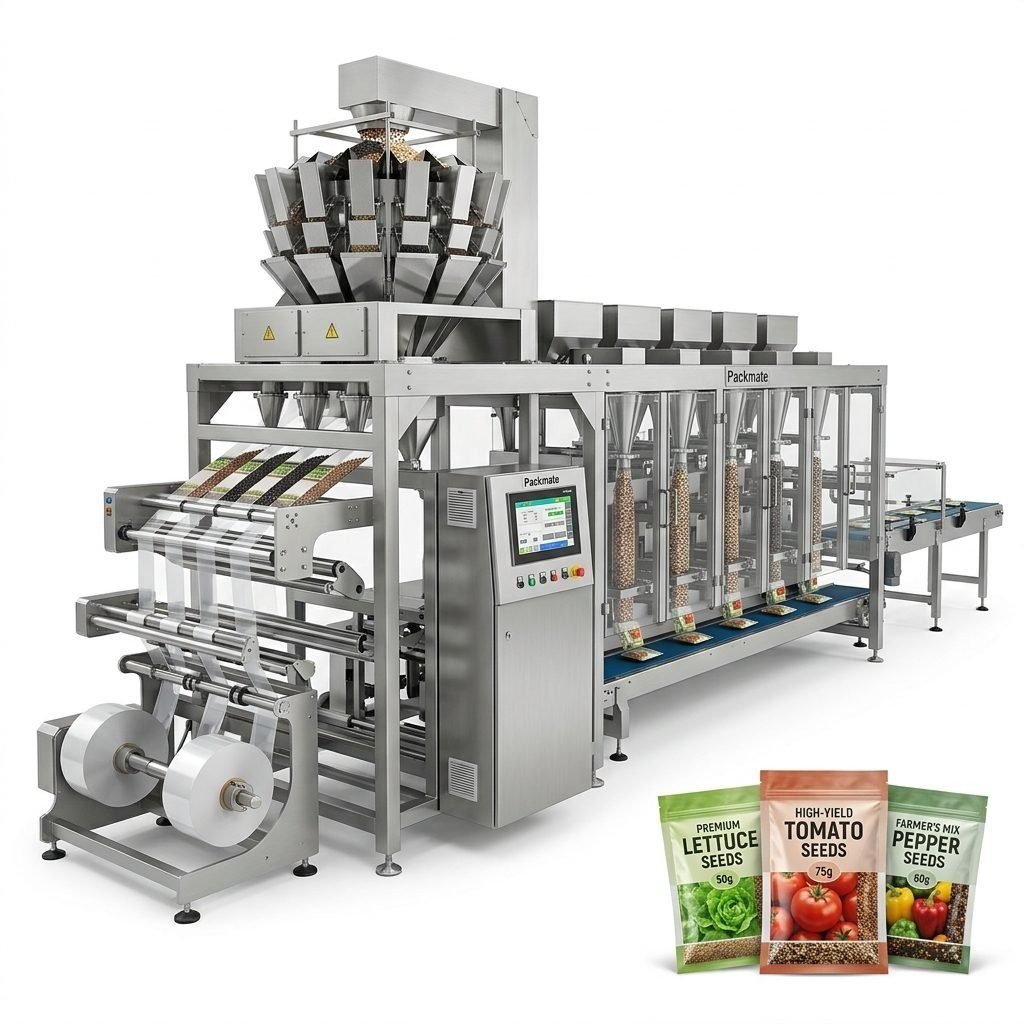
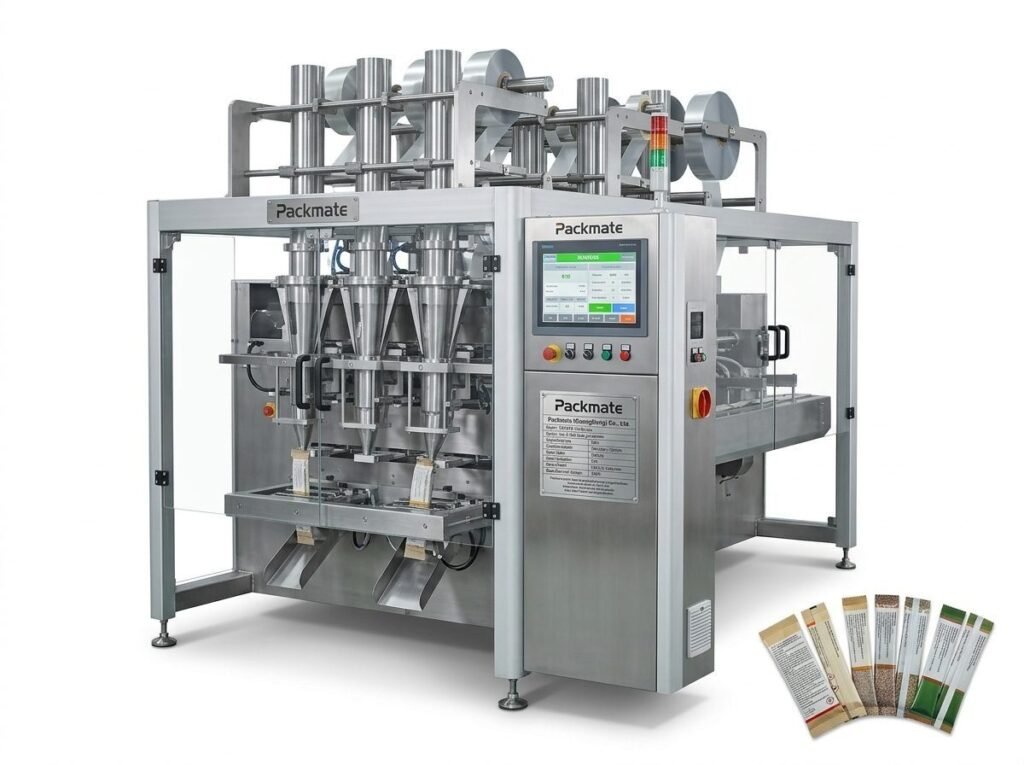
These are the workhorses of the industry, ideal for a vast array of dry goods. A VFFS machine forms a bag from a roll of film, fills it with the product, and seals it—all in one continuous vertical operation. They are exceptionally efficient for packaging items like rice, beans, pasta, pet food, powdered cleaners, and garden seeds. Their flexibility in bag size and the ability to incorporate features like zippers or degassing valves make them a top choice for many manufacturers.
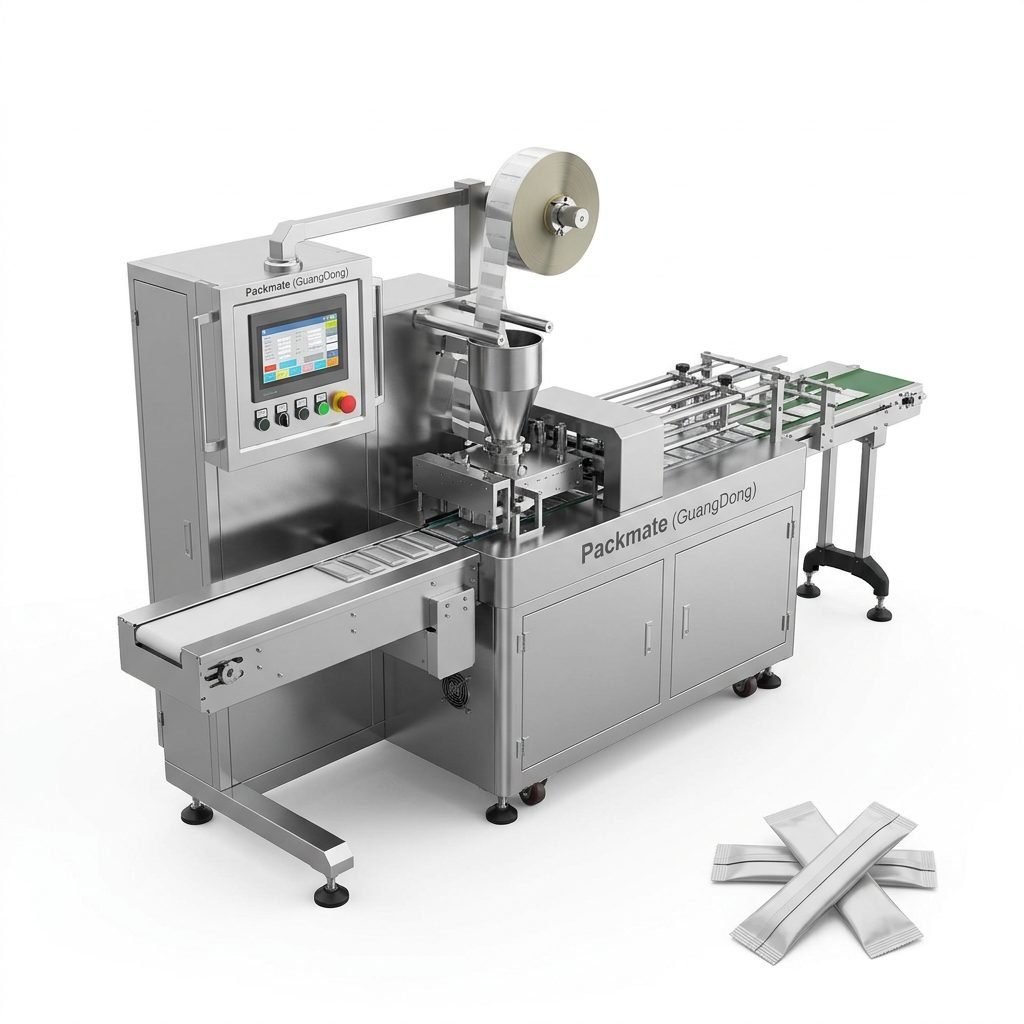
Horizontal Form-Fill-Seal (HFFS) Machines
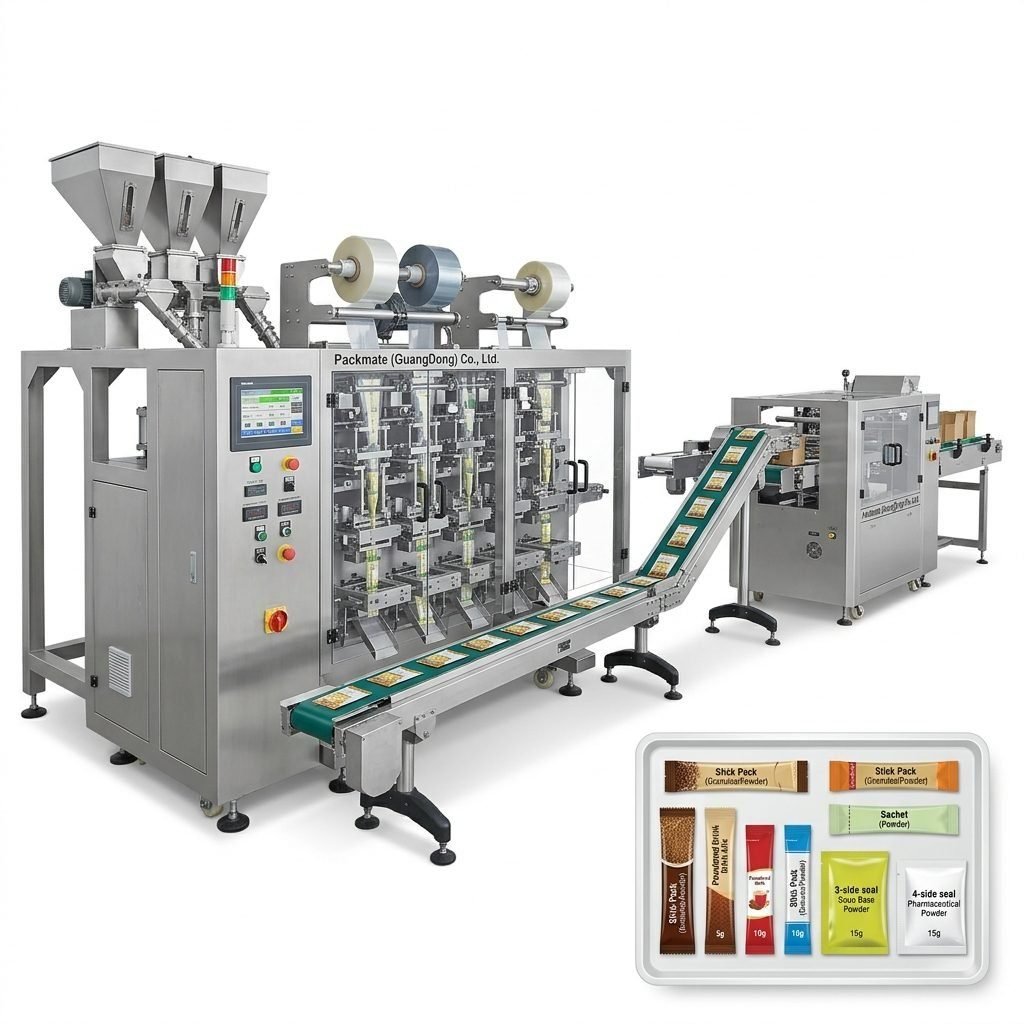
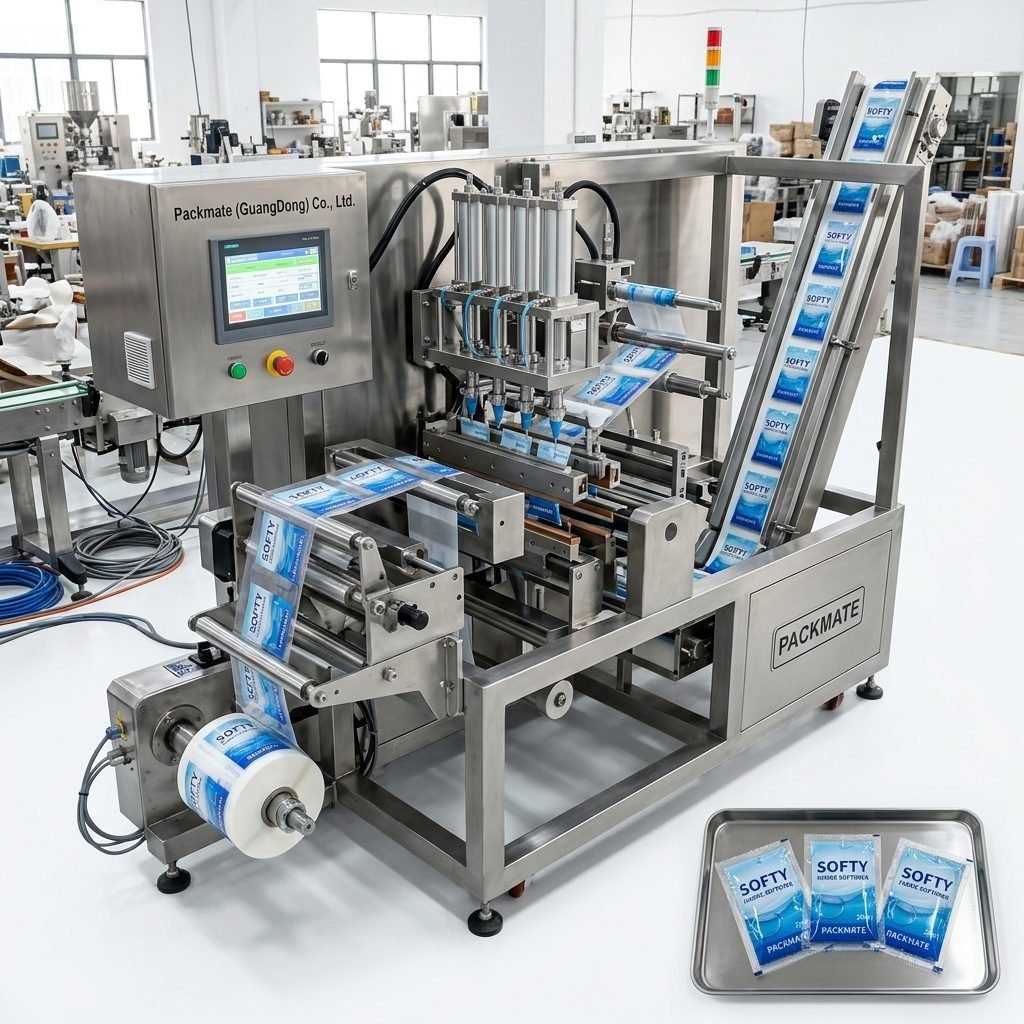
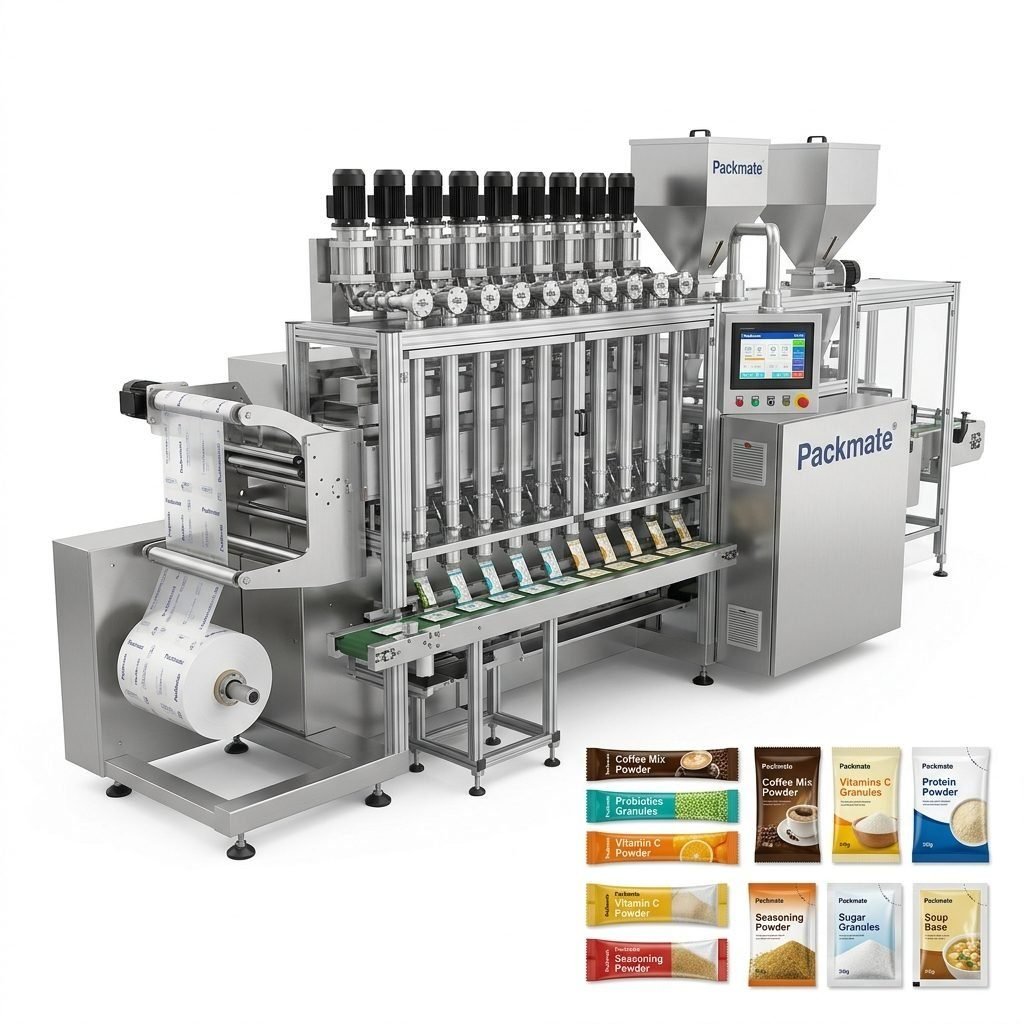
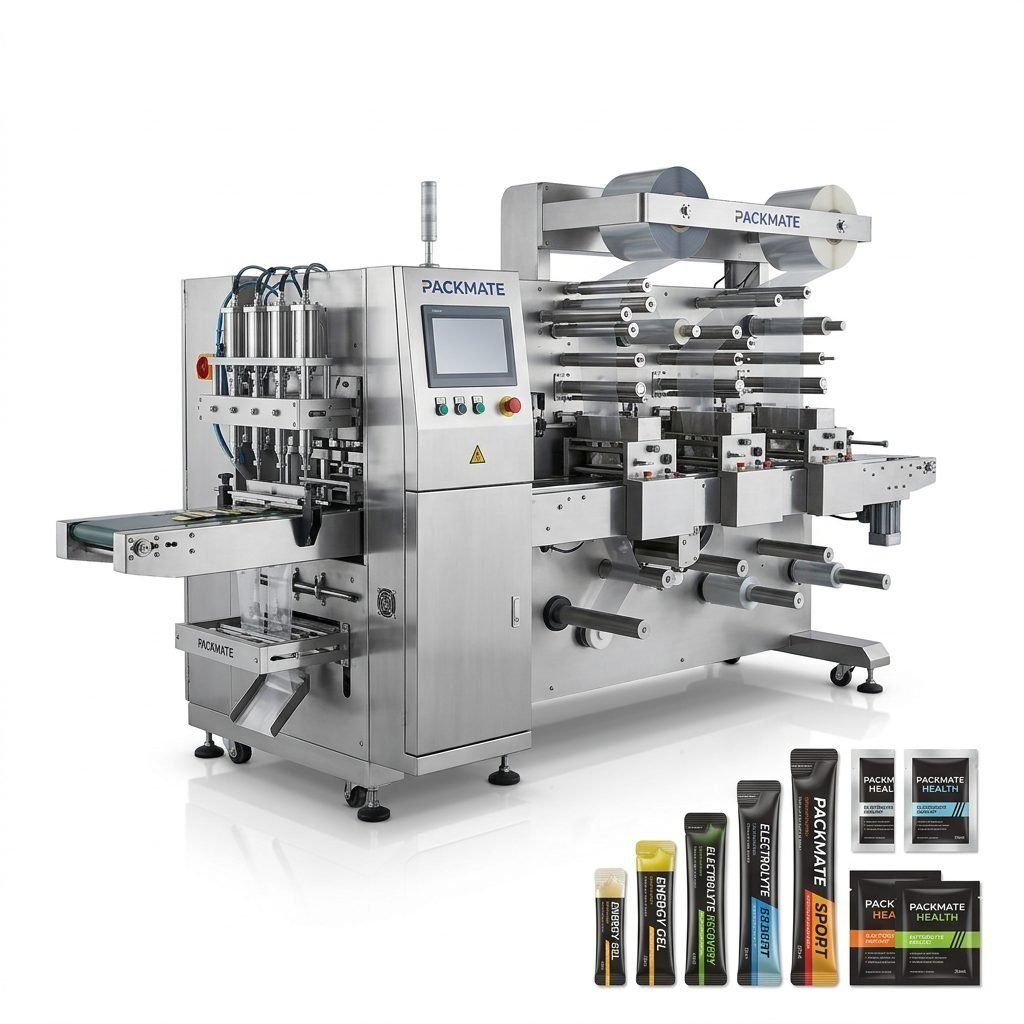
Where VFFS machines excel in vertical pouches, HFFS machines are masters of horizontal packaging, often used for creating stick packs, sachets, and flow-wrap packs. They are perfect for single-serve or sample-sized home goods. Think of dishwasher tablet strips, coffee creamer sachets, spice packets, or laundry detergent singles. Companies like Packmate offer advanced multi-lane sachet and stick pack machines that can produce thousands of units per hour with pinpoint accuracy.
Liquid & Viscous Product Fillers
Packaging liquids, gels, and pastes requires specialized technology to prevent spillage, ensure accurate dosing, and maintain seal integrity. Piston fillers, gravity fillers, and pump fillers are common types used for products like liquid hand soap, dish soap, honey, sauces, and automotive oils. These systems are often integrated into complete filling and packaging lines that include capping, labeling, and cartoning units.
Weighing and Dosing Systems
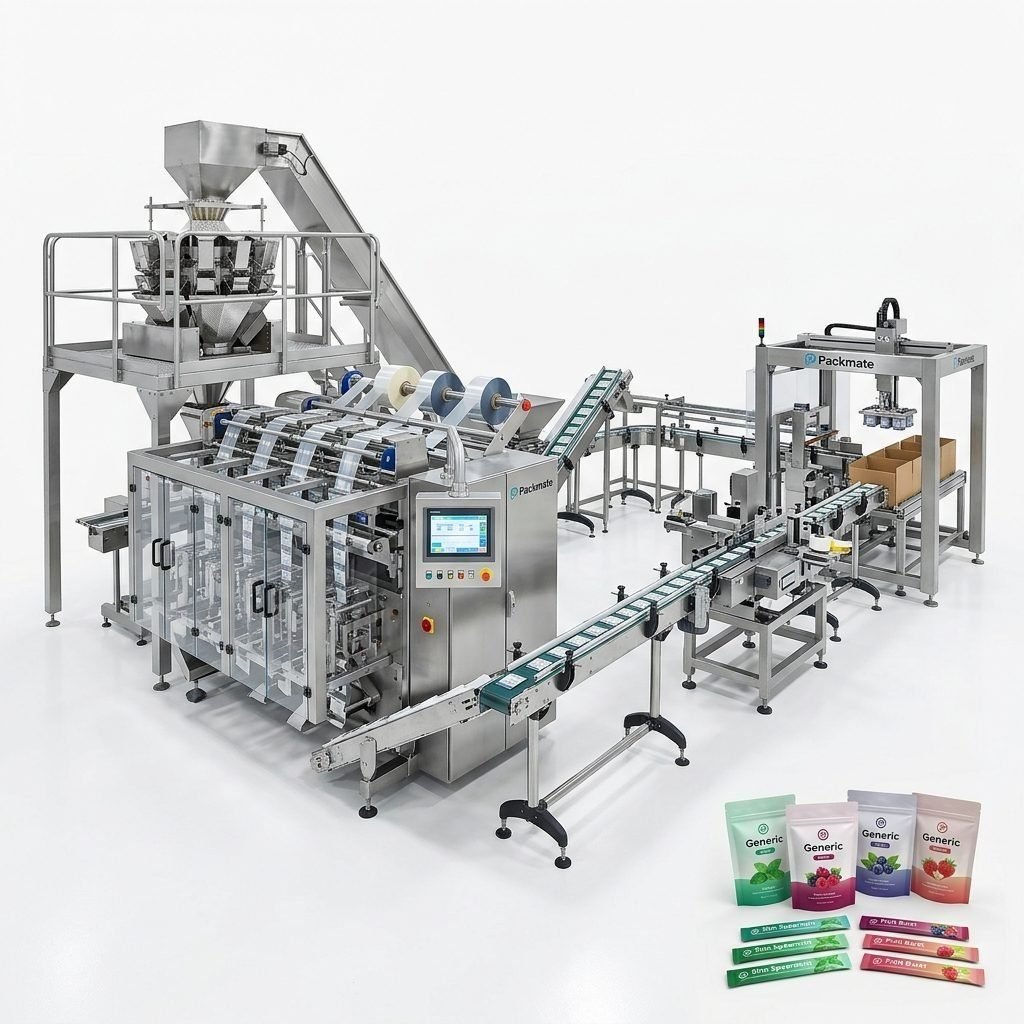
Accuracy is paramount, especially for premium or recipe-based home goods. Multi-head weighers and auger filler systems provide high-speed, precise measurement of products. This technology is crucial for packaging items where consistency is key, such as coffee grounds, baking mixes, fertilizer, or water-softening salts. Integrating a robust weighing and packaging system minimizes giveaway and ensures every package meets the stated weight.
Strategic Uses Across the Home Goods Market
Selecting a machine isn’t just about the technology; it’s about solving specific business challenges within different home goods niches.
Cleaning & Laundry Products
This segment requires machines that can handle a variety of forms: powders, liquids, gels, and unit-dose pods. A VFFS machine with a high-quality auger filler can neatly package powdered detergent. For liquid detergents or fabric softeners, a piston filler coupled with a capper is essential. The trend toward eco-friendly concentrates and refills also demands machines capable of creating smaller, more precise packages.
Food & Pantry Items
From bulk goods to premium spices, packaging must preserve freshness and appeal to consumers. Nitrogen flushing can be integrated into VFFS lines for coffee or snacks to extend shelf life. For herbs and spices, stick pack or small sachet machines offer portion control and reduce waste. The ability to use high-barrier, transparent films is a significant advantage in this category.
Hardware, DIY, & Garden Supplies
Durability is key here. Packaging for items like screws, nails, seeds, or small hardware parts needs to be tough and often resealable. Heavy-duty film and robust sealing jaws on VFFS machines are necessary. For fertilizers or potting mixes, a machine with a large hopper and a heavy-duty auger system ensures consistent filling of denser materials.
Essential Buying Tips for Your Investment
Investing in packaging machinery is a major decision. Here are critical factors to consider, drawing from the proven experience of established manufacturers.
1. Precisely Define Your Product & Output Needs
Start with the basics: What are you packaging? What is its physical state (powder, granule, liquid)? What are your required bag sizes and materials? Next, calculate your required speed (bags/per minute/hour) and consider future growth. A machine that can’t scale with you becomes a bottleneck. A partner like Packmate, with its extensive range of bag and pouch packaging machines, can help match technology to your exact specifications.
2. Prioritize Machine Flexibility & Changeover Ease
Market trends change rapidly. A machine that allows quick and simple changeovers between different bag sizes or products maximizes your uptime and responsiveness. Look for features like tool-less adjustments, digital parameter storage, and easy-access components. This flexibility allows you to run smaller, customized batches profitably.
3. Evaluate Build Quality & Supplier Reputation
Never compromise on construction. Machines with sturdy frames, food-grade or corrosion-resistant contact parts, and high-precision servomotors will have a longer lifespan and require less maintenance. Investigate the manufacturer’s history. A company with over 20 years of development, like Packmate, which operates from a modern 20,000㎡ facility, typically demonstrates a commitment to quality and continuous innovation that protects your investment.
4. Understand the Total Cost of Ownership
The purchase price is just the beginning. Factor in installation, training, ongoing maintenance, spare parts availability, and energy consumption. A slightly more expensive machine from a reputable supplier with excellent local service support often proves cheaper in the long run than a bargain model with hidden costs and frequent downtime.
5. Demand Comprehensive Support & Training
Your relationship with the supplier begins after the sale. Ensure they offer thorough installation supervision, operator training, and readily available technical support. Access to clear documentation and a reliable supply of spare parts is non-negotiable for maintaining production continuity.
Frequently Asked Questions (FAQs)
What type of packaging machine is best for powdered home goods?
For most free-flowing powders like detergent or spice blends, a Vertical Form-Fill-Seal (VFFS) machine equipped with an auger filler is the industry standard. It provides excellent sealing integrity and accurate dosing. For very fine, non-free-flowing powders, a vibratory tray or a specialized powder filler might be necessary.
How can I ensure my liquid packaging machine doesn’t leak or drip?
Leakage is often related to the filling technology and nozzle design. Piston fillers are renowned for their accuracy and clean cut-off for viscous liquids. Additionally, using nozzles with anti-drip valves and ensuring the viscosity and temperature of your product are consistent during operation are crucial steps to prevent mess and waste.
Can one machine handle multiple different products or bag sizes?
Yes, many modern machines are designed for flexibility. The key is the speed and complexity of the changeover process. Look for machines with quick-release mechanisms for forming tubes and sealing jaws, and digital controls that can save settings for different products. This minimizes downtime when switching production runs.
What maintenance does a typical home goods packaging machine require?
Regular maintenance is vital. Daily tasks include cleaning product contact parts, checking film and seal integrity, and lubricating moving parts as per the manual. Weekly or monthly checks might involve inspecting wear parts like sealing jaws, auger screws, or filters. Following the manufacturer’s scheduled maintenance plan is the best way to ensure longevity and consistent performance.
Where can I see examples of these machines in action for home goods?
Reputable manufacturers often provide detailed case studies or application videos. You can explore specific project examples and machine capabilities by visiting a supplier’s portfolio, such as the case study section on Packmate’s website, which showcases real-world solutions for various industries, including home goods.