The pharmaceutical industry operates under some of the most stringent regulations and quality standards globally. Packaging is not merely the final step in production; it is a critical component that ensures product integrity, safety, compliance, and patient trust. Choosing the right pharmaceutical packaging machines and solutions is therefore a strategic decision that impacts everything from operational efficiency to market success. This guide delves into the essential aspects of pharmaceutical packaging technology, helping you navigate the complex landscape of machinery, compliance, and innovation.
The Critical Role of Packaging in Pharma
Pharmaceutical packaging serves multiple vital functions beyond simple containment. Its primary role is to protect the drug product from environmental factors like moisture, light, oxygen, and microbial contamination throughout its shelf life. This protection is paramount for maintaining the drug’s efficacy and ensuring patient safety. Furthermore, packaging is the primary interface with the end-user, providing crucial information, ensuring correct dosage, and facilitating safe and easy administration. In markets with strict regulatory frameworks, such as the FDA in the United States or the EMA in Europe, packaging must also incorporate anti-counterfeiting measures and child-resistant features where required.
Key Types of Pharmaceutical Packaging Machines
The diversity of pharmaceutical products—from tablets and capsules to powders, liquids, and ointments—demands an equally diverse range of packaging machinery. Understanding the core types is the first step in selecting the right equipment for your production line.
Blister Packaging Machines
These are ubiquitous for solid oral dosage forms like tablets and capsules. Blister machines form cavities from a roll of thermoformable film (usually PVC/PVDC or aluminum), place the product into the cavities, and then seal it with a lidding material (foil or paper). They offer excellent product visibility, unit-dose integrity, and good barrier properties. Modern machines are highly automated, integrating vision inspection systems to check for missing or damaged tablets and incorrect print on the lidding foil.
Bottle Filling and Capping Lines
Used for packaging tablets, capsules, liquids, and powders in plastic or glass bottles. A complete line typically consists of several integrated machines:
• Unscrambler: Orients empty bottles.
• Filler: Precisely doses the product (using auger, volumetric, or weight-based filling).
• Cottoner: Inserts cotton or desiccant.
• Capper: Applies and torques caps (screw caps, snap caps, child-resistant).
• Labeler: Applies product labels.
High-speed lines can handle hundreds of bottles per minute with extreme accuracy.
Sachet and Stick Pack Machines
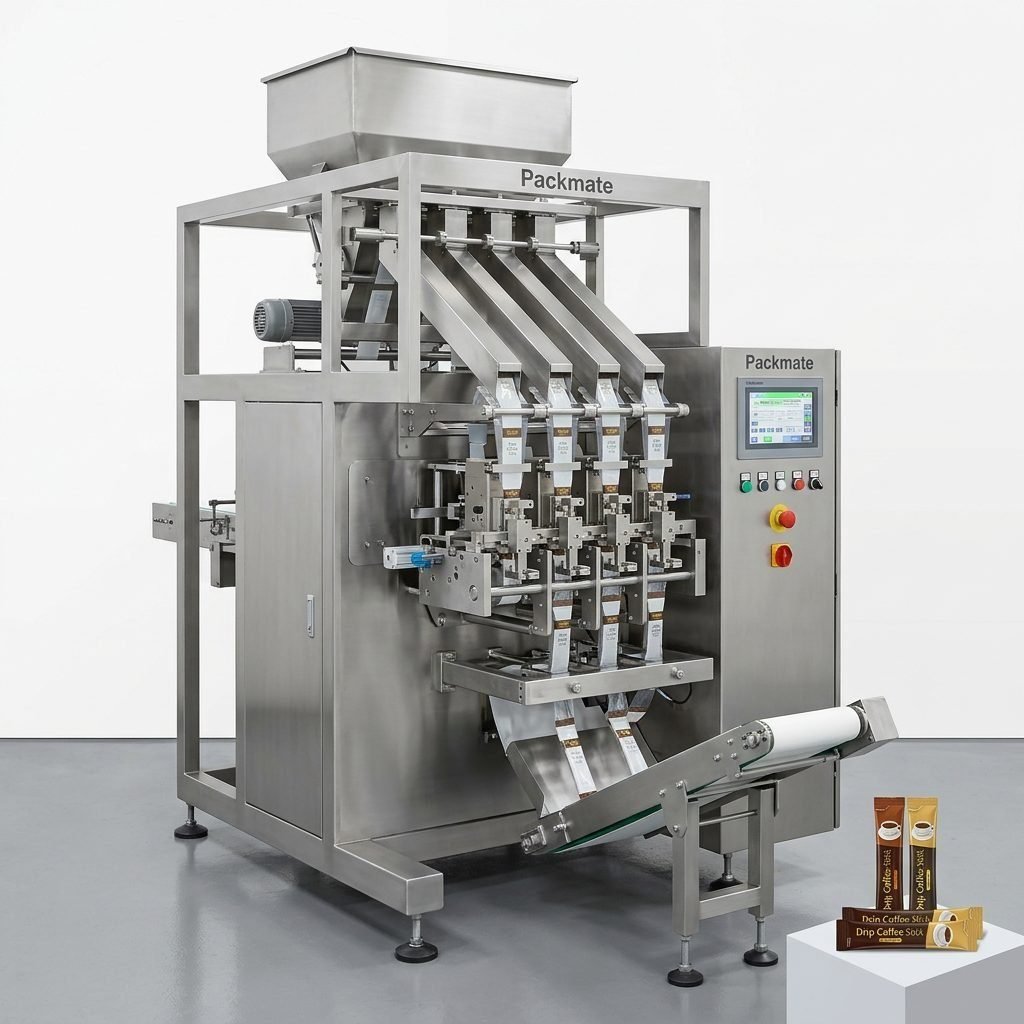
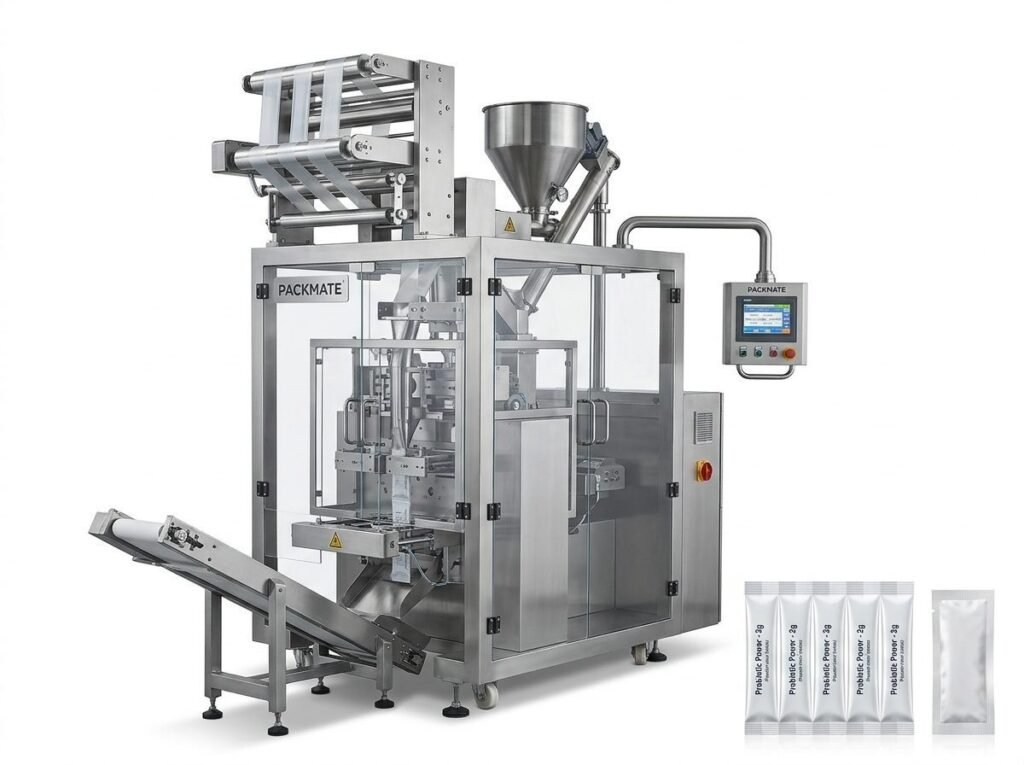
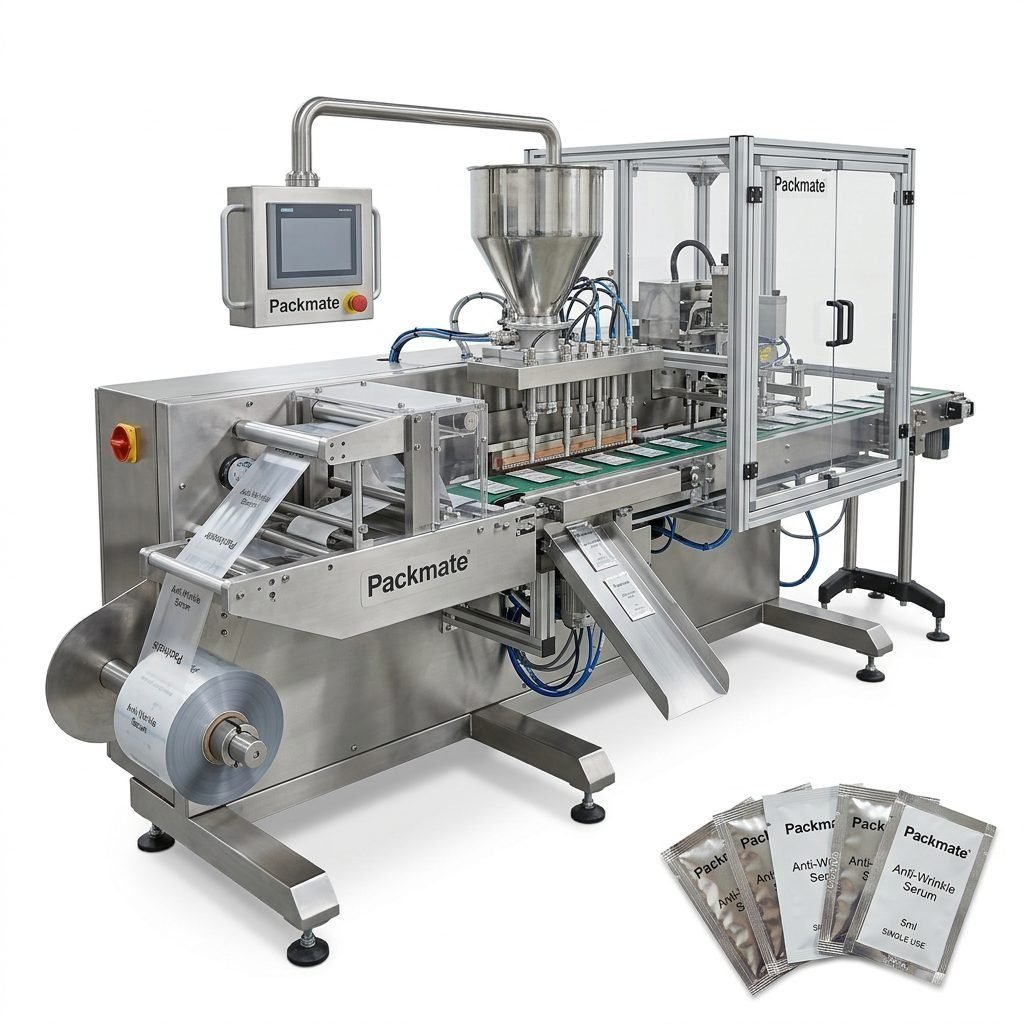
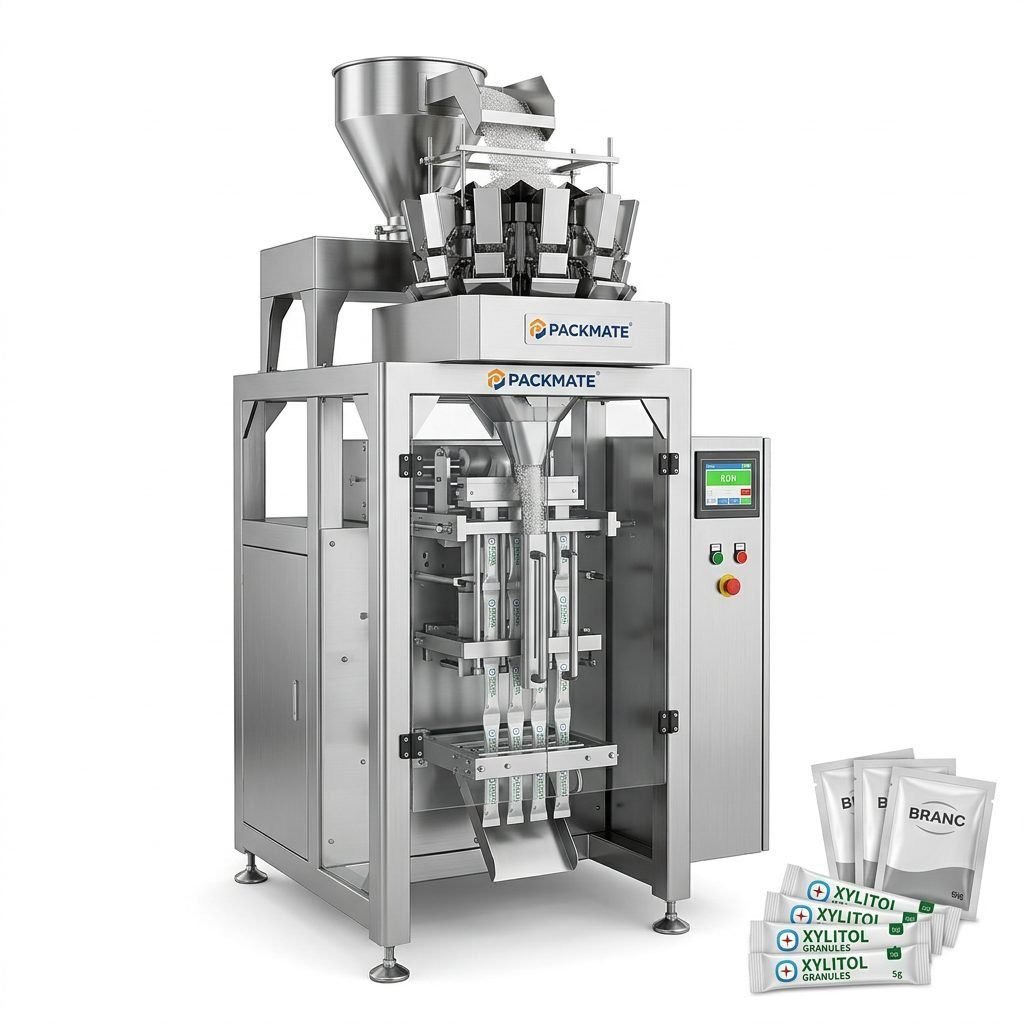
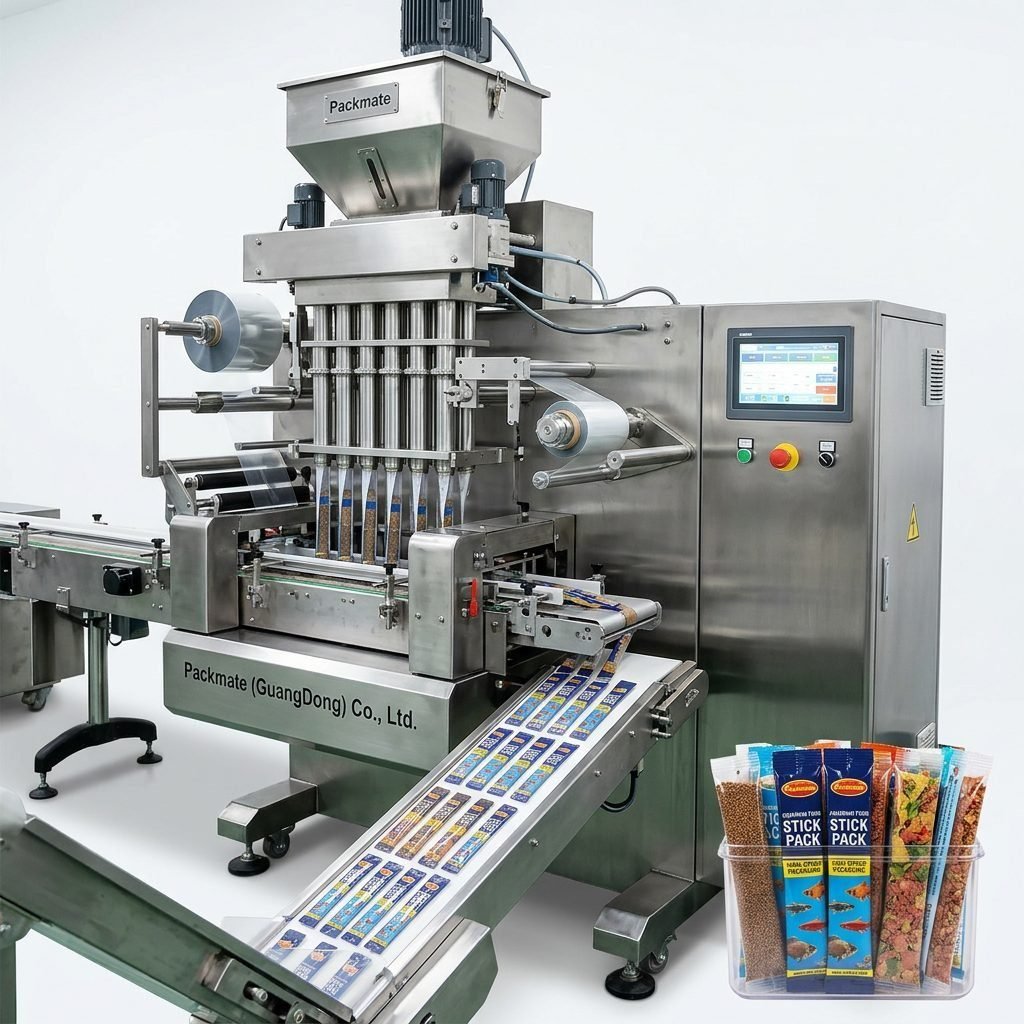
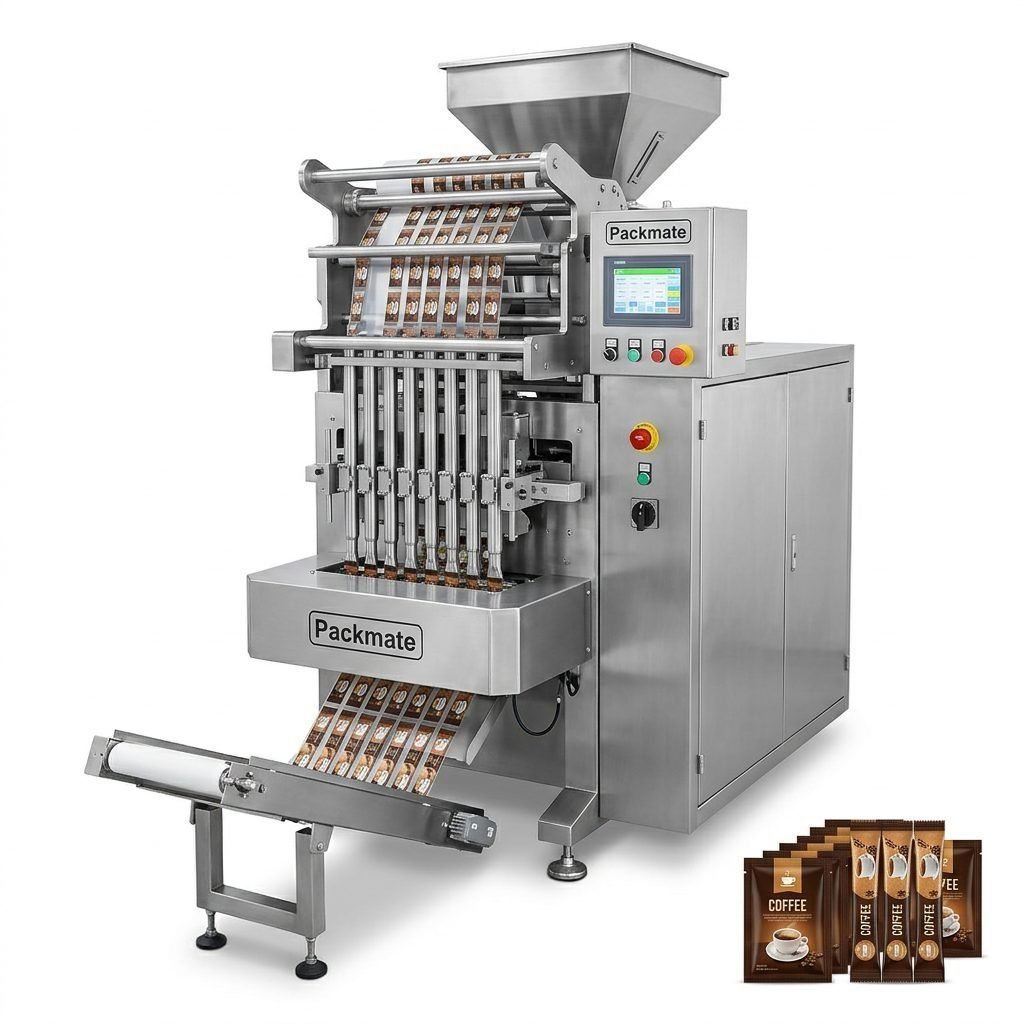
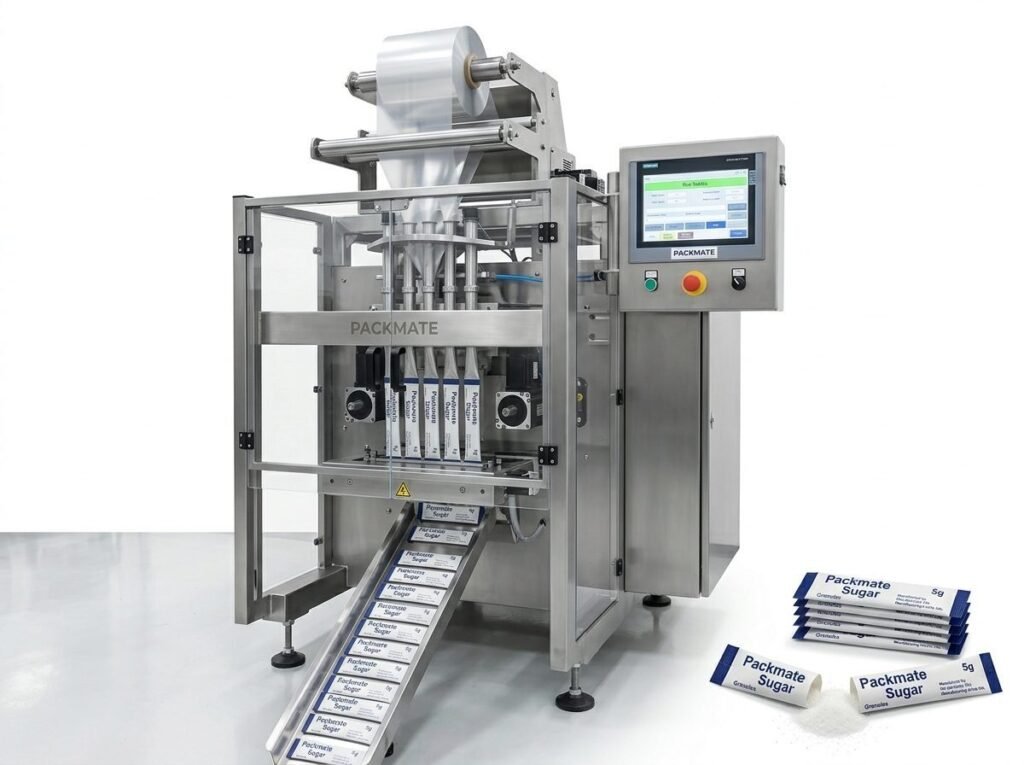
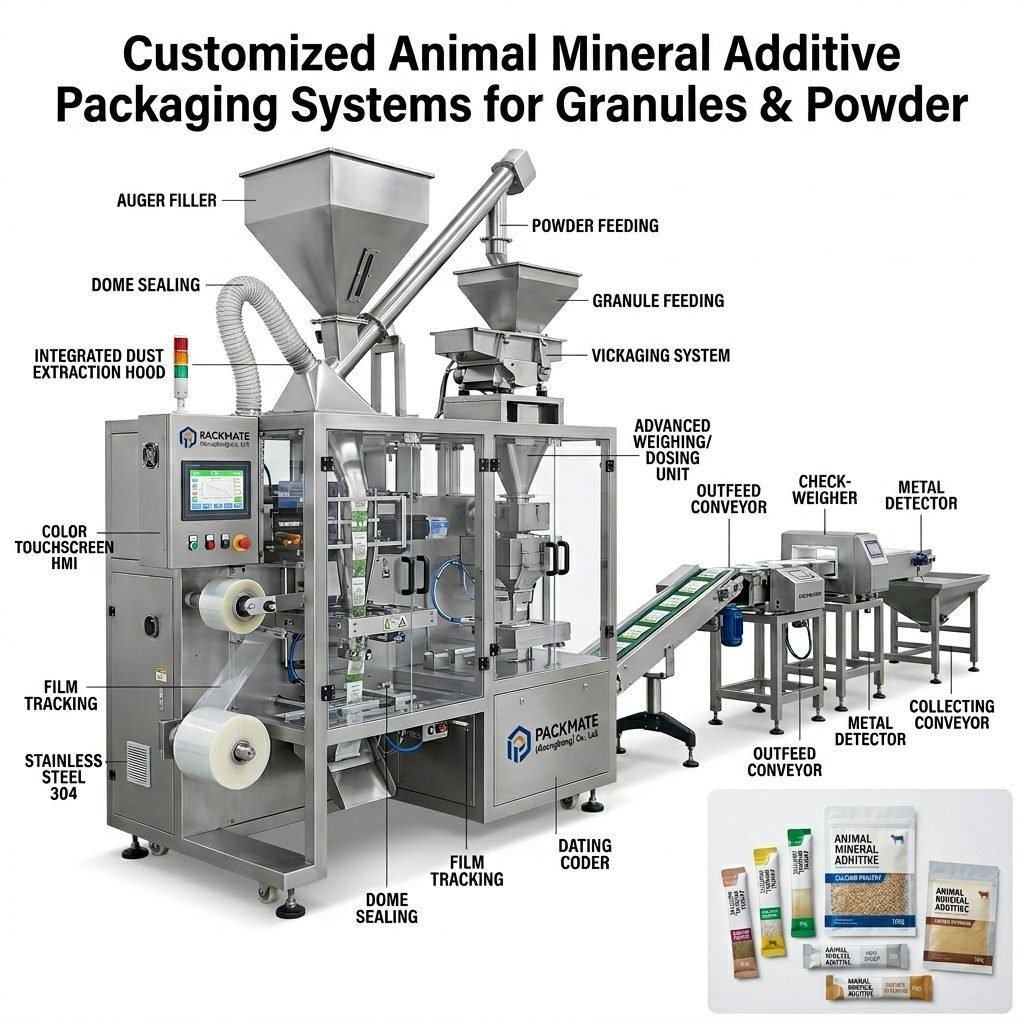
Ideal for unit-dose powders, granules, or liquids (e.g., oral rehydration salts, instant drink mixes, or liquid pharmaceuticals). Machines like those from Packmate’s sachet and stick pack line form, fill, and seal individual pouches from roll stock film. They are celebrated for their efficiency, reduced material waste compared to pre-made pouches, and excellent barrier options using laminated films. Multi-lane configurations can dramatically increase output for high-volume production.
Cartoning Machines
These machines erect folding cartons, insert the primary packaged product (blister strips, bottles, sachets), along with leaflets, and close the carton. They are a bridge between primary packaging and secondary/tertiary packaging. Advanced cartoners can handle complex insert patterns and integrate serialization and aggregation modules to meet track-and-trace regulations.
Essential Considerations for Machine Selection
Selecting a pharmaceutical packaging machine is a significant investment. Beyond the machine type, several critical factors must be evaluated to ensure long-term reliability, compliance, and return on investment.
1. Regulatory Compliance (cGMP): The machine must be designed and constructed according to current Good Manufacturing Practice (cGMP) principles. This includes using easy-to-clean, corrosion-resistant materials (like 304 or 316L stainless steel) for product contact parts, having a sanitary design with minimal crevices, and providing comprehensive documentation (DQ, IQ, OQ, PQ).
2. Flexibility and Changeover: Product lines often change. Machines that allow for quick changeovers between different product sizes or formats minimize downtime and enhance operational agility. Look for features like tool-less adjustments and recipe management systems.
3. Integration and Connectivity (Industry 4.0): Modern packaging lines are data hubs. Machines should offer connectivity through OPC-UA, Ethernet/IP, or other protocols to integrate with Manufacturing Execution Systems (MES) and Supervisory Control and Data Acquisition (SCADA) systems. This enables real-time monitoring of Overall Equipment Effectiveness (OEE), production counts, and predictive maintenance alerts.
4. Accuracy and Yield: Pharmaceutical products are high-value. Precision in filling (weight or volume) is non-negotiable to avoid giving away product or, worse, under-dosing. High machine reliability and uptime directly translate to better yield and lower cost per unit.
5. Supplier Support and Validation: The relationship with the machine supplier is crucial. Choose a partner with a proven track record in pharma, like Packmate Machinery, which offers not just equipment but complete turnkey solutions and support. They should provide extensive validation support and readily available spare parts.
Trends Shaping the Future of Pharma Packaging
The pharmaceutical packaging landscape is continuously evolving, driven by technology, regulation, and patient-centricity.
Serialization and Track & Trace
Mandated by regulations like the U.S. Drug Supply Chain Security Act (DSCSA) and the EU Falsified Medicines Directive (FMD), serialization requires a unique identifier (like a 2D data matrix code) on each saleable unit. Packaging lines must integrate coding, verification, and aggregation equipment to ensure compliance and secure the supply chain against counterfeit drugs.
Sustainability: There is growing pressure to reduce packaging waste. This drives innovation in using mono-material films that are easier to recycle, reducing package size where possible, and exploring biodegradable or compostable materials without compromising barrier properties.
Smart Packaging: Incorporating technologies like NFC tags, QR codes, or RFID into packaging enables enhanced patient engagement (linking to instructional videos), improves supply chain visibility, and can even monitor patient adherence.
Continuous Manufacturing: As the industry moves from batch-based to continuous production of drugs, packaging lines must adapt to handle a continuous, steady flow of product, requiring new levels of synchronization and control.
Implementing a Successful Packaging Line
Moving from machine selection to a fully operational, validated line requires careful planning. It starts with a clear definition of User Requirements (URS), followed by close collaboration with the machine supplier during Factory Acceptance Testing (FAT). Site installation and Site Acceptance Testing (SAT) must be meticulously managed. The final and most critical phase is process validation, comprising Installation Qualification (IQ), Operational Qualification (OQ), and Performance Qualification (PQ), to prove the line consistently produces packages meeting all predefined specifications under actual production conditions. Partnering with an experienced supplier who understands this entire lifecycle, from the core machinery to the final validation, is invaluable.
In conclusion, pharmaceutical packaging is a sophisticated, regulated, and rapidly advancing field. The right packaging machines and solutions are foundational to product safety, regulatory compliance, and brand reputation. By focusing on cGMP design, operational flexibility, integration capabilities, and partnering with a reliable, experienced supplier, pharmaceutical companies can build packaging operations that are not only efficient and compliant today but are also ready for the challenges and opportunities of tomorrow.
Frequently Asked Questions (FAQs)
Q1: What are the most important cGMP features to look for in a pharmaceutical packaging machine?
A: Key cGMP features include: construction with 316L or 304 stainless steel for product contact parts; a sanitary design with rounded corners, minimal seams, and easy access for cleaning and maintenance; and comprehensive documentation (Design Qualification, manuals, schematics) to support validation.
Q2: How can I improve the flexibility of my packaging line for different product formats?
A: Opt for machines with quick-change parts and tool-less adjustments. Modern machines often feature servo-driven components and HMI-controlled settings, allowing operators to switch between pre-set recipes for different products rapidly, drastically reducing changeover time.
Q3: Is it necessary to have serialization on my packaging line?
A: If you are selling prescription drugs in markets like the United States, European Union, China, or several other countries, serialization is not optional—it is a legal requirement. Even if not currently required for your market, implementing it future-proofs your line and is considered a best practice for supply chain security.
Q4: What kind of support should I expect from my packaging machine supplier?
A: A reliable supplier should offer far more than just the machine sale. Expect comprehensive support including: installation and commissioning assistance, operator and maintenance training, readily available spare parts, remote technical support, and crucially, support during the factory and site acceptance testing and validation (IQ/OQ/PQ) phases.
Q5: How do I balance the need for sustainable packaging with the stringent barrier requirements for pharmaceuticals?
A: This is a significant challenge. The solution lies in material innovation and design optimization. Work with your material suppliers and machine partners to explore high-barrier mono-material plastics (which are more recyclable), lightweighting options, and designs that use less material overall without compromising the product’s protective needs. The goal is to reduce the environmental footprint while upholding the primary function of protection.