In today’s fast-paced manufacturing landscape, the demand for extreme packaging machinery that can deliver high-speed, reliable, and precise solutions has never been greater. Industries ranging from food and pharmaceuticals to health supplements require equipment that not only keeps up with production volumes but also ensures product integrity and minimizes waste. This ultimate guide delves into the core aspects of high-speed packaging solutions, exploring the technologies, considerations, and innovations that define this critical sector.
The Engine of Modern Production: What Defines Extreme Packaging Machinery?
Extreme packaging machinery refers to advanced systems engineered for maximum throughput, exceptional accuracy, and relentless durability. These are not standard machines; they are the workhorses designed to operate at the limits of speed and efficiency, often in continuous, 24/7 production environments. Key characteristics include ultra-high cycle rates, precision servo-driven motion controls, integrated vision inspection systems, and robust construction using high-grade materials. The primary goal is to achieve a perfect synergy between blistering pace and unwavering consistency, a combination that directly impacts a company’s bottom line.
Core Technologies Powering High-Speed Solutions
The leap from conventional to extreme-speed packaging is powered by several pivotal technologies. Servo motor technology has revolutionized motion control, allowing for smoother, faster, and more precise movements compared to traditional mechanical systems. This translates to quicker format changeovers and reduced material stress. Integrated PLC (Programmable Logic Controller) and HMI (Human-Machine Interface) systems provide centralized, intelligent control, enabling operators to monitor and adjust parameters in real-time for optimal performance. Furthermore, advanced feeding and weighing systems, such as multi-head weighers and auger fillers, ensure that speed does not come at the cost of portion accuracy, which is critical for compliance and cost control.
Material Handling and Flexibility at Speed
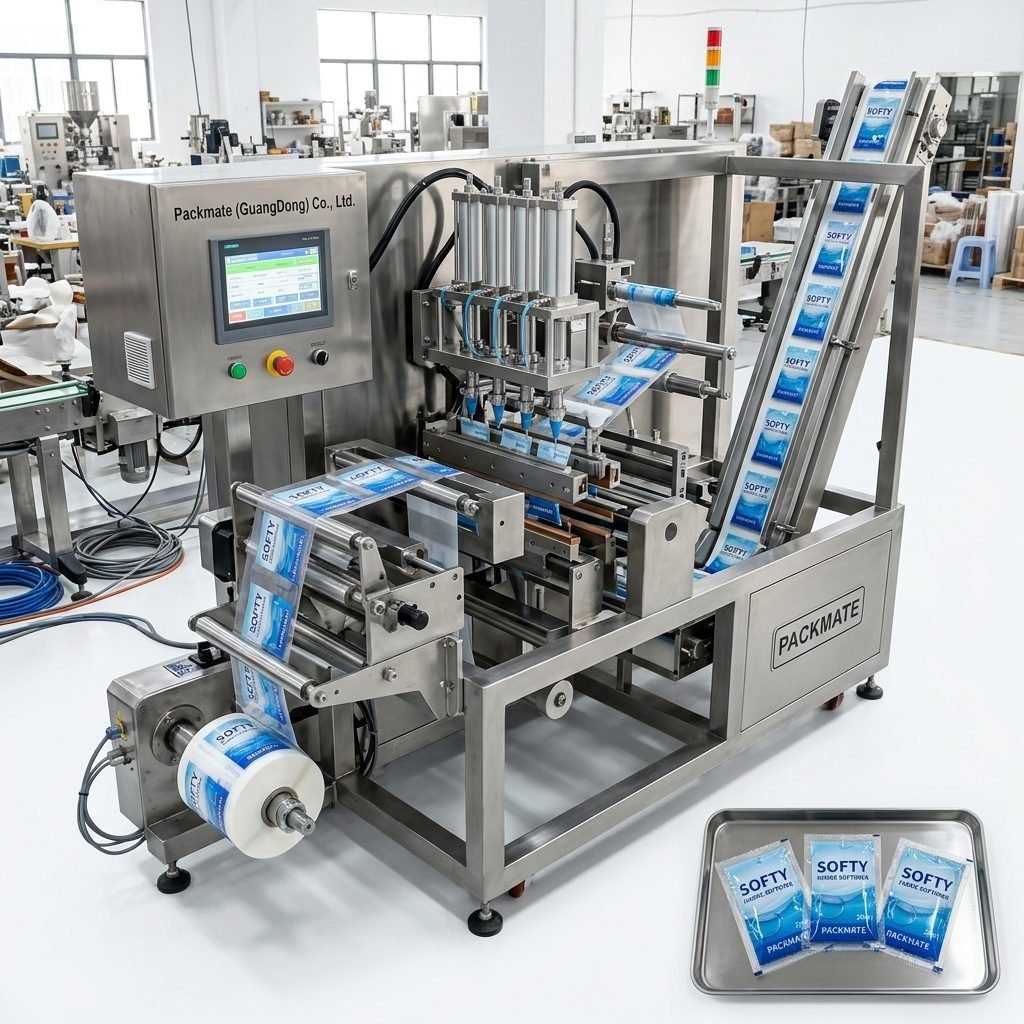
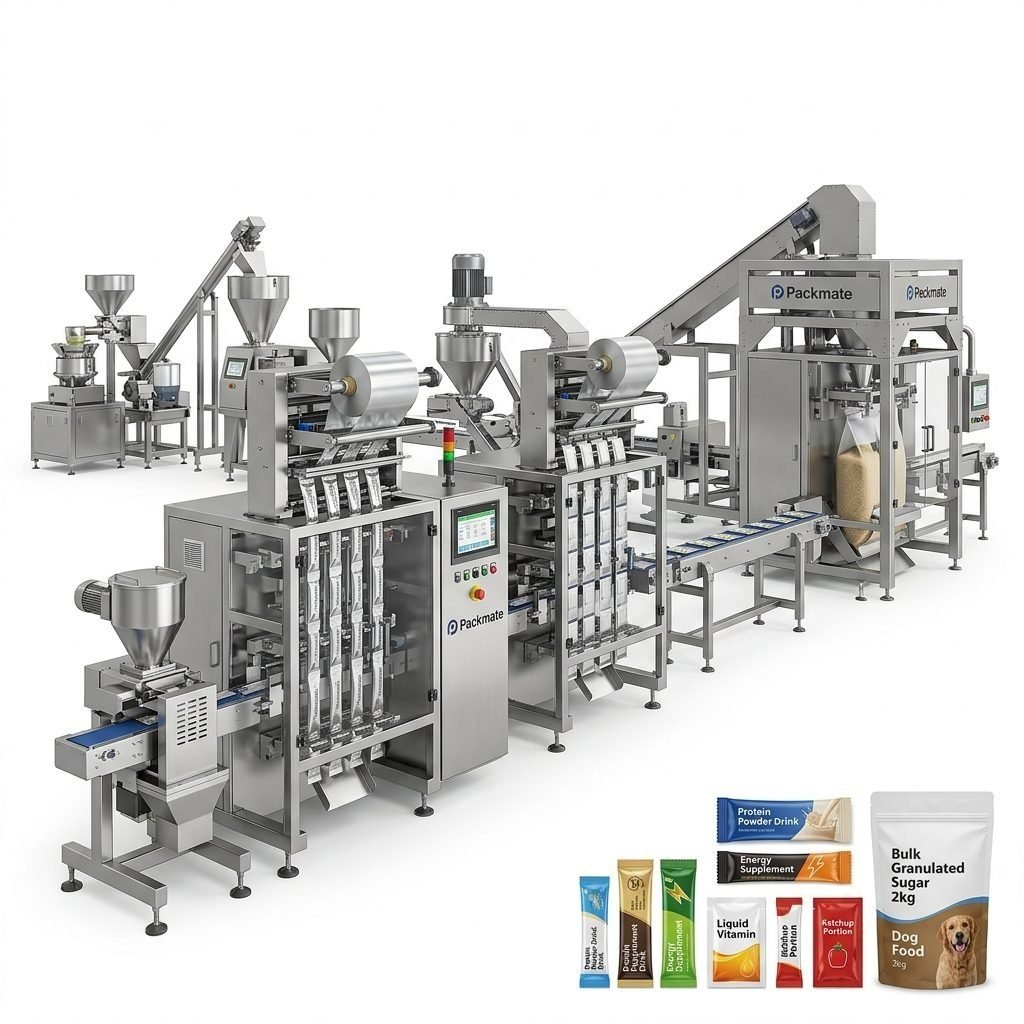
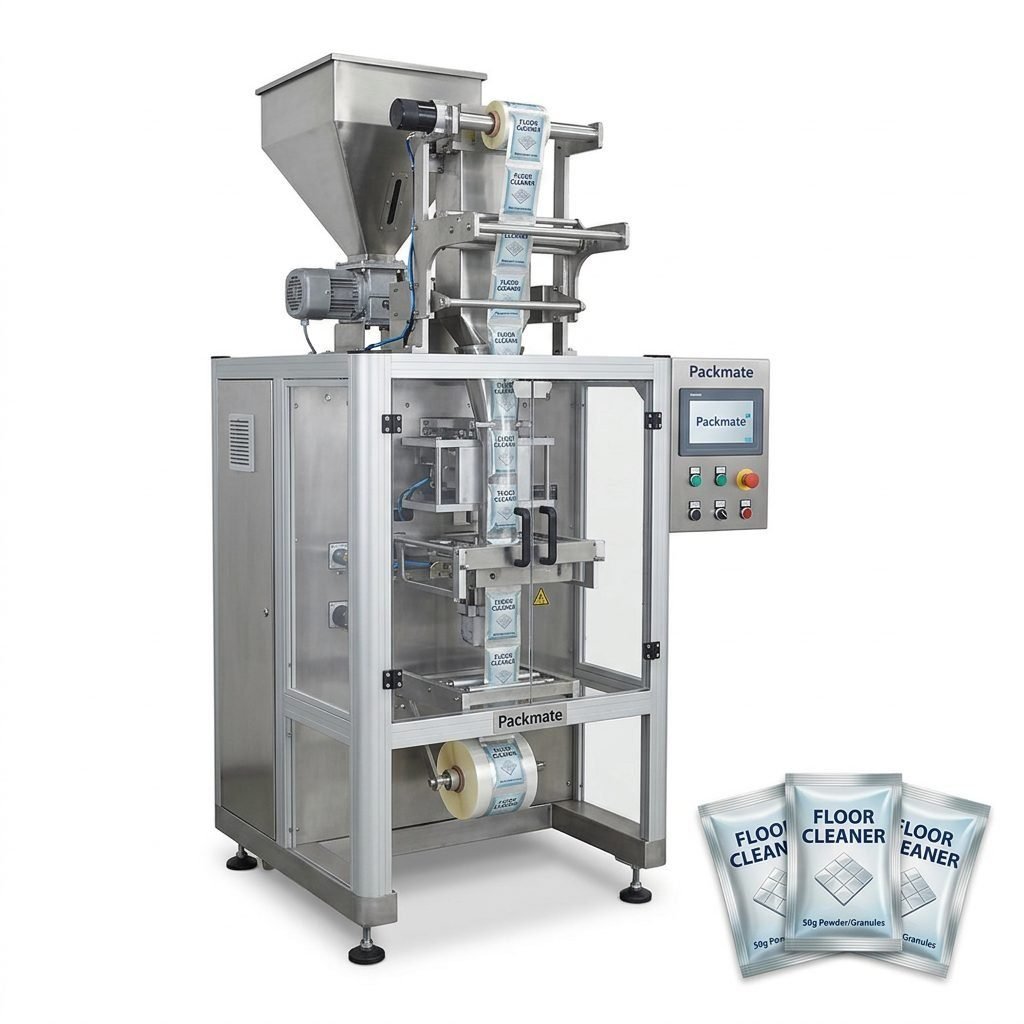
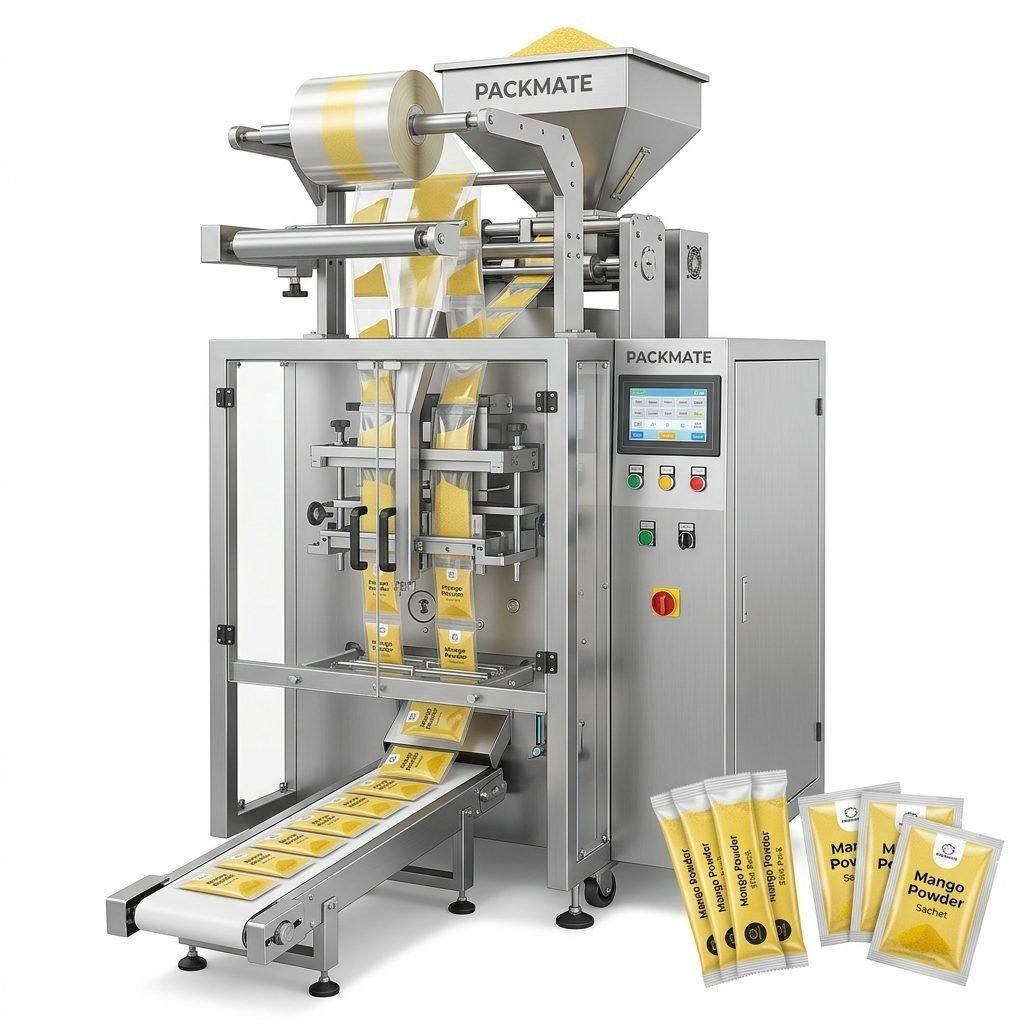
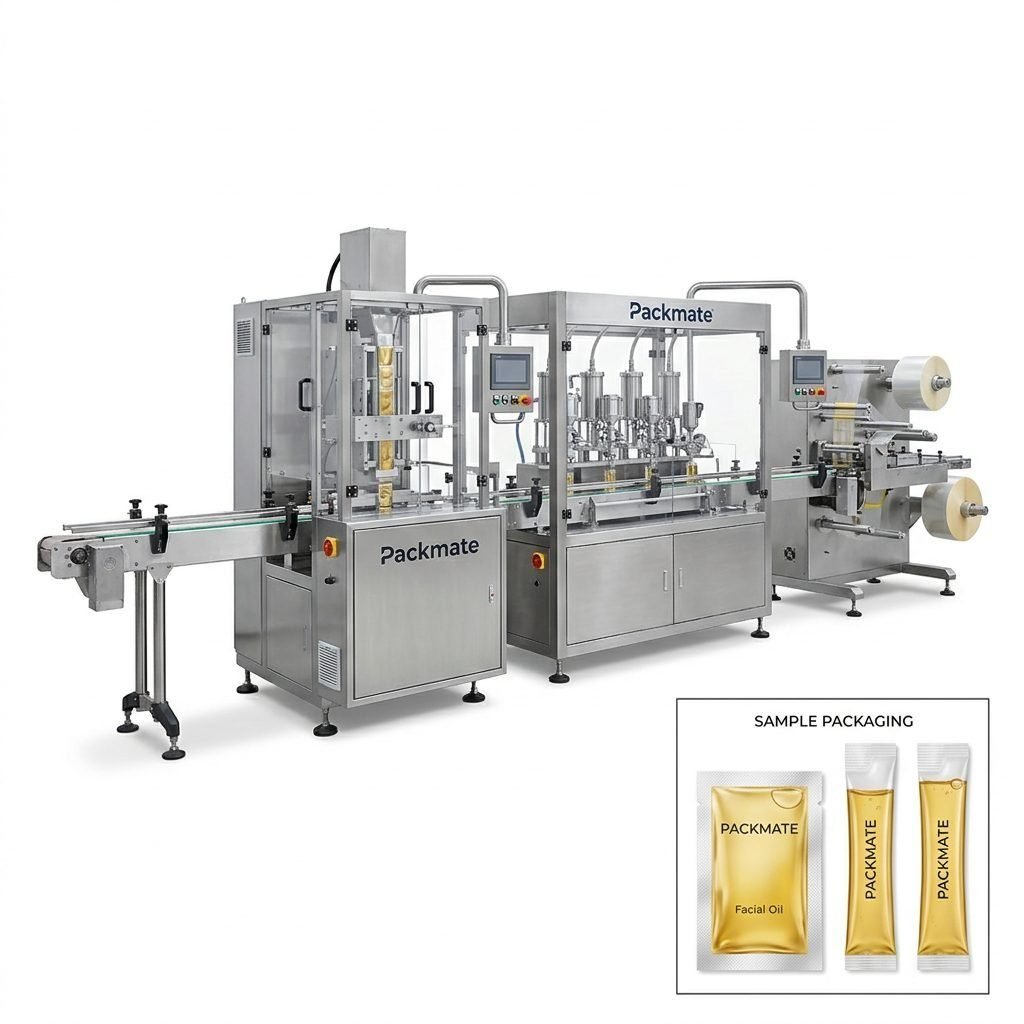
A major challenge in high-speed packaging is the handling of diverse materials—from fragile powders and sticky gels to granular solids and viscous liquids. Extreme machinery addresses this with specialized feeding mechanisms, vibration damping systems, and custom-designed funnel shapes to ensure smooth product flow without degradation or clogging. Flexibility is another hallmark. Modern lines, like the advanced sachet & stick pack machines, are built for quick changeovers, allowing producers to switch between different pouch sizes or product types with minimal downtime, thus catering to the trend of smaller batch production runs.
Strategic Considerations for Implementing High-Speed Lines
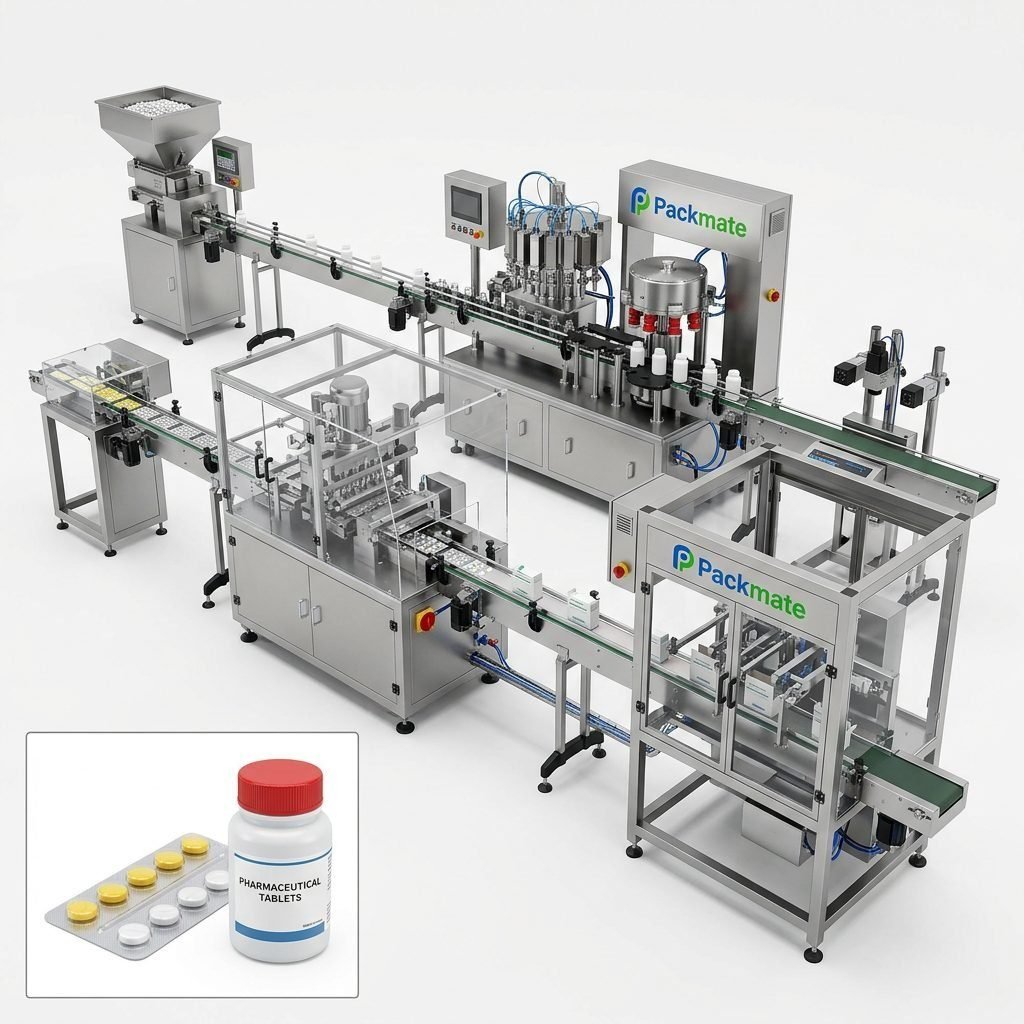
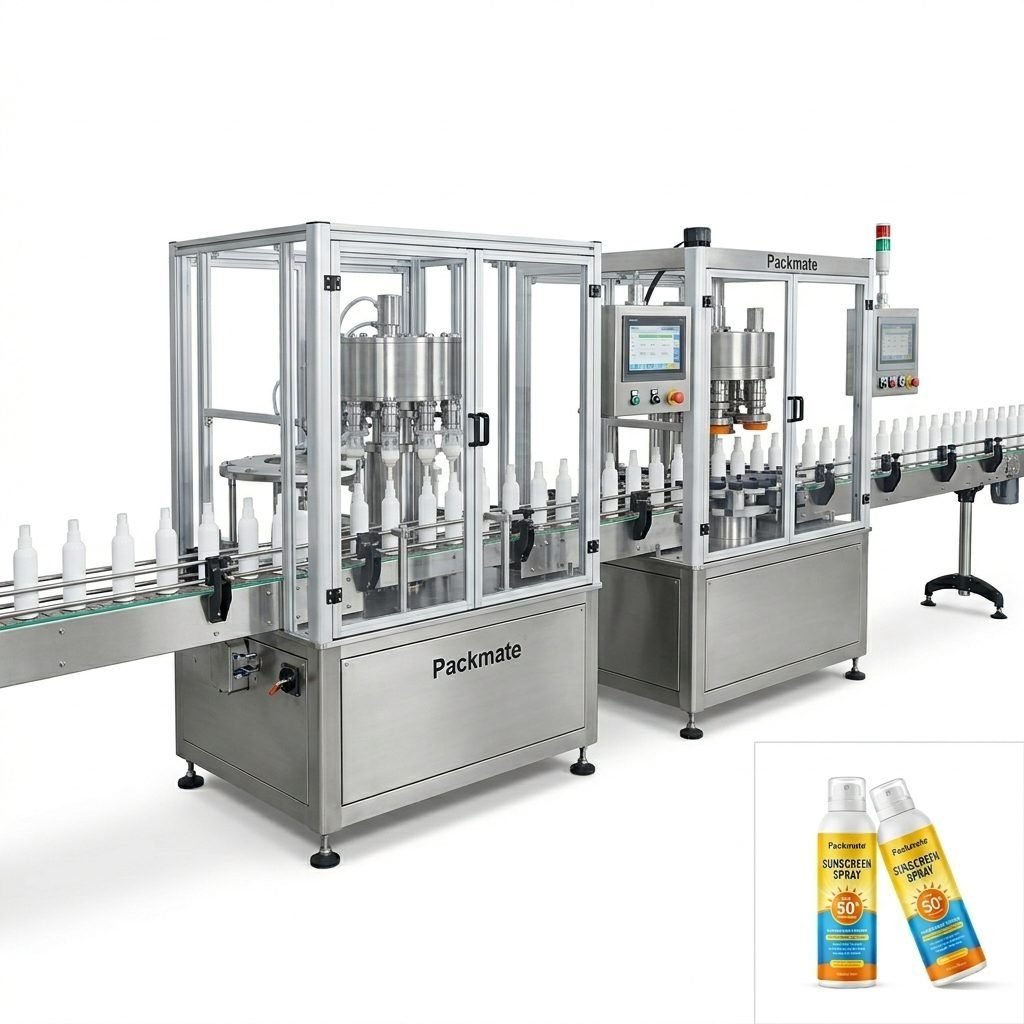
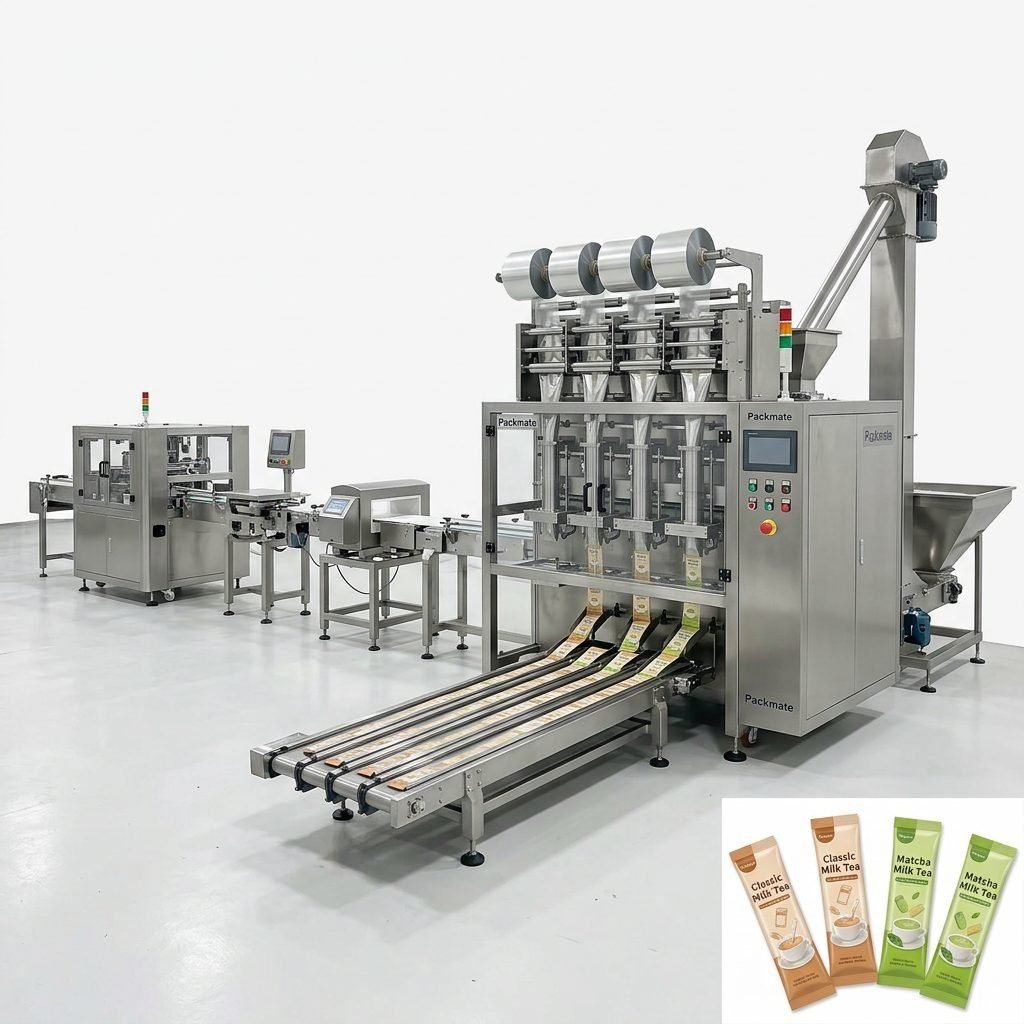
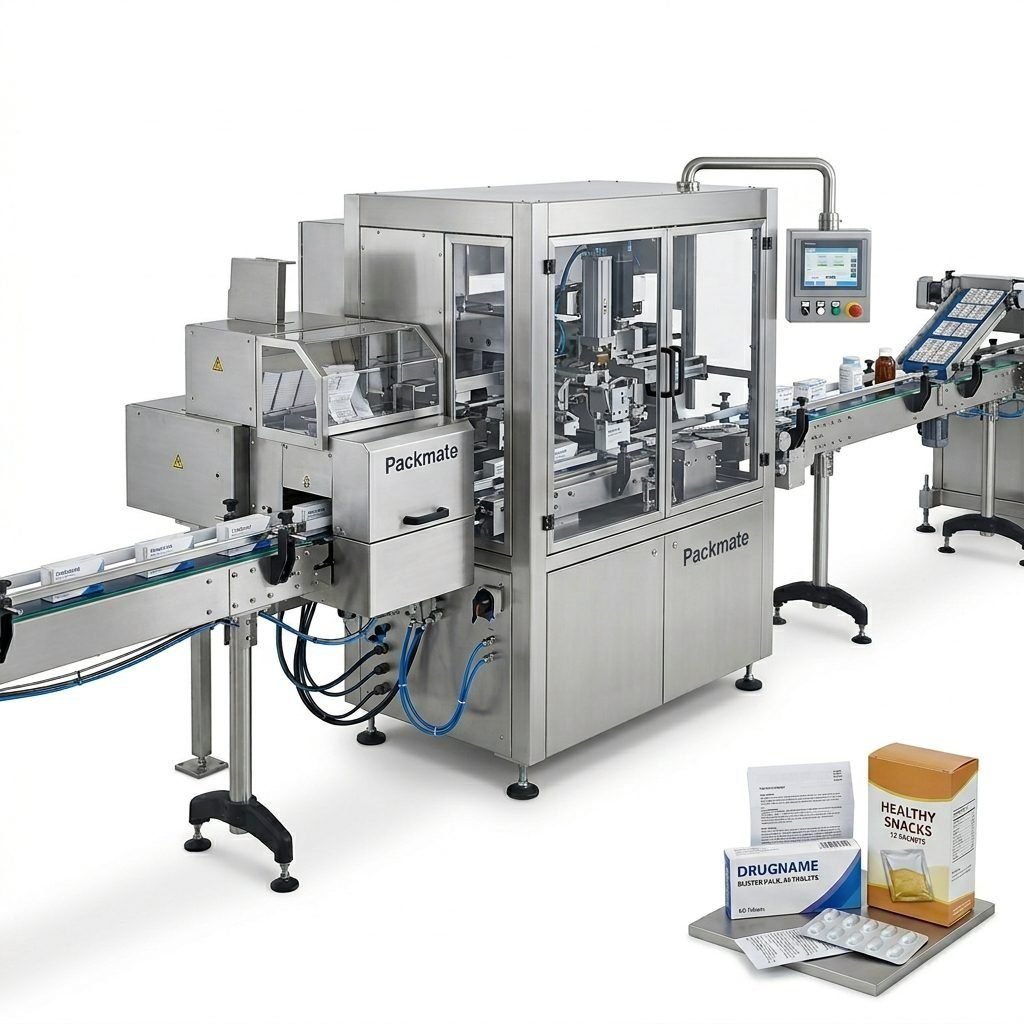
Investing in extreme packaging machinery is a significant strategic decision. Beyond the initial capital expenditure, companies must consider the total cost of ownership, which includes energy consumption, maintenance needs, and operational training. A key factor is integration capability. The chosen machinery must seamlessly integrate with upstream processes (like mixing or cooking) and downstream systems (like cartoning or palletizing). Partnering with a manufacturer that provides complete filling & packaging lines as a turnkey solution can mitigate integration risks and ensure system-wide harmony.
The Role of Innovation and Manufacturer Expertise
Sustaining high-speed performance over years of operation requires continuous innovation and deep engineering expertise. This is where the legacy and experience of the manufacturer become paramount. A company like Packmate Machinery, with over 30 years of specialization in intelligent packaging, exemplifies this principle. Their journey from a focused workshop to a modern facility with over 50 machine models demonstrates a commitment to evolving with market demands. Such manufacturers don’t just sell machines; they provide solutions backed by R&D, rigorous testing, and a profound understanding of the challenges faced in sectors like pharmaceuticals and food, where precision and hygiene are non-negotiable.
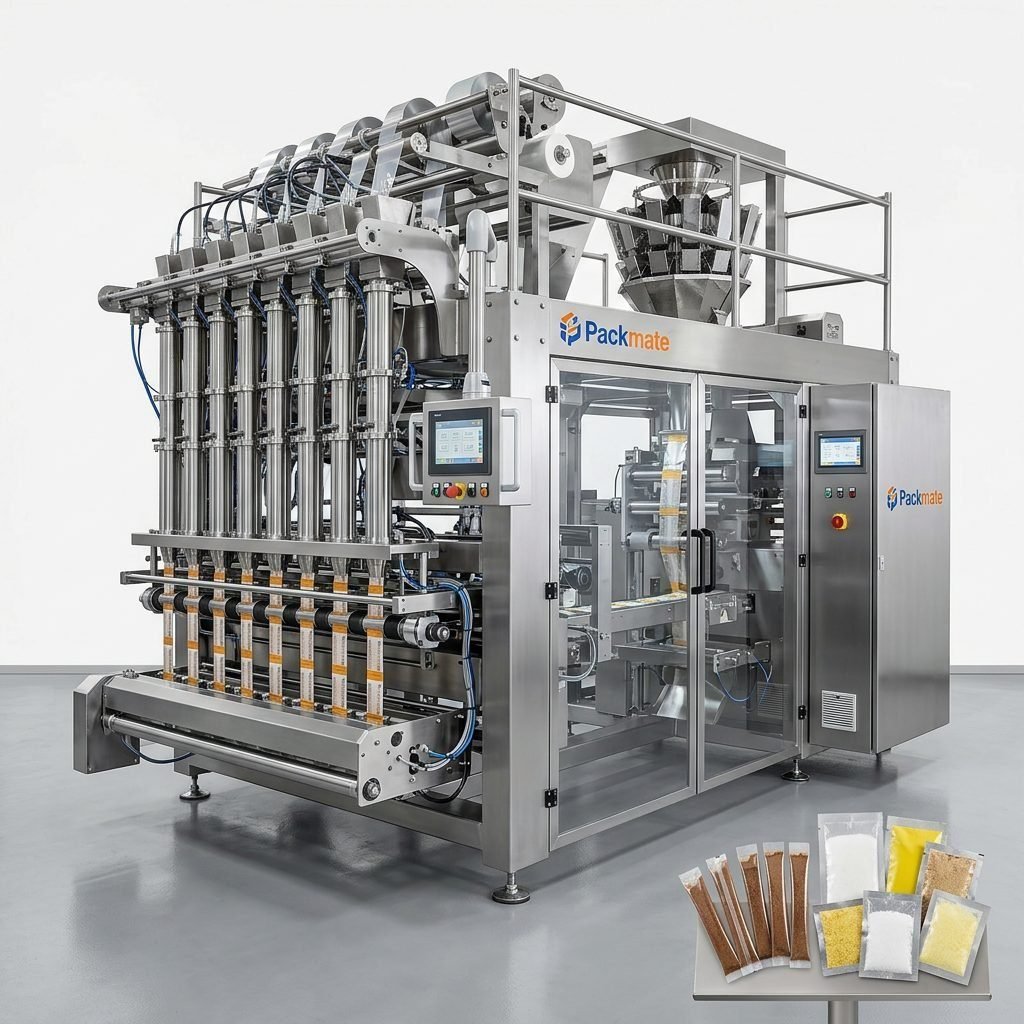
Their development of multi-lane stick pack machines to meet surging market demand is a testament to innovation driven by real-world needs. This deep-seated expertise ensures that the machinery is not only fast but also intelligent, reliable, and built to last, reducing the total lifecycle cost for the operator.
Ensuring Uptime and Longevity: Maintenance and Support
The most advanced machine is only as good as its uptime. Proactive and predictive maintenance strategies are integral to extreme packaging operations. This involves regular lubrication, wear-part inspection, and software updates. Choosing a supplier with a strong global support network, readily available spare parts, and comprehensive training programs is crucial. Remote diagnostics capabilities can also preempt failures, allowing technicians to identify and often resolve issues before they cause a production halt. The support extends beyond the machine itself to include guidance on optimal auxiliary packaging equipment that complements the high-speed line.
Future Trends: Where is High-Speed Packaging Headed?
The future of extreme packaging is intertwined with Industry 4.0 and sustainability. We are moving towards even greater connectivity, where machines communicate data on performance, output, and maintenance needs to central dashboards for analytics-driven optimization. Sustainability pressures are driving the development of machinery capable of handling new, eco-friendly mono-material films and reducing overall material usage through more precise sealing and cutting. Speed will continue to increase, but the next frontier is adaptive intelligence—machines that can self-adjust to minor variations in material properties or environmental conditions to maintain peak efficiency without human intervention.
Frequently Asked Questions (FAQs)
What is the typical ROI period for investing in extreme high-speed packaging machinery?
The return on investment varies based on production volume, labor cost savings, and reduction in material waste. For high-volume producers, a well-integrated high-speed line can often show a significant ROI within 1 to 3 years, primarily through dramatically increased output and lower per-unit costs.
How do I ensure a high-speed machine is compatible with my existing production facility?
Thorough planning is essential. A reputable manufacturer will conduct a detailed site audit and provide 3D layout simulations. Key factors to assess include floor space, ceiling height, power supply requirements, utility (air, water) connections, and integration points with conveyors from other equipment.
Can high-speed packaging machines handle small, custom batch production runs efficiently?
Yes, modern machines are designed for flexibility. Features like quick-change tooling, recipe storage in the HMI, and servo-driven adjustments allow for rapid changeovers between products and package sizes, making shorter runs economically viable without sacrificing speed during the main production cycle.
What are the most critical maintenance routines for sustaining high speed?
Daily cleaning and inspection of sealing jaws, cutting blades, and product contact parts are vital. Regularly scheduled maintenance should focus on lubrication of moving parts, checking servo motor and drive belt tension, and calibrating weighing and vision systems to prevent drift in accuracy over time.
How important is after-sales service when selecting a supplier for such critical equipment?
It is arguably as important as the machine itself. A robust after-sales service package—including installation supervision, comprehensive operator and maintenance training, a readily available spare parts inventory, and access to technical support—is essential for maximizing uptime and protecting your long-term investment.