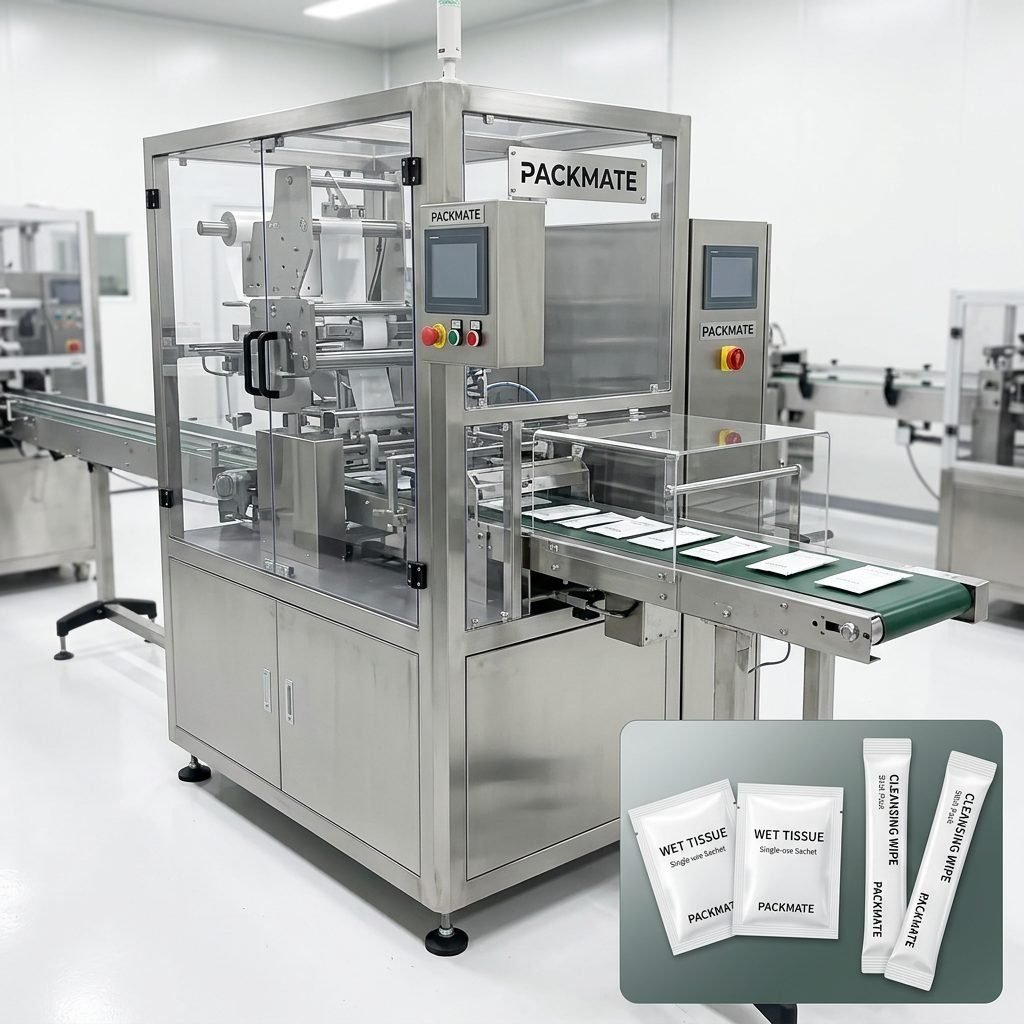
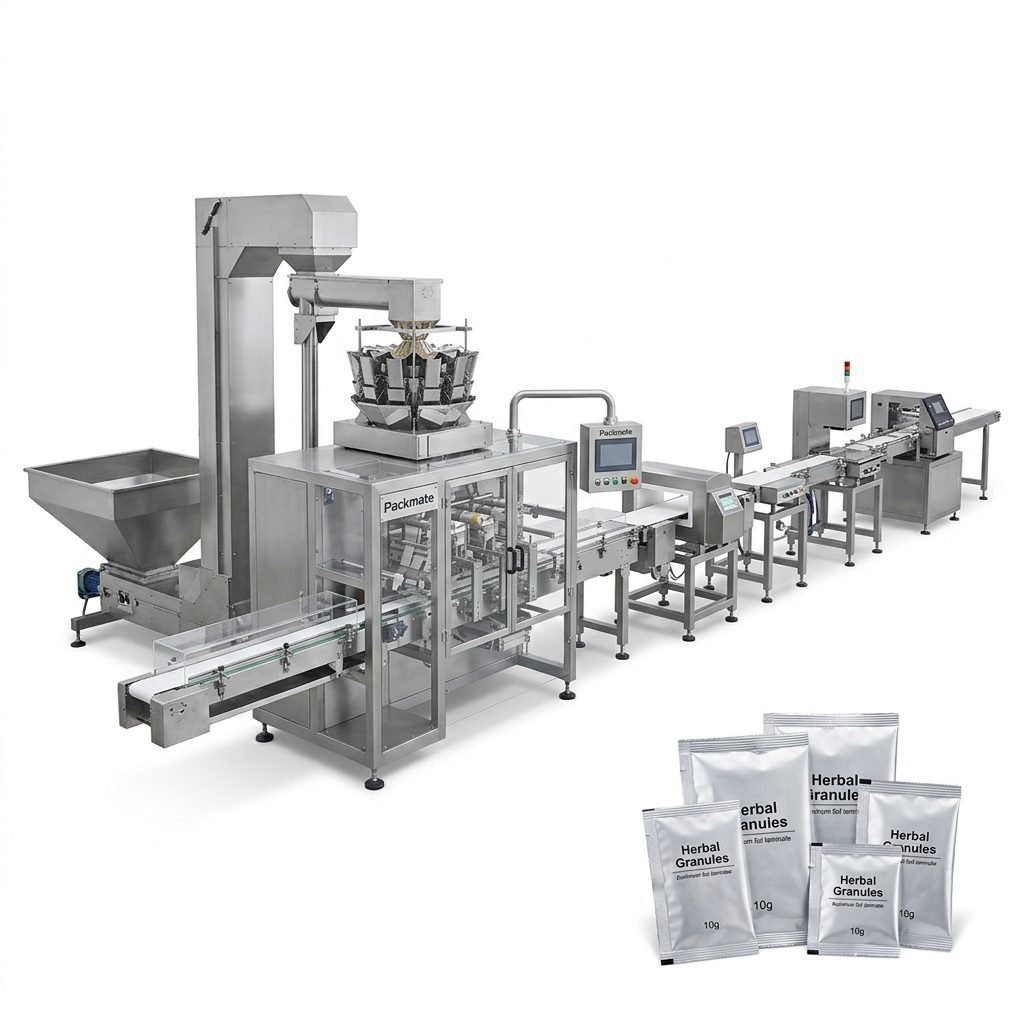
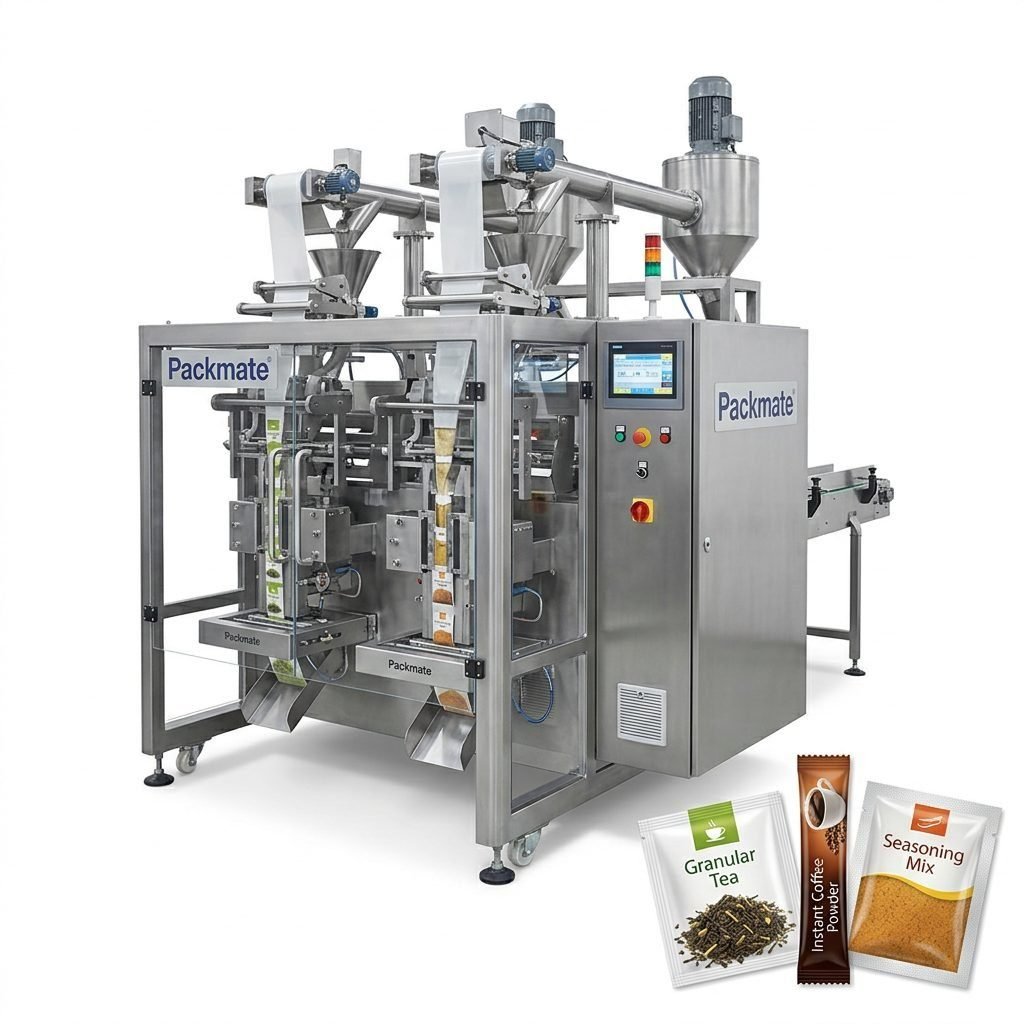
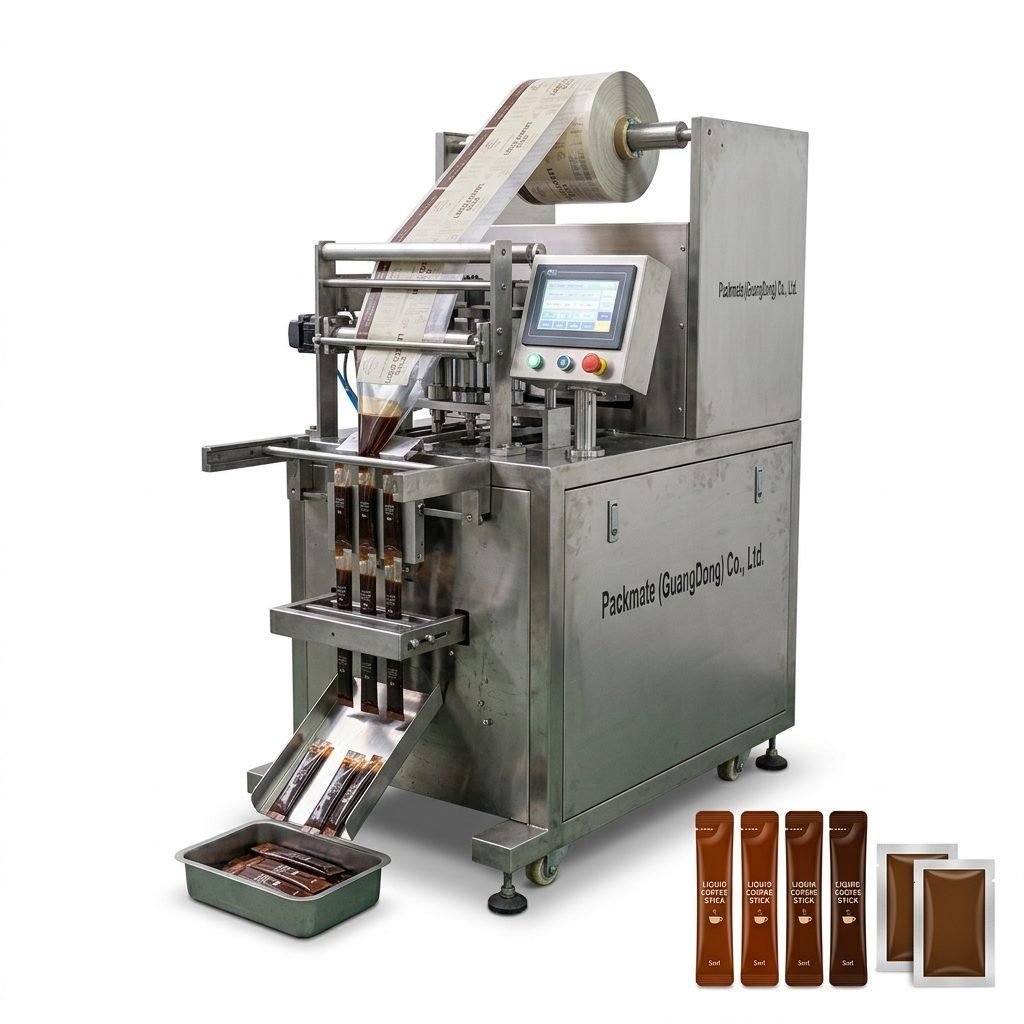
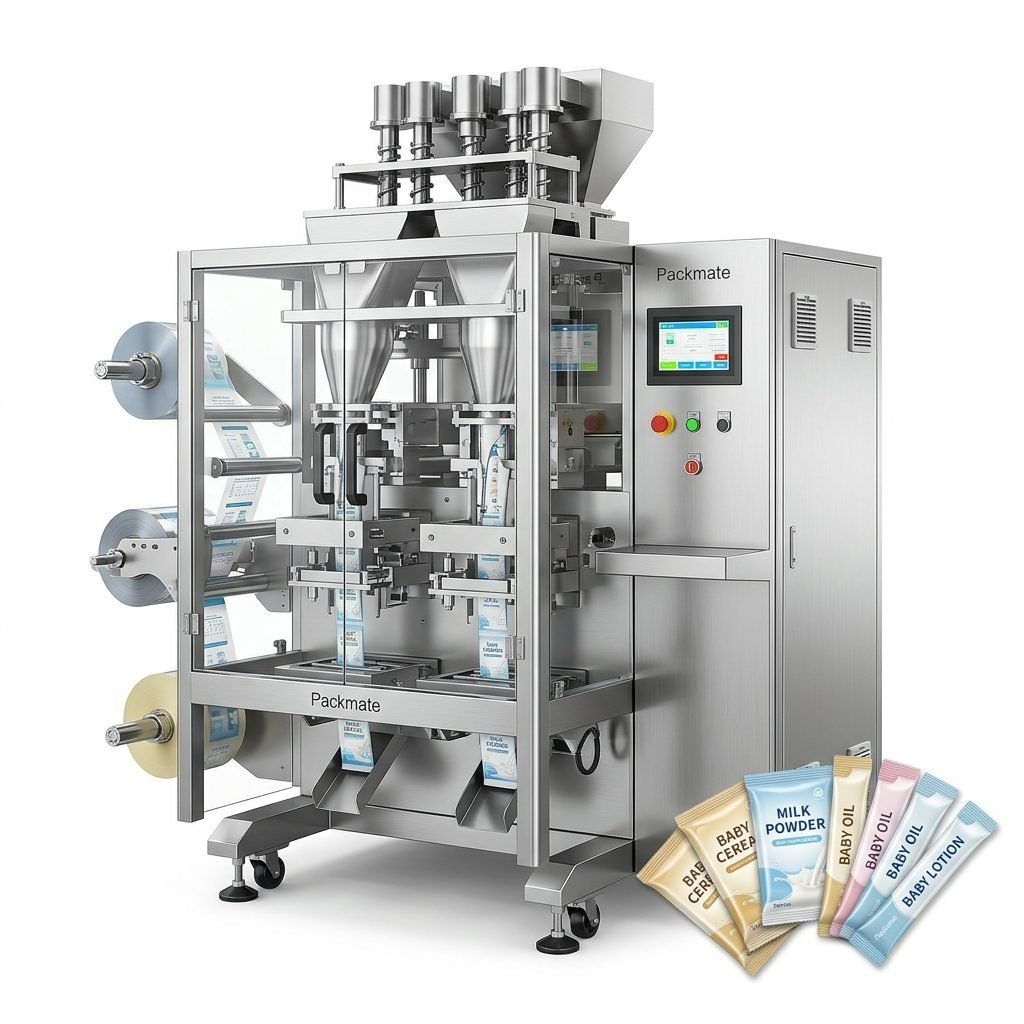
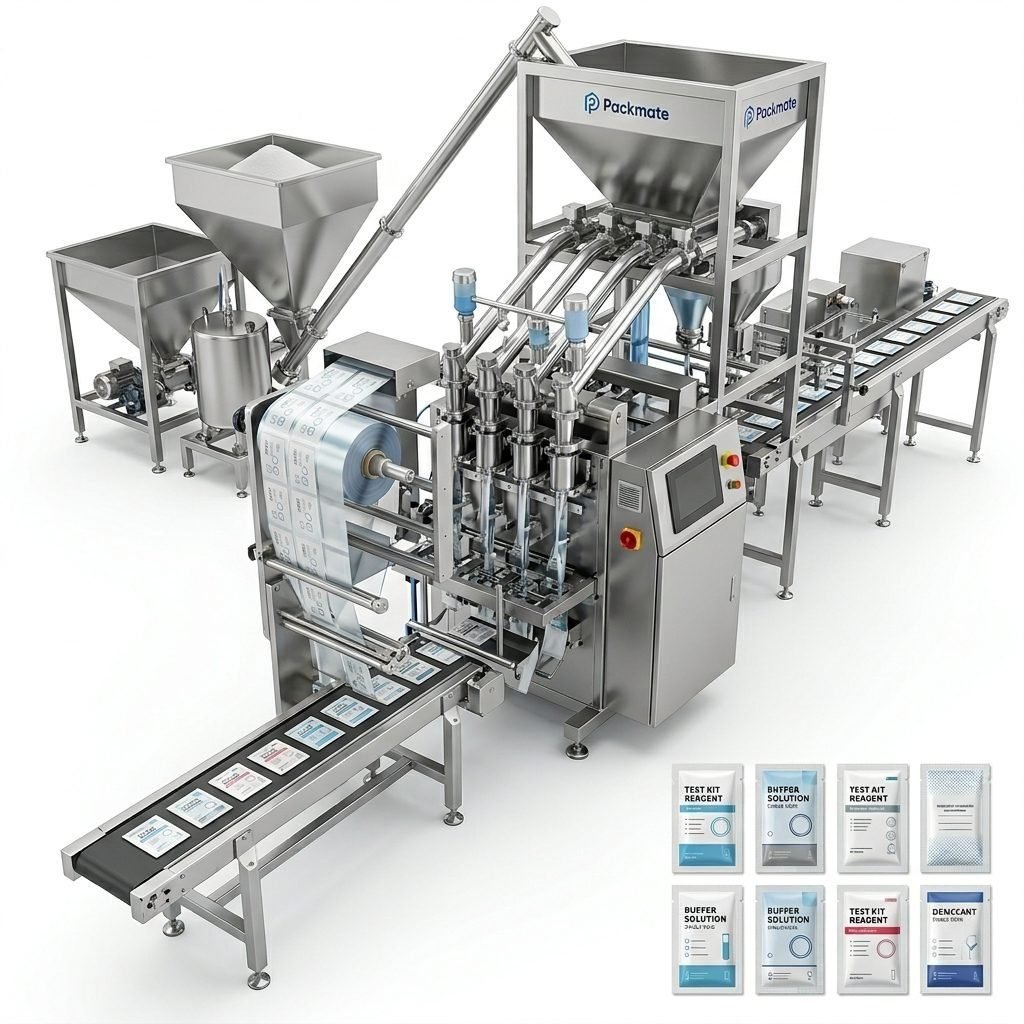
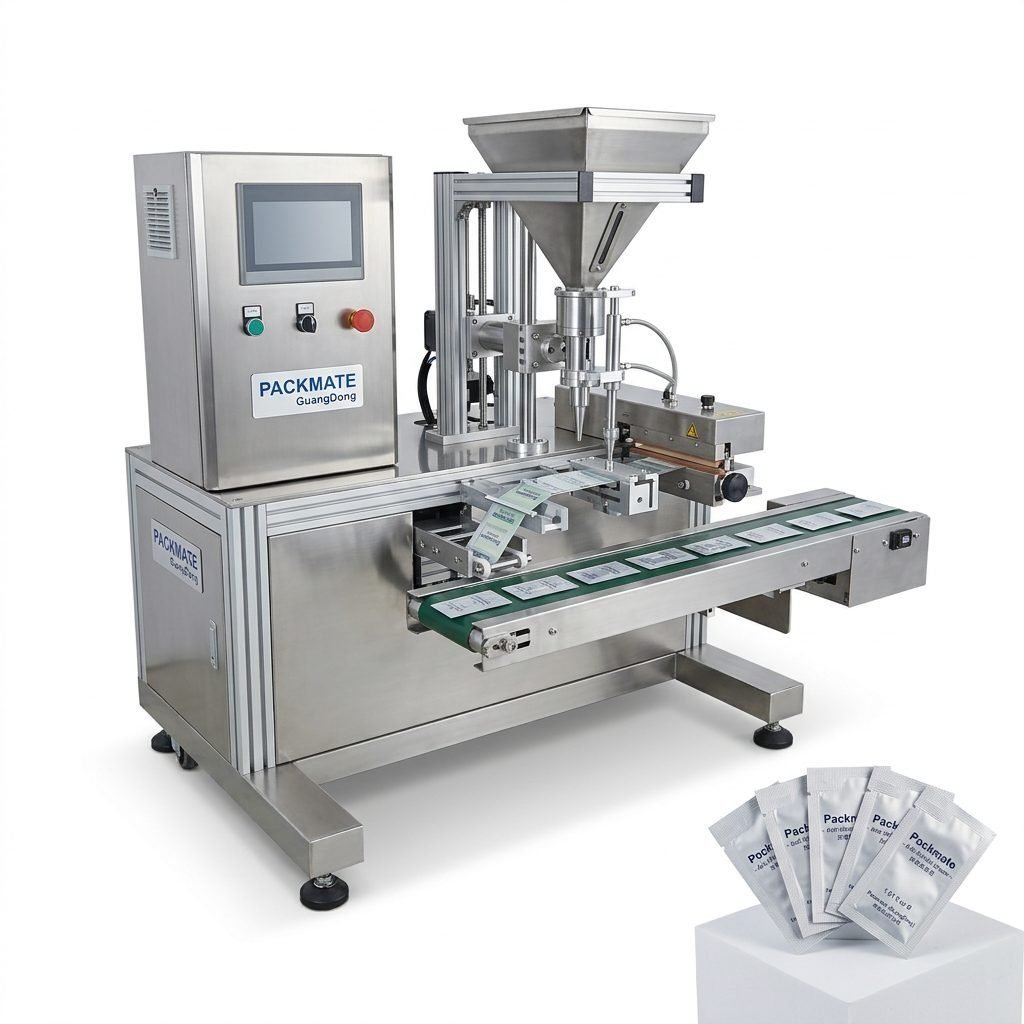
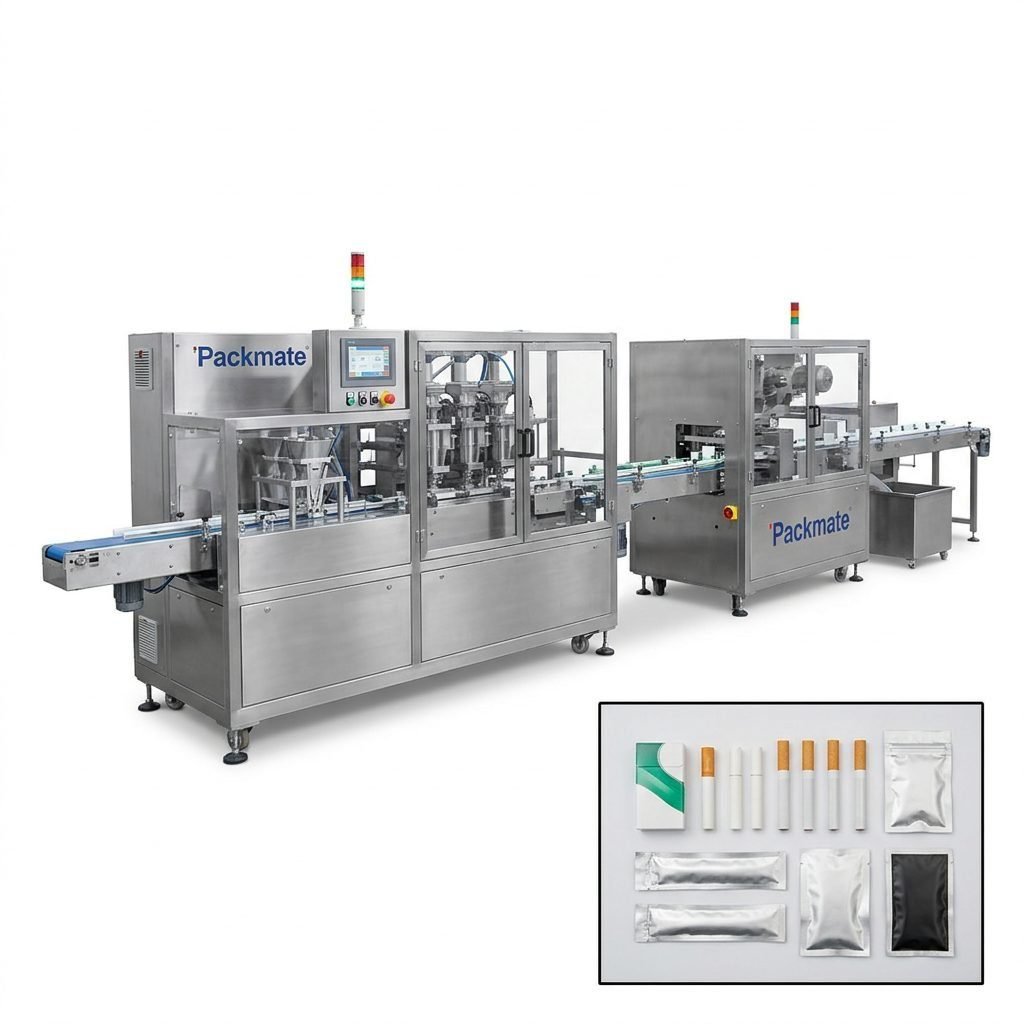
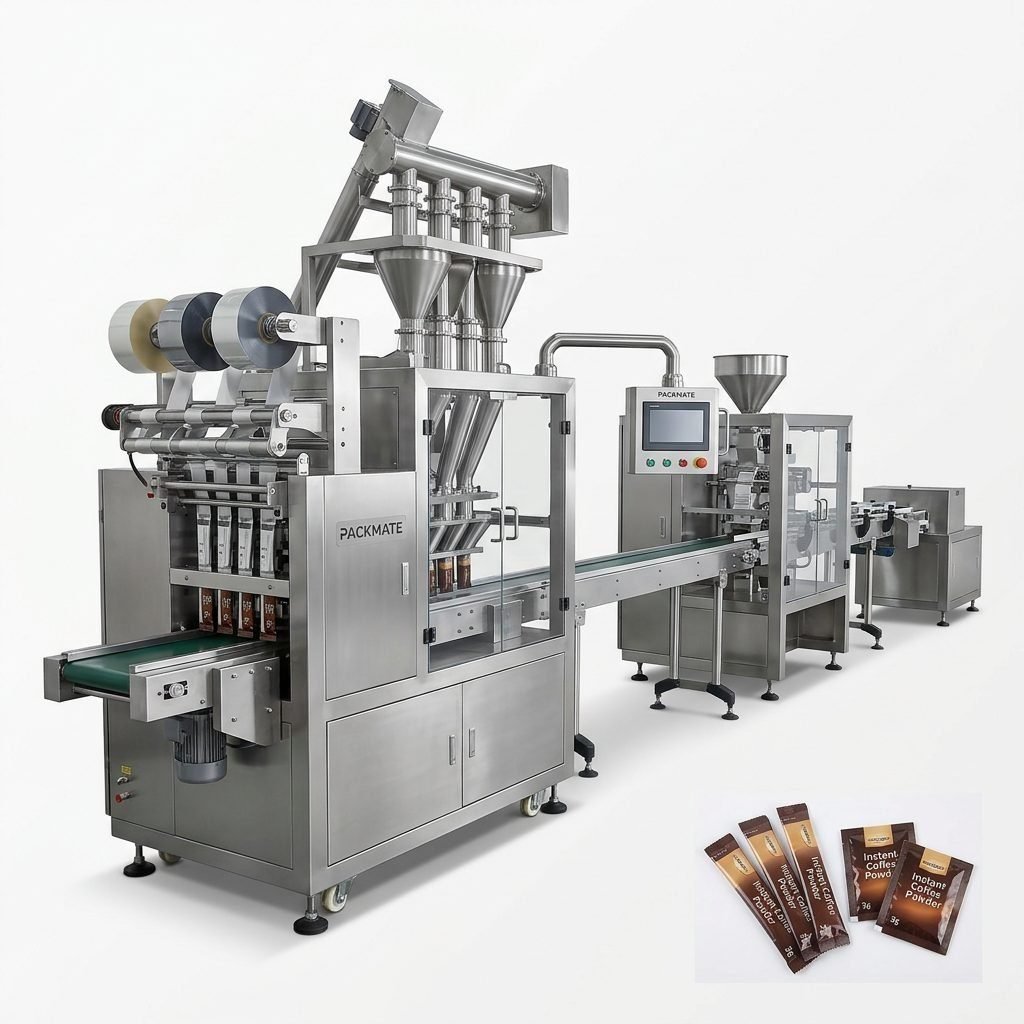
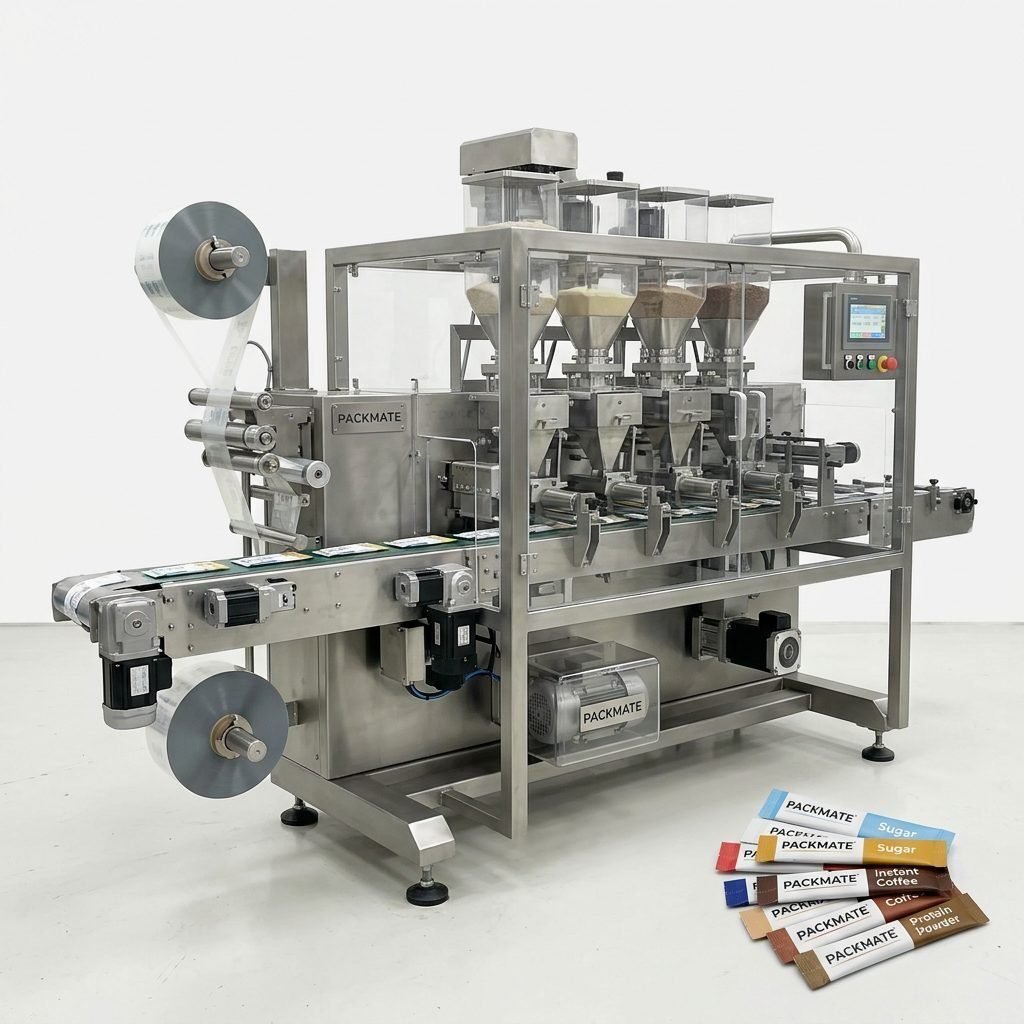
In today’s competitive business landscape, efficiency and accuracy in packaging operations are not just advantages—they are necessities. For companies handling seeds, whether for agriculture, gardening, or food production, the process of counting and packaging can be a significant bottleneck. Manual methods are prone to error, slow, and labor-intensive, directly impacting your bottom line and customer satisfaction. This is where investing in a top-tier seed counting and packaging machine becomes a strategic move for growth and reliability.
Key Takeaway:
Modern seed packaging automation goes beyond simple counting. It integrates precision weighing, high-speed filling, and secure sealing into one seamless, reliable system that minimizes waste and maximizes output.
The Critical Role of Precision in Seed Packaging
Seeds are high-value, low-volume products where every single unit counts—literally. Inaccuracies in count can lead to customer complaints, regulatory non-compliance for certain products, and direct financial loss. A precise weighing and packaging system ensures each packet contains the exact promised number of seeds. This builds immense trust with your customers, from large-scale agricultural buyers to retail gardeners who rely on precise quantities for their planting needs.
Beyond counting, consistent and gentle handling is crucial to preserve seed viability. Advanced machines use vibration trays, precision channels, and soft-drop mechanisms to count and transfer seeds without damage, ensuring the quality of your product is maintained from the hopper to the final pouch.
Core Technologies in Modern Seed Packaging Machines
The best solutions on the market combine several key technologies:
- Vision Counting Systems: Utilize high-speed cameras and image processing software to count seeds with exceptional accuracy, even distinguishing by slight size or color variations.
- Multi-Lane Weighing: Systems with multiple weighing heads work in tandem to achieve target weights faster, dramatically increasing packaging speed for free-flowing seeds.
- Servo-Driven Auger Fillers: For powdered seed treatments or very small seeds, servo-controlled augers provide unparalleled filling precision by controlling every rotation.
- Integrated Bag Making: Many machines form the bag from roll film, fill it, and seal it in one continuous operation, reducing material costs and space.
Choosing the Right Solution for Your Business Scale
Not all businesses have the same needs. A small heirloom seed company has different requirements than a multinational agricultural supplier. The ideal machine matches your production volume, seed variety, and packaging format.
For Startups & Small Batch Producers:
Semi-automatic sachet and stick pack machines offer an excellent entry point. They provide a significant upgrade from manual packing with precise volumetric or auger filling, perfect for creating small, branded packets for retail. They are cost-effective, require less floor space, and offer great flexibility for frequent product changeovers.
For Medium to High-Volume Production:
Fully automatic, multi-lane machines are the workhorses of the industry. These systems can count and package thousands of units per hour. Look for machines that can handle a wide range of seed sizes—from tiny lettuce seeds to larger beans or corn kernels—with quick-change parts to minimize downtime between production runs. A robust filling and packaging line that integrates counting, bag forming, filling, and sealing is key for large-scale efficiency.
Beyond the Machine: The Value of a Trusted Partner
Purchasing a machine is just the beginning. The manufacturer’s support defines your long-term success. A partner with deep industry expertise, like Packmate Machinery, brings over 30 years of experience in creating intelligent packaging solutions. They don’t just sell equipment; they provide complete turnkey solutions. This includes custom engineering for unique seed types, comprehensive training for your operators, readily available spare parts, and reliable after-sales service to ensure your line runs smoothly for years.
Their global experience means they understand different market requirements, from the need for robust machines in high-volume farming regions to the demand for aesthetically perfect, small retail packets in consumer markets.
Maximizing Your Return on Investment (ROI)
The ROI from an automated seed packaging system is multi-faceted:
- Labor Savings: Automating counting and frees skilled workers for quality control and other value-added tasks.
- Material Savings: Precision filling reduces product giveaway (overfilling) and minimizes film waste in bag-making processes.
- Error Elimination: Automated systems virtually eliminate undercount/overcount errors, reducing costly recalls and protecting your brand reputation.
- Scalability: As your business grows, a modular system can often be upgraded or integrated with additional auxiliary packaging equipment like cartoners or case packers.
Future-Proofing Your Packaging Operation
The industry is moving towards greater connectivity and data-driven decision-making. The next generation of seed packaging machines will feature enhanced IoT (Internet of Things) capabilities. Imagine machines that provide real-time production data, predict maintenance needs before a breakdown occurs, and seamlessly integrate with your Enterprise Resource Planning (ERP) system for inventory and order management. Choosing a manufacturer committed to innovation and R&D ensures your investment remains relevant and competitive.
Furthermore, sustainability is becoming a critical purchasing factor. Modern machines are designed to be energy-efficient and can work effectively with recyclable or biodegradable films, helping you meet both regulatory demands and consumer expectations for eco-friendly packaging.
Frequently Asked Questions (FAQs)
1. What accuracy can I expect from an automated seed counting machine?
High-end machines with vision counting or precision weighing systems typically achieve accuracy rates of 99.5% or higher. The exact figure depends on seed size, shape, and flow characteristics. A reputable supplier will conduct tests with your specific product to guarantee performance.
2. Can one machine handle different types and sizes of seeds?
Yes, many machines are designed for flexibility. They feature interchangeable counting plates, nozzle sizes, and vibration settings. However, significant changeovers (e.g., from tiny seeds to large beans) may require a partial machine changeover, which a well-designed machine facilitates quickly.
3. How fast are these machines?
Speed varies greatly. Semi-automatic machines may output dozens of packs per minute, while high-speed, fully automatic multi-lane lines for uniform seeds can produce several hundred stick packs or sachets per minute. The key is to match the machine’s speed to your current and projected production volume.
4. What kind of packaging materials can be used?
Most automatic machines use roll film, which can be a variety of laminates (like PET/PE, MET-PET/PE) or paper composites for breathability. The machine must be compatible with the seal layer of your chosen material to ensure strong, airtight seals that protect seed quality.
5. Is the machine difficult to operate and maintain?
Modern machines feature user-friendly touchscreen interfaces (HMIs) for simplified operation. Maintenance primarily involves regular cleaning and lubrication as per the manual. Choosing a supplier that offers thorough training and clear documentation is essential for smooth operation and longevity of the equipment.