In today’s fast-paced food and beverage industry, efficient and reliable packaging is not just a final step—it’s a critical component of brand identity, product safety, and market success. Modern production demands packaging equipment that is intelligent, versatile, and capable of handling high volumes with precision. This guide delves into the essential machinery that powers contemporary packaging lines, exploring key technologies, selection criteria, and trends shaping the future.
Core Equipment for Modern Packaging Lines
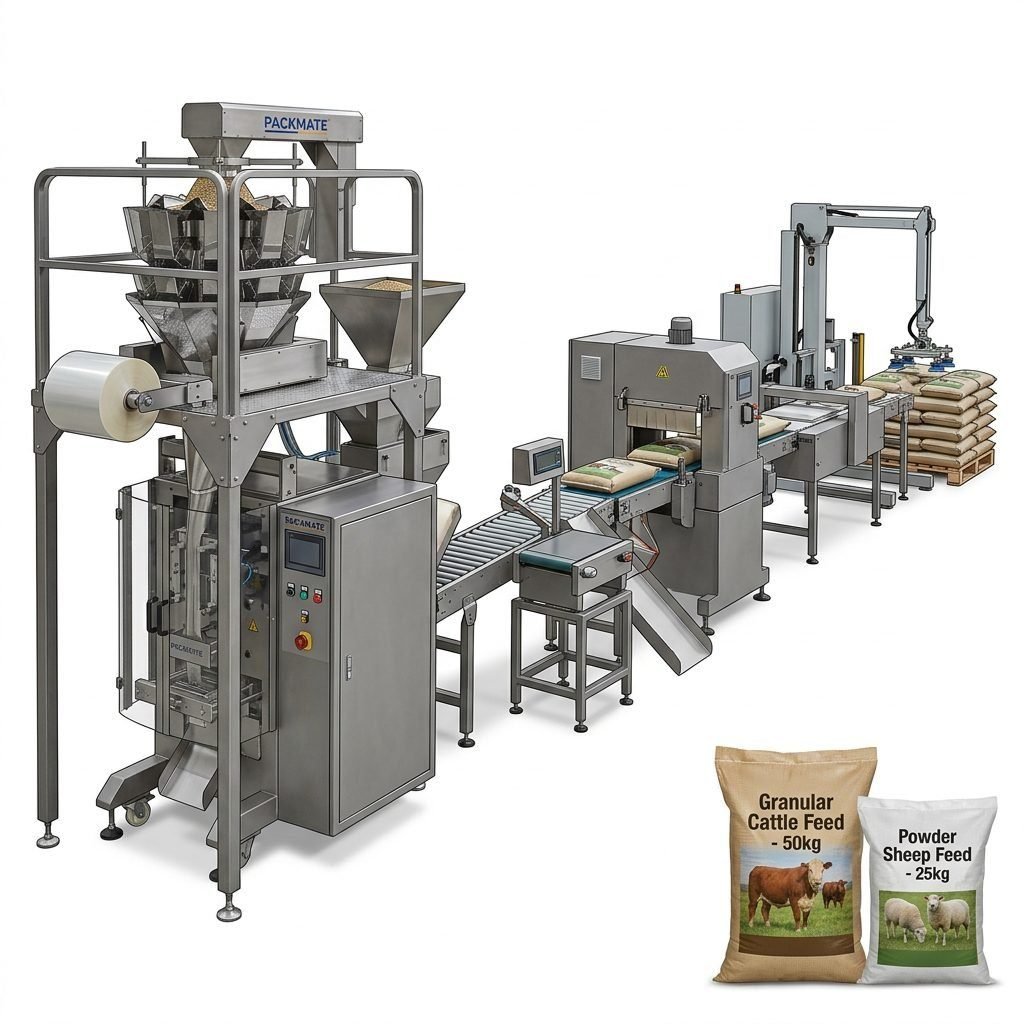
The backbone of any production facility is its core packaging machinery. These systems are designed for specific functions and materials, forming an integrated line from product filling to final sealing.
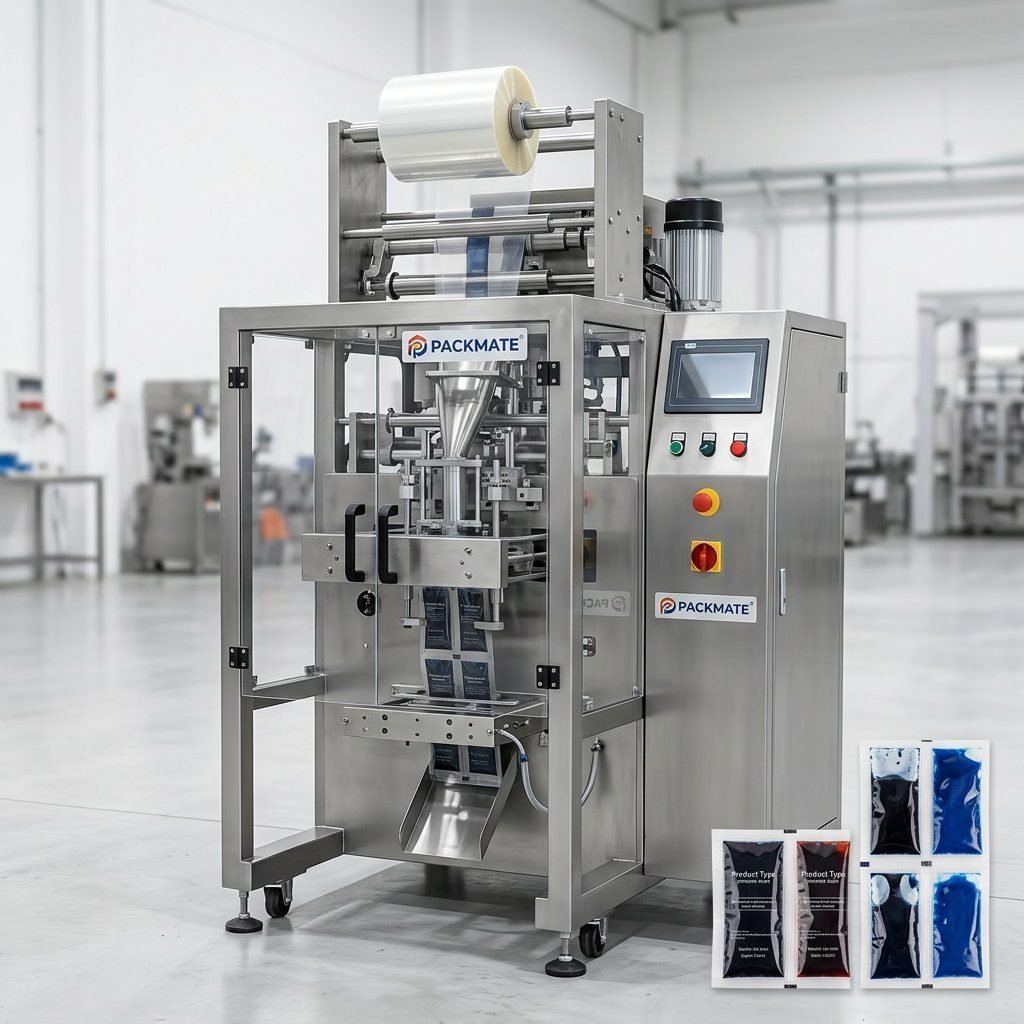
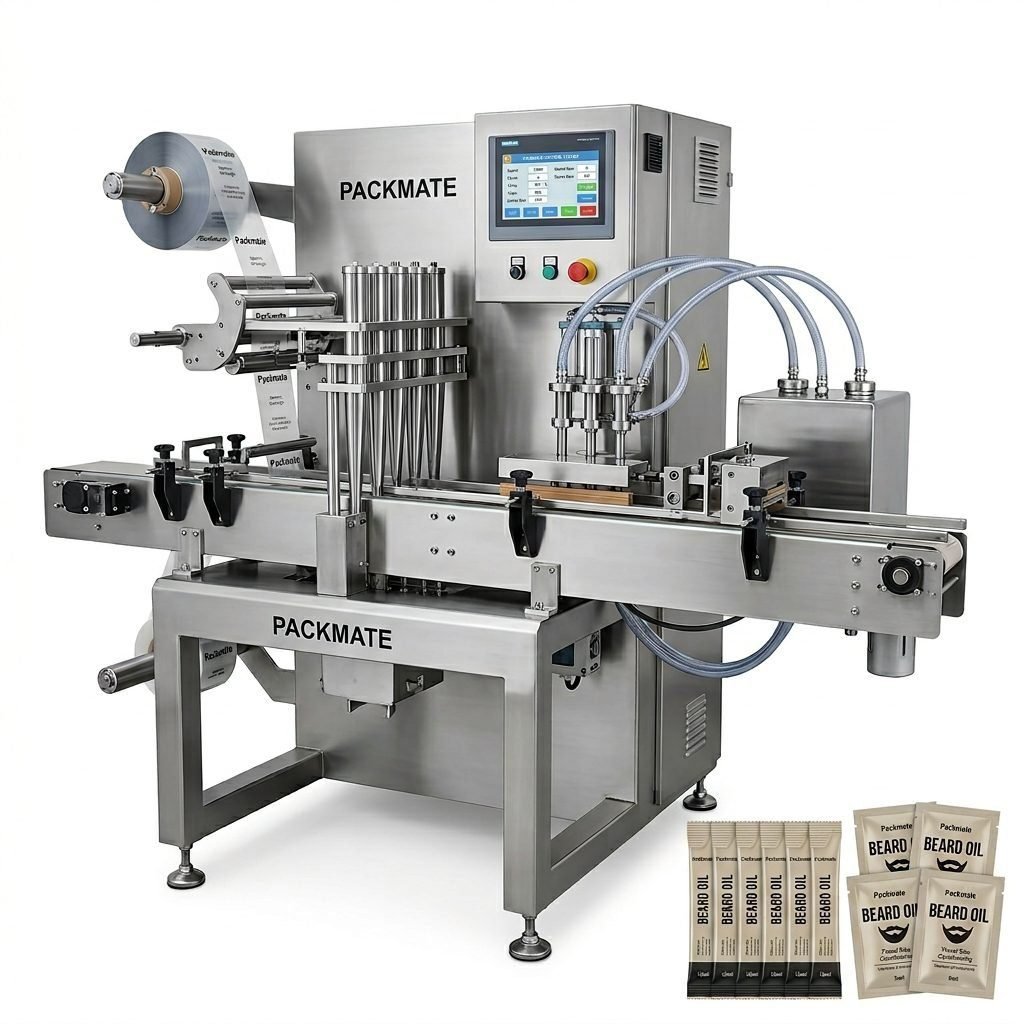
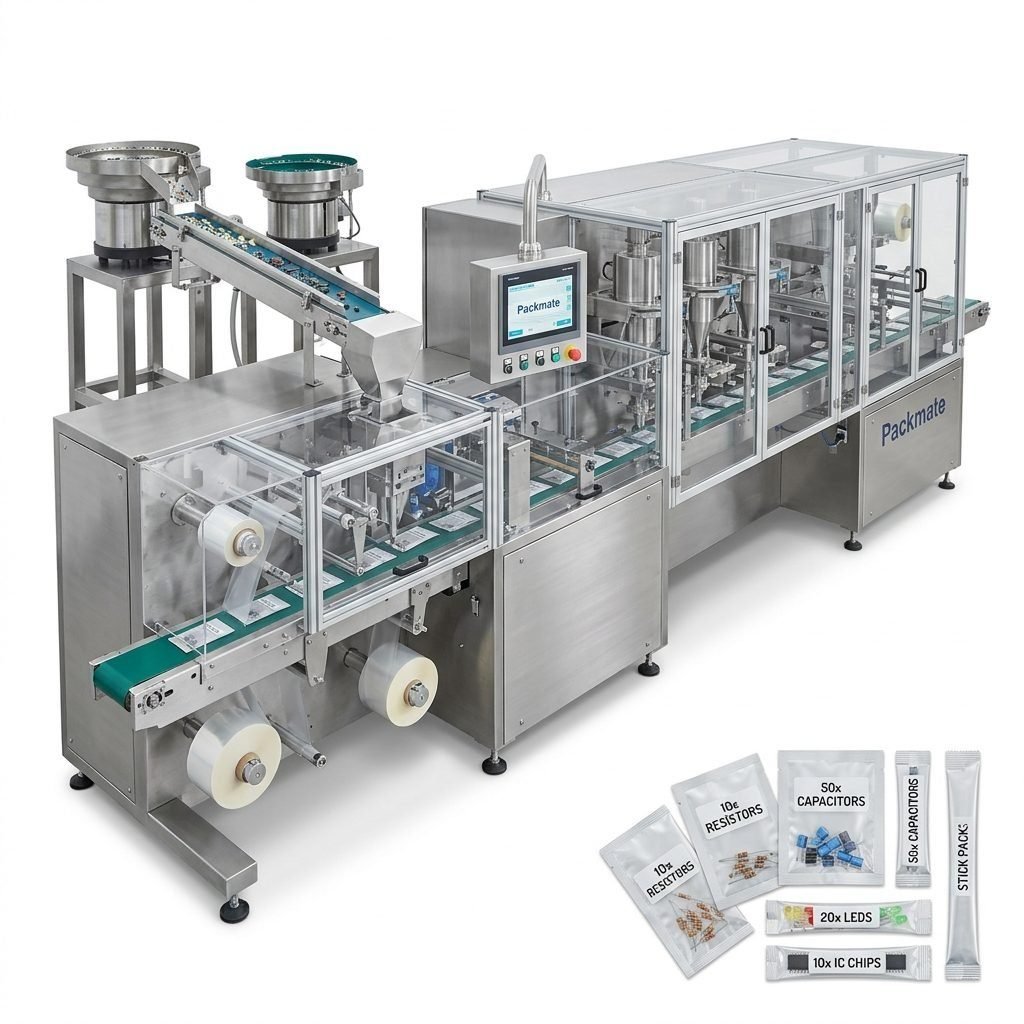
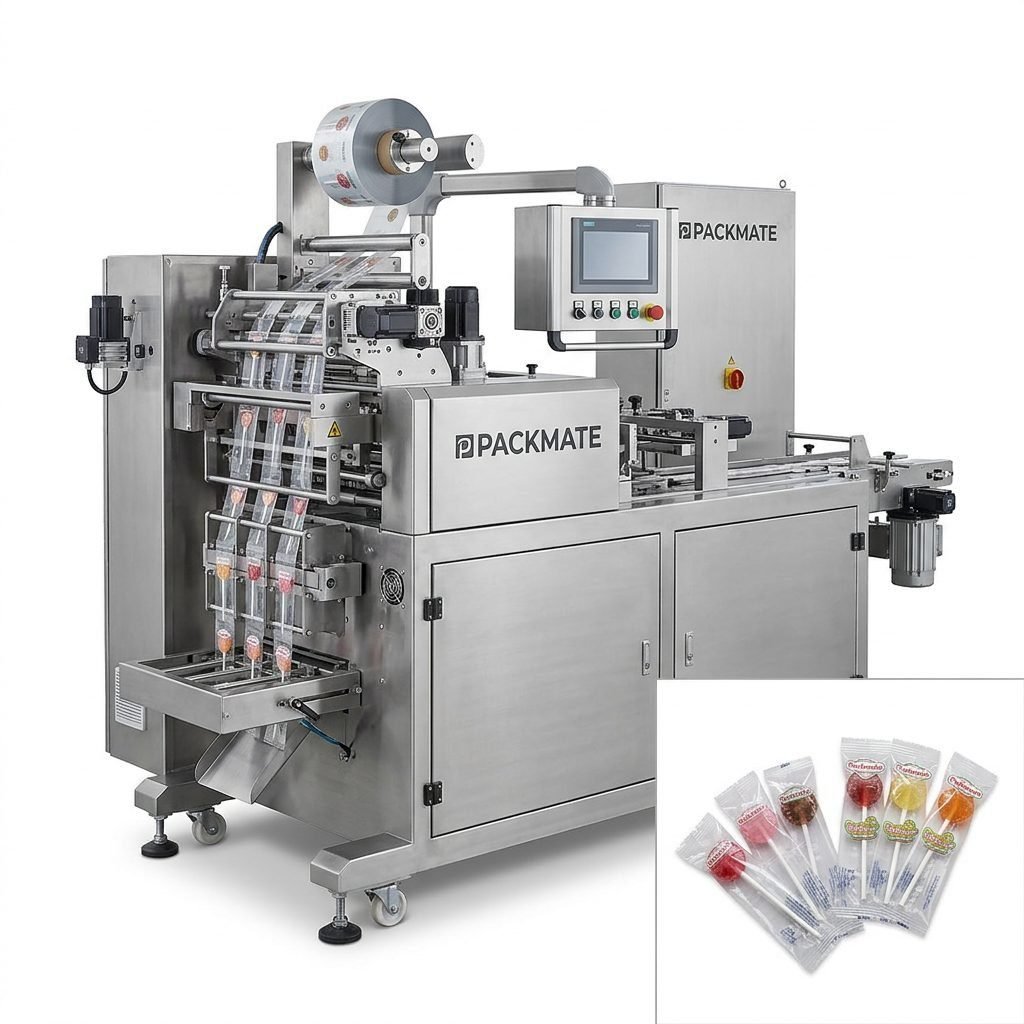
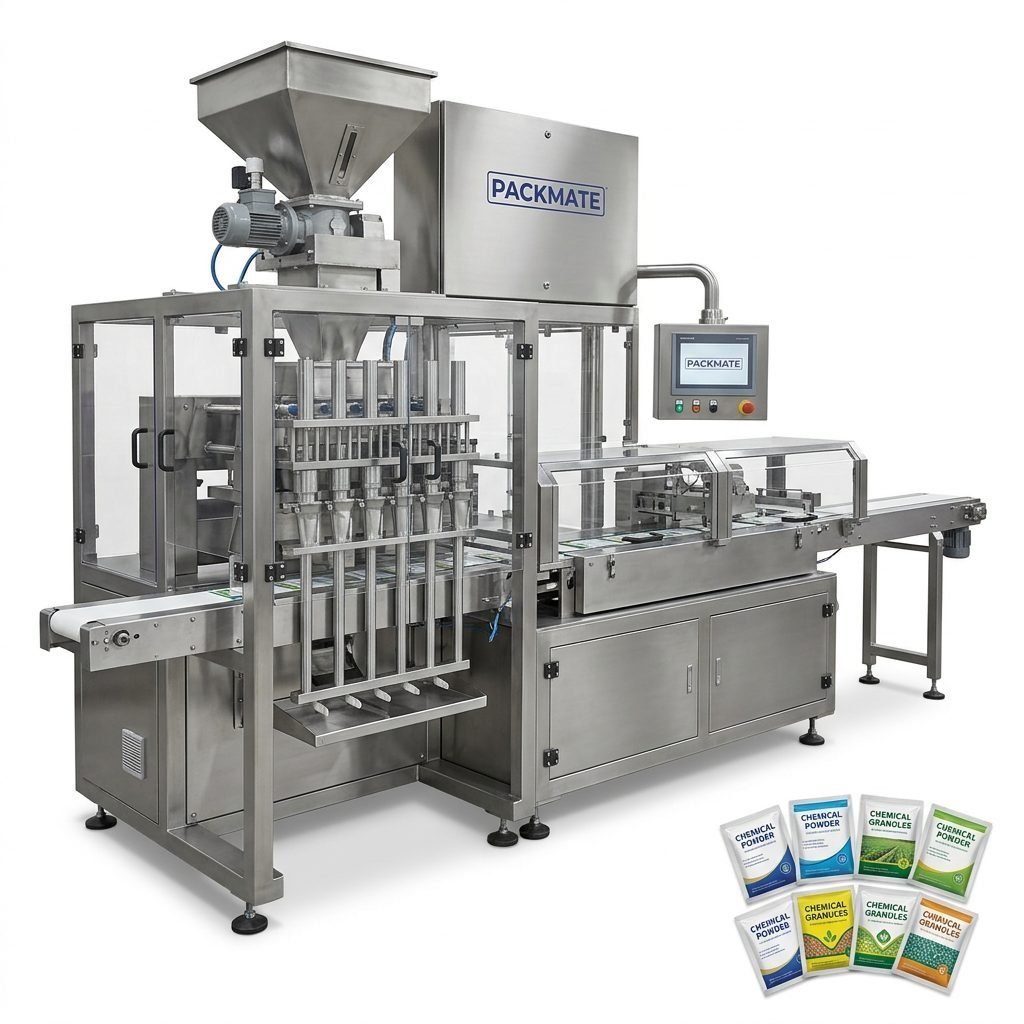
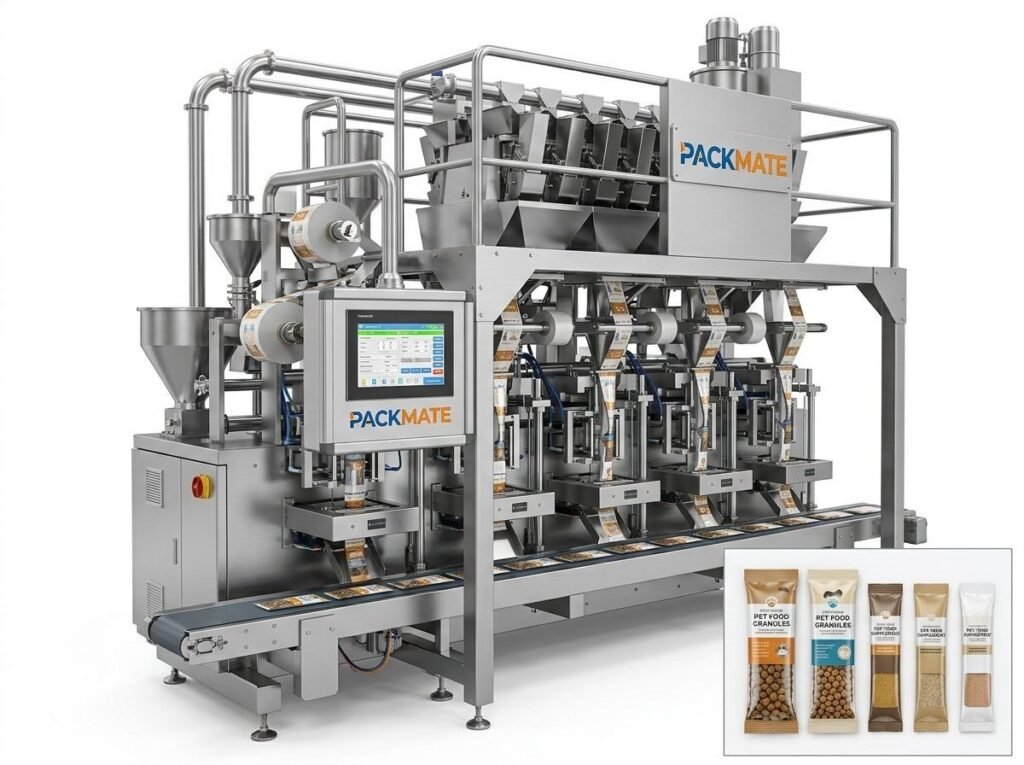
A primary category is form-fill-seal (FFS) machines. These versatile units create the package from a roll of film, fill it with product, and seal it—all in one continuous operation. They are ideal for producing sachets, stick packs, and pouches for products like sauces, spices, and instant beverages. The efficiency of FFS machines lies in their ability to minimize material waste and changeover time.
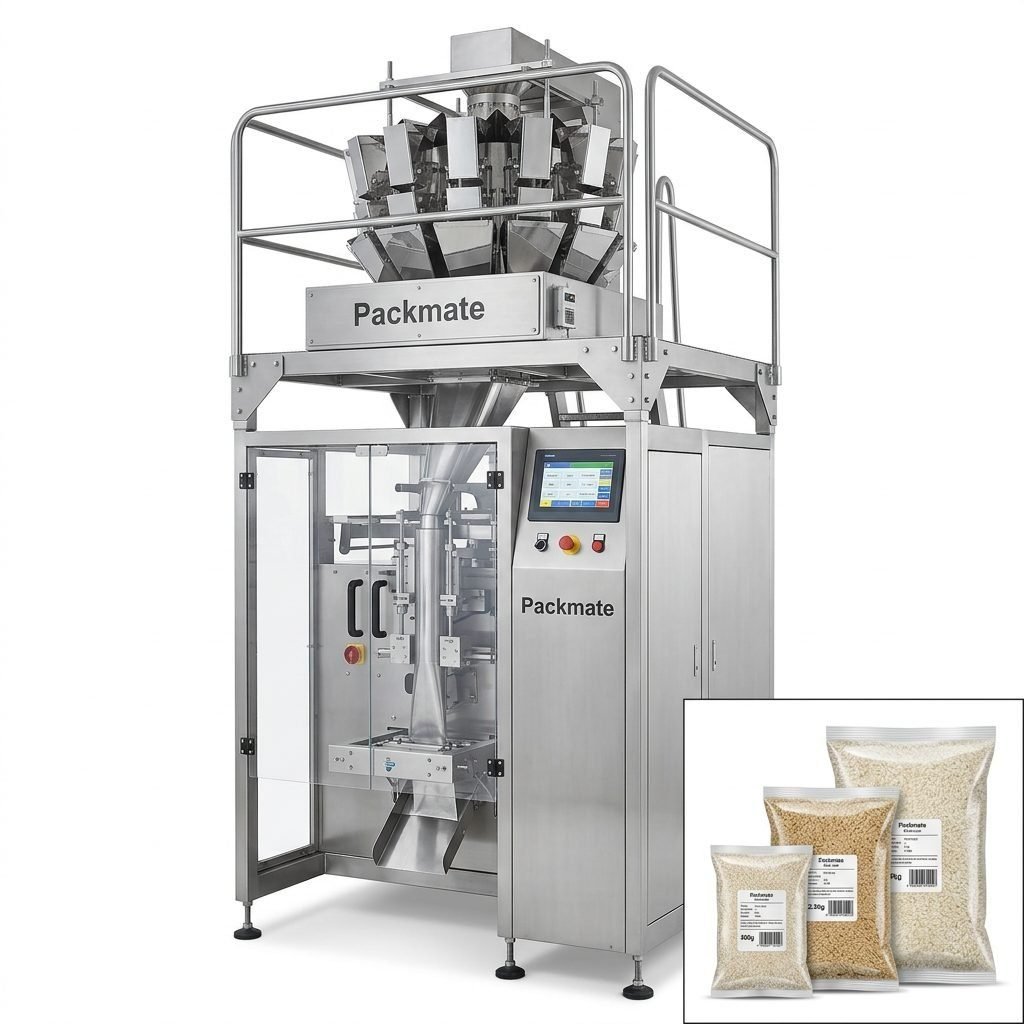
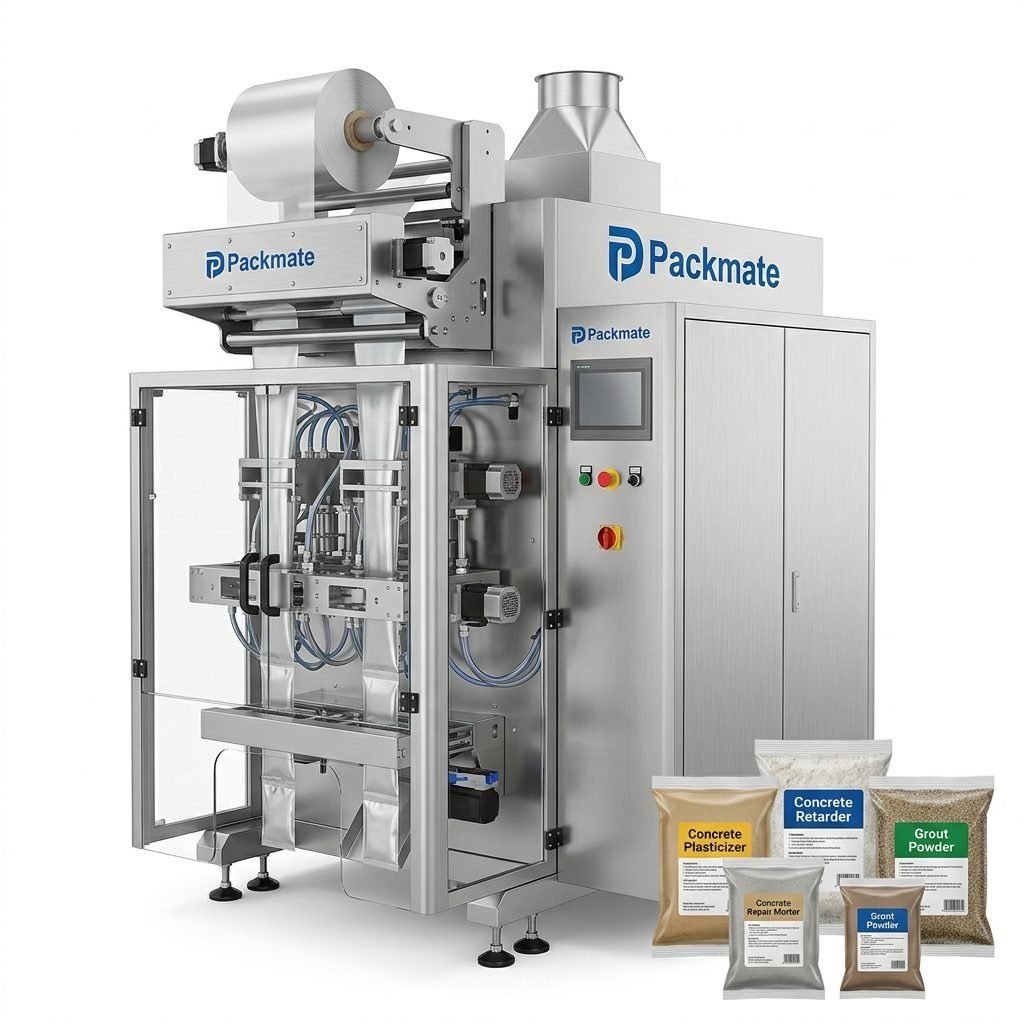
For pre-made bags or pouches, bag filling and sealing machines are the solution. They automate the opening, filling, and sealing of bags, which is crucial for products like snacks, coffee, or granular foods. When paired with advanced weighing systems, they ensure each bag meets exact weight specifications, a non-negotiable requirement for compliance and cost control.
Handling Liquids and Viscous Products
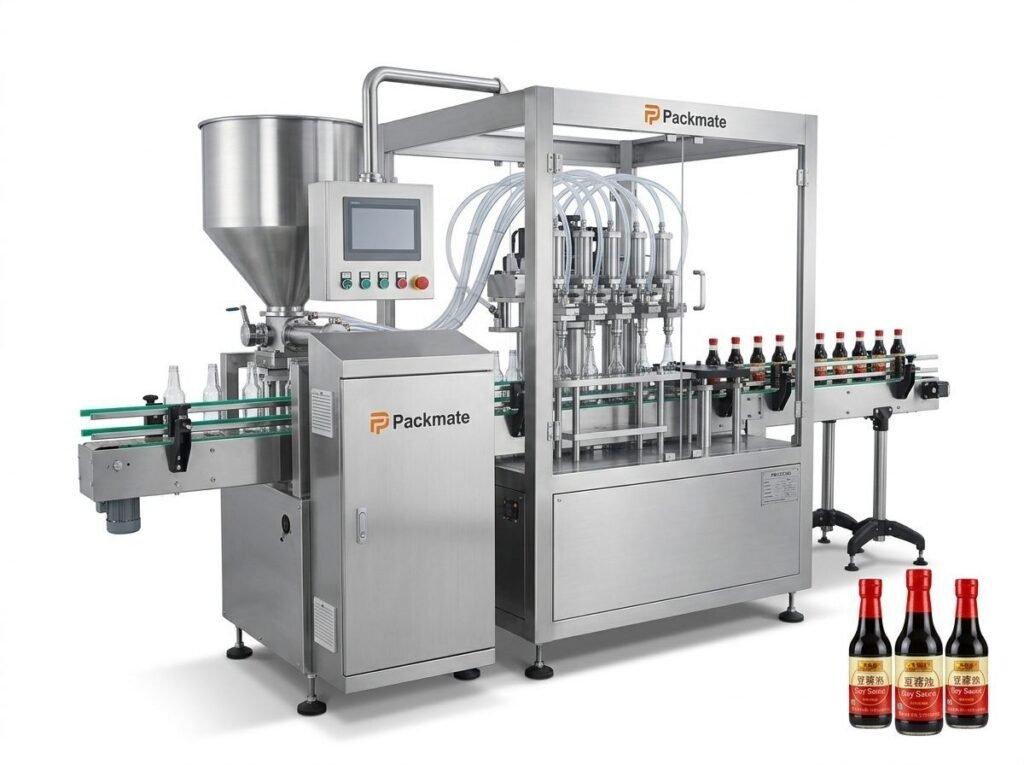
Liquid packaging presents unique challenges, requiring equipment that prevents spills, ensures accurate fill volumes, and maintains hygiene. Modern liquid filling machines use technologies like piston fillers, gravity fillers, or volumetric pumps to handle everything from water and juices to oils and syrups. For thicker products like yogurts, creams, or condiments, specialized viscous filling machines with positive displacement pumps are essential. Integrating these fillers into a complete filling and packaging line streamlines the entire process from bottle unscrambling to capping and labeling.
The Role of Automation and Intelligence
The shift from mechanical operation to intelligent automation is the defining trend in packaging equipment. Modern machines are equipped with PLC (Programmable Logic Controller) systems and HMI (Human-Machine Interface) touchscreens, allowing for precise control, recipe storage, and easy adjustment of parameters like speed, fill volume, and temperature.
A key intelligent feature is real-time monitoring and data collection. Sensors track production counts, machine efficiency (OEE), and downtime causes. This data is invaluable for predictive maintenance, helping operators address potential issues before they cause a line stoppage, thereby maximizing uptime and productivity.
Furthermore, vision inspection systems are becoming standard for quality assurance. These cameras can check for fill levels, label placement, seal integrity, and even date/batch code legibility, automatically rejecting any non-conforming packages. This level of automation is crucial for meeting stringent food safety standards like HACCP and for brands that cannot afford quality inconsistencies.
Selecting the Right Equipment for Your Needs
Choosing packaging machinery is a significant investment. The right decision hinges on a clear understanding of your specific requirements. Start by defining your product characteristics: Is it a powder, granule, liquid, or solid? What are its flow properties and sensitivity to heat or moisture? Next, consider your production volume and speed requirements. A machine that is too slow creates bottlenecks, while an overly complex, high-speed machine may be an unnecessary capital expenditure for a small operation.
Material compatibility is another critical factor. Ensure the machine’s contact parts are made from food-grade, corrosion-resistant materials like stainless steel 304 or 316, especially for acidic or salty products. Finally, evaluate the supplier’s reputation. A manufacturer with a long history, like Packmate Machinery, which has over 30 years of expertise, offers not just a machine but reliability, technical support, and a commitment to innovation. Reviewing their case studies can provide insight into real-world applications.
Future Trends and Sustainability
The future of food and beverage packaging equipment is being shaped by two powerful forces: digital integration and environmental responsibility. The Industrial Internet of Things (IIoT) is leading to smarter “connected” machines that can communicate with factory ERP/MES systems, providing end-to-end supply chain visibility and enabling true lights-out manufacturing scenarios.
Simultaneously, the push for sustainability is driving equipment innovation. Machines are being designed to handle new, eco-friendly materials like mono-plastics, compostable films, and paper-based laminates, which may have different sealing and handling properties than traditional plastics. There is also a strong focus on designing equipment for source reduction—creating packages that use less material without compromising product protection—and for easier recycling through design-for-disassembly principles.
In conclusion, modern food and beverage packaging equipment is a sophisticated fusion of mechanical engineering, software intelligence, and material science. Investing in the right technology is an investment in brand consistency, operational efficiency, and future readiness. By understanding core machine types, embracing automation, and selecting a partner with proven expertise, producers can build packaging lines that are not only productive today but also adaptable for the challenges and opportunities of tomorrow.
Frequently Asked Questions (FAQs)
1. What is the most important factor when choosing a packaging machine for a new product?
The most critical factor is a thorough understanding of your product’s physical properties (e.g., viscosity, granular size, abrasiveness) and the required packaging material. A machine must be precisely matched to both to ensure reliable operation, accurate filling, and a quality seal. It’s highly recommended to conduct product tests with the equipment supplier before purchase.
2. How can I improve the efficiency of my existing packaging line?
Efficiency gains often come from reducing changeover time and unplanned downtime. Consider retrofitting with quick-change parts, implementing a preventive maintenance schedule, and adding basic automation like automatic film splicing or centralized lubrication systems. Analyzing production data to identify the most frequent stoppage causes is the first step toward targeted improvement.
3. What are the benefits of a multi-lane stick pack machine over a single-lane machine?
Multi-lane machines dramatically increase output by packaging multiple stick packs simultaneously (e.g., 4, 6, or 8 lanes). They offer a much higher production speed for the same floor space, improving your cost-per-unit. They are the ideal choice for high-volume products like instant drink mixes, sugar, or powdered supplements.
4. Can one machine handle different types of packaging, like both sachets and stick packs?
Typically, sachet and stick pack machines are designed for specific package styles due to different forming techniques and film path geometries. While some advanced models may offer conversion kits to switch between similar styles, a dedicated machine for each primary package type usually provides better stability, speed, and seal quality. It’s best to consult with the manufacturer for your specific needs.
5. What kind of after-sales support should I expect from a packaging equipment manufacturer?
Comprehensive support is crucial. Expect detailed installation guidance, operator and maintenance training, readily available spare parts, and access to technical service (both remote and on-site). A reputable manufacturer will also provide clear documentation, including manuals and electrical diagrams. The warranty period and terms are a key indicator of the manufacturer’s confidence in their equipment’s reliability.