The world of cold drinks is vast and ever-growing, and at the heart of its commercial success lies efficient, reliable packaging. Choosing the right cold drink packaging machine is a critical decision for any beverage producer, impacting everything from product integrity and shelf appeal to operational costs and production speed. This guide will navigate you through the different types of machines, their key features, and essential buying considerations to help you make an informed investment.
Understanding the Types of Cold Drink Packaging Machines
Cold drinks come in various forms—liquid concentrates, powdered mixes, syrups, and ready-to-drink beverages—each requiring specific packaging solutions. The primary machine types are defined by the final package format they produce.
Sachet & Stick Pack Machines
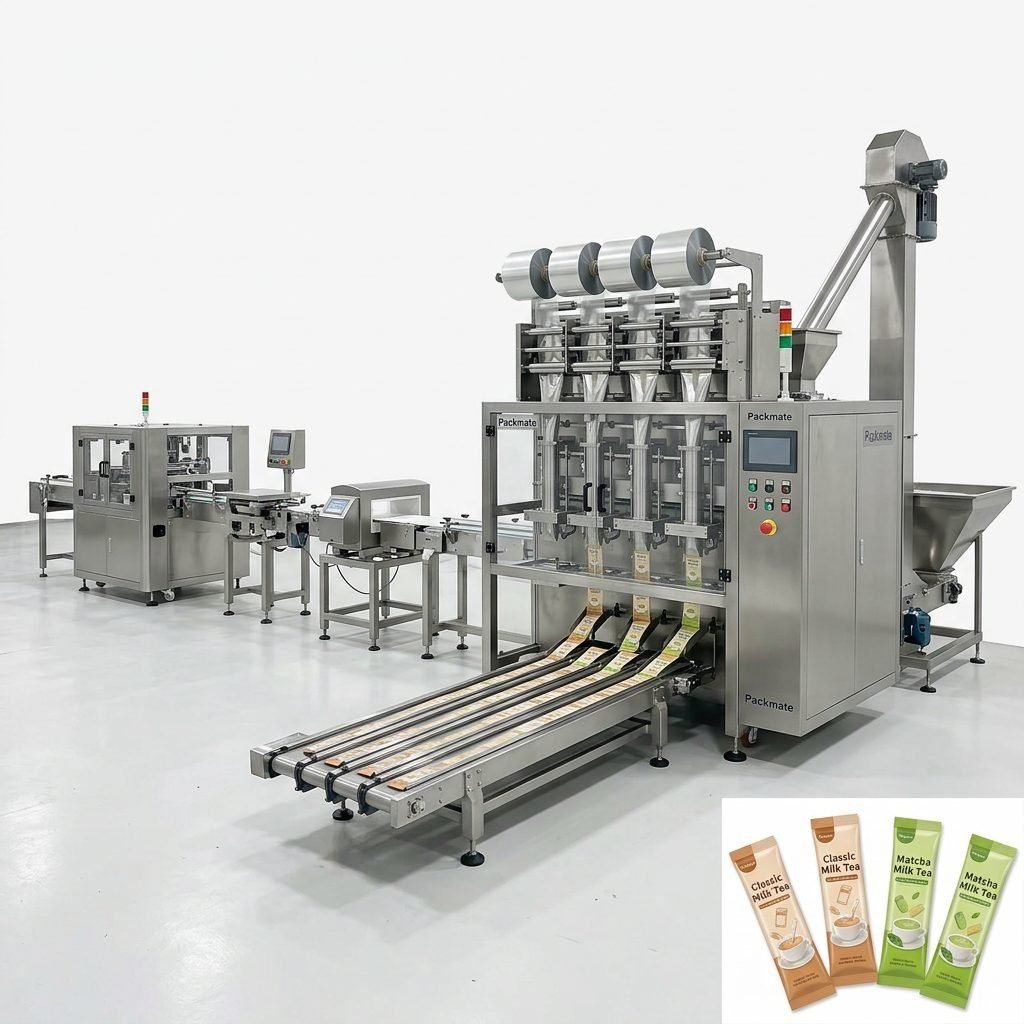
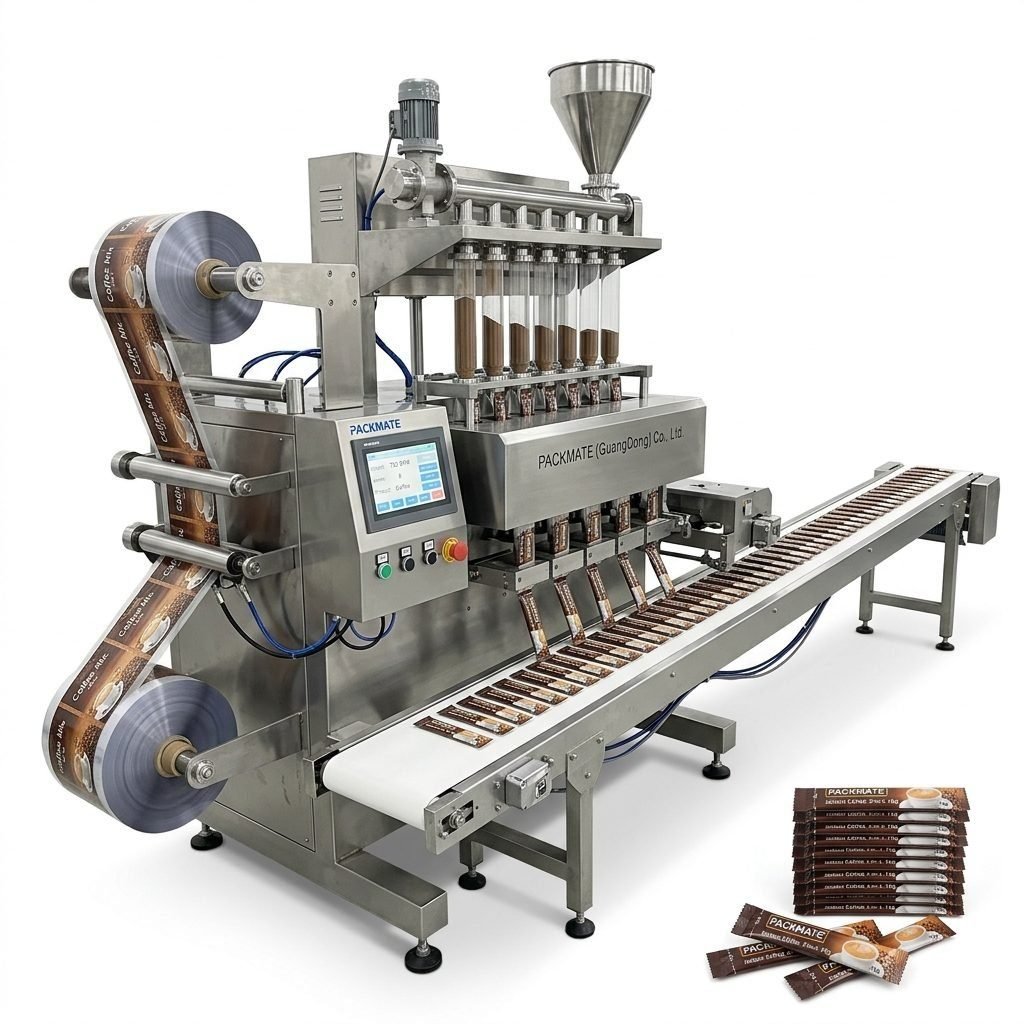
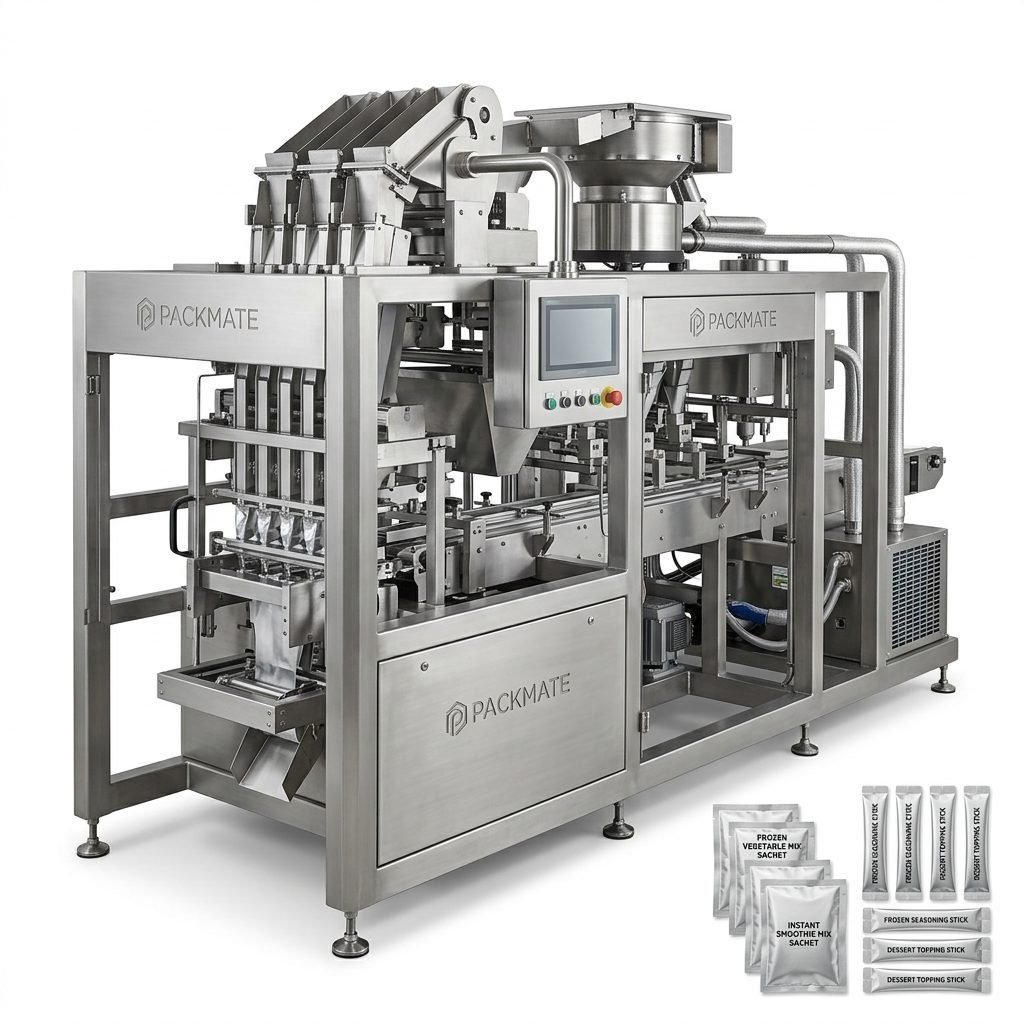
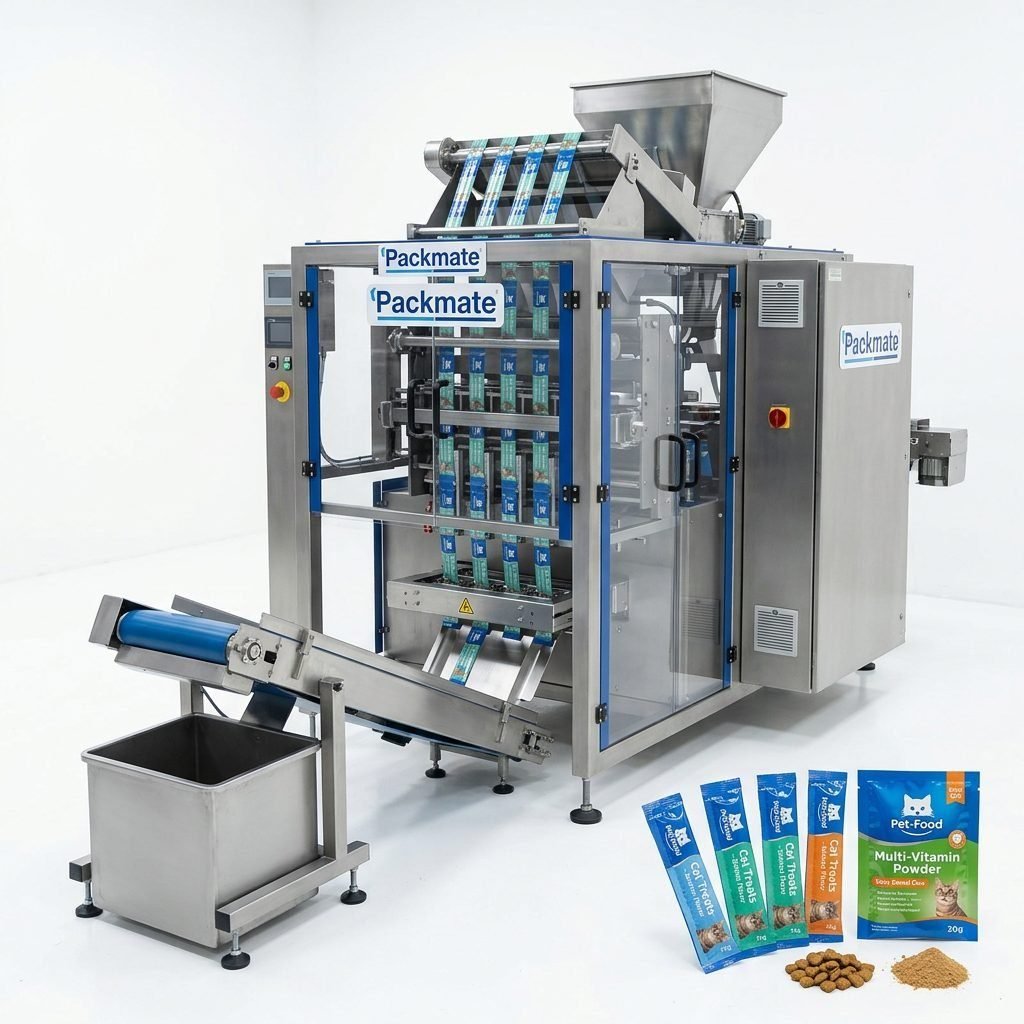
Ideal for single-serve portions of drink powders, concentrates, or liquid shots, these machines create small, sealed pouches. Stick packs are tall and narrow, perfect for powders that need to be poured into water. Sachets can be square or rectangular, often used for thicker concentrates or liquid flavors. Modern machines, like the multi-lane models from Packmate, can produce several thousand of these small packs per minute, offering incredible efficiency for high-volume products like iced tea or energy drink mixes.
Key Application:
Portion-controlled drink mixes, coffee and tea powders, electrolyte supplements, and liquid flavor enhancers for water.
Pouch & Bag Packaging Machines
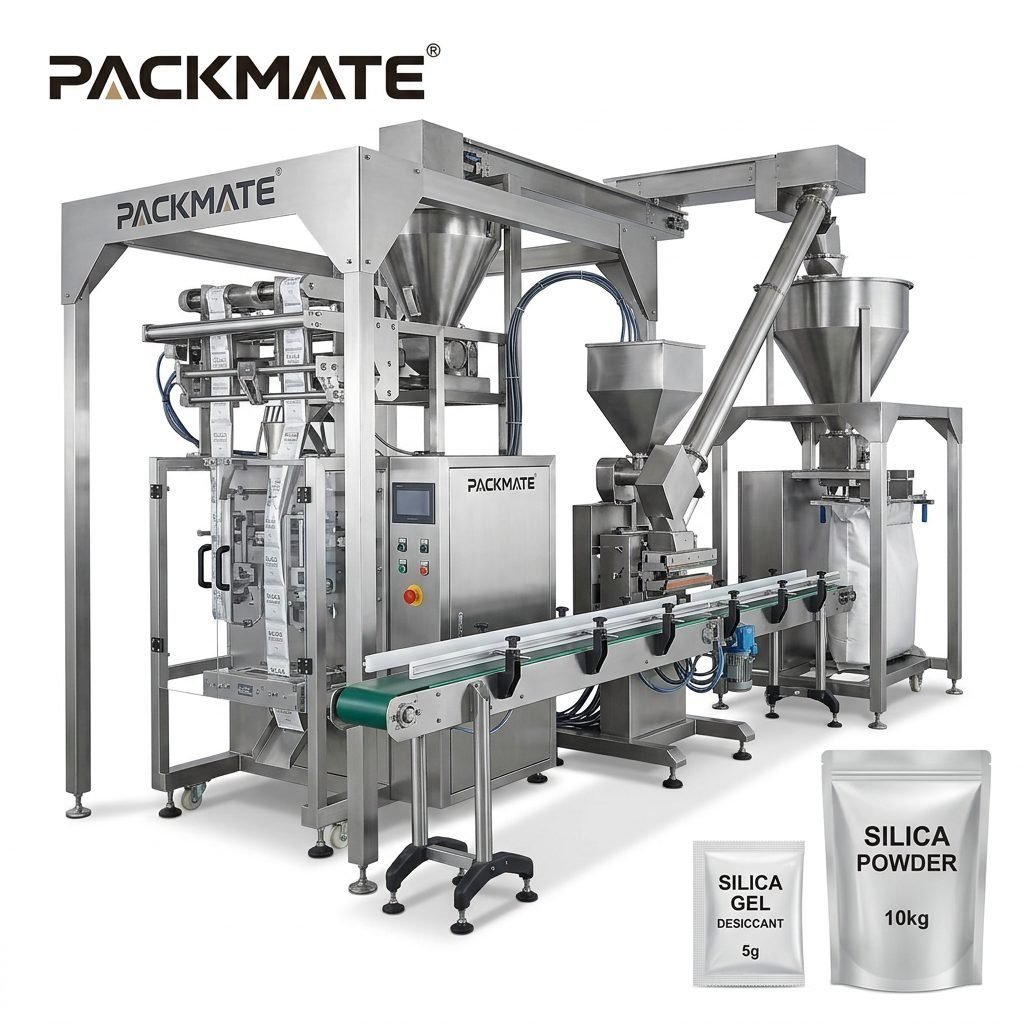
For larger volumes, such as family-sized drink powders or liquid beverage bases, pouch packaging machines are the go-to choice. They can handle a wider range of materials, including multi-layer films for better barrier properties (oxygen and moisture), which is crucial for preserving flavor and preventing clumping. These machines can create stand-up pouches, flat pouches, or even spouted pouches for easy pouring. The versatility in size and material makes them suitable for products ranging from lemonade powder to cocktail mixers.
Liquid Filling & Sealing Lines
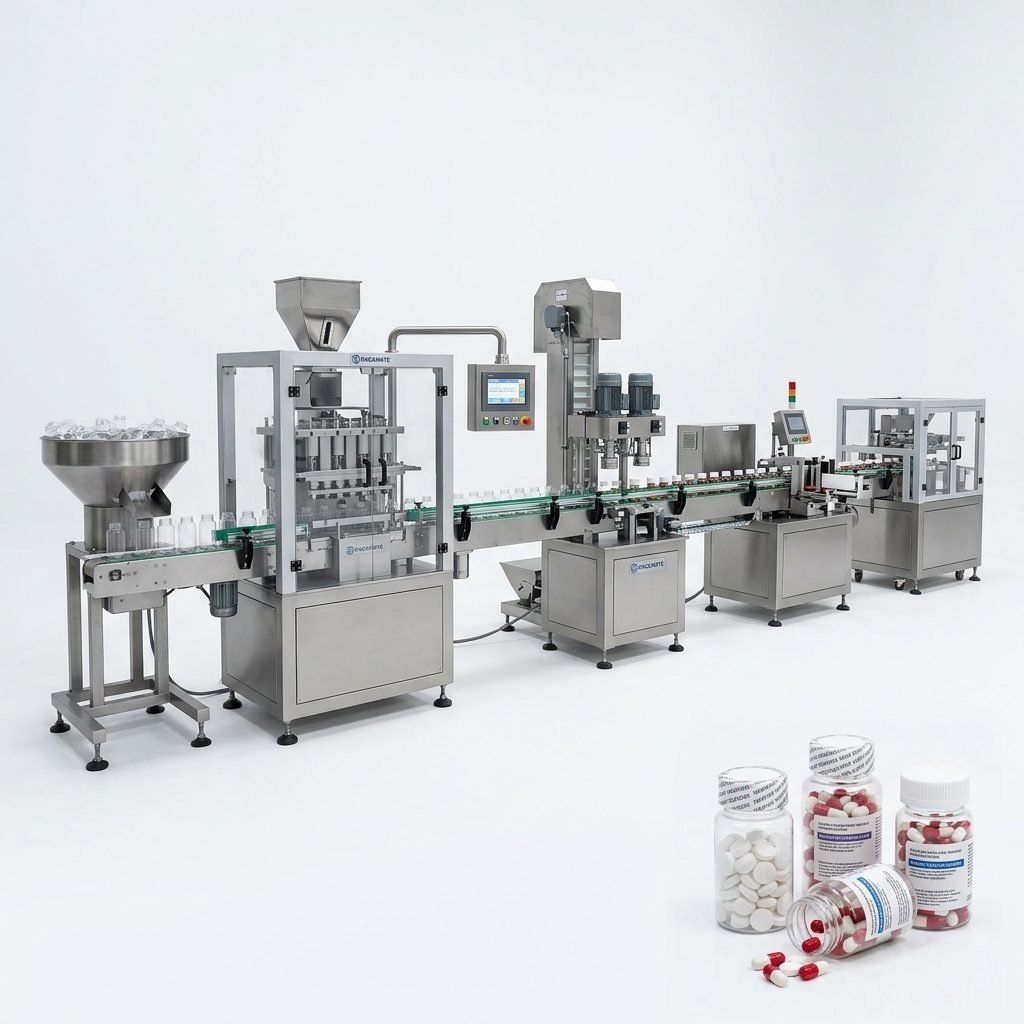
This category is dedicated to packaging ready-to-drink (RTD) liquid beverages into cups, bottles, or specialized containers. A complete line integrates several functions: container feeding, precise volumetric or gravity filling of cold liquids, sealing (with foil, film, or caps), and sometimes even cooling or labeling. The precision of the filler is paramount to ensure consistent volume and minimize costly product giveaway.
Essential Features to Look For
Beyond the package type, the machine’s features determine its suitability for your specific product and production environment.
1. Material Compatibility & Sealing Integrity
The machine must be compatible with your chosen packaging film or laminate. For cold drink powders, a high-barrier film that resists moisture is essential. For liquid products, the film must have excellent seal integrity to prevent leaks. Look for machines with precision temperature-controlled sealing jaws that can consistently create strong seals across the entire production run, even at high speeds.
2. Accuracy of Dosing/Filling System
Product giveaway directly eats into profits. Whether it’s a powder auger filler, a liquid piston filler, or a weigh scale system, the dosing mechanism must be extremely accurate. For premium products or those with expensive ingredients, multi-head weighers or precision servo-driven augers offer the best accuracy, ensuring every pack contains the exact specified amount.
Critical Consideration: Hygienic Design
Since the machine handles consumable products, a hygienic design is non-negotiable. Features like stainless steel contact parts, easy-access panels for cleaning, and minimal crevices where product or moisture can accumulate are vital. This is especially important for sugar-based drink mixes that can attract insects or promote bacterial growth if residue is left behind.
3. Production Speed & Flexibility
Speed is measured in packs-per-minute (PPM). Your required output will dictate the machine’s lane count and operational speed. However, flexibility is equally important. Can the machine easily switch between different pack sizes or products with minimal downtime and changeover parts? In a market with frequent new product launches, this flexibility can be a major competitive advantage.
4. Control System & Ease of Operation
A user-friendly PLC (Programmable Logic Controller) with a touchscreen HMI (Human-Machine Interface) is standard on modern machines. It should allow operators to easily set parameters, monitor production data, and diagnose common faults. The simpler the interface, the less training required and the lower the risk of operator error.
Practical Buying Tips for Your Investment
Purchasing a packaging machine is a significant capital expenditure. Follow these steps to ensure you select the right partner and equipment.
Step 1: Define Your Product & Output Requirements Clearly. Before talking to suppliers, know your product’s physical properties (flowability, density), your desired package size/format, and your target production speed (both current and projected future needs).
Step 2: Prioritize Reliability and After-Sales Support. A machine is only as good as the company behind it. Research the manufacturer’s reputation. How long have they been in business? Do they have a proven track record in the food or beverage industry? Crucially, what is their service and support structure? Availability of spare parts, technical support, and service engineers can mean the difference between a minor hiccup and a week of costly downtime.
Step 3: Request a Product Sample Test. Never buy a machine based on specifications alone. Any reputable manufacturer, such as Packmate Machinery, will offer to run a test with your actual product and packaging materials. This live demonstration is the best way to verify speed, accuracy, seal quality, and overall performance.
Step 4: Consider Total Cost of Ownership (TCO). Look beyond the initial purchase price. Factor in energy consumption, required operator skill level, maintenance costs, and the cost of changeover parts for different package sizes. A slightly more expensive but robust and efficient machine often has a lower TCO over 5-10 years.
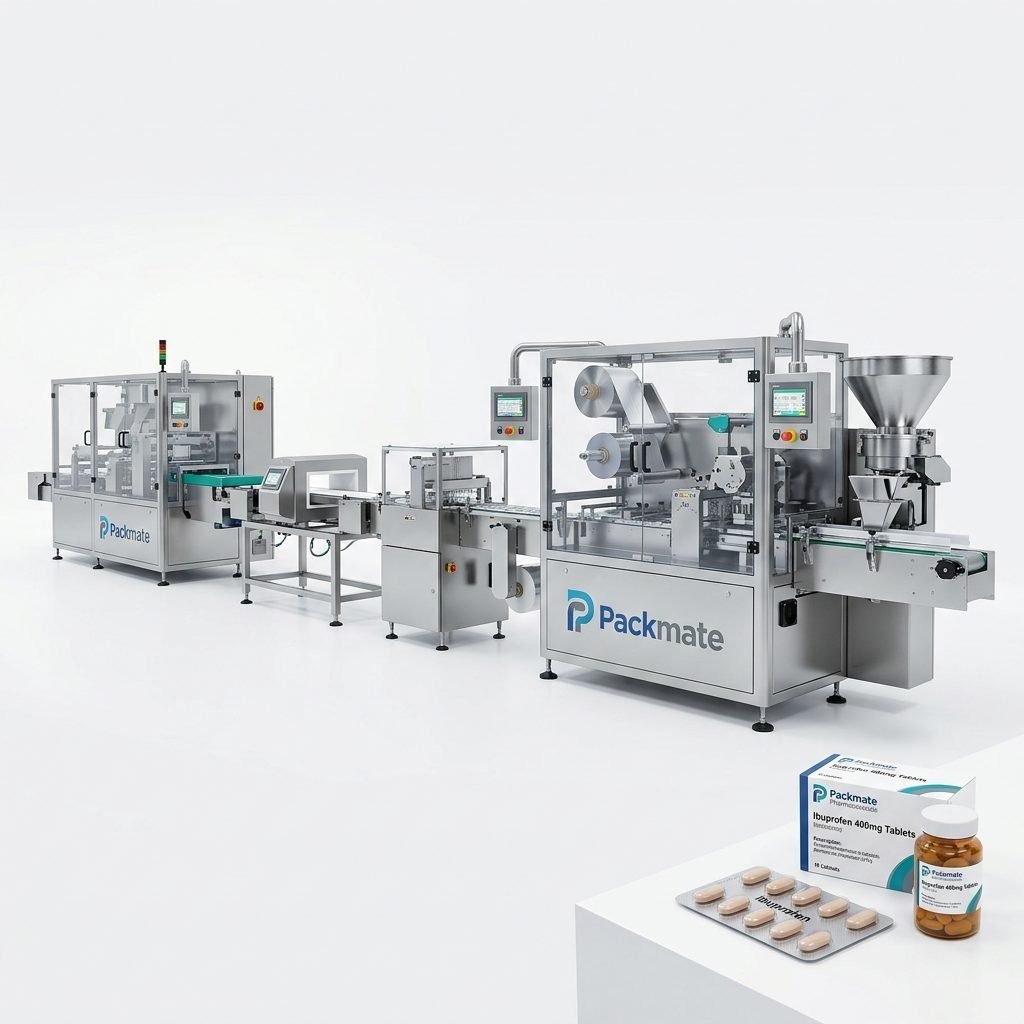
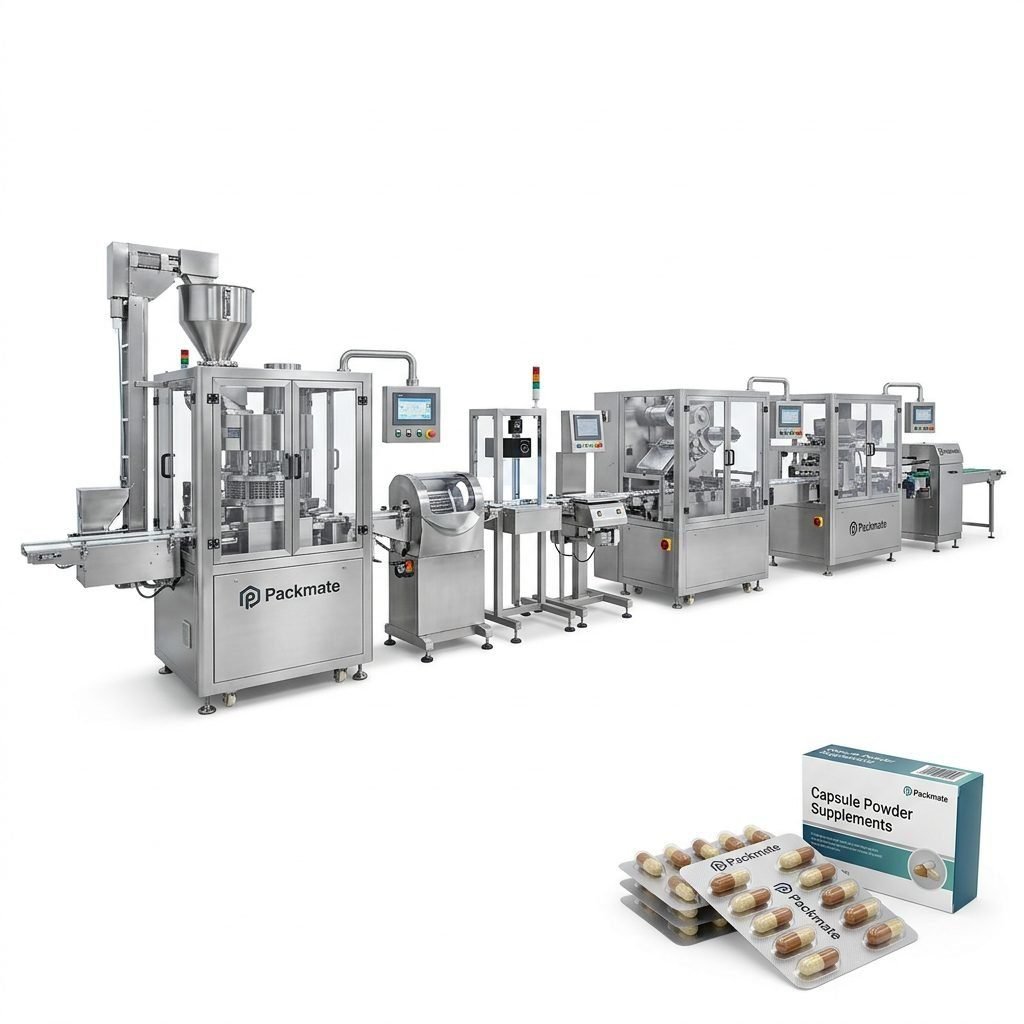
Step 5: Plan for Future Growth. Consider if the machine can be upgraded or integrated into a larger automated packaging line in the future, with add-ons like checkweighers, metal detectors, or cartoning systems.
Frequently Asked Questions (FAQs)
1. What is the typical production speed for a stick pack machine for drink powders?
Speeds vary greatly by machine configuration. A single-lane machine may produce 60-120 sticks per minute, while advanced multi-lane machines from leading manufacturers can produce from 400 to over 1,200 sticks per minute, depending on the pack size and product characteristics.
2. Can one machine handle both powder and liquid cold drink products?
Generally, no. Powder and liquid fillers use fundamentally different dosing mechanisms (augers vs. pumps/pistons). While some machines are designed to be versatile, switching between such different product types usually requires significant component changes and re-validation. It’s often more effective to have dedicated machines for each product form.
3. How important is the packaging film, and who supplies it?
The film is critical—it protects the product and is the primary customer interface. The machine manufacturer typically specifies the required film properties (type, thickness, seal layer) but may not supply it directly. You will usually source the film from a flexible packaging converter, who will produce it to the specifications that ensure it runs reliably on your chosen machine.
4. What kind of factory utilities are required to run these machines?
At a minimum, you will need a stable electrical power supply (voltage as per machine specs) and compressed air for pneumatic components. Liquid filling lines may require access to water for cooling or cleaning-in-place (CIP) systems. Always confirm the exact utility requirements with the machine supplier during the planning stage.
5. What is the lead time for receiving a new cold drink packaging machine?
Lead times can range from 8 to 20 weeks or more after order confirmation, depending on the machine’s complexity, customization level, and the manufacturer’s production schedule. Standard models may be available sooner, while fully custom, high-speed integrated lines require longer design, fabrication, and testing periods.