In today’s fast-paced manufacturing landscape, efficiency and reliability are paramount. The automatic carton packaging machine stands as a cornerstone technology for businesses looking to streamline their final packaging operations, reduce labor costs, and ensure consistent product presentation. This complete guide delves into the mechanics, benefits, and selection criteria for these machines, providing a pathway to more efficient packaging solutions.
Understanding Automatic Carton Packaging Machines
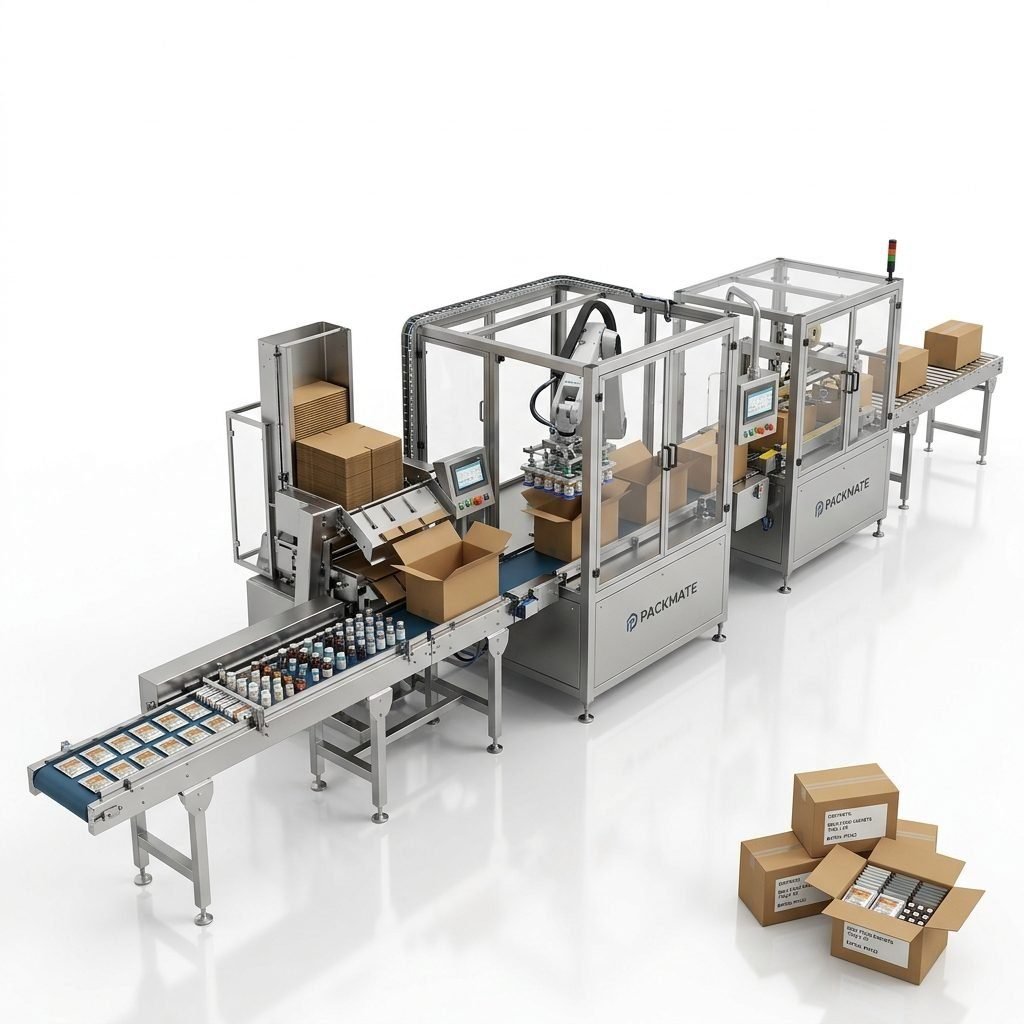
An automatic carton packaging machine is a sophisticated system designed to form, fill, and seal cartons or boxes with minimal human intervention. These machines take flat, die-cut carton blanks, erect them into three-dimensional boxes, insert the product—which could be bottles, pouches, sachets, or other items—and finally seal the carton flaps. The entire process is controlled by programmable logic controllers (PLCs) and often integrates seamlessly with upstream production lines like filling & packaging lines and downstream systems such as palletizers.
Core Functions and Workflow
The typical workflow of an automatic cartoner involves several key stages:
- Carton Feeding: Blanks are loaded from a magazine or hopper.
- Carton Forming: The machine opens the blank into its box shape.
- Product Loading: Items are inserted manually by a robot or via an infeed conveyor. This stage is critical and often supported by auxiliary packaging equipment for precise handling.
- Flap Closing and Sealing: Flaps are folded and sealed using hot melt glue, pressure-sensitive tape, or locking tabs.
Key Benefits for Modern Operations
Investing in an automatic cartoning system delivers transformative advantages. The most significant is the dramatic increase in production speed and output. Machines can consistently form and seal hundreds of cartons per minute, far surpassing manual capabilities. This leads directly to reduced labor costs and minimizes human error, ensuring every carton is uniform and professionally presented.
Furthermore, these machines offer exceptional flexibility and adaptability. With quick-change parts and programmable settings, a single machine can often handle multiple carton sizes and styles, making it ideal for businesses with diverse product lines. This versatility is a hallmark of modern packing machine solutions.
Enhanced Hygiene and Safety
In industries like pharmaceuticals, food, and health products, contamination control is non-negotiable. Automatic cartoners limit direct product handling, creating a more hygienic packaging environment. They also improve workplace safety by automating repetitive tasks that could lead to strain injuries.
Choosing the Right Machine for Your Needs
Selecting the ideal automatic carton packaging machine requires careful analysis of your specific requirements. Not all machines are created equal, and the right choice depends on several interrelated factors.
Critical Selection Criteria
Product Characteristics: The size, weight, shape, and fragility of your product dictate the machine’s loading mechanism. Delicate items may require gentle robotic pick-and-place systems.
Required Speed (CPM): Calculate your required output in cartons per minute based on production goals. Ensure the machine can meet peak demands with a slight buffer.
Carton Style and Material: Determine if you need a machine for end-load, top-load, or wrap-around cartons. The machine must be compatible with your carton board’s thickness and coating.
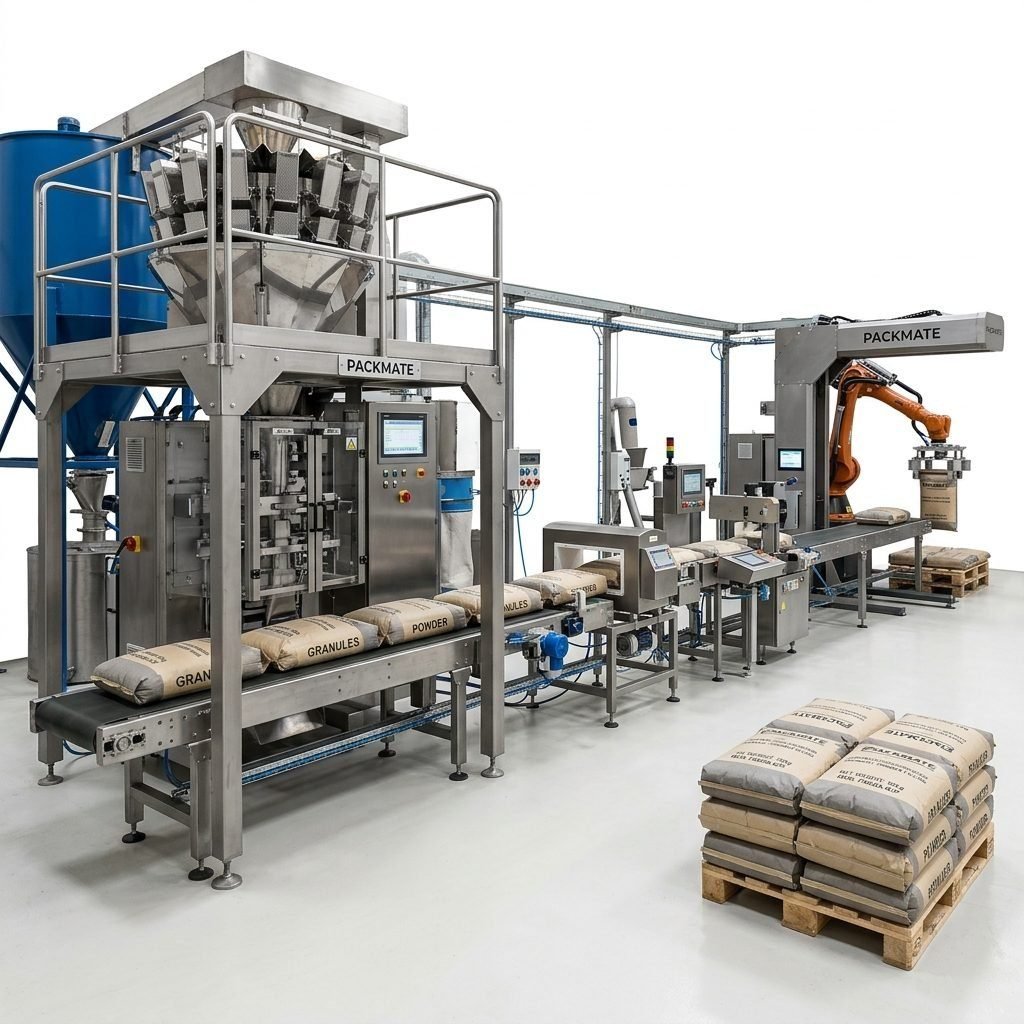
Integration Capability: The machine should interface smoothly with your existing weighing & packaging systems and conveyors. Consider future expansion plans during this stage.
Sealing Method: Choose between hot melt glue (strong, permanent), cold glue, or tape based on your carton design, product weight, and retail requirements.
Partnering with an experienced manufacturer is crucial. A provider with deep industry knowledge, like Packmate Machinery, can offer valuable guidance. With over 22 years of development and a portfolio of over 50 machine models, they understand how to match technology to application, ensuring the solution drives efficiency rather than complexity.
Implementation and Optimization
Successful implementation goes beyond installation. Proper operator training is essential for routine operation, changeovers, and basic troubleshooting. A proactive maintenance schedule, based on the manufacturer’s recommendations, is the best defense against unplanned downtime. Regularly cleaning sensors, lubricating moving parts, and inspecting wear components will keep the machine running at peak performance for years.
To truly maximize ROI, view your cartoner not as a standalone unit but as a node within a connected packaging line. Data from the machine can be used for production monitoring, traceability, and predictive maintenance, turning raw efficiency into intelligent operations.
The Future of Carton Packaging
The evolution continues toward smarter, more sustainable, and more flexible machines. Future trends include increased integration of IoT (Internet of Things) for real-time analytics, the use of vision systems for 100% quality inspection, and designs that accommodate eco-friendly, recyclable carton materials with equal efficiency. The goal remains constant: to provide a complete, reliable, and efficient solution for end-of-line packaging.
Frequently Asked Questions (FAQs)
1. What is the typical speed range of an automatic carton packaging machine?
Speeds vary greatly by model and application. Standard machines range from 60 to 200 cartons per minute (CPM). High-speed models for simple products can exceed 300 CPM. The achievable speed depends on carton complexity, product handling requirements, and the level of automation.
2. Can one machine handle different carton sizes?
Yes, most modern machines are designed for quick changeover. They use adjustable or interchangeable forming heads, pushers, and flight bars. The changeover time can range from 15 minutes to an hour, depending on the machine’s design and the operator’s skill. This flexibility is key for batch production.
3. What are the main differences between hot melt glue and tape sealing?
Hot melt glue creates a strong, permanent bond and is often used for heavier products or retail-ready packaging. It requires a glue system and periodic maintenance. Pressure-sensitive tape is cleaner, requires less maintenance, and allows for easier carton opening, but may not be as strong for heavy loads. The choice depends on product weight, carton material, and supply chain needs.
4. How important is after-sales service and support?
It is critically important. A reliable supplier should offer comprehensive training, readily available spare parts, and responsive technical support. This minimizes downtime and protects your investment. Always inquire about the supplier’s service network, warranty terms, and parts availability before purchase.
5. What industries most commonly use automatic cartoners?
These machines are ubiquitous across many sectors. Primary users include the pharmaceutical, food & beverage, cosmetics, healthcare, and consumer goods industries. Any business that needs to package multiple units into a single retail or shipping carton in high volumes can benefit from this automation.