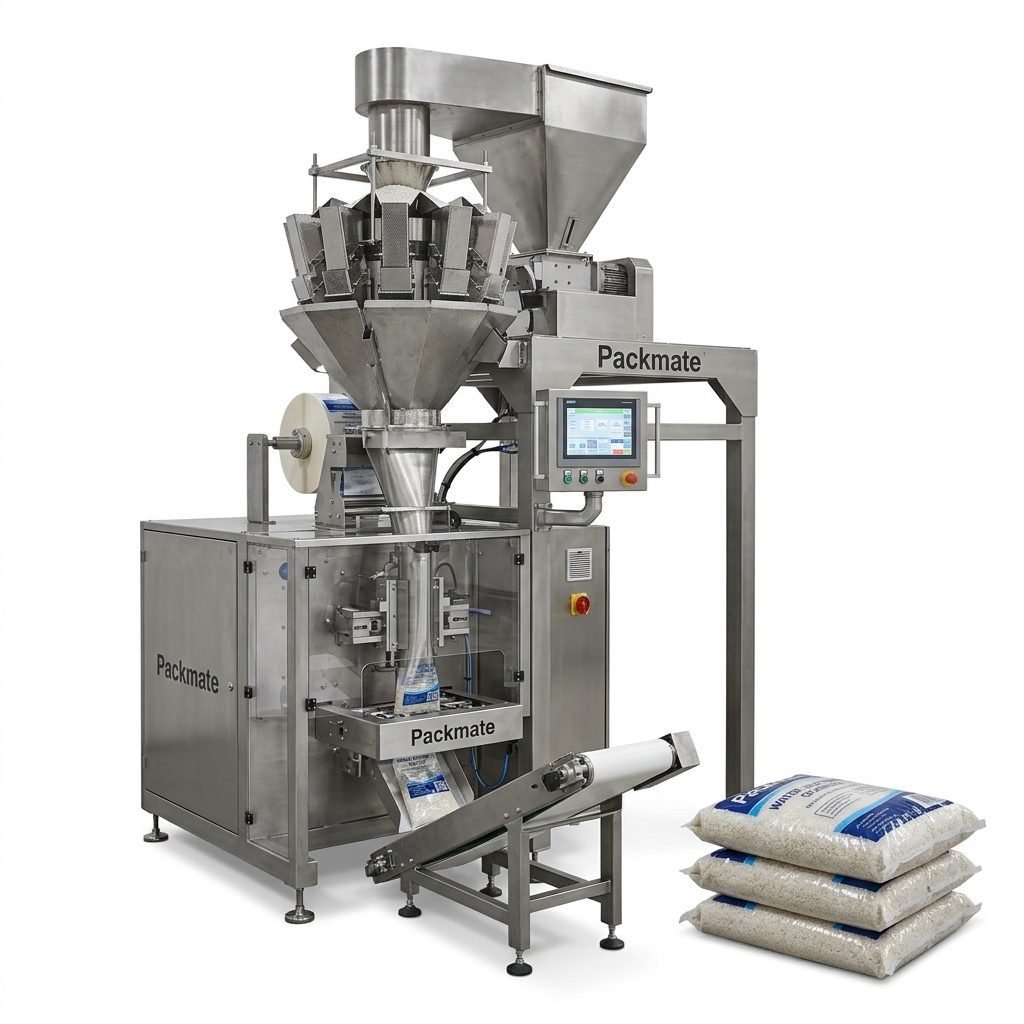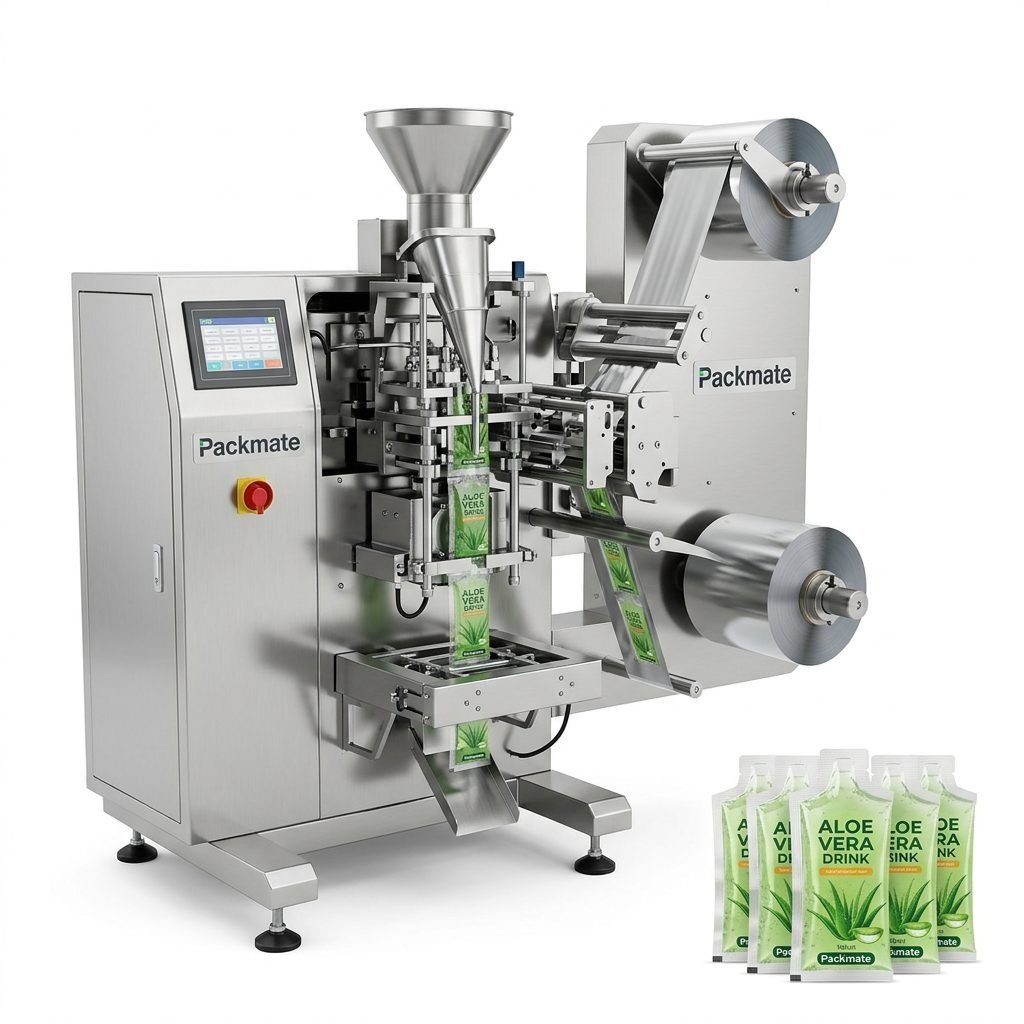
The US packaging machinery industry is experiencing a dynamic transformation, driven by evolving consumer demands, technological innovation, and a strong emphasis on sustainability. As a market that values efficiency, customization, and pioneering spirit, American manufacturers and end-users are at the forefront of adopting advanced packaging solutions. The industry’s growth is intricately linked to broader economic trends, including the robust performance of the food and beverage, pharmaceutical, and e-commerce sectors. Understanding these top trends is crucial for businesses aiming to stay competitive and meet the sophisticated needs of the American market.
Embracing Automation and Smart Manufacturing
The integration of Industrial Internet of Things (IIoT) and AI is revolutionizing production floors. Smart packaging machines now offer predictive maintenance, real-time data analytics, and seamless connectivity with broader manufacturing execution systems (MES). This shift towards Industry 4.0 is not just about efficiency; it’s about creating agile production lines that can quickly adapt to changing orders and minimize downtime, a critical factor in a fast-paced market like the United States.
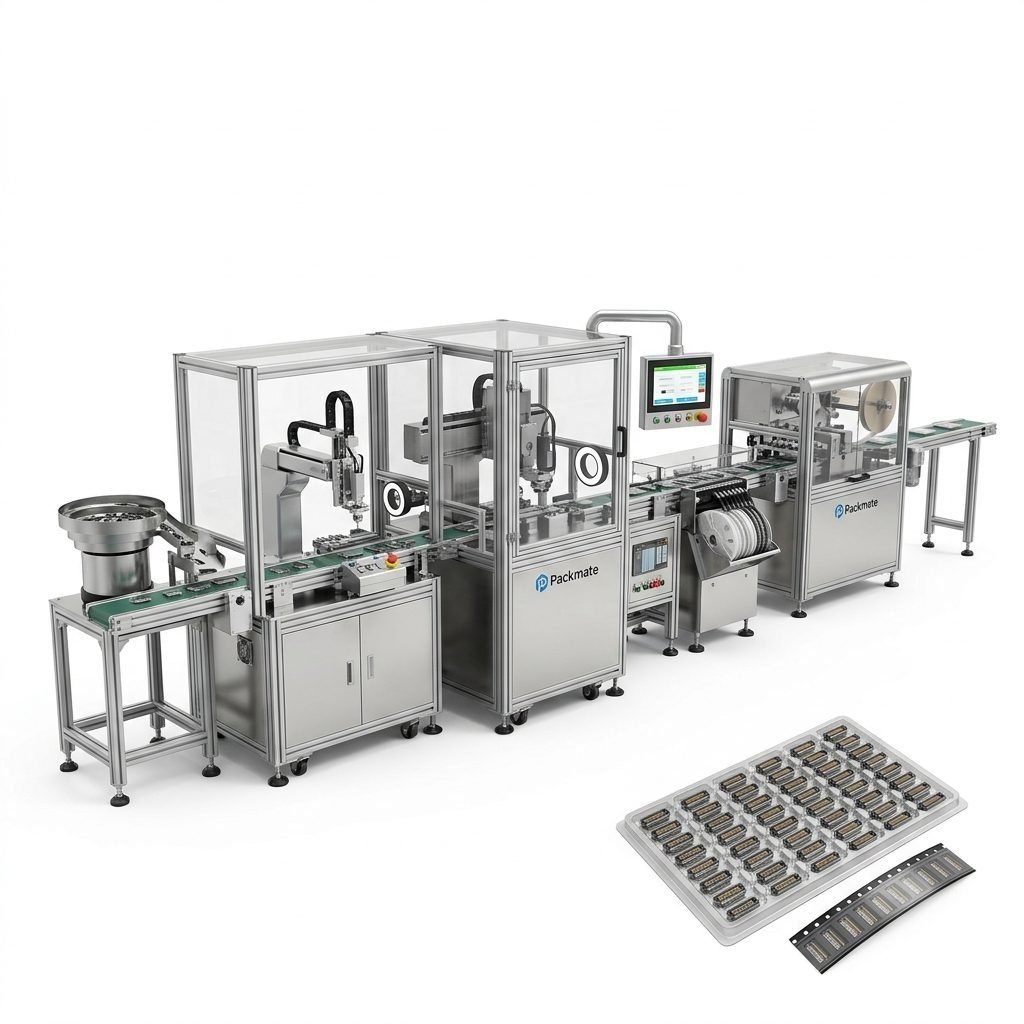
Furthermore, the demand for robotic integration in packaging lines is soaring. Robots are increasingly used for tasks such as precision picking, placing, palletizing, and case packing. This automation addresses challenges like labor shortages and the need for higher throughput, while also improving workplace safety by handling repetitive and strenuous tasks. Companies investing in these technologies are seeing significant returns in consistency and scalability.
Sustainability: A Core Driver of Innovation
Sustainability is no longer a niche concern but a central business imperative. American consumers and corporations are deeply focused on environmental impact, pushing the machinery industry to develop solutions that support circular economy goals. This manifests in several key areas:
Material Reduction: Machines are being engineered to handle thinner, lighter-weight, and mono-material films without compromising seal integrity or product protection. This directly reduces plastic usage and improves the recyclability of the final package.
Recyclable & Compostable Materials: There is a growing need for equipment that can reliably run bio-based, compostable, or easily recyclable materials, which often have different handling characteristics than traditional plastics.
Energy Efficiency: Newer machinery models prioritize lower energy consumption through optimized servo drives, efficient heat sealing systems, and smart power management features, helping manufacturers reduce their carbon footprint and operational costs.
Flexibility and Customization for Market Agility
The American market’s diversity demands unparalleled flexibility. The trend is moving strongly towards modular packaging machinery that can be quickly reconfigured for different package sizes, shapes, and formats. This is particularly vital for brands engaging in limited-edition runs, seasonal promotions, or catering to niche markets. The ability to switch production with minimal changeover time is a massive competitive advantage.
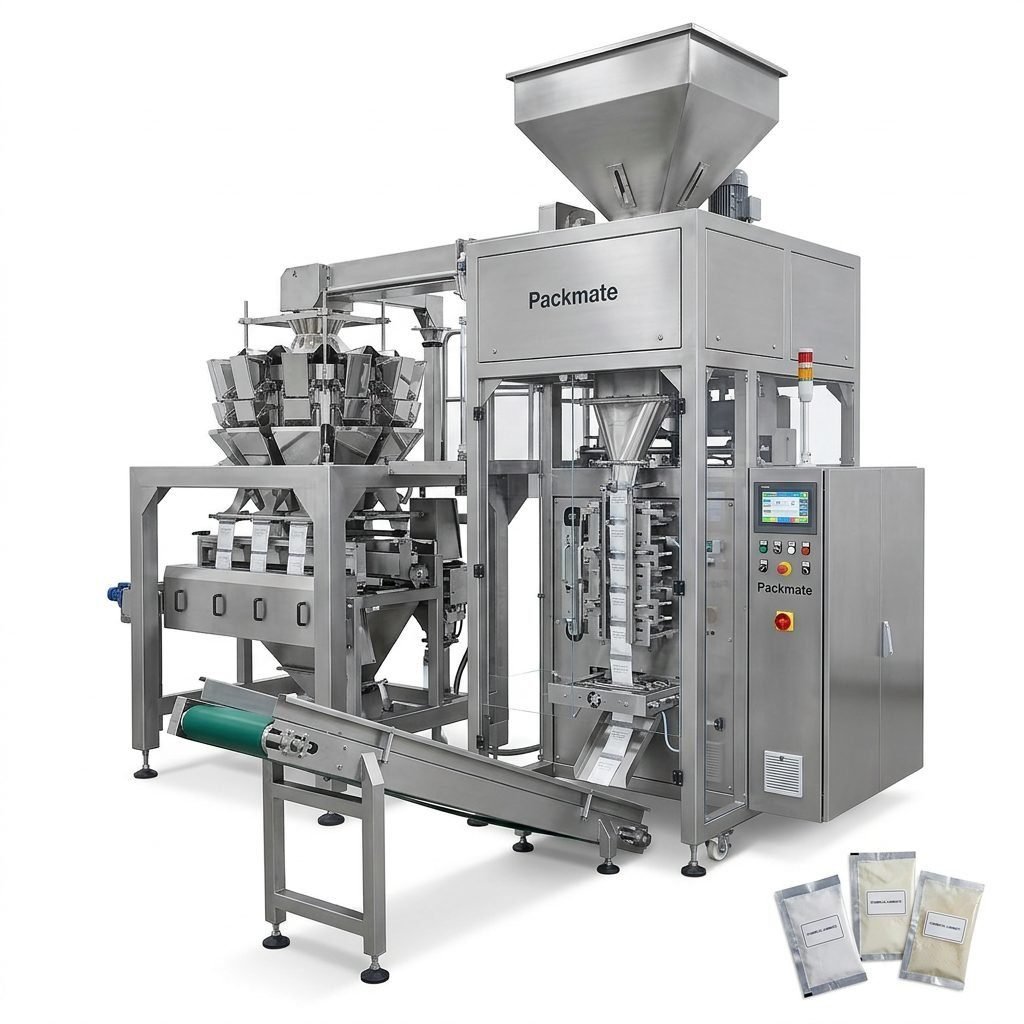
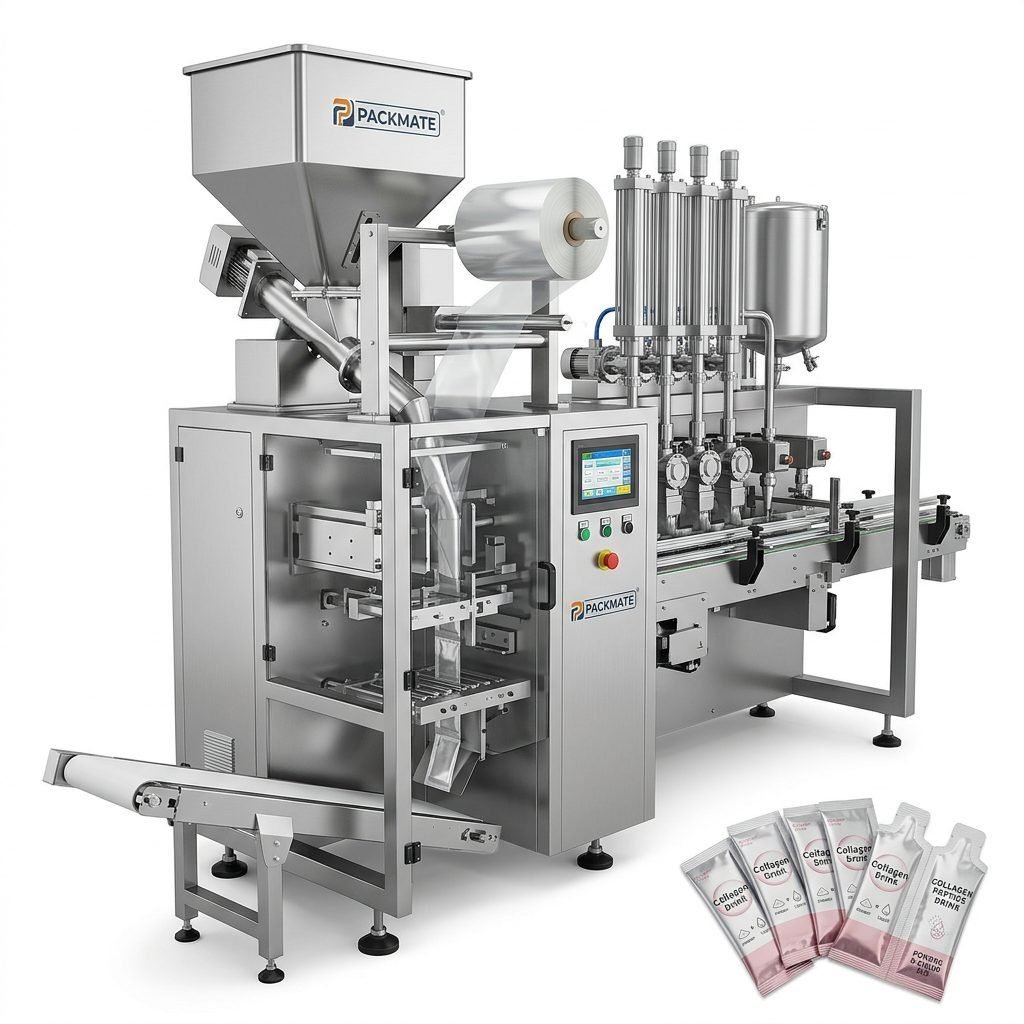
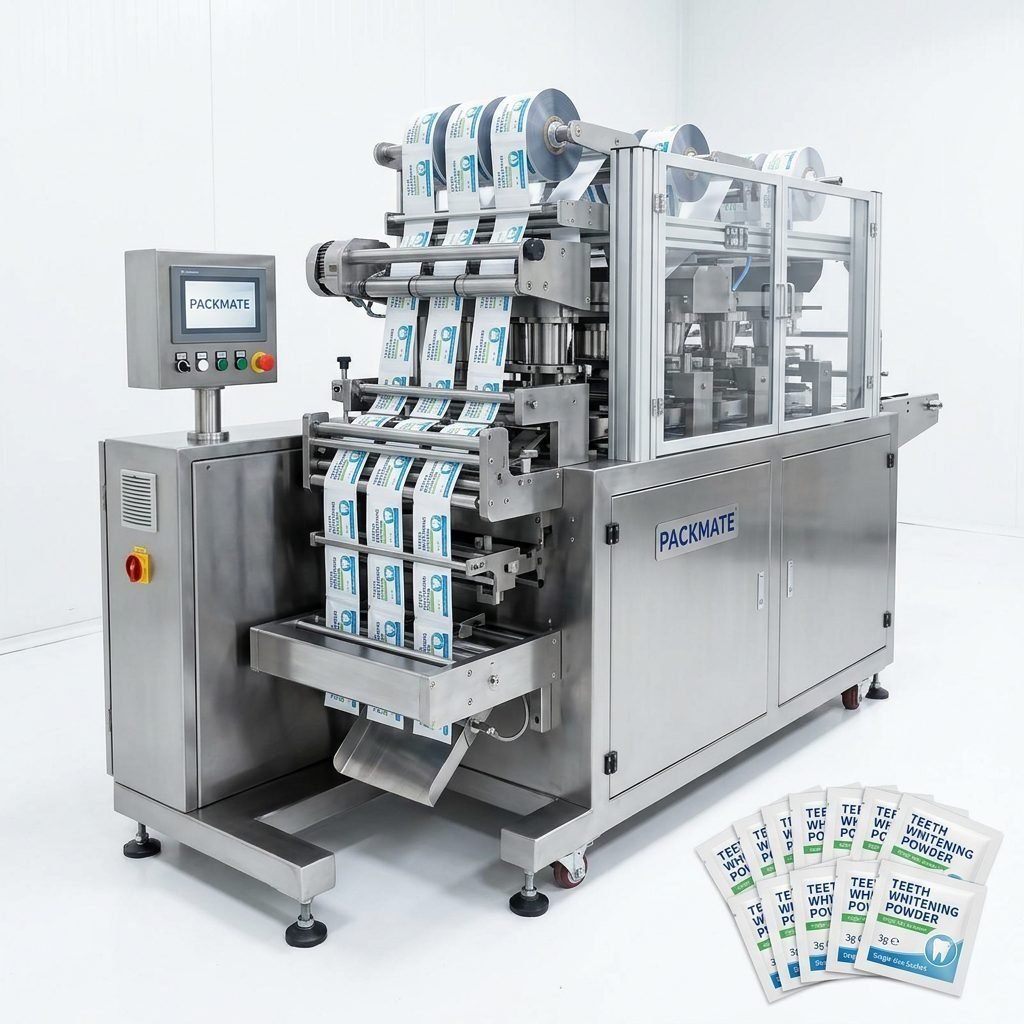
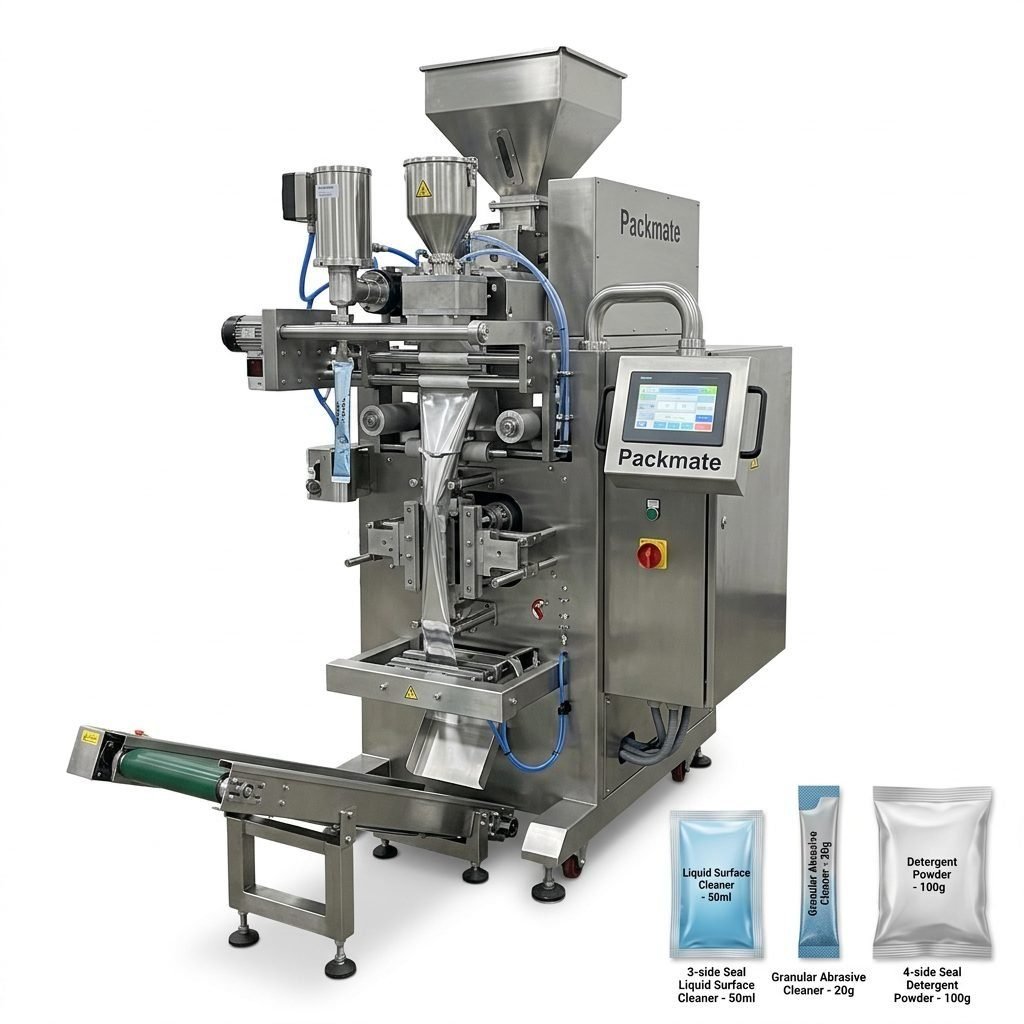
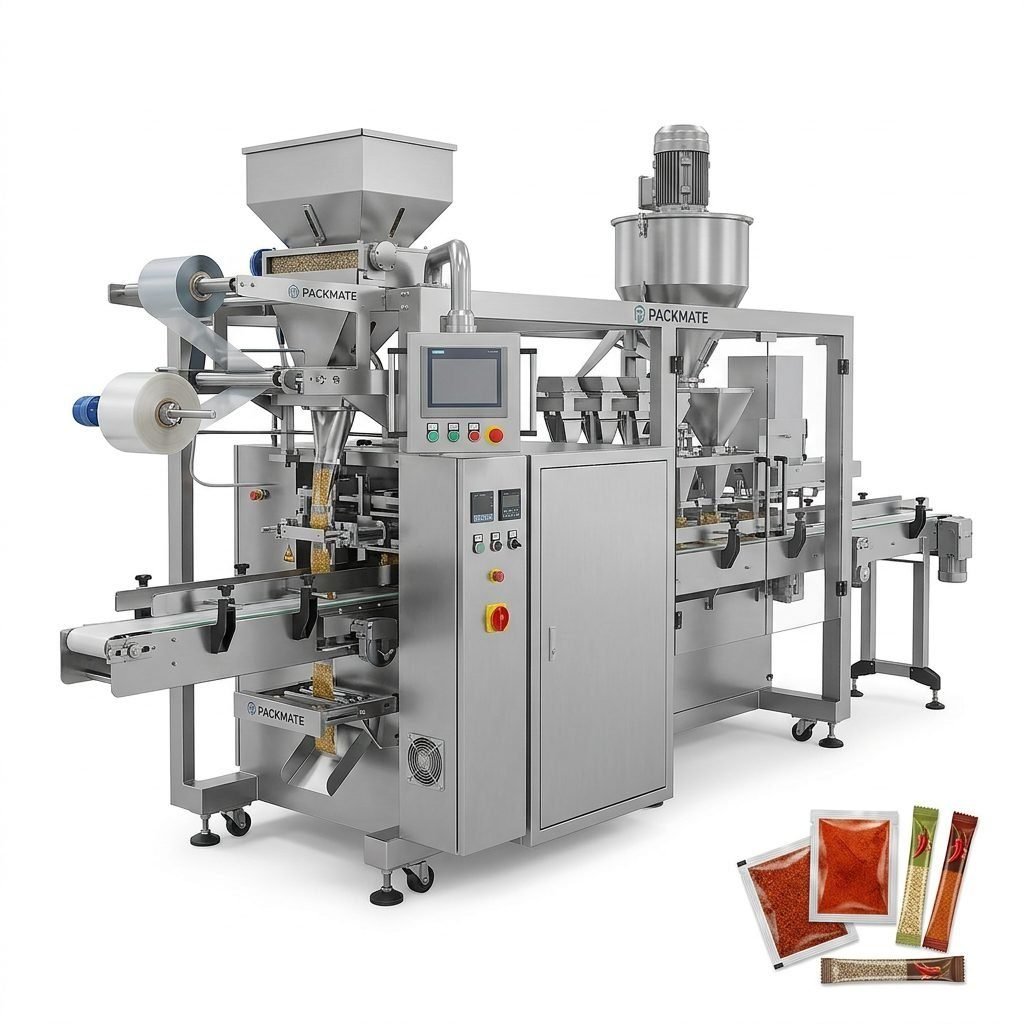
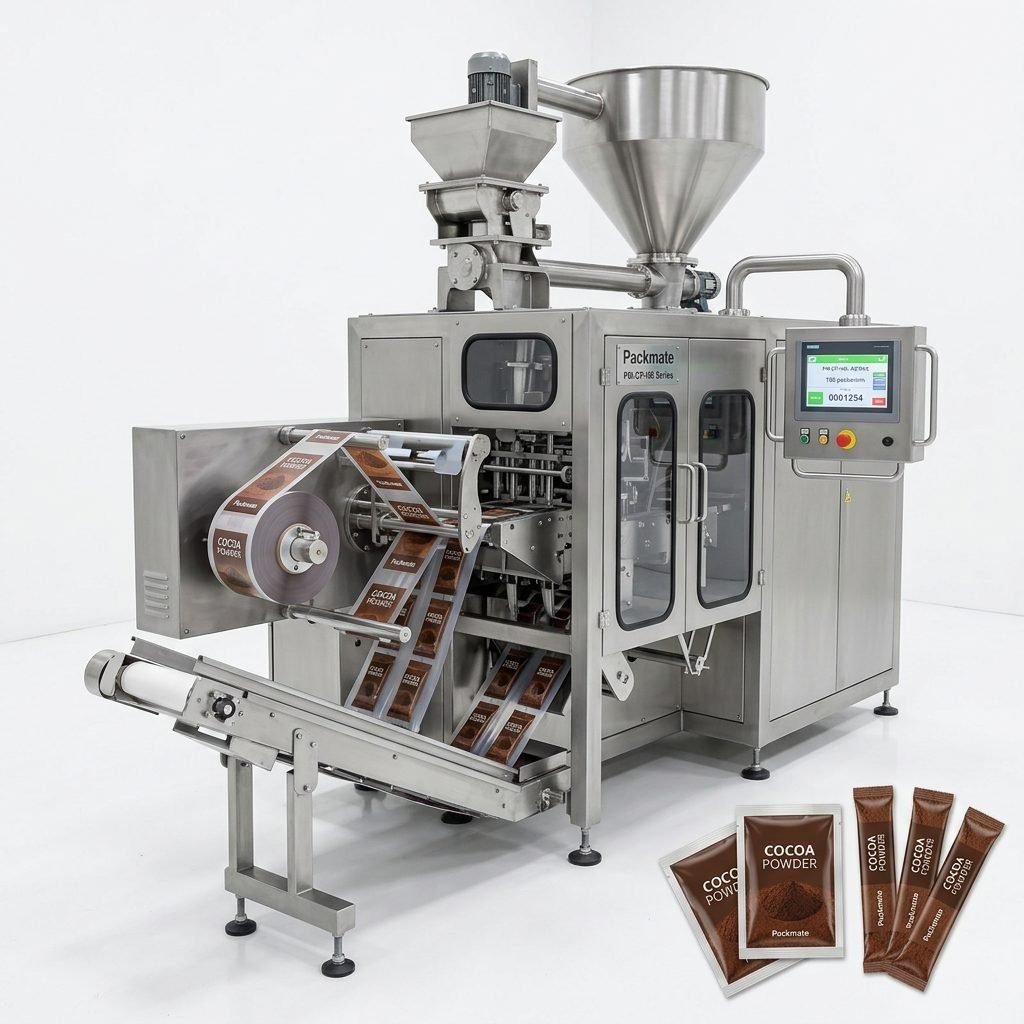
This demand for flexibility extends to the types of products being packaged. Machinery that can handle a wider range of consistencies—from fine powders and granules to viscous liquids and solid pieces—is increasingly valuable. For instance, the growth in functional foods, supplements, and gourmet ingredients requires versatile equipment like advanced sachet and stick pack machines that ensure precision and hygiene.
Meeting the E-commerce and Direct-to-Consumer Boom
The explosive growth of e-commerce has created unique packaging challenges. Machinery is now being designed to produce e-commerce-ready packaging that is durable enough to survive the logistics chain, yet right-sized to avoid waste and reduce shipping costs. This includes equipment for creating mailer bags, padded pouches, and easy-open features that enhance the unboxing experience—a key touchpoint for DTC brands.
Furthermore, automation in the fulfillment center is crucial. Integrated weighing and packaging systems that can automatically select the correct box size, fill it, and seal it are becoming standard to handle high-volume, variable-SKU environments efficiently.
Regulatory Compliance and Hygienic Design
In sectors like pharmaceuticals, nutraceuticals, and food, compliance with stringent regulations (FDA, cGMP) is non-negotiable. Packaging machinery trends emphasize hygienic design with easy-clean surfaces, minimized crevices, and compatibility with sanitary washdown procedures. Traceability is also paramount, driving the integration of vision inspection systems, track-and-trace serialization, and data logging capabilities directly into the packaging line to ensure product safety and quality assurance.
The Role of Strategic Partnerships
Navigating this complex landscape often requires expert guidance. Many US companies are forming strategic partnerships with experienced machinery manufacturers who can provide complete turnkey solutions. A partner like Packmate Machinery, with over 30 years of expertise, exemplifies this value. From initial consultation and custom machine development to installation, training, and ongoing support, such partnerships ensure that packaging lines are not just collections of equipment, but optimized, cohesive systems designed for long-term success and reliability.
These partnerships are especially valuable when entering new product categories or scaling production. Leveraging a manufacturer’s global experience, as seen in Packmate’s work across the food, pharmaceutical, and health industries, provides access to proven technologies and innovative approaches that might not be apparent in a domestic-only search.
Conclusion and Future Outlook
The US packaging machinery industry is on a clear trajectory towards greater intelligence, sustainability, and adaptability. Success will belong to those who invest in technologies that enhance operational efficiency while meeting the ethical and practical demands of modern consumers. The convergence of smart automation, sustainable material handling, and hyper-flexible design will define the next generation of packaging solutions. For businesses looking to capitalize on these trends, the journey begins with a critical evaluation of their current capabilities and a forward-thinking partnership with the right technology providers.
Frequently Asked Questions (FAQs)
What are the biggest cost drivers when investing in new packaging machinery?
The initial purchase price is just one component. Total cost of ownership (TCO) includes factors like energy consumption, maintenance requirements, changeover time, required operator skill level, and compatibility with existing line equipment. A slightly higher upfront investment in a more efficient, reliable, and flexible machine often yields a much lower TCO over its lifespan.
How important is machine flexibility for a growing brand?
Extremely important. Flexibility future-proofs your investment. Modular machines that can handle multiple package formats and sizes allow you to respond to new market opportunities, launch new product lines, or adjust to changing retailer requirements without the need for entirely new equipment, protecting your capital and accelerating time-to-market.
Can modern packaging machinery handle sustainable/compostable materials effectively?
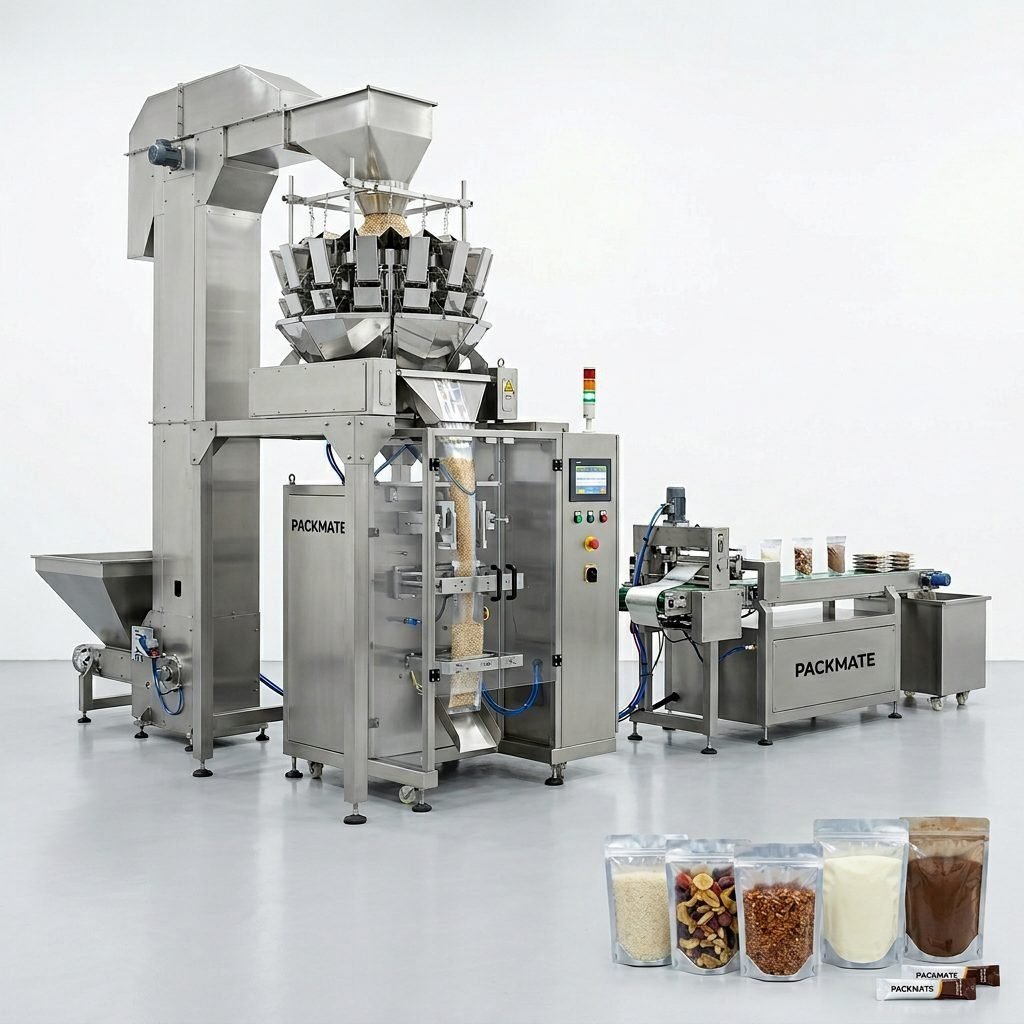
Yes, but it requires specific engineering. Many compostable or bio-based films have different thermal and tensile properties. It’s essential to work with a machinery supplier, like those experienced in bag and pouch packaging machines, who can test your target materials and potentially adjust sealing jaws, tension controls, and film handling systems to ensure consistent, high-quality runs with sustainable substrates.
What should I look for in a machinery supplier beyond the equipment specs?
Look for a partner with a strong track record. Key factors include: comprehensive after-sales service and technical support, availability of spare parts, training programs for your operators, and willingness to provide references. A supplier’s ability to understand your unique challenges and offer a tailored solution is often more valuable than a generic machine with the highest specs.
How is the growth of e-commerce specifically changing packaging machine requirements?
E-commerce demands durability and efficiency. Machines need to produce packages that protect products against a rougher logistics journey. There’s also a major focus on automated right-sizing to eliminate void fill and reduce dimensional shipping weights, as well as integrating print-and-apply labeling for shipping labels directly into the line to streamline the fulfillment process.