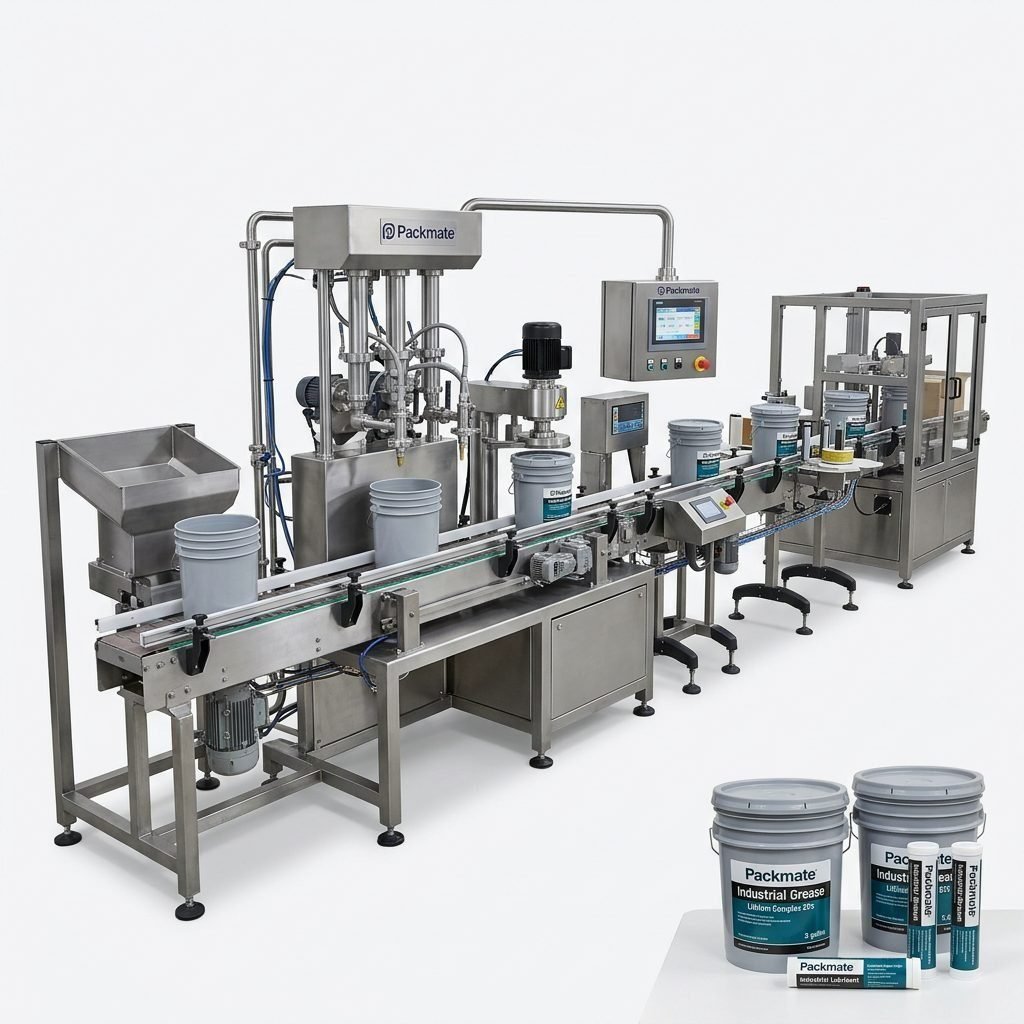
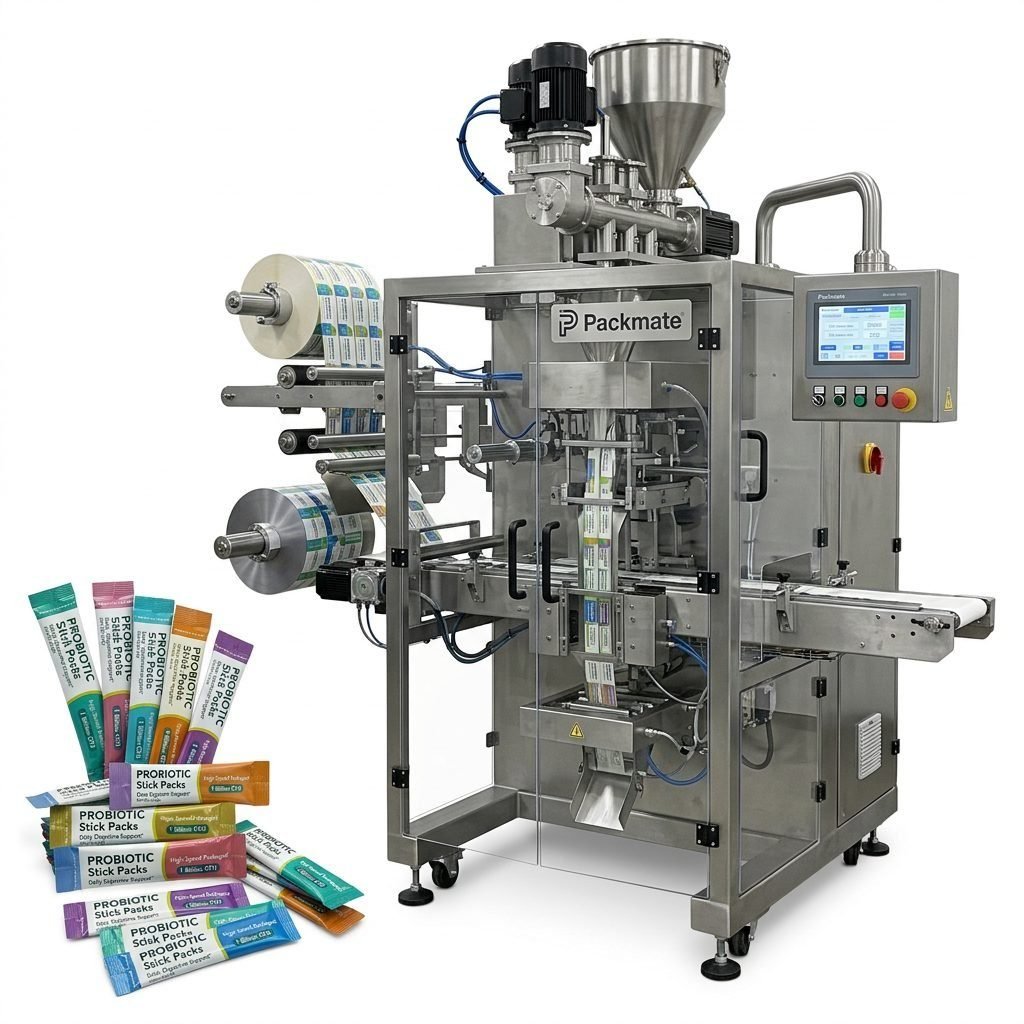
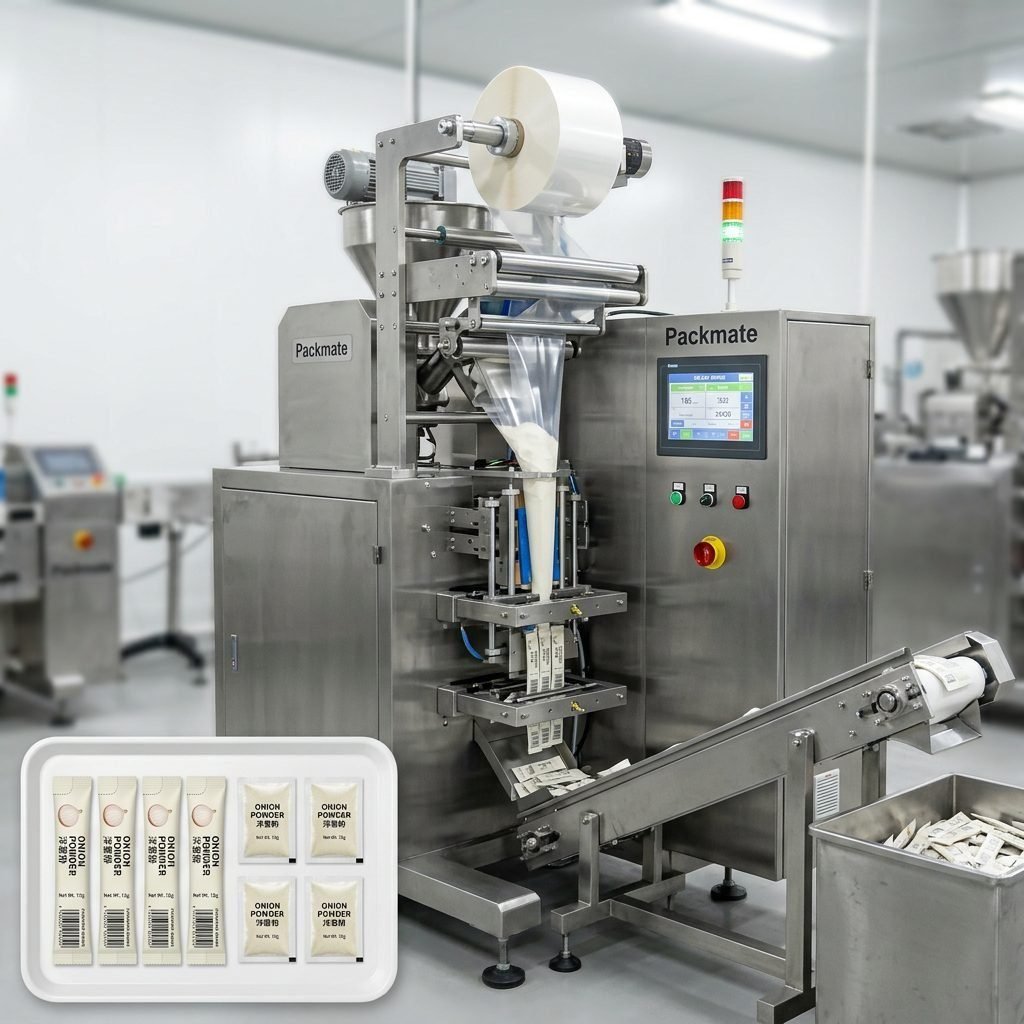
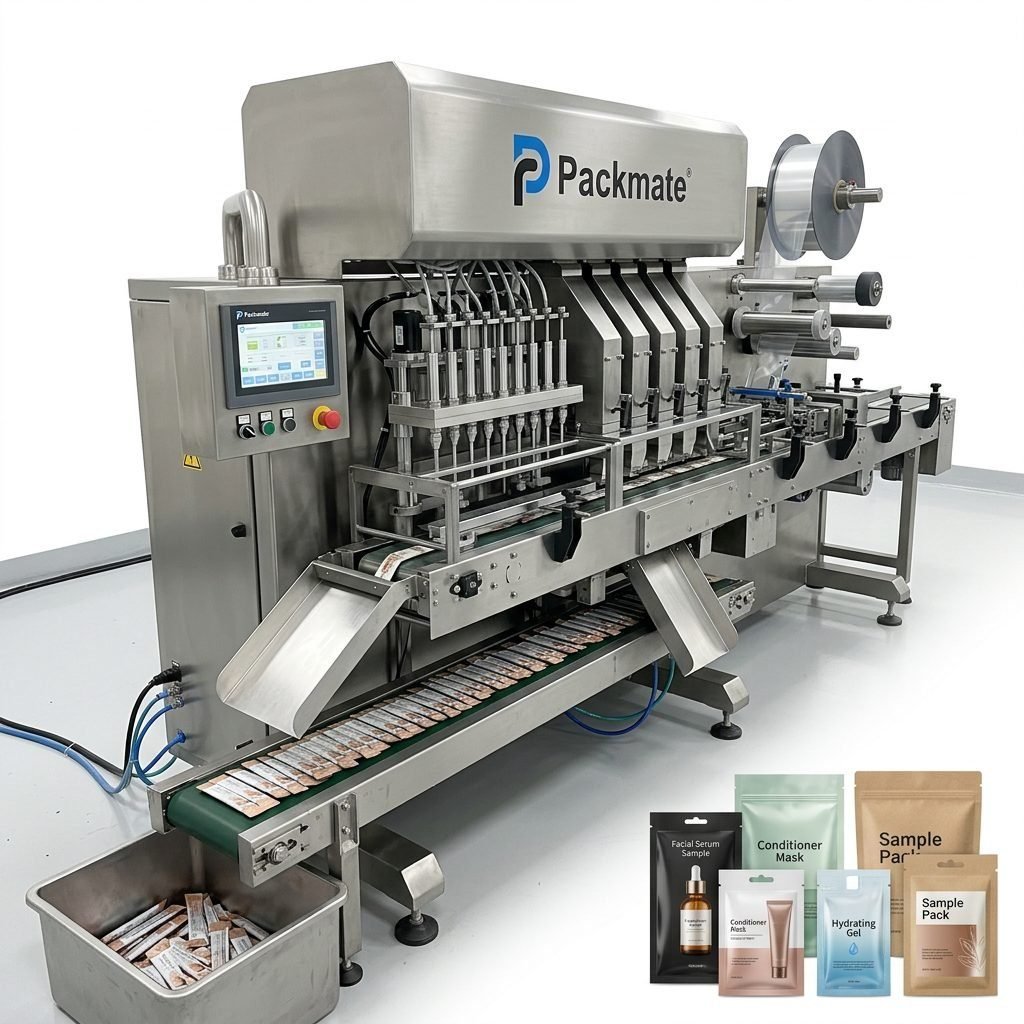
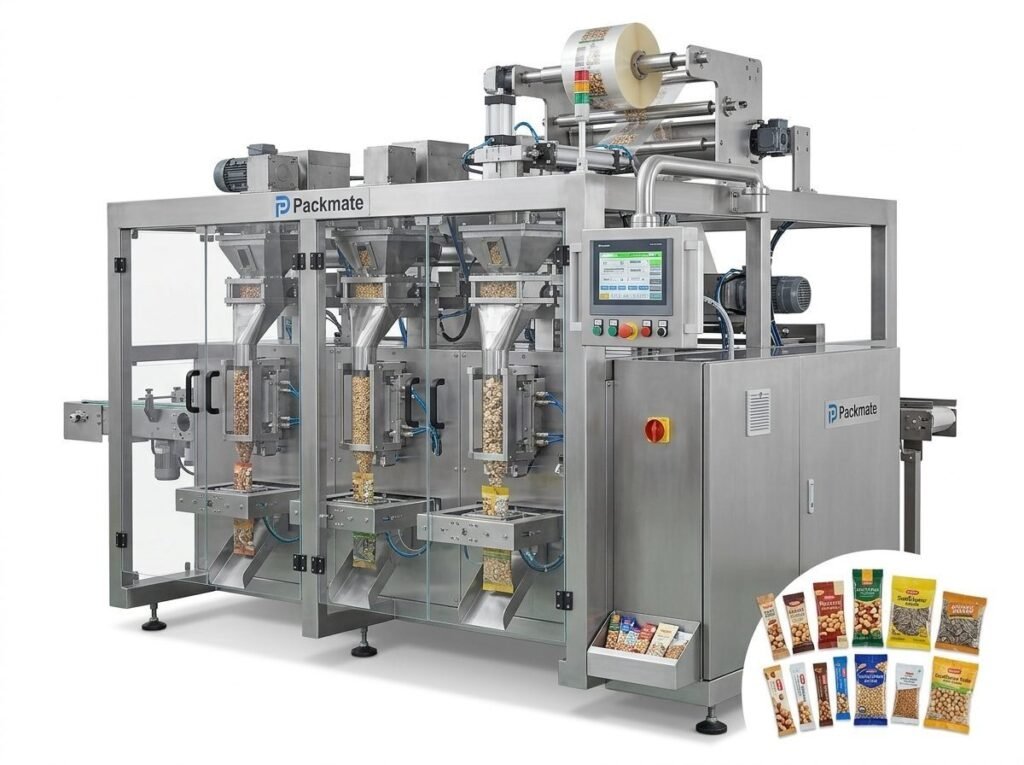
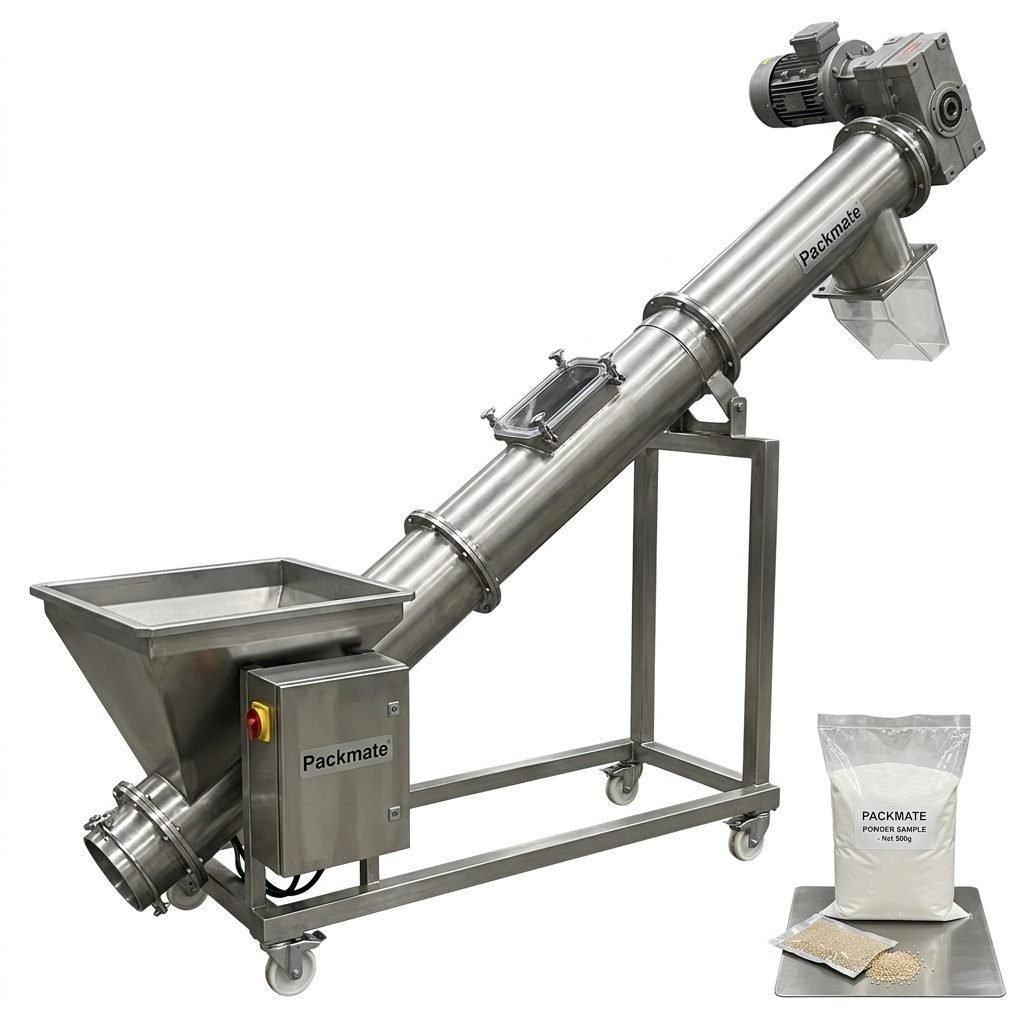
In the fast-paced world of industrial packaging, maintaining optimal machine performance is not just a goal—it’s a necessity for productivity and profitability. The longevity and efficiency of your packaging line heavily depend on the quality of its replacement parts and the rigor of your maintenance protocols. This guide delves into the critical aspects of sourcing and maintaining replacement parts for packaging machinery, offering actionable insights to keep your operations running smoothly.
The Critical Role of Genuine Replacement Parts
Every component in a packaging machine, from a simple sealing jaw to a complex servo motor, plays a specific role. Using substandard or incorrect replacement parts can lead to a cascade of problems: increased downtime, inconsistent package quality, product waste, and even safety hazards. Genuine or high-quality OEM-equivalent parts are engineered to precise specifications, ensuring perfect fit, function, and durability. They maintain the machine’s original performance standards and protect your investment.
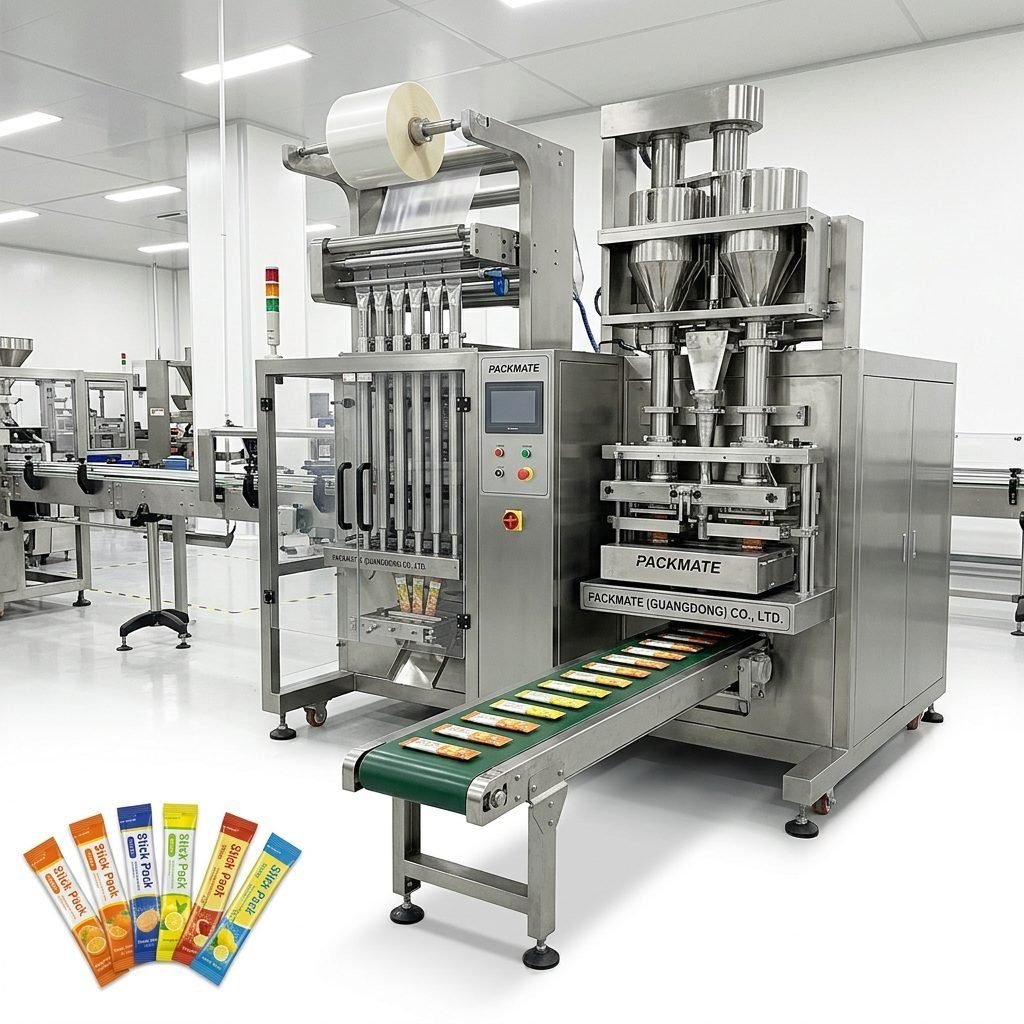
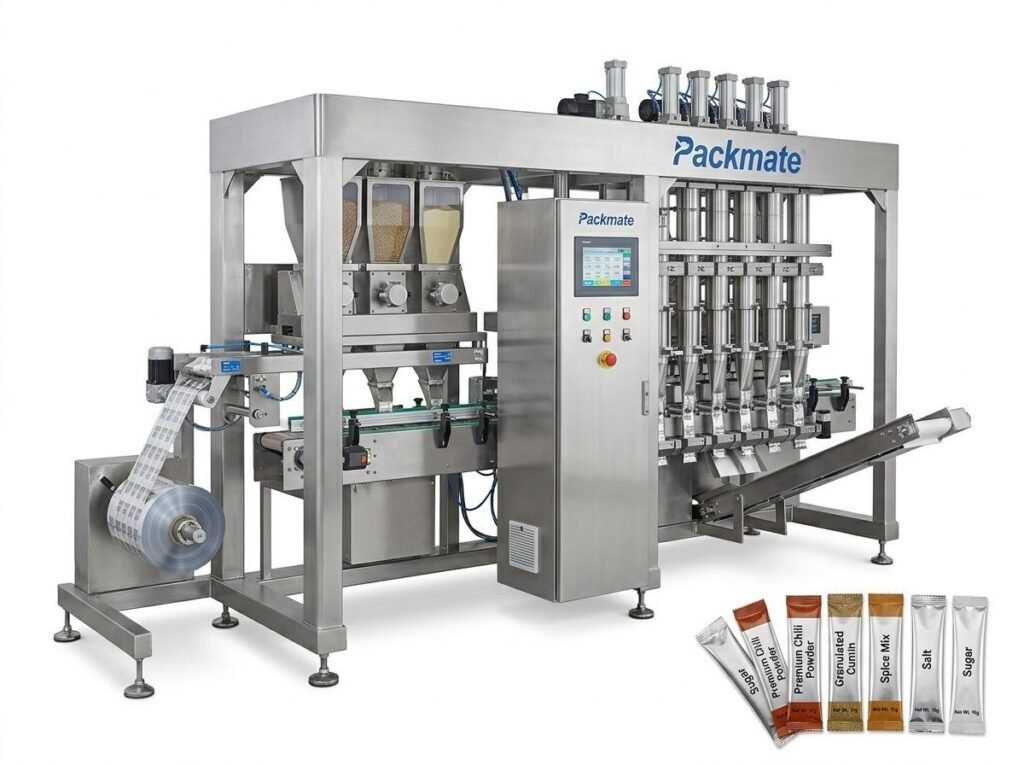
Consider the sealing system on a sachet packaging machine. A non-genuine heating element might not distribute heat evenly, leading to weak seals that compromise product freshness and shelf life. This directly impacts customer satisfaction and brand reputation. Therefore, prioritizing part quality is the first and most crucial step in effective machine management.
A Strategic Guide to Sourcing Parts
Finding the right parts supplier is a strategic decision. Here’s a structured approach:
1. Identify the Original Manufacturer
Your first point of contact should always be the original equipment manufacturer (OEM). Companies like Packmate Machinery, with over two decades of experience, maintain comprehensive parts inventories for their machines. OEM parts guarantee compatibility and often come with technical support. Check the machine’s manual or nameplate for model and serial numbers to ensure accurate identification.
2. Evaluate Authorized Distributors and Specialized Suppliers
If sourcing directly from the OEM is not feasible, seek authorized distributors. These partners are vetted by the manufacturer and have access to genuine parts. Alternatively, reputable third-party suppliers who specialize in packaging machine components can offer reliable alternatives. Always verify their certifications, industry reputation, and warranty policies. A supplier’s willingness to provide technical data sheets is a good indicator of professionalism.
3. Consider Part Criticality and Lead Time
Classify parts based on their criticality to operations. Critical wear parts (e.g., cutters, seals, belts) should be kept in stock to avoid unexpected stoppages. For less critical items, you can operate on a just-in-time basis. Always inquire about lead times and establish a reliable supply chain to minimize downtime risks.
Implementing a Proactive Maintenance Regimen
Sourcing quality parts is only half the battle; a disciplined maintenance strategy ensures they perform as intended for as long as possible.
Routine Inspection and Cleaning
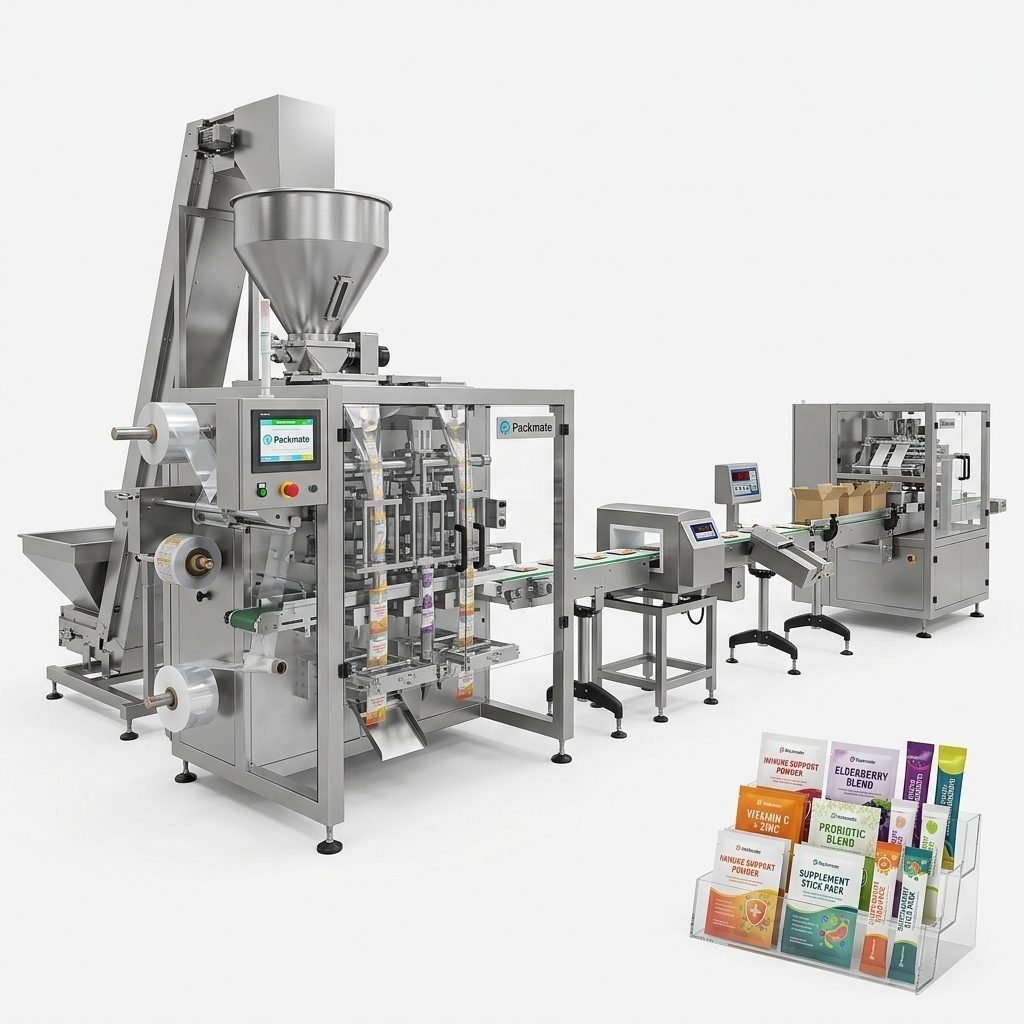
Daily and weekly checks are the foundation of preventive maintenance. This includes visual inspections for wear, cleaning of product contact surfaces to prevent contamination, and lubrication of moving parts as specified by the manufacturer. For complex systems like weighing and packaging lines, regular calibration is essential for accuracy.
Scheduled Replacement of Wear Parts
Do not wait for a part to fail. Develop a schedule based on machine runtime (hours) or production cycles to replace high-wear components. Keeping a log of replacement dates helps predict future needs and plan maintenance shutdowns efficiently, thus avoiding disruptive emergency repairs.
Training and Documentation
Empower your operators and maintenance technicians. Proper training on machine operation, basic troubleshooting, and part replacement procedures is invaluable. Maintain detailed records of all maintenance activities, parts replaced, and machine performance. This historical data is critical for diagnosing recurring issues and making informed decisions about part sourcing.
Building a Partnership with Your Supplier
The relationship with your parts supplier should transcend simple transactions. A strong partner, such as an experienced manufacturer, provides immense value. They can offer predictive maintenance advice, alert you to common failure points on your specific machine model, and suggest upgrades or retrofits that improve efficiency. Leveraging their expertise, as detailed in their service offerings, turns them into an extension of your maintenance team.
In conclusion, managing replacement parts for packaging machines is a continuous process that blends strategic sourcing with disciplined maintenance. By insisting on quality components, establishing reliable supply channels, and adhering to a proactive care schedule, you safeguard your production output, product quality, and ultimately, your bottom line. The upfront investment in genuine parts and systematic care pays dividends through reduced downtime, lower long-term repair costs, and extended equipment life.
Frequently Asked Questions (FAQs)
1. How can I tell if a replacement part is genuine or compatible with my Packmate machine?
Always cross-reference the part number from your official machine manual or contact Packmate directly with your machine’s model and serial number. Genuine parts will have precise markings and packaging. Reputable suppliers should provide material certifications and compatibility guarantees.
2. What are the most common wear parts I should keep in stock?
This varies by machine type, but common high-wear items include sealing jaws and bands, cutting blades, Teflon sealing cloths, feed belts and augers, filters for pneumatic systems, and O-rings/gaskets. Consult your machine’s maintenance guide for a recommended spare parts list.
3. What is the typical lead time for ordering specialized packaging machine parts?
Lead times depend on the part’s complexity and source. Standard wear parts from local distributors or OEM stock may be available in 1-2 weeks. Custom-made or imported components can take 4-8 weeks. Planning ahead and stocking critical spares is the best strategy to mitigate lead time delays.
4. Can I perform maintenance and part replacement myself, or do I need a technician?
Basic daily cleaning and lubrication can be done by trained operators. However, tasks involving calibration, electrical systems, or major mechanical disassembly should be performed by qualified maintenance personnel or certified service technicians to ensure safety and prevent voiding warranties.
5. How does a proactive maintenance plan reduce my total cost of ownership?
A proactive plan prevents catastrophic failures, which are far more costly to repair. It extends the lifespan of major components, maintains consistent energy efficiency, reduces unplanned downtime (maximizing production), and ensures consistent, high-quality output by keeping the machine within its designed operational parameters.