Choosing the right baby food packaging machine is a critical decision for manufacturers aiming to meet stringent safety standards, ensure product freshness, and appeal to discerning parents. This guide explores the various types of machines, their specific applications, and essential factors to consider before making a purchase.
Understanding Baby Food Packaging Requirements
The packaging for baby food is governed by exceptionally high standards. It must be hermetically sealed to prevent contamination and spoilage, maintain nutrient integrity, and often withstand sterilization processes like retorting. Furthermore, packaging needs to be user-friendly for busy parents, featuring easy-open mechanisms and clear labeling. The primary goal is to deliver a safe, convenient, and trustworthy product from the production line to the highchair.
Key Packaging Challenges for Baby Food:
- Safety First: Absolute barrier against oxygen, moisture, and microbes.
- Preservation: Locking in vitamins and flavors without preservatives.
- Convenience: Portion control, resealability, and mess-free serving.
- Compliance: Adhering to strict global food safety regulations (FDA, EFSA, etc.).
Types of Baby Food Packaging Machines
Different baby food consistencies and market segments require specialized packaging solutions. Here’s a breakdown of the primary machine types.
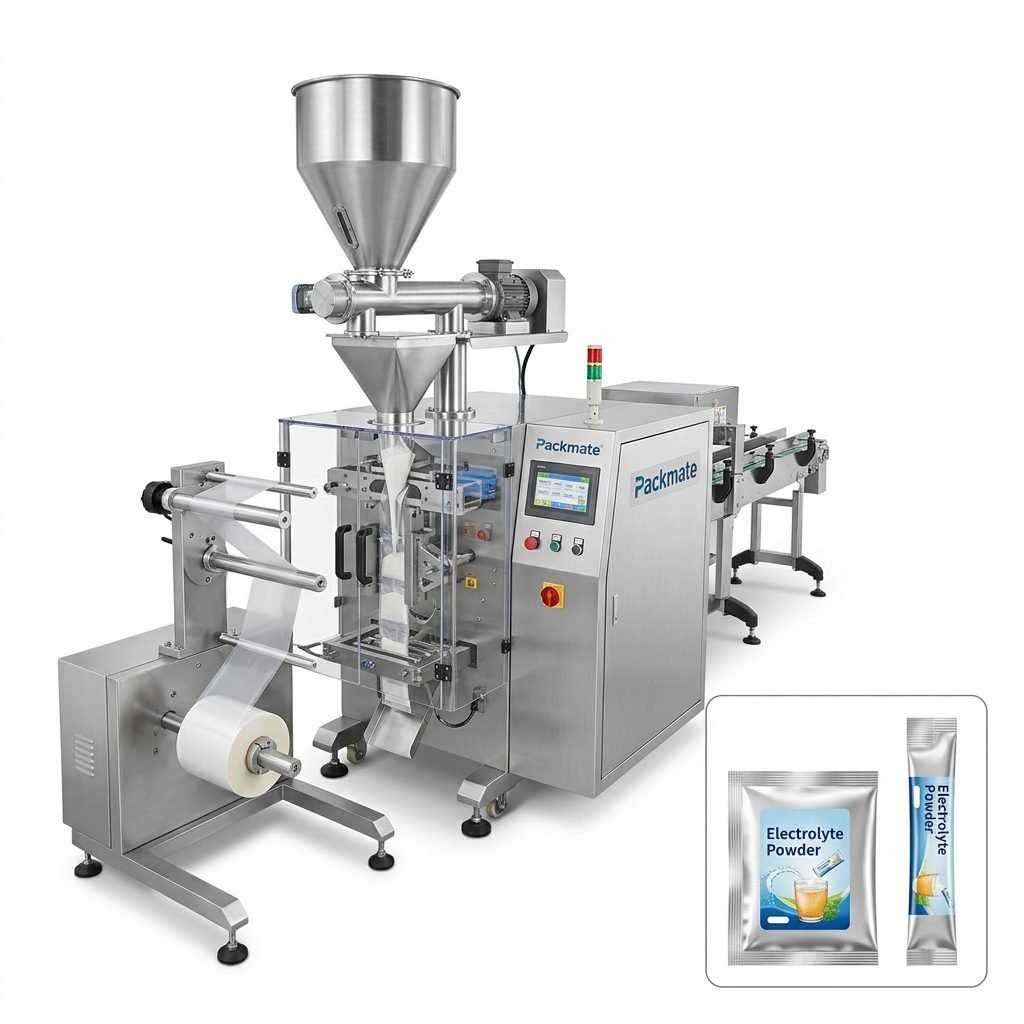
1. Pouch Packaging Machines
Stand-up pouches are immensely popular for purees and squeezable foods. Machines for this format, such as vertical form-fill-seal (VFFS) systems, create the pouch from a roll of film, fill it with product, and seal it in one continuous operation. They are ideal for high-speed production of single-serve portions. For a robust range of options, explore our Bag & Pouch Packaging Machines.
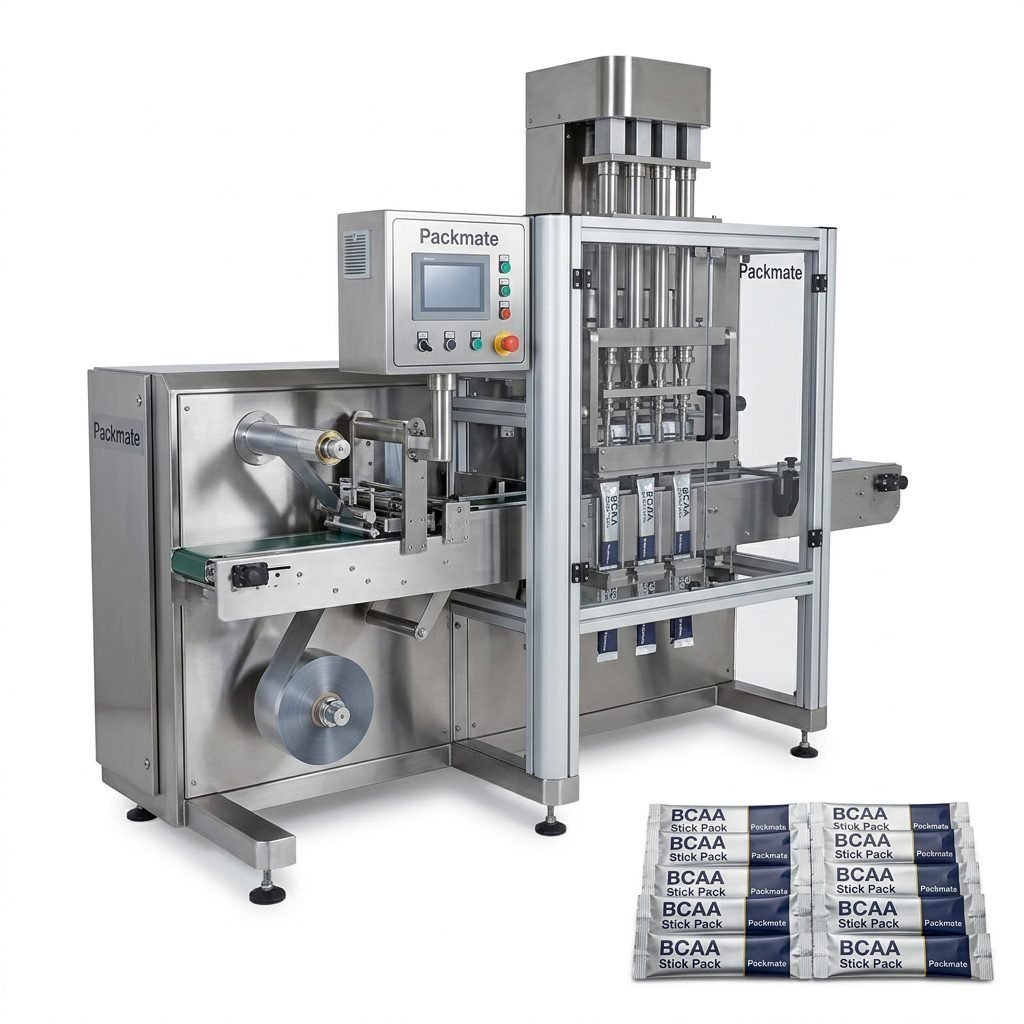
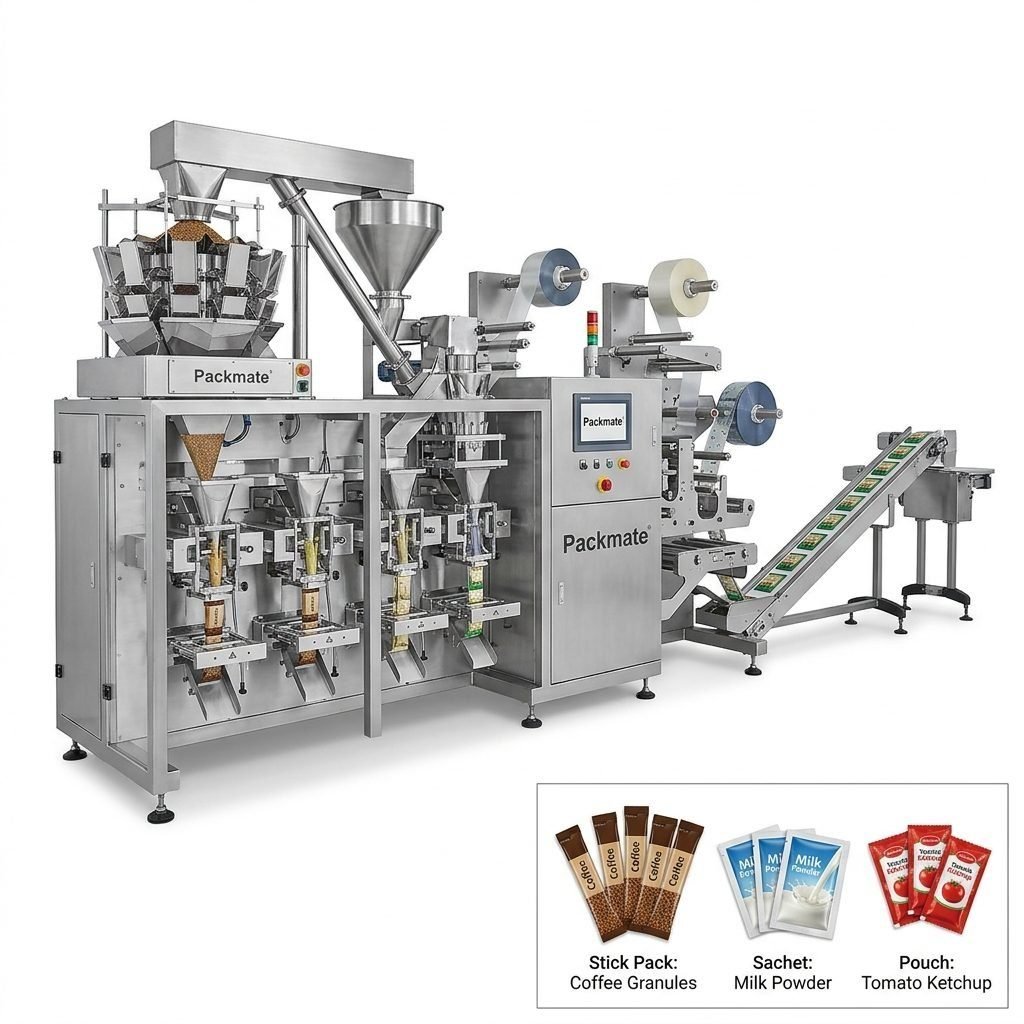
2. Sachet & Stick Pack Machines
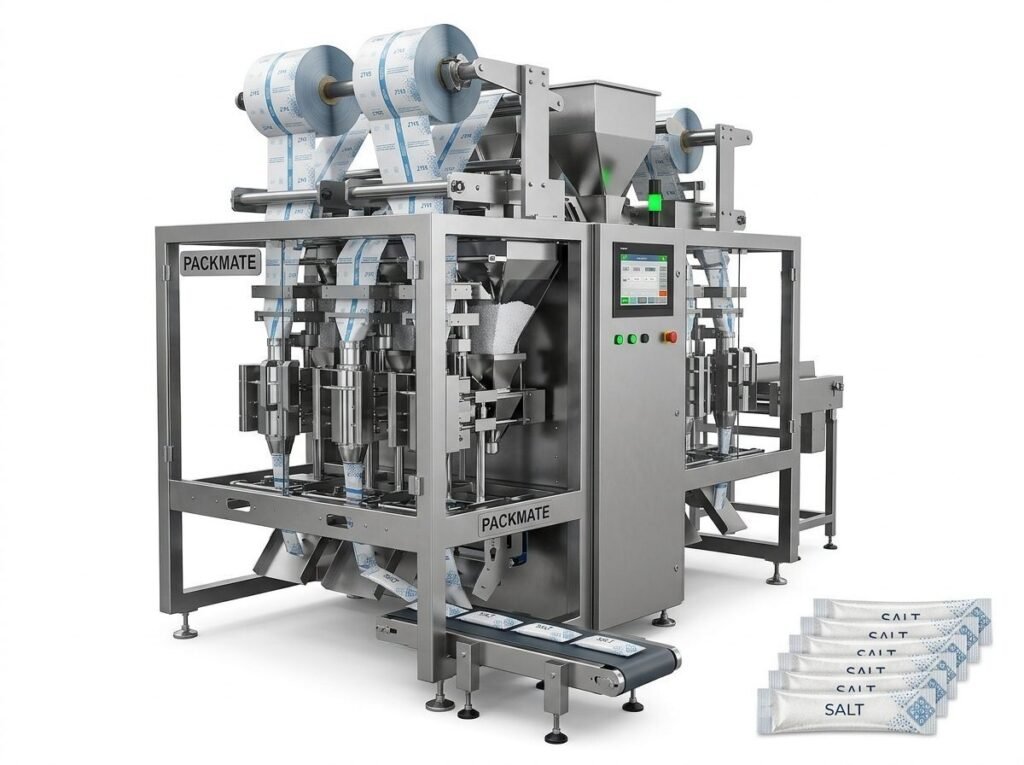
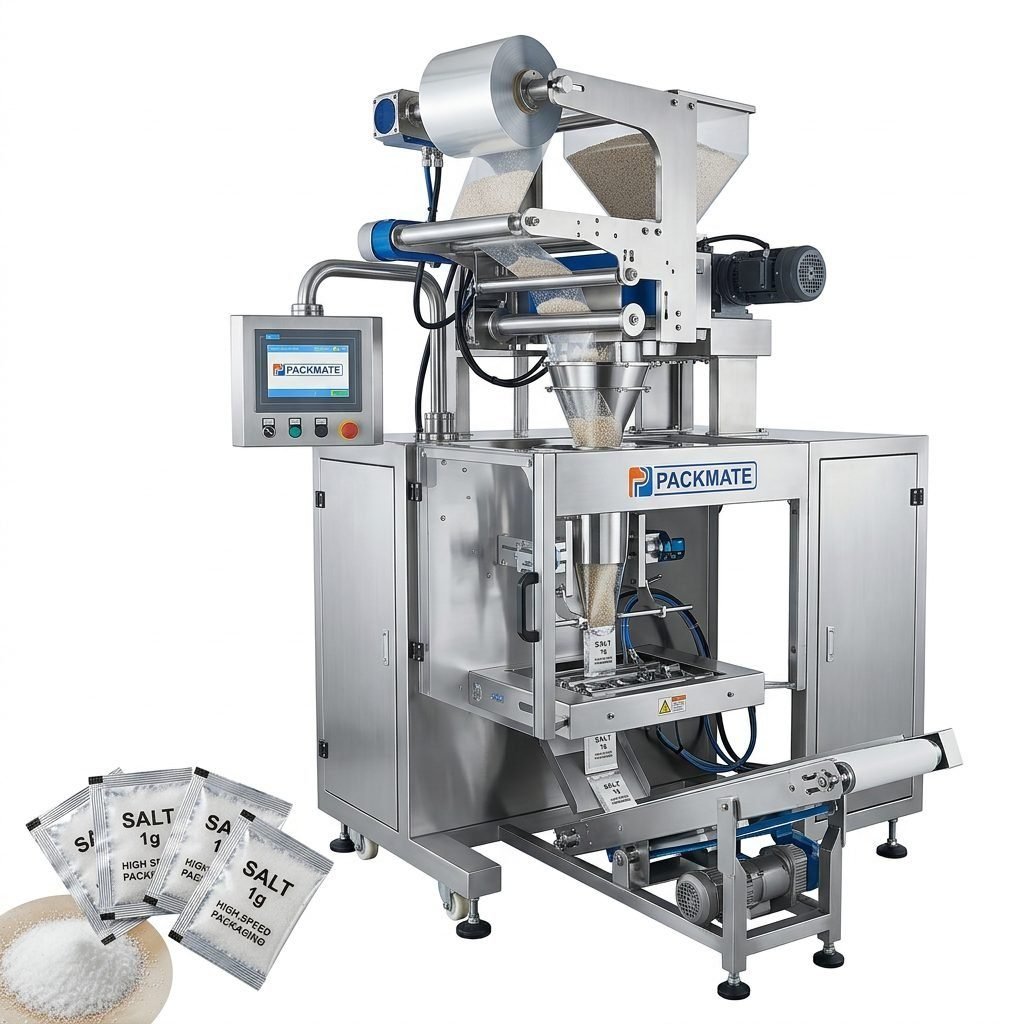
Perfect for dry or powdered baby food like cereal, rice powder, or probiotic supplements. These machines produce small, sealed packets that preserve freshness and provide precise dosing. Multi-lane stick pack machines can achieve very high outputs. Discover efficient solutions in our Sachet & Stick Pack Machines category.
3. Filling & Packaging Lines for Jars and Cups
Traditional glass jars and plastic cups remain a trusted choice for many parents. Automated lines handle washing, filling, sealing (with tamper-evident lids), labeling, and casing. These lines are often integrated with cooking or sterilization processes for a complete turnkey solution.
4. Liquid Filling Machines
Used for ready-to-drink formulas, juices, or broth-based meals. These precision fillers can handle various viscosities and container types (bottles, cartons) with clean, drip-free performance, ensuring accurate fill volumes every time.
Machine Selection at a Glance
| Product Type | Recommended Machine | Key Benefit |
| Purees & Squeezables | Pouch (VFFS) Machine | Consumer convenience, high speed |
| Dry Powder (Cereal) | Stick Pack Machine | Portion control, excellent barrier |
| Liquid Formula | Liquid Filling Line | Precise volume filling, hygiene |
Critical Uses and Benefits of Automated Packaging
Investing in specialized machinery goes beyond just putting food in a container; it’s about building a brand rooted in quality and trust.
Ensuring Safety and Hygiene: Automated systems minimize human contact with the product, drastically reducing contamination risks. Machines perform consistent, reliable seals that manual operations cannot match.
Extending Shelf Life: Advanced machines can integrate gas flushing (modified atmosphere packaging) to remove oxygen, significantly slowing oxidation and microbial growth to preserve nutrients and taste.
Boosting Production Efficiency: High-speed automation allows you to scale production to meet demand, reduce labor costs, and improve overall operational throughput. For complex production needs, integrated Filling & Packaging Lines provide a seamless workflow.
Enhancing Brand Appeal: Consistent, professional packaging builds consumer confidence. Modern machines allow for attractive printing and precise labeling, making your product stand out on crowded retail shelves.
Essential Buying Tips for Your Investment
Selecting a machine is a significant capital decision. Here are the key factors to evaluate.
1. Assess Your Product and Output Needs
Clearly define your product’s physical state (viscosity, particulates), required shelf life, and desired packaging material. Then, calculate your current and future production volume (pouches/per minute) to determine the necessary machine speed and capacity.
2. Prioritize Hygiene and Safety Features
Look for machines with easy-clean designs, stainless steel contact parts, and CIP (Clean-in-Place) capabilities. The system must be compatible with sterilization processes if required.
3. Evaluate Flexibility and Changeover Time
If you plan to produce multiple SKUs (different sizes or products), quick changeover mechanisms are vital. Minimizing downtime between production runs is crucial for efficiency.
4. Consider the Total Cost of Ownership
Look beyond the initial purchase price. Factor in maintenance costs, spare part availability, energy consumption, and the supplier’s reputation for service and support. A reliable partner like Packmate, with over 30 years of expertise, ensures long-term reliability.
5. Verify Supplier Credentials and Support
Choose a manufacturer with proven experience in the food and specifically the baby food sector. Review their certifications, request client references, and ensure they offer comprehensive training, technical support, and readily available spare parts.
Why Partner with an Experienced Manufacturer?
With over 22 years of company development and a 20,000㎡ modern facility, Packmate Machinery embodies the stability and innovation needed for critical industries like baby food. Our journey from a focused workshop to a leading provider of turnkey solutions means we understand the evolution of packaging needs. We don’t just sell machines; we provide complete, reliable packaging solutions backed by a professional team and a commitment to quality that parents and brands can trust. Learn more about our commitment on the Packmate homepage.
Frequently Asked Questions (FAQs)
1. What is the most hygienic type of packaging machine for baby food?
Vertical form-fill-seal (VFFS) machines for pouches or cups are often considered highly hygienic. They create the package from a sterilized roll of film in a closed environment, minimizing product exposure. Machines constructed with stainless steel and designed for easy cleaning and sanitization are essential.
2. Can one machine handle both purees and dry powders?
Some machines offer a degree of flexibility, but significant product changes usually require different filling systems and potentially different film materials. It’s crucial to discuss your specific product range with the machine supplier to configure a solution that allows for efficient changeovers.
3. How important is Modified Atmosphere Packaging (MAP) for baby food?
MAP is highly beneficial, especially for products without preservatives. By flushing the package with nitrogen or another inert gas, oxygen is removed, dramatically slowing spoilage and preserving color, flavor, and vitamins. This is a key feature for extending shelf life naturally.
4. What certifications should I look for in a baby food packaging machine supplier?
Look for suppliers whose machines comply with international food safety standards, such as those meeting FDA requirements for materials in contact with food. The manufacturer itself should have robust quality management certifications (like ISO 9001), indicating reliable production processes.
5. What kind of after-sales support is critical?
Comprehensive support includes thorough installation and operator training, readily available technical assistance (remote and on-site), a clear supply chain for genuine spare parts, and preventative maintenance plans. This support ensures maximum uptime and protects your long-term investment.