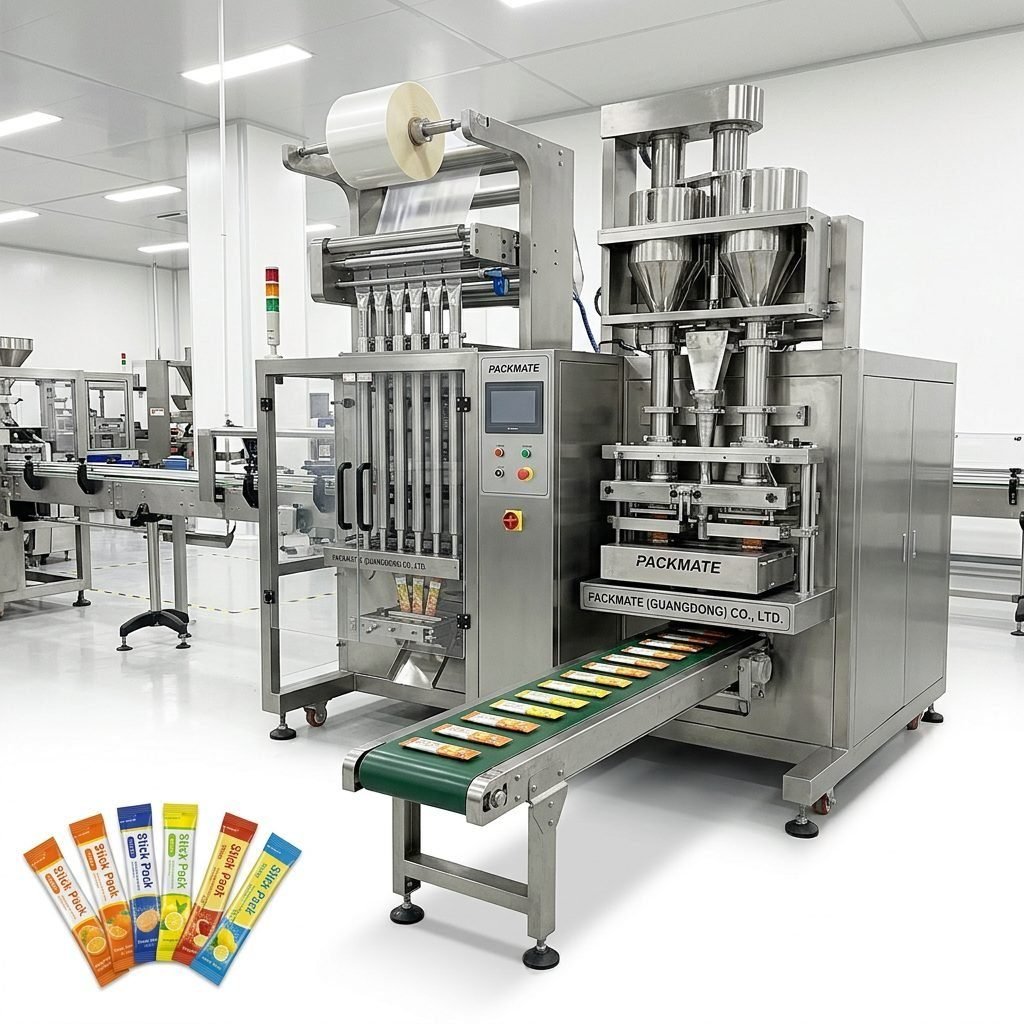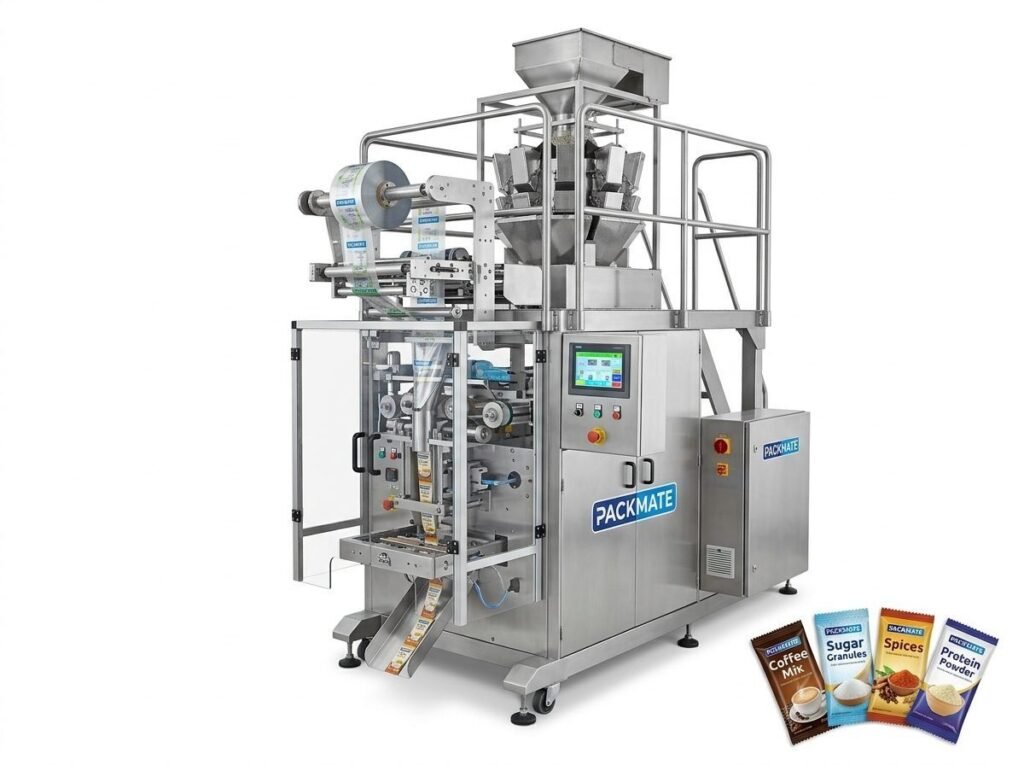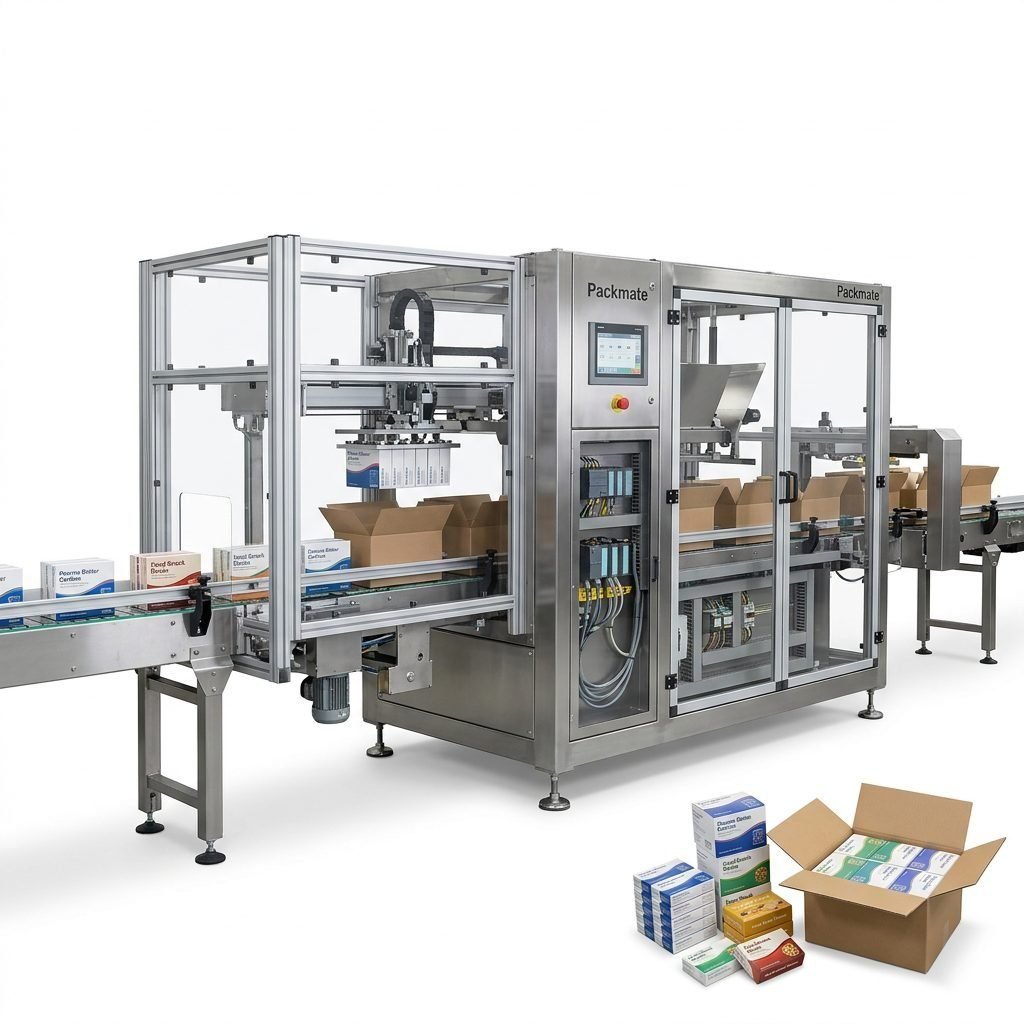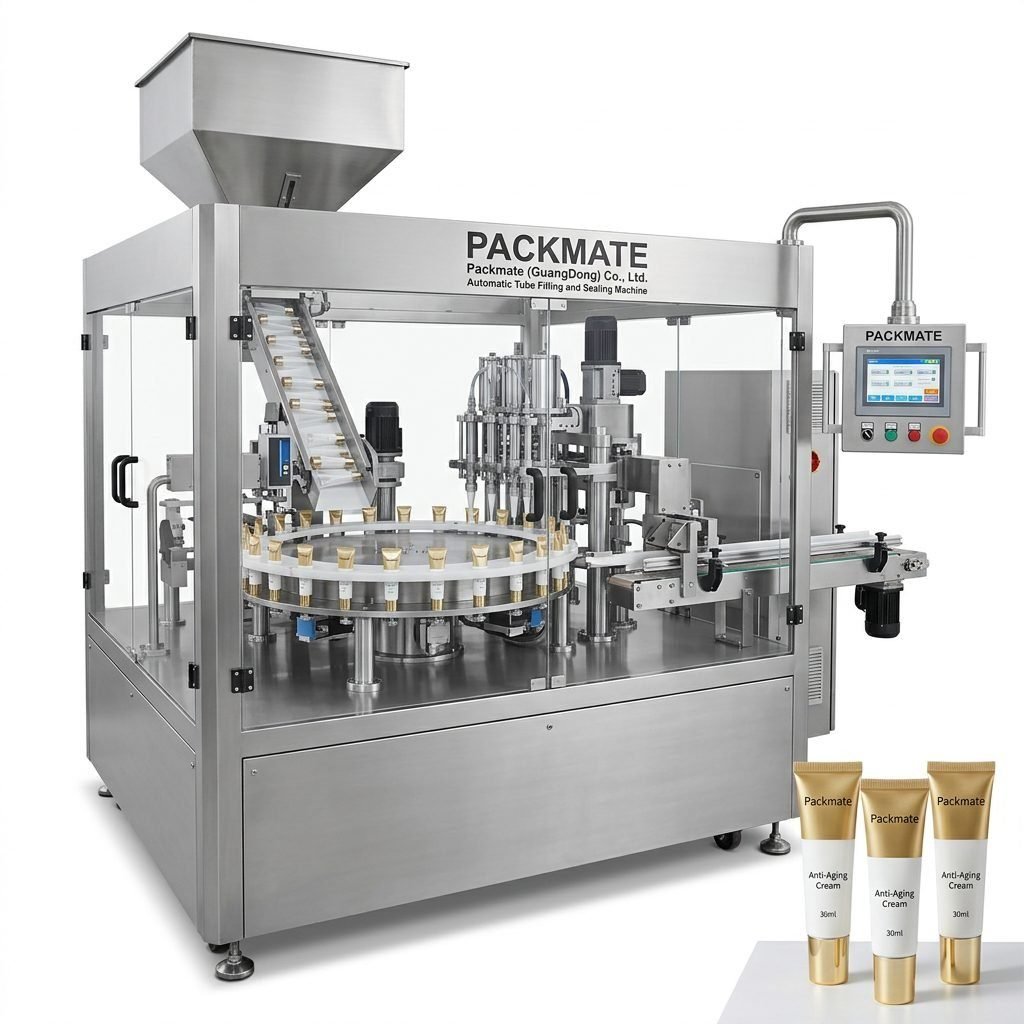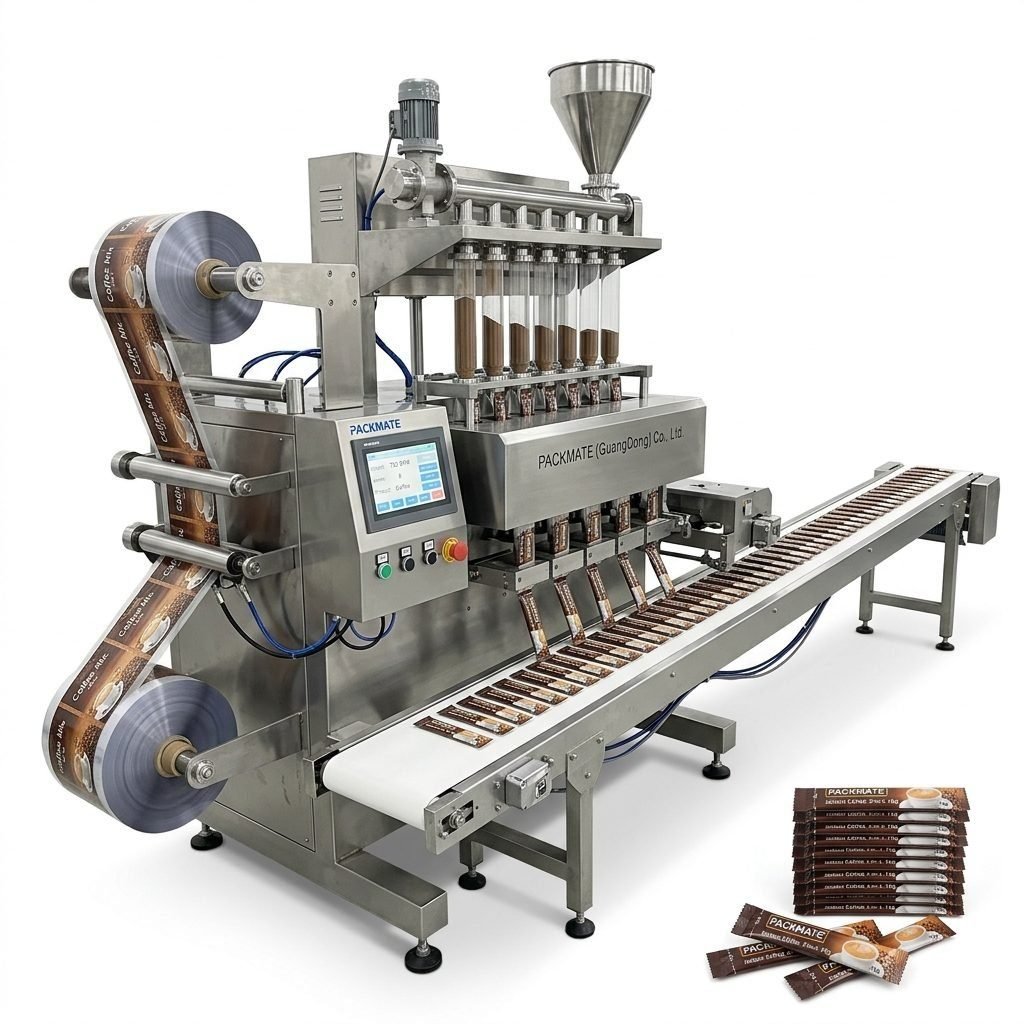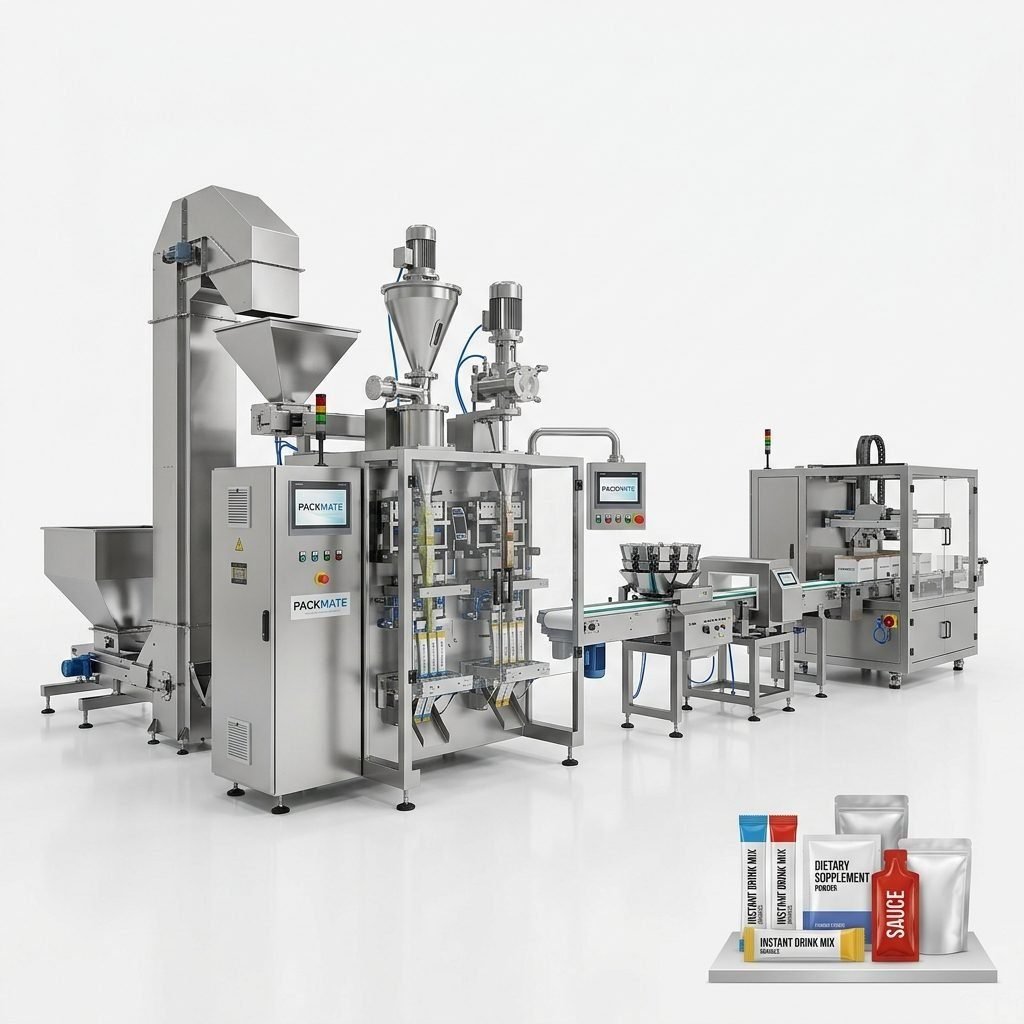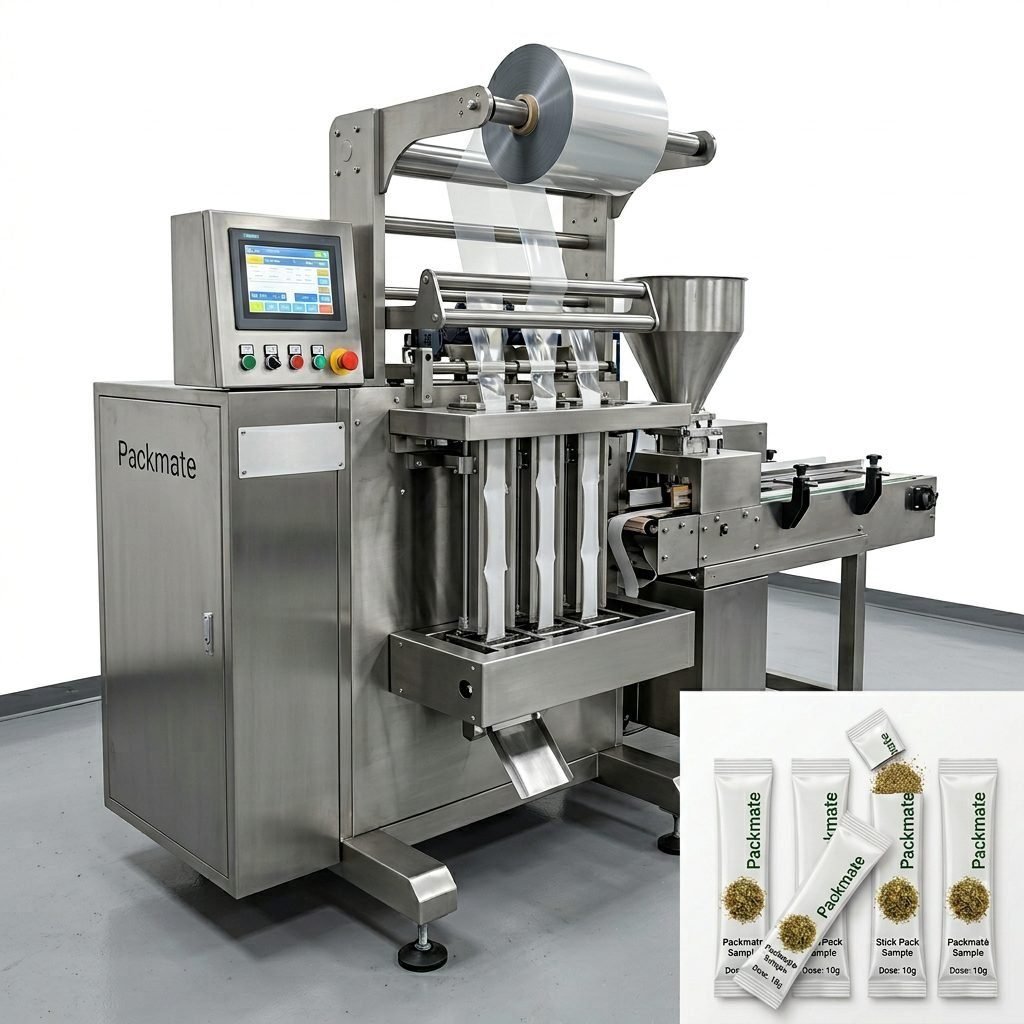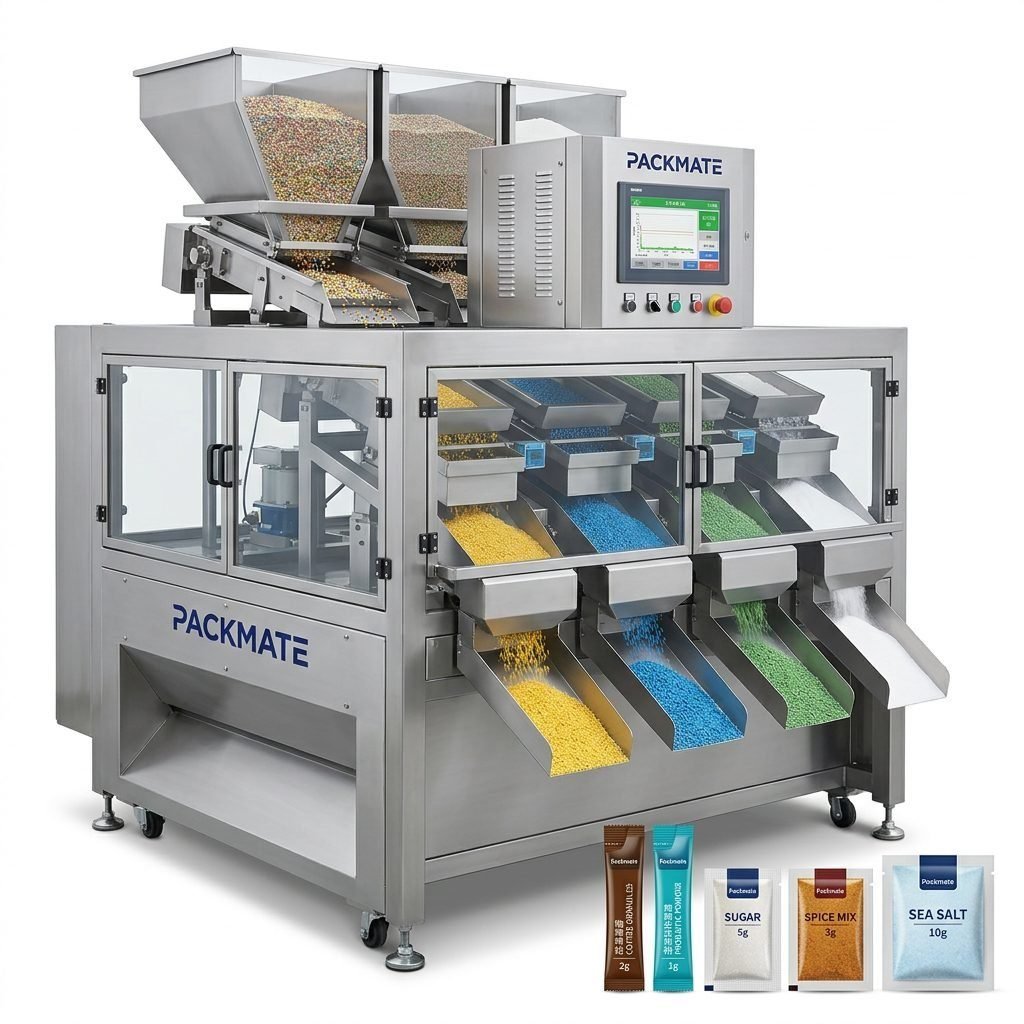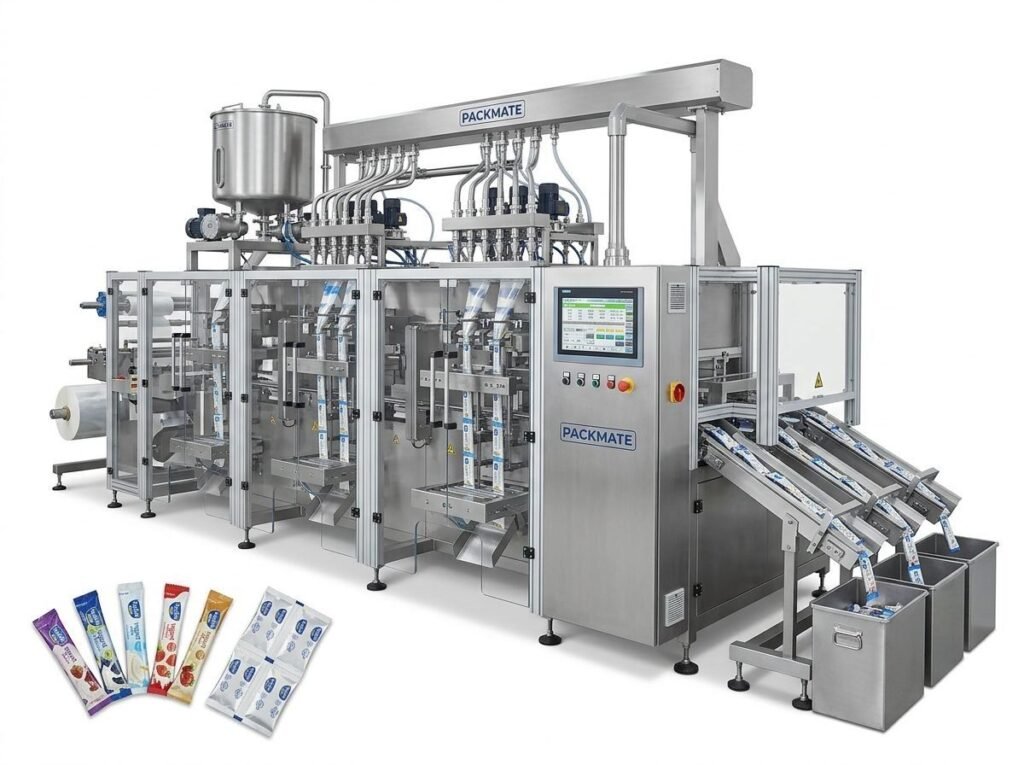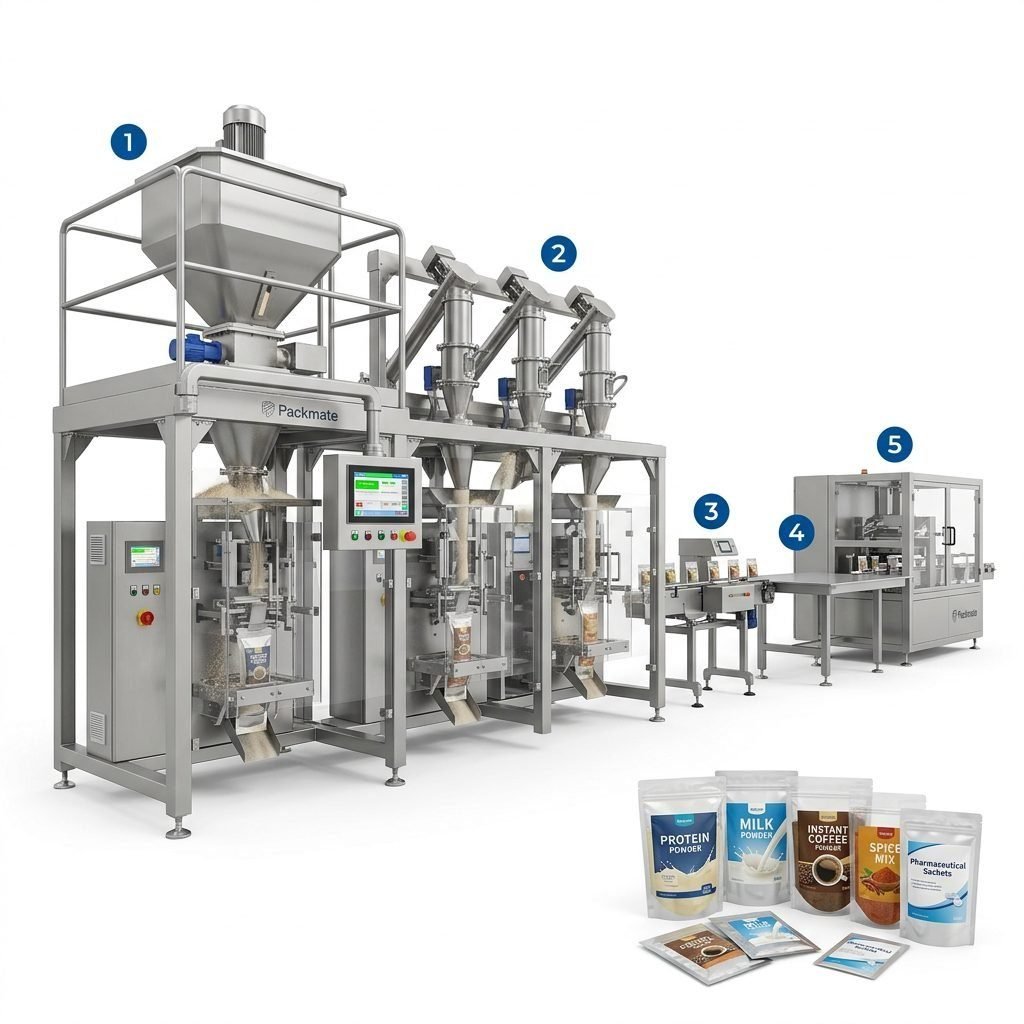
Choosing the right brick type vacuum packaging machine is a critical decision for businesses in the food, pharmaceutical, and health product industries. This comprehensive guide will walk you through the key factors to consider, provide insightful reviews of machine capabilities, and help you understand why this technology is essential for product preservation, shelf-life extension, and brand presentation.
Understanding Brick Type Vacuum Packaging
Brick type vacuum packaging, often referred to as brick-pack or block-bottom packaging, creates a rigid, rectangular package with excellent stability for retail display. The process involves placing the product into a pre-formed bag or pouch, evacuating all air, and sealing it to create a hermetic, oxygen-free environment. This method is particularly effective for coffee beans, ground spices, nuts, dried fruits, powders, and granular products that are sensitive to moisture and oxidation.
The primary advantage is the complete removal of oxygen, which dramatically slows down the growth of aerobic bacteria and fungi, prevents oxidation (which causes rancidity in fats and oils), and retains the product’s original flavor, aroma, and nutritional value. The brick shape not only maximizes shelf space efficiency but also provides a premium, sturdy feel that enhances perceived product value.
Key Features to Evaluate Before Purchase
When investing in a brick type vacuum packaging machine, several technical and operational features demand close attention to ensure it meets your production needs.
Vacuum Performance and Speed: The core of the machine is its vacuum system. Look for a powerful pump capable of achieving a deep vacuum level (often measured in mbar or inHg). The cycle speed, measured in packages per minute (PPM), directly impacts your production throughput. High-speed models are essential for large-scale operations.
Sealing System and Reliability: A consistent, strong seal is non-negotiable for maintaining vacuum integrity. Machines use either impulse sealers or constant heat sealers. The sealing bar material, temperature control accuracy, and cooling mechanism are critical for preventing leakers and ensuring package durability during handling and transport.
Bag Size Flexibility and Changeover: Your machine should accommodate a range of bag sizes to match different product lines. Quick-change systems for sealing jaws and bag holders minimize downtime during size adjustments, boosting overall equipment effectiveness (OEE).
Automation and Control Level: Machines range from simple manual (place bag, start cycle) to fully automatic systems integrated with weighing and feeding systems. A Programmable Logic Controller (PLC) with a user-friendly touchscreen interface allows for easy recipe storage, parameter adjustment, and production monitoring.
Construction and Hygiene: The machine frame should be robust, typically from stainless steel (grade 304 or 316 for food contact parts), to withstand industrial environments. A design with smooth surfaces and minimal crevices facilitates easy cleaning and complies with food safety standards like HACCP and GMP.
In-Depth Reviews of Machine Capabilities
Modern brick type vacuum packers offer far more than just basic air removal. Here’s a review of the advanced capabilities that differentiate premium models.
Gas Flushing (Modified Atmosphere Packaging – MAP): Many advanced machines offer a gas flushing option. After vacuuming, the chamber is filled with an inert gas mixture (like Nitrogen or CO2) before the final seal. This is ideal for extremely oxygen-sensitive products like sliced meats or premium snacks, providing an extra layer of protection.
Double Chamber vs. Single Chamber Design: Double chamber vacuum sealers allow one chamber to be loaded while the other is in the vacuum/sealing cycle, effectively doubling output and providing near-continuous operation. They are a significant productivity upgrade for medium to high-volume producers.
Integrated Degassing for Powders: Specialized models for fine powders (e.g., milk powder, protein powder) feature a gentle vibration or tapping system during the vacuum cycle. This helps release air trapped between powder particles, resulting in a denser, more compact brick pack with a superior vacuum level.
Smart Diagnostics and Connectivity: Top-tier machines from manufacturers like Packmate Machinery include IoT-ready features. They can monitor performance, predict maintenance needs (like seal bar wear or pump oil changes), and connect to factory management systems for data collection and analysis, paving the way for Industry 4.0 integration.
Matching the Machine to Your Product and Output
Selecting a machine isn’t just about features; it’s about the perfect fit for your specific application.
For Coffee Roasters & Spice Packers: Prioritize machines with excellent degassing capabilities and gas flushing options. Coffee beans release CO2 for days after roasting (degassing); a machine that can handle this and replace the atmosphere with nitrogen is key for preserving freshness and preventing bag rupture.
For Nut & Dried Fruit Processors: A strong, reliable vacuum is paramount to prevent rancidity. Look for machines with robust sealing systems and easy-cleaning chambers to handle potential oils and sticky residues. Integration with automated filling lines can streamline high-volume packaging.
For Pharmaceutical & Health Product Manufacturers: Compliance is critical. The machine must be constructed with pharmaceutical-grade stainless steel, offer validated vacuum and seal parameters, and generate documentation for batch records. Cleanroom-compatible models are often required.
Output needs vary widely. A small artisanal producer might manage with a semi-automatic machine packaging 2-4 bags per minute, while a large industrial facility will require a fully automatic, multi-lane system capable of 60+ bags per minute. Accurately forecasting your growth is essential to avoid under or over-investing in equipment.
The Importance of Supplier Support and Service
The machine’s quality is only half the equation. The manufacturer’s support network is vital for long-term success.
Choose a supplier with a proven track record and strong after-sales service. This includes comprehensive installation and training, ready availability of spare parts (sealing bars, vacuum pump oil, gaskets), and accessible technical support. Manufacturers with a global presence, like Packmate, which showcases its reach at international exhibitions, can often provide faster local support. Review the warranty terms carefully and inquire about preventative maintenance contracts to ensure maximum uptime.
Frequently Asked Questions (FAQs)
What is the main difference between a brick type vacuum machine and a standard vacuum sealer?
Standard vacuum sealers typically use roll-stock or pre-made bags and create a “shrink-wrapped” look around the product’s contours. Brick type machines are designed to use specific bags that form into a rigid, rectangular block, providing superior stackability, retail presentation, and often a higher barrier against physical damage to the contents.
Can one machine handle different bag sizes and materials?
Most industrial brick type vacuum packers are designed for flexibility. They can be adjusted to handle a range of bag lengths, widths, and depths. However, the bag material (e.g., multilayer films with AL foil, PET, PE) must be compatible with the machine’s sealing temperature and method. Always consult with the machine supplier regarding your specific packaging materials.
How often does a vacuum packaging machine require maintenance?
Routine daily cleaning is essential. Key maintenance includes regularly checking and cleaning the sealing bar, replacing the vacuum pump oil as per the manufacturer’s schedule (e.g., every 500-1000 hours), and inspecting chamber seals for wear. A well-maintained machine can last for over a decade. Detailed schedules are provided in the machine manual.
Is modified atmosphere packaging (MAP) better than simple vacuum packaging?
It depends on the product. Simple vacuum removal is excellent for most dry goods. MAP (gas flushing) is superior for products that are crushed by full vacuum (like delicate chips), or those where an inert gas atmosphere provides additional protection against oxidation or anaerobic bacteria. MAP equipment is an added feature and cost.
What safety features should I look for?
Essential safety features include emergency stop buttons, safety interlocks that prevent the chamber from closing on an operator’s hand, thermal overload protection for the sealer, and clear safety warnings. Machines should comply with relevant international machinery safety standards (e.g., CE, UL).