In the competitive world of food production, efficiency and presentation are paramount. For businesses producing bean paste—a staple in many global cuisines—selecting the right packaging machine is a critical operational decision. This guide delves into the types, key features, and essential buying tips for bean paste packaging machinery, empowering you to make an informed investment that boosts your productivity and product appeal.
Understanding Bean Paste Packaging Machines
Bean paste packaging machines are specialized automated systems designed to measure, fill, and seal precise amounts of viscous products like red bean paste, black bean paste, or sweet bean paste into various pouch types. These machines handle the unique challenges of thick, sometimes sticky consistencies, ensuring clean, consistent, and hygienic packaging at high speeds.
Why Specialized Equipment Matters
Using a general-purpose filler for bean paste often leads to inaccurate fills, product waste, and frequent downtime due to clogging. A machine engineered for viscous products incorporates features like piston fillers, specially designed nozzles, and heated sealing jaws to manage the product’s texture effectively, guaranteeing portion control and seal integrity.
Primary Types of Bean Paste Packaging Machines
The ideal machine depends on your output goals, package style, and budget. Here are the main categories:
1. Vertical Form-Fill-Seal (VFFS) Machines
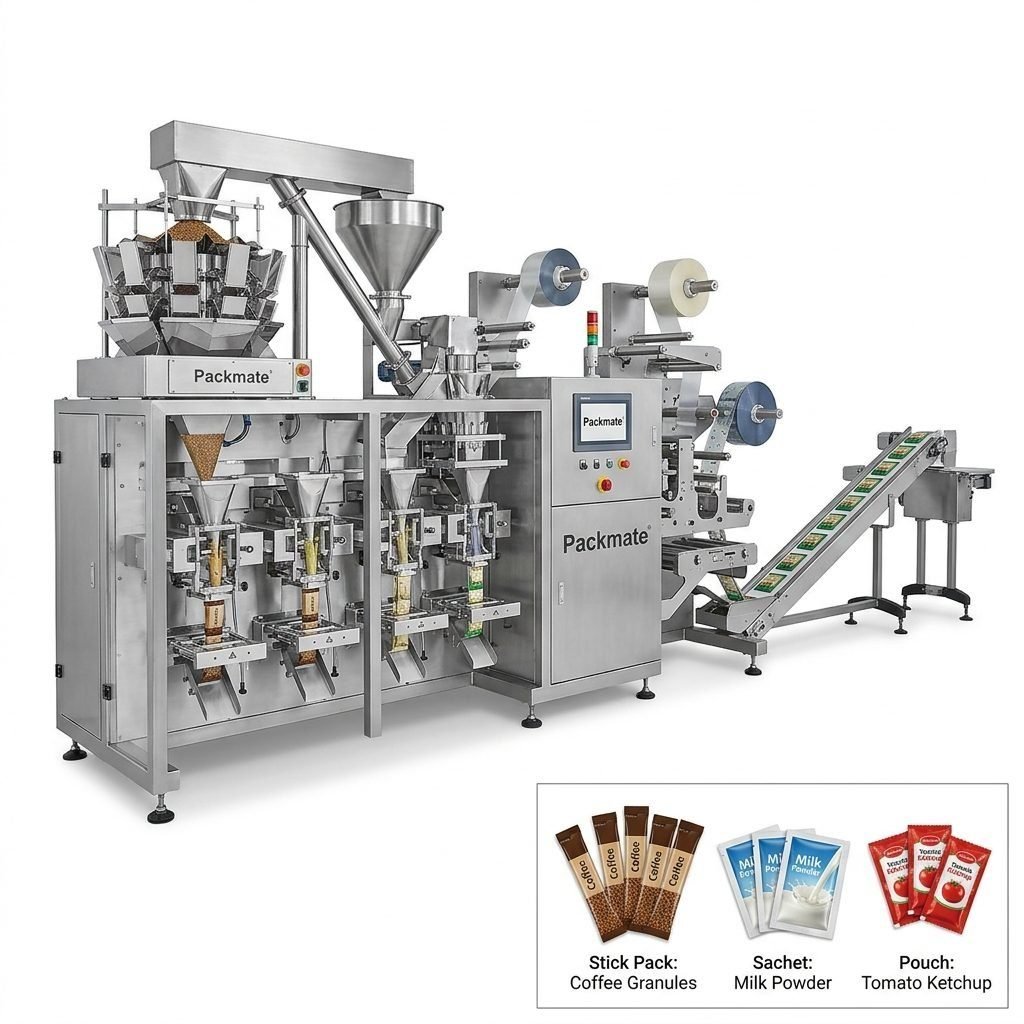
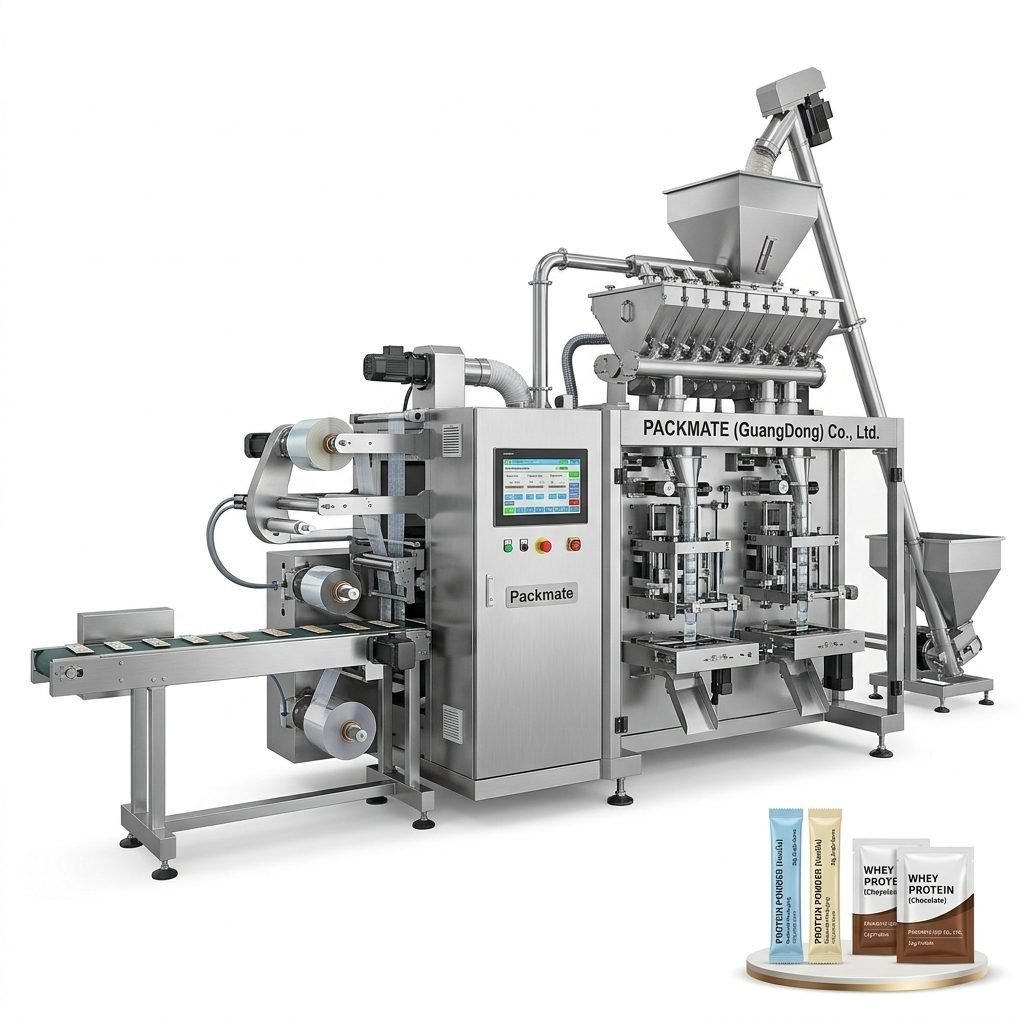
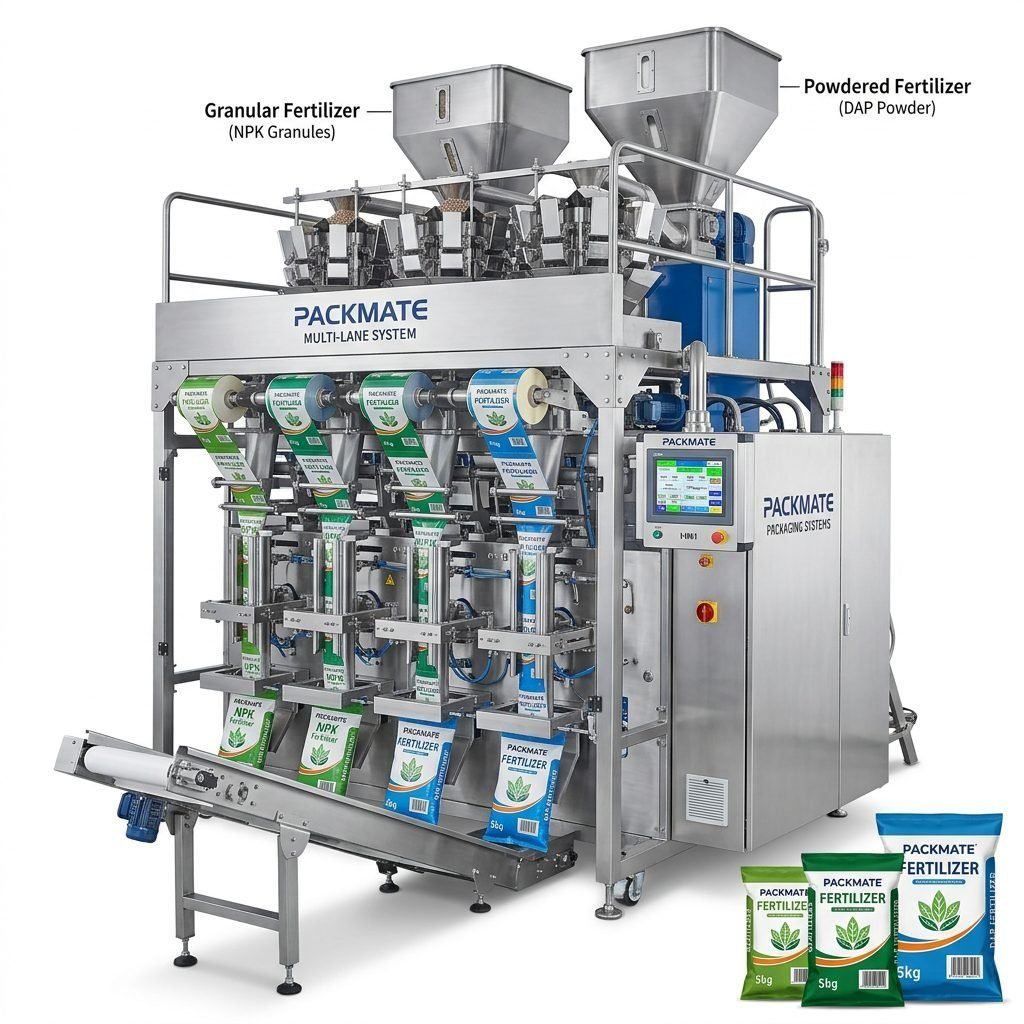
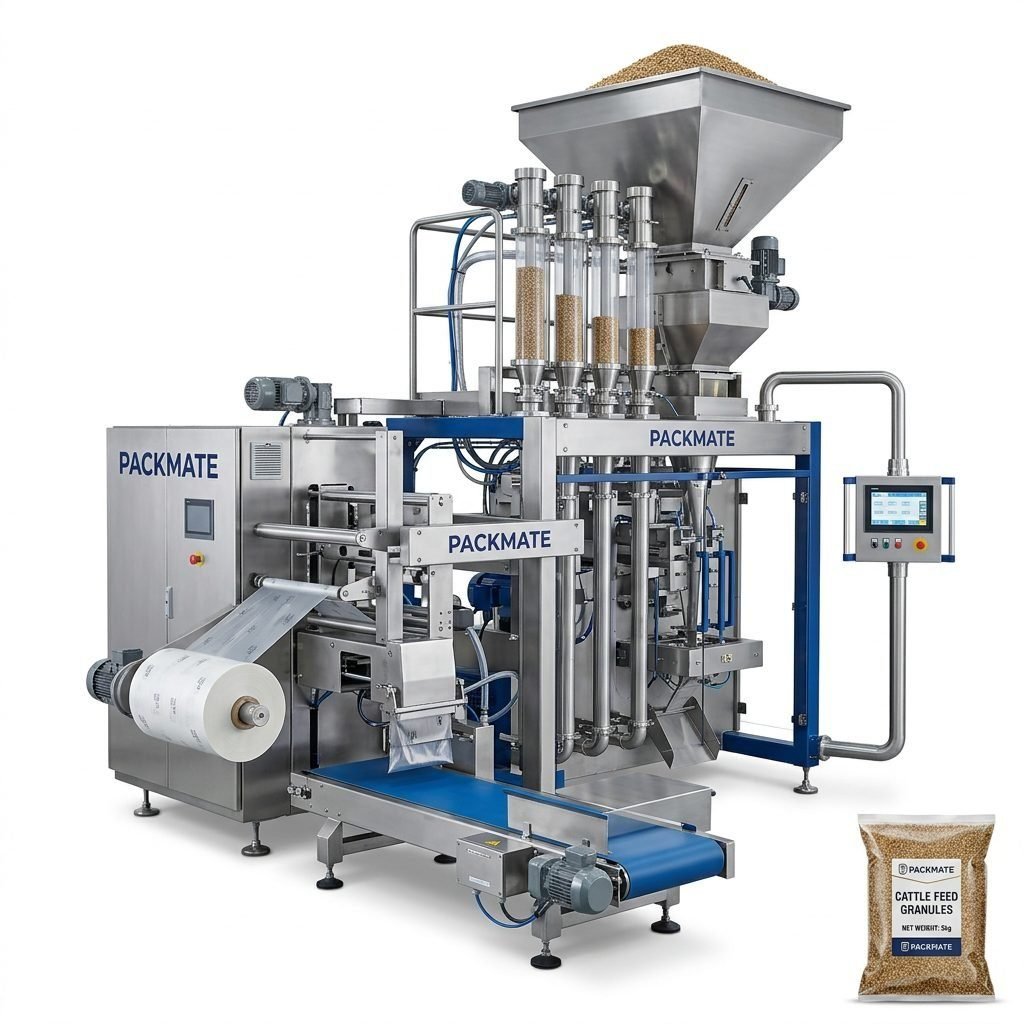
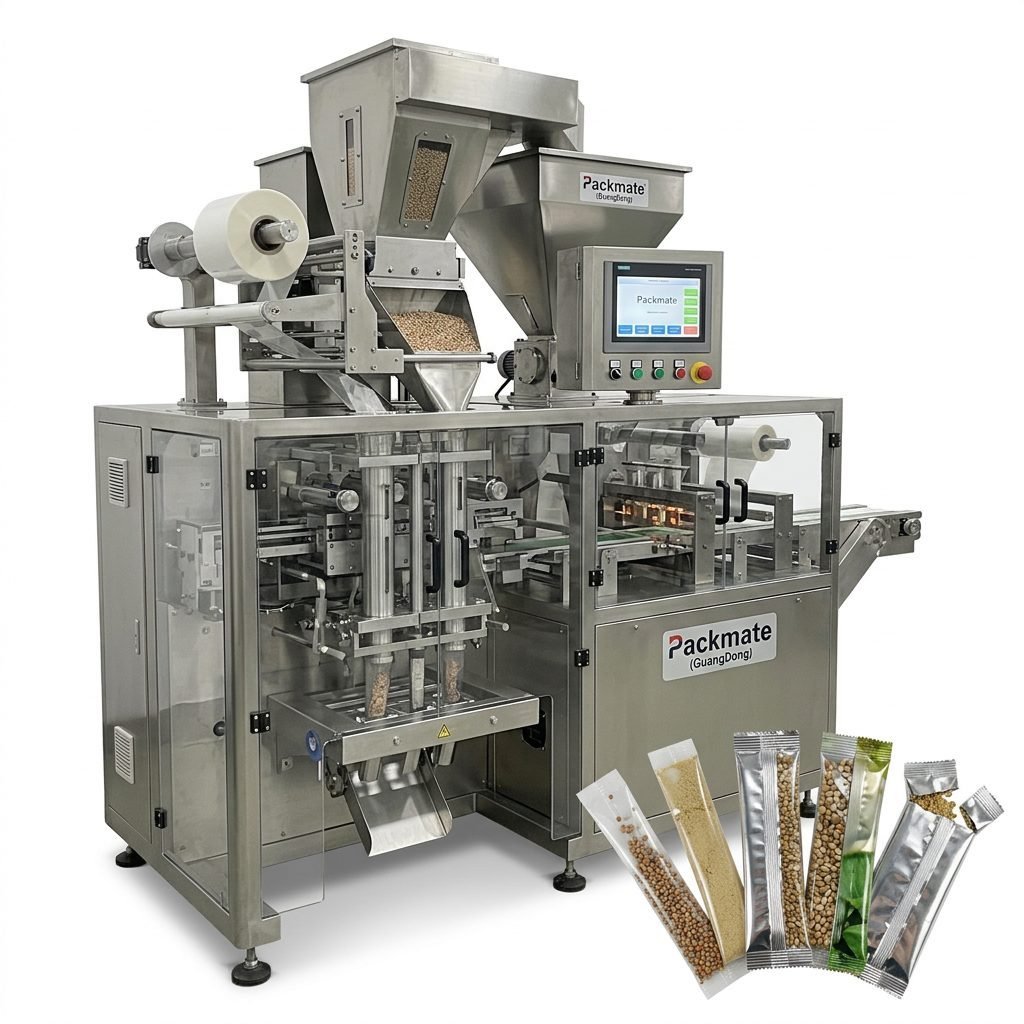
These are the most common for medium to high-volume production. They form bags from a roll of film, fill them with bean paste, and then seal them—all in one continuous vertical process. They are highly versatile and can produce various pouch styles like pillow packs, gusseted bags, or stand-up pouches. For a look at advanced bag packaging solutions, explore our range of Bag & Pouch Packaging Machines.
2. Piston Filling Machines
Renowned for their exceptional accuracy with viscous products. These machines use a piston cylinder to draw a precise volume of bean paste and then discharge it into pre-made bags, cups, or jars. They are often integrated into semi-automatic or automatic lines and are perfect for applications where exact weight control is crucial.
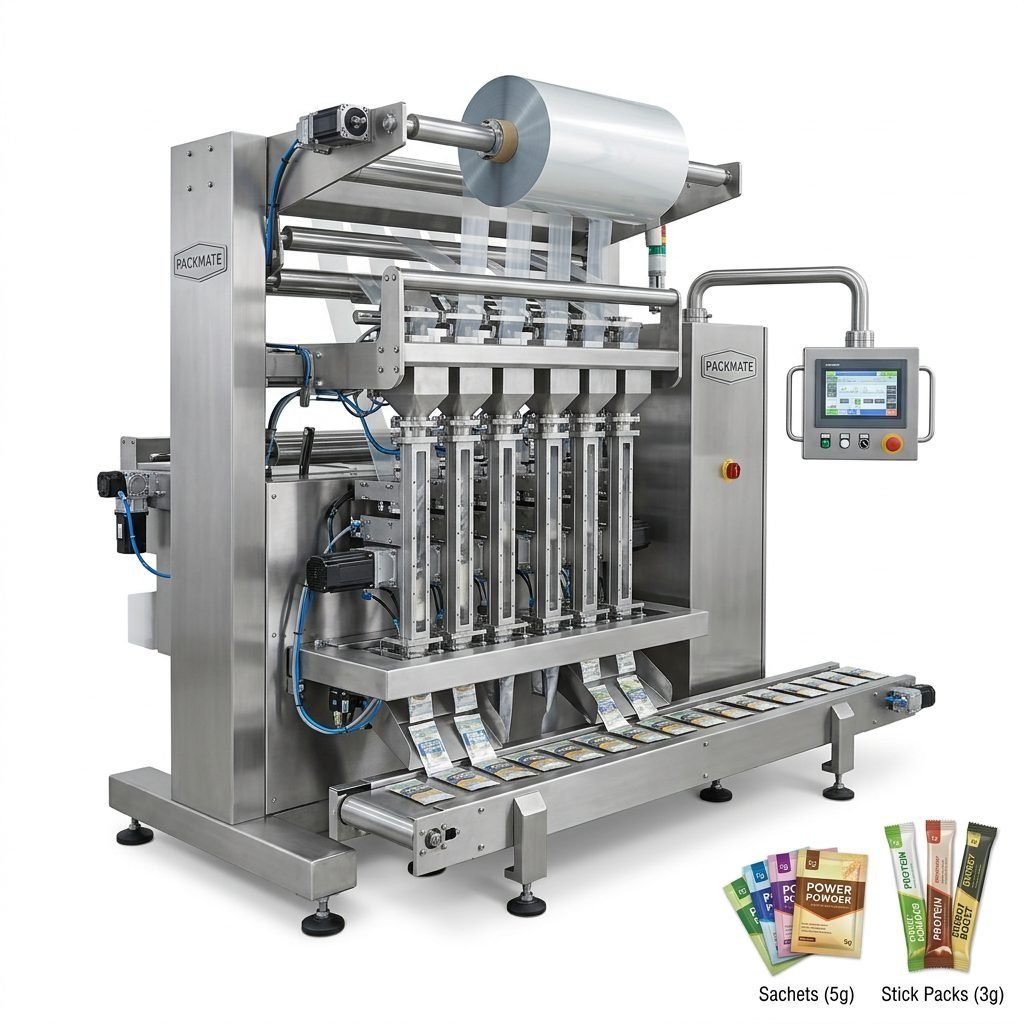
3. Sachet and Stick Pack Machines
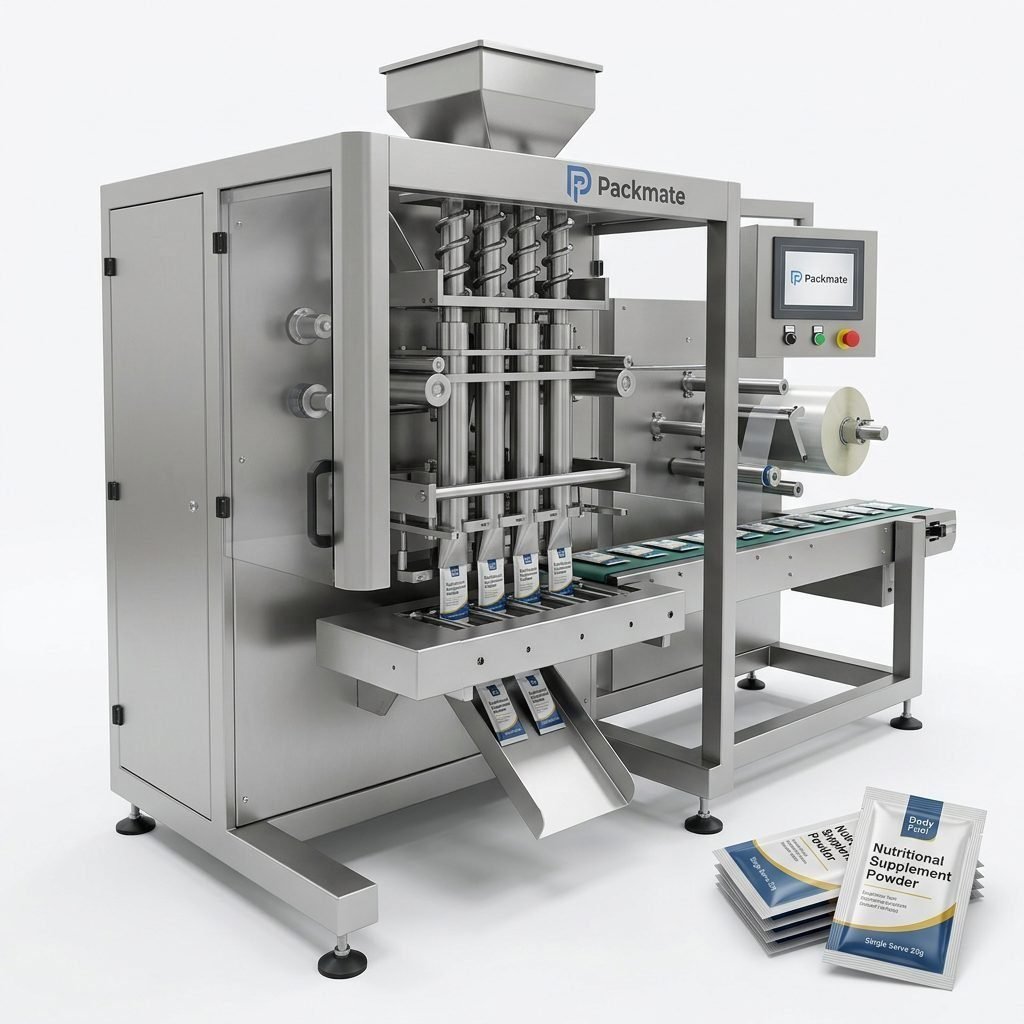
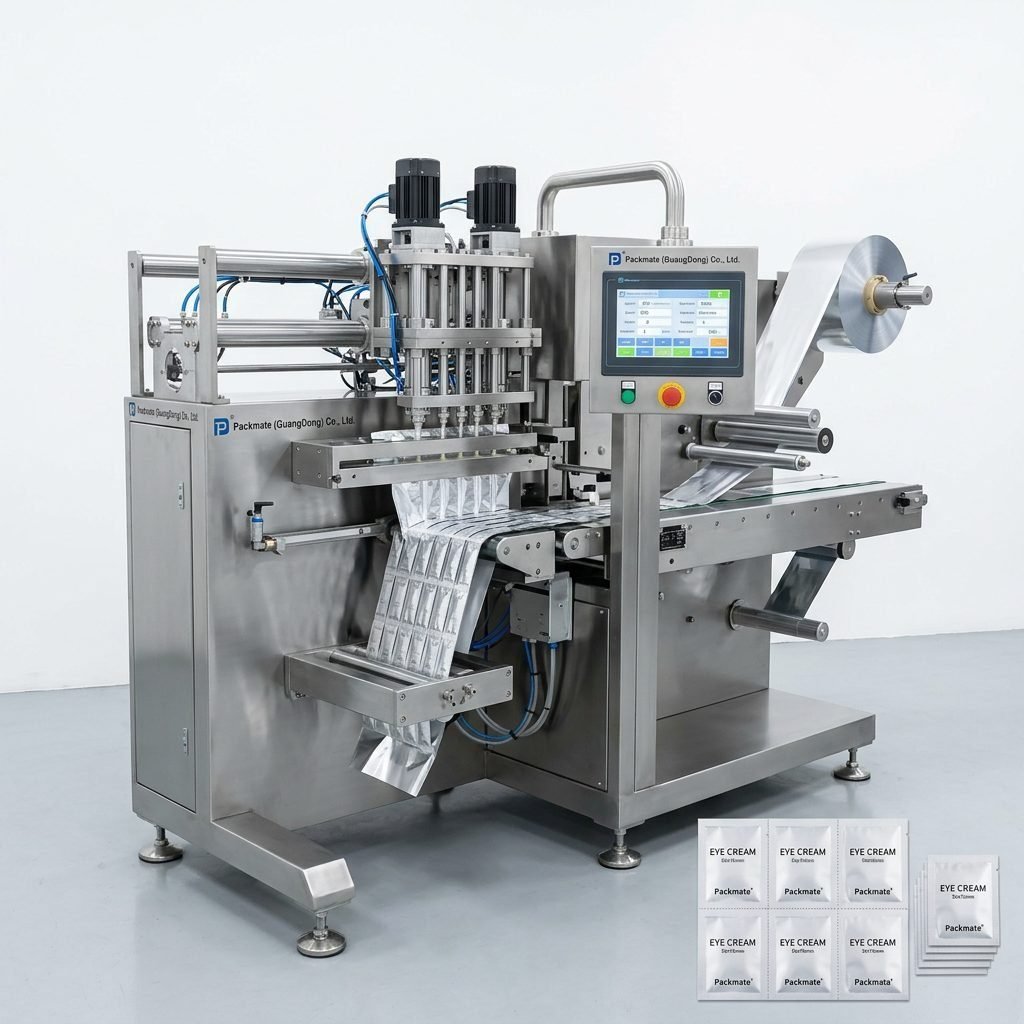
Designed for single-serve portions, ideal for cafes, restaurants, or retail samples. These machines create small, sealed packets from roll film. While typically used for powders and liquids, specific models with adapted filling systems can handle thicker pastes for convenient portioning. Discover our specialized equipment for small-format packaging on the Sachet & Stick Pack Machines page.
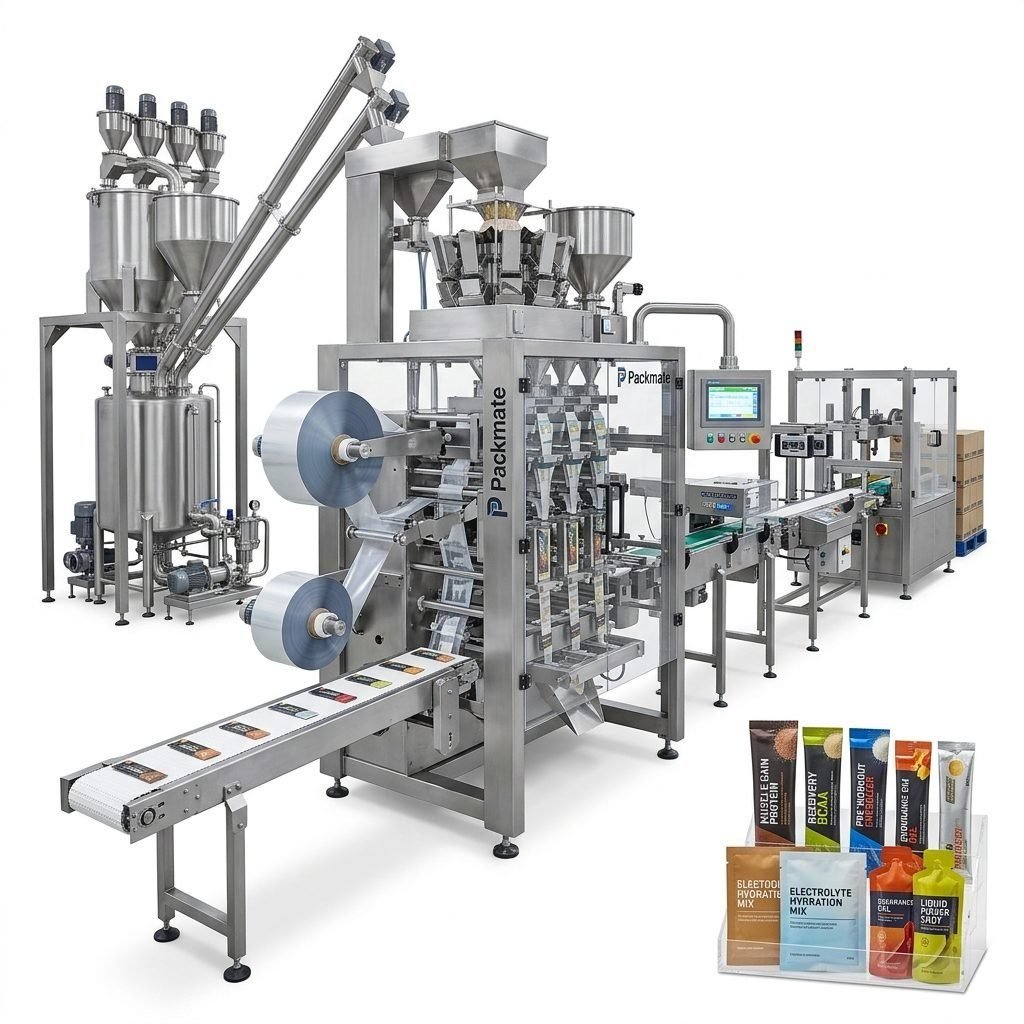
4. Complete Filling and Packaging Lines
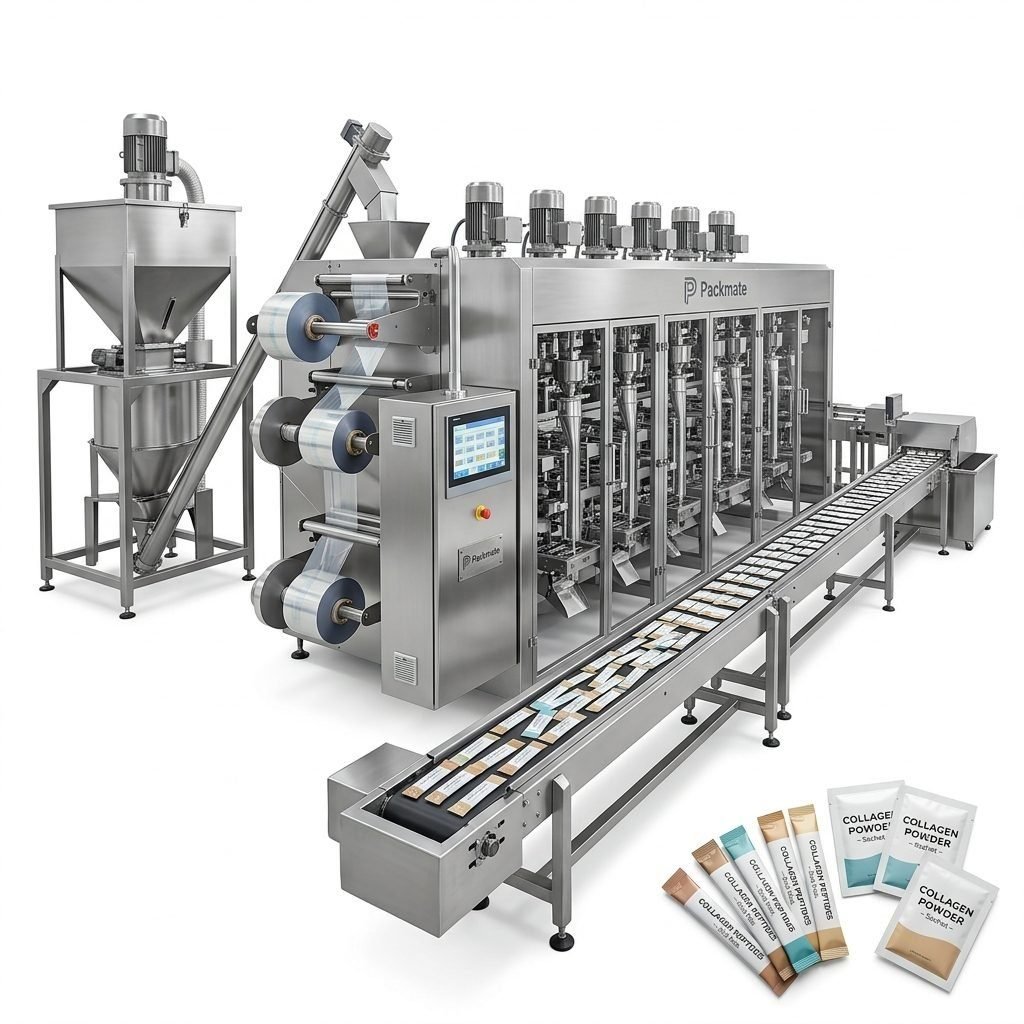
For large-scale operations, a turnkey line integrates multiple functions: feeding, filling, sealing, coding, and cartoning. These systems maximize throughput with minimal manual intervention. Companies like Packmate Machinery offer comprehensive Filling & Packaging Lines tailored to specific production needs.
Key Features to Look For
Beyond the machine type, these features are non-negotiable for reliable bean paste packaging.
A. Filling System & Accuracy
Piston-based filling is the gold standard for bean paste. Look for machines with food-grade stainless steel pistons and cylinders, easy adjustment for fill volume, and CIP (Clean-in-Place) capabilities. Accuracy should be within ±1% to control costs and ensure compliance.
B. Material Compatibility & Sealing
The machine must handle laminated films (e.g., PET/AL/PE) that provide a strong barrier against moisture and oxygen. Heated sealing jaws with adjustable temperature and pressure are vital to create airtight, leak-proof seals through any potential product contamination on the sealing area.
C. Hygiene and Cleanability
All product contact parts must be 304 or 316 stainless steel. A design with minimal crevices, quick-release parts, and accessible surfaces drastically reduces cleaning time and prevents bacterial growth, which is critical for food safety.
D. Speed and Production Capacity
Match the machine’s speed (bags/minute) to your current and forecasted demand. Consider not just peak speed but sustainable operational speed. A machine that runs reliably at 80% of its max speed is better than one that constantly jams at its top rated speed.
E. Controls and User Interface
A user-friendly PLC touchscreen interface allows for easy recipe storage, changeover, and troubleshooting. Look for machines that store settings for different package sizes to minimize downtime during product switches.
Essential Buying Tips
Making the right purchase requires careful planning and vendor assessment.
1. Define Your Requirements Precisely: Document your product viscosity, target package size/type, required output (bags per shift), available factory space, and utility connections (power, air).
2. Request a Live Product Test: Never buy based on specifications alone. Send your actual bean paste to the manufacturer for a live performance test. This reveals how the machine handles your product’s specific texture and identifies any potential issues with filling or sealing.
3. Evaluate Build Quality and Support: Inspect the machine’s construction. Robust framing and quality components indicate longevity. Scrutinize the supplier’s after-sales service: availability of spare parts, technical support response time, and warranty terms. A provider with a strong track record, like Packmate Machinery, which brings over two decades of engineering expertise, offers greater long-term security.
4. Consider Total Cost of Ownership (TCO): Look beyond the initial price. Factor in energy consumption, maintenance costs, expected lifespan, and the potential cost of downtime. A slightly more expensive, reliable machine often has a lower TCO than a cheaper, problematic one.
5. Plan for the Future: Choose a machine or supplier that can scale with your business. Can the line be easily upgraded for higher speed? Does the manufacturer offer a broader range of packing machines for potential future product diversification?
Summary: Making Your Final Decision
Investing in a bean paste packaging machine is a significant step toward automation and growth. Prioritize a machine built for viscosity, with a precise piston filler and reliable sealing. Insist on a product test, choose a reputable manufacturer with proven support, and analyze the total cost of ownership. By focusing on these core principles, you will secure a packaging solution that ensures product quality, maximizes efficiency, and provides a strong return on investment for years to come.
Frequently Asked Questions (FAQs)
Q1: Can one machine package different types of bean paste (e.g., smooth vs. chunky)?
Yes, but it requires configuration. A piston filler handles both, but you may need to change the nozzle size or piston valve for chunks. Always test both varieties during the machine evaluation.
Q2: How do I prevent bean paste from sticking to the filling nozzle?
Opt for machines with anti-drip nozzles, often equipped with a cutting or wiping mechanism. Using nozzles with a non-stick coating (e.g., PTFE) and ensuring the paste is at a consistent, cool temperature also significantly reduces sticking.
Q3: What is the typical maintenance schedule for these machines?
Daily: Basic cleaning and visual inspection. Weekly: Lubrication of moving parts and checking seal integrity. Monthly: Deeper inspection of pistons, seals, and sensors. Always follow the manufacturer’s specific maintenance manual.
Q4: How long does it take to change over to a different package size?
Changeover time varies. Modern machines with servo-driven components and digital recipe recall can change over in 15-30 minutes. Simpler mechanical machines may take an hour or more. Ask the supplier for demonstrated changeover times.
Q5: Can the machine print dates and batch codes on the packages?
Most production lines integrate a coding system, such as an inkjet printer or laser coder, either inline before filling or after sealing. This is a standard and highly recommended add-on for traceability.