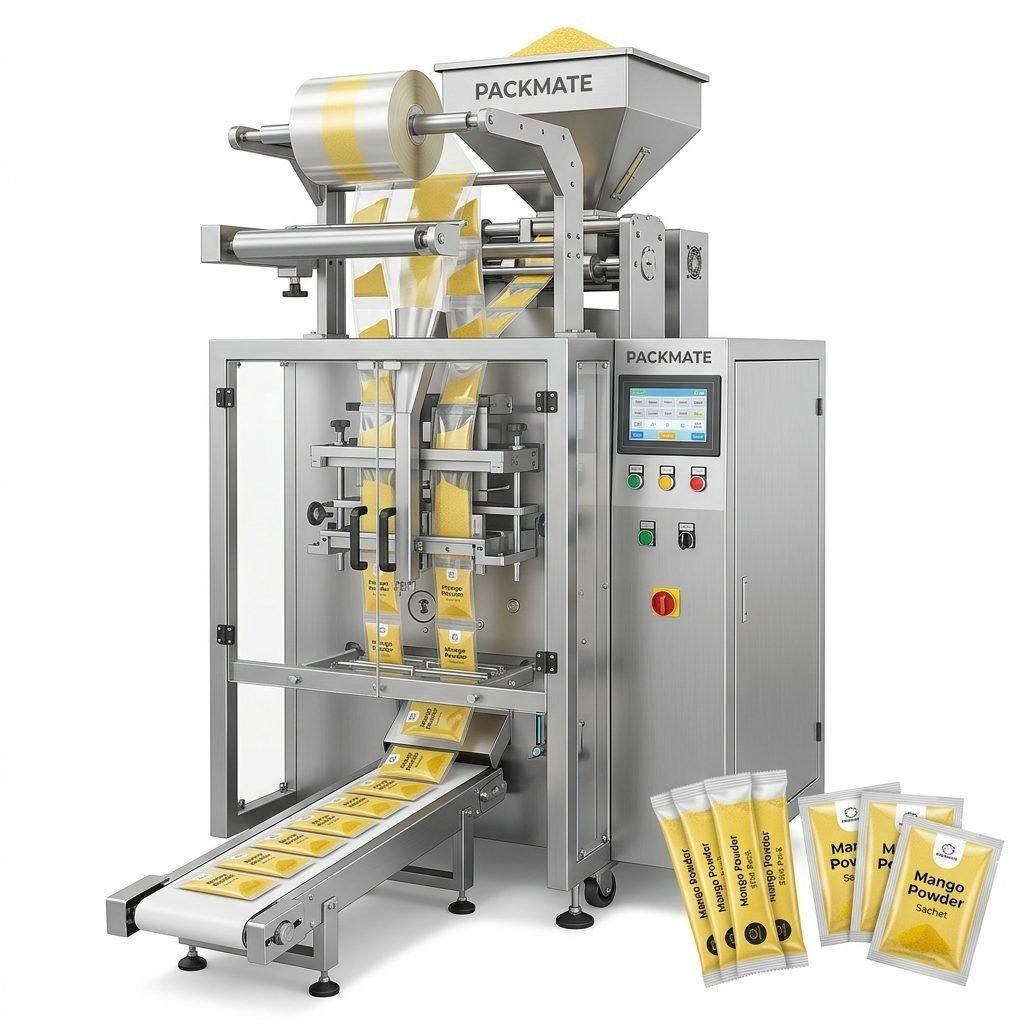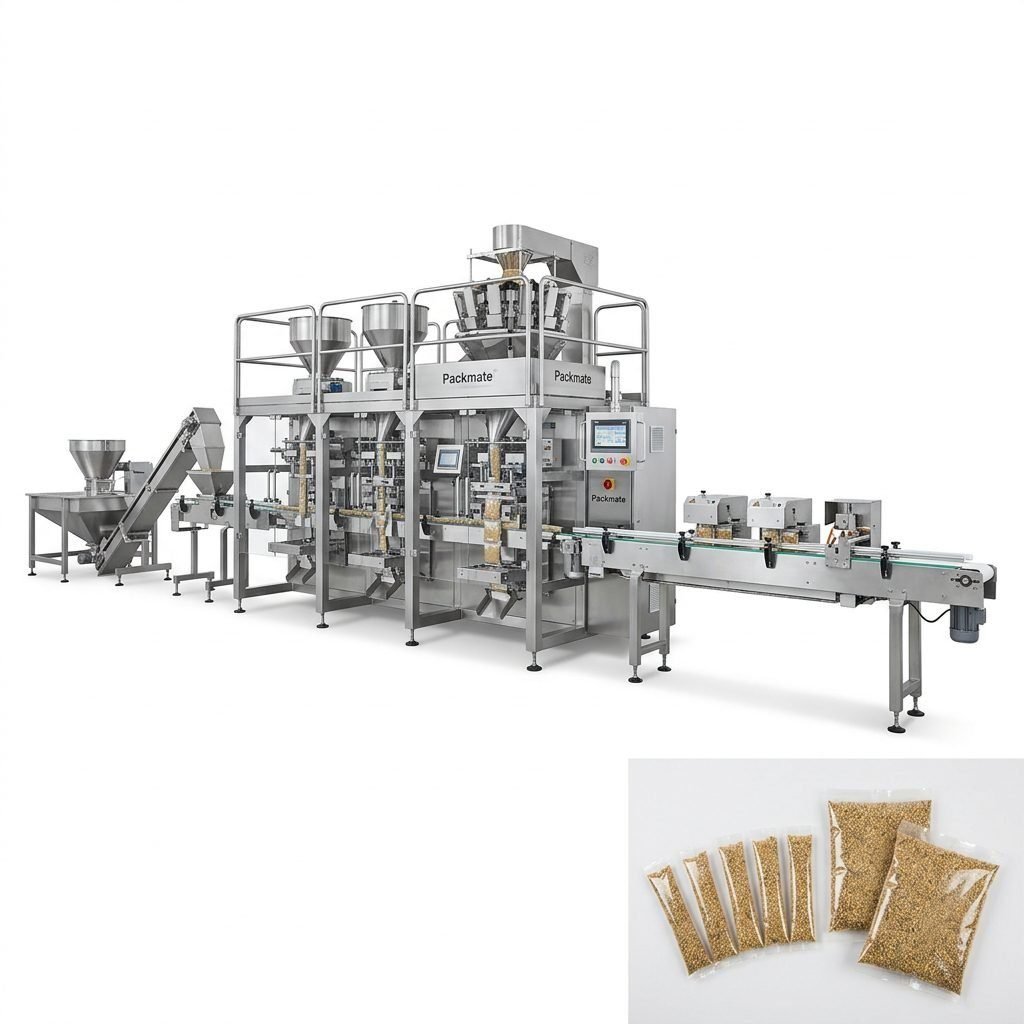
In the competitive pet food industry, standing out on the shelf is paramount. For producers of dog snack sticks, the packaging is often the first point of interaction with the consumer. Investing in a high-quality custom dog snack sticks packaging machine is not just an operational decision; it’s a strategic move that directly impacts brand perception, product integrity, and ultimately, sales. This comprehensive guide will walk you through everything you need to know to make an informed purchase.
Why Custom Packaging Matters for Dog Snack Sticks
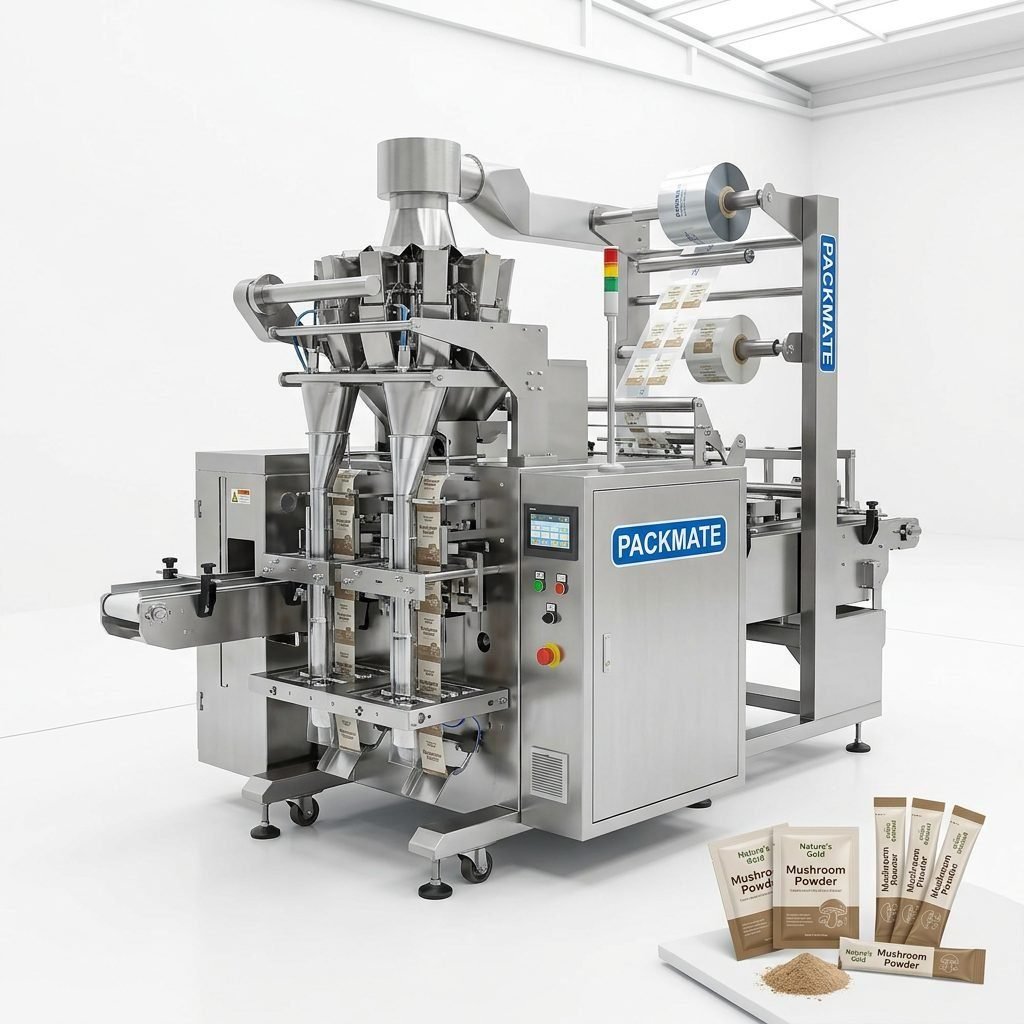
The packaging for dog treats serves multiple critical functions beyond simple containment. It must preserve freshness, protect the product from damage and contamination, provide clear branding and nutritional information, and be convenient for both retailers and pet owners. A custom packaging machine allows you to tailor the packaging format—such as stick packs, sachets, or pouches—to perfectly suit your product’s size, shape, and shelf-life requirements. This level of customization ensures your product looks professional and appealing, building trust with your customers.
A generic packaging solution often leads to compromises. Too much empty space in the pack can make the product seem insubstantial, while an overly tight pack might crush the sticks. A custom stick pack machine eliminates these issues by allowing precise control over pack dimensions and sealing parameters, ensuring every package looks and performs perfectly.
Key Features to Look for in a Packaging Machine
When evaluating machines, focus on features that enhance efficiency, versatility, and reliability. Here are the non-negotiables:
1. Precision Weighing and Filling System
Consistency in portion control is crucial for customer satisfaction and cost management. Look for machines equipped with high-accuracy multi-head weighers or volumetric fillers specifically designed to handle the density and shape of dog snack sticks without causing breakage.
2. Versatile Packaging Material Compatibility
Your machine should handle a wide range of laminates, including metallized films, high-barrier plastics, and recyclable materials. This flexibility allows you to adapt to market trends, such as the growing demand for sustainable packaging, without needing a new machine.
3. Robust Sealing Technology
A strong, hermetic seal is essential to lock in freshness and prevent spoilage. Machines should offer reliable heat sealing or ultrasonic sealing systems that create consistent, airtight seals even at high production speeds.
4. Advanced Automation and Control
A user-friendly PLC (Programmable Logic Controller) touchscreen interface is a must. It allows for easy recipe changes, quick adjustments, and provides real-time monitoring of production data, speed, and error diagnostics, minimizing downtime.
Understanding Production Capacity and Speed
Your required output will significantly influence your choice. Machine speeds are typically measured in packs per minute (PPM).
- Small-scale/Sartup: Machines with speeds of 60-120 PPM are ideal for niche brands or initial production runs.
- Medium-scale Growth: For established brands, machines ranging from 120-250 PPM offer a balance of speed and investment.
- Large-scale Manufacturing: High-speed lines from reliable manufacturers can exceed 300 PPM and are designed for continuous, high-volume production.
Always consider not just your current needs but your projected growth for the next 3-5 years. Investing in a slightly more capable machine can save costly upgrades later.
The Importance of a Trusted Manufacturer
The machine’s performance is inextricably linked to the expertise of its builder. Partnering with an experienced manufacturer like Packmate Machinery provides immense value. With over 22 years of development and a 20,000㎡ modern facility, such companies bring deep application knowledge. They understand the challenges of packaging food products and can engineer solutions that are both robust and hygienic. Their history, from a focused workshop in 2003 to a provider of complete turnkey packaging solutions, demonstrates a commitment to innovation and reliability that protects your investment.
A manufacturer’s after-sales service is as critical as the machine itself. Ensure they offer comprehensive training, readily available spare parts, and responsive technical support. This minimizes operational risk and ensures your production line runs smoothly for years to come.
Integration into Your Production Line
A packaging machine is rarely a standalone unit. Consider how it will integrate with your existing or planned upstream and downstream equipment.
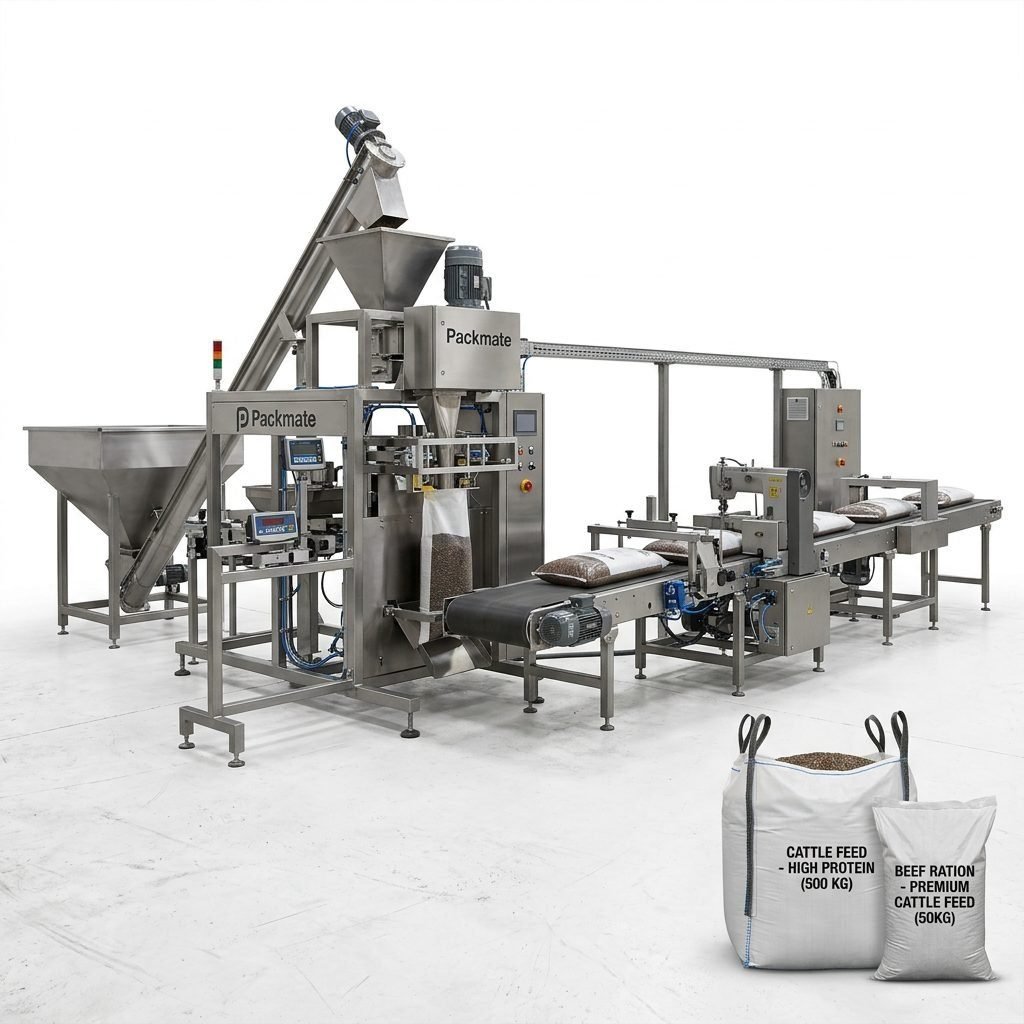
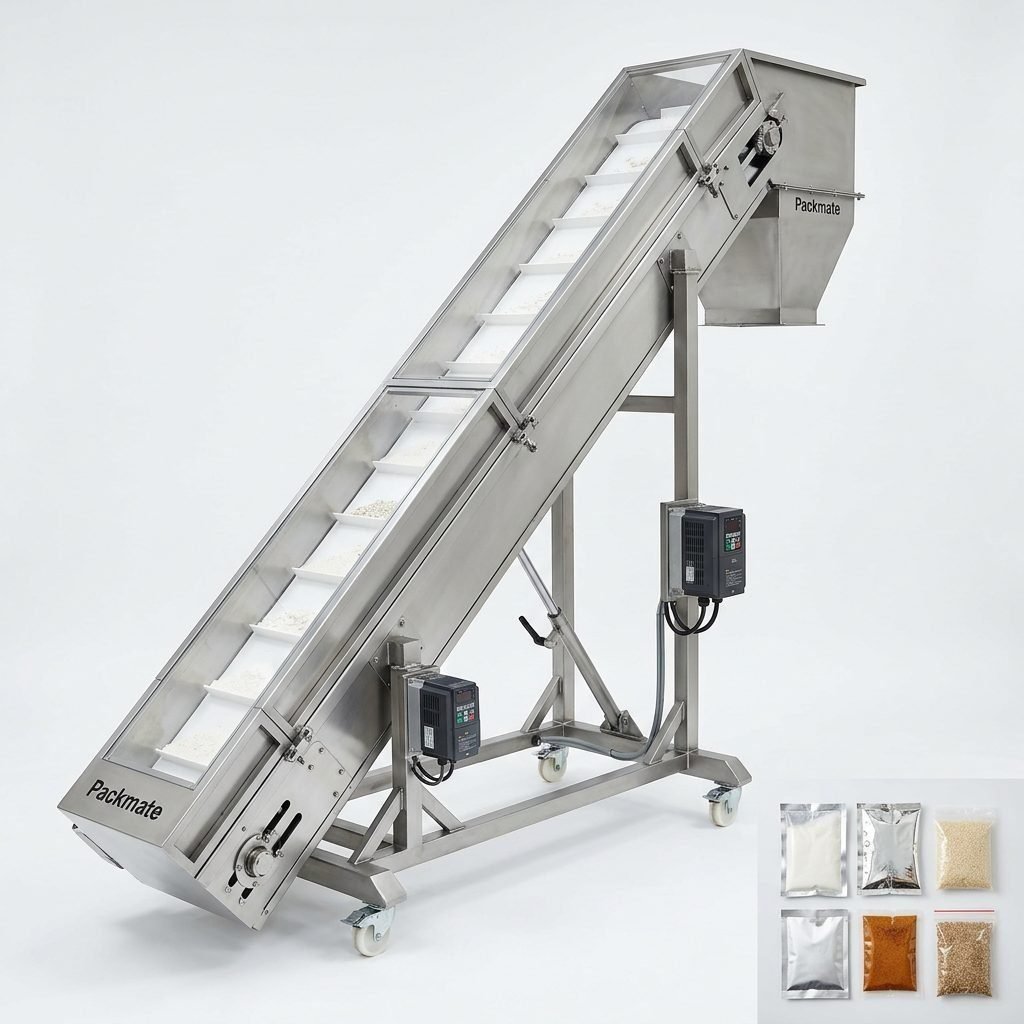
- Upstream: How will the snack sticks be conveyed to the machine? You may need feeding systems, elevators, or product orientation devices.
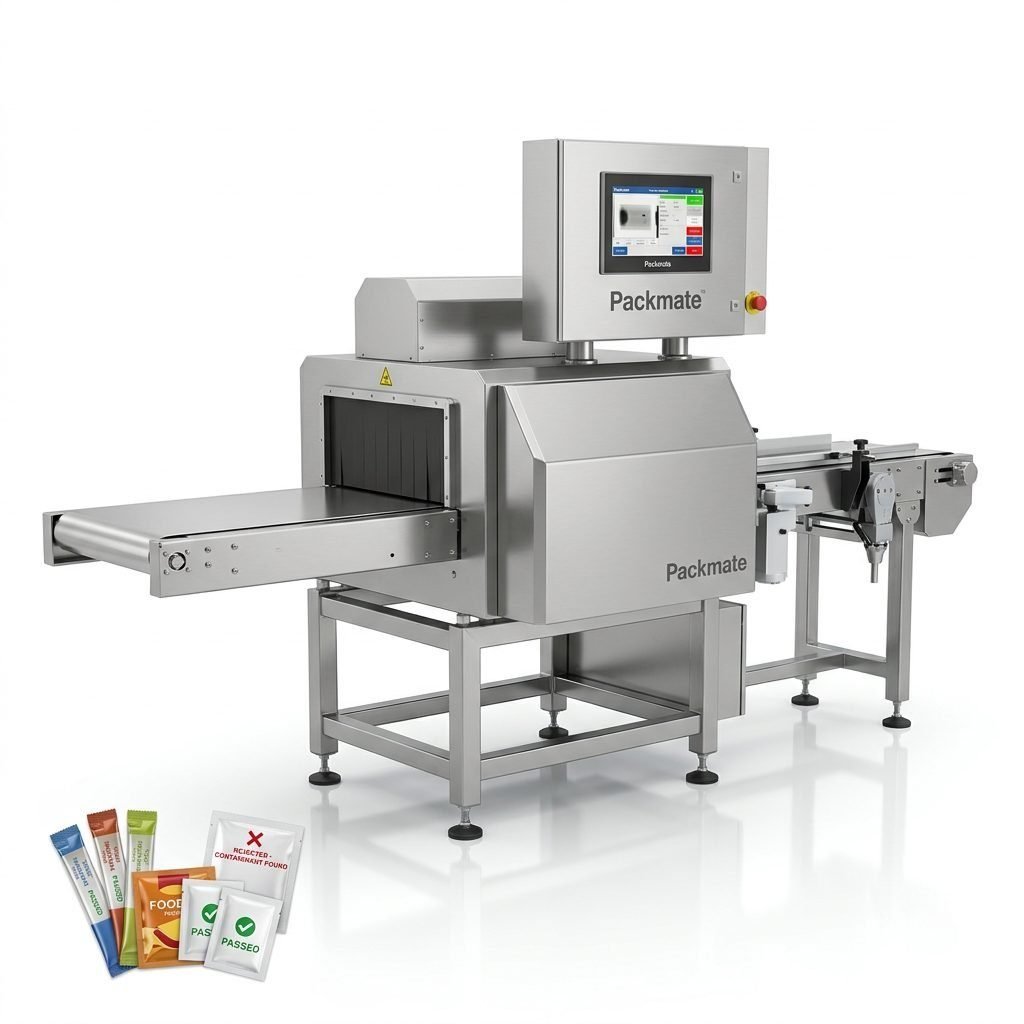
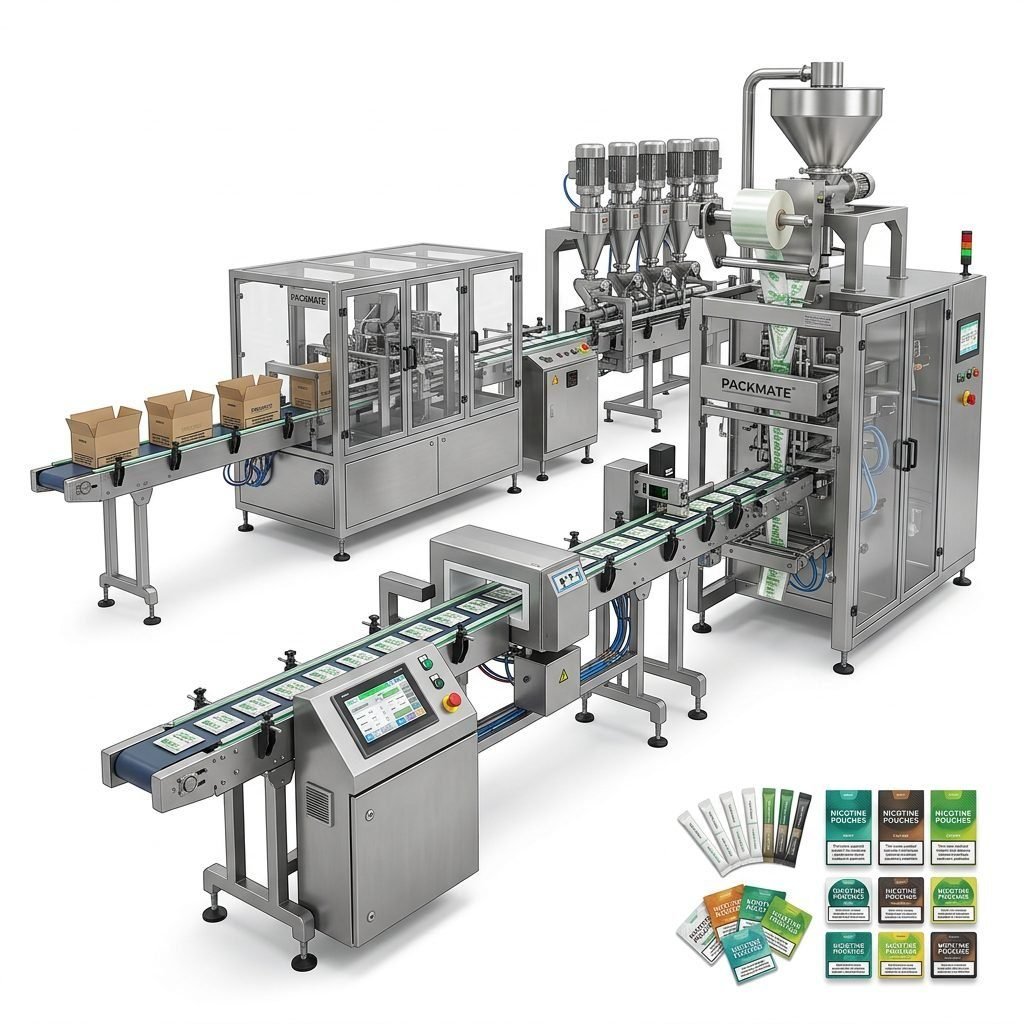
- Downstream: What happens after packaging? Integration with checkweighers, metal detectors, date coders, and cartoning machines is often necessary for a complete line.
Discussing your entire process flow with your machine supplier allows them to recommend the optimal auxiliary equipment and ensure seamless integration, maximizing overall line efficiency.
Budget Considerations and Total Cost of Ownership
While the initial purchase price is important, the Total Cost of Ownership (TCO) is a more accurate financial metric. TCO includes:
- Initial Machine Cost
- Installation and Training Fees
- Cost of Packaging Materials (a machine that minimizes film waste saves money daily)
- Energy Consumption
- Maintenance and Spare Parts
- Potential Downtime Costs (reliability is key)
A slightly higher initial investment in a reliable, energy-efficient machine from a reputable supplier often results in a lower TCO due to fewer breakdowns, less waste, and higher sustained output.
Conclusion and Next Steps
Selecting the right custom dog snack sticks packaging machine is a complex but rewarding process. It requires careful analysis of your product specs, production goals, and growth plans. Prioritize precision, versatility, and reliability in the machine’s features, and place equal importance on the manufacturer’s reputation, experience, and support structure. By viewing this purchase as a long-term partnership for brand growth, you can choose a solution that not only packages your product but also enhances its marketability and secures your operational future.
Frequently Asked Questions (FAQs)
1. What is the typical lead time for a custom packaging machine?
Lead times vary based on complexity and customization. For standard models from established suppliers, it can range from 30 to 90 days after order confirmation. Fully customized solutions may require 120 days or more. Always confirm the timeline with your manufacturer during the quotation process.
2. Can one machine handle different sizes of dog snack sticks?
Yes, most modern machines are designed with quick-changeover features. By changing the forming tube, filler attachments, and adjusting the PLC settings, a single machine can often accommodate a range of stick lengths and diameters, making it efficient for producing multiple product lines.
3. How do I ensure the packaging meets food safety regulations?
Reputable manufacturers build machines in compliance with international food safety standards (like ISO 22000, GMP). Key aspects include using food-grade stainless steel in contact parts, designing for easy cleaning and sanitation (CIP/SIP options), and ensuring seals prevent contamination. Always request the machine’s compliance certificates and discuss your specific regulatory needs (e.g., FDA, EU) with the supplier.
4. What kind of maintenance does these machines require?
Regular maintenance is essential. Daily tasks include cleaning and visual inspections. Weekly and monthly schedules involve lubricating moving parts, checking seal integrity, and calibrating scales. Your supplier should provide a detailed maintenance manual and schedule. Opting for a service contract can ensure professional upkeep and minimize unexpected failures.
5. What is the most common packaging material for dog snack sticks?
High-barrier laminated films are most common. These are typically multi-layer structures (e.g., PET/AL/PE) that provide excellent protection against moisture, oxygen, and light to extend shelf life. There is a growing trend towards using recyclable mono-material plastics (like PP or PE) to meet sustainability goals, and modern machines should be compatible with these newer materials.