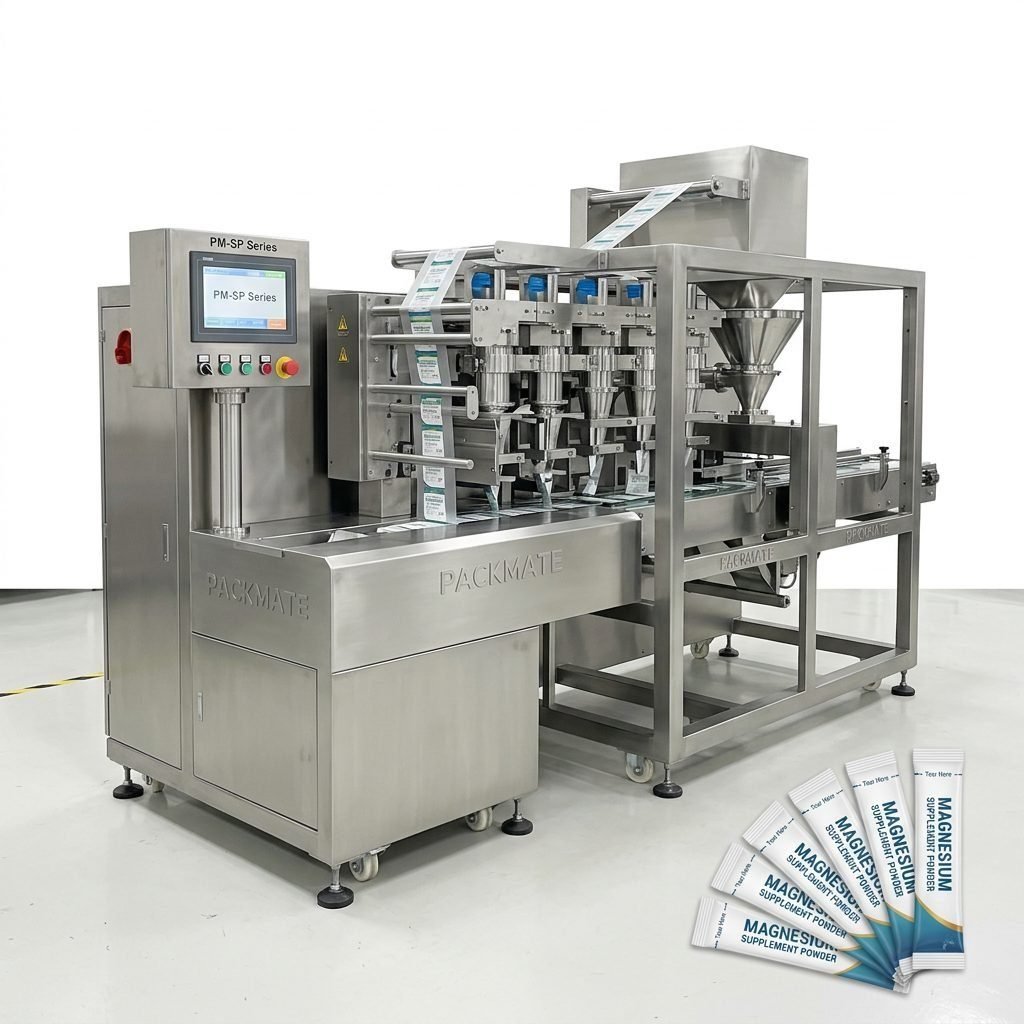
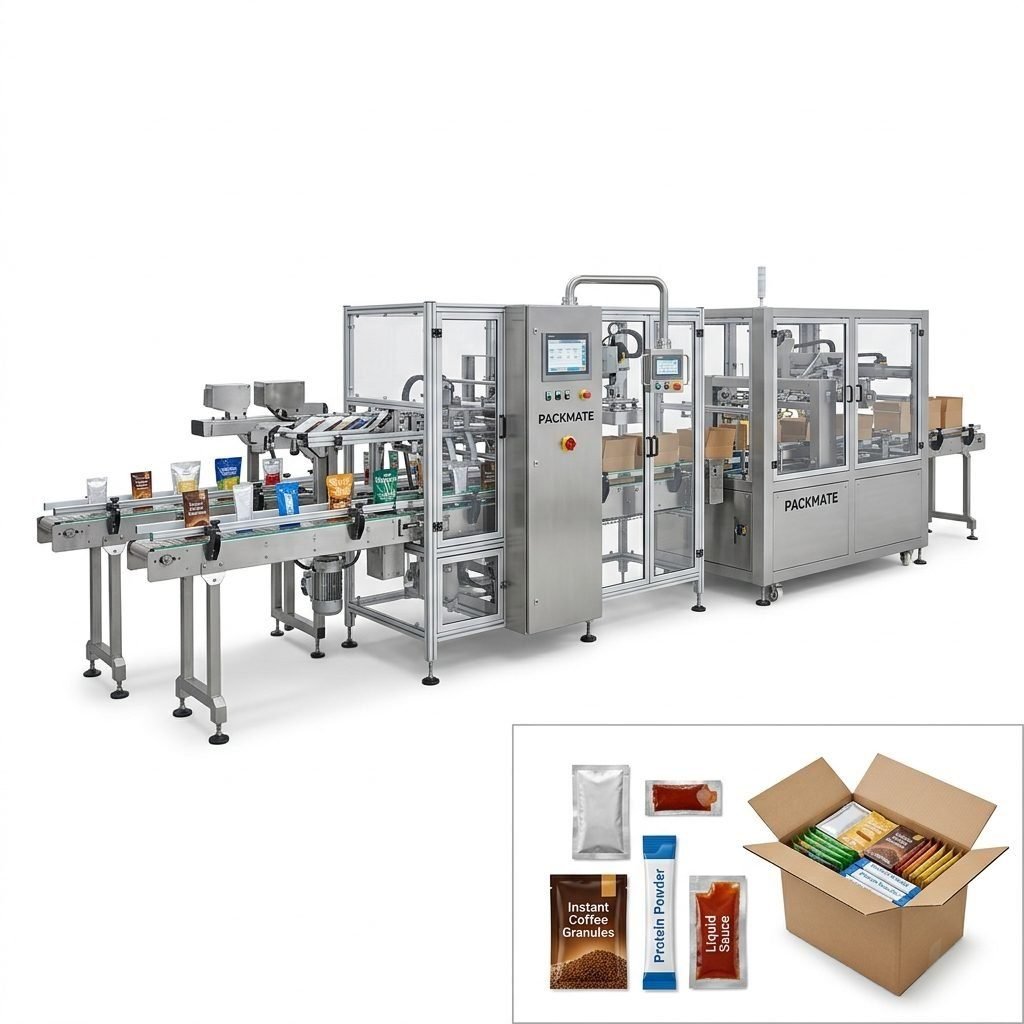
In the fast-paced world of manufacturing, efficiency and reliability are paramount. For businesses handling granules, powders, and liquids—from food and pharmaceuticals to health products—the right packaging machine is not just a purchase; it’s a strategic investment. This guide delves into the world of Effytec packaging machines, exploring their various types, the significant benefits they offer, and crucial tips to consider before making your investment. As a leader in intelligent packaging solutions, Packmate Machinery embodies the innovation and quality that define top-tier equipment in this sector.
Understanding Different Types of Packaging Machines
The packaging landscape is diverse, with machines designed for specific formats, speeds, and product characteristics. Choosing the correct type is the first step toward optimizing your production line.
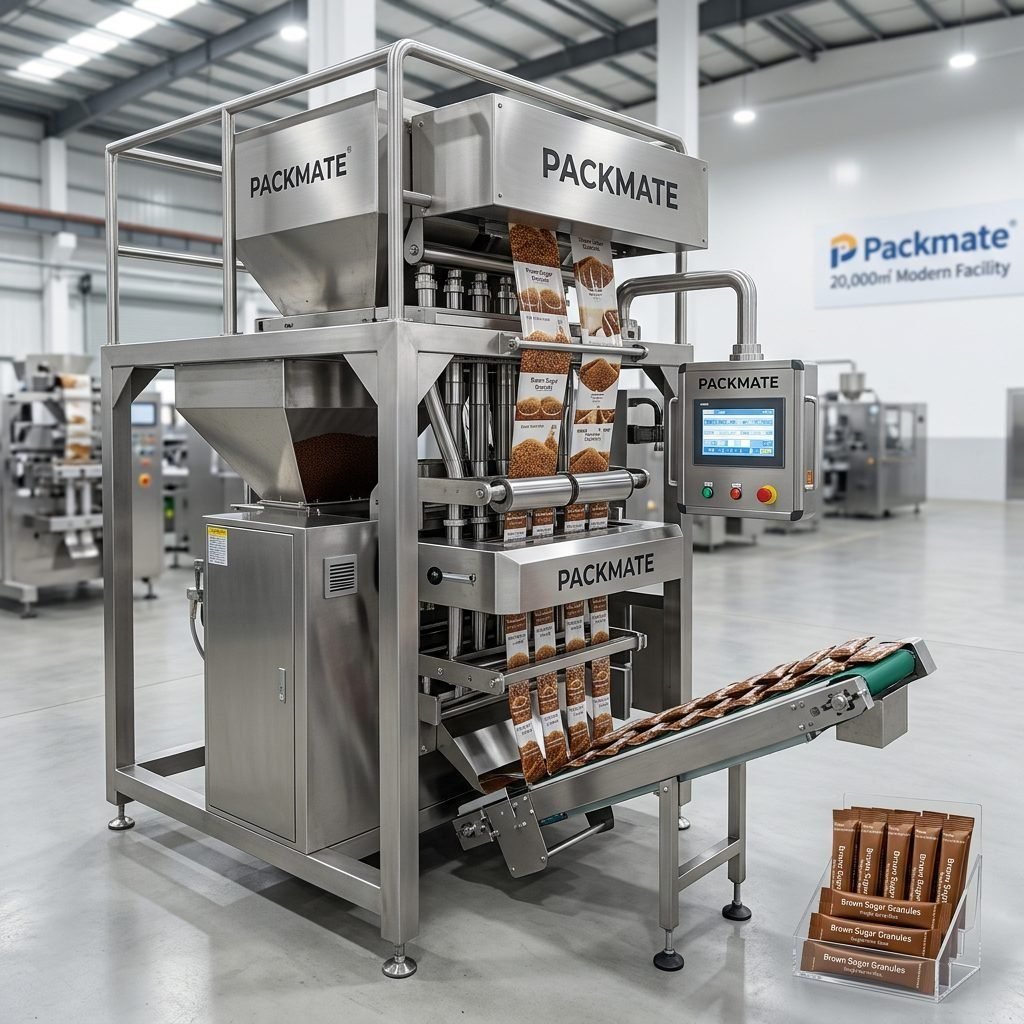
Sachet & Stick Pack Machines
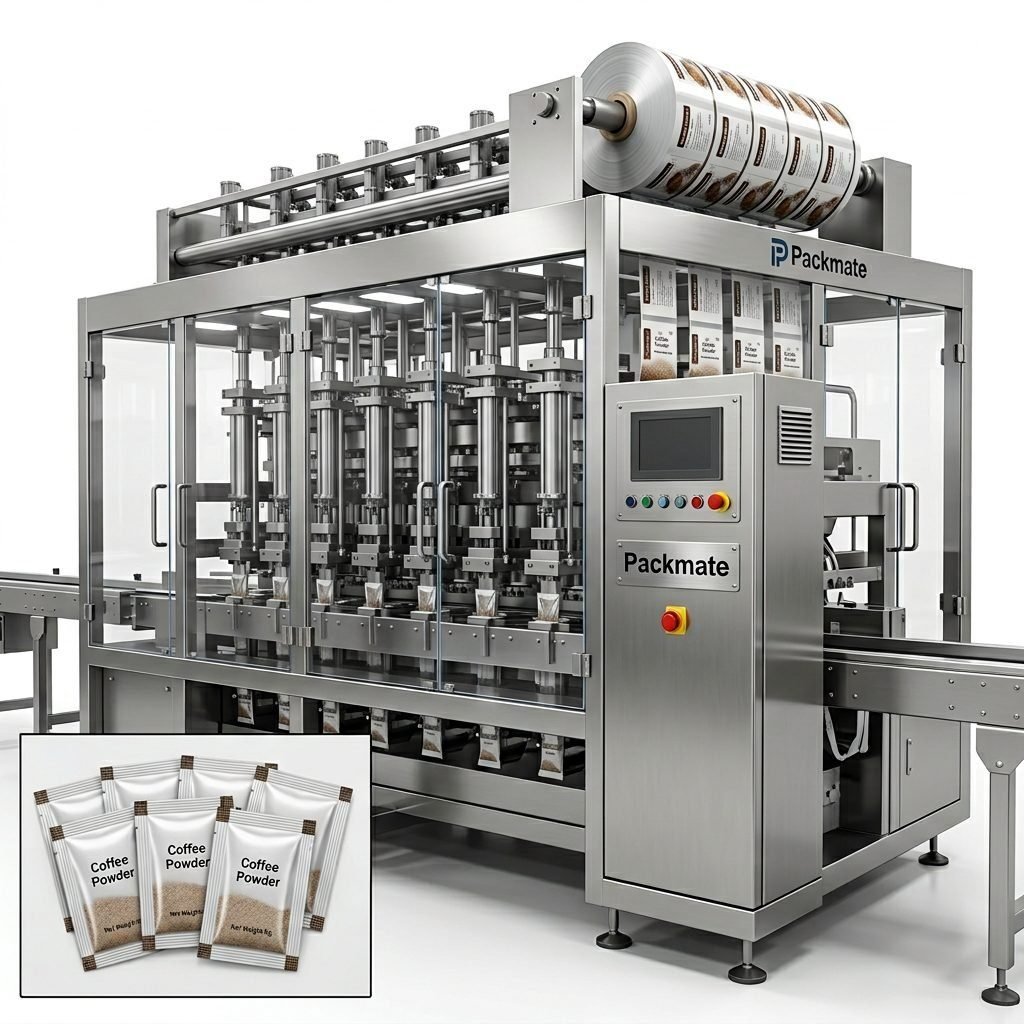
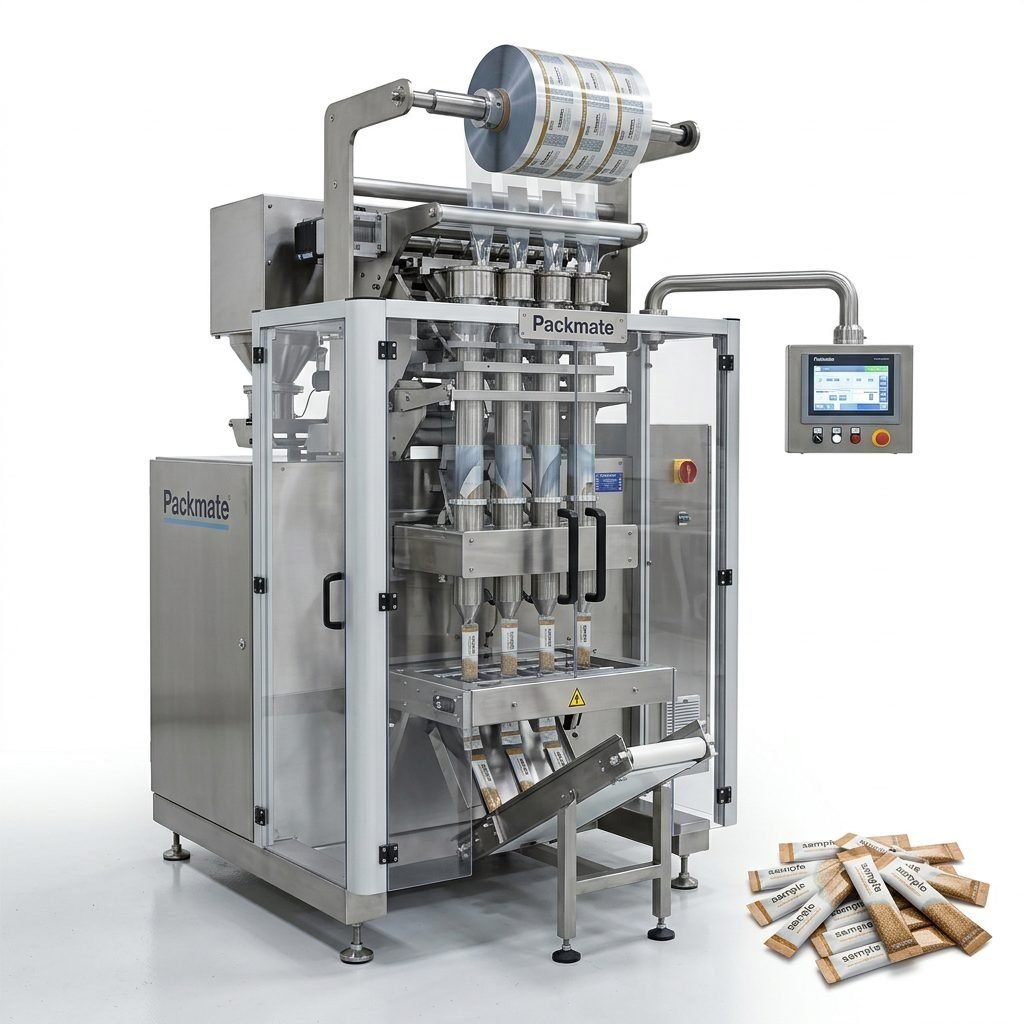
Ideal for single-serve portions of powders, liquids, or granules—think coffee, sugar, condiments, or pharmaceuticals—these machines are champions of convenience and portion control. Modern multi-lane stick pack machines can produce dozens of units per minute with high precision. For businesses looking to enter or dominate the single-serve market, exploring sachet and stick pack solutions is essential. They offer excellent barrier properties to protect product freshness.
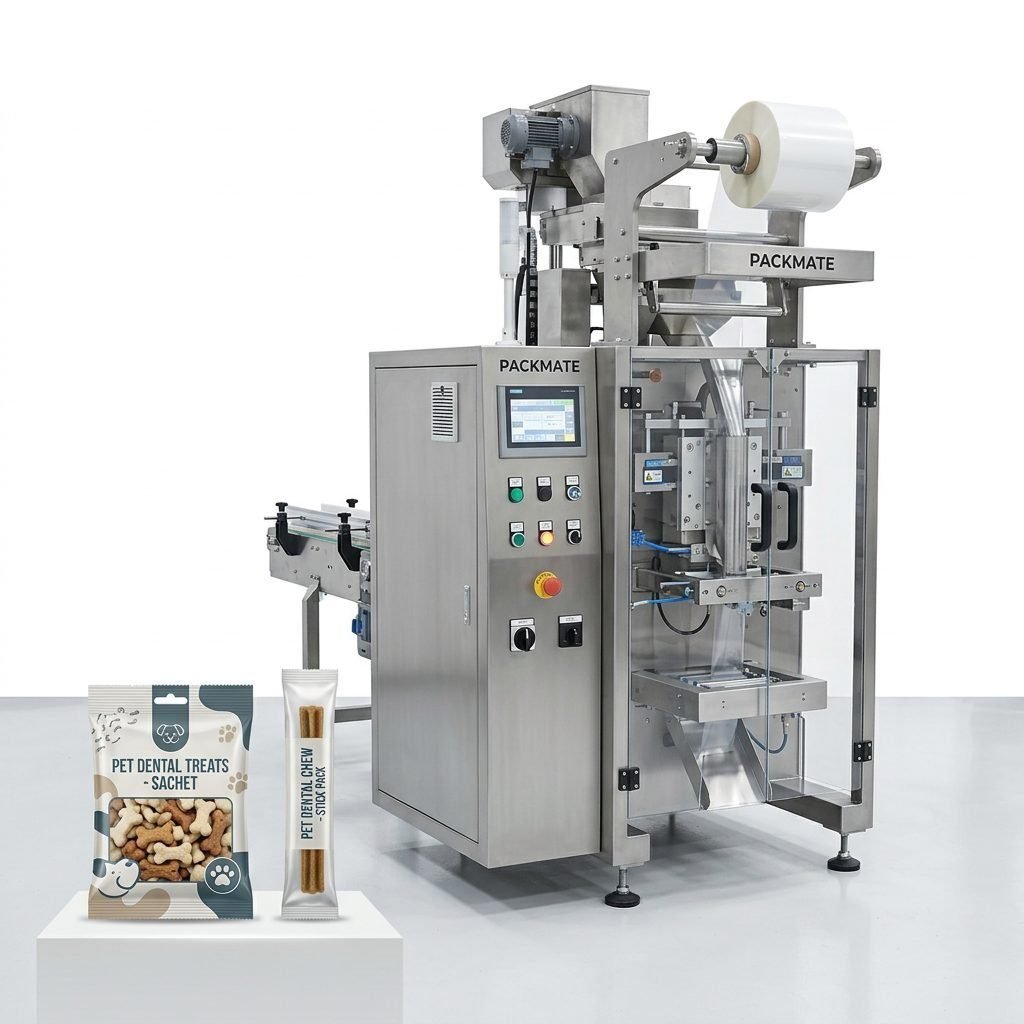
Bag & Pouch Packaging Machines
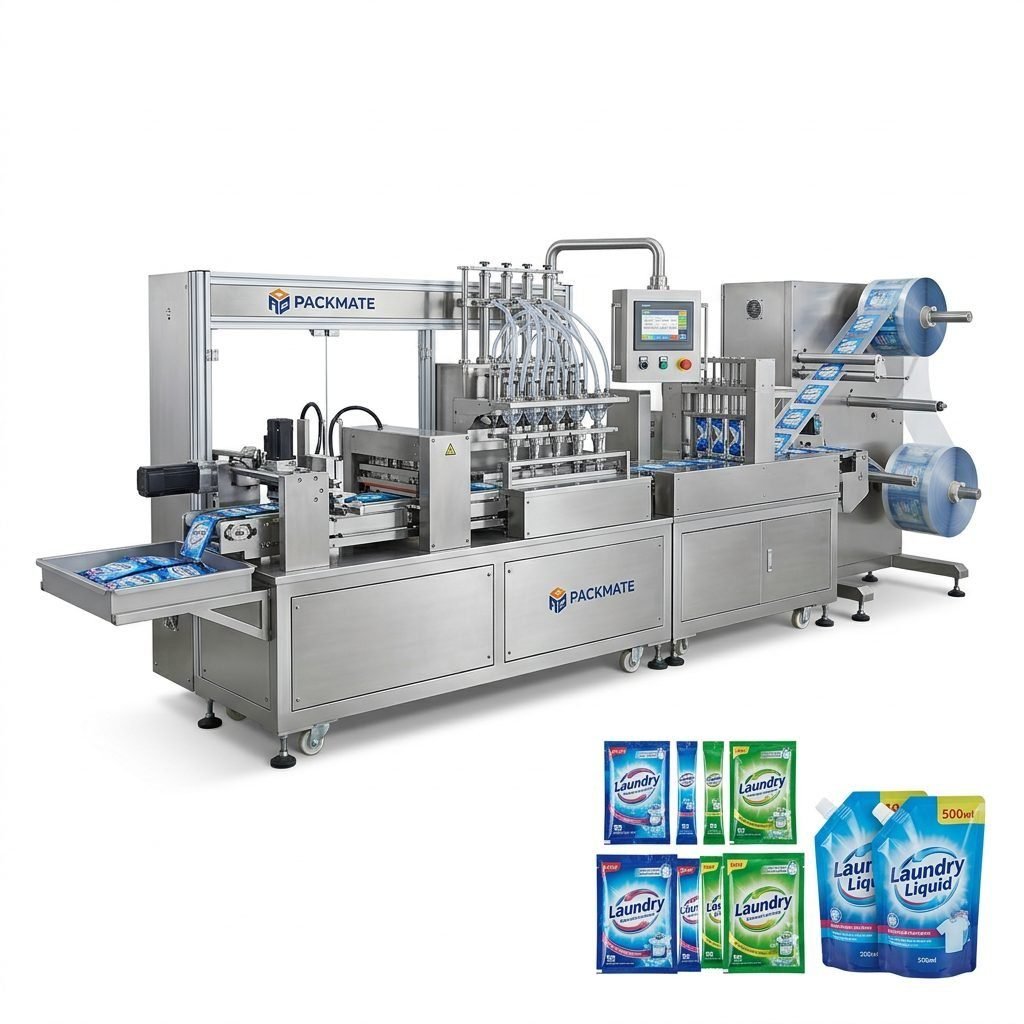
For larger quantities or products requiring more robust packaging, bag and pouch machines are the go-to choice. This category includes vertical form-fill-seal (VFFS) and horizontal form-fill-seal (HFFS) machines capable of creating stand-up pouches, flat bags, or gusseted bags. They are incredibly versatile, handling everything from snacks and pet food to hardware and chemicals. The flexibility in bag size and material makes them a cornerstone for many industries.
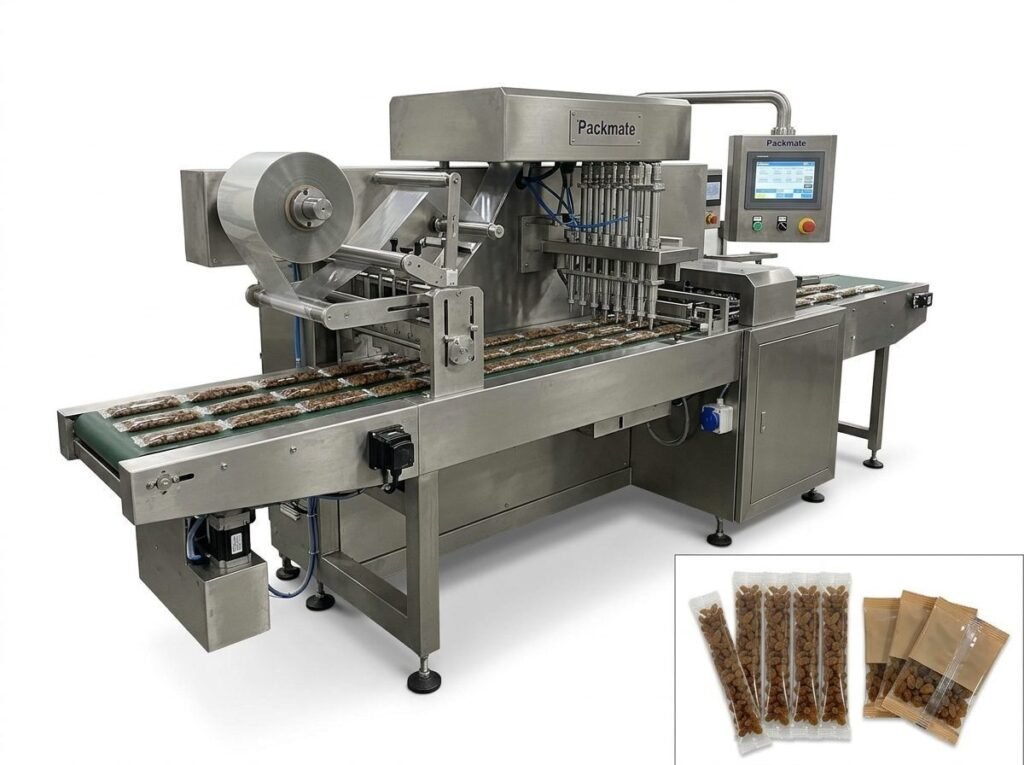
Weighing & Packaging Systems
Accuracy is non-negotiable, especially in industries like pharmaceuticals or premium foods where exact weight is critical for compliance and customer trust. Integrated weighing and packaging systems combine precise multi-head weighers or liquid dispensers with packaging machines. This ensures every bag, pouch, or stick pack contains the exact specified weight, minimizing giveaway and maximizing profit margins. Discover advanced weighing and packaging systems that bring unparalleled accuracy to your line.
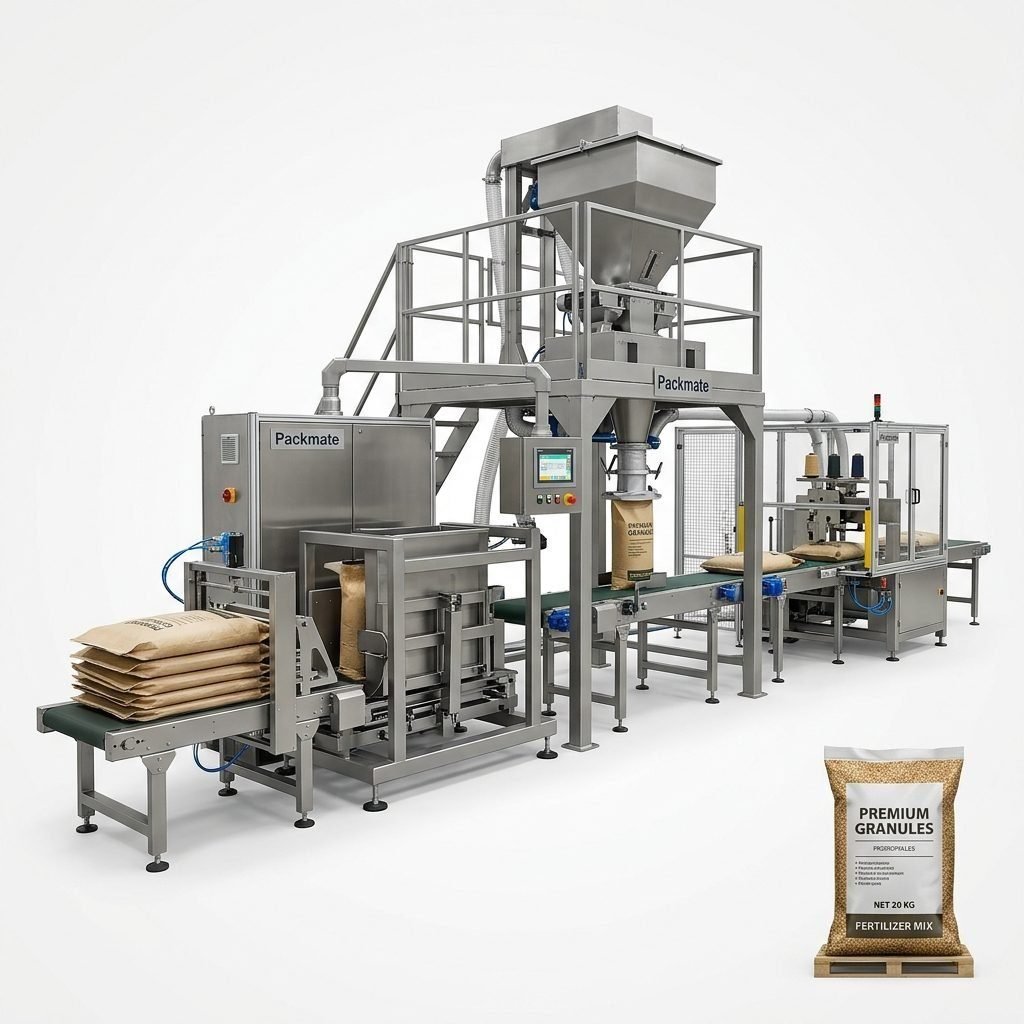
Complete Filling & Packaging Lines
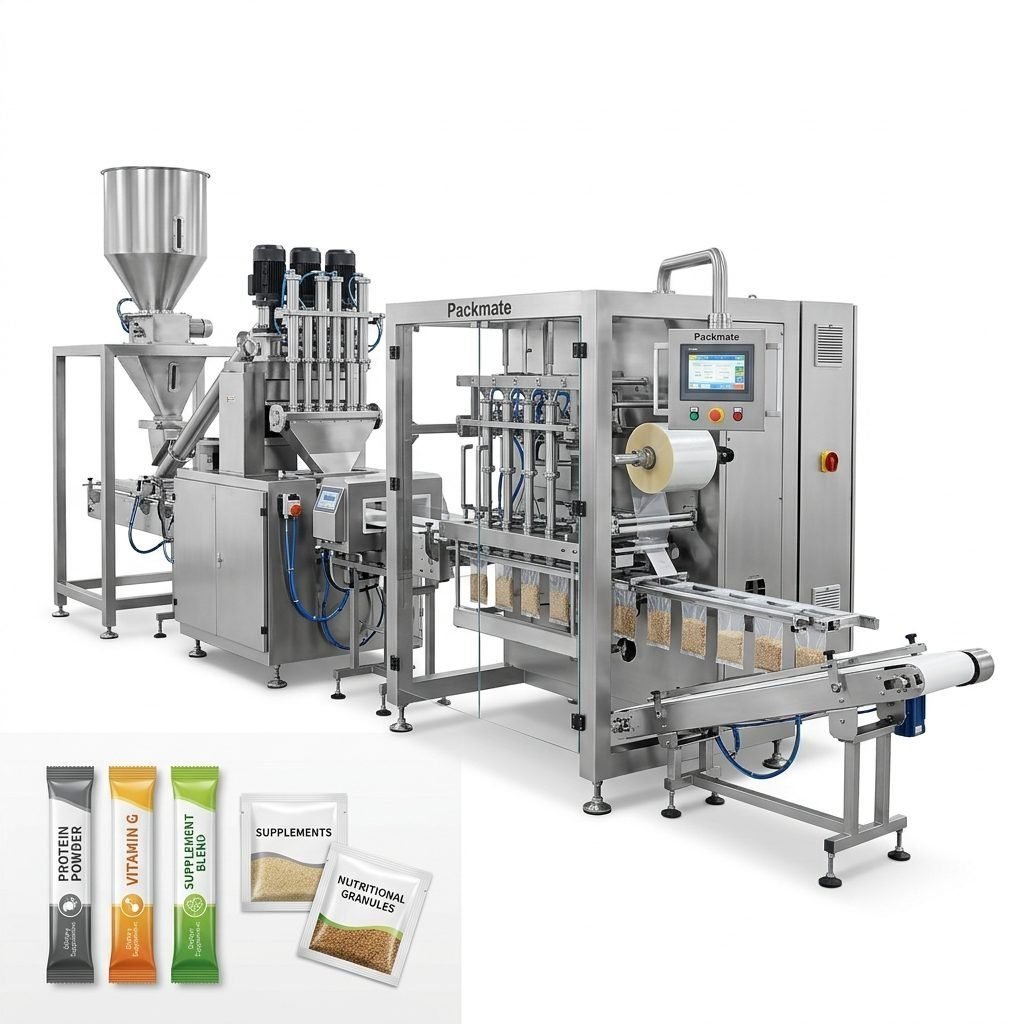
For large-scale operations seeking maximum automation, a complete turnkey line is the ultimate solution. These integrated systems can include feeding, weighing, filling, sealing, coding, and even cartoning—all synchronized for seamless operation. Companies like Packmate Machinery, with their over 30 years of expertise, specialize in designing such comprehensive solutions tailored to specific product needs, dramatically reducing labor costs and human error.
The Multifaceted Benefits of Modern Packaging Machinery
Investing in an advanced packaging machine from a reputable manufacturer delivers a compelling return on investment across several dimensions.
Enhanced Productivity & Speed: Automated machines operate continuously at high speeds, far surpassing manual packaging. This translates to a higher output, allowing you to meet larger orders and scale your business efficiently.
Unmatched Consistency and Quality: Machines eliminate the variability of human labor. Every package is sealed identically, with precise fill weights and aligned printing, presenting a professional, brand-enhancing appearance to your customers.
Significant Cost Reduction: While the initial investment is notable, the long-term savings are substantial. Automation reduces labor costs, minimizes product waste from overfilling or spillage, and optimizes material usage. The precision of modern machines ensures you use just the right amount of packaging film.
Improved Hygiene and Safety: In sensitive industries like food and pharmaceuticals, reducing human contact is crucial. Automated packaging creates a more controlled, hygienic environment. Furthermore, it removes workers from repetitive manual tasks, reducing the risk of strain injuries.
Operational Flexibility: Many contemporary machines are designed for quick changeovers. With simple adjustments, you can switch between different package sizes or products, allowing for smaller, more responsive production runs to meet market demands.
Essential Buying Tips for Your Packaging Machine
Selecting the right machine requires careful consideration. A wrong choice can lead to downtime, inefficiency, and lost revenue.
1. Define Your Product and Requirements Clearly
Start with the basics: What are you packaging (granules, powder, liquid)? What is your required output speed (bags per minute)? What package type and size do you need? What materials (film, laminate) will you use? Having detailed specifications is the foundation of a successful purchase.
2. Prioritize Machine Quality and Durability
Look for robust construction—stainless steel frames and food-grade contact parts are industry standards for durability and hygiene. The reputation of the manufacturer matters. A company with a long history, like Packmate with its 22+ years of development, typically offers more reliable and proven technology.
3. Evaluate Technology and Ease of Use
A user-friendly PLC (Programmable Logic Controller) touchscreen interface simplifies operation, changeovers, and troubleshooting. Consider machines with features like automatic film tracking, fault alarms, and production data tracking for smarter operations.
4. Consider Total Cost of Ownership (TCO)
Look beyond the initial price tag. Factor in energy consumption, required maintenance, potential downtime costs, and the expected lifespan of the machine. A slightly more expensive, high-quality machine often has a lower TCO than a cheaper, less reliable alternative.
5. Request a Live Demonstration or Trial
Never buy based on specifications alone. If possible, provide your actual product and packaging material to the manufacturer for a live test run. This is the best way to verify speed, accuracy, and compatibility. Reviewing real-world case studies and applications can also provide valuable insights.
6. Plan for Future Growth
Choose a machine and a supplier that can grow with you. Can the machine be upgraded or integrated into a larger line later? Does the manufacturer offer a broader range of packaging equipment for future needs? Partnering with a full-solution provider offers long-term strategic advantages.
Frequently Asked Questions (FAQs)
1. What is the typical lead time for a new packaging machine?
Lead times vary based on machine complexity and customization. For standard models from established manufacturers, it typically ranges from 8 to 16 weeks after order confirmation. Always confirm the detailed production and delivery schedule with your supplier.
2. Can one machine handle different types of packaging materials?
Many machines offer flexibility, but there are limits. A machine configured for lightweight polyethylene may not handle thick laminates without adjustments. Discuss your specific material range with the manufacturer to ensure the machine is equipped with the appropriate sealing jaws, film tension controls, and unwinding systems.
3. How important is after-sales service and training?
Extremely important. Comprehensive installation, training for your operators, and readily available technical support are critical for a smooth startup and sustained operation. Ensure your contract includes clear terms for warranty, service response time, and access to spare parts.
4. What are the key maintenance routines for a packaging machine?
Daily cleaning, lubrication of moving parts as per the manual, and inspection of seals and cutting blades are essential. Regular preventive maintenance checks by your own staff or a service technician will prevent unexpected breakdowns and prolong the machine’s life.
5. Are there financing options available for packaging equipment?
Many equipment manufacturers and their partners offer financing plans or leasing options to help businesses manage capital expenditure. This can make advanced automation more accessible. It’s worth inquiring about financial solutions during your purchasing discussions.