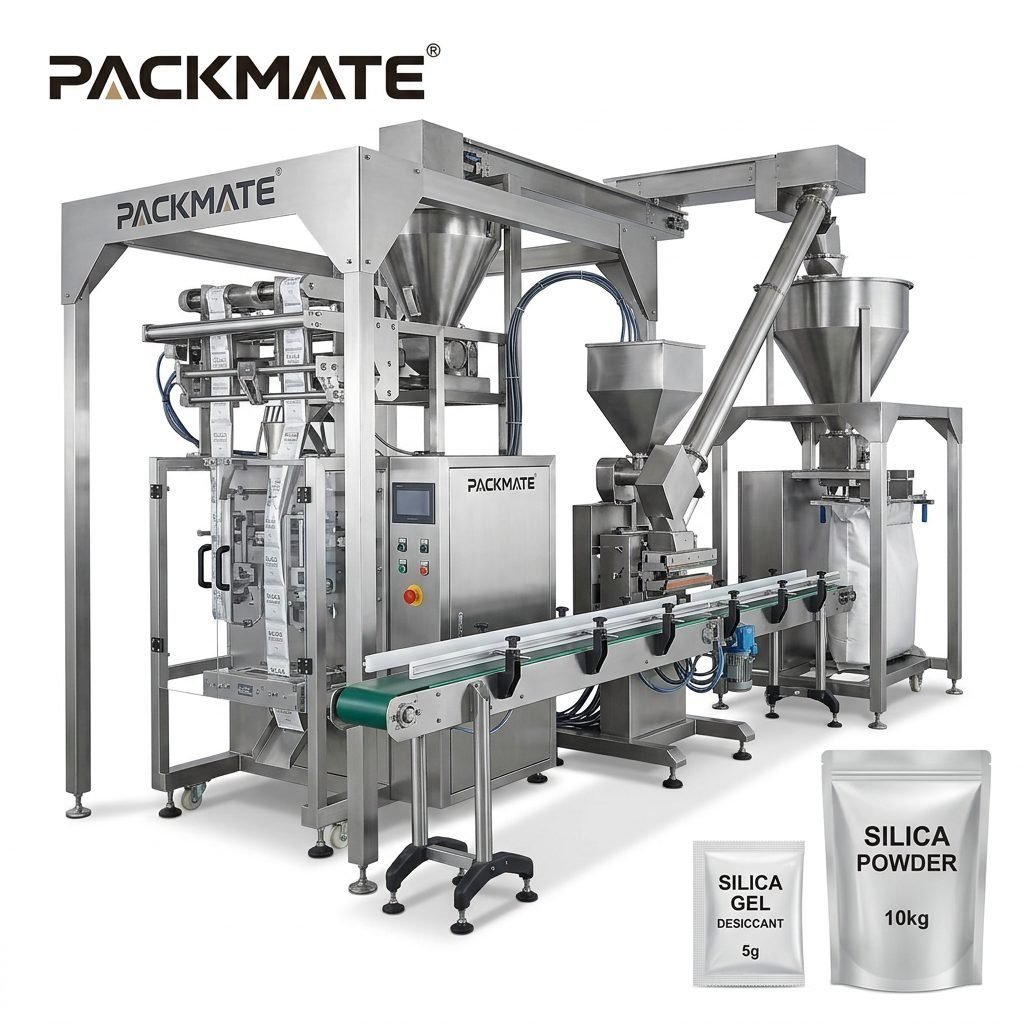
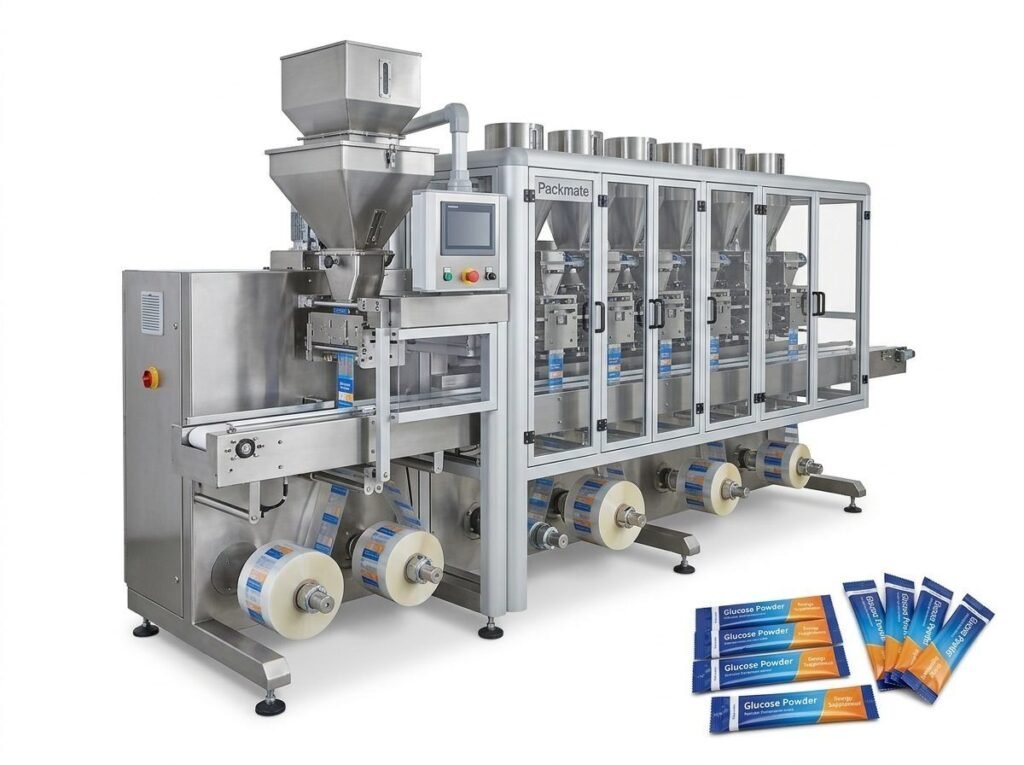
Navigating the market for used Horizontal Form Fill Seal (HFFS) packaging equipment can be a strategic and cost-effective decision for businesses looking to expand or upgrade their production capabilities. This guide provides a comprehensive overview for buyers, covering key considerations, benefits, potential pitfalls, and how to ensure you make a sound investment that aligns with your operational needs.
Understanding HFFS Packaging Equipment
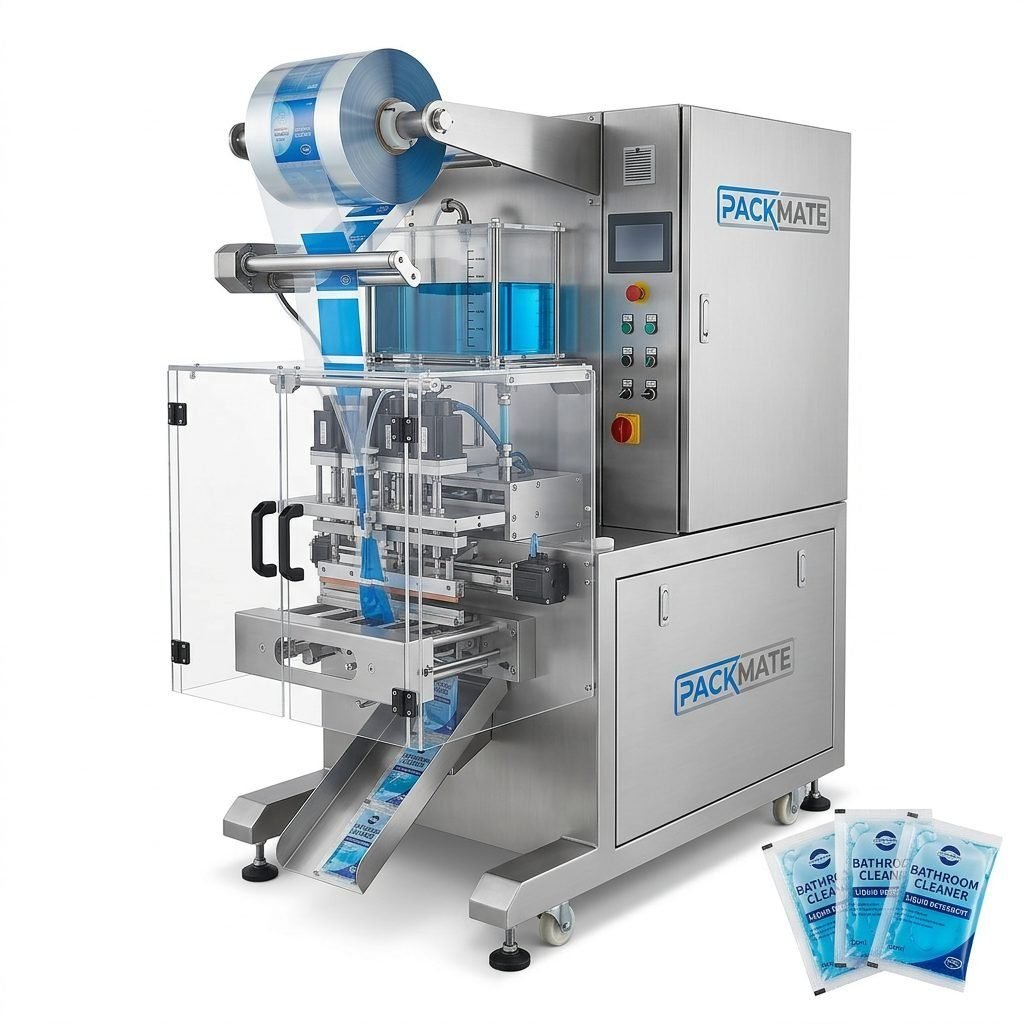
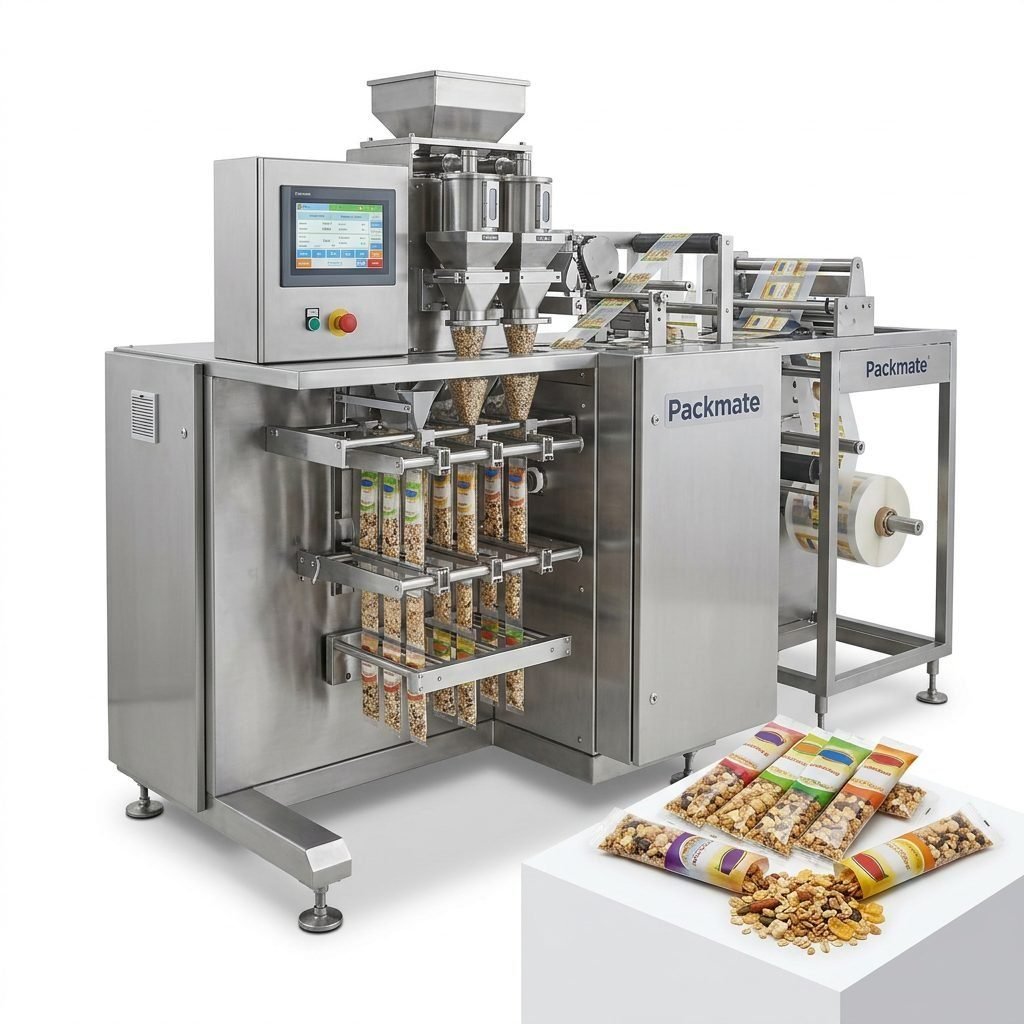
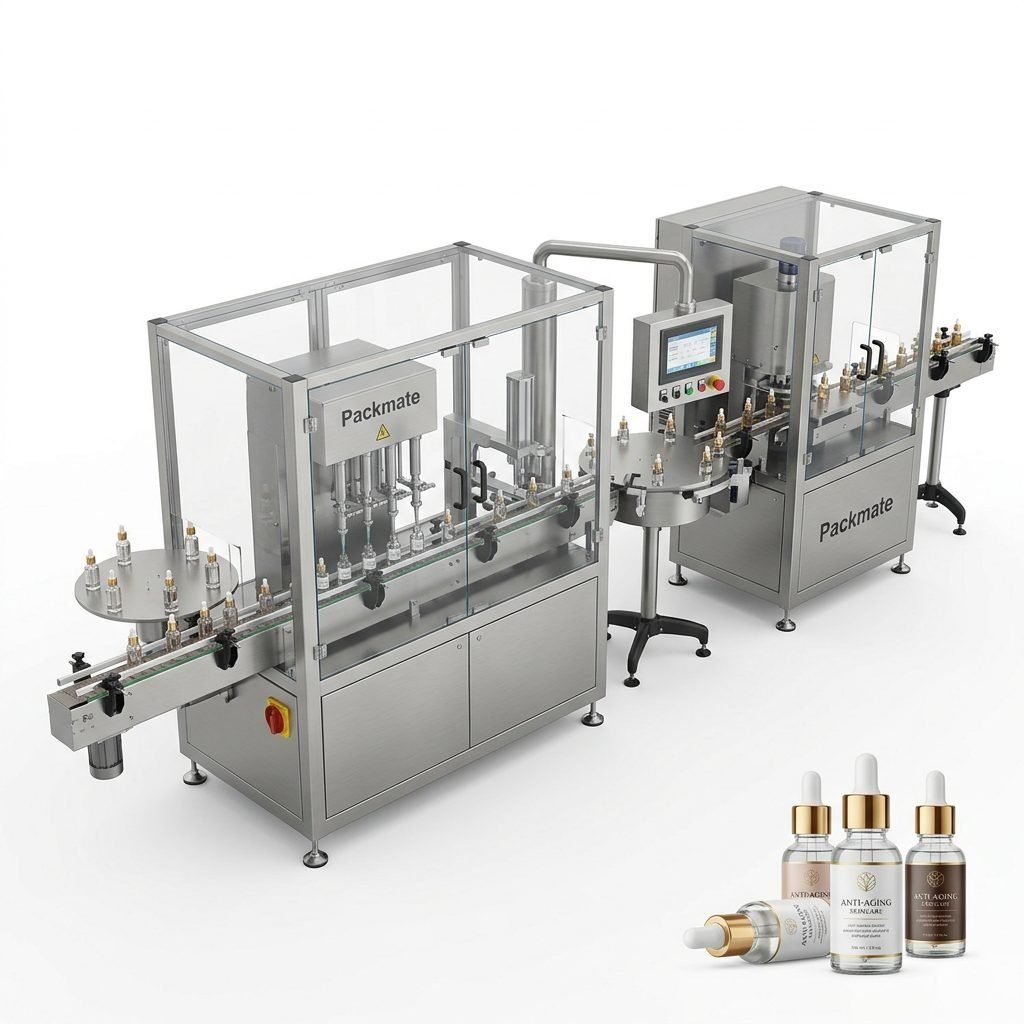
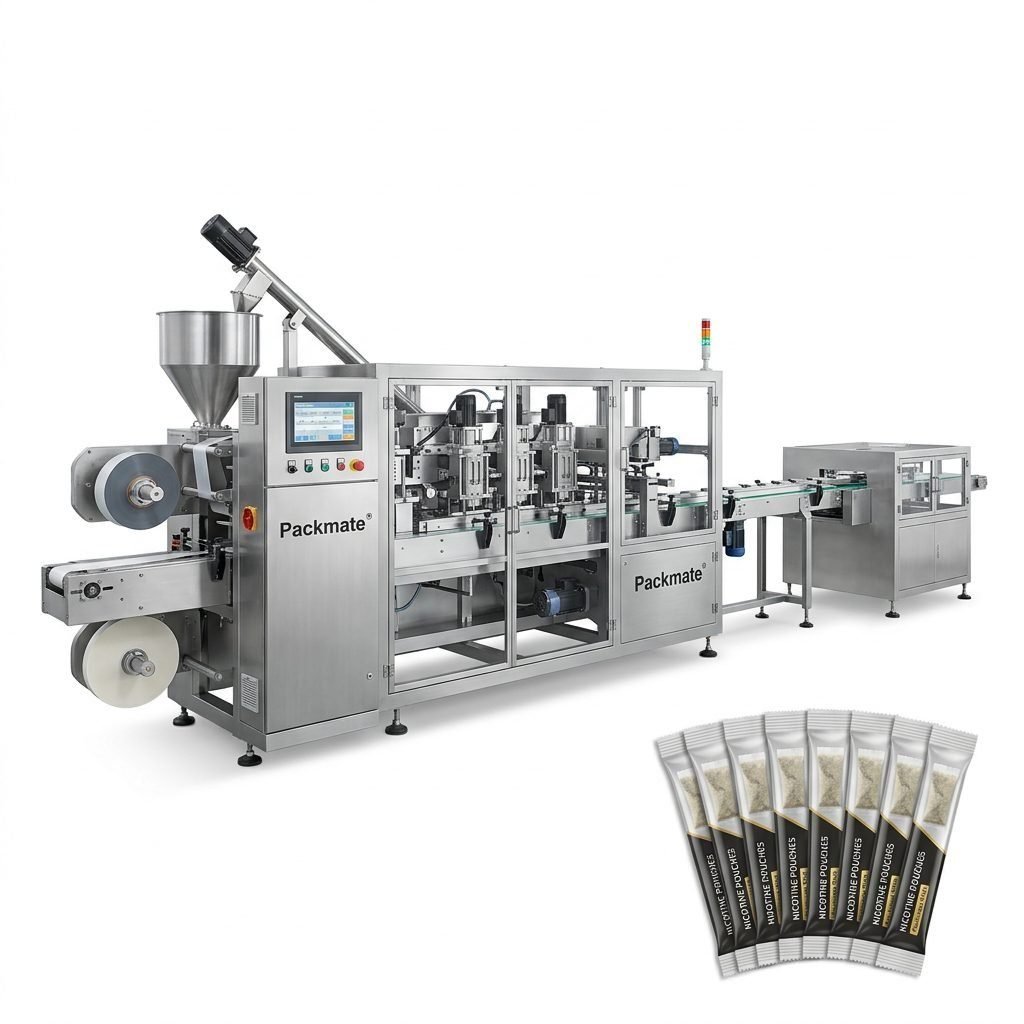
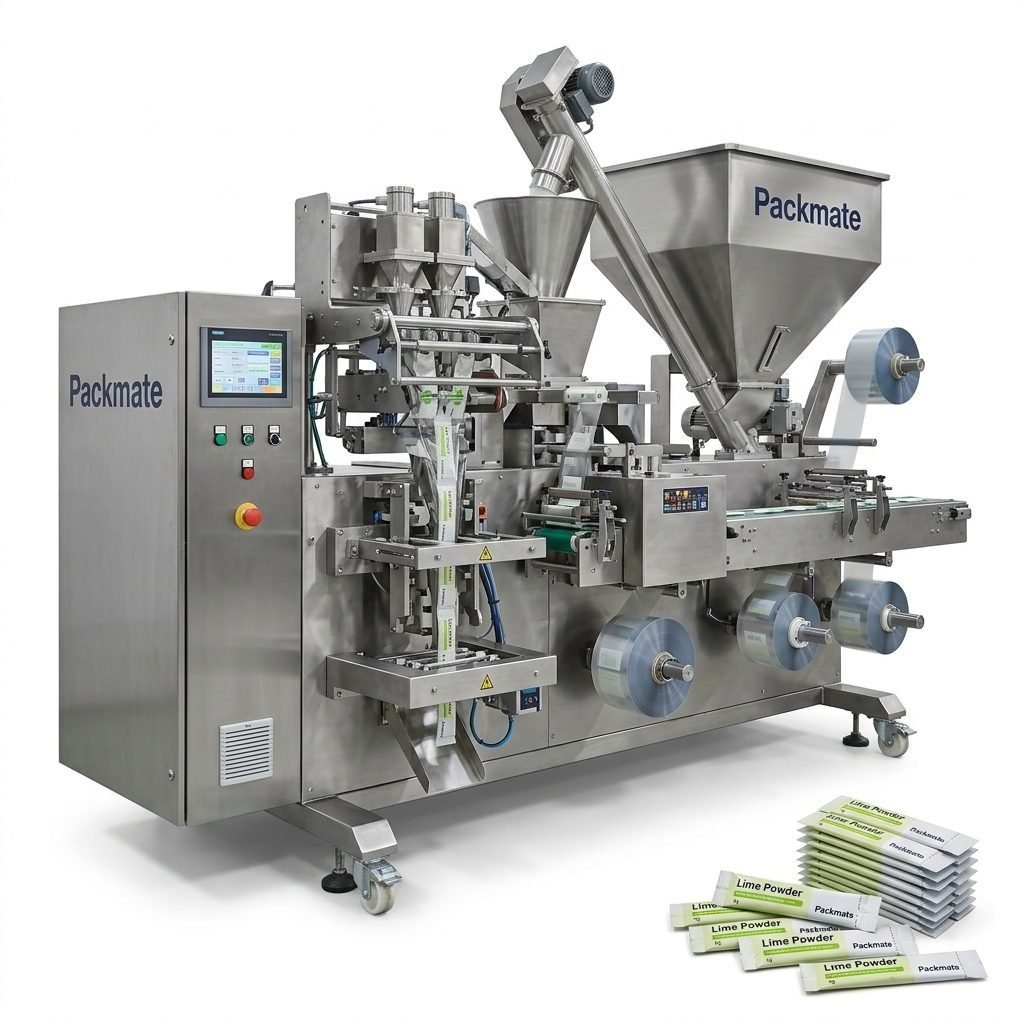
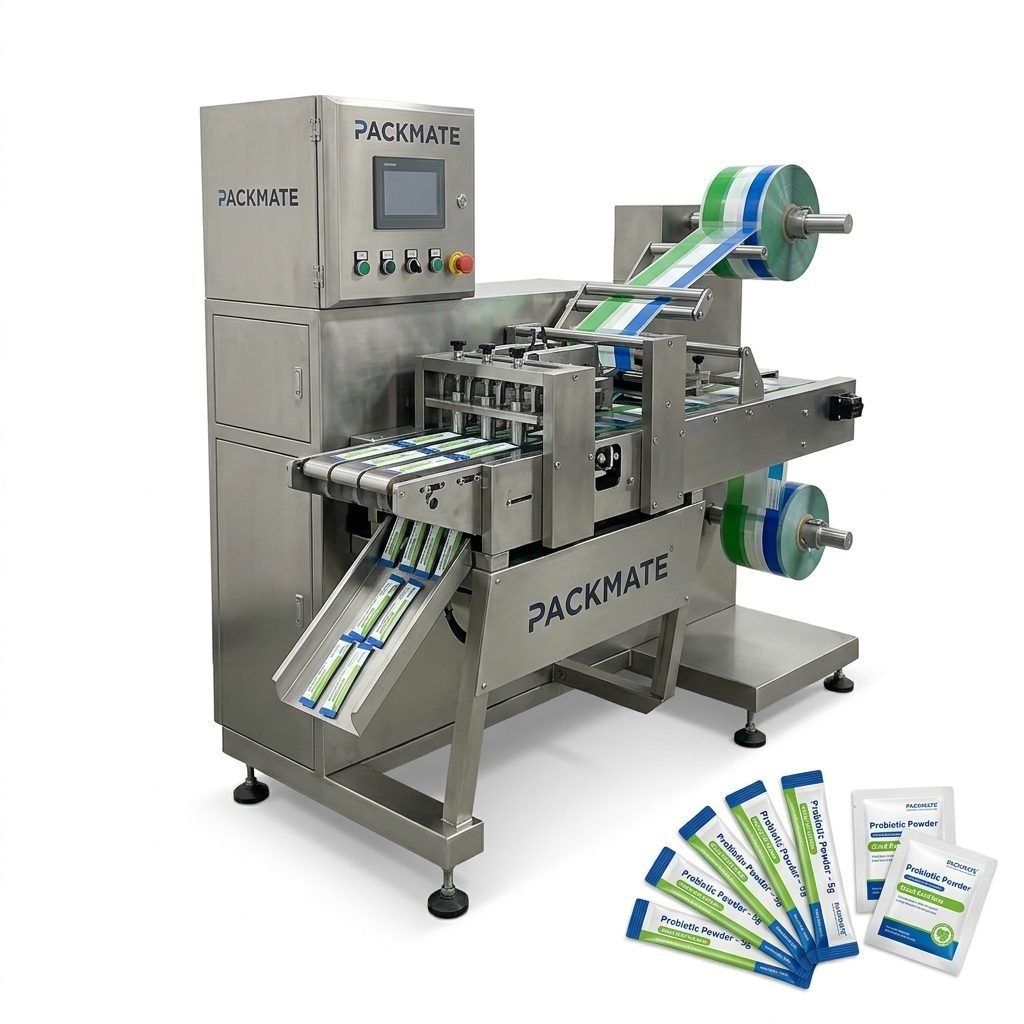
Horizontal Form Fill Seal machines are the workhorses of modern packaging lines, particularly for food, pharmaceuticals, and consumer goods. They create pouches from a roll of film, fill them with product, and seal them—all in one continuous, horizontal motion. This process is ideal for packaging a wide range of products, from granules and powders to liquids and small solids. When considering used equipment, understanding the core technology and its variants is the first critical step.
Key Advantages of Opting for Used HFFS Machinery
Choosing pre-owned HFFS equipment offers several compelling benefits:
Significant Cost Savings: The most apparent advantage is the reduced capital expenditure. Used machinery can cost a fraction of the price of a new machine, freeing up budget for other business areas.
Faster Deployment: Unlike new machines that may have long lead times, used equipment is often readily available, allowing for quicker integration into your production line.
Proven Reliability: A used machine from a reputable manufacturer like Packmate Machinery has a track record. Its performance and common maintenance points are well-understood within the industry.
Access to Higher-End Models: Your budget might allow for a more advanced or higher-capacity used model than you could afford if buying new.
Critical Factors to Evaluate Before Purchase
A thorough evaluation is non-negotiable to avoid costly mistakes. Focus on these essential areas:
1. Machine Condition and History
Request a detailed service and maintenance log. Inspect critical wear components such as sealing jaws, film pull belts, and servo drives. It’s highly advisable to see the machine running under power, preferably with your own product or a similar material, to assess its performance firsthand.
2. Manufacturer Reputation and Parts Availability
The brand of the used machine is paramount. Established manufacturers with a long history, such as Packmate, which has over 30 years of expertise, typically build more durable machines. Crucially, you must verify that spare parts, technical drawings, and service support are still available. A machine from a defunct company can become a paperweight.
3. Compatibility with Your Needs
Ensure the machine specifications match your requirements:
- Product Type: Is it designed for powders, granules, or liquids? A machine for coffee granules may not handle flour well without modification.
- Packaging Speed (ppm): Does its output meet your current and near-future production targets?
- Film Type and Pouch Size Range: Can it handle the laminate structure and pouch dimensions you require?
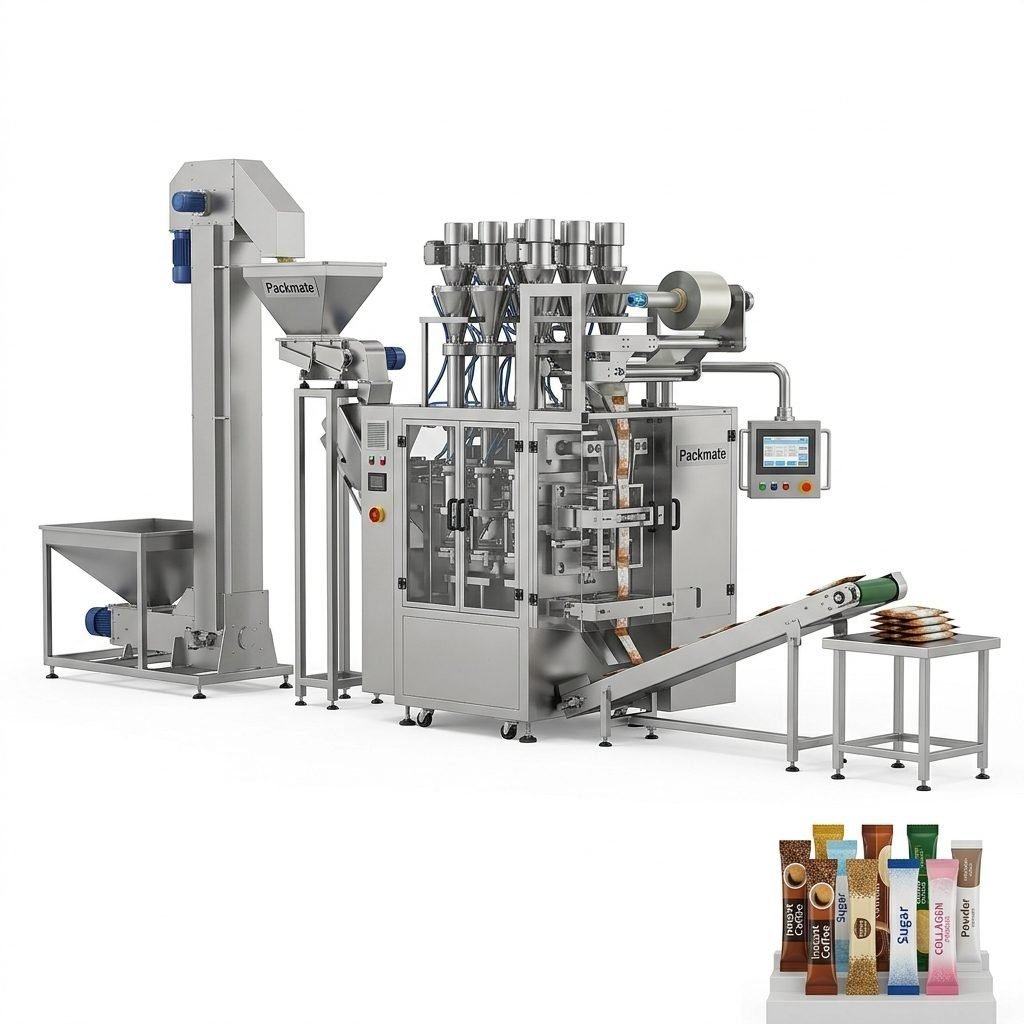
For specialized needs, exploring a manufacturer’s range of sachet and stick pack machines can provide clarity on the specific technology you might need.
4. Inspection and Testing Protocol
Never buy based on description alone. A physical or live video inspection is mandatory. Test all major functions: film tracking, forming, filling, sealing, and coding. Check for unusual noises, vibrations, or alignment issues. Consider hiring an independent packaging engineer for an objective assessment.
Where to Source Quality Used HFFS Equipment
Finding the right machine involves looking in the right places:
Specialized Machinery Dealers: Reputable dealers often refurbish equipment, offer limited warranties, and have vetted the machine’s condition. They provide a safer but potentially higher-priced avenue.
Direct from Companies Upgrading: Purchasing directly from a food or pharmaceutical company that is upgrading its line can be advantageous, as these machines are often well-maintained. Industry networks and trade associations are good sources for such opportunities.
Auctions and Liquidations: These can offer the lowest prices but carry the highest risk. Due diligence is absolutely critical, as machines are typically sold “as-is, where-is.”
The Refurbishment Option
For buyers seeking a middle ground between used and new, consider a professionally refurbished machine. A quality refurbishment by a company like Packmate can include:
- Complete disassembly, cleaning, and inspection.
- Replacement of all wear parts and outdated components.
- Electrical panel updates and safety upgrades to current standards.
- Re-painting and final testing under load.
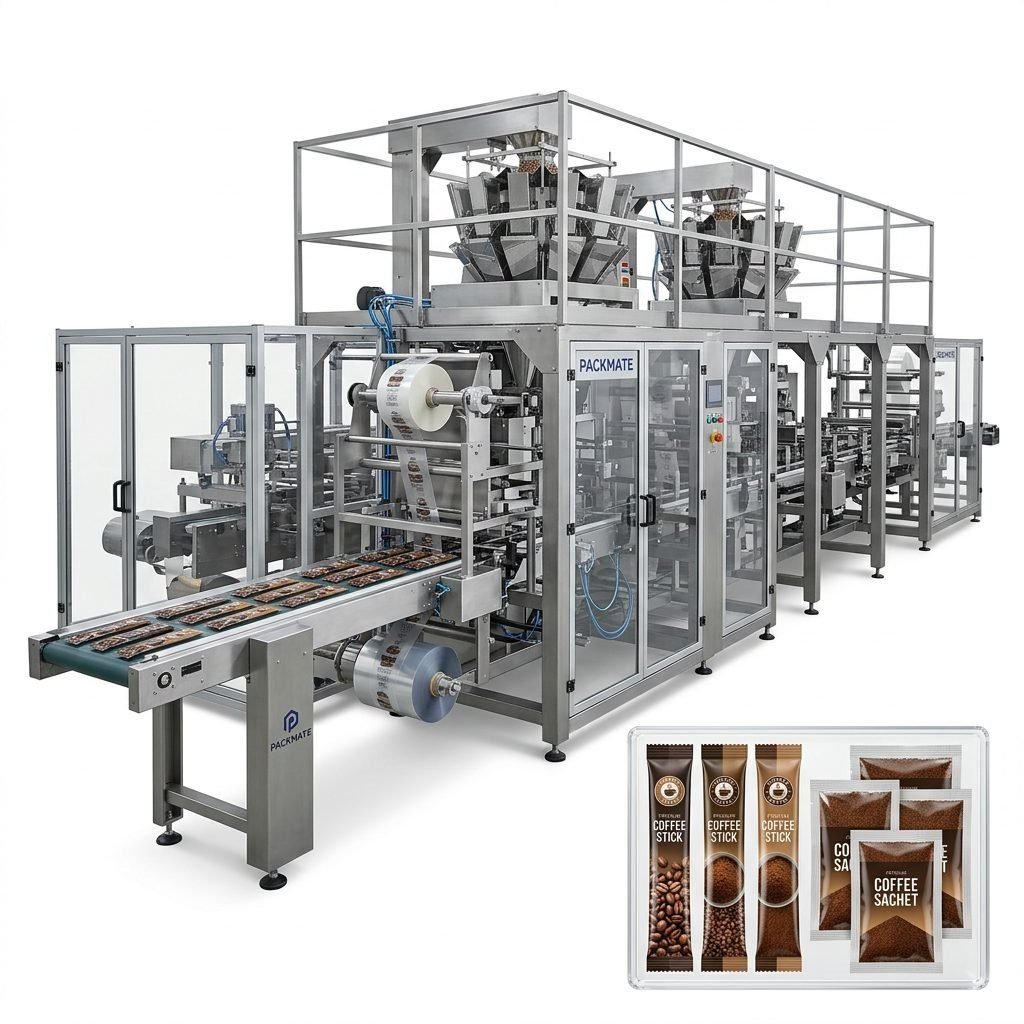
This process essentially resets the machine’s lifecycle and often comes with a new-machine warranty, providing excellent value. You can learn more about comprehensive solutions by reviewing their filling and packaging lines offerings.
Red Flags and Common Pitfalls to Avoid
Warning: Be extremely cautious of machines with incomplete documentation, missing safety guards, or signs of major repairs like welded frames. Avoid equipment that runs on obsolete PLCs or drives for which parts are unavailable. A price that seems “too good to be true” usually is—it may hide significant repair costs that will surface soon after installation.
Finalizing the Deal and Planning for Installation
Once you’ve selected a machine, ensure the sales agreement includes a clear description of the machine’s condition, any included accessories or spare parts, and the terms of loading and shipping. Plan for installation well in advance. Factor in costs for rigging, electrical hookup, compressed air, and potential foundation work. Arrange for training for your operators and maintenance technicians to ensure a smooth ramp-up.
Frequently Asked Questions (FAQs)
1. What is the typical lifespan of a used HFFS machine, and how long can I expect it to last?
A well-maintained HFFS machine from a quality manufacturer can have a total operational lifespan of 20+ years. When purchasing used, the remaining service life depends entirely on its past usage, maintenance, and condition. A 10-year-old machine with excellent records could easily provide another 10 years of service after a thorough inspection and minor refurbishment.
2. How much should I budget for repairs and maintenance after purchasing a used HFFS machine?
As a rule of thumb, allocate 5-15% of the purchase price annually for spare parts, preventative maintenance, and potential repairs. This budget is highly variable; a machine from a reliable source may be at the lower end, while a bargain-bin purchase with hidden issues could far exceed this range in the first year.
3. Can a used HFFS machine be adapted to package a different product than it was originally used for?
Yes, within limits. Most HFFS machines are versatile, but key components like the filling system (auger, pump, volumetric cup) are product-specific. Changing from powders to liquids, for example, would require significant and potentially costly modifications. It’s always more efficient and reliable to source a machine already configured for a similar product type.
4. Is technical support available for used machinery, and how do I access it?
Support availability depends on the original manufacturer and the dealer. Many OEMs, including Packmate, offer paid technical support and service for their older models if parts are available. When buying through a dealer, clarify what post-sale support they provide. Having access to manuals, wiring diagrams, and a knowledgeable technician is crucial for troubleshooting.
5. What are the most common failure points I should check on a used HFFS machine?
Focus on high-wear mechanical and thermal components: sealing jaws (for wear and pitting), film pull belts/grippers, tear-off mechanisms, and heating elements. Also, inspect the servo motors and drives for smooth operation, check the electrical cabinet for signs of overheating or outdated components, and examine all safety interlocks to ensure they are present and functional.