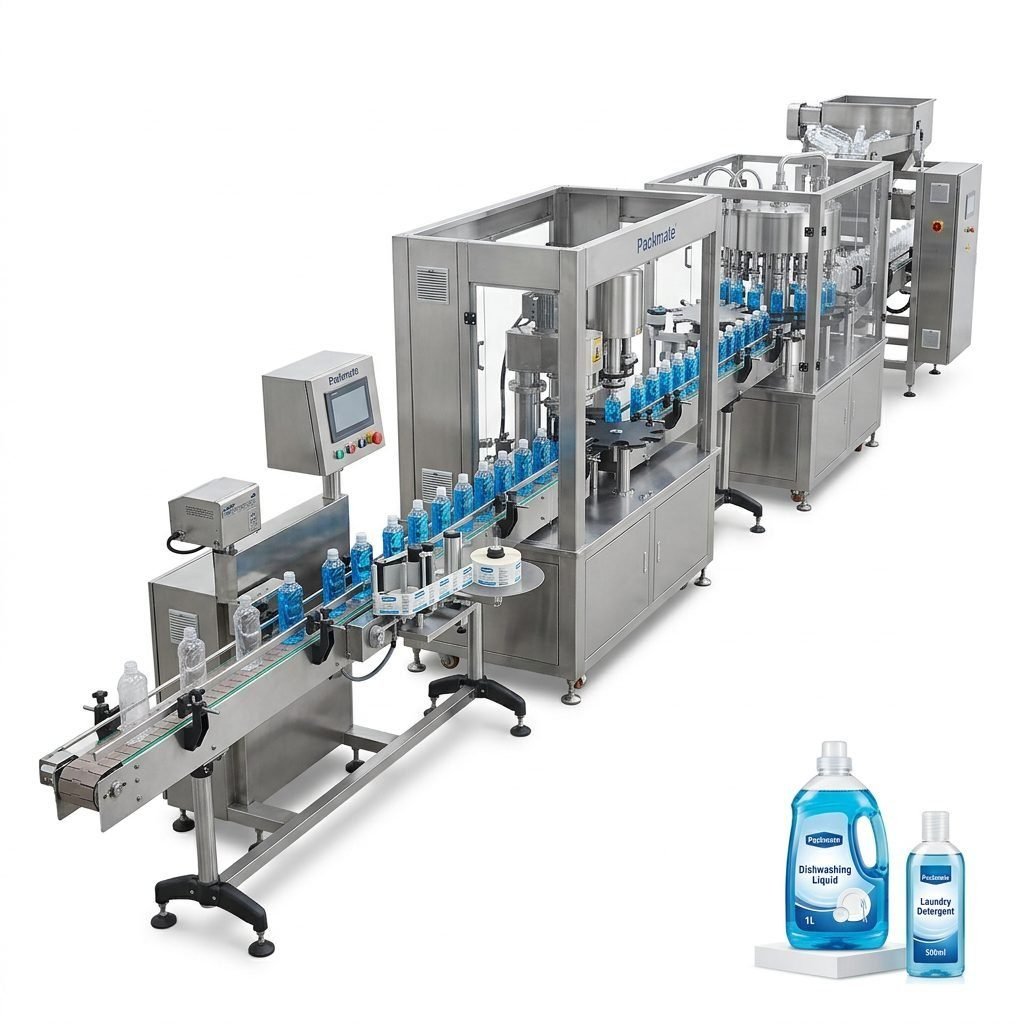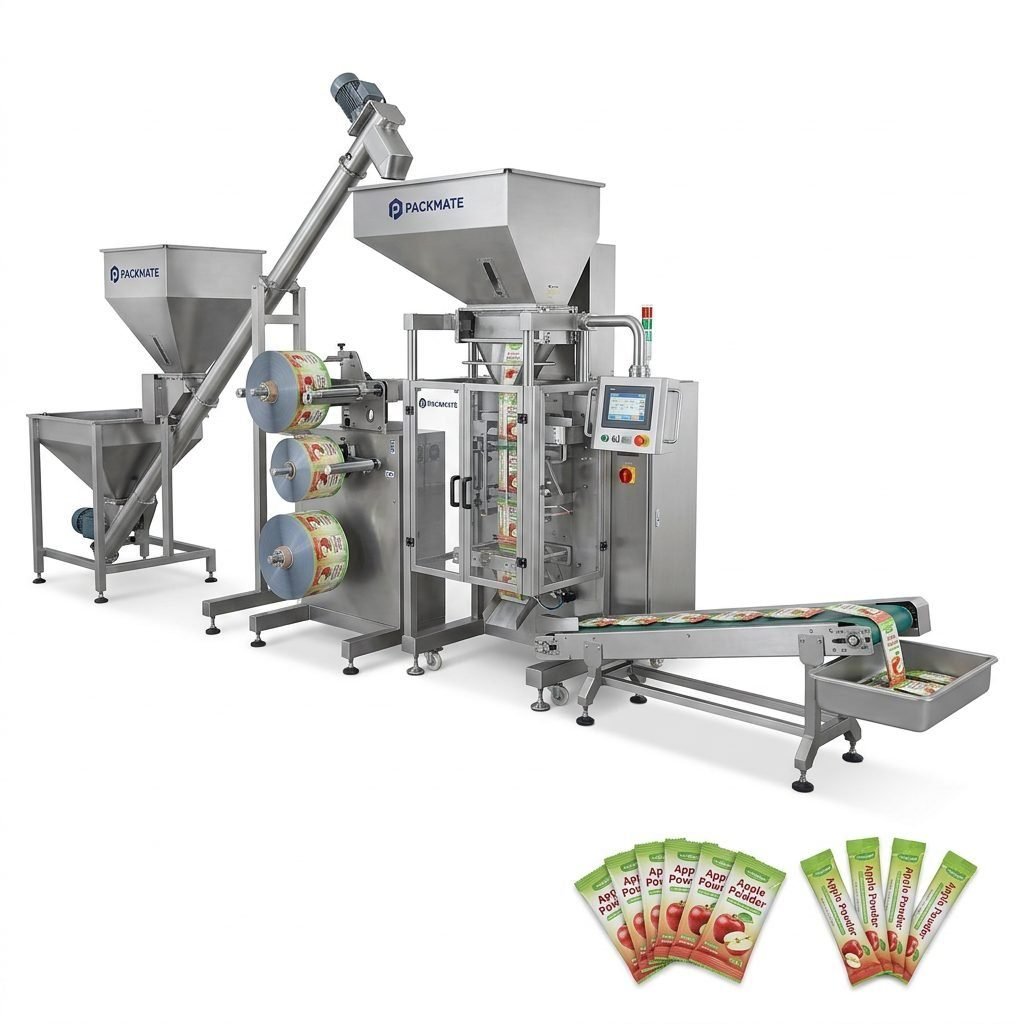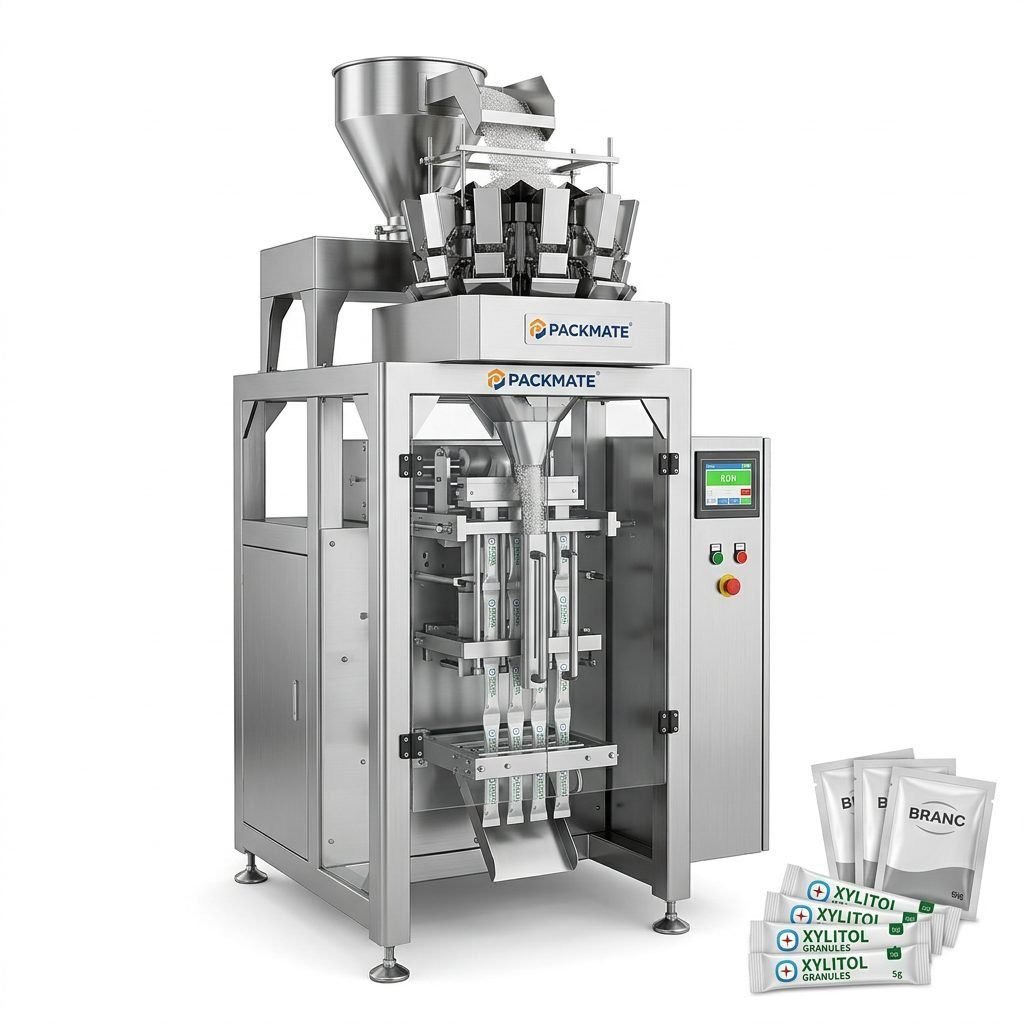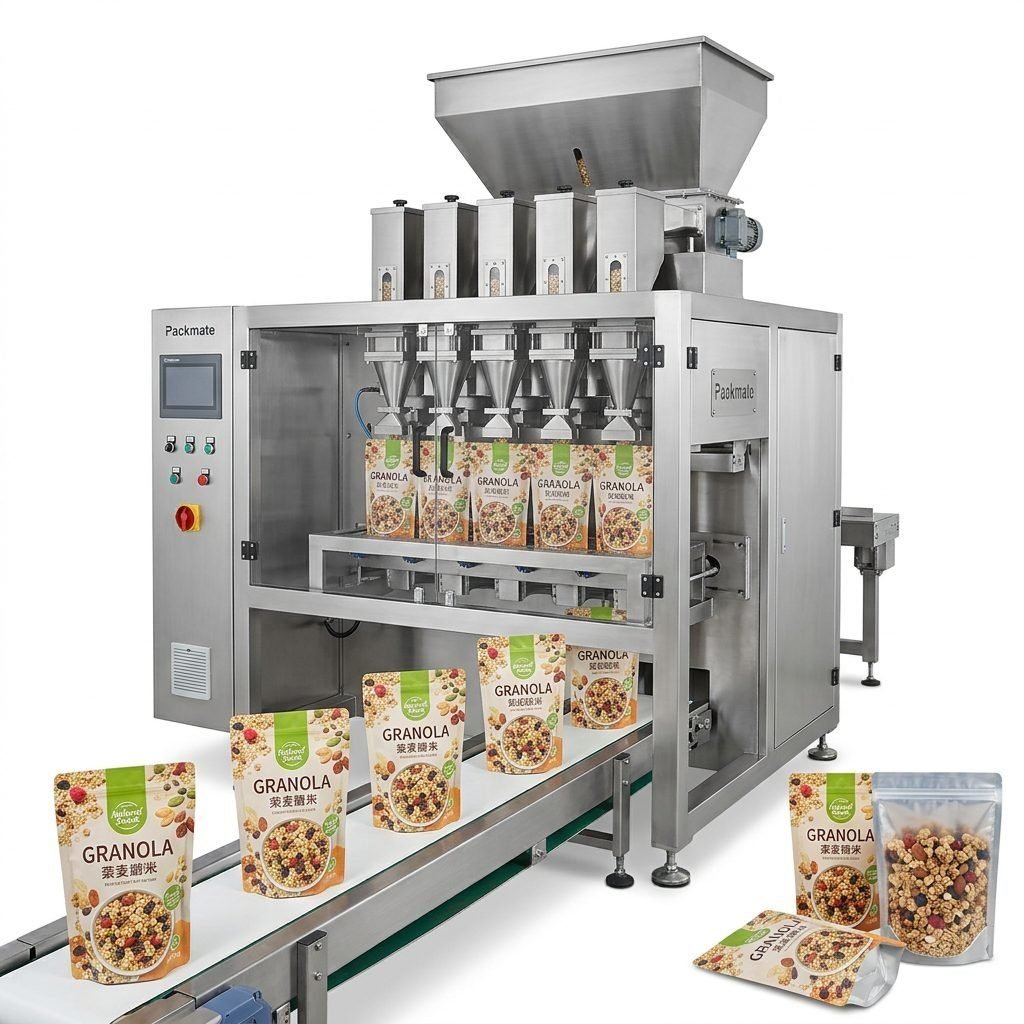
Selecting the right packaging machinery is a critical decision for any business involved in manufacturing food, pharmaceuticals, or health products. The choice directly impacts production efficiency, product integrity, operational costs, and ultimately, your brand’s reputation in the market. With a vast array of technologies and solutions available, navigating the selection process can be daunting. This expert guide aims to demystify the process, providing a structured approach to evaluating and choosing the optimal packaging machinery and solutions for your specific needs.
Understanding Your Core Packaging Requirements
The foundation of any successful machinery selection lies in a deep and clear understanding of your own requirements. This goes beyond simply knowing your product type.
Product Characteristics: Is your product a granule, a fine powder, a viscous liquid, or a paste? Each form has unique flow properties, aeration tendencies, and potential for segregation that dictate the type of filling system required. For instance, a precision weighing system is paramount for valuable powdered ingredients, while a volumetric filler might suffice for uniform granules.
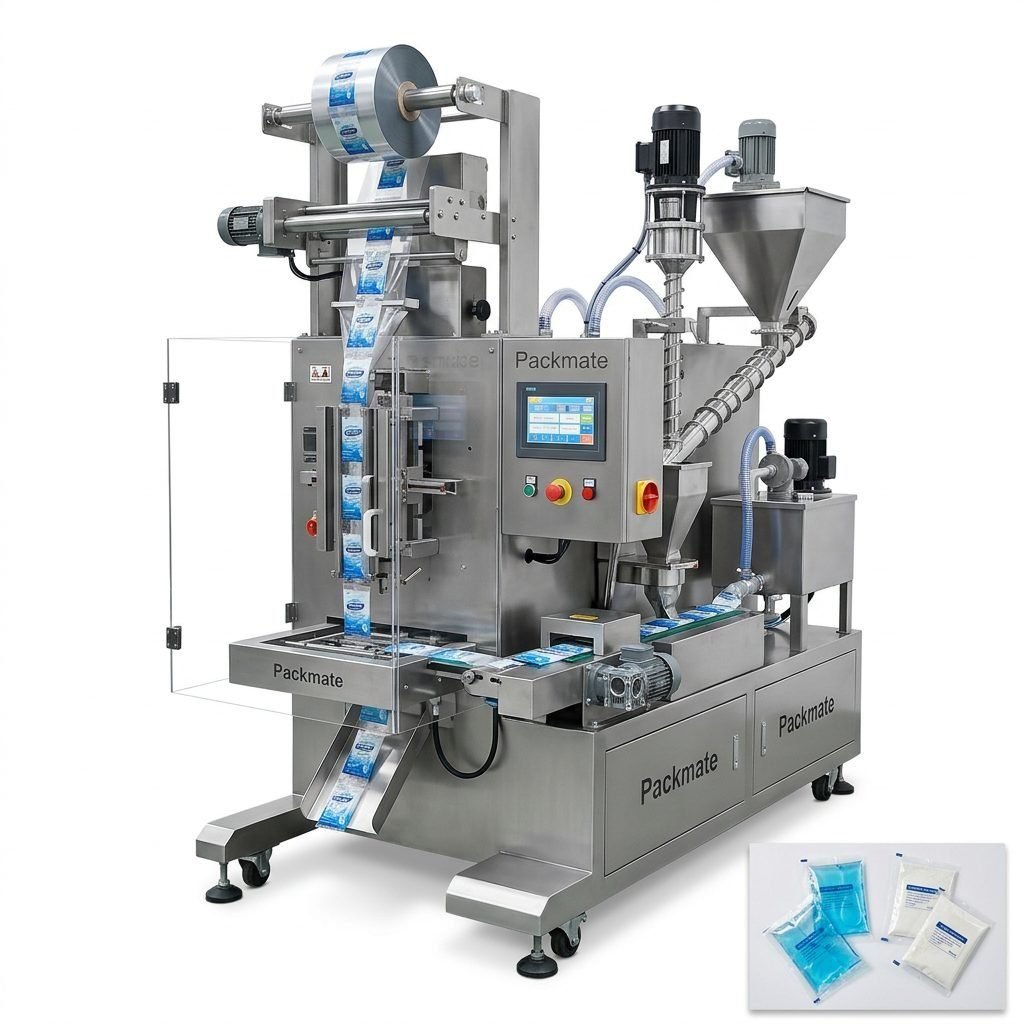
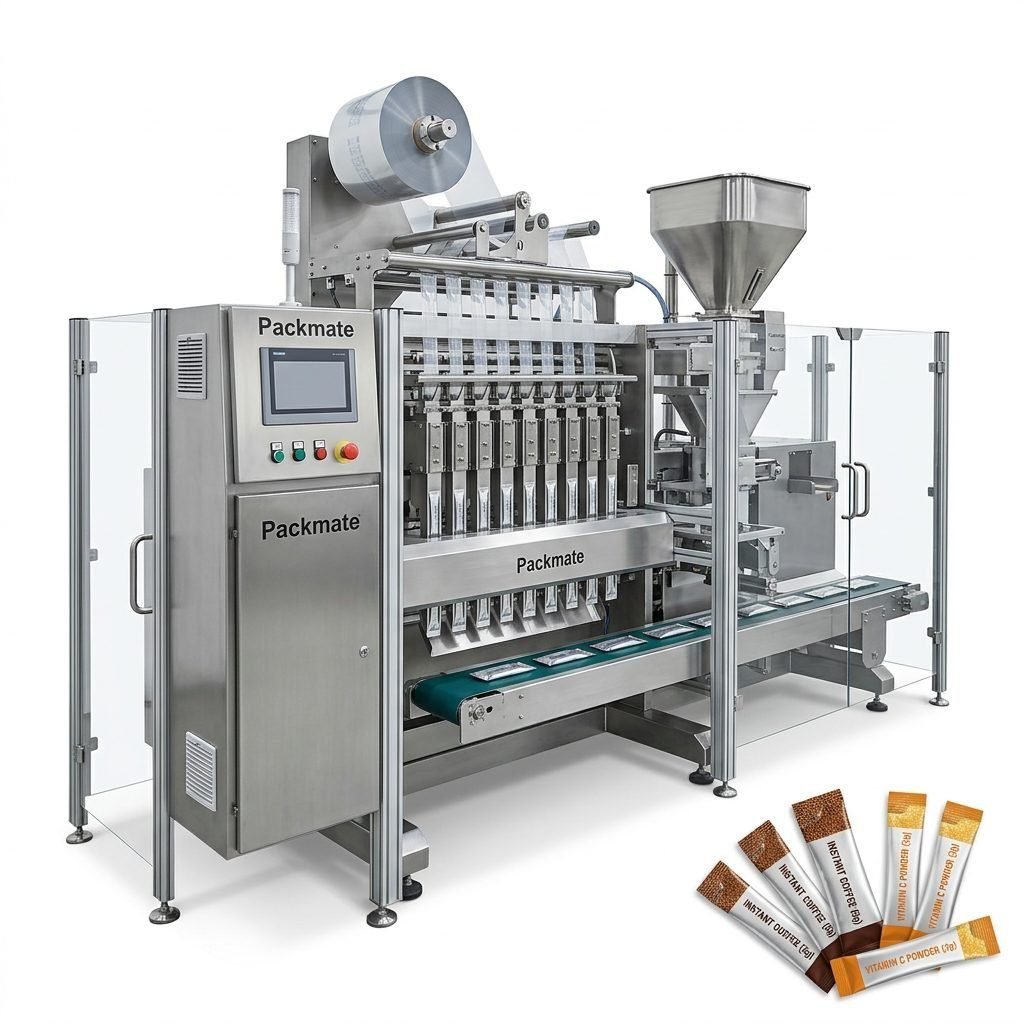
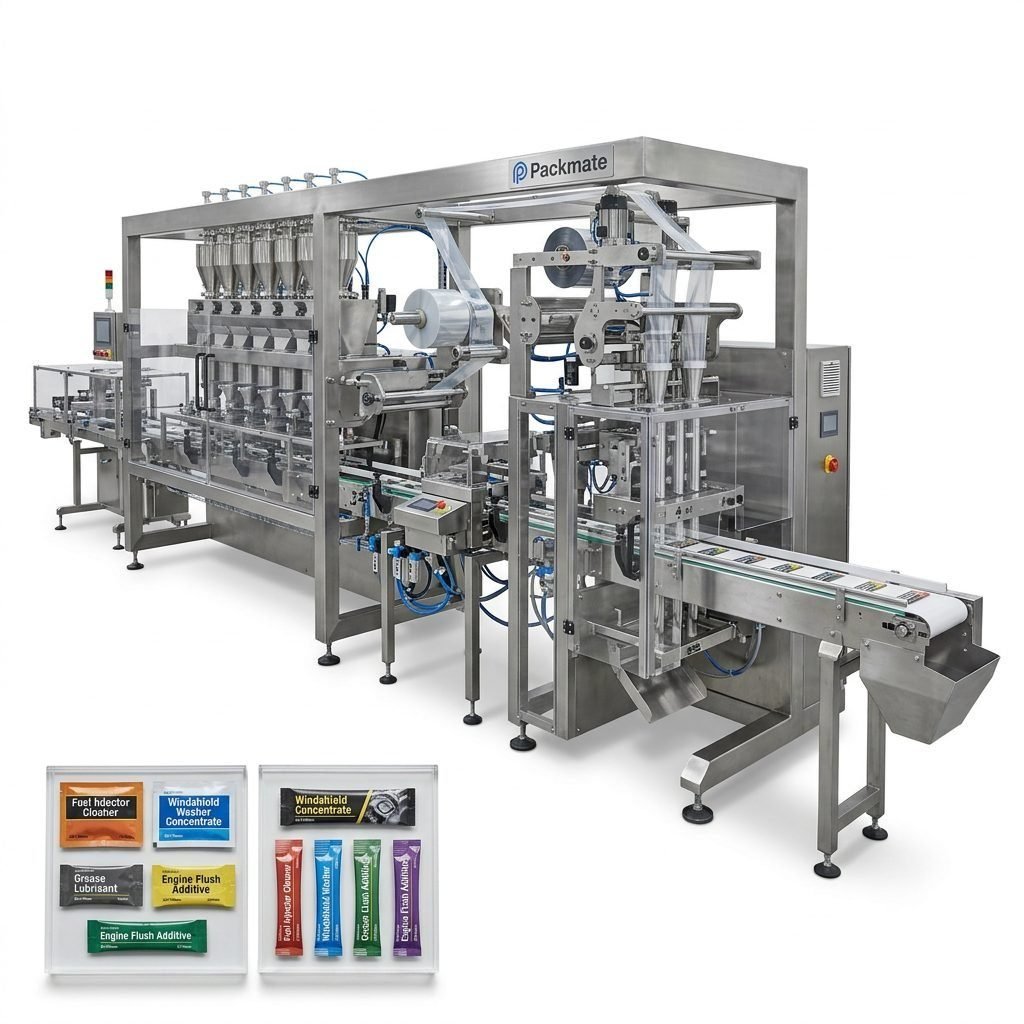
Packaging Format: Define your desired final package. Are you producing small single-serve sachets for condiments, sleek stick packs for supplements, or larger pouches for bulk ingredients? The format determines the machine type—be it a multi-lane sachet machine for high-volume output or a versatile form-fill-seal pouch machine.
Production Speed & Volume: Quantify your current and projected output. Required speeds (packs per minute) will narrow down your options to entry-level, mid-range, or high-speed industrial machines. A mismatch here is a common source of bottleneck or underutilization.
Materials & Compliance: Specify the packaging film or laminate you will use. The machine must be compatible with its thickness, seal layer, and barrier properties. Furthermore, for industries like pharmaceuticals, compliance with GMP standards and the ability for easy cleaning and validation are non-negotiable.
Key Technical Factors in Machine Evaluation
Once requirements are mapped, focus shifts to the technical capabilities of potential machinery. Look beyond the brochure specifications.
Accuracy and Consistency: The heart of packaging quality. Evaluate the filling accuracy (weight or volume variation) the machine guarantees. For sensitive applications, look for machines with feedback control systems that auto-correct deviations in real-time.
Flexibility and Changeover: In today’s market, the ability to run multiple products or package sizes on one line is a huge competitive advantage. Assess how quickly and tool-free changeovers can be performed. Modular designs often offer superior flexibility.
Durability and Construction: Inspect the quality of materials and components. Machines with stainless steel contact parts, robust frames, and premium brand drives (servos, PLCs) offer greater longevity and lower total cost of ownership despite a higher initial investment.
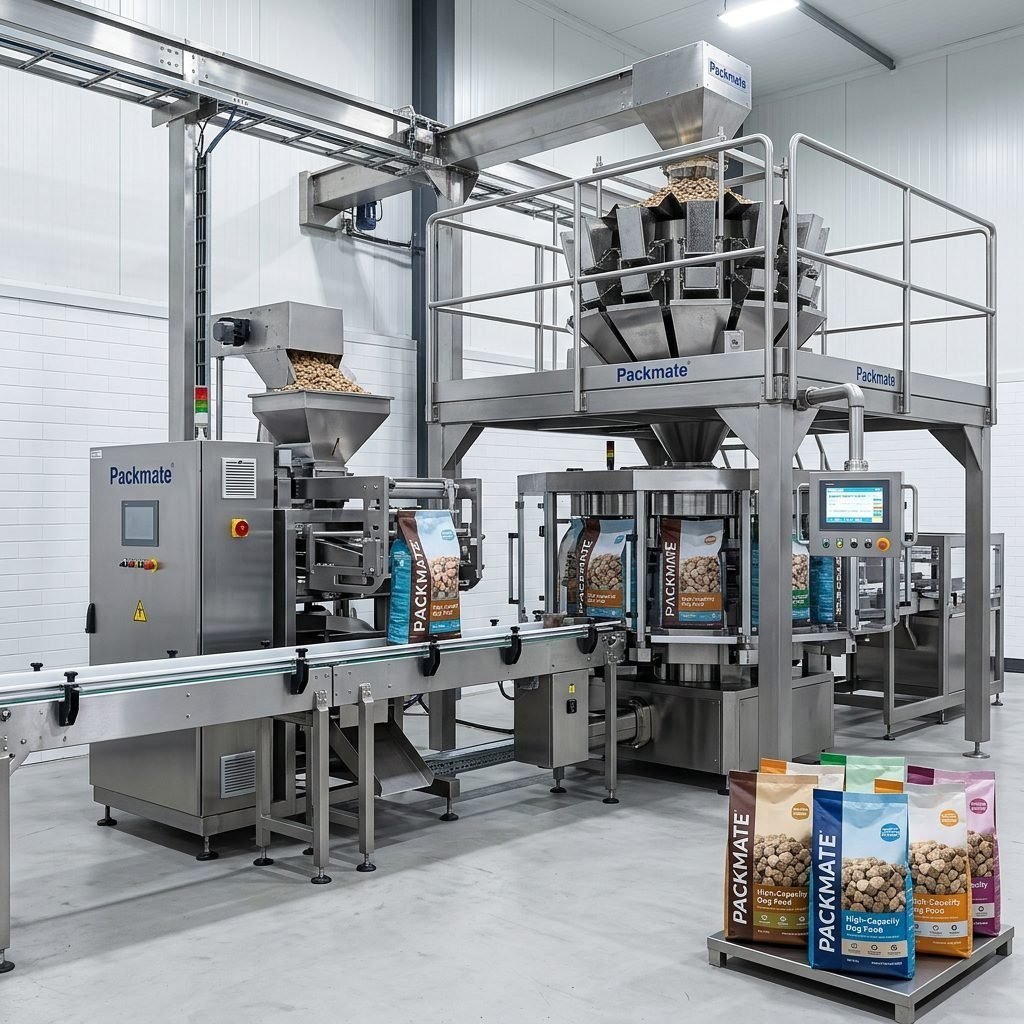
Integration Capability: Your packaging machine rarely operates in isolation. Consider how it will integrate with upstream processes (like mixing or conveying) and downstream equipment (like cartoning or case packing). Open communication protocols (e.g., Ethernet/IP, Modbus TCP) are essential for modern integrated packaging lines.
The Critical Role of the Supplier Partnership
The machine is only one part of the solution. The supplier you choose becomes a long-term partner.
Expertise and Experience: A supplier with deep application knowledge in your specific industry (e.g., dairy, spices, nutraceuticals) is invaluable. They can foresee challenges and recommend proven solutions. Companies like Packmate Machinery, with over 30 years focused on food and pharmaceutical packaging, bring this critical experience to the table.
Testing and Validation: Always insist on a factory acceptance test (FAT) using your actual product and packaging materials. This is the only way to verify performance claims before installation.
After-Sales Support: The quality of technical support, availability of spare parts, and training programs are as important as the machine itself. Ensure your supplier has a responsive, capable service network, especially if you are operating in multiple regions.
Implementing a Future-Proof Packaging Solution
Thinking ahead can protect your investment. Consider scalability—can the line be easily upgraded for higher speed? Evaluate the potential for adding IoT capabilities for predictive maintenance and data analytics. Also, assess the supplier’s commitment to R&D, ensuring their technology roadmap aligns with evolving industry trends like sustainability and smart packaging.
Conclusion: A Strategic Investment
Selecting packaging machinery is not merely a procurement task; it’s a strategic investment in your operational backbone. A methodical selection process that balances technical specifications with the strength of the supplier partnership will yield a solution that drives efficiency, ensures quality, and supports your growth for years to come. By partnering with an experienced provider, you gain more than a machine; you gain expertise and peace of mind.
Frequently Asked Questions (FAQs)
Q1: What is the most important factor when choosing between different packaging machine models?
While all factors are interconnected, the most critical is aligning the machine’s core capabilities with your specific product characteristics and required output speed. A machine perfect for free-flowing granules may fail miserably with a cohesive powder. Always conduct product tests.
Q2: How can I minimize downtime during product changeovers?
Look for machines designed for quick changeover, featuring tool-less adjustments, digital recipe storage, and modular components. Investing in this flexibility upfront significantly boosts overall equipment effectiveness (OEE) in multi-product environments.
Q3: Is a higher-priced machine always a better investment?
Not always, but often. A higher price typically reflects better components (stainless steel vs. coated steel), more precise servo drives, advanced control systems, and robust construction. This leads to greater accuracy, less waste, higher reliability, and a longer lifespan, reducing the total cost of ownership.
Q4: What should I look for in the supplier’s after-sales service?
Key elements include: the availability of local or regional service engineers, a well-stocked spare parts inventory, comprehensive operator and maintenance training programs, and clear response time guarantees. The supplier’s long-term stability is also a good indicator of future support.
Q5: How do I ensure the machine will comply with my industry’s regulations (e.g., FDA, GMP)?
Discuss compliance requirements explicitly during the quoting process. Reputable suppliers will provide documentation on material certificates (e.g., 316L stainless steel), sanitary design features, and cleanability protocols. The factory acceptance test is your opportunity to validate these aspects.