In the competitive world of personal care and hygiene products, presentation and protection are paramount. The bar soap, a staple in households globally, requires packaging that not only preserves its quality but also enhances its shelf appeal. This is where the bar soap packaging machine becomes an indispensable asset for manufacturers. This guide delves into the intricacies of efficient soap wrapping, exploring the technology, benefits, and key considerations for integrating these systems into your production line.
The Core Function of Bar Soap Wrapping
At its heart, a bar soap packaging machine is designed to automate the process of enclosing individual soap bars in a protective material, typically film or paper. This automation replaces manual, labor-intensive wrapping, leading to significant gains in speed, consistency, and overall operational hygiene. Modern machines can handle various soap shapes, sizes, and wrapping styles, from simple twists to sophisticated folded ends.
Key Components of an Efficient System
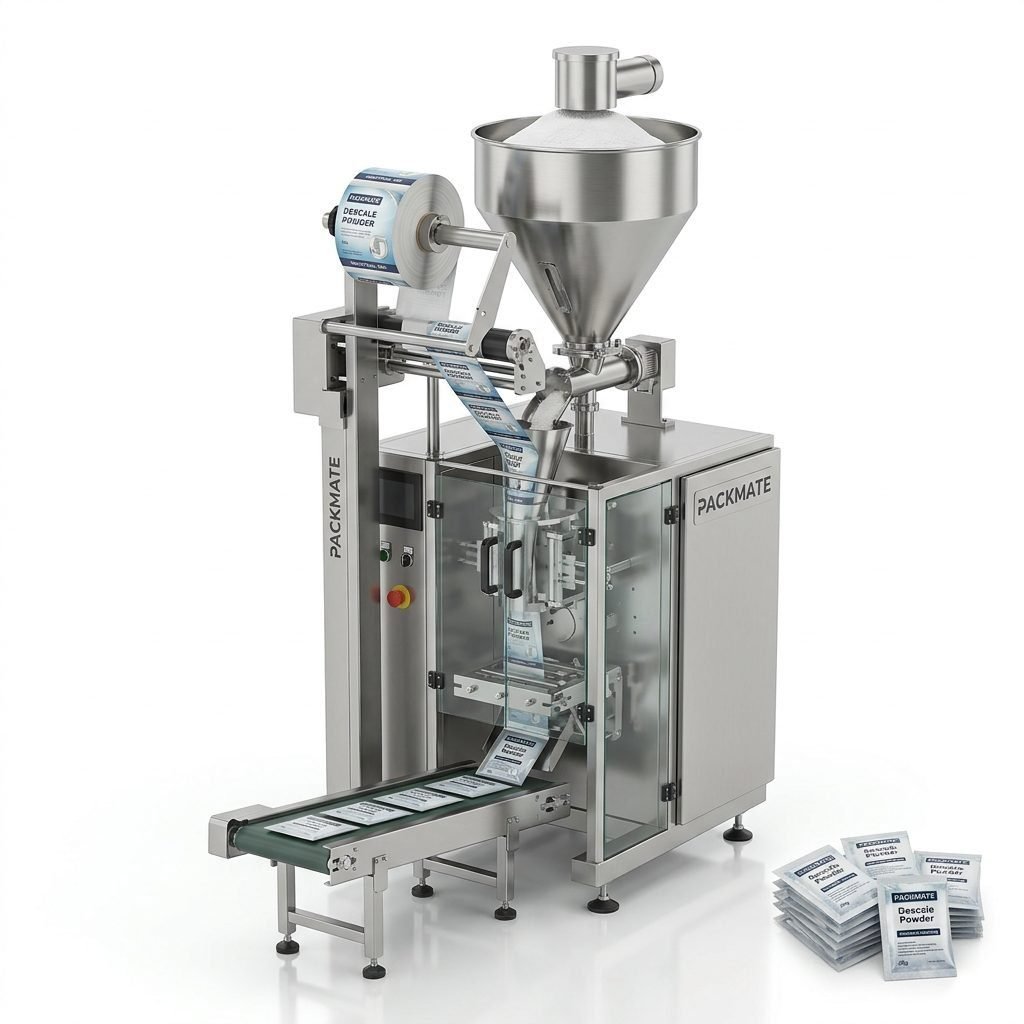
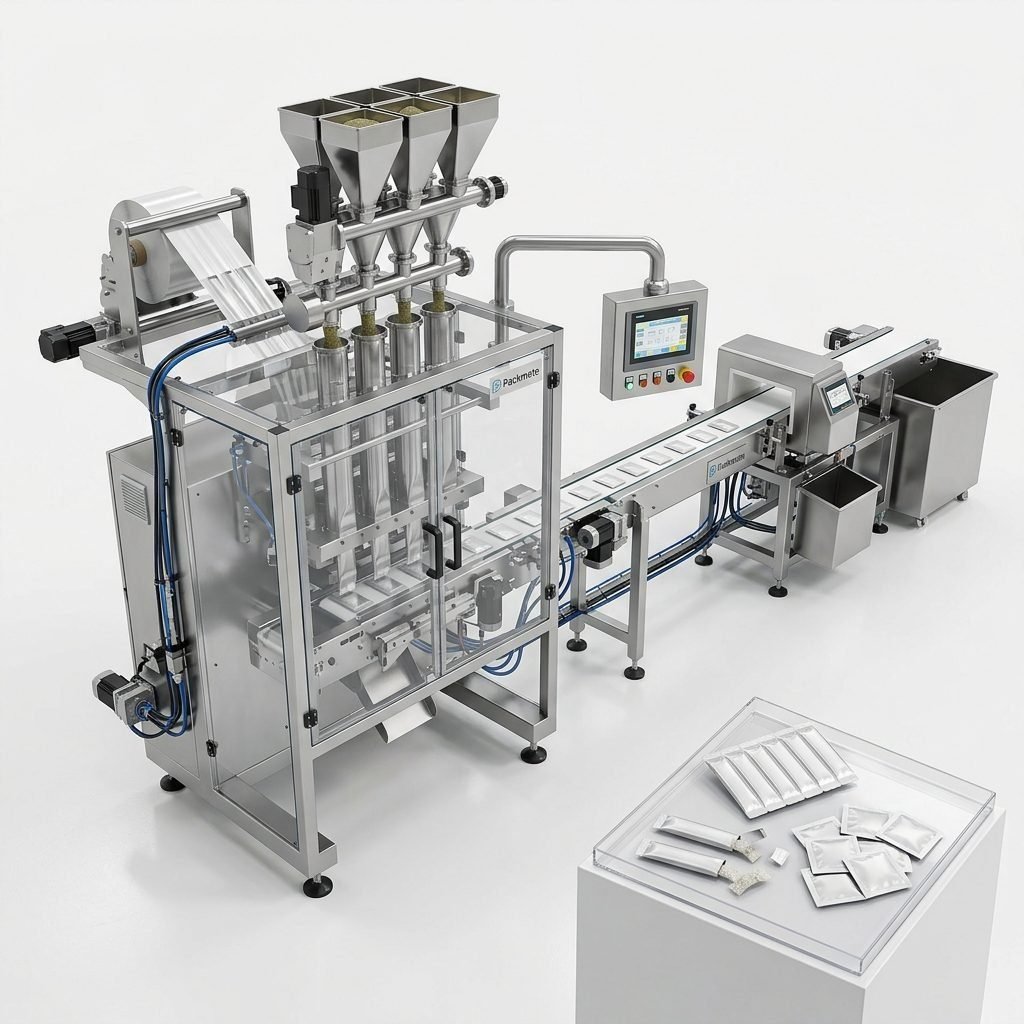
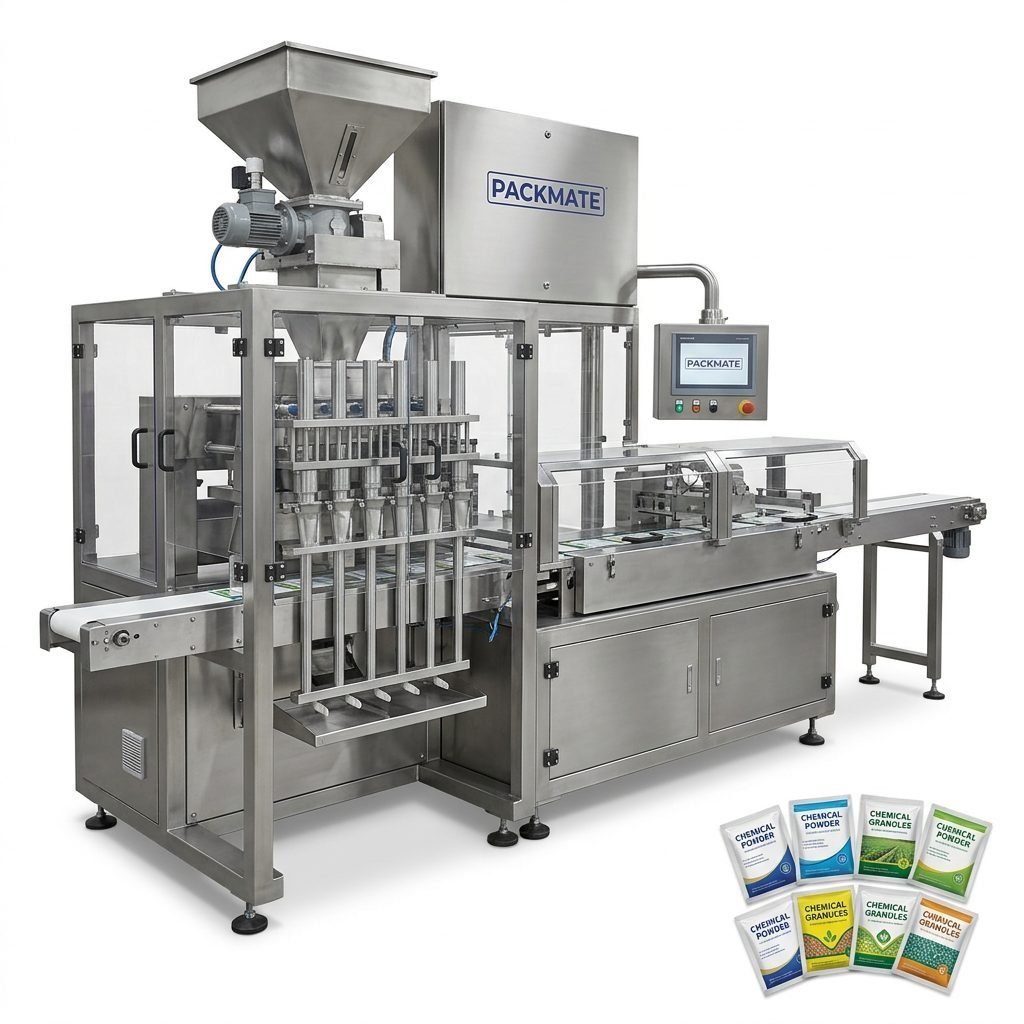
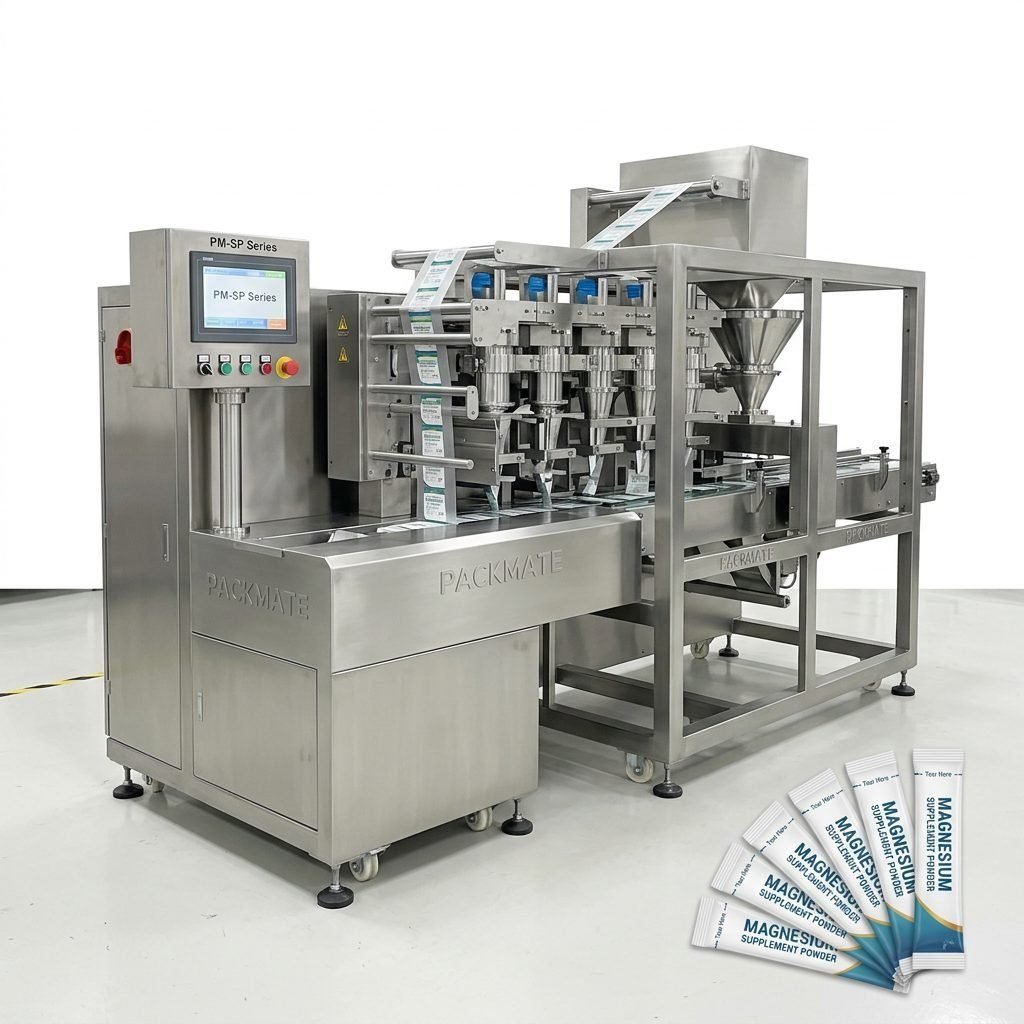
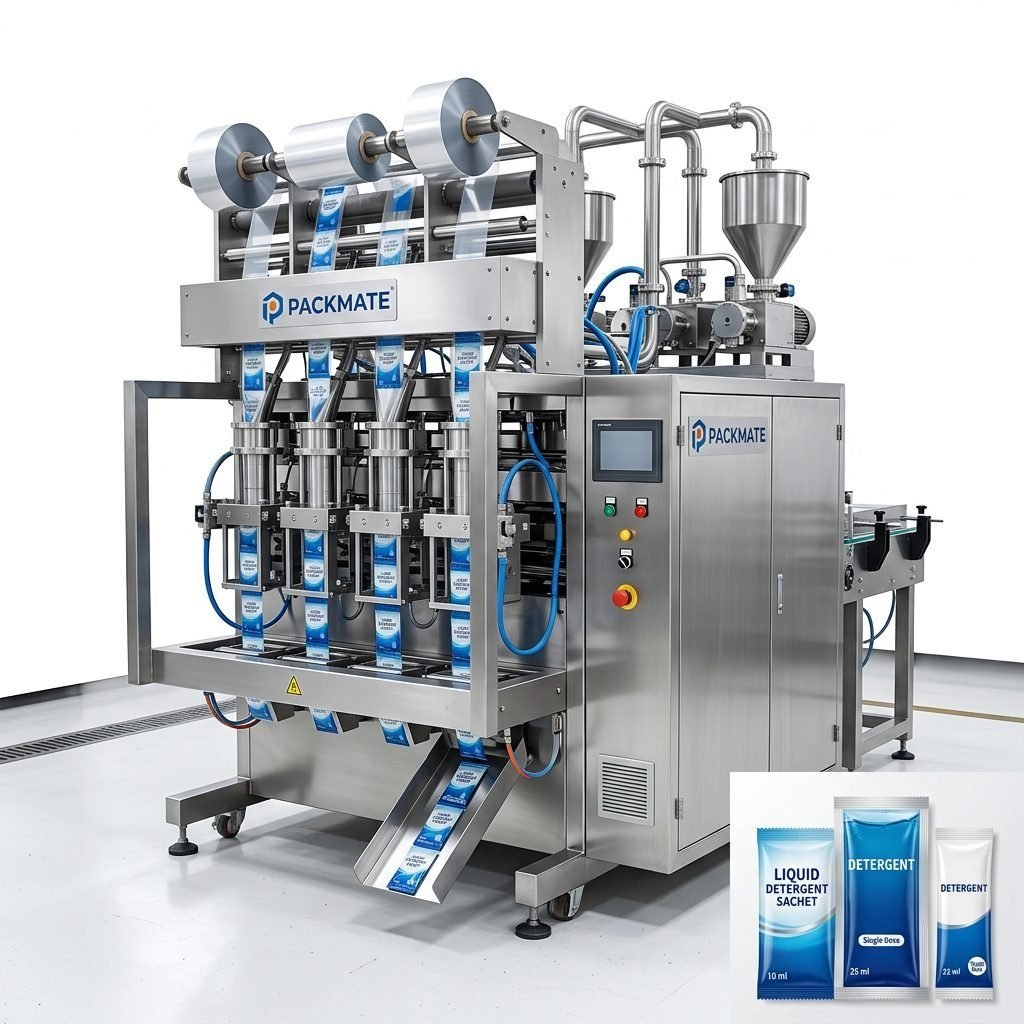
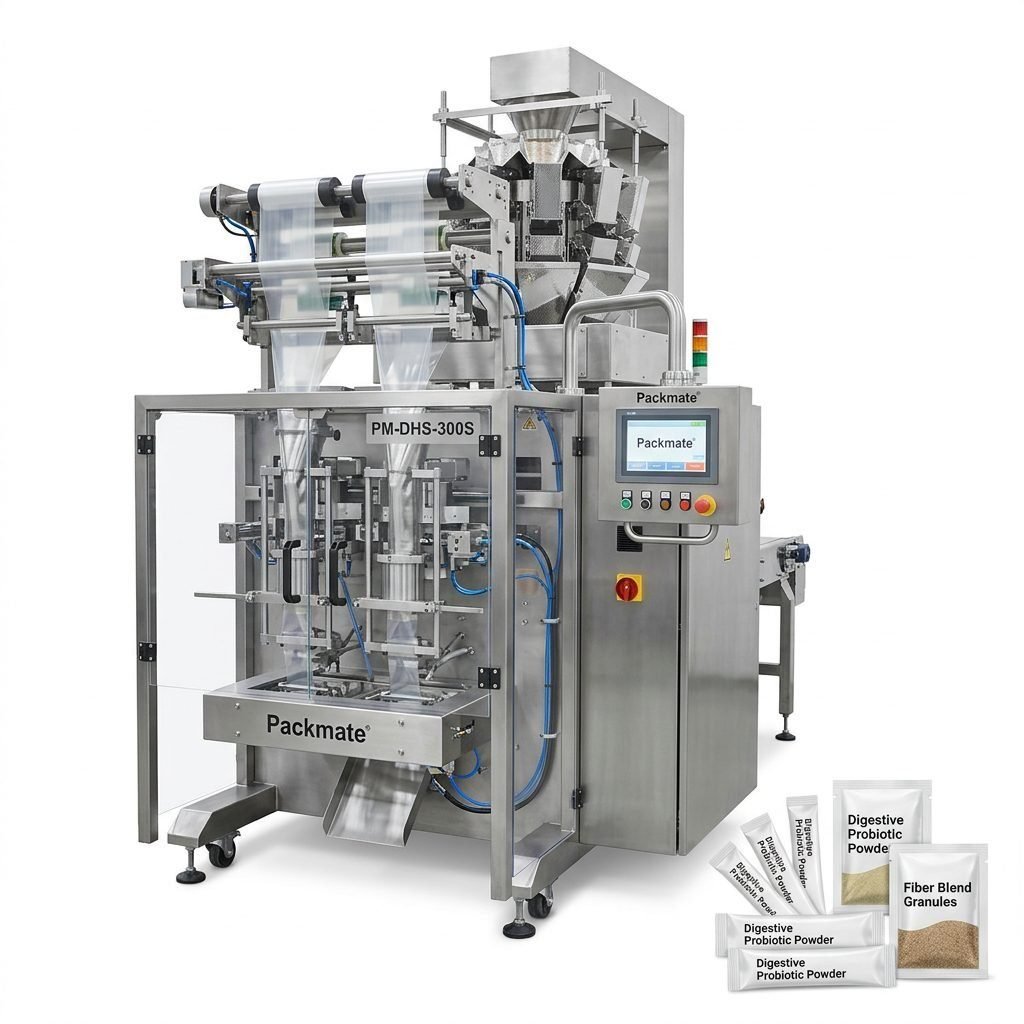
Understanding the machine’s anatomy is crucial. A typical system includes a soap feeding conveyor that orients and spaces the bars, a film unwinding and forming unit that creates a tube around the product, and a sealing and cutting mechanism that creates airtight, neat seals. Advanced models may integrate check-weighing systems and vision inspection systems to ensure every packaged bar meets strict quality and weight standards before proceeding.
Benefits of Automated Soap Packaging
Investing in a dedicated bar soap wrapper delivers a compelling return on investment. The most immediate benefit is dramatically increased output, with machines capable of wrapping hundreds of bars per minute. This efficiency directly translates to lower per-unit labor costs. Furthermore, automated wrapping ensures uniform, professional packaging on every single bar, strengthening your brand image. It also minimizes material waste through precise film control and reduces the risk of contamination by limiting human contact with the finished product.
Selecting the Right Machine for Your Needs
Choosing a machine is not a one-size-fits-all decision. Key factors must be evaluated to ensure the equipment aligns with your specific production goals. Consider your required production speed (bars per minute), the size and shape range of your soap products, and the type of wrapping material you plan to use, such as polypropylene, polyethylene, or specialty papers.
Pro Tip: For businesses looking to scale or handle diverse product lines, modular machines offer excellent flexibility. You can start with a core wrapper and later add modules like automatic cartoning or case packing for a complete turnkey packaging line.
Integration with Broader Production Lines
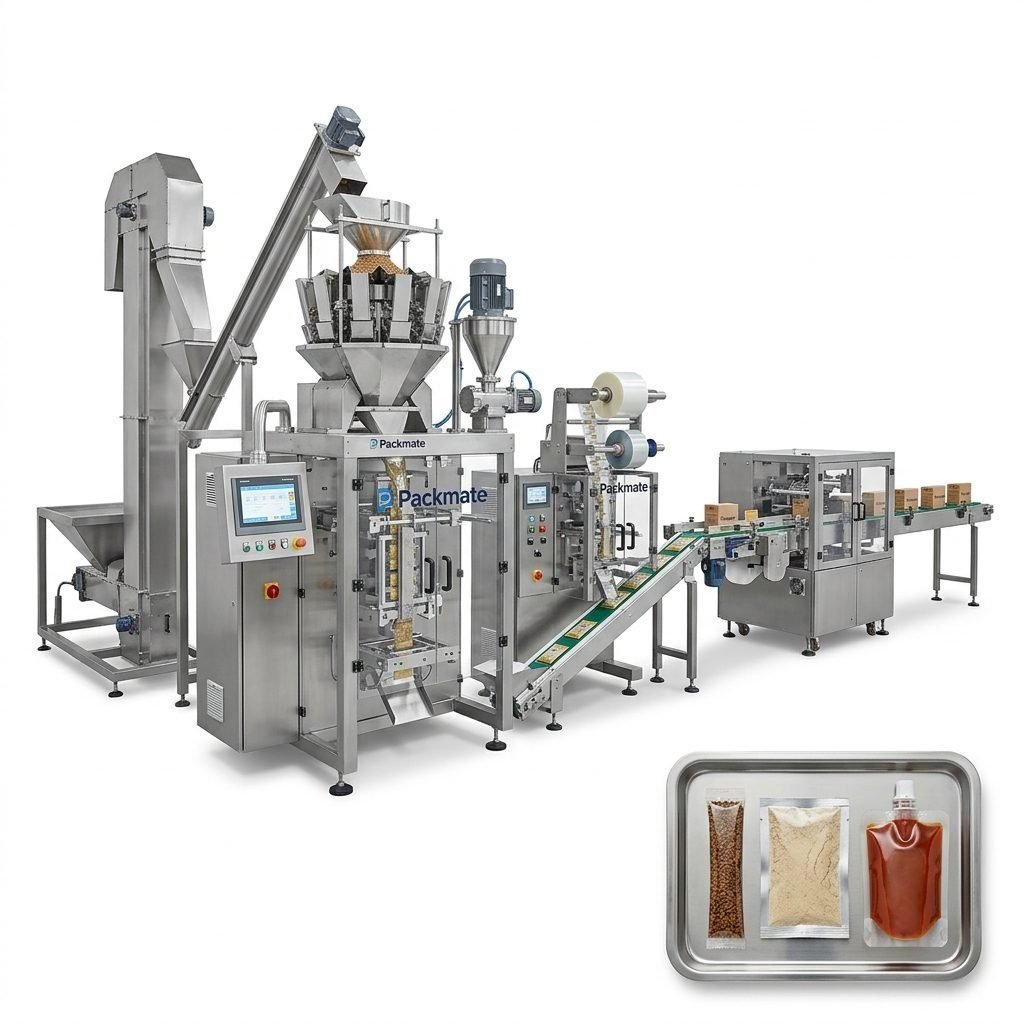
A standalone wrapper is powerful, but its true potential is unlocked when integrated into a seamless production system. This can include upstream equipment like soap stampers and coolers, and downstream systems for secondary packaging. A well-integrated line, managed by a single control system, optimizes workflow, minimizes bottlenecks, and provides comprehensive production data for analysis and improvement.
Innovations and Future Trends
The industry is continuously evolving. Today’s leading machines incorporate servo-motor technology for unparalleled precision and energy savings. Touch-screen HMIs (Human-Machine Interfaces) make operation and changeovers intuitive. There is also a growing demand for machines capable of handling eco-friendly, biodegradable, or recyclable films, allowing brands to meet consumer demand for sustainable packaging without sacrificing efficiency.
Maintenance and Operational Best Practices
To ensure longevity and consistent performance, a proactive maintenance regimen is essential. This includes regular cleaning to prevent soap residue buildup, scheduled lubrication of moving parts, and timely inspection/replacement of wear components like sealing jaws and cutting blades. Proper training for operators on routine checks and simple troubleshooting can prevent minor issues from causing major downtime.
Why Partner with an Experienced Manufacturer?
The reliability of your packaging line hinges on the quality of the machinery. Partnering with a manufacturer with deep industry expertise, like Packmate Machinery, offers distinct advantages. With over 30 years in designing and building packaging solutions, such a partner provides not just a machine, but a reliable production asset backed by robust engineering, comprehensive testing, and reliable after-sales support. They understand the challenges of packaging granules, powders, and solid products like soap, ensuring the machine is fit for purpose.
Implementing an automated bar soap packaging machine is a strategic move toward greater profitability, quality control, and market competitiveness. By carefully assessing your needs and selecting the right technology partner, you can transform your packaging process into a model of efficiency and reliability.
Frequently Asked Questions (FAQ)
What production speed can I expect from a standard bar soap wrapper?
Speeds vary by model and configuration, but modern machines typically range from 80 to over 400 bars per minute. The optimal speed depends on your soap size, wrapping material, and integration with other line equipment.
Can one machine handle different soap sizes and shapes?
Yes, most machines are designed with changeover capabilities. Look for models with tool-less adjustments or quick-change parts for the forming box and feed chain to minimize downtime when switching between products.
What types of wrapping materials are compatible?
Modern machines are versatile and can handle a wide range of materials, including BOPP, CPP, PVC shrink film, wax paper, and kraft paper. It’s crucial to discuss your specific material with the machine supplier to ensure compatibility with the sealing system.
How important is after-sales service and parts availability?
Extremely important. Choose a supplier known for strong technical support, readily available spare parts, and comprehensive operator training. This minimizes potential production disruptions and ensures your machine remains productive for years. Explore the service offerings of your potential partner.
Is automation feasible for a small or medium-sized soap business?
Absolutely. The market offers a range of machines, from semi-automatic models ideal for lower volumes or artisanal producers to fully automatic high-speed lines. The key is to conduct a thorough cost-benefit analysis to find the solution that matches your current output and growth plans.