For coffee roasters and producers, preserving the delicate aromas and complex flavor profiles of their beans is paramount. Once roasted, coffee begins a relentless battle against its greatest enemies: oxygen, moisture, light, and heat. These elements accelerate staling, leading to flat, bland, and ultimately disappointing coffee. The solution lies in creating an airtight, protective environment immediately after roasting and cooling. This is where vacuum packaging technology becomes not just an option, but a critical investment in quality assurance and brand reputation.
The Science Behind Coffee Degradation
To understand why vacuum packaging is essential, we must first look at the science of coffee staling. Roasted coffee beans release carbon dioxide (CO2) in a process known as degassing. While some degassing is necessary, prolonged exposure to air allows oxygen to react with the coffee’s oils and aromatic compounds in an oxidation process. This destroys volatile flavor molecules and creates rancid off-flavors. Moisture reabsorption makes coffee stale and dull, while light and heat accelerate all these chemical reactions. A high-quality vacuum packaging machine actively removes the air (and thus the oxygen) from the package, creating a low-pressure environment that drastically slows down these damaging processes, locking in freshness and flavor from the roastery to the cup.
Key Features of Top-Tier Coffee Vacuum Packaging Machines
Not all vacuum sealers are created equal, especially for commercial coffee packaging. The best machines for coffee share several critical characteristics that ensure performance, reliability, and product integrity.
Powerful Vacuum Performance: The core function. Look for machines capable of achieving a deep, consistent vacuum level (often measured in mbar or inHg). A stronger vacuum removes more air, providing a superior oxygen barrier. Dual-pump systems are often found in industrial models for faster, more efficient air removal.
Gentle Yet Secure Sealing: The sealing bar must create a perfect, hermetic seal on the packaging material without burning through it or failing under pressure. Adjustable sealing time and temperature controls are vital for working with different bag materials, from standard poly laminates to more sophisticated multi-layer barrier films with degassing valves.
Another crucial feature is compatibility with degassing (one-way valve) bags. Since freshly roasted coffee continues to emit CO2, completely rigid packaging can burst. Professional coffee vacuum machines are designed to work with bags that have integrated valves. The machine vacuums out the oxygen, and the valve allows subsequent CO2 to escape without letting air back in, preventing bag bloating while maintaining the vacuum.
Types of Machines: From Benchtop to Fully Automated Lines
The ideal machine depends entirely on your production scale, bag size, and desired workflow.
Single-Chamber Vacuum Sealers: The most common entry point for small to medium roasteries. Bags are placed inside a chamber, the lid closes, air is evacuated, and the bag is sealed. They are versatile, relatively affordable, and perfect for lower-volume production or packaging larger bulk bags. For businesses looking to scale, exploring integrated filling and packaging lines can be a logical next step.
External (Nozzle) Vacuum Sealers: These machines use a suction nozzle that is inserted into the open bag. They are faster than single-chamber sealers as there’s no need to open and close a lid, making them suitable for medium-volume operations. However, they typically achieve a slightly less powerful vacuum than chamber models.
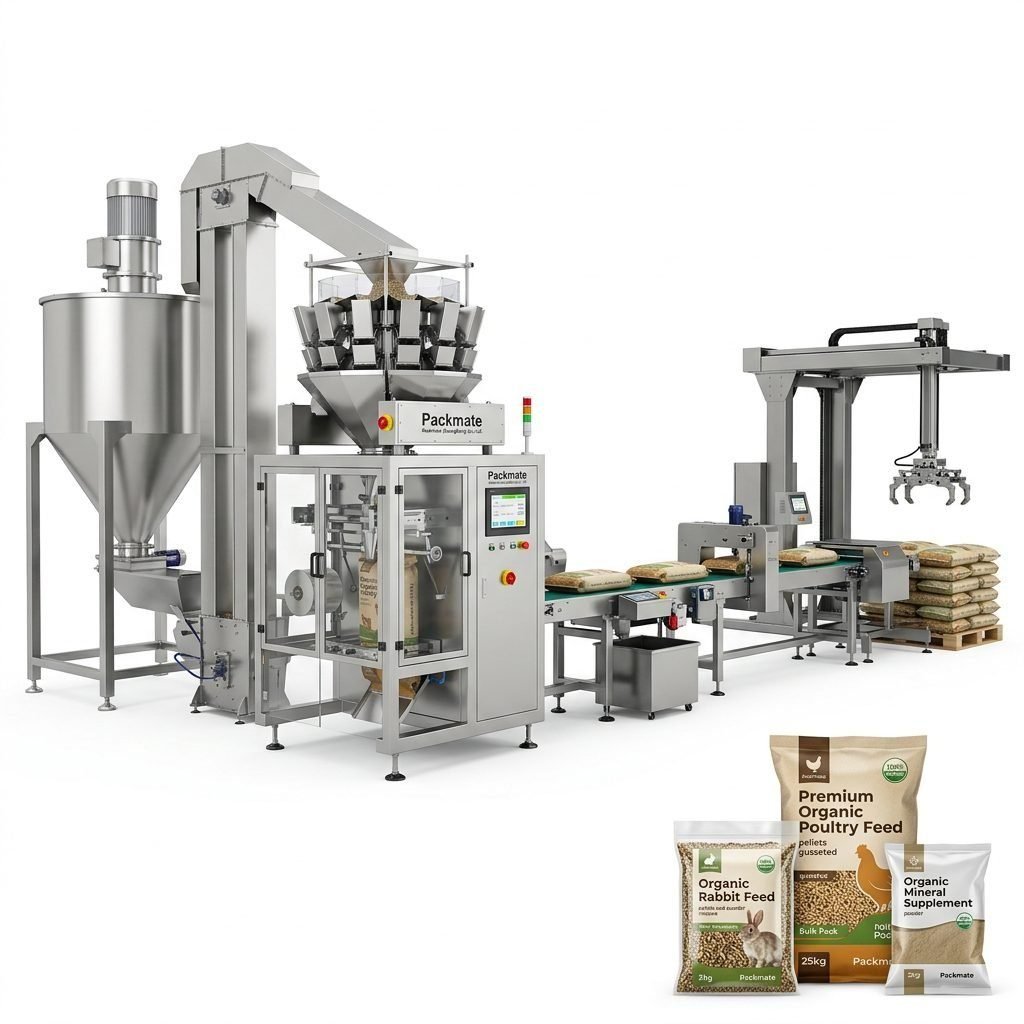
Automatic Belt-Chamber Vacuum Sealers: The pinnacle of efficiency for high-volume production. Bags are automatically fed onto a conveyor belt, moved into a sealing chamber, vacuumed and sealed, and then ejected—all in a continuous cycle. These systems, often part of a complete weighing and packaging system, can dramatically increase output with minimal manual labor, ensuring consistent package quality every time.
Material Matters: Choosing the Right Bag for Vacuum Packaging
The machine is only half of the equation. The packaging material must be specifically engineered for vacuum applications. Standard bags will often puncture or allow “micro-leaks.” Optimal coffee vacuum bags are multi-layered structures:
- Outer Layer: Provides durability and printability for branding.
- Barrier Layer (Critical): Usually made of materials like EVOH or metalized film, this layer is impermeable to oxygen and moisture.
- Sealant Layer: The innermost layer that melts to form the airtight seal with the machine’s heat bar.
Integrating a quality degassing valve into this bag structure is non-negotiable for whole bean coffee. It’s a small component that makes the entire vacuum packaging process for fresh coffee possible and safe.
Beyond Freshness: The Business Benefits of Investing in Quality
Investing in a professional-grade coffee vacuum packaging machine from a reputable manufacturer like Packmate Machinery delivers tangible returns beyond just better-tasting coffee.
Extended Shelf Life: By minimizing oxidation, you can confidently guarantee freshness for months, reducing waste from unsold stale product and enabling wider distribution.
Enhanced Brand Perception: A tightly vacuum-sealed bag with a crisp, professional seal communicates quality, care, and attention to detail to the consumer before they even open it. It protects your brand’s hard-earned reputation in every bag that leaves your facility.
Operational Efficiency: Automated and semi-automatic machines streamline the packaging process, reducing labor time and physical strain on employees. Consistent, reliable sealing also minimizes costly packaging failures and product loss.
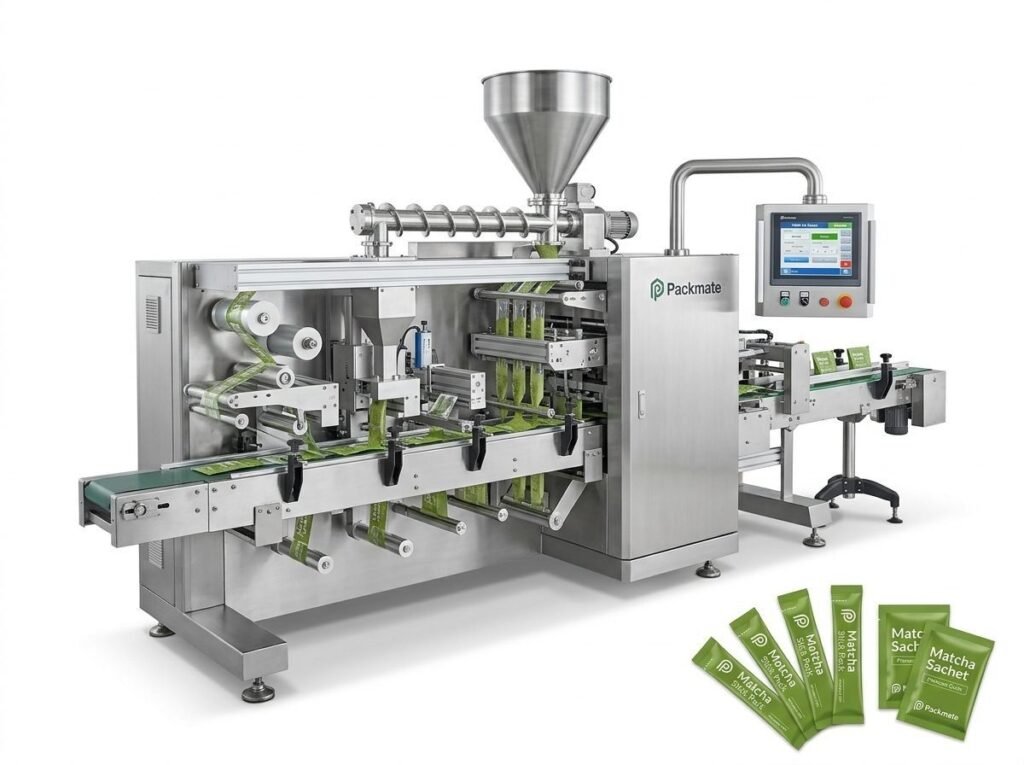
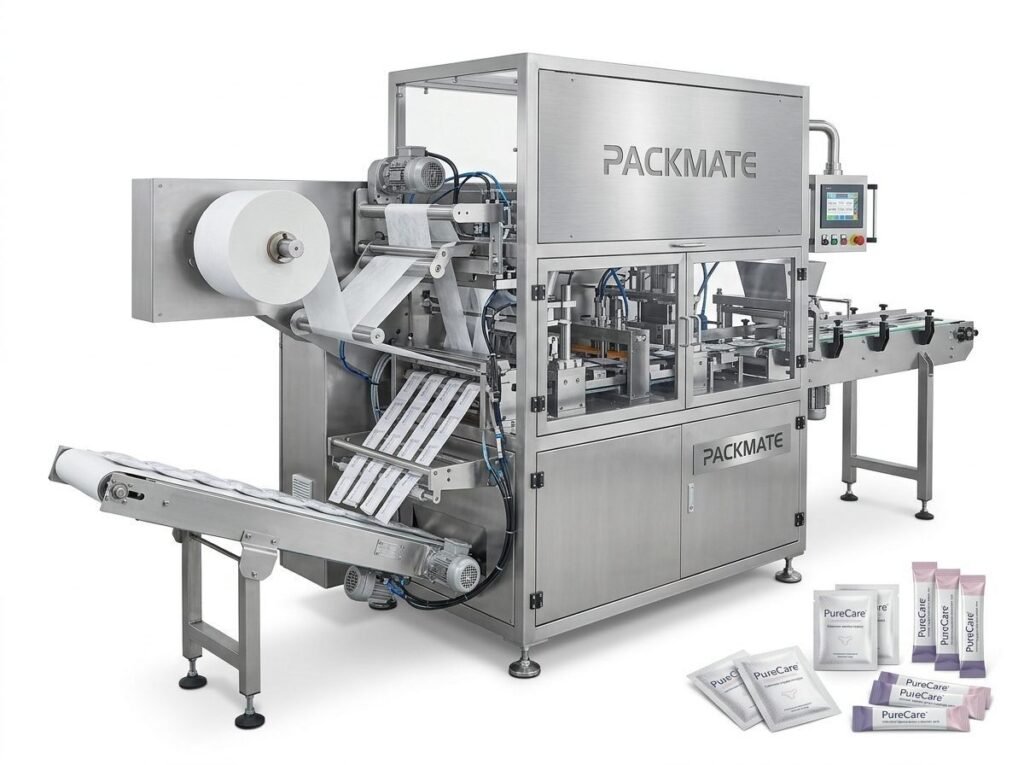
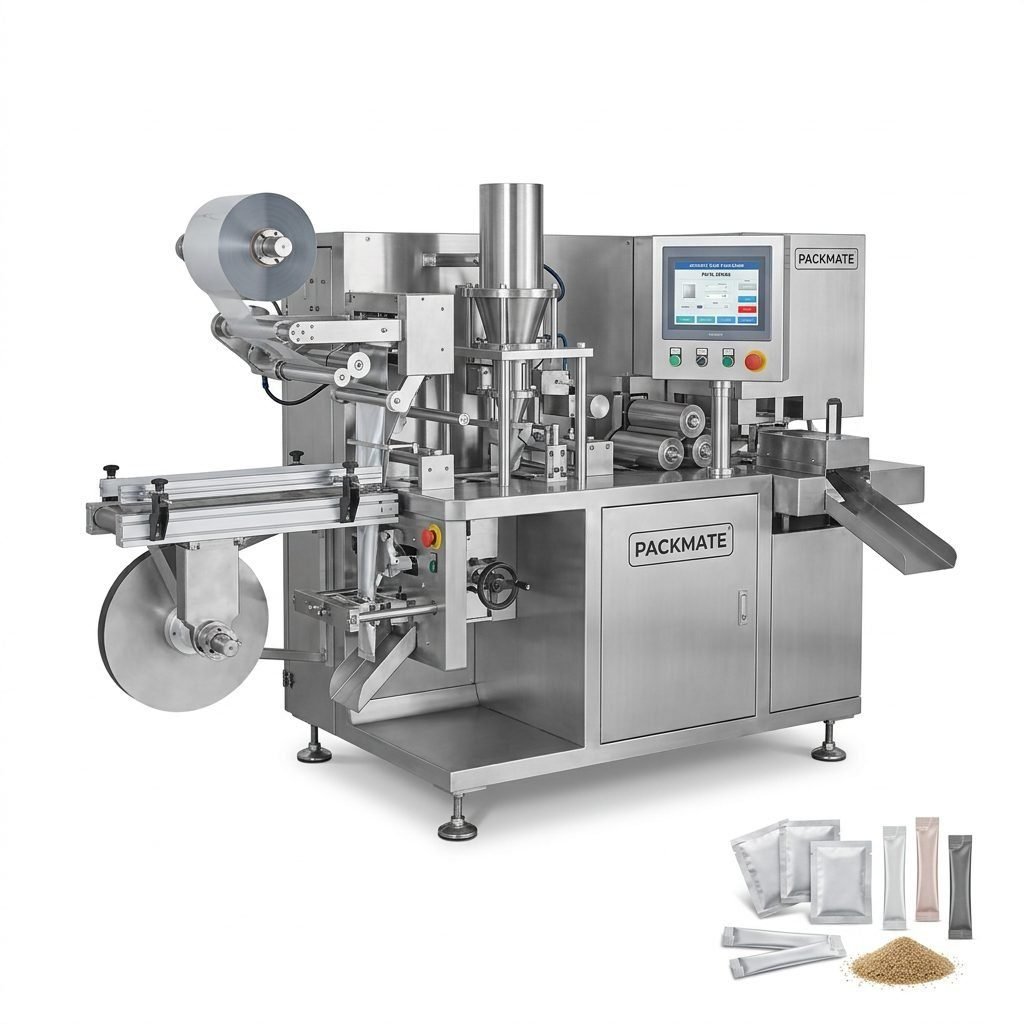
For companies requiring versatile solutions beyond coffee, investigating specialized machinery such as sachet and stick pack machines can address needs for single-serve or sample-sized portions of various products.
Frequently Asked Questions (FAQs)
Q: Can I use a regular home vacuum sealer for my small coffee roasting business?
A: While possible for very low volume, it is not recommended. Home appliances lack the durability, consistent sealing power, and speed needed for daily commercial use. They are also not designed to handle the volume of gas released from freshly roasted coffee, potentially leading to seal failures.
Q: Is vacuum packaging suitable for ground coffee?
A: Yes, it is highly effective and often recommended. Ground coffee has a much larger surface area exposed to air, making it stale far faster than whole beans. Vacuum packaging is one of the best methods to preserve ground coffee’s flavor and aroma.
Q: How do degassing valves work with vacuum sealing?
A: The valve is a one-way membrane. During the vacuum process, air (oxygen) is pulled out through the valve. Once sealing is complete and external pressure normalizes, the valve closes. Any remaining CO2 produced by the beans can push the valve open from the inside to escape, but external air cannot be drawn back in, maintaining the protective environment.
Q: What maintenance does a commercial vacuum packaging machine require?
A: Regular maintenance is key to longevity. This typically includes daily cleaning of the sealing bar and chamber to remove coffee oils and debris, checking and replacing the vacuum pump oil as per the manufacturer’s schedule, and inspecting the sealing gasket for wear to ensure an airtight chamber seal.
Q: How do I choose between a chamber sealer and a nozzle sealer for coffee?
A: Chamber sealers generally provide a stronger, more consistent vacuum and are better for removing air from textured bags (like those with whole beans). Nozzle sealers are faster for sequential packaging. For optimal coffee freshness, especially with whole beans, chamber vacuum sealers are often the preferred choice in the industry.