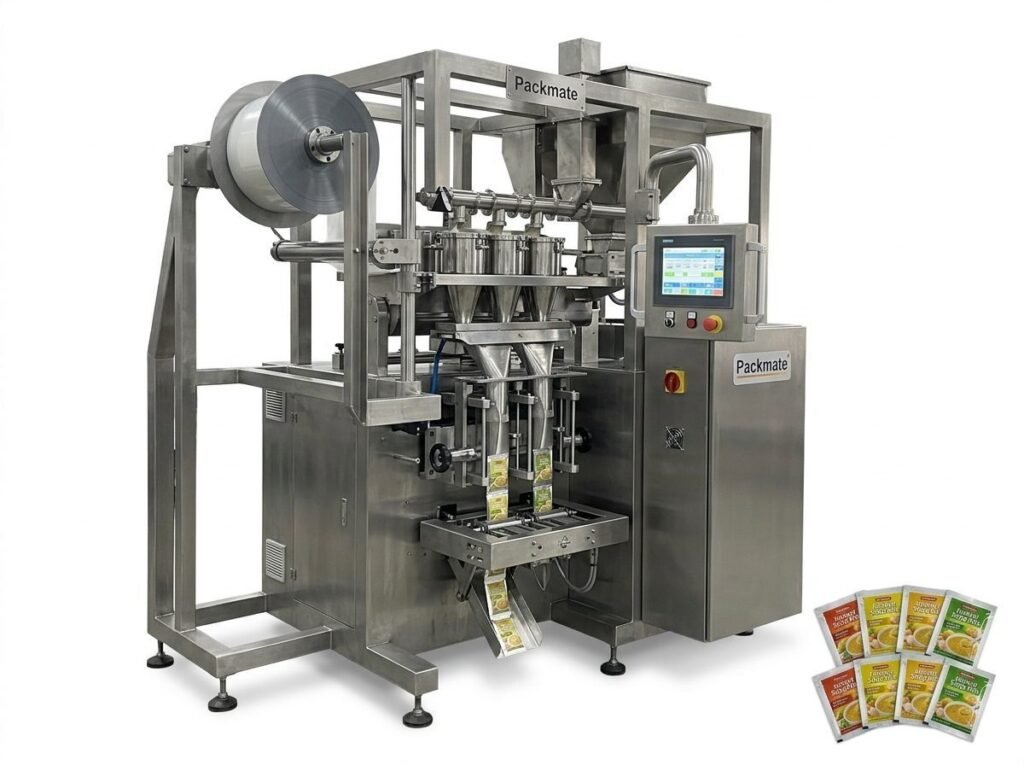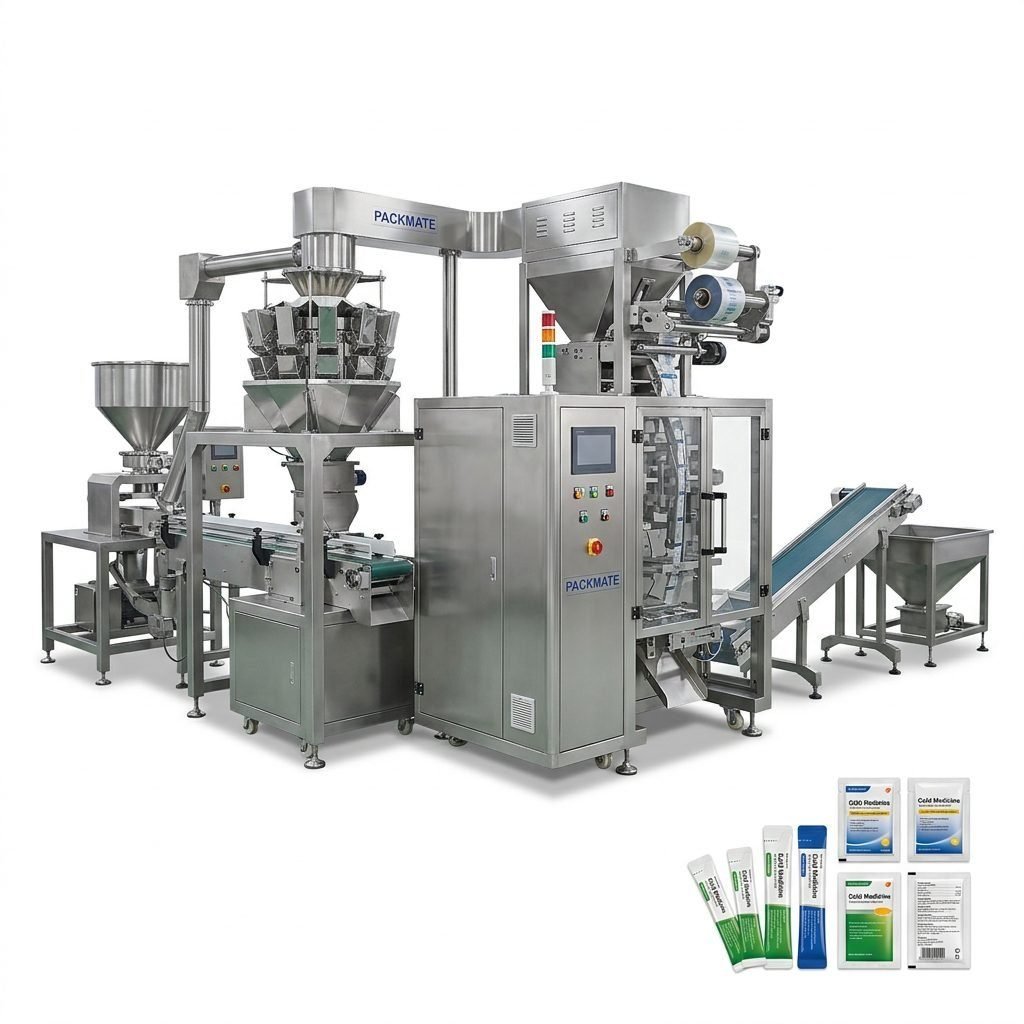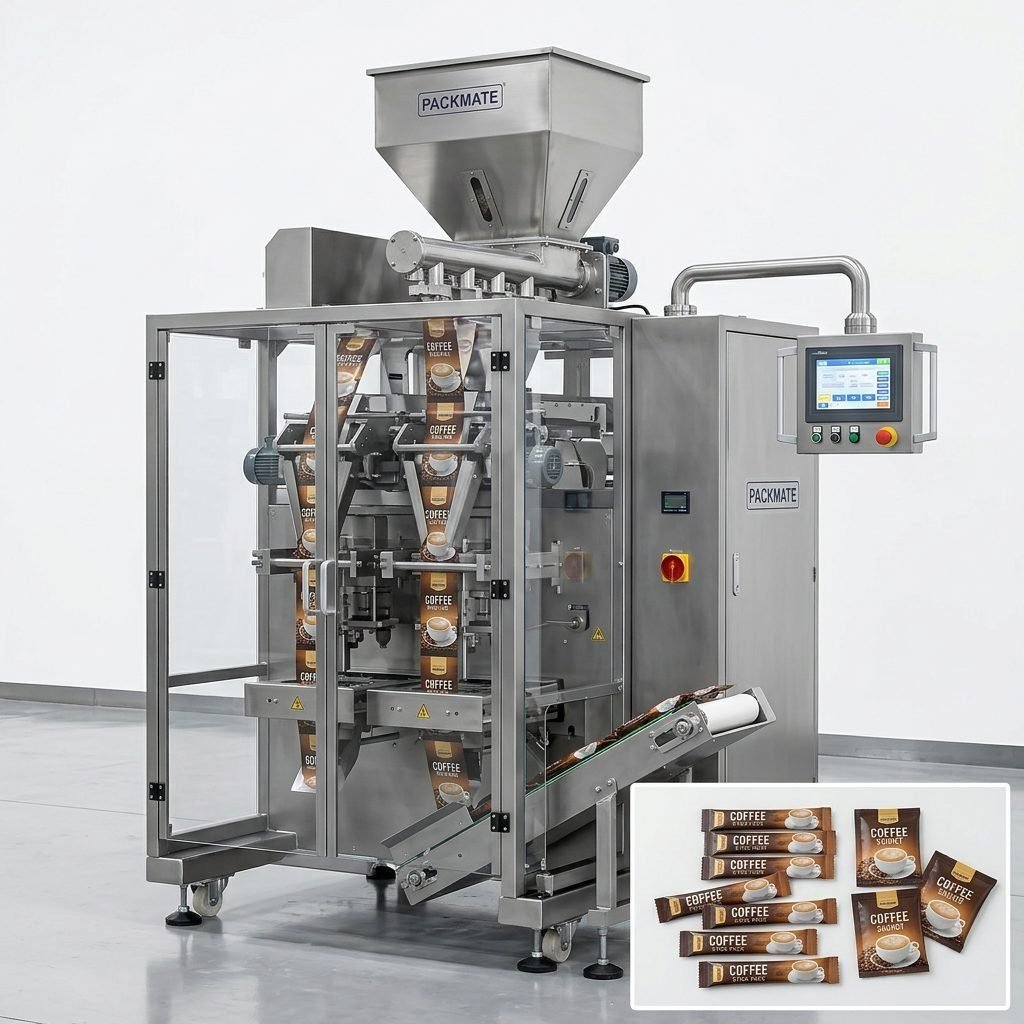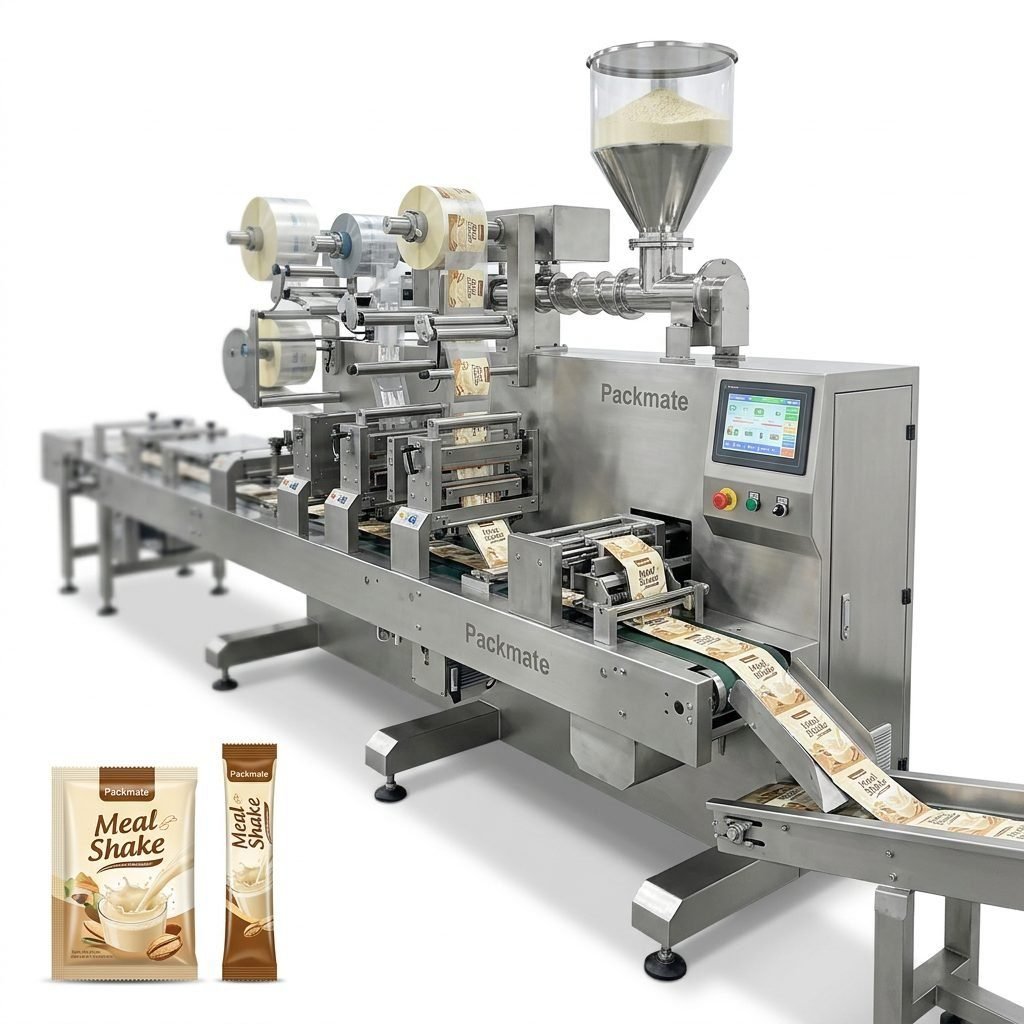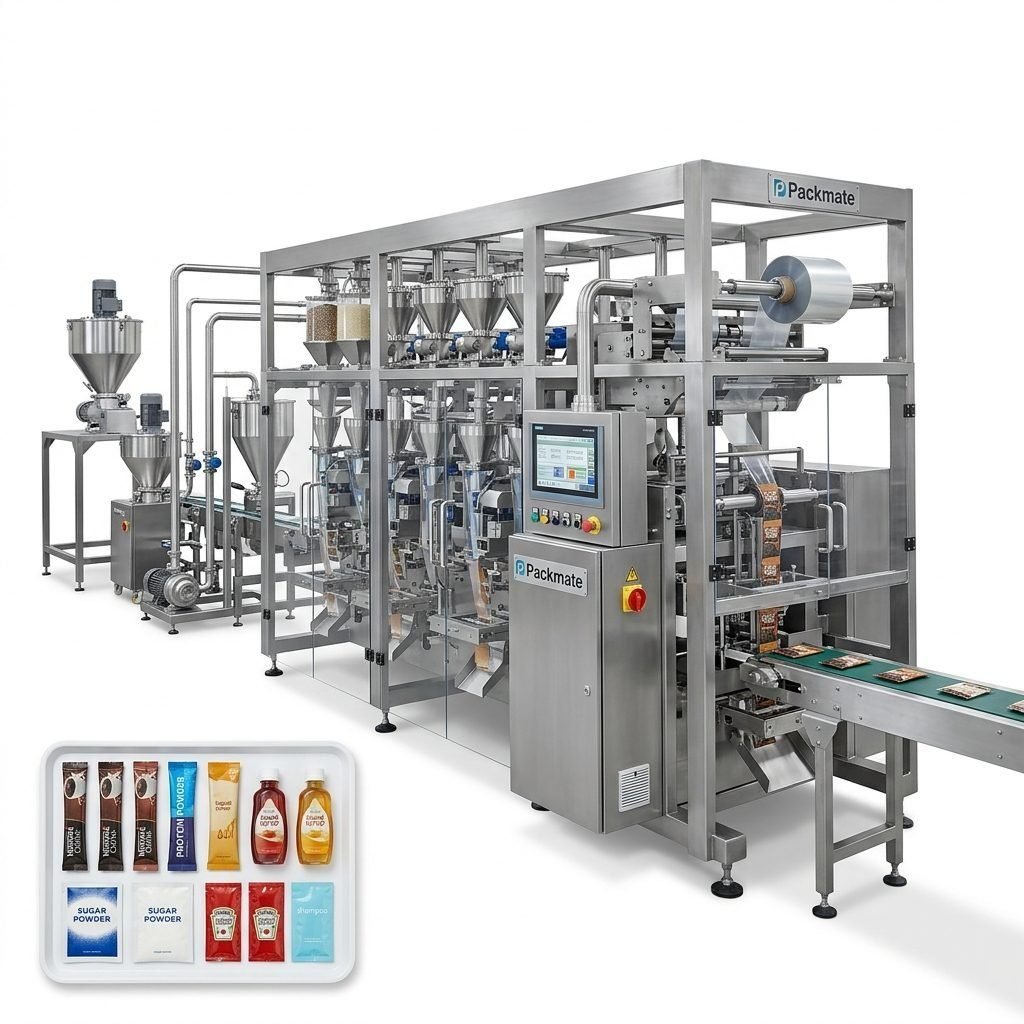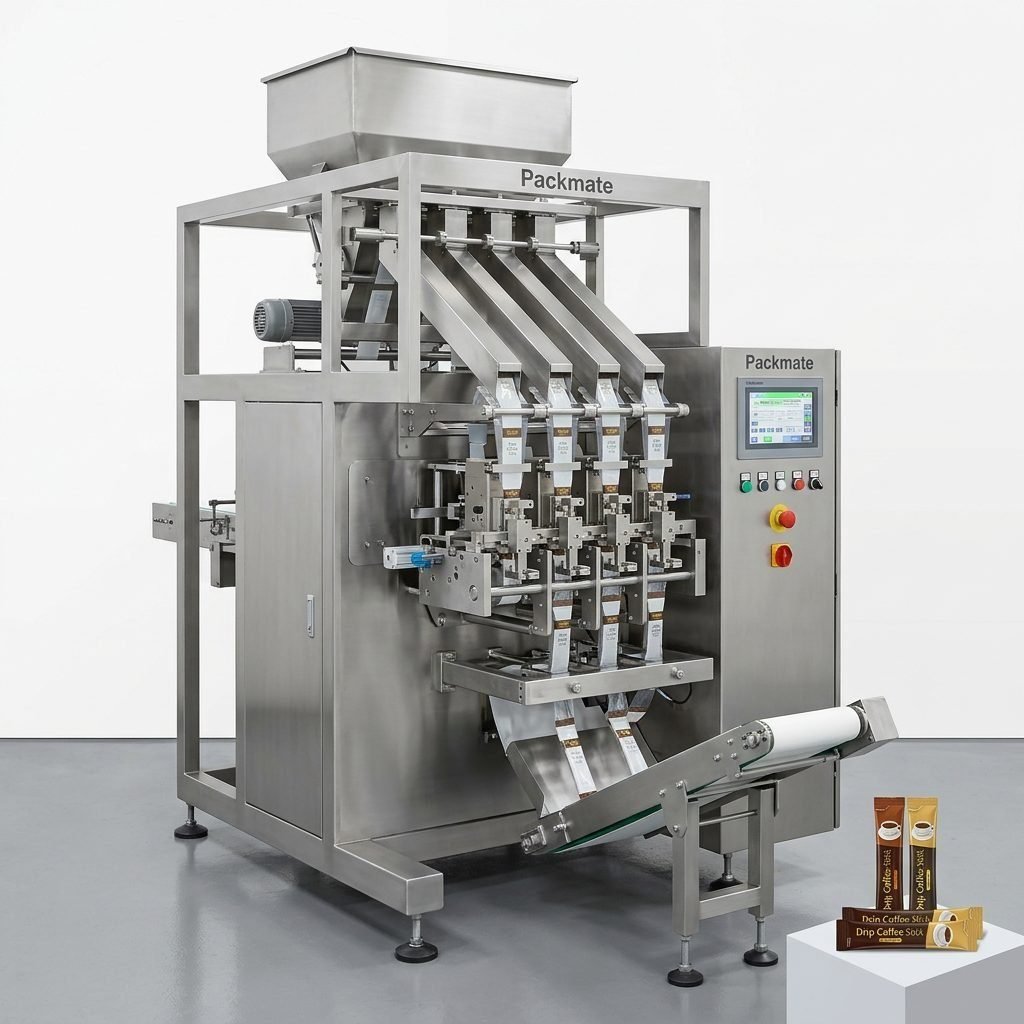
In the dynamic world of product manufacturing, efficiency, hygiene, and presentation are paramount. For industries handling powders, granules, and liquids, the horizontal form fill seal (HFFS) packaging machine stands as a cornerstone technology. This complete guide delves into the workings, applications, and critical advantages of HFFS machines, illustrating why they are indispensable in modern production lines.
What is a Horizontal Form Fill Seal Machine?
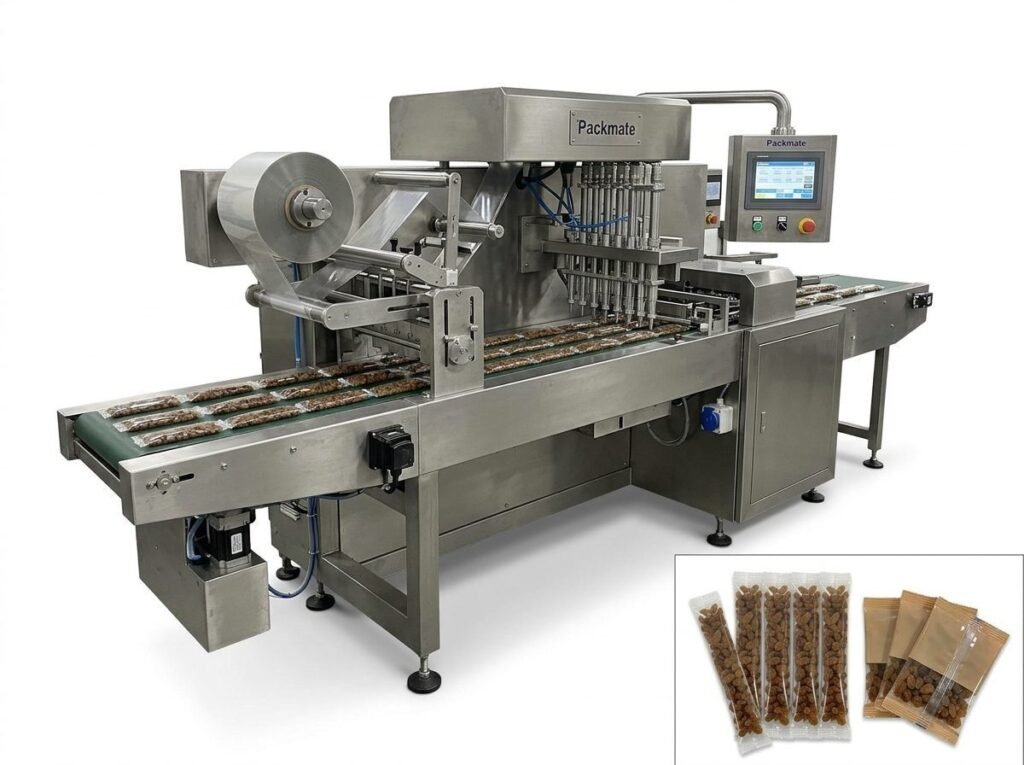
An HFFS machine is a type of automated packaging system that creates pouches from a roll of flat packaging film, fills them with a measured product, and then seals them—all in a continuous horizontal motion. Unlike vertical form fill seal (VFFS) machines, which form bags vertically, HFFS machines are particularly suited for products that are delicate, prone to settling, or require a specific presentation, such as laying flat.
Core Process: The operation is a seamless cycle: Film Feeding -> Forming -> Sealing (Bottom) -> Filling -> Sealing (Top) -> Cutting. This process ensures each pouch is formed, filled, and sealed with precision and minimal product exposure to the environment.
Key Components and Their Functions
Understanding the machine’s anatomy is key to appreciating its efficiency. The primary components include:
- Film Unwind System: Holds and feeds the roll of packaging material (laminate, foil, polyethylene) with precise tension control.
- Forming Collar: A critical tool that shapes the flat film into a tube around the filling nozzle.
- Longitudinal Sealer: Creates the continuous back seal of the film tube.
- Filling System: Can be volumetric cup, auger screw, or liquid pump, depending on the product. It dispenses the exact amount of product into the formed pouch.
- Transverse Sealer & Cutter: A set of heated jaws that simultaneously seal the top of the filled pouch and the bottom of the next pouch, then cuts them apart.
- Control Panel (PLC): The brain of the machine, allowing operators to set parameters like seal temperature, film speed, and fill weight.
Primary Uses and Industry Applications
The versatility of HFFS packaging machines makes them a favorite across numerous sectors. Their gentle handling and precise filling are ideal for a wide array of products.
Food & Beverage Industry
This is one of the largest application areas. HFFS machines are perfect for packaging:
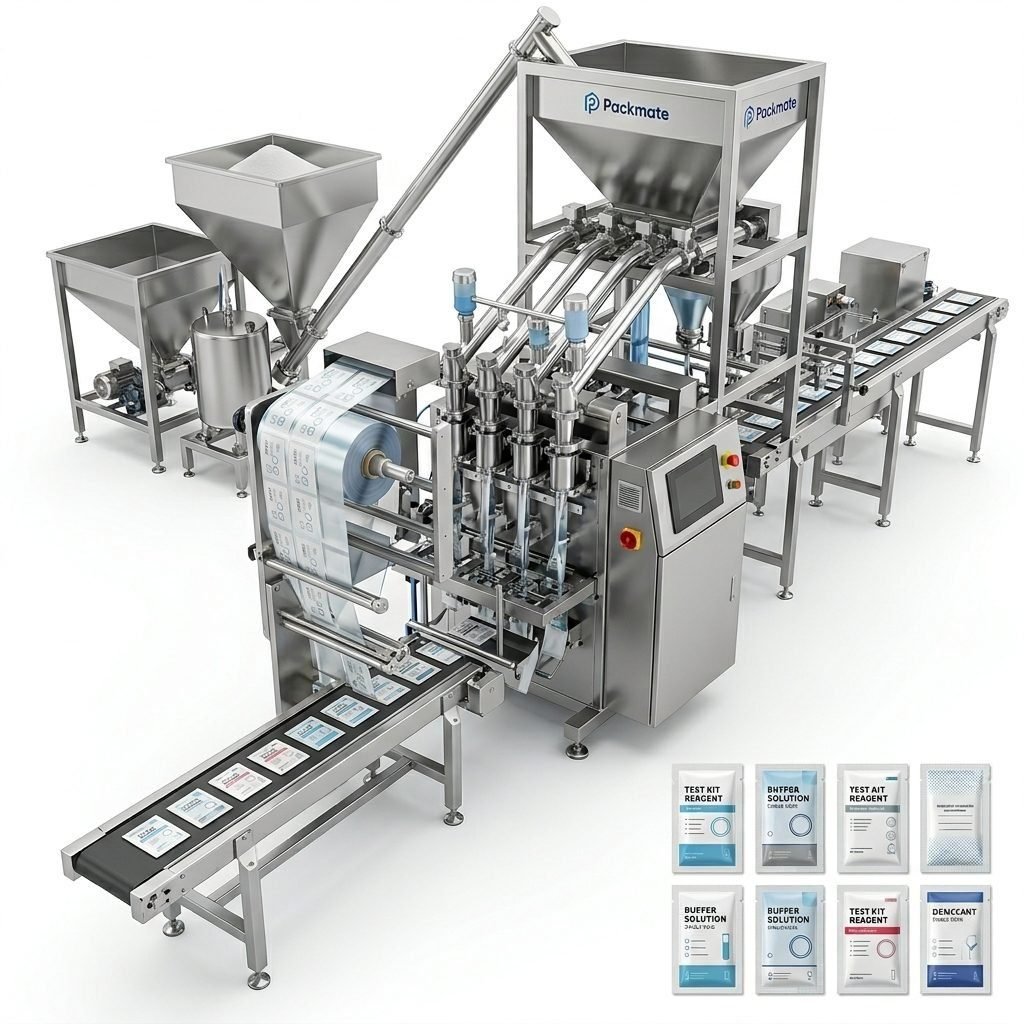
– Powders: Milk powder, instant coffee, protein powder, spices, and drink mixes.
– Granules: Sugar, salt, grains, nuts, and candies.
– Liquids & Pastes: Sauce sachets (ketchup, soy sauce), honey sticks, salad dressing, and edible oils.
The machine’s ability to create airtight seals is crucial for preserving freshness and extending shelf life. For businesses looking to integrate such solutions, exploring a comprehensive filling and packaging line can streamline the entire process from mixing to final packaging.
Pharmaceutical & Healthcare
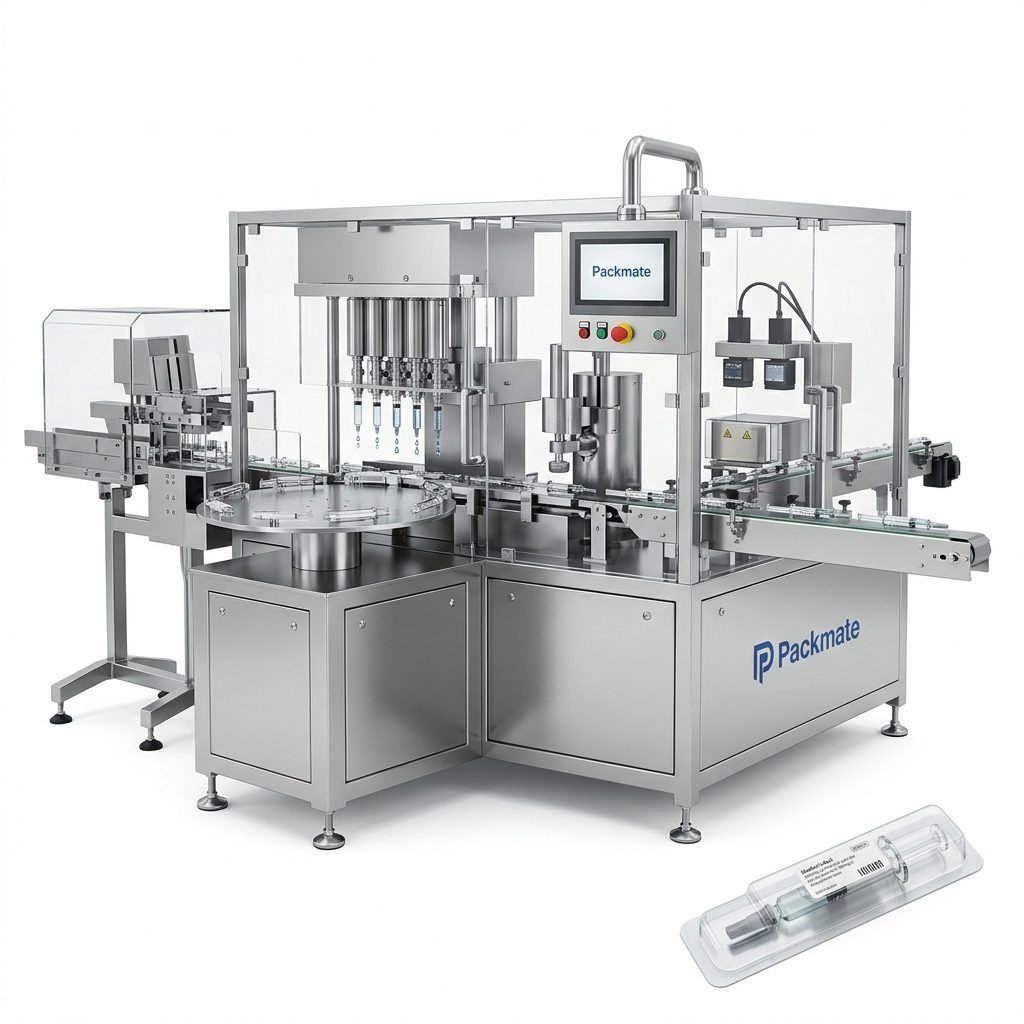
Precision and sterility are non-negotiable. HFFS machines package:
– Oral Powders: Electrolyte replacers, pain relief powders.
– Granules: Herbal medicines, effervescent tablets.
– Single-Dose Liquids: Cough syrup sachets, saline solution.
The closed system minimizes contamination risk, and the precise dosing ensures patient safety and compliance. Specialized models can incorporate features like nitrogen flushing to enhance product stability.
Chemical & Industrial Goods
From household products to industrial components, HFFS machines handle:
– Detergents & Cleaners: Single-use laundry detergent pods, dishwasher powder.
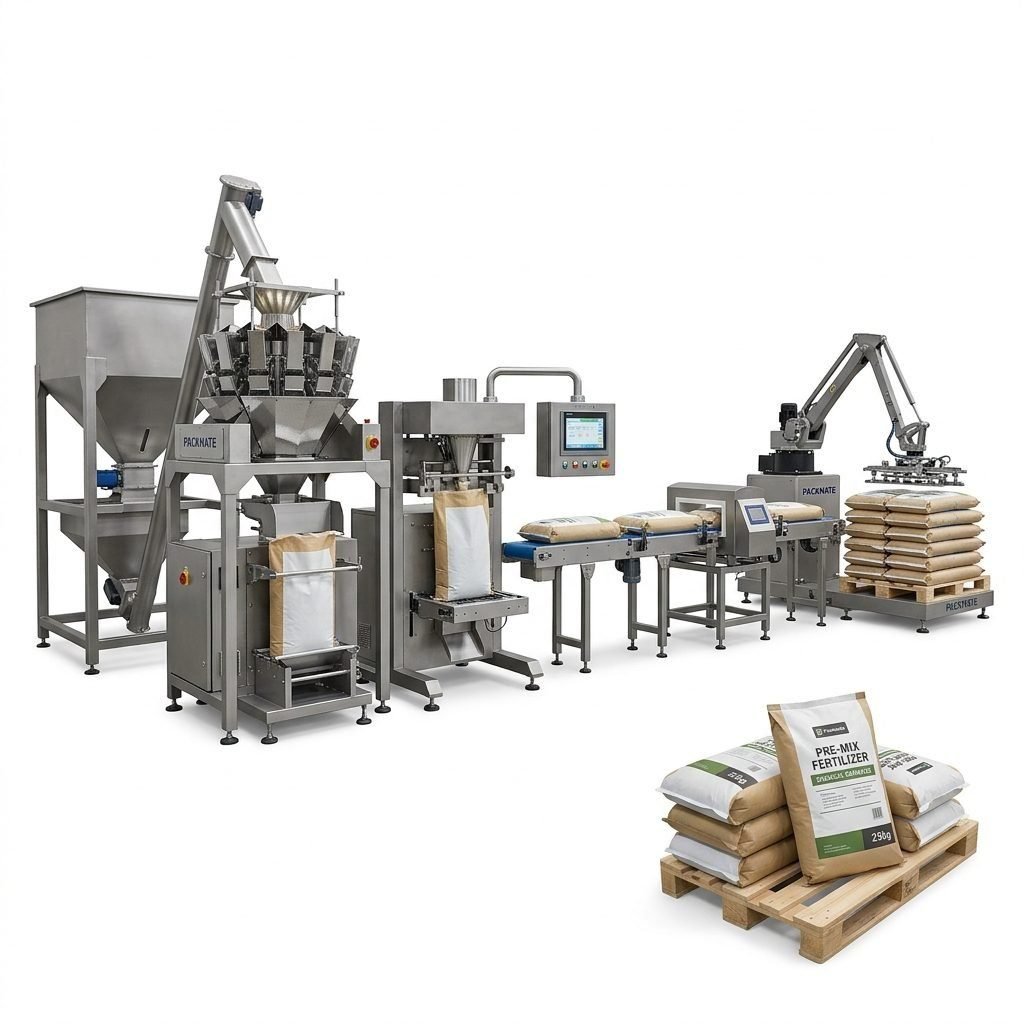
– Agrochemicals: Fertilizers, pesticides in small, pre-measured doses.
– Hardware: Small screws, nails, and fasteners.
The robust construction of these machines allows them to handle a variety of materials, including thicker, more durable films required for chemical products.
Advantages of Choosing HFFS Packaging
Why has the HFFS machine become so prevalent? The benefits are compelling for both large-scale manufacturers and growing businesses.
- High Efficiency & Speed: Modern HFFS machines can produce hundreds of pouches per minute, significantly boosting output.
- Reduced Material Waste: Using film from a roll is more efficient than pre-made bags and allows for on-the-fly size changes with minimal downtime.
- Superior Product Presentation: Creates clean, consistent, and professional-looking packages that enhance brand image on retail shelves.
- Excellent Seal Integrity: Provides strong, hermetic seals that protect against moisture, oxygen, and contaminants, crucial for food and pharma products.
- Gentle Product Handling: The horizontal filling motion is ideal for fragile, aerated, or non-free-flowing products that might be damaged in a vertical drop.
For companies requiring specialized pouch formats, such as stand-up pouches or zipper bags, dedicated bag and pouch packaging machines offer tailored solutions that complement HFFS technology.
Selecting the Right HFFS Machine: Key Considerations
Investing in an HFFS machine is a significant decision. Here are the critical factors to evaluate:
- Product Characteristics: What is the physical form (powder, granule, liquid)? Is it abrasive, corrosive, or hygroscopic? This determines the required filling system and machine contact parts (e.g., stainless steel grade).
- Production Requirements: Define your needed output speed (pouches/minute), operational hours, and desired pouch size range.
- Packaging Material: The machine must be compatible with your chosen film structure (e.g., PET/AL/PE). Consider if you need gas flushing capabilities.
- Level of Automation: Options range from semi-automatic machines to fully integrated lines with automated cartoning and case packing. Assess your current and future needs.
- Supplier Reputation & Support: Choose a manufacturer with a proven track record of quality, reliability, and strong after-sales service. A partner like Packmate Machinery, with decades of expertise, can provide not just a machine but a complete, reliable packaging solution and ongoing support.
The Future of HFFS Technology
The evolution of HFFS machines is driven by Industry 4.0. Future trends include:
– Enhanced Connectivity: IoT-enabled machines for real-time monitoring, predictive maintenance, and data analytics to optimize Overall Equipment Effectiveness (OEE).
– Greater Flexibility: Quick-changeover systems and smart controls to handle a wider variety of pouch sizes and styles with minimal manual intervention.
– Sustainability Focus: Machines designed to work efficiently with recyclable or compostable mono-material films, reducing environmental impact.
– Advanced Vision Inspection Systems: Integrated cameras to check for fill levels, seal quality, and print registration on every pouch, ensuring zero defects.
Frequently Asked Questions (FAQs)
What is the main difference between HFFS and VFFS machines?
The primary difference is the orientation of bag forming and filling. HFFS machines form and fill pouches on a horizontal plane, which is gentler and better for products that lay flat or are delicate. VFFS machines form bags vertically, with product dropped down into the bag, making them typically faster and better for free-flowing granules like snacks or pet food.
Can one HFFS machine handle different types of products?
Yes, but with limitations and changeover procedures. A machine can be configured to handle different products (e.g., switching from powder to granules) by changing the filling system (e.g., auger to cups) and adjusting settings. However, thorough cleaning and validation are required, especially when switching between unrelated product categories like food and chemicals.
How do I ensure consistent seal quality on my HFFS machine?
Consistent seals depend on three main factors: correct temperature, sufficient pressure, and dwell time (the time the sealing jaws are closed). Regularly calibrate temperature sensors, ensure jaw surfaces are clean and undamaged, and use packaging film that is within the machine’s specified gauge and compatible with the seal layer (usually polyethylene).
What maintenance does an HFFS machine require?
Regular maintenance is crucial. Daily tasks include cleaning product contact parts and checking for film debris. Weekly tasks involve lubricating moving parts (as per manual) and inspecting seals and wear parts. Scheduled professional maintenance should be performed quarterly or annually to check drive systems, electrical components, and calibrate scales and sensors.
Are HFFS machines suitable for small businesses or startups?
Absolutely. While large, high-speed lines exist, there are many compact, semi-automatic, and affordable HFFS models designed for lower-volume production, pilot plants, or contract packers. They offer the same benefits of professional packaging and efficiency on a scale that matches a growing business’s needs and budget.