The aseptic packaging machinery market is undergoing a significant transformation, driven by evolving consumer demands, stringent regulatory requirements, and a relentless pursuit of operational efficiency. This sector, crucial for preserving the safety and extending the shelf life of perishable goods like dairy, beverages, pharmaceuticals, and liquid foods, is witnessing several key trends that are shaping its future growth and direction.
The Rise of Automation and Smart Manufacturing
One of the most prominent trends is the deep integration of Industry 4.0 principles. Modern aseptic packaging lines are no longer isolated machines but interconnected nodes in a smart factory ecosystem. The adoption of the Internet of Things (IoT), sensors, and advanced data analytics allows for real-time monitoring of critical parameters such as sterilization efficacy, fill volume accuracy, and seal integrity. This shift towards predictive maintenance minimizes unplanned downtime, optimizes production schedules, and ensures consistent, high-quality output. Manufacturers are increasingly seeking intelligent filling and packaging lines that offer seamless data integration and remote diagnostics.
Sustainability as a Core Driver
Environmental consciousness is no longer a niche concern but a central market driver. There is immense pressure to reduce packaging waste, energy consumption, and the overall carbon footprint of the supply chain. This is fueling innovation in several areas:
- Material Efficiency: Machinery is being designed to handle thinner, lighter, yet stronger recyclable or bio-based materials without compromising the aseptic barrier.
- Energy-Efficient Sterilization: Newer technologies, such as pulsed light and UV-C LED systems, are being explored as alternatives or supplements to traditional heat-based (steam, hot water) or chemical (H₂O₂) sterilization methods, offering lower energy use and reduced chemical residues.
- Circular Economy Designs: Equipment that facilitates easier cleaning, disassembly, and end-of-life recycling is gaining favor. The focus is on creating a closed-loop system for packaging materials.
Flexibility and Customization for Diverse Needs
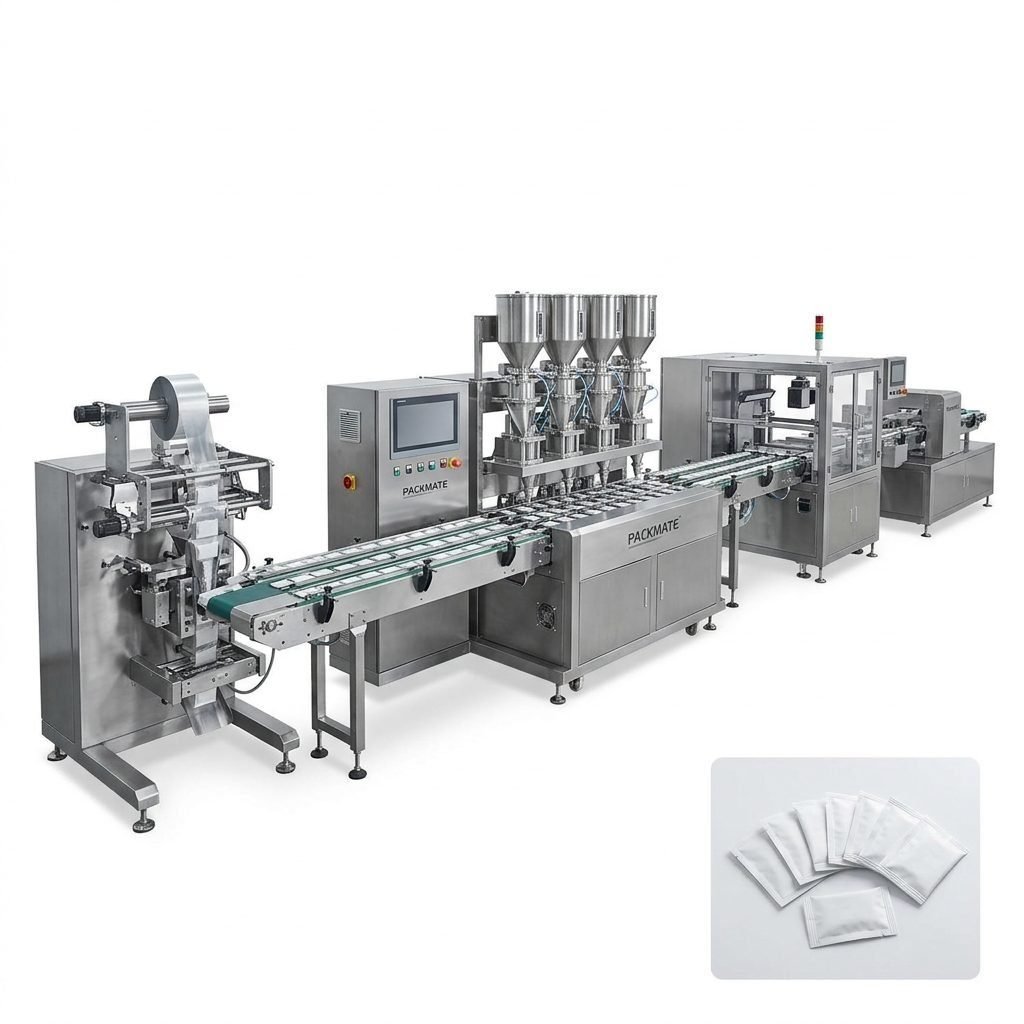
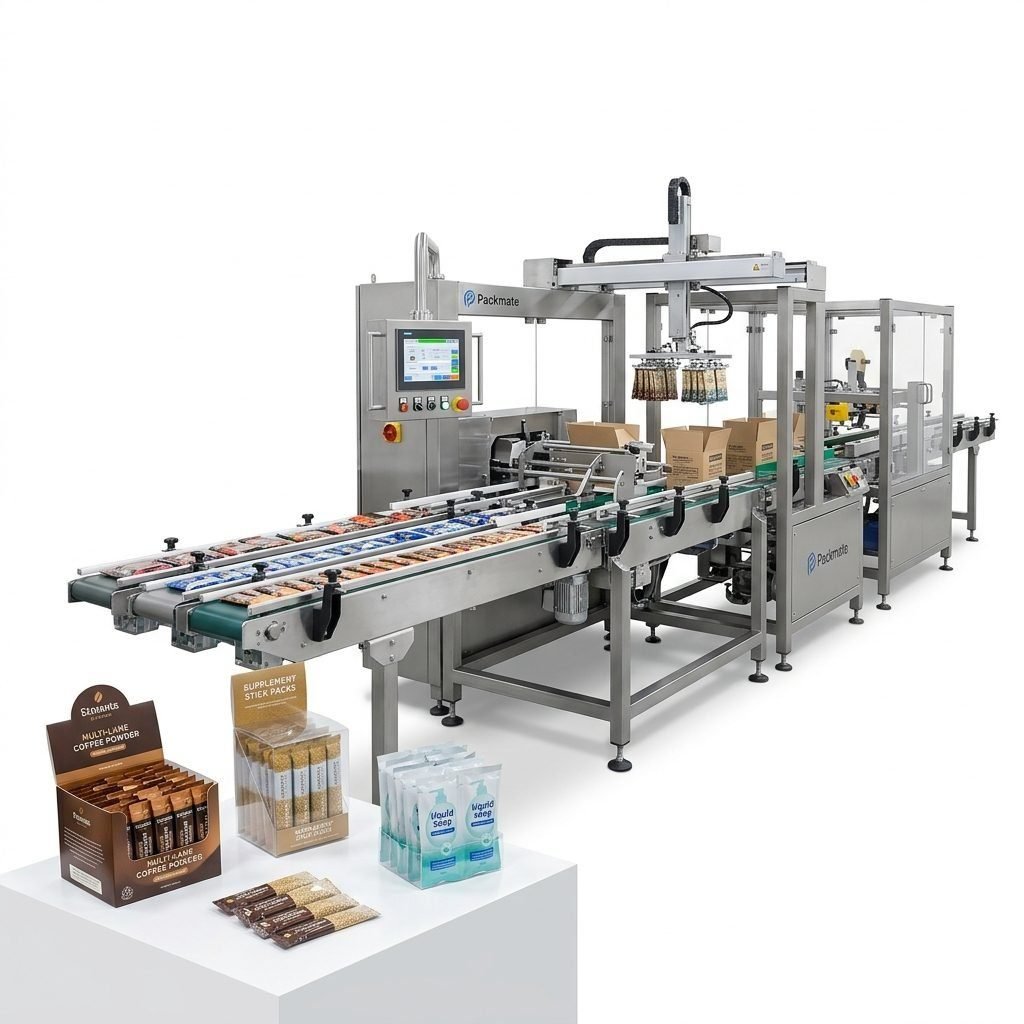
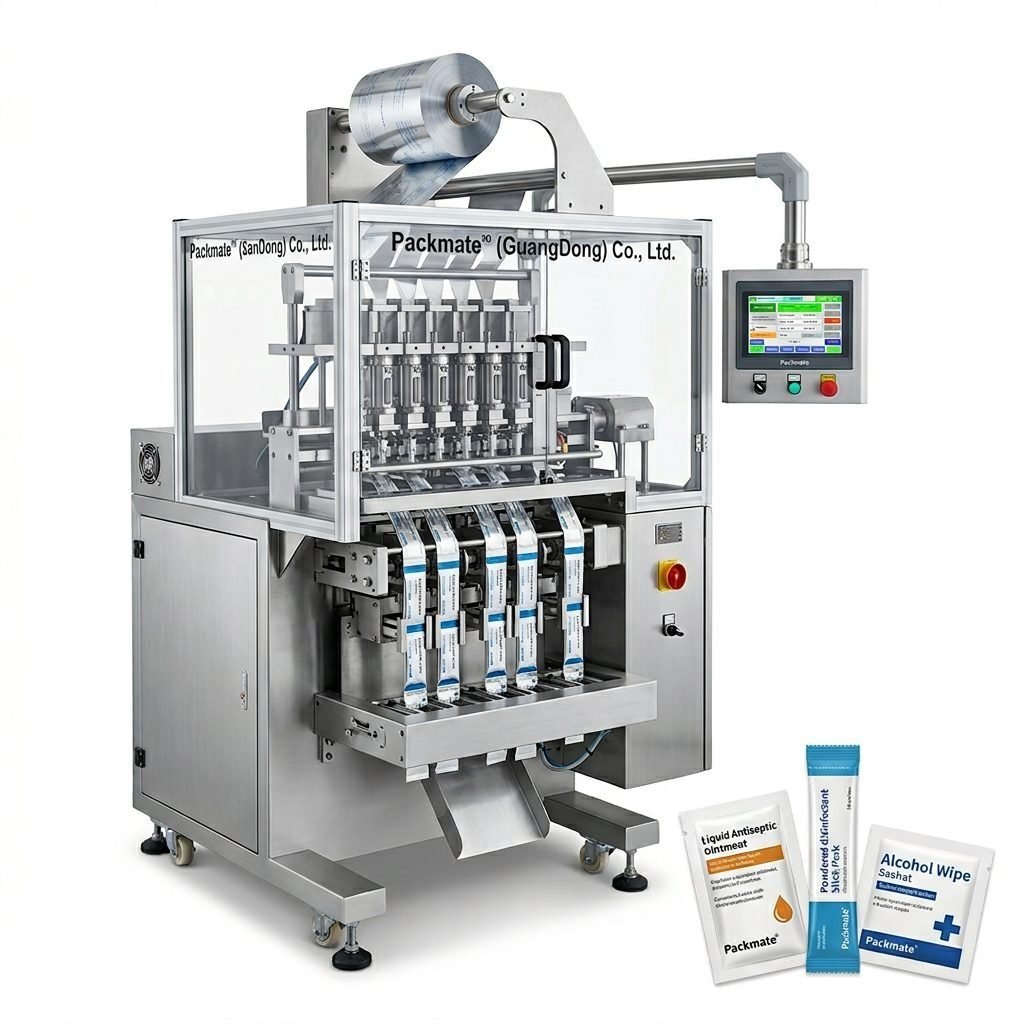
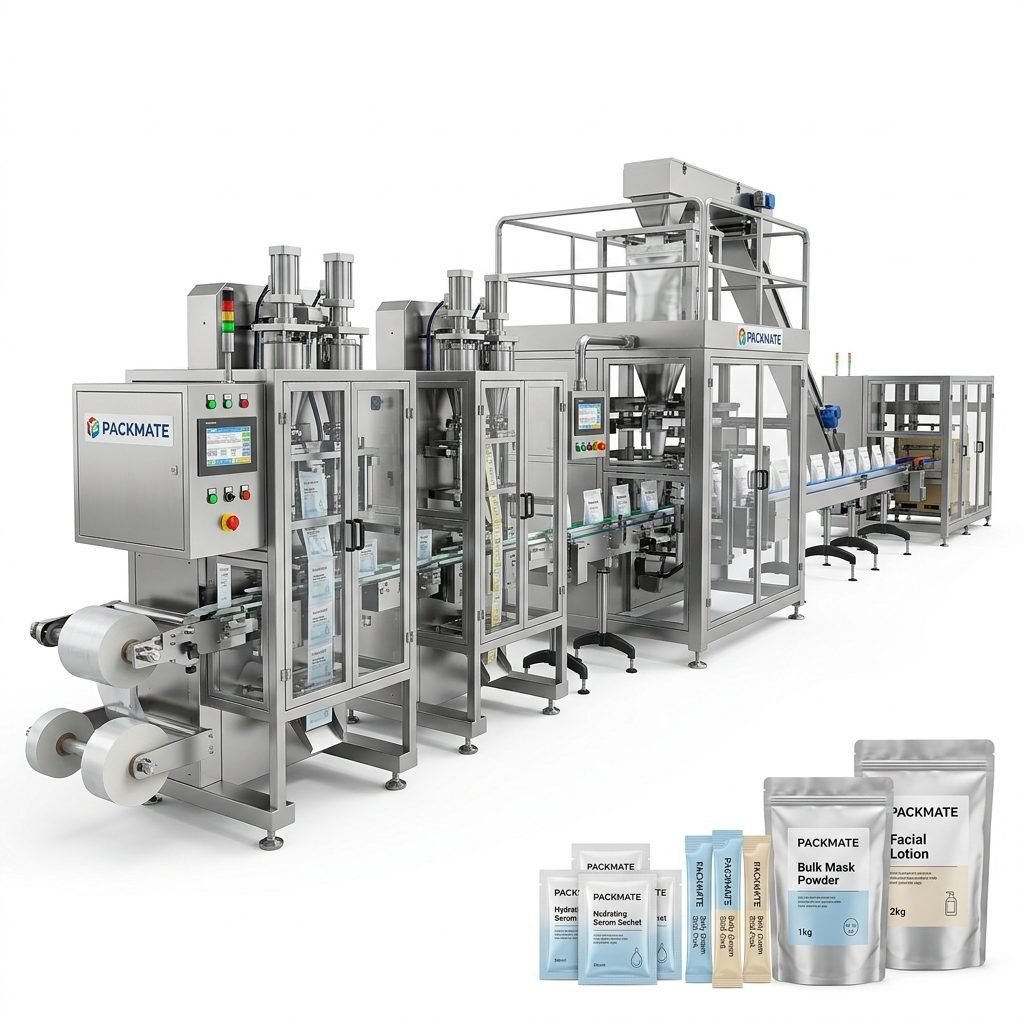
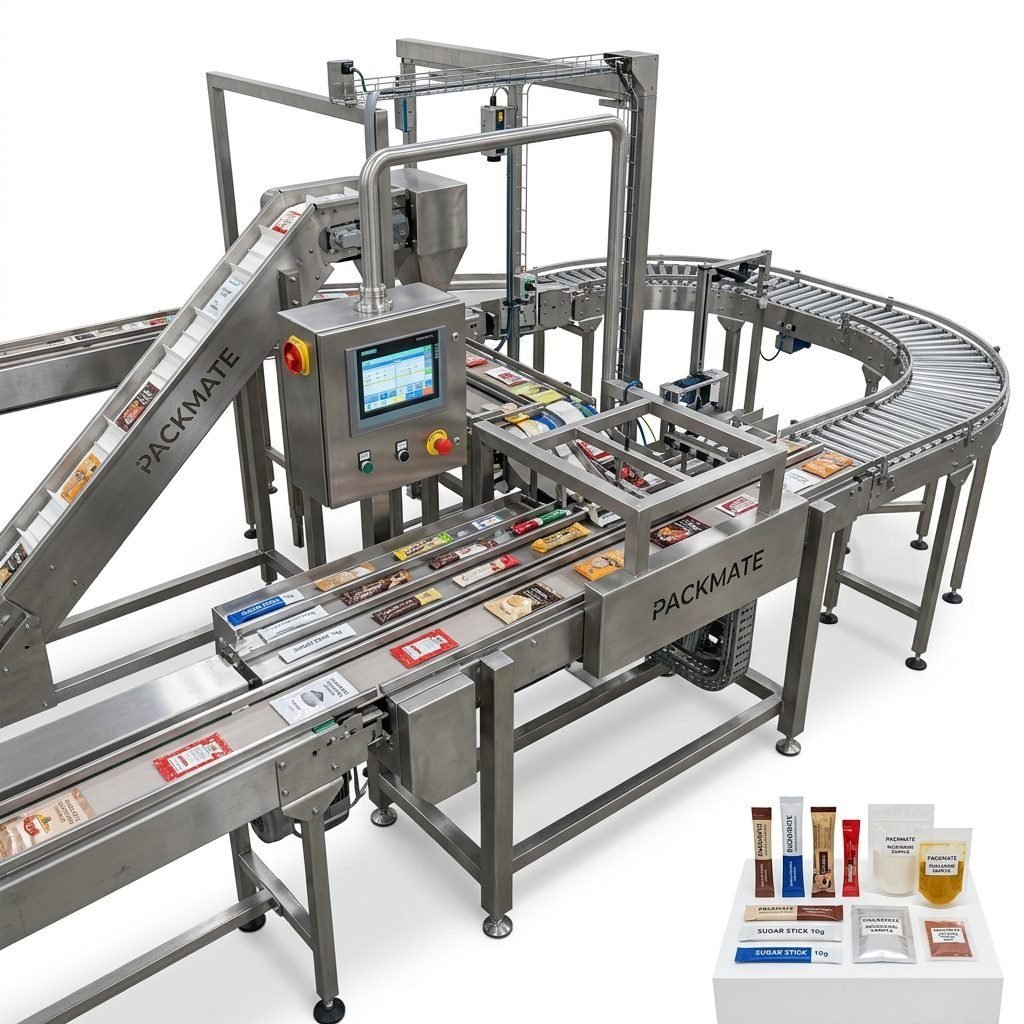
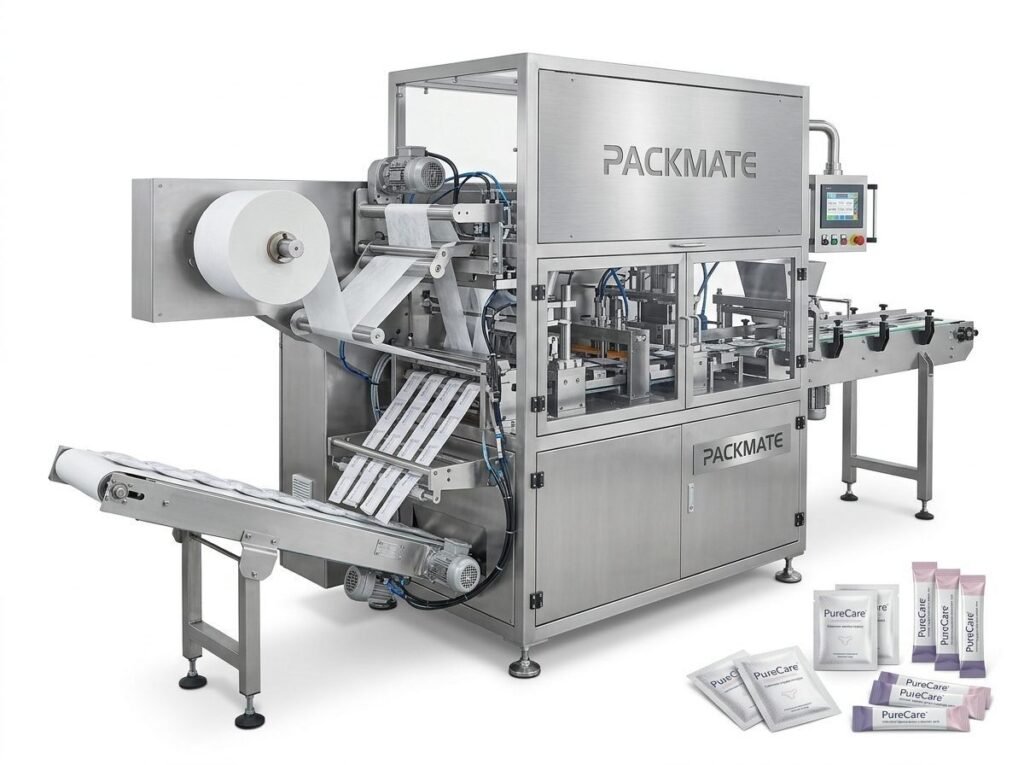
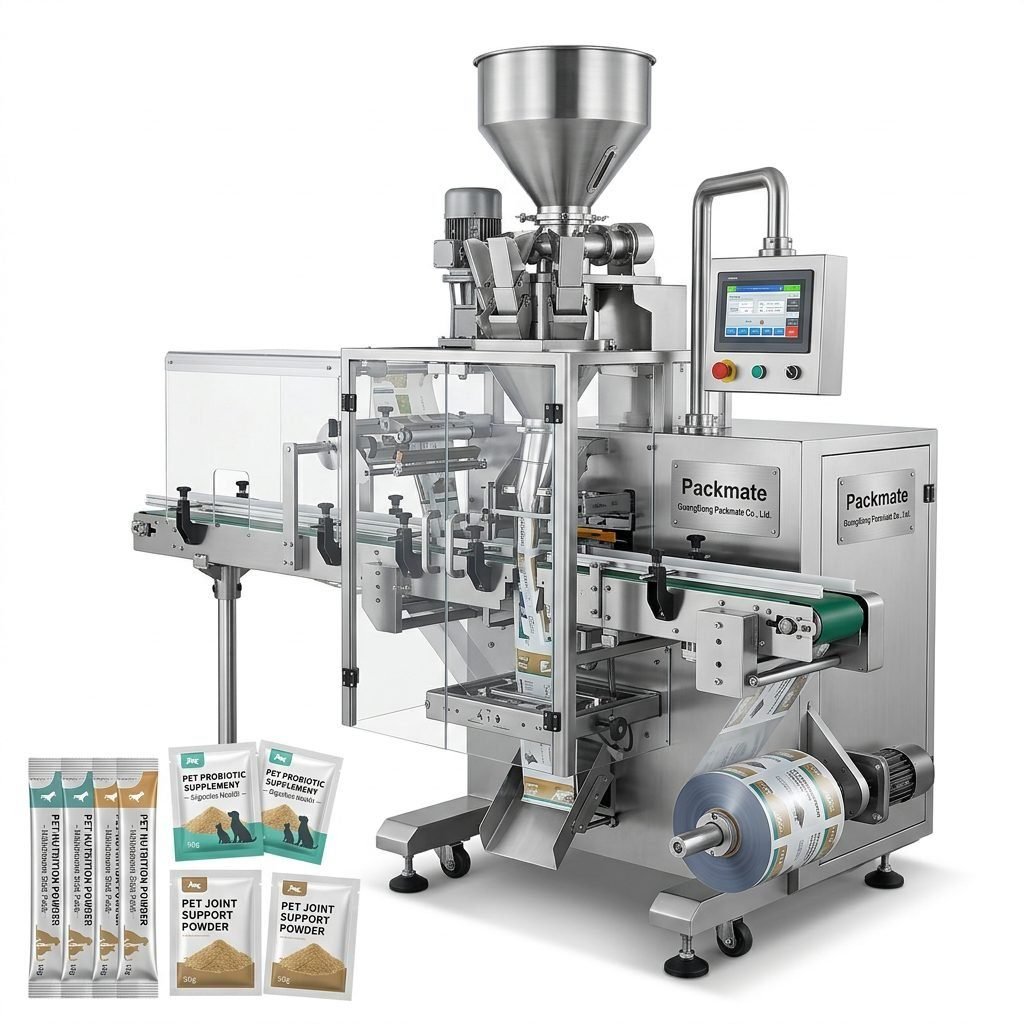
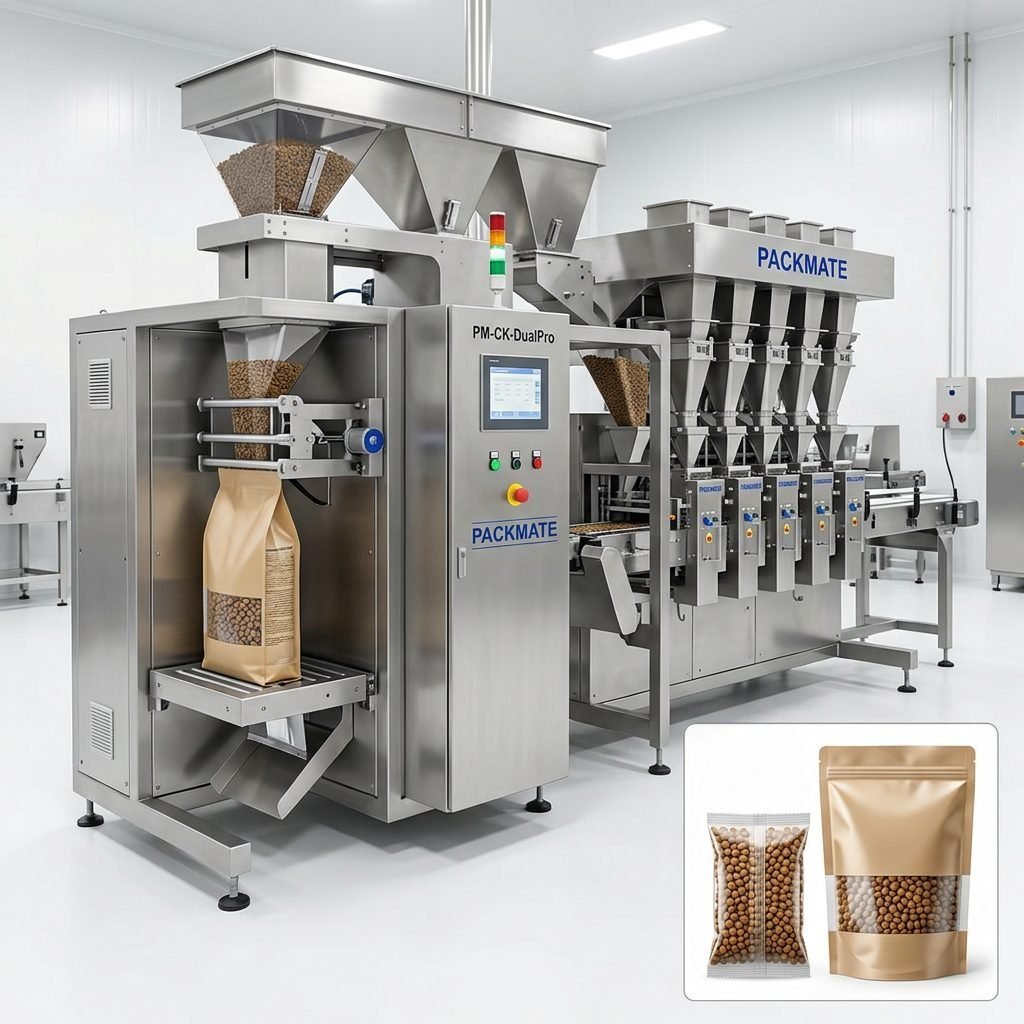
The market is fragmenting with a demand for more personalized products and smaller batch sizes. Consequently, modular and flexible aseptic packaging machinery is in high demand. Producers need equipment that can quickly switch between different package formats (bottles, cartons, pouches), sizes, and products with minimal changeover time and waste. This flexibility is crucial for brands launching limited editions, catering to regional preferences, or managing complex SKU portfolios. Solutions like versatile sachet and stick pack machines exemplify this trend, allowing for efficient, small-format aseptic packaging.
Advancements in Aseptic Technology
At the heart of the market are continuous technological improvements aimed at enhancing safety and efficiency. Key advancements include:
– Low-Temperature Sterilization: Technologies like electron beam (e-beam) and supercritical CO₂ are being refined for aseptic processing. These methods are particularly valuable for heat-sensitive products like protein drinks, nutritional supplements, and certain pharmaceuticals, preserving more of the product’s original nutrients, flavor, and texture.
– Robotics and Vision Systems: The integration of collaborative robots (cobots) for tasks like loading, palletizing, and final inspection is increasing. Coupled with advanced machine vision systems, they ensure 100% inspection for defects, leaks, or labeling errors, guaranteeing that only perfect packages leave the production line.
– Single-Use/Single-Aseptic Systems: While more common in pharmaceuticals, the concept of disposable fluid paths is making inroads into food and beverage for niche applications, eliminating the need for CIP (Clean-in-Place) and reducing cross-contamination risks.
Growth Insights and Regional Dynamics
The global demand for aseptic packaging machinery is projected to see robust growth, propelled by rising consumption of packaged foods and beverages in Asia-Pacific and Latin America. Urbanization, growing middle-class populations, and improved cold chain infrastructure in these regions are key factors. In mature markets like North America and Europe, growth is driven by the demand for premium, healthy, and functional beverages, along with stringent food safety regulations that mandate advanced packaging solutions.
For businesses looking to capitalize on these trends, partnering with an experienced manufacturer is critical. A partner like Packmate Machinery, with decades of expertise in intelligent packaging solutions, can provide the reliable, innovative, and flexible machinery needed to navigate this dynamic landscape. Their focus on turnkey solutions ensures a seamless integration of aseptic technology into existing or new production environments.
The Critical Role of Reliable Partners
Navigating the complexities of aseptic packaging requires more than just purchasing equipment; it requires a strategic partnership. Successful implementation hinges on factors like thorough validation protocols, comprehensive training, and reliable after-sales support. Manufacturers must choose partners who understand the entire process, from the initial sterility assurance of the packaging material to the final sealed product. Exploring a company’s project portfolio and case studies can provide valuable insight into their practical experience and capability to deliver robust aseptic systems for various applications, from dairy to pharmaceuticals.
In conclusion, the aseptic packaging machinery market is being shaped by a powerful confluence of smart technology, environmental responsibility, and the need for agile production. Companies that invest in flexible, data-driven, and sustainable packaging solutions will be best positioned to meet future consumer demands and regulatory challenges, ensuring product safety, quality, and market competitiveness for years to come.
Frequently Asked Questions (FAQs)
What are the primary benefits of using aseptic packaging machinery?
The core benefits include significantly extended shelf life of perishable products without refrigeration (reducing energy costs in the supply chain), preservation of nutritional value and taste by using minimal heat processing, and the ability to use lightweight, cost-effective packaging materials like cartons and flexible pouches. It also enhances food safety by eliminating microbial contamination.
How does aseptic packaging differ from hot-fill or retort processing?
In hot-fill and retort processing, both the product and the package are sterilized together using high heat, which can affect product quality. Aseptic processing sterilizes the product and the packaging material separately using the most appropriate method (e.g., heat for the product, H₂O₂ or steam for the package) and then fills and seals them in a sterile environment. This allows for better flavor, color, and nutrient retention.
What types of products are best suited for aseptic packaging?
Aseptic packaging is ideal for a wide range of liquid and semi-liquid products, including UHT milk, dairy alternatives (soy, almond milk), fruit juices, liquid eggs, soups, sauces, wines, and nutritional supplements. Its use is also expanding in the pharmaceutical and cosmetic industries for sterile products.
What is the importance of validation in aseptic packaging systems?
Validation is a mandatory, rigorous process that proves the packaging system consistently produces a sterile product. It involves testing and documenting every critical control point (sterilization of product, packaging material, and the environment) to ensure compliance with strict food safety and pharmaceutical regulations (like FDA and EU standards).
Can existing packaging lines be upgraded to aseptic technology?
While it is technically possible to retrofit certain components, upgrading a conventional line to a fully validated aseptic line is often complex and costly. It typically involves integrating new sterilization units, creating a sterile enclosure (ISO Class 5 or better), and adding advanced controls. For most manufacturers, investing in a dedicated, turnkey aseptic packaging line designed and validated as a complete system is a more reliable and efficient long-term solution.